
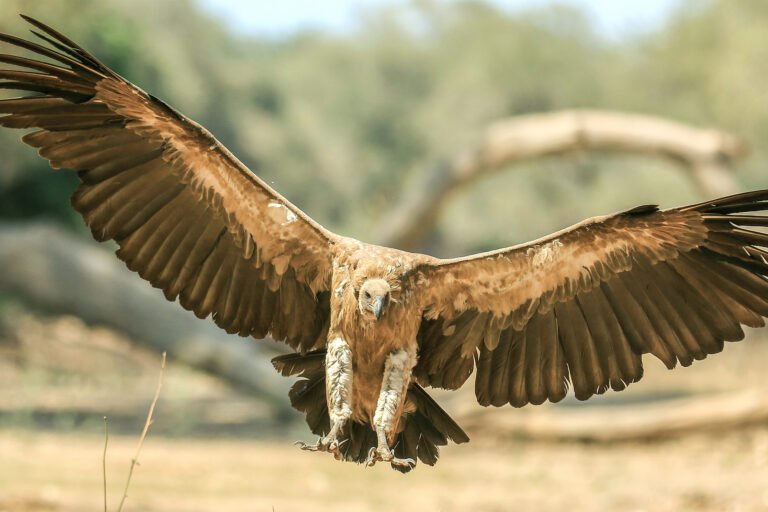
Vultures Anchor Africa’s Ecosystems (Image Credits: Imgs.mongabay.com)
Africa – Conservation efforts to safeguard vulture populations encounter formidable obstacles across the continent’s expansive terrains.
Vultures Anchor Africa’s Ecosystems
These birds serve as essential scavengers, clearing carcasses that could otherwise spread disease and disrupt natural balances. Their slow reproductive rates make recovery from losses particularly difficult. Vultures roam enormous distances in search of food, often covering hundreds of kilometers daily.
Populations have plummeted in recent decades due to human activities encroaching on their habitats. Conservationists recognize that without intervention, entire ecological chains could falter. Protecting these species demands strategies attuned to their wide-ranging lifestyles.
Persistent Threats Demand Urgent Action
Poisons intended for predators like lions or hyenas inadvertently kill vultures that feed on tainted remains. Expanding power lines pose another lethal risk, as birds collide with or get electrocuted by wires during flight. Infrastructure development accelerates these dangers in regions where vultures nest and forage.
Other factors compound the issue, including habitat loss from agriculture and hunting. These threats operate over scales that match the birds’ own movements, complicating targeted responses. Efforts to mitigate them require coordinated measures beyond traditional park boundaries.
The Promise of Vulture Safe Zones
Designating specific areas as vulture safe zones offers a structured approach to counter these perils. Such zones aim to eliminate key hazards like poisoning and unsafe power structures within defined regions. Initial implementations have shown potential to boost local populations by creating refuges amid hostile surroundings.
Success hinges on collaboration among governments, communities, and energy companies. Safe zones extend protections to nesting sites and foraging grounds, fostering recovery in core areas. This model draws from similar initiatives for other wide-ranging species, adapting lessons to avian needs.
Scaling Up Across Vast Landscapes
Enforcing safe zones proves challenging given Africa’s diverse and immense geography. Birds do not respect borders, migrating across countries and biomes. Maintaining poison-free environments demands ongoing vigilance from local farmers and herders.
Power line retrofits require substantial investment and technical expertise in remote areas. Monitoring compliance stretches resources thin over thousands of square kilometers. Yet, pilot programs demonstrate that focused interventions can yield measurable gains, encouraging broader adoption.
- Poisons eliminated through community education and alternatives.
- Power lines modified with bird-friendly designs.
- Nesting cliffs protected from disturbance.
- Cross-border agreements for migratory paths.
- Population tracking via satellite tags.
Key Takeaways
- Vultures’ vast ranges necessitate landscape-scale protections.
- Safe zones target poisons and infrastructure as primary threats.
- Collaboration remains essential for long-term success.
These initiatives highlight the intricate balance between development and preservation in Africa. As safe zones evolve, they could set precedents for conserving other far-ranging wildlife. What steps do you believe communities should take next? Share your thoughts in the comments.


