
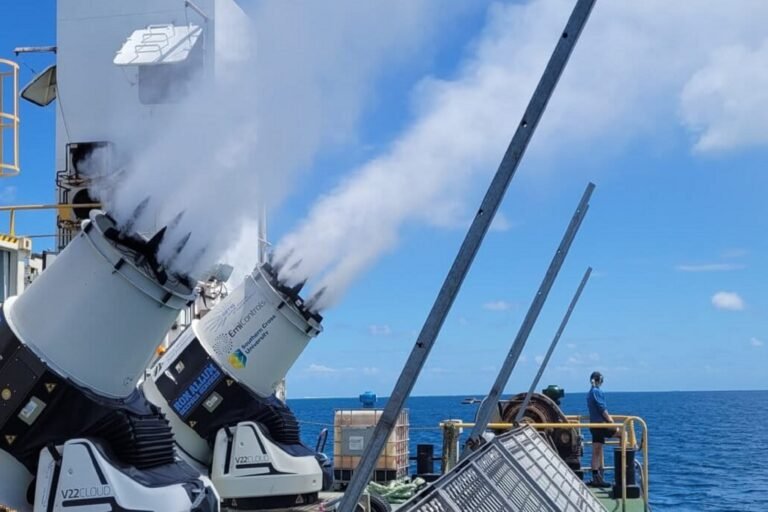
Climate Crisis Fuels Push for Radical Interventions (Image Credits: Imgs.mongabay.com)
Researchers presented findings that highlight significant uncertainties surrounding geoengineering approaches targeting marine environments amid escalating climate threats.
Climate Crisis Fuels Push for Radical Interventions
Scientists long emphasized the dire consequences of unchecked global warming, including endless heat waves, devastating floods, prolonged droughts, surging sea levels, and irreversible tipping points. These dangers underscored the urgent need to phase out fossil fuels completely. Yet political momentum faltered, prompting some experts to advocate for geoengineering as a potential bridge.
The latest study delved into ocean-based strategies, evaluating their implications for marine life. Authors argued that while such methods promised rapid climate relief, they carried profound ecological hazards. This assessment arrived at a pivotal moment, as international discussions on carbon removal intensified.
Core Methods in Marine Geoengineering
Ocean geoengineering encompassed techniques designed to enhance the seas’ capacity to absorb carbon dioxide or reflect sunlight. Common proposals included adding iron to spur algal blooms that sequester CO2, enhancing ocean alkalinity with minerals to boost absorption, and even deploying reflective materials on the surface.
Proponents viewed these as supplements to emissions cuts, not replacements. The study cataloged how each approach altered ocean chemistry and biology. For instance, fertilization efforts risked disrupting nutrient cycles essential to plankton communities.
Ecosystem Threats Come into Sharp Focus
Marine habitats faced cascading disruptions from these interventions. Phytoplankton shifts could ripple through food chains, harming fish stocks and apex predators like whales. Acidification countermeasures might trigger hypoxic zones, suffocating diverse species.
Biodiversity hotspots, such as coral reefs and deep-sea vents, appeared particularly vulnerable. The research pinpointed potential for toxic algal proliferations and invasive species advantages. Fisheries, vital to global food security, stood to suffer long-term declines.
- Altered primary production affecting zooplankton and fish larvae.
- Chemical changes stressing shellfish and mollusks.
- Bioaccumulation of unintended substances in seafood chains.
- Regional imbalances exacerbating existing pollution pressures.
- Interactions with warming oceans amplifying heat stress on species.
Persistent Knowledge Gaps Demand Caution
Despite modeling advances, the study identified vast unknowns in geoengineering outcomes. Long-term monitoring data remained scarce, complicating predictions of multi-decade effects. Interactions between techniques and natural variability, like El Niño cycles, stayed poorly understood.
Governance frameworks lagged behind technical discussions. International bodies called for standardized risk assessments, but deployment trials sparked equity concerns among coastal nations.
Balancing Urgency with Prudence
The report urged comprehensive field tests under strict oversight before scaling. It stressed integrating ecosystem safeguards into any geoengineering roadmap. Policymakers faced pressure to prioritize proven decarbonization while exploring these high-stakes options.
Key Takeaways
- Geoengineering offers no substitute for fossil fuel phaseout.
- Marine interventions pose direct threats to biodiversity and fisheries.
- Filling knowledge gaps requires global collaboration and funding.
Ultimately, the study reinforced a sobering truth: tinkering with ocean systems demanded utmost care to avoid unintended catastrophes. What steps should nations take next in this high-wire act? Share your views in the comments.


