
Picture this: you’ve just spent twenty minutes wrangling your dog into the tub, lathering them up with that fancy lavender shampoo, and carefully rinsing every inch of their fluffy little body. You lift them out, wrap them in a towel – and then it happens. They bolt. They tear through the hallway, skid across the kitchen floor, launch themselves onto the couch, and spin like a tiny furry tornado with the biggest doggy grin you’ve ever seen.
If you’ve lived with a dog for more than five minutes, you know this scene by heart. It’s chaotic, hilarious, and honestly a little bit beautiful. But have you ever stopped mid-laugh and wondered what on earth is actually going on inside that wet, wild little brain? The answer is more fascinating than you might think. Let’s dive in.
What Are Zoomies, Exactly? The Science Has a Name for This
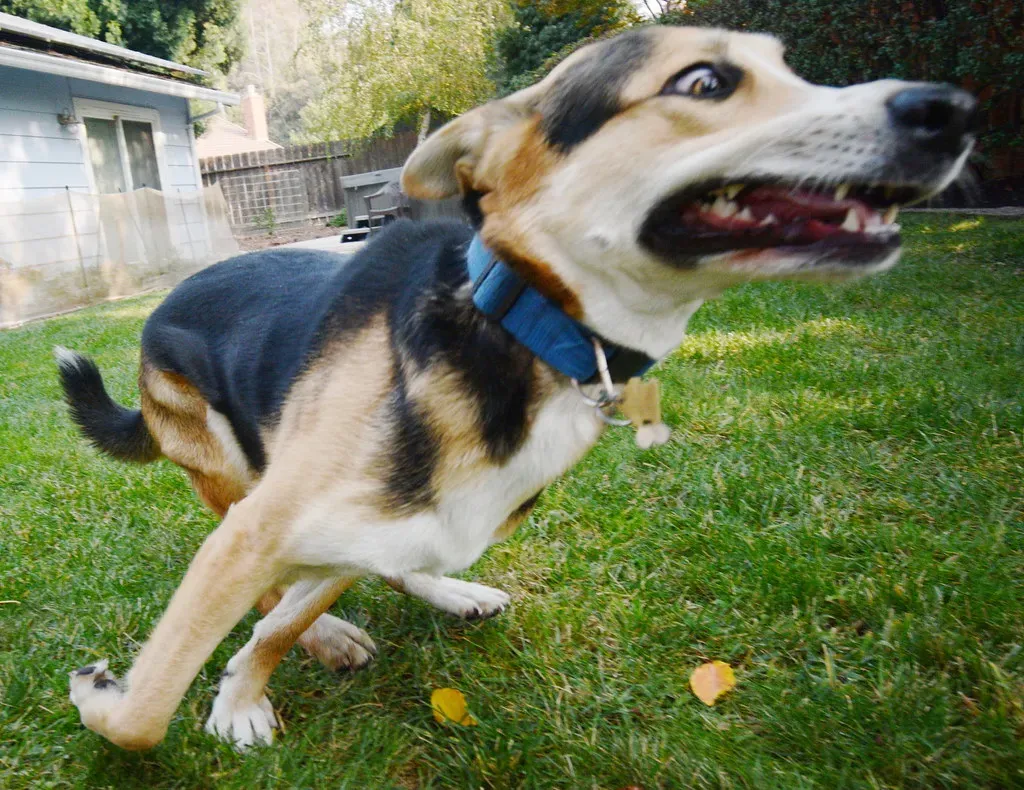
Frenetic random activity periods (FRAPs), also colloquially known as zoomies, scrumbling, midnight crazies, or mad half-hours, are random bursts of energy occurring in dogs and cats in which they run frenetically, commonly in circles. Yes, scientists actually sat down and named this behavior. I find that oddly reassuring.
FRAPs are characterized by an abrupt onset of rapid, seemingly random movement, with typical features including running at top speed, rapid turns and spins sometimes in tight circles, jumps and sudden stops, and brief vocalizations or tail-posture changes. Episodes usually last from a few seconds up to several minutes and end as abruptly as they began. One second your dog is a tornado. The next, they’re calmly licking their paw like nothing happened.
Recurring contexts in which FRAPs are commonly observed include immediately after elimination, following bathing, at dawn or dusk, during or after play, when an animal has just been released from confinement, or upon the return of an owner. So yes, bath time is one of the biggest triggers out there. Your dog isn’t broken. They’re magnificently, scientifically normal.
The Stress Relief Factor: Your Dog Was Holding It Together This Whole Time
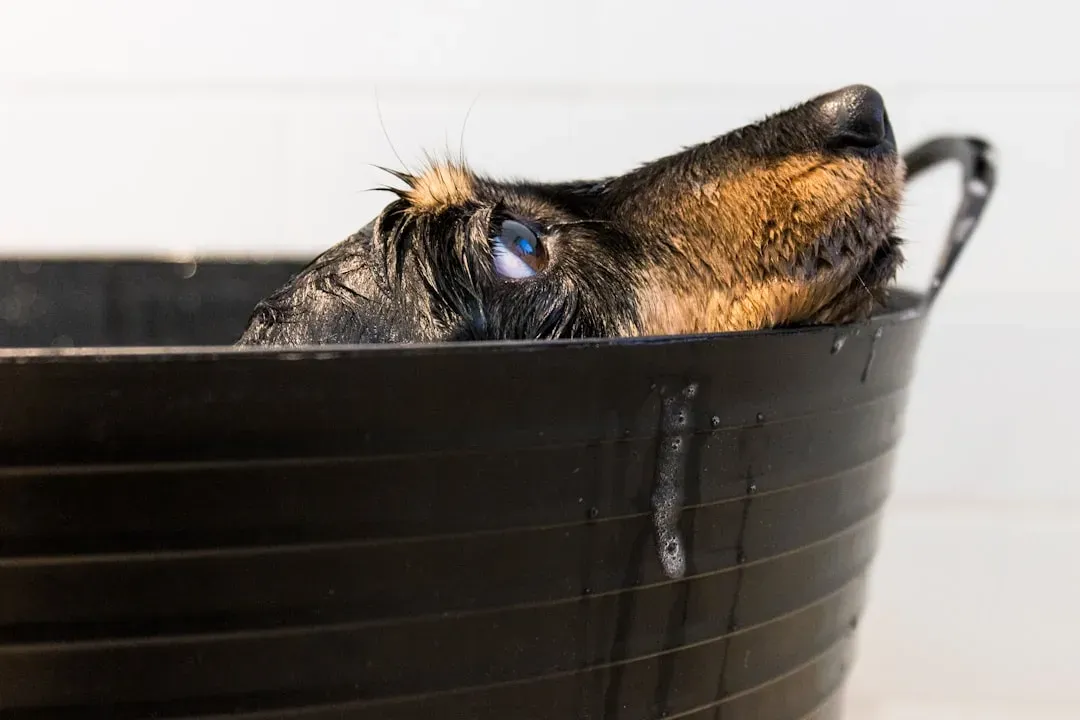
Here’s the thing most dog owners don’t fully appreciate: bath time is genuinely stressful for the majority of dogs, even the well-behaved ones who barely squirm. Think of it like sitting in a dentist’s chair. You might cooperate completely, but your body is still buzzing with tension the entire time.
Baths can be a stressful experience for many dogs. The combination of water, unfamiliar scents, and the sensation of being handled can leave them feeling uneasy. Once the bath is over, dogs often experience a sense of relief and release. This sudden shift from tension to freedom can trigger a burst of energy, manifesting as the zoomies.
After being held in place during the bath, dogs want to let loose. Zoomies help them release the tension of being confined to one area. Think of post-bath zoomies less like chaos and more like your dog exhaling one giant, full-body sigh of relief. Honestly, we could all relate to that feeling.
The Scent Identity Crisis: Your Dog Just Lost Their “Fingerprint”
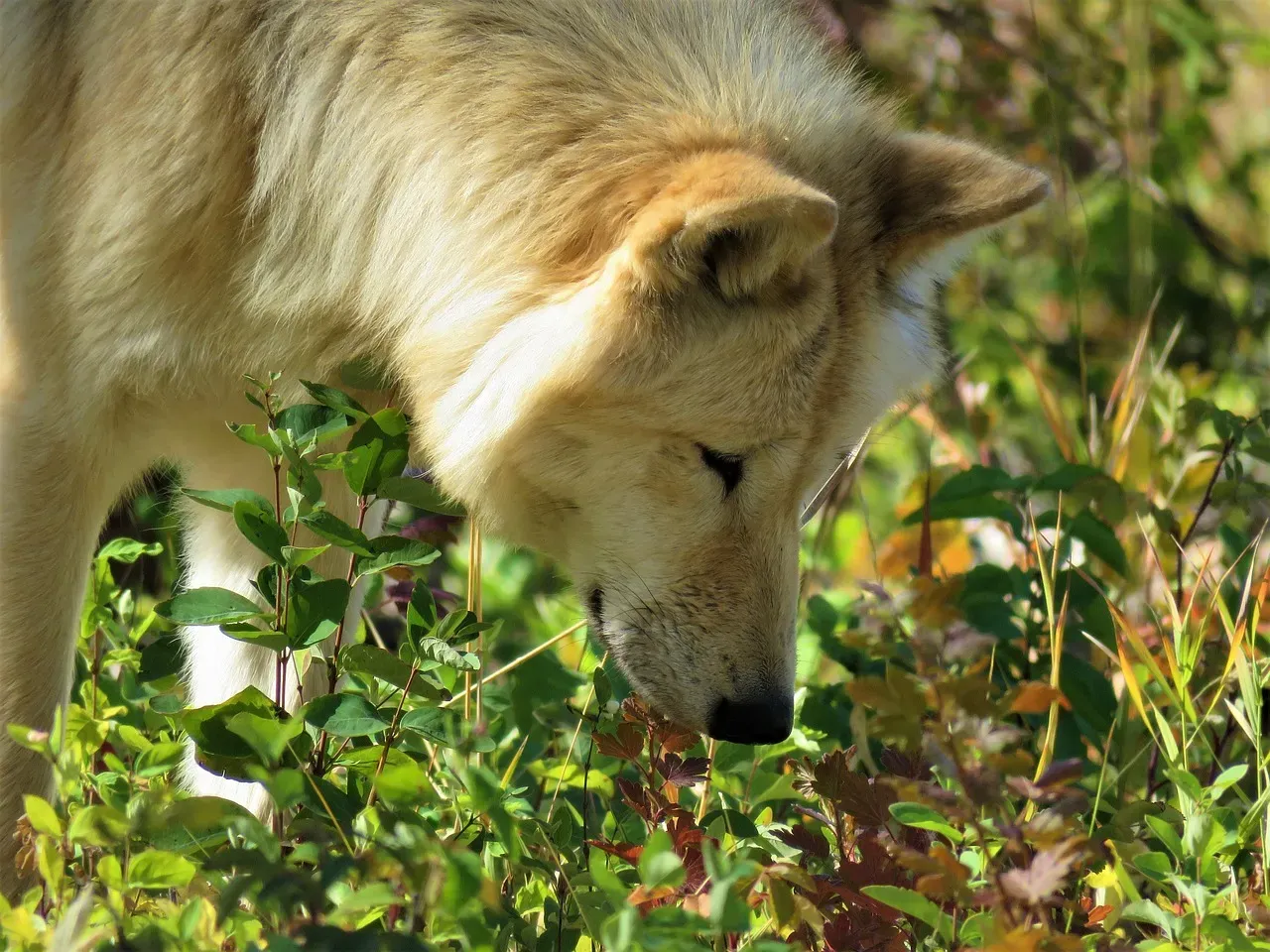
This one genuinely blew my mind when I first learned about it. Dogs experience the world almost entirely through scent. Their personal smell isn’t just something they have – it’s who they are. It’s their identity, their calling card, the thing that tells other dogs and even themselves, “This is me.”
Your dog doesn’t just like how they smell – their scent is how they identify themselves. It’s their canine fingerprint. Your dog is reclaiming their identity. Bath time temporarily removes their scent, so their instinct is to spread it back where it belongs. When you wash them with that lavender shampoo, you’ve essentially handed them a stranger’s identity badge.
Dogs have a powerful sense of smell and often find bath products’ fragrances foreign and unsettling. Post-bath zoomies can be their way of attempting to mask these artificial scents with their own natural odor by running, rolling, and rubbing against familiar surfaces. The rubbing and rolling on the couch right after a bath? That’s not naughtiness. That’s your dog desperately trying to smell like themselves again. Honestly, sweet when you think about it that way.
Ancient Instincts at Work: The Wild Ancestor Inside Your Labrador
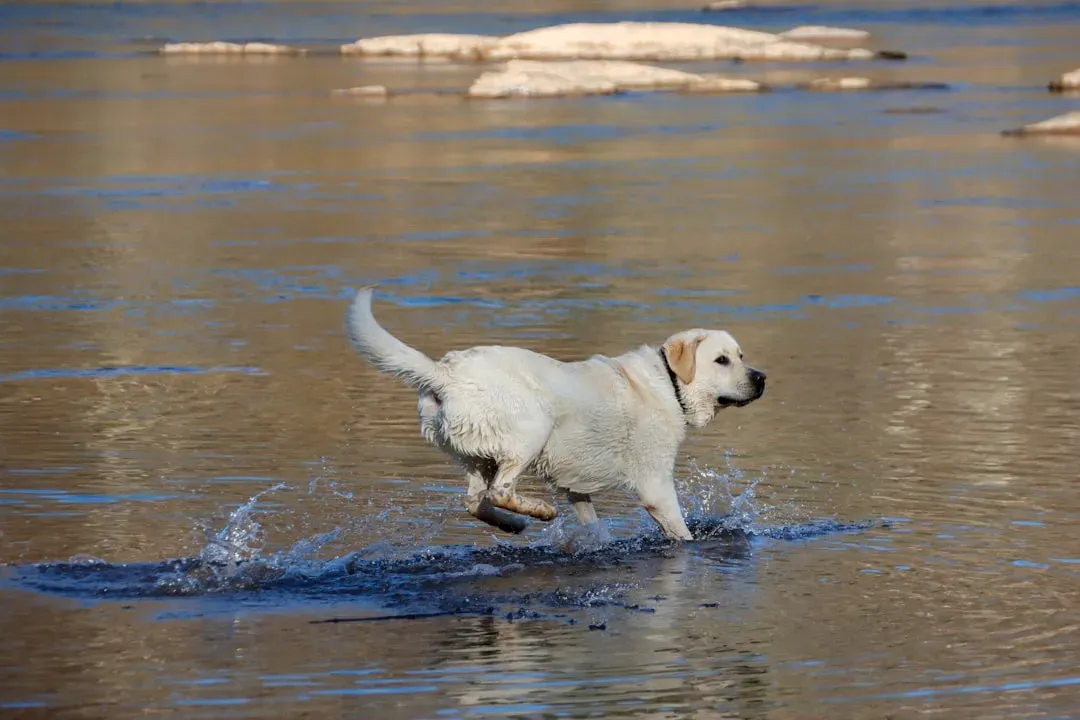
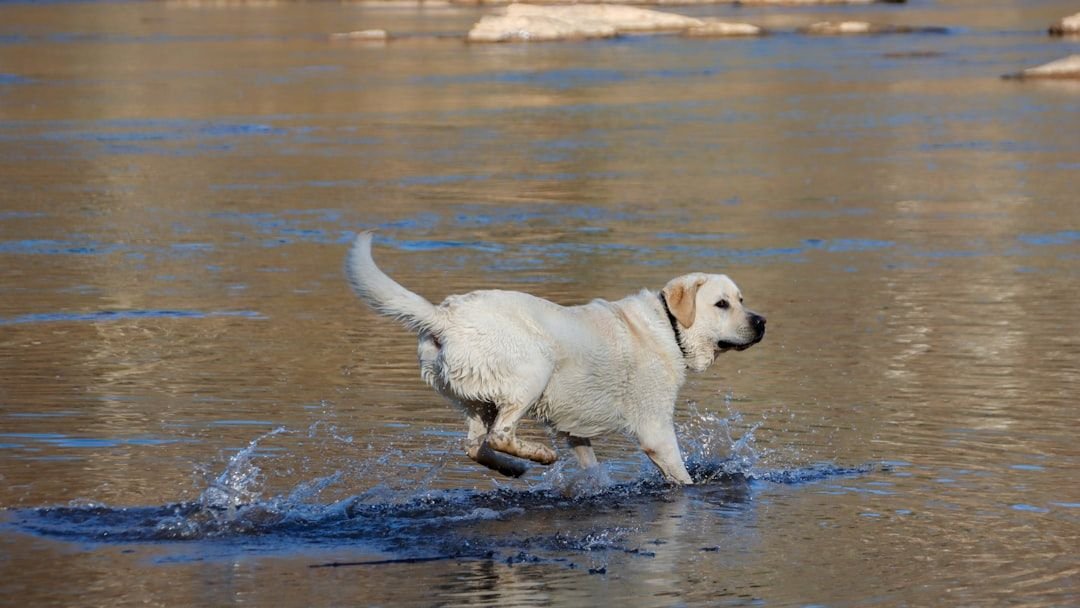
Your dog might spend most of their days napping on a memory foam bed, but deep inside that fluffy exterior lives an ancient animal with very old programming. When your dog bolts out of the tub and races around the house like a furry tornado, they’re not just being dramatic – they’re channeling their wild ancestors. Wolves, the progenitors of modern dogs, developed rapid body-shaking behaviors to dry their fur quickly in the wild.
Wet fur feels uncomfortable for dogs. Their instinctive response is to shake, run, and roll around to remove moisture quickly. This behavior isn’t just about getting dry – it’s a survival mechanism that helps regulate body temperature and prevent potential skin irritations from prolonged moisture. The wild still lives in them, even if the “wild” is now your living room.
Shaking is a natural drying technique for dogs – they can remove roughly the vast majority of the water on their fur with just a few shakes. However, when shaking isn’t enough, zoomies help with the drying process. So your dog isn’t being silly. They’re being brilliantly, efficiently primal. Respect.
How to Read Your Dog’s Zoomies: Happy vs. Overwhelmed
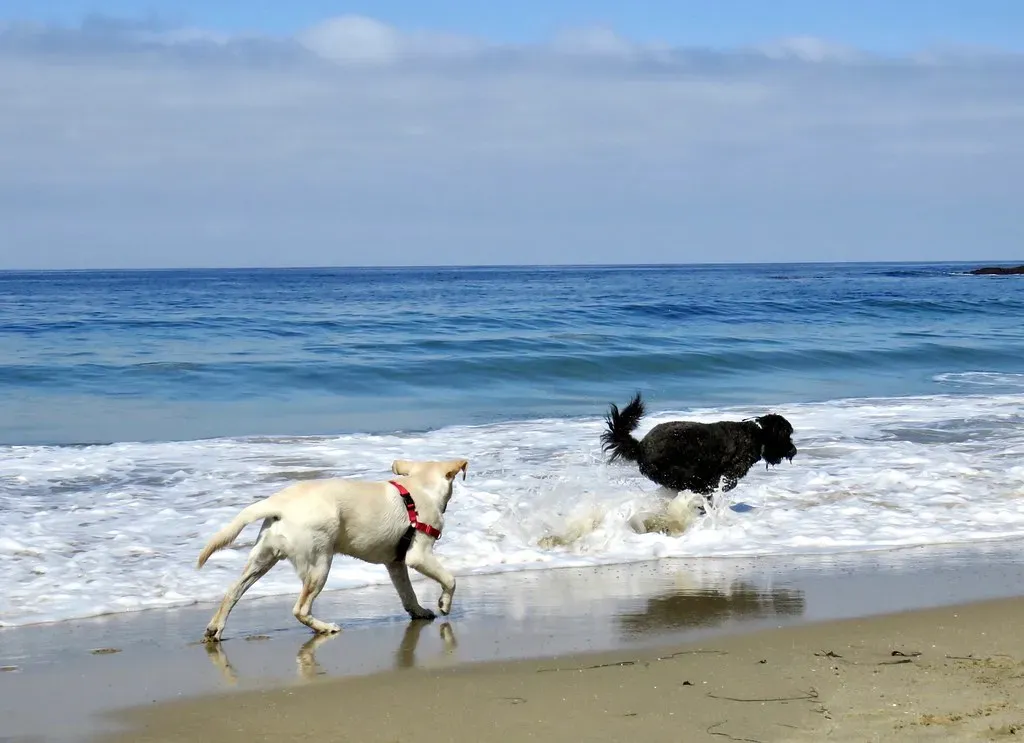
Here’s something important that most articles skip over: not all post-bath zoomies are created equal. There’s a big difference between a dog celebrating freedom and a dog spiraling in genuine distress. Knowing which one you’re watching matters a lot.
A typical happy zooming dog will be loose and even wiggly, bouncing around you when they slow down. Your dog’s tongue might flap out, and they may play bow. A frightened dog will be more tense, with wide eyes and a tightly tucked tail that stays tucked to the belly even when stopping. They may also carry their head low with ears folded back submissively.
If your dog is regularly avoiding the bath, hiding, trembling, or zooming in a frenzied, fearful way, it may be worth reassessing your bath routine or seeking help from a trainer or vet. Also, in rare cases, excessive zoomies might indicate discomfort, allergies, or skin irritation from bath products. If your dog seems overly itchy, licks their paws excessively, or shows signs of distress, check for shampoo allergies or skin sensitivities. A happy zoomer is a gift. A distressed one needs your attention.
Practical Tips to Keep the Zoomies Safe and Joyful
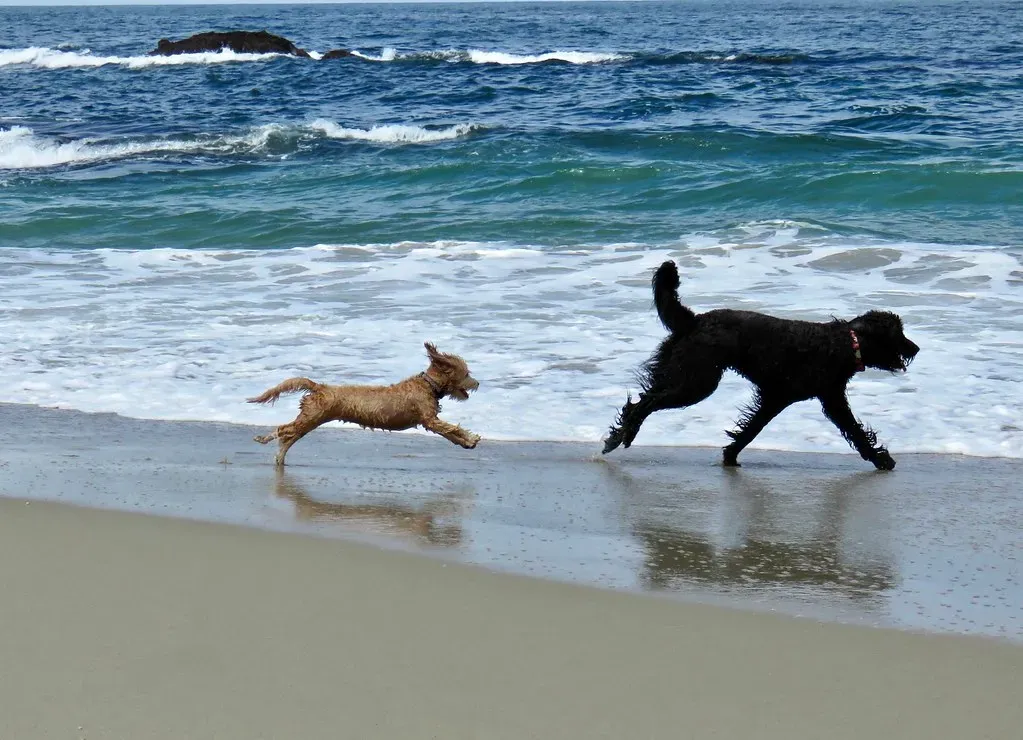
Let’s be real: you’re probably not going to stop the post-bath zoomies, and you shouldn’t try. Post-bath zoomies are totally normal for your dog. They’re not about disobedience – they’re about instinct, identity, and stress relief. The goal isn’t elimination. The goal is making sure nobody gets hurt and nothing gets knocked off the shelf.
Zoomies themselves won’t hurt your dog, but a dog running around at full speed without a plan sometimes has unfortunate consequences. Although FRAPs are normal, a dog zooming around the house or yard may be in danger of injuring themselves or breaking something. Owners should keep zooming dogs away from stairs, slippery floors, obstacles and the road.
A few simple game-changers: use lukewarm water, speak in soothing tones, and ensure the bathing area feels safe. Consider using treats and gentle praise to create positive associations with bathing. After the bath, have a designated “zoomie zone” where your pet can safely run and play without risking damage to household items. Think of it like giving your dog their own little post-bath runway. A fenced yard is perfect. A long hallway works. Basically anywhere that isn’t near your grandmother’s china cabinet.
Conclusion: Embrace the Madness, It’s Pure Love
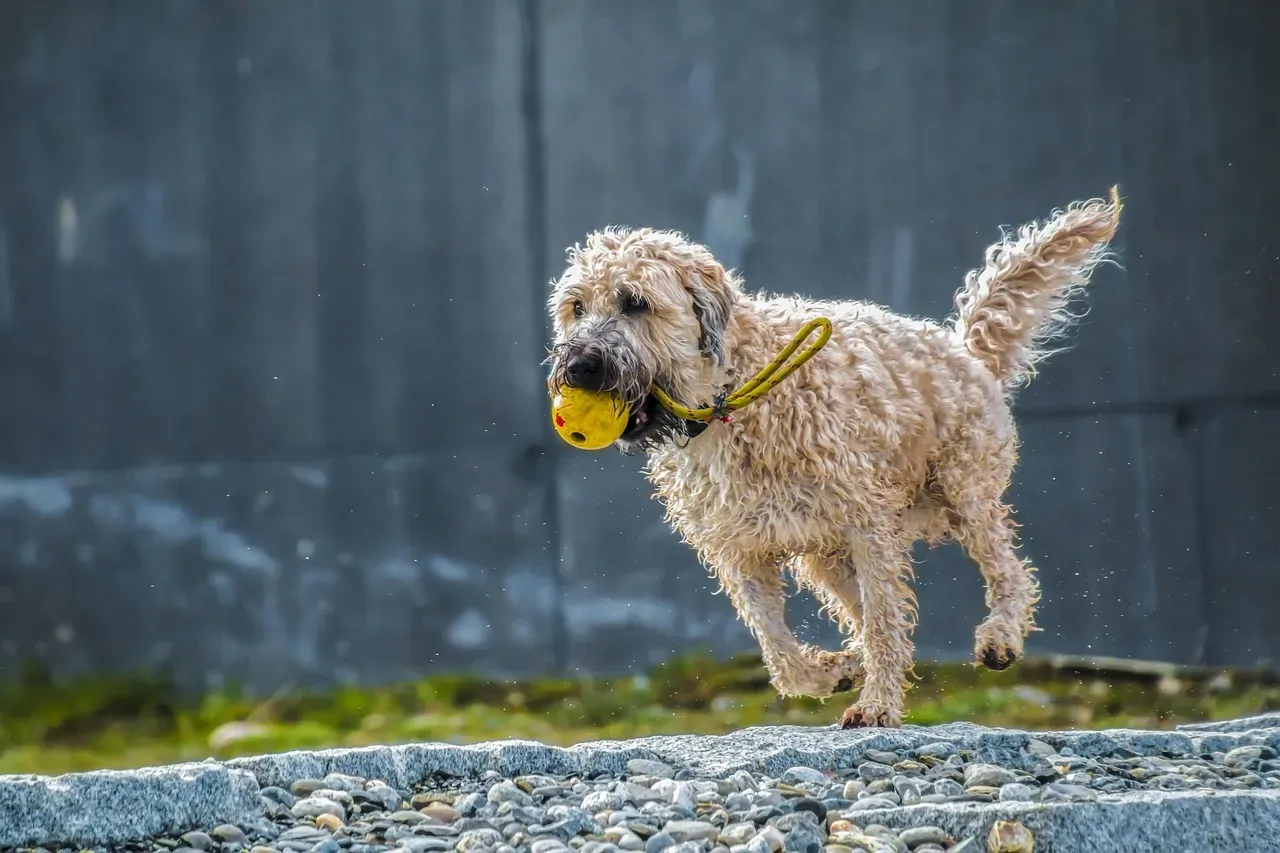
Post-bath zoomies are one of those things that start out confusing and end up becoming one of your favorite dog parent moments. Once you understand what’s actually happening – the stress relief, the scent reclaiming, the ancient instincts firing all at once – the whole spectacle transforms into something genuinely moving.
Understanding why your dog gets zoomies after a bath can help you appreciate this quirky behavior. It’s a natural expression of their emotions and instincts, and embracing it can strengthen the bond between you and your furry friend. Your dog isn’t being weird. They’re being completely, gloriously themselves.
The next time your soaking wet dog launches off the bathroom floor and disappears around the corner at full speed, just smile. That little tornado of fur is saying something very real: “I survived that, I’m free, and I love this life.” What more could any of us ask for? What does your dog’s post-bath personality say about them? Tell us in the comments – we’d love to hear about your zoomer!


