
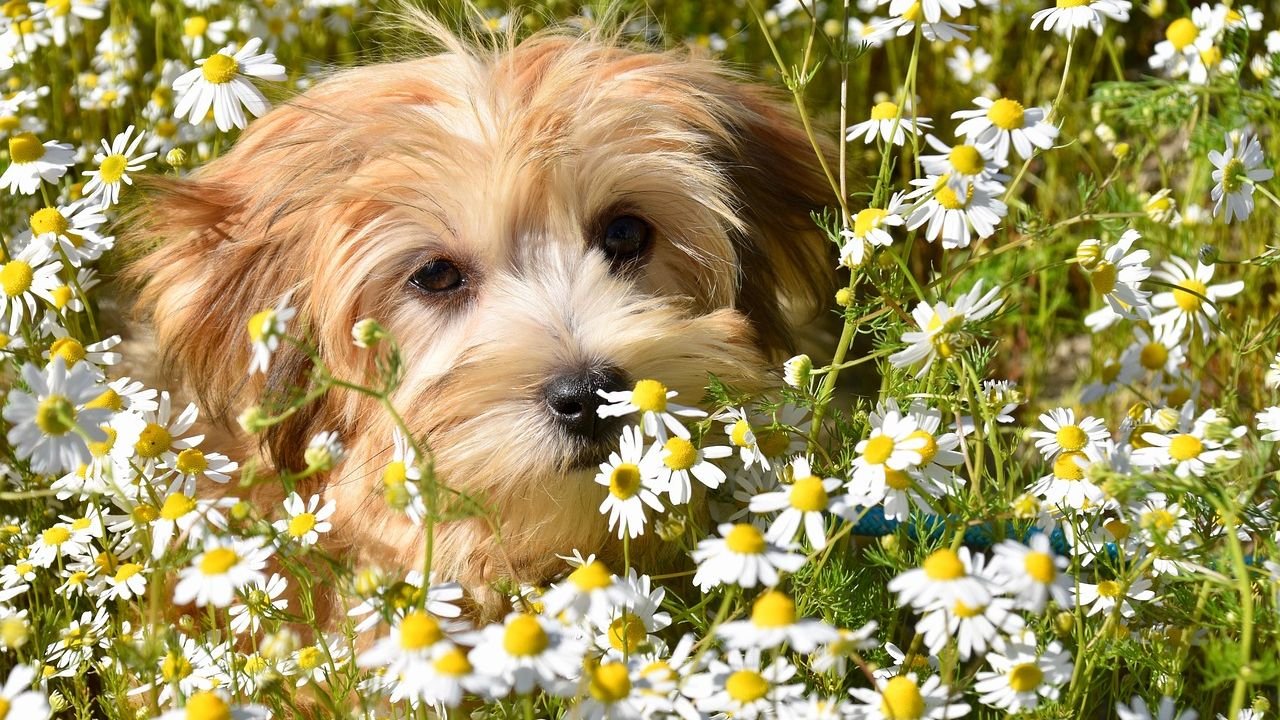
There’s something magical about the way a small dog can transform an ordinary afternoon into a moment of pure joy. For seniors, this connection isn’t just heartwarming. It can be life changing. Companionship becomes even more precious during the golden years, when days might feel longer or lonelier than before.
Small dog breeds bring a unique blend of affection, portability, and gentle presence that makes them ideal for older adults seeking emotional support and connection. These pint sized companions don’t just fit perfectly on a lap. They can also serve as certified therapy dogs, bringing comfort not only to their owners but to entire communities. Whether you’re considering a furry friend for yourself or a loved one, understanding which breeds excel in this role can make all the difference. Let’s explore some truly remarkable little dogs that have big hearts and even bigger healing powers.
Cavalier King Charles Spaniel
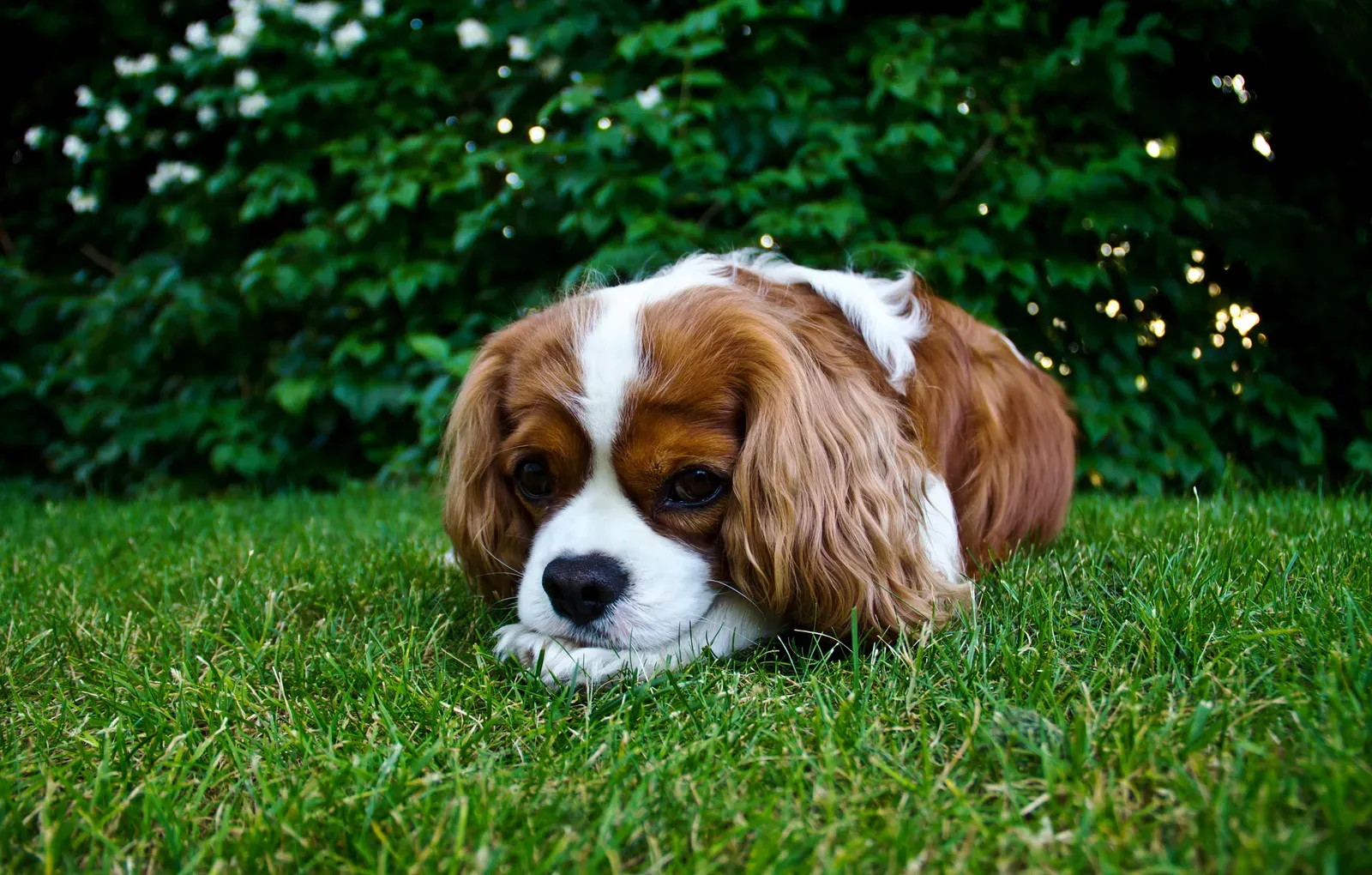
The Cavalier King Charles Spaniel thrives in all types of company, equally content romping around with children or curling up in the lap of a senior, originally bred as house pets for royal kids in Great Britain with traits like sociability, gentleness, affection, and patience. Honestly, if there’s ever been a dog designed specifically for snuggling and providing emotional support, this is it. These dogs seem to have an innate radar for when someone needs comfort.
Weighing between 13 and 18 pounds, Cavaliers are described as affectionate, graceful and gentle, with their sweet disposition and amplified sensitivity making them a great choice for families. Their expressive eyes and silky coats make every interaction feel special. I think what really sets them apart is their ability to adapt to their owner’s mood and energy level, making them incredibly intuitive companions for seniors who may have varying daily needs.
Maltese
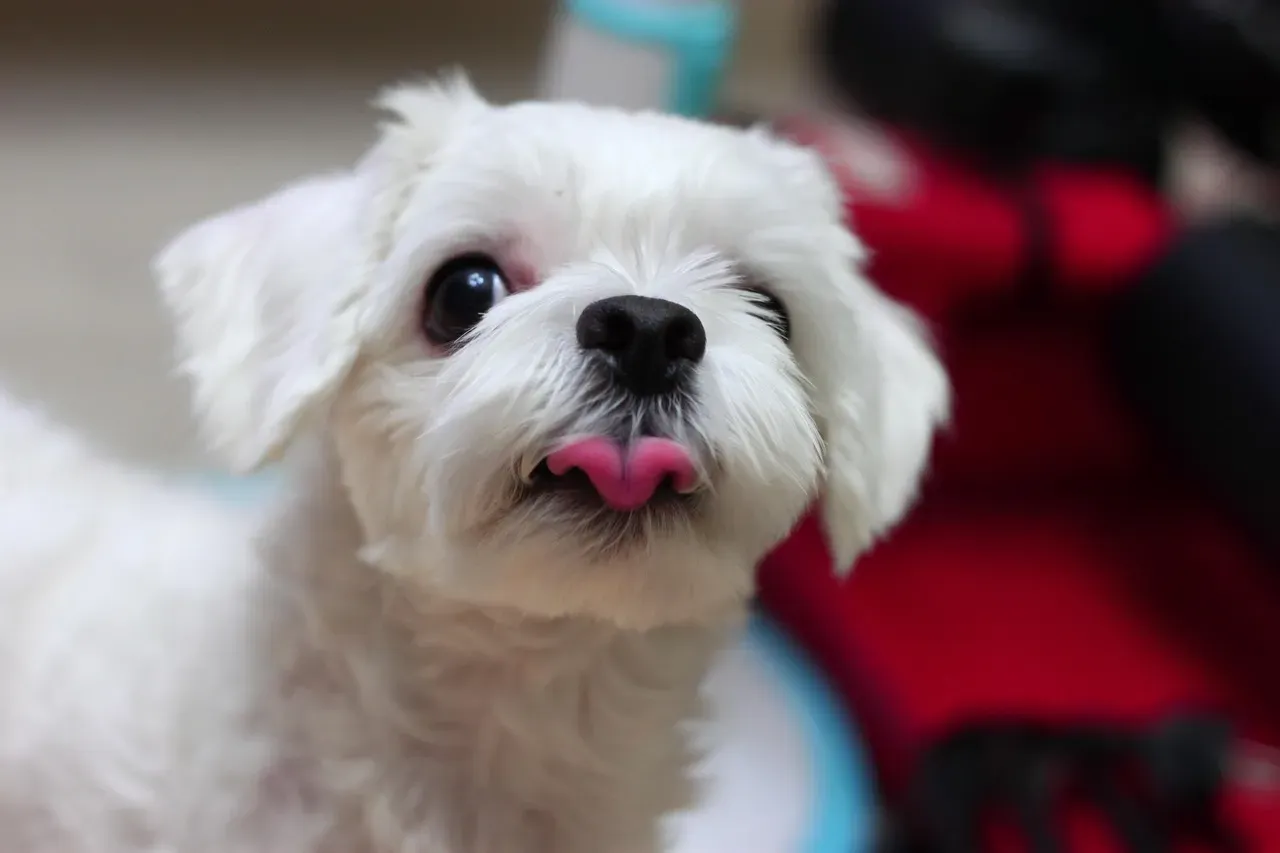
The Maltese is one of the most affectionate dog breeds, ideal for apartment living, content sitting in your lap for hours, and sweet tempered, eager to please, without an aggressive or mean bone in their body. These tiny white clouds of fluff typically weigh less than seven pounds, making them wonderfully manageable for older adults with limited strength or mobility.
The American Maltese Association recommends the Maltese as an ideal candidate for therapy work because they enjoy human contact and don’t mind being petted by strangers, sometimes even awkwardly. This breed genuinely loves people, and their gentle nature means they can be handled safely even by those with trembling hands or unpredictable movements. Weighing just four to seven pounds, the Maltese is regarded as the quintessential lap dog, bright, gentle, playful, extremely attentive to their owners’ moods, and frequently used as therapy dogs.
Pug
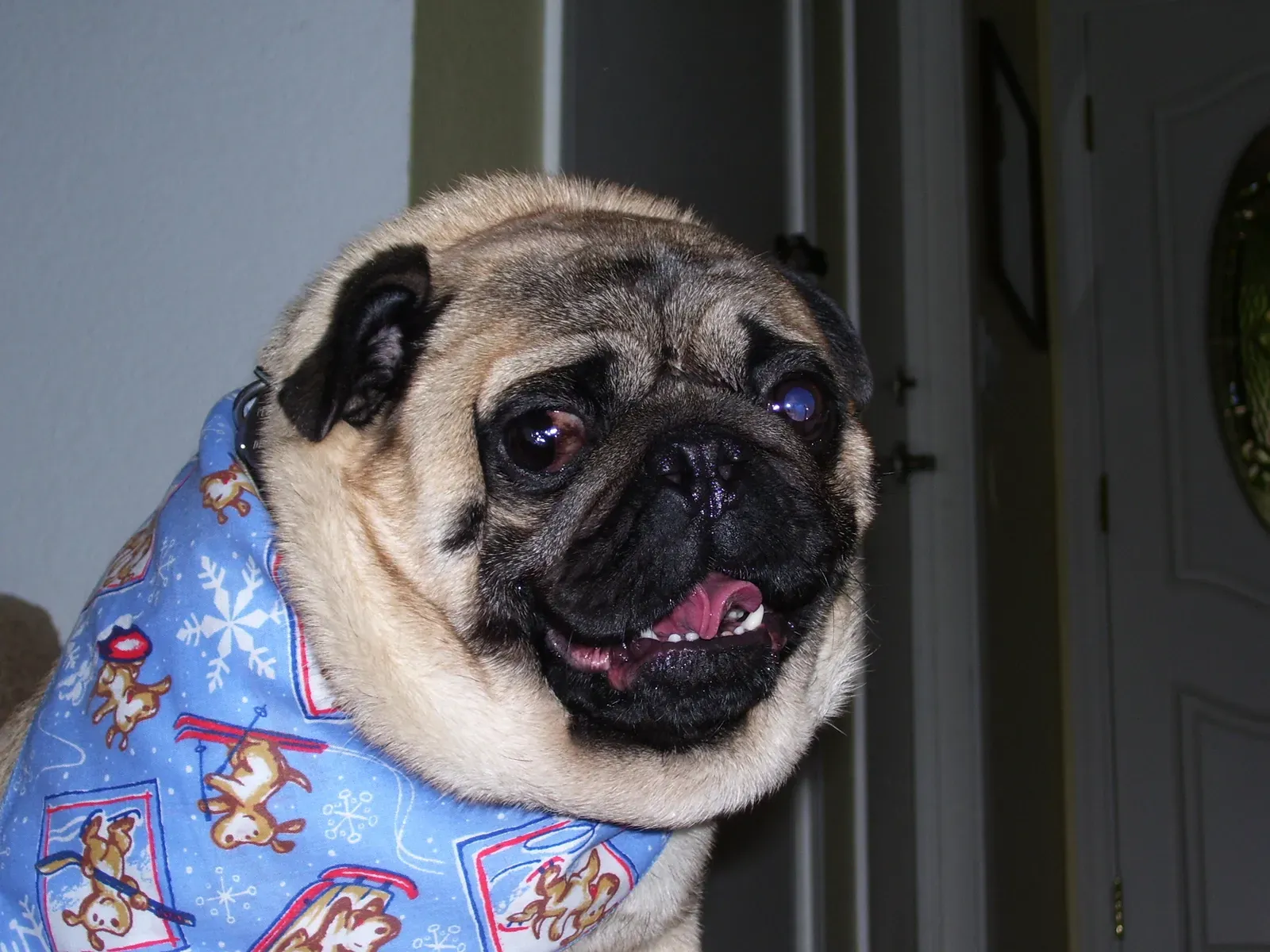
Pugs have personality for days. Pugs are small, sturdy dogs known for their distinctive wrinkled faces, curly tails, and playful, affectionate personalities, known for their outgoing and friendly nature and love spending time with their people. Their comical expressions and snorting sounds bring instant smiles, which is precisely what therapy work is all about.
Pugs are often chosen as assistance dogs for psychiatric therapy because they have many human like expressions such as surprise and happiness, and are considered ideal domestic dogs since they get along well with kids and seniors both in city and countryside. These little comedians seem to understand that laughter is medicine. While they do enjoy regular walks, they’re equally happy lounging on the couch, making them perfect for seniors with moderate activity levels.
Shih Tzu
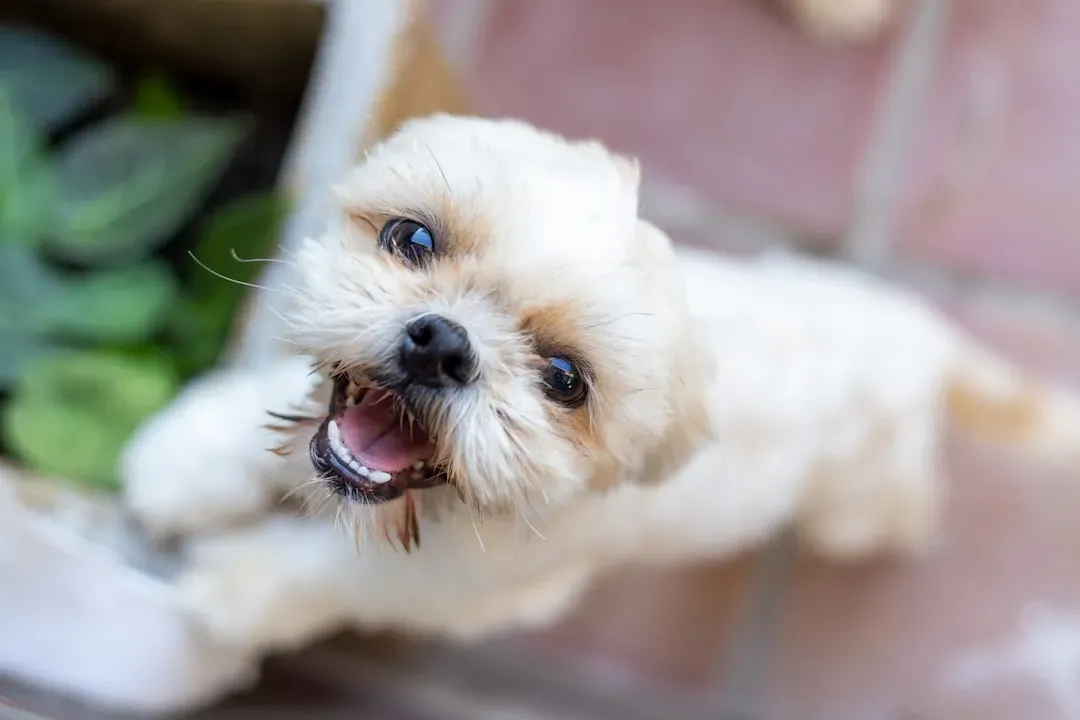
The Shih Tzu, which translates as little lion, is a toy breed popular with families for their outgoing, affectionate and playful natures, weighing between nine and 16 pounds, surprisingly solid for dogs of their size, and especially affectionate with children. Let’s be real, these dogs were literally bred to be companion animals for Chinese royalty. That heritage shows in every interaction.
Shih Tzus always want to be by their owners’ sides, living for cuddles and attention, excellent lap dogs who take a welcoming attitude toward strange people and other pets. Their adaptability is remarkable. Playful but not overly active, Shih Tzus get enough activity through short daily walks and are highly adaptable, thriving equally well in a large suburban house or a small city condo. This flexibility makes them ideal for seniors in various living situations.
Yorkshire Terrier
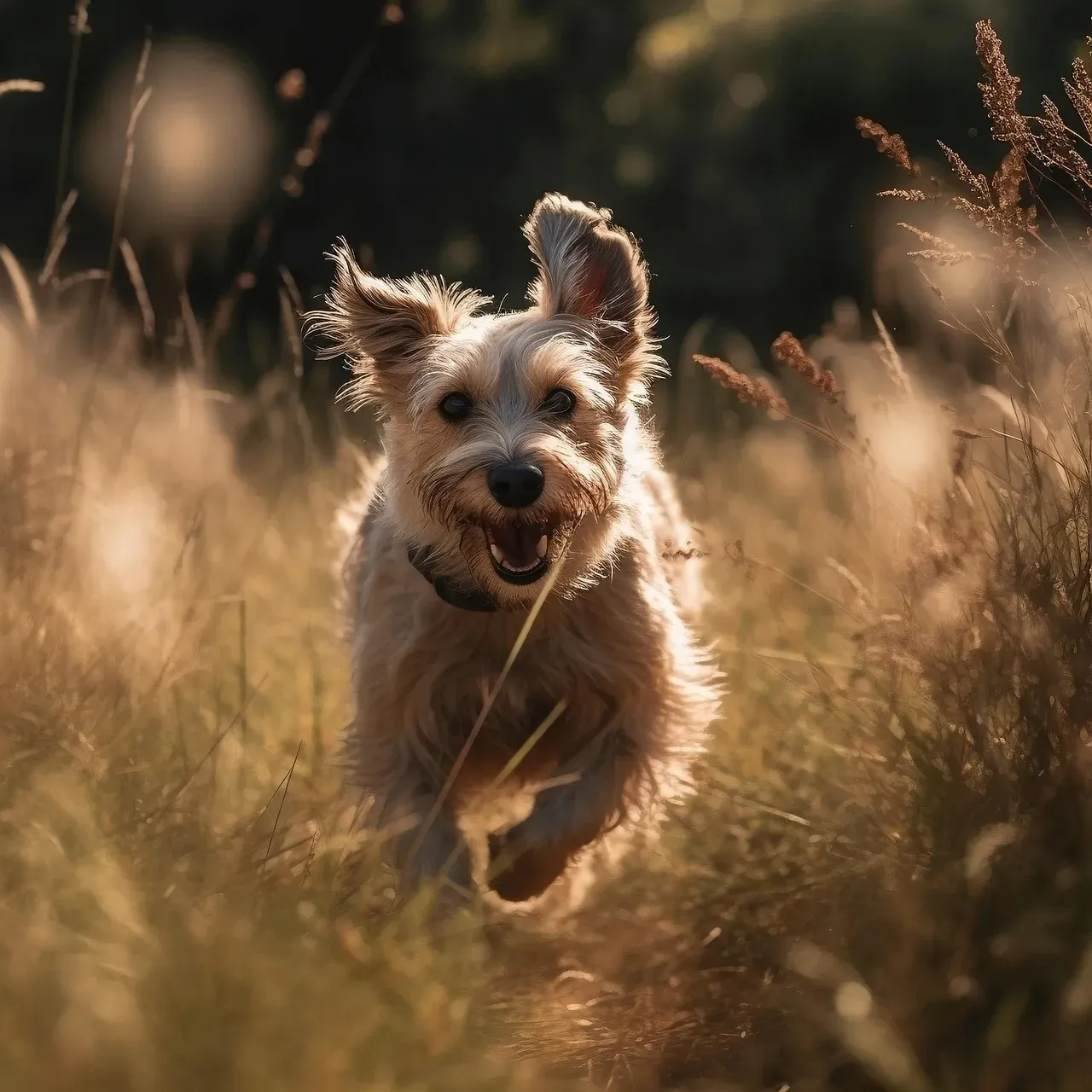
Don’t let their tiny size fool you. Yorkshire Terriers have a toy size but a big personality, their therapeutic quality turning them into loving and feisty ESAs and service dogs for people with disabilities, and because they are very small, they can often travel in the cabin, providing their owners with plenty of emotional support. Yorkies pack enormous spirit into a seven pound frame.
Yorkshire Terriers are described as sprightly, tomboyish and affectionate, extremely affectionate with families and young children, and hypoallergenic, making a great fit for many homes. Their silky coats require grooming, but many seniors find this routine soothing and meditative. These little dogs form incredibly strong bonds with their people and thrive on being involved in daily activities, no matter how mundane.
Bichon Frise
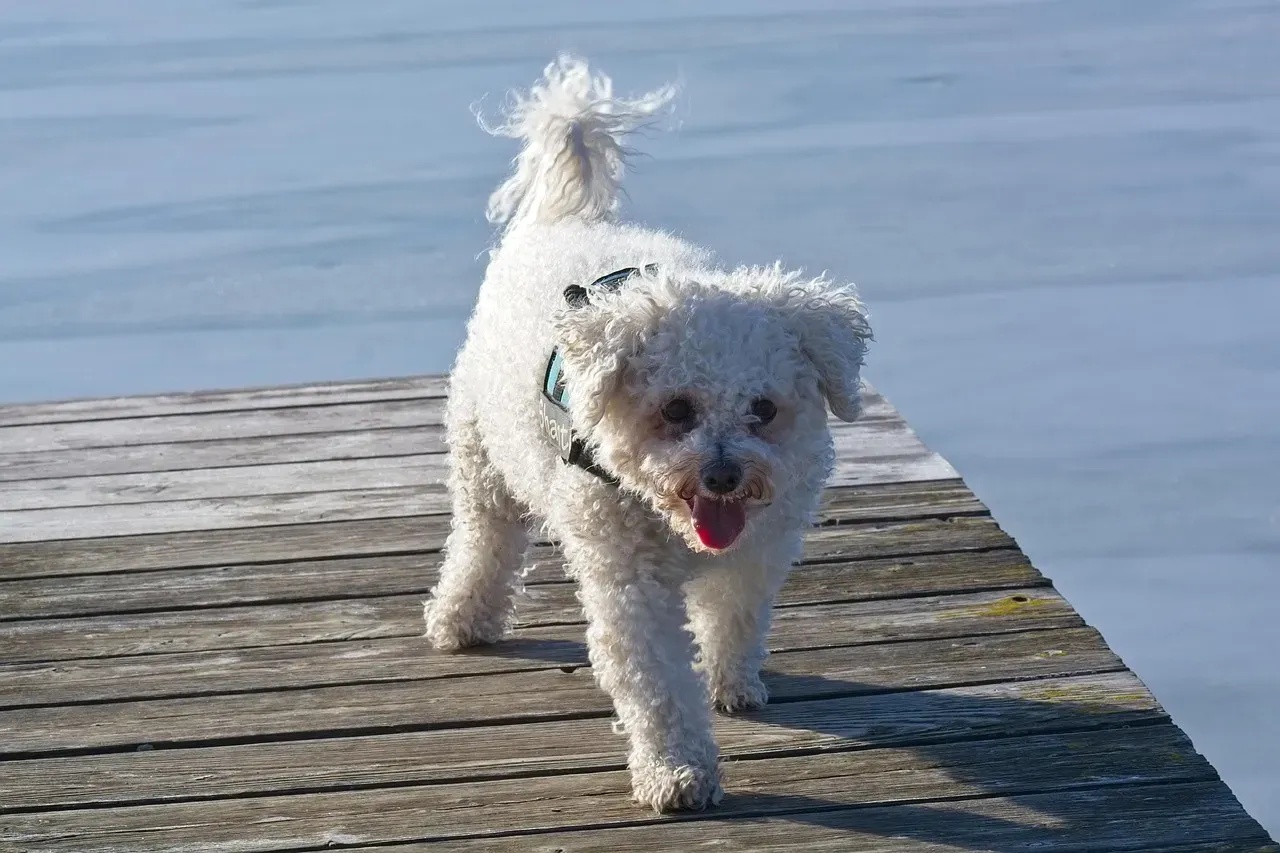
The Bichon Frise is described by the AKC as merry and cheerful, with well raised Bichons being gentle mannered, sensitive, playful, and affectionate, loving human company and demanding attention. Their fluffy white coats and button noses create an irresistibly cheerful appearance that brightens any room.
Bichon Frise means curly lapdog, and Bichons are known for their peppy personalities, gentle natures, and unbridled affection. Here’s the thing about Bichons, they’re incredibly social without being overwhelming. Bichon Frises are cheery, hypoallergenic, with a delightfully fluffy coat, small and only needing moderate exercise. This makes them wonderful for seniors who may have allergies or limited mobility but still want an active, engaging companion.
Havanese
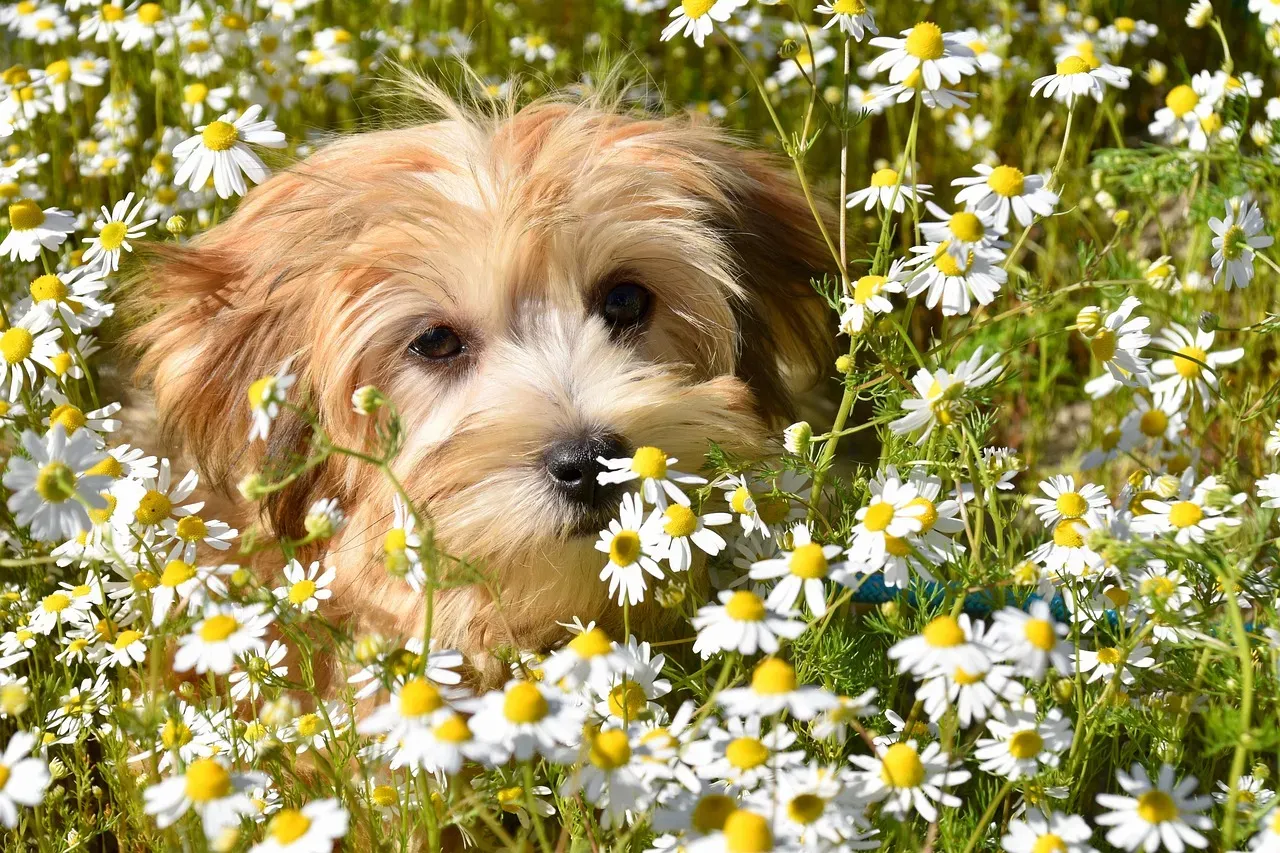
The Havanese is small, fuzzy, and eager to please, an excellent choice for retirees who can spend lots of time with their pets, getting along with everybody but happiest in their owners’ company, smart animals that are easy to train, and many work as therapy dogs. These Cuban natives have cheerful dispositions that seem contagious.
Their long coat can be kept short for easier maintenance, which is a practical consideration for seniors. Havanese have cheerful dispositions and adore being the center of attention, and a walk each day will keep them satisfied. I know it sounds simple, but that daily walk provides structure and gentle exercise for both dog and owner, creating a mutually beneficial routine that promotes physical and mental health.
Pomeranian
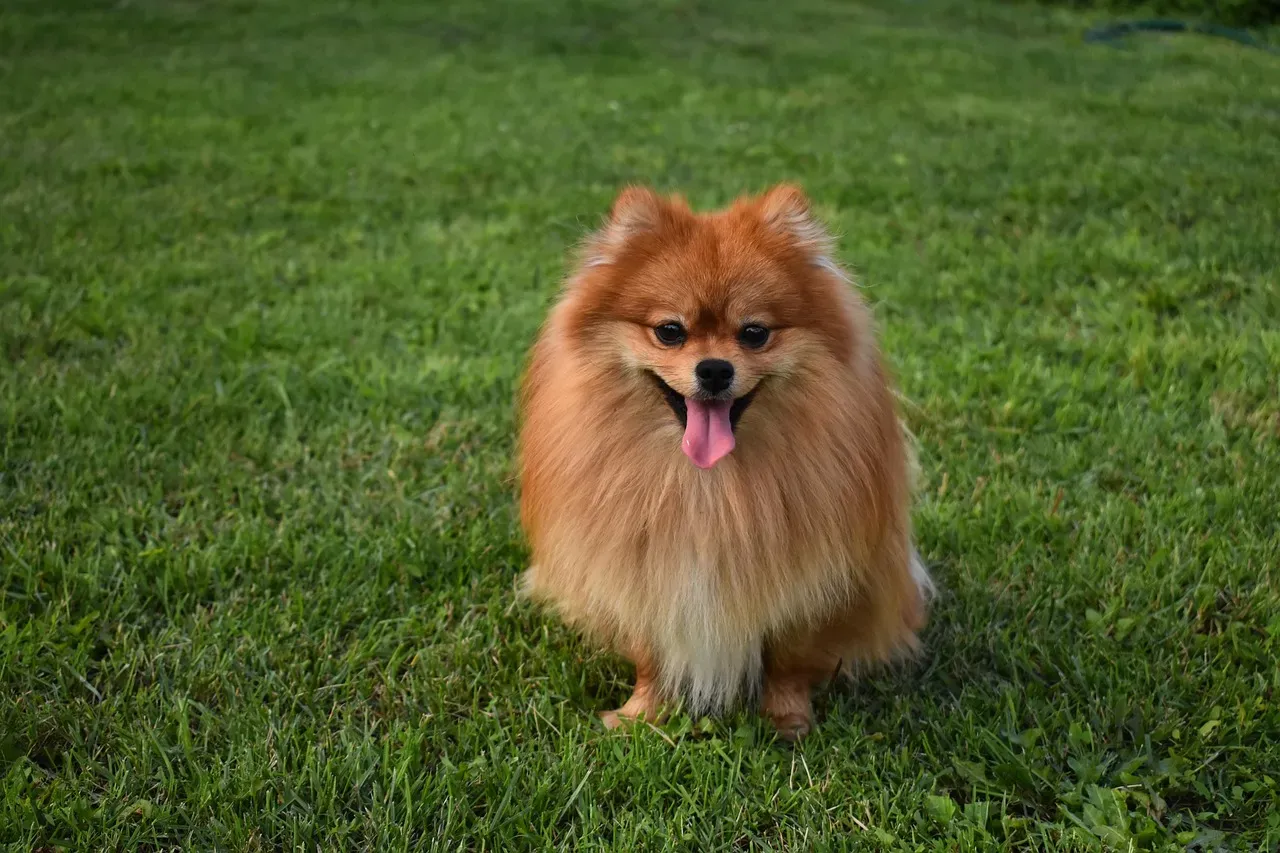
Pomeranians might look like animated stuffed animals, but they’re remarkably intelligent and trainable. Royal patronage, including from Queen Victoria, helped make Pomeranians popular, these little dogs full of charm and energy, delightful companions for families or apartment living, and despite their small size, loyal and alert, often acting as little watchdogs.
Their fluffy double coat requires regular grooming, which can become a lovely bonding ritual. Pomeranians enjoy indoor play and brief outdoor activities, making them well suited for pet parents seeking a small, adaptable dog. What I find fascinating is how these tiny dogs, typically weighing only four to seven pounds, can have such enormous presence and personality, bringing constant entertainment and companionship to their seniors.
Chihuahua
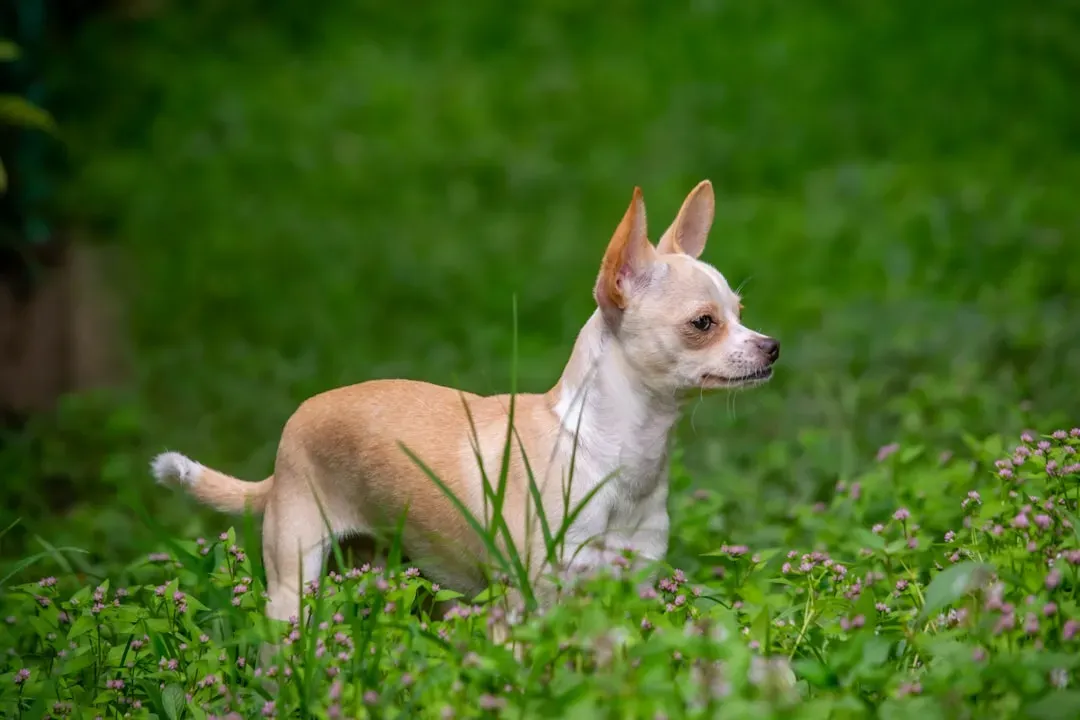
The Chihuahua is an excellent therapy dog precisely due to its small stature, extremely intelligent dogs capable of developing strong bonds with their owners. These pocket sized pups may only weigh four to six pounds, but their devotion is immeasurable.
Chihuahuas may be more suitable for seniors, as children may hurt this tiny dog if they don’t know how to properly handle it. Their portability is unmatched. Seniors can easily take them to appointments, on errands, or visiting friends and family. Chihuahuas are extremely loyal dogs with very playful personalities, affectionate toward their humans which makes them great family pets, and while Chihuahuas can be territorial they are receptive to training.
Italian Greyhound
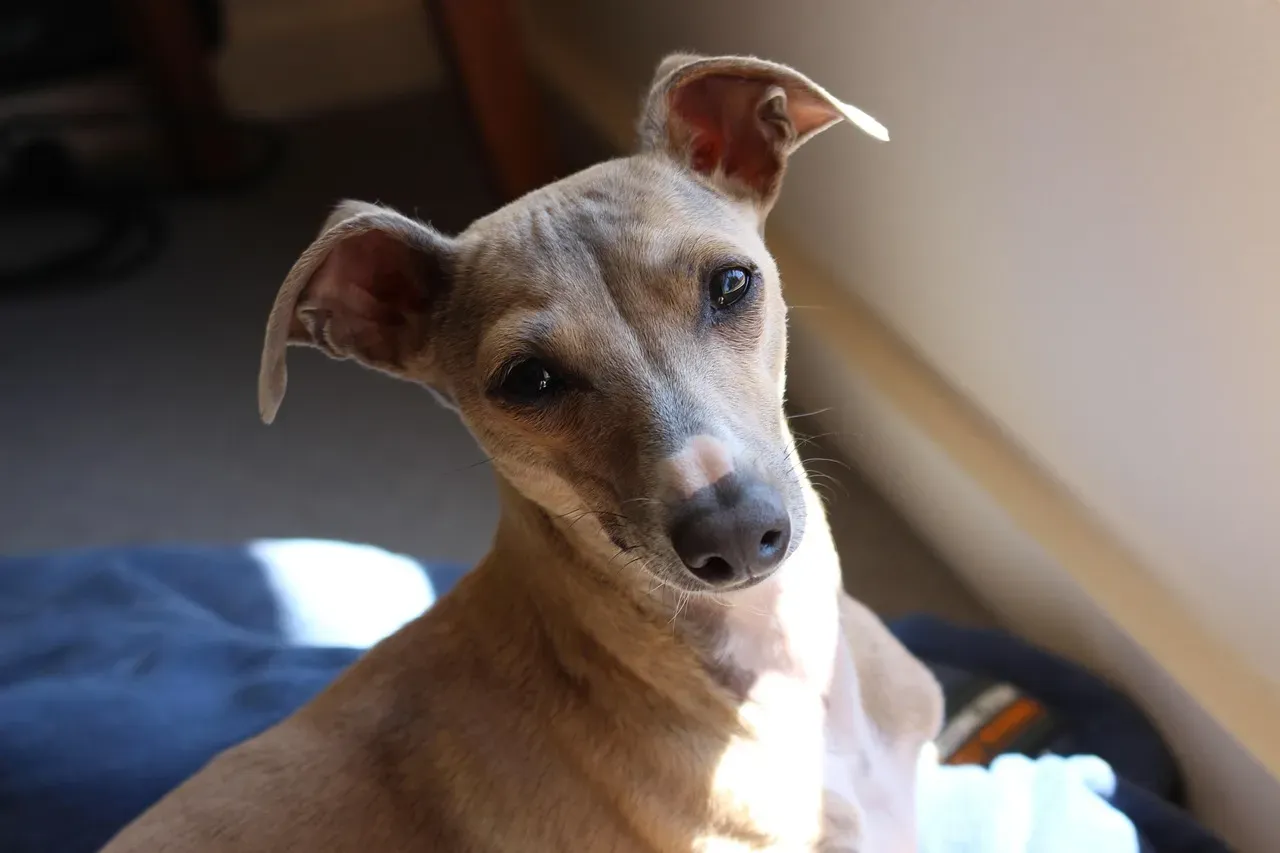
The Italian Greyhound’s slender build, gracefulness, and gentle personality make them a great dog breed for seniors, this small, elegant breed known for looking like a miniature Greyhound. Weighing approximately seven to fourteen pounds, they’re delicate but surprisingly sturdy.
Italian Greyhounds are alert, playful, and affectionate companions who would much rather be in your lap than left alone, very smart, but these small dogs are sensitive and can be stubborn. They require a bit more exercise than some toy breeds, but their gentle temperament and deep affection for their humans make them wonderful therapy companions. Their elegant appearance and quiet demeanor create a calming presence that many seniors find deeply comforting.
Conclusion
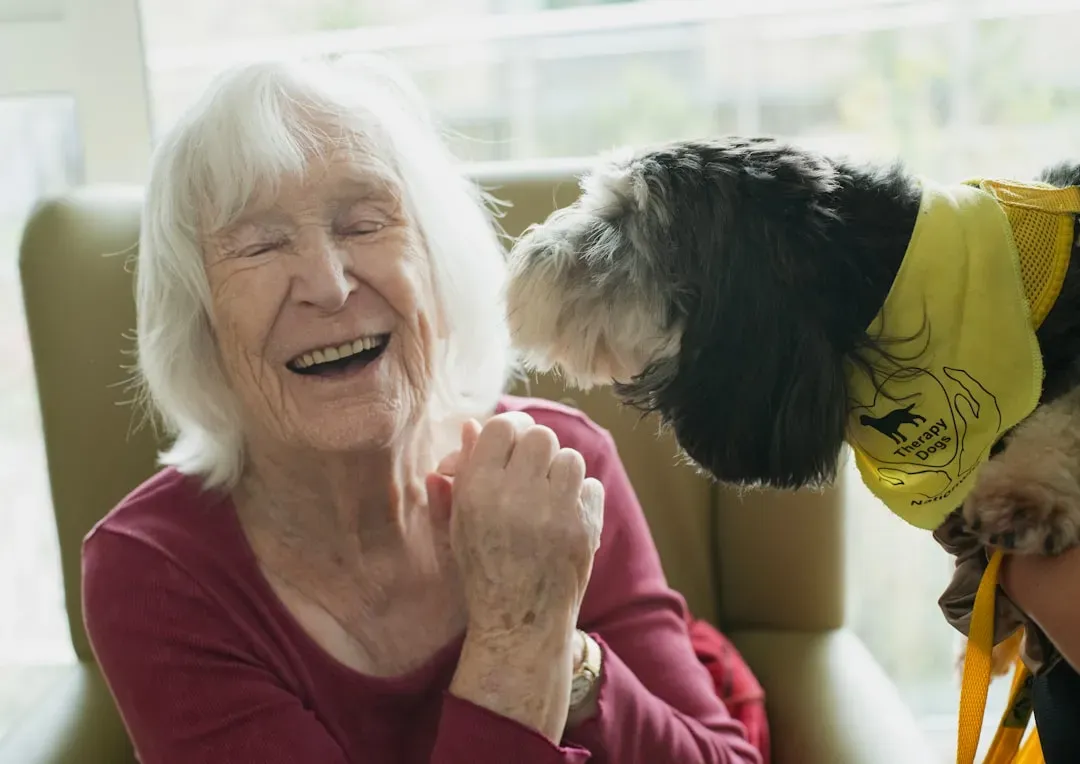
The bond between seniors and small therapy dogs represents something profoundly beautiful. These compact companions offer more than just affection. They provide purpose, routine, unconditional love, and a reason to smile every single day. The most important characteristic of a therapy dog is its temperament, with a certified therapy dog needing to be friendly, patient, confident, gentle, and at ease in all situations.
Whether you’re drawn to the gentle Cavalier, the cheerful Bichon, or the devoted Chihuahua, each of these breeds brings unique gifts to the lives of older adults. The best part is that therapy work isn’t just beneficial for the people these dogs visit. It enriches the lives of both the dog and their senior handler, creating a team united by compassion and service. What do you think makes a perfect therapy dog companion? Share your thoughts and experiences with us.


