

You’ve probably passed that house on your street where a certain dog makes your heart skip a beat. Maybe it’s the deep bark that echoes through the neighborhood, or the way the dog stands at the fence with unwavering focus. Some breeds just have that presence, that undeniable power that commands respect.
Here’s the thing, though. When people talk about aggressive dog breeds, they’re often missing the bigger picture. These dogs aren’t born bad. They’re born with instincts, strength, and energy that can either be channeled into something beautiful or left to spiral into chaos. The difference? You. Your consistency. Your willingness to lead. Let’s dive into ten breeds that absolutely need someone who knows what they’re doing.
1. American Pit Bull Terrier

The American Pit Bull Terrier often tops lists of the most challenging breeds, known for its muscular build and powerful bite, originally bred for blood sports such as bull-baiting and dog fighting. Yet here’s what many people don’t realize: these dogs can be incredibly affectionate and loyal when raised with proper boundaries and love. The issue isn’t the breed itself but rather what happens when an inexperienced owner fails to provide structure.
Their reputation for aggression has often been amplified by misuse in illegal fighting, but in reality, their intensity mirrors their environment and training; with proper leadership, they channel that same energy into loyalty and alertness. They need someone who won’t back down when training gets tough. Someone who understands that a firm hand doesn’t mean cruelty, it means consistency. These dogs thrive when they have a job to do and clear expectations to meet.
2. Rottweiler

Let’s be real, Rottweilers are not for the faint of heart. Originally bred in Germany as herding dogs, their large head and imposing body made them popular military, police, and guard dogs during the 20th century, with dogs often selected for reactive or aggressive tendencies. Their sheer size and strength mean that any lack of training becomes a serious issue.
While the Rottweiler’s reputation for aggression is slightly unfair, it is a breed that has the potential to be aggressive, and the dog’s upbringing is key; a well-trained Rottweiler with an experienced owner can be a placid and loving dog, but this isn’t a breed for novices. They need early socialization, firm boundaries, and daily mental stimulation. When you give them that, you get a dog that’s fiercely protective but also deeply affectionate with family. Ignore those needs? You’re asking for trouble.
3. German Shepherd
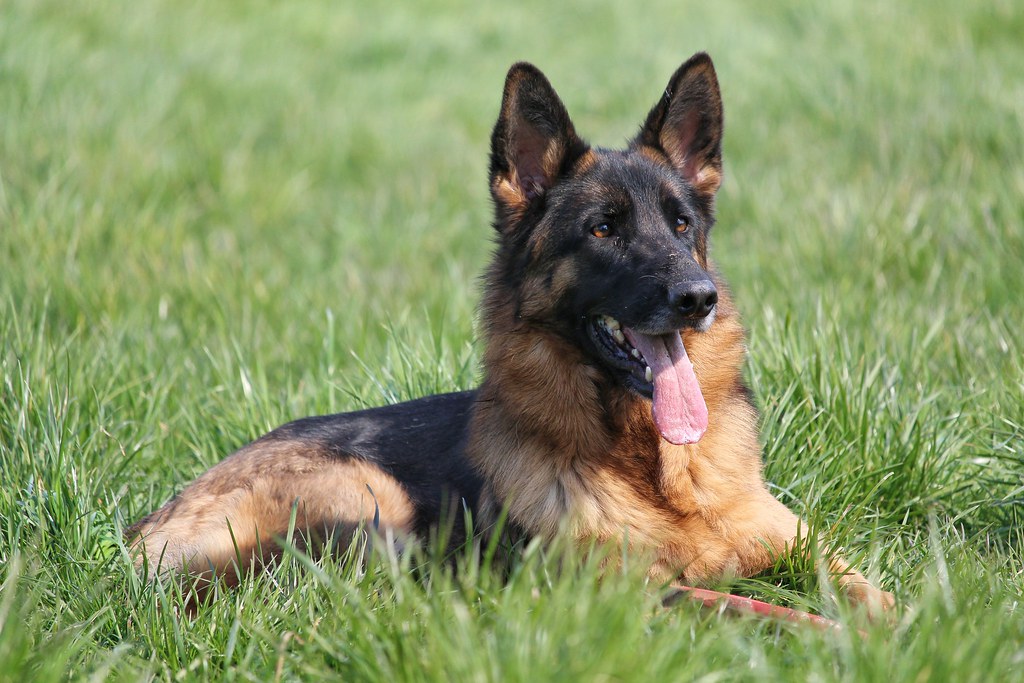
The German Shepherd’s temperament means it excels as a forces dog, police dog and guard dog; if the aggression is channelled in the right way it can be a great pet that is sure to protect its beloved family. These dogs are brilliant, no question about it. Their intelligence makes them easy to train, but it also means they’ll figure out your weaknesses fast.
German Shepherds are known for their loyalty and intelligence but can be dangerous dogs if not properly trained, requiring consistent training and socialization to prevent aggressive tendencies, especially around other pets and smaller animals. Without consistent leadership and plenty of exercise, a German Shepherd can become territorial or anxious. They need a confident handler who won’t let them take charge. Give them structure, purpose, and daily challenges, and you’ll have one of the most devoted companions imaginable.
4. Doberman Pinscher

Doberman Pinschers were originally bred as personal protection and guard dogs by a 19th-century tax collector; their sleek frame, cropped ears and alert stance can make them seem like scary-looking dogs. They’re sensitive souls underneath all that muscle, forming deep bonds with their families. The challenge? They can be overly protective if not properly socialized.
Dobermans are sensitive and bond closely with their families, thriving on attention and interaction; they require an experienced owner who can provide them with firm, consistent training and socialization from an early age to prevent any aggressive tendencies. These dogs need mental stimulation constantly. Puzzle toys, obedience training, agility courses, you name it. A bored Doberman is a destructive Doberman. They demand respect, but they’ll give it back tenfold when you earn it.
5. Akita

The Akita is a breed of noble and dignified appearance, known for its loyalty and courage; originally used for hunting large game in Japan, Akitas are fiercely loyal to their families but can be aloof and wary of strangers, making early and ongoing socialization crucial. They’re independent thinkers, which can be frustrating if you’re not prepared for it.
The Akita is essentially Japan’s equivalent of the German Shepherd, commonly used as police and guard dogs; it’s important to make sure its natural aggression is put to good use. These dogs won’t blindly follow commands just because you gave them. They need to respect you first. That means calm, confident leadership from day one. They’re also known for their strong prey drive, so early socialization with other pets is absolutely essential. Under the right guidance, an Akita becomes a devoted protector who takes their role seriously.
6. Cane Corso

The Cane Corso is a powerful Italian breed known for its intelligence, confidence, and protective nature; historically used as a guard dog and hunter, it embodies strength and focus, loyal to the core but needs experienced owners who can provide structure and consistent training. These dogs aren’t messing around. They were bred to guard livestock and property, and that instinct runs deep.
The Cane Corso is a majestic and powerful Italian breed, known for its loyalty and protective instincts; as a member of the mastiff family, they possess a commanding presence and strong will, requiring an owner who can provide leadership, structure, and training, not recommended for first-time dog owners due to their size, strength, and protective nature. Without a confident leader, a Cane Corso will decide they’re in charge. And trust me, you don’t want a 110-pound dog calling the shots. They need early socialization, firm boundaries, and tons of exercise. Get it right, and you have a devoted guardian who’s gentle with the family but intimidating to anyone who shouldn’t be there.
7. Alaskan Malamute

Don’t let the fluffy coat fool you. The Alaskan Malamute is a powerful working breed originally bred to pull heavy sleds across frozen Arctic landscapes, with their endurance and strength making them one of the most capable and determined dogs in the world. These dogs were built for endurance work, and that means they have energy for days. Alaskan malamutes have a strong prey drive and can be aggressive toward smaller animals.
Alaskan Malamutes are rugged, hardworking dogs, but can also be fun, loving, and devoted; they’re fairly nice, even to kids, but can turn hostile in the company of other dogs, and they necessitate a lot of social interactions and physical activities; if held in confinement for a long time, they may become agitated and aggressive. They’re independent, stubborn, and incredibly smart. If you don’t give them a job or plenty of exercise, they’ll create their own entertainment, usually by destroying your backyard. These dogs need experienced handlers who understand their need for physical and mental challenges.
8. Siberian Husky

The Siberian Husky has been bred to pull sleds over miles of frozen tundra; if they aren’t kept busy then their excess energy can spill over into aggression, and this isn’t the dog for you if you don’t have plenty of time to exercise them and keep them mentally stimulated. They’re gorgeous, sure, but beauty comes with responsibility.
Siberian Huskies are known for their stunning appearance and friendly demeanor, but can be challenging for inexperienced owners; they possess a high energy level and an independent streak that can make training a test of patience and skill; originally bred to pull sleds over long distances, Huskies require a significant amount of daily exercise, with their intelligence coupled with a strong will requiring an owner who understands how to provide firm, consistent training. Huskies are notorious escape artists and can be destructive when bored. They need at least two hours of vigorous exercise daily, plus consistent training that respects their independent nature.
9. Presa Canario

The Presa Canario was developed to protect livestock in the Canary Islands; with its powerful bite and assertive temperament, it has a fearsome reputation due to its strong protective instincts and potential for aggression if not properly trained. This is not a breed for casual dog owners or anyone looking for an easy companion.
Without early-age training and consistent guidance, they can become a serious threat to other dogs and even human beings. These dogs are dominant by nature and need someone who can establish clear leadership without resorting to harsh methods. They’re incredibly loyal to their families, but that loyalty comes with intense protectiveness. Early socialization and firm, consistent training are absolutely non-negotiable.
10. American Bulldog

Stocky and muscular, American Bulldogs were originally bred as all-purpose farm dogs, often used to hunt and catch wild boar; without proper training and early socialization, American Bulldogs can exhibit aggressive behavior due to their strong protective instincts. They’re athletic, determined, and incredibly strong.
American Bulldogs make outstanding pets with exceptional stamina, mobility, strength, and a pleasant temperament; while they don’t target humans, they’re hostile toward other dogs and may chase cats, and to discourage these dogs from being aggressive, they should be introduced to other animals at an early age. These dogs need owners who can provide structure, boundaries, and tons of physical activity. They’re not inherently aggressive toward people, but their prey drive and dog aggression can be problematic without proper management. Consistent training and early socialization are key to raising a well-adjusted American Bulldog.
Conclusion
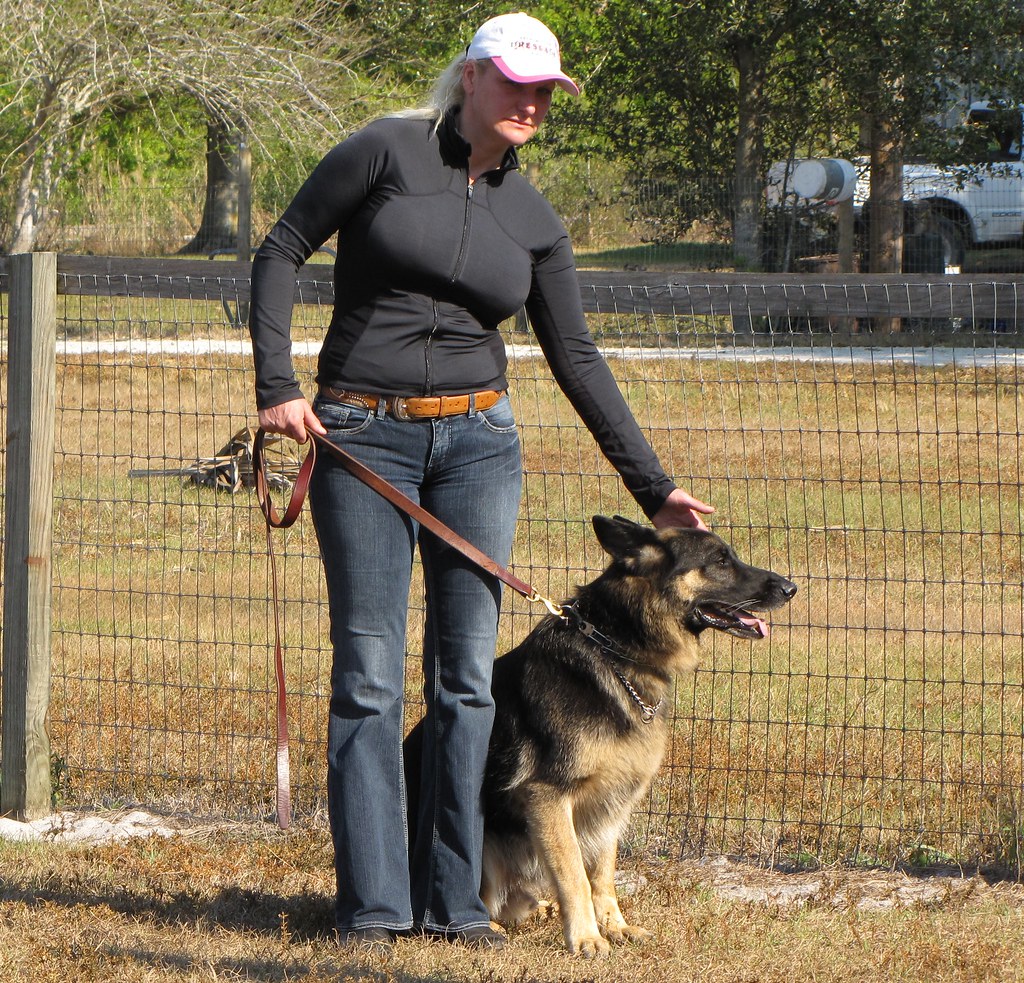
The breeds we’ve discussed aren’t monsters waiting to happen. They’re powerful, intelligent dogs with incredible potential to be loving family members and devoted protectors. Despite negative perceptions, these breeds can be loyal and gentle when raised in nurturing environments; it’s crucial to understand that aggression often stems from individual circumstances, highlighting the importance of proper training and socialization.
Most aggression is driven by fear, so intervening early if you have a fearful dog is best. If you’re considering one of these breeds, ask yourself honestly: Do I have the time, patience, and experience to give this dog what they need? Can I commit to daily training, socialization, and exercise for years to come? If the answer is yes, you might just find yourself with the most loyal companion you’ve ever had. What’s your experience with powerful breeds? Have you found that firm, consistent leadership really does make all the difference?


