
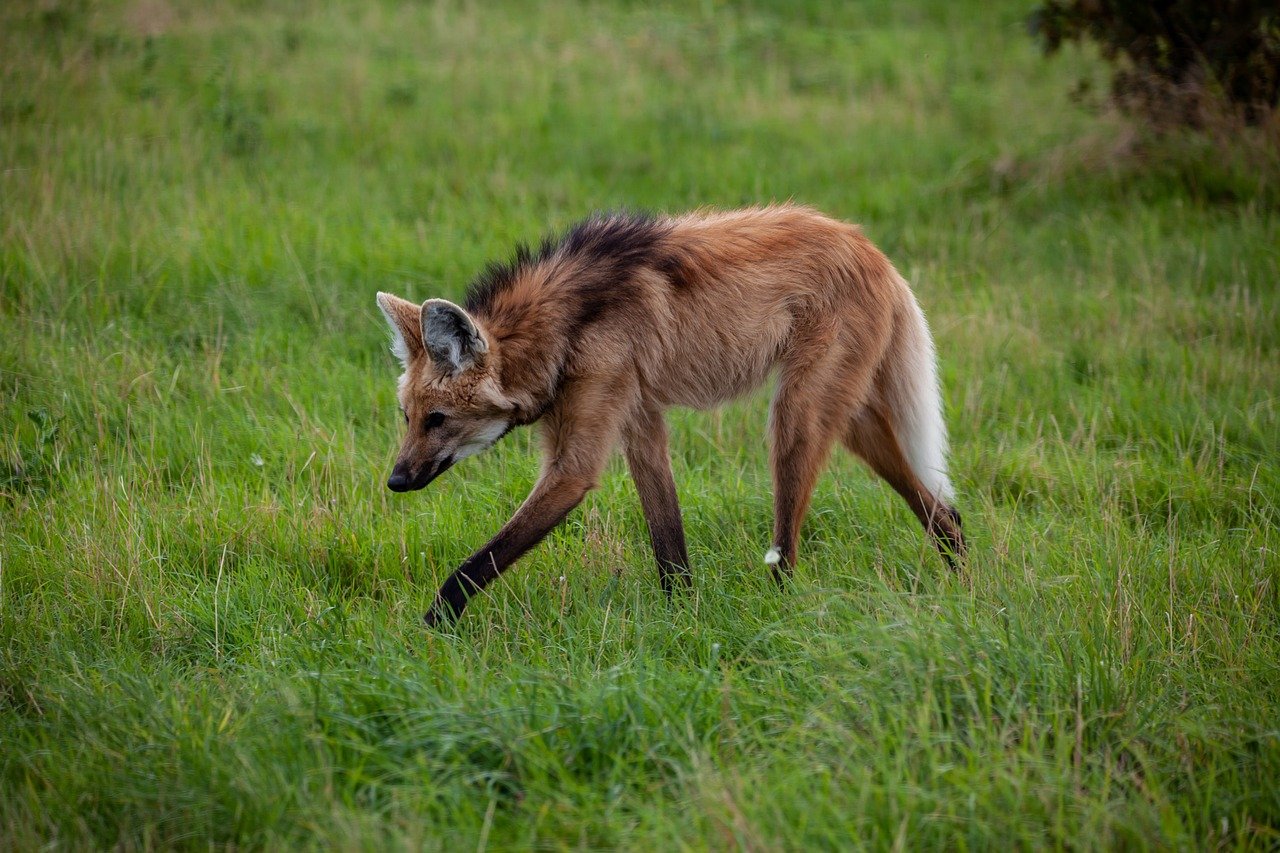
The maned wolf, with its striking appearance and enigmatic behavior, is a captivating creature. Often mistaken for a fox due to its elongated legs and reddish coat, this animal is neither wolf nor fox. Instead, it stands alone as a unique species, sparking the curiosity of many animal enthusiasts. Its distinctive characteristics and habitats make it a fascinating subject for exploration. Here, we delve into ten amazing facts about the maned wolf, uncovering the mysteries behind this extraordinary animal.
The Enigmatic Appearance

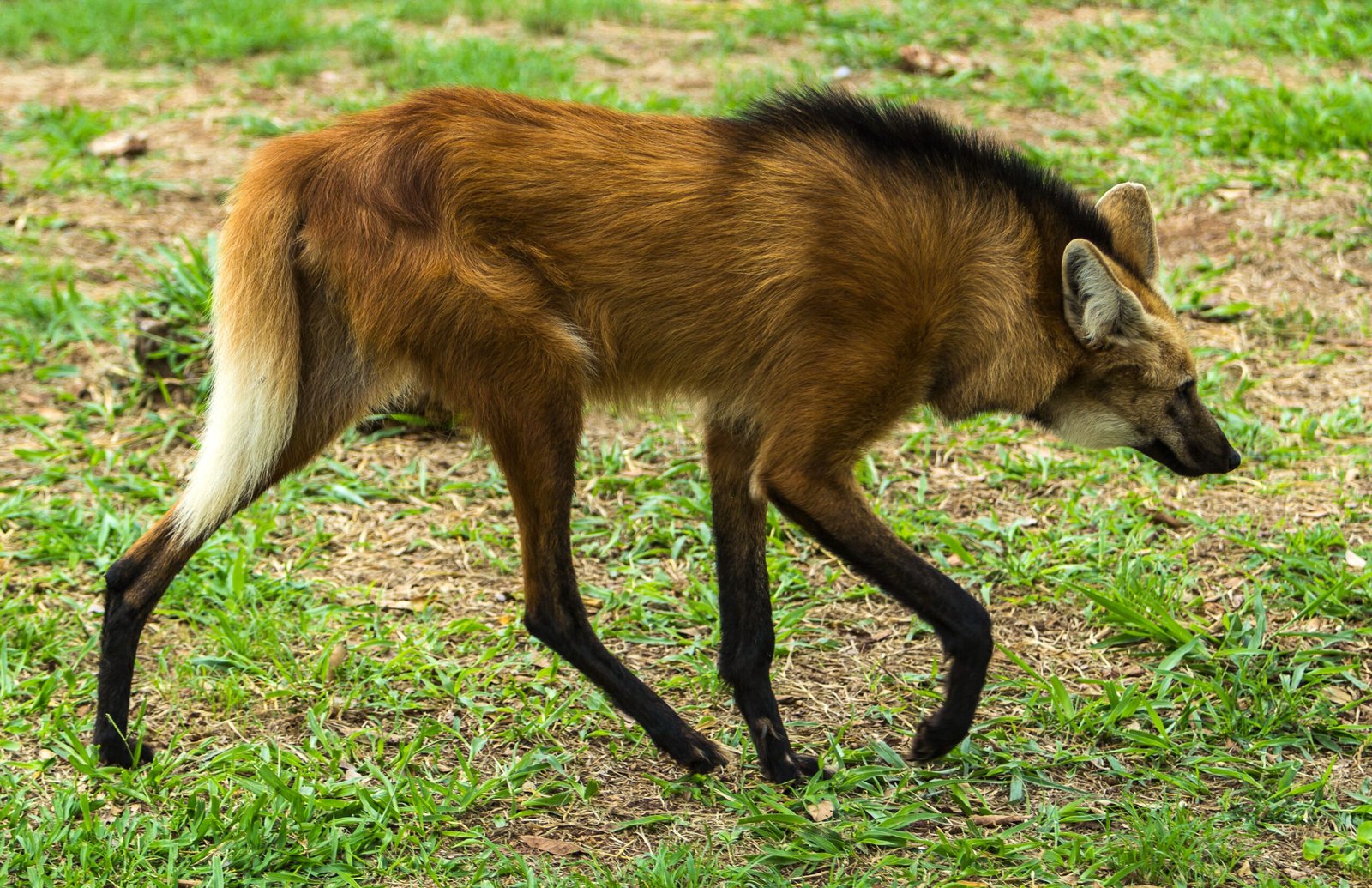
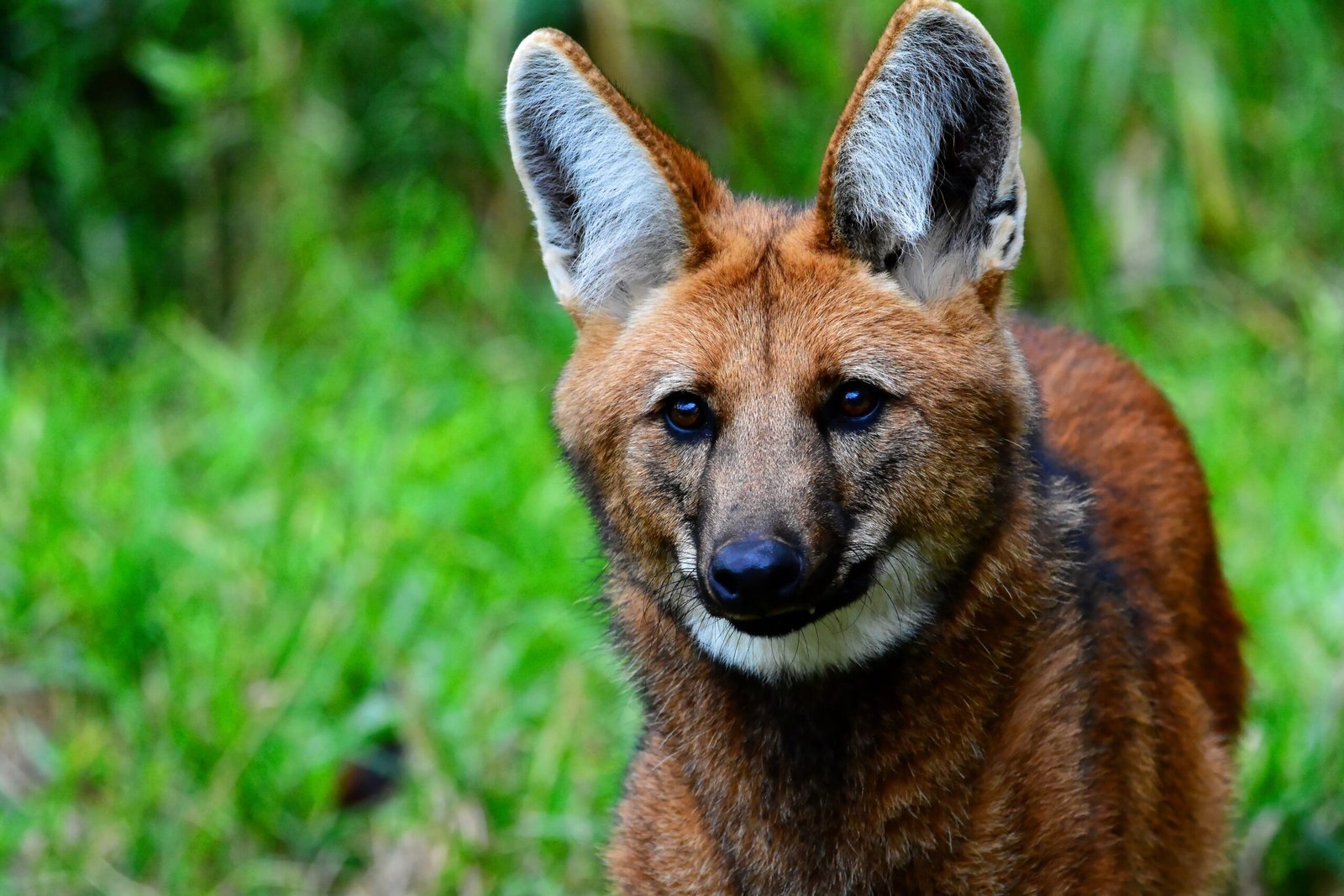
The maned wolf’s appearance is undoubtedly one of its most intriguing features. Standing tall with slender, elongated legs, it resembles a creature from a mythical tale. These legs are not just for show; they serve a crucial purpose in helping the maned wolf navigate the tall grasses of its native habitat in South America. Its reddish-brown coat and black mane create a striking contrast, adding to its ethereal presence. Imagine a creature that seems to blend the elegance of a deer and the cunning of a fox. This unique appearance is not just for aesthetics but is a vital adaptation to its environment.
Not a Wolf, Nor a Fox

One of the most surprising facts about the maned wolf is its classification. Despite its name, it is neither a wolf nor a fox. It belongs to its genus, Chrysocyon, which means “golden dog.” This classification highlights its unique evolutionary path, setting it apart from other canids. The maned wolf’s solitary nature and unique vocalizations further distinguish it from its more social relatives. It’s a creature that dances to its own tune, embodying the spirit of independence and mystery.
A Rare Vocalization: The Roar-Bark
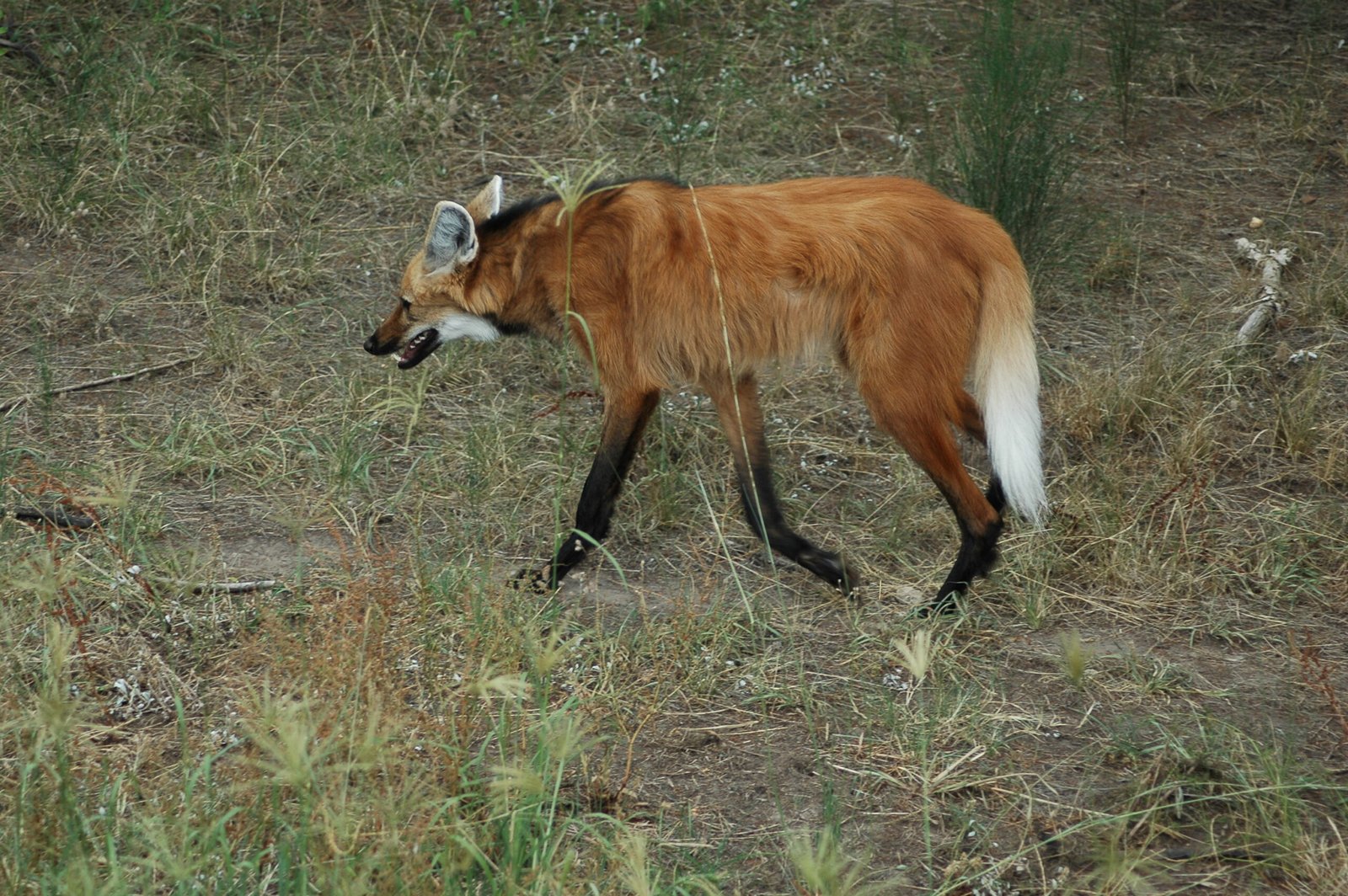
Communication among animals is often a fascinating subject, and the maned wolf is no exception. It possesses a distinctive vocalization known as the “roar-bark,” a sound that echoes through the night in the wilds of South America. This haunting call serves as a means of communication, allowing the maned wolves to establish territory and interact with potential mates. It’s a sound that resonates with authority and mystery, much like the animal itself. Imagine the eerie yet captivating experience of hearing this sound echo through a moonlit landscape.
The Role of the Mane
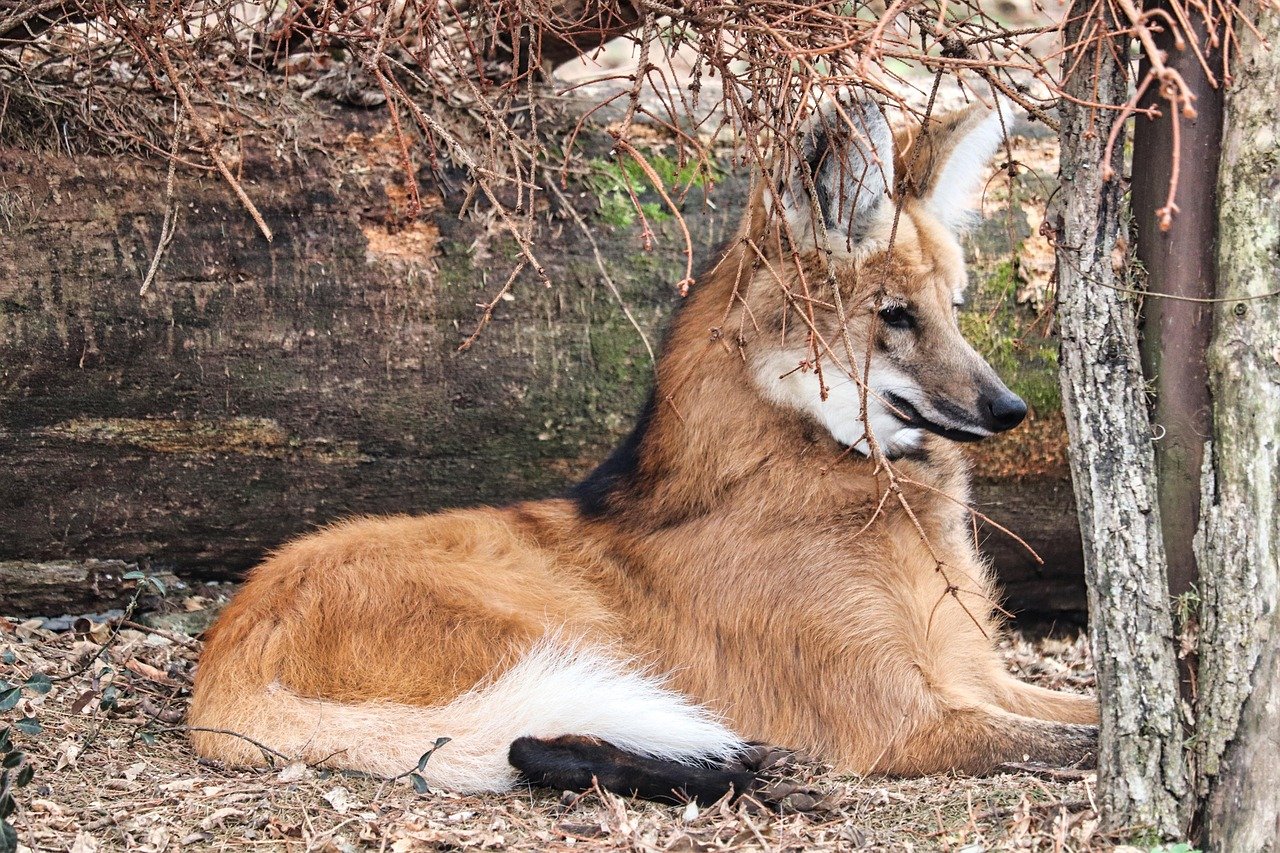
The maned wolf’s black mane is more than a striking visual feature; it serves a practical purpose. When threatened, the maned wolf can raise the hairs of its mane, making itself appear larger and more intimidating to potential predators. This defensive mechanism is akin to a human puffing up their chest to appear more formidable. The mane’s presence is a testament to the maned wolf’s ability to adapt and survive in a world full of challenges.
A Solitary Wanderer
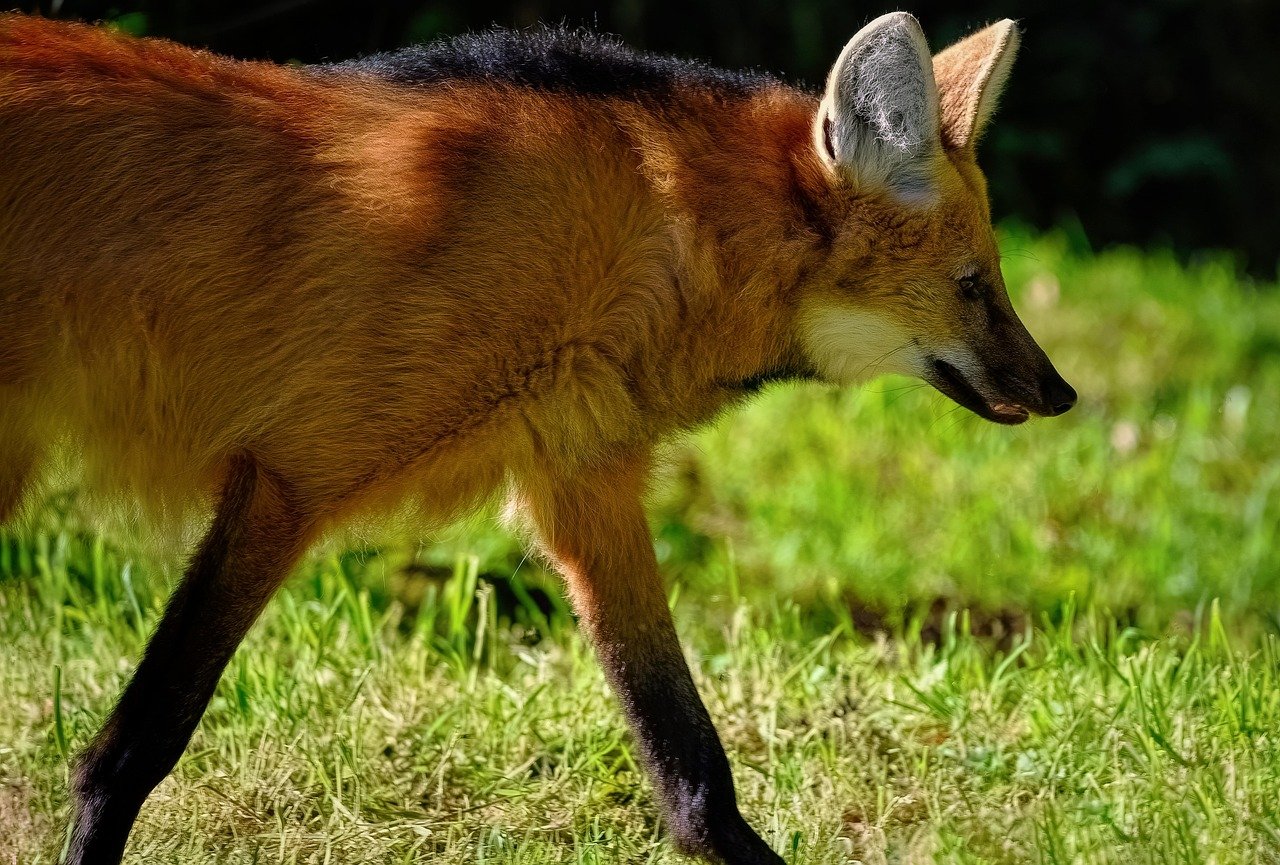
Unlike many of its canid relatives, the maned wolf is a solitary creature. It prefers to roam the vast open landscapes of South America alone, only coming together with others during the breeding season. This solitary nature is a reflection of its independent spirit and adaptability. While some might view solitude as loneliness, the maned wolf embraces it as a way of life, thriving in its own company and finding strength in its independence.
Diet: A True Omnivore
The maned wolf’s diet is as diverse as its appearance. As a true omnivore, it feeds on a mixture of fruits, small mammals, birds, and insects. The wolf apple, a tomato-like fruit, is a staple in its diet, providing essential nutrients. This varied diet showcases the maned wolf’s adaptability and resourcefulness, allowing it to thrive in different environments. Its eating habits are a reminder of the importance of balance and diversity in nature.
Habitat: The Grasslands of South America
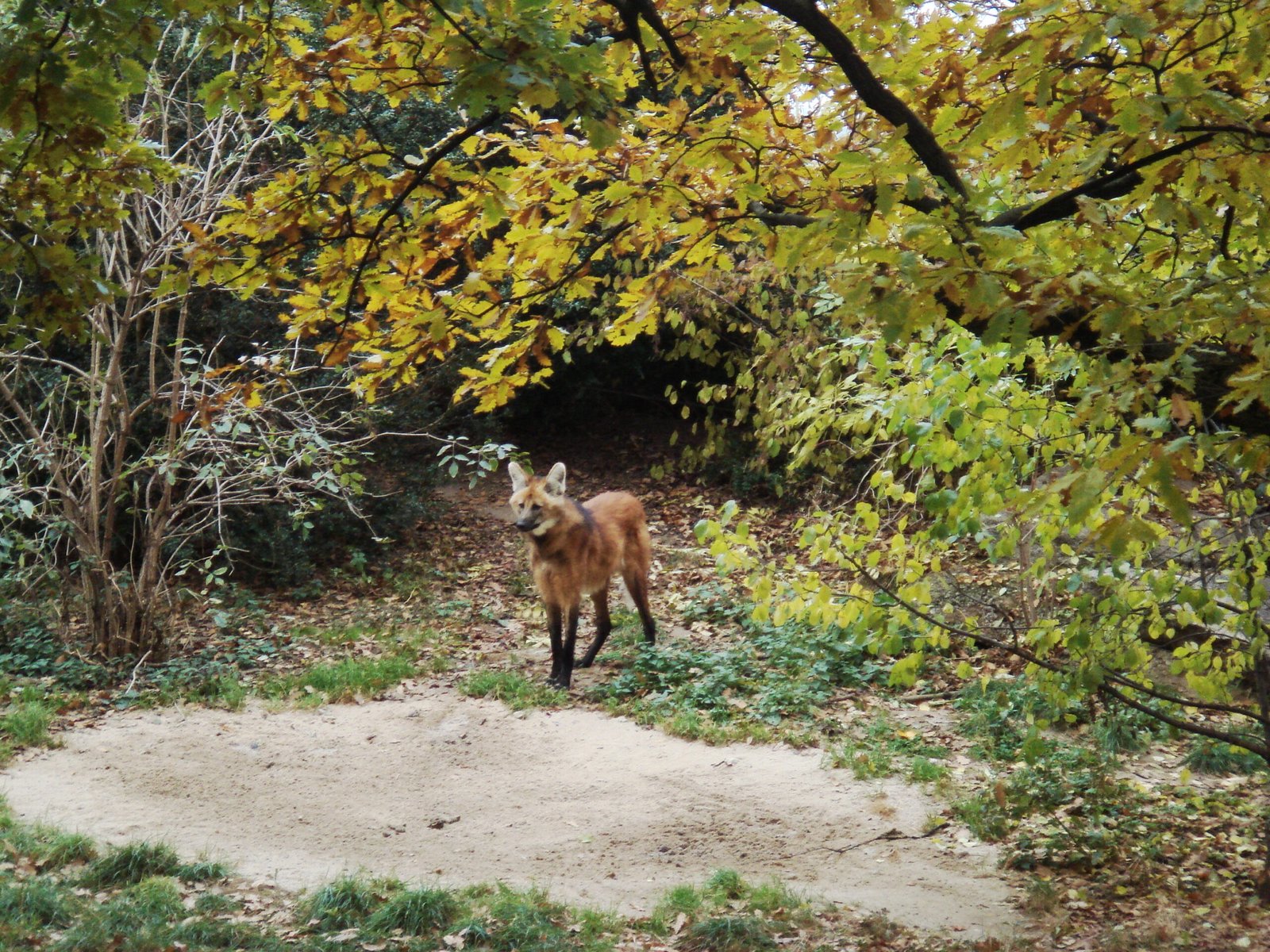
The maned wolf’s natural habitat is the sprawling grasslands and savannas of South America, primarily in Brazil, Argentina, Paraguay, and Bolivia. These regions offer the perfect blend of open spaces and cover, allowing the maned wolf to hunt and roam freely. The landscape, with its tall grasses and open plains, is a canvas on which the maned wolf paints its life. This habitat is a crucial part of its existence, shaping its behavior and adaptations.
Conservation Status and Challenges

Despite its unique beauty, the maned wolf faces numerous challenges in the wild. Habitat loss due to agriculture and urbanization poses a significant threat to its survival. Conservation efforts are ongoing, focusing on habitat preservation and public awareness. The maned wolf’s plight is a reminder of the delicate balance between human progress and the preservation of nature. It urges us to act responsibly and ensure that this magnificent creature continues to roam the earth.
The Symbolism of the Maned Wolf
In South American folklore, the maned wolf is often seen as a symbol of mystery and transformation. Its elusive nature and haunting vocalizations have inspired countless tales and legends. For many, the maned wolf represents the untamed spirit of the wild, a reminder of the beauty and mystery that still exists in the natural world. Its presence in folklore is a testament to its impact on human culture and imagination.
Captivating the Hearts of Many
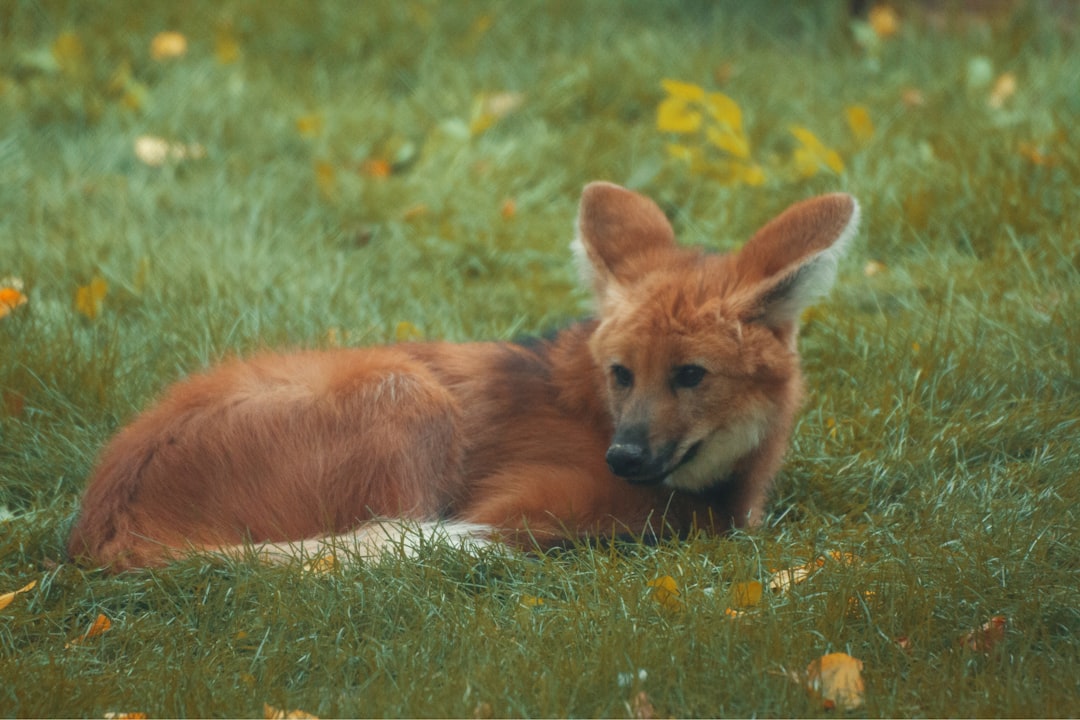
The maned wolf, with its unique characteristics and enigmatic presence, continues to captivate the hearts of animal lovers worldwide. Its story is one of survival, adaptation, and beauty. As we learn more about this fascinating creature, we are reminded of the wonders of nature and the importance of preserving it. The maned wolf stands as a symbol of the wild’s enduring allure, inviting us to explore and cherish the world around us.
The Maned Wolf is truly one of nature’s most extraordinary creatures, blending the grace of a deer with the spirit of a wild canine. Its unique appearance and fascinating behaviors make it a standout in the animal kingdom. Learning about this remarkable species reminds us just how diverse and magical the natural world can be.


