
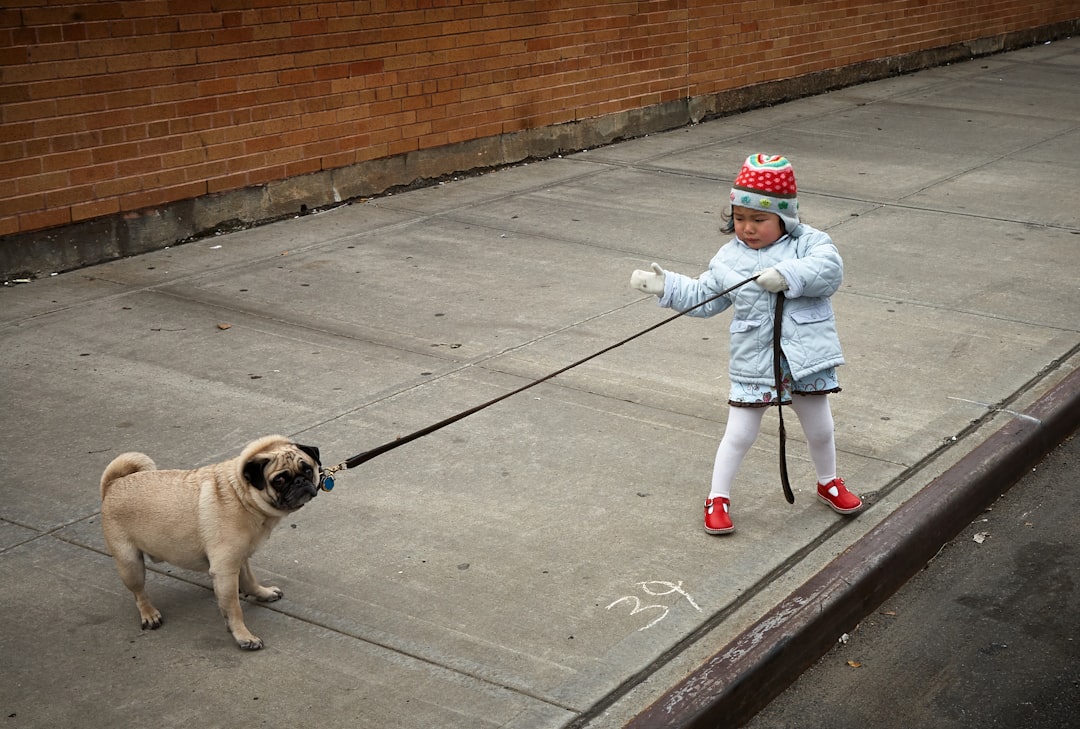
Dogs, with their wagging tails and soulful eyes, have a unique way of capturing our hearts. However, even the most lovable of our furry friends can develop habits that might not be ideal. These behaviors can range from mildly annoying to downright disruptive. Understanding these habits and knowing how to manage them can ensure a harmonious relationship between you and your dog. Let’s dive into the most common bad habits and explore practical solutions to manage them.
1. Excessive Barking
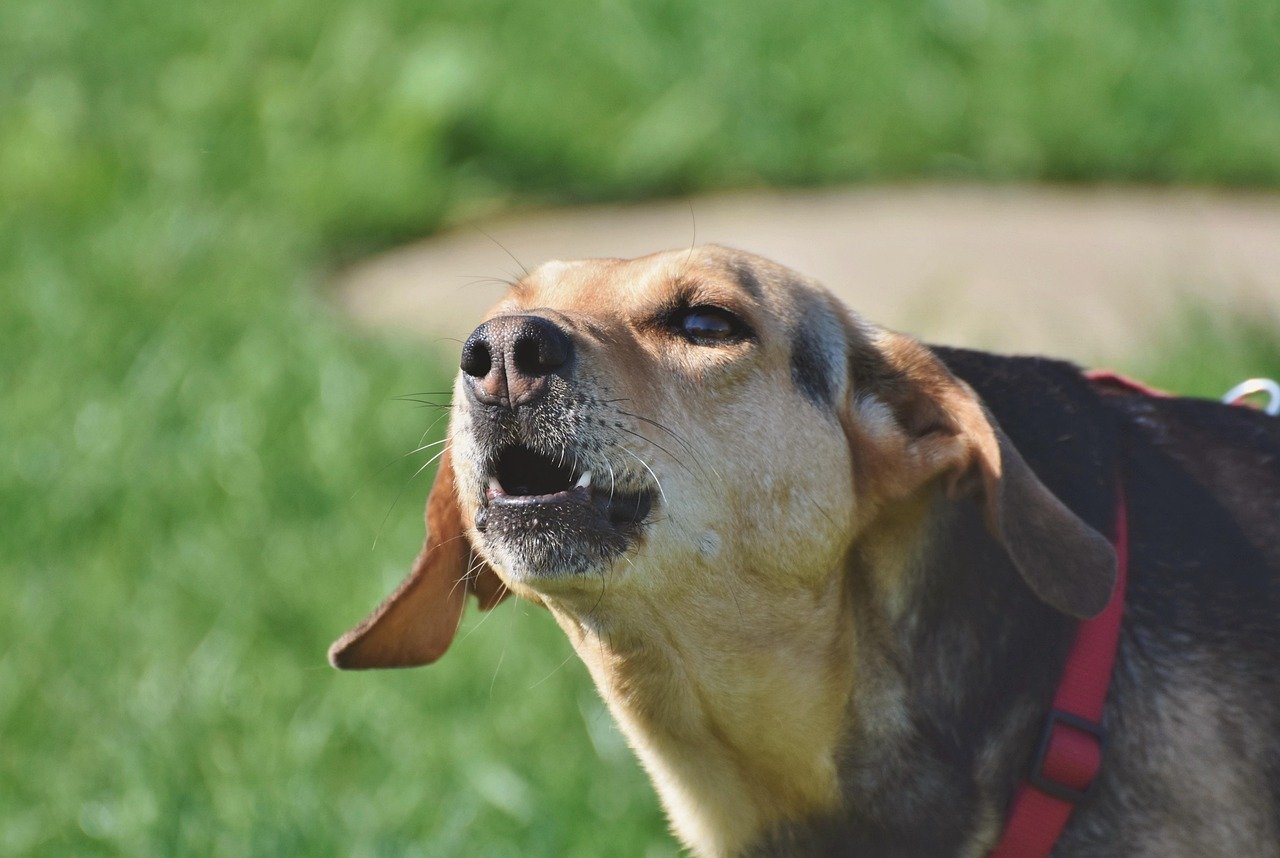
One of the most common complaints among dog owners is excessive barking. While barking is a natural form of communication for dogs, it can become problematic when it’s constant or occurs at inappropriate times. Some dogs bark to alert their owners of strangers, while others do it out of boredom or anxiety.
To manage this, it’s essential to determine the cause of the barking. If your dog barks out of boredom, providing more mental and physical stimulation can help. Toys, puzzles, and regular walks can be a great start. If anxiety is the culprit, consider training techniques that focus on desensitizing your dog to the triggers that cause their anxiety. In some cases, consulting with a professional dog trainer might be necessary to address the root of the barking issue.
2. Chewing on Everything
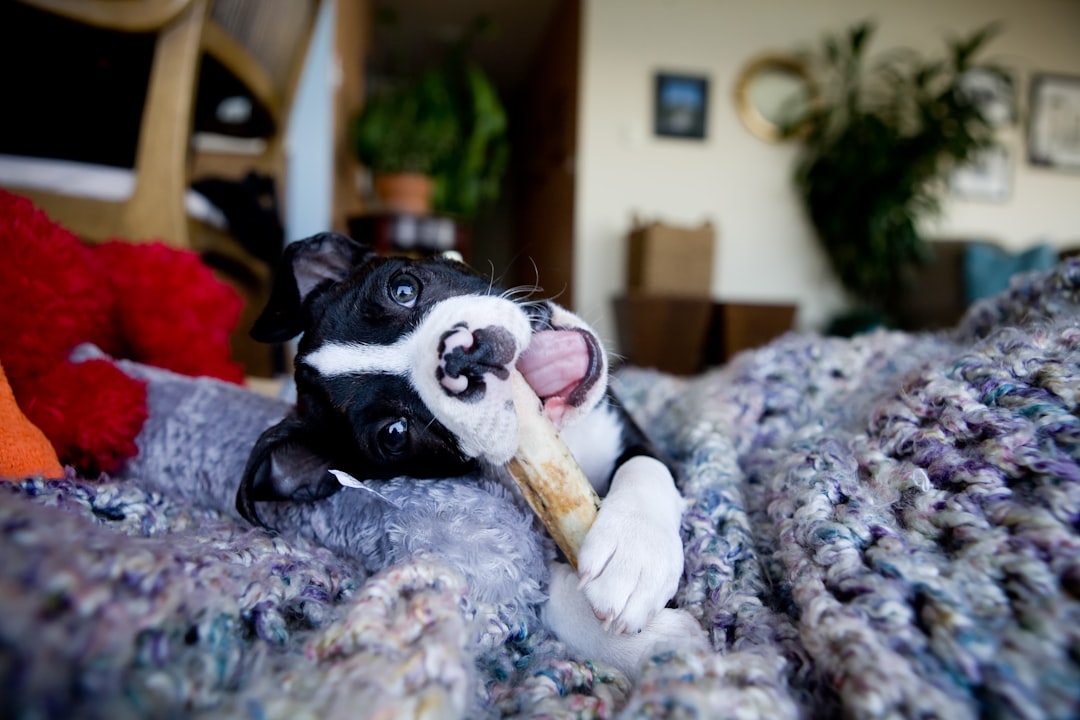
A dog that chews on furniture, shoes, or other household items can be both destructive and dangerous. Chewing is a natural behavior for dogs, especially puppies, as it helps them explore their world and relieve discomfort from teething. However, it can become a problem when they target inappropriate items.
To curb this behavior, provide your dog with a variety of chew toys that are safe and designed for their chewing needs. Praise your dog when they chew on appropriate items and gently redirect them when they go for something they shouldn’t. If the chewing persists, it might be a sign of anxiety or lack of exercise, so ensure your dog is getting enough physical activity and mental stimulation.
3. Jumping on People
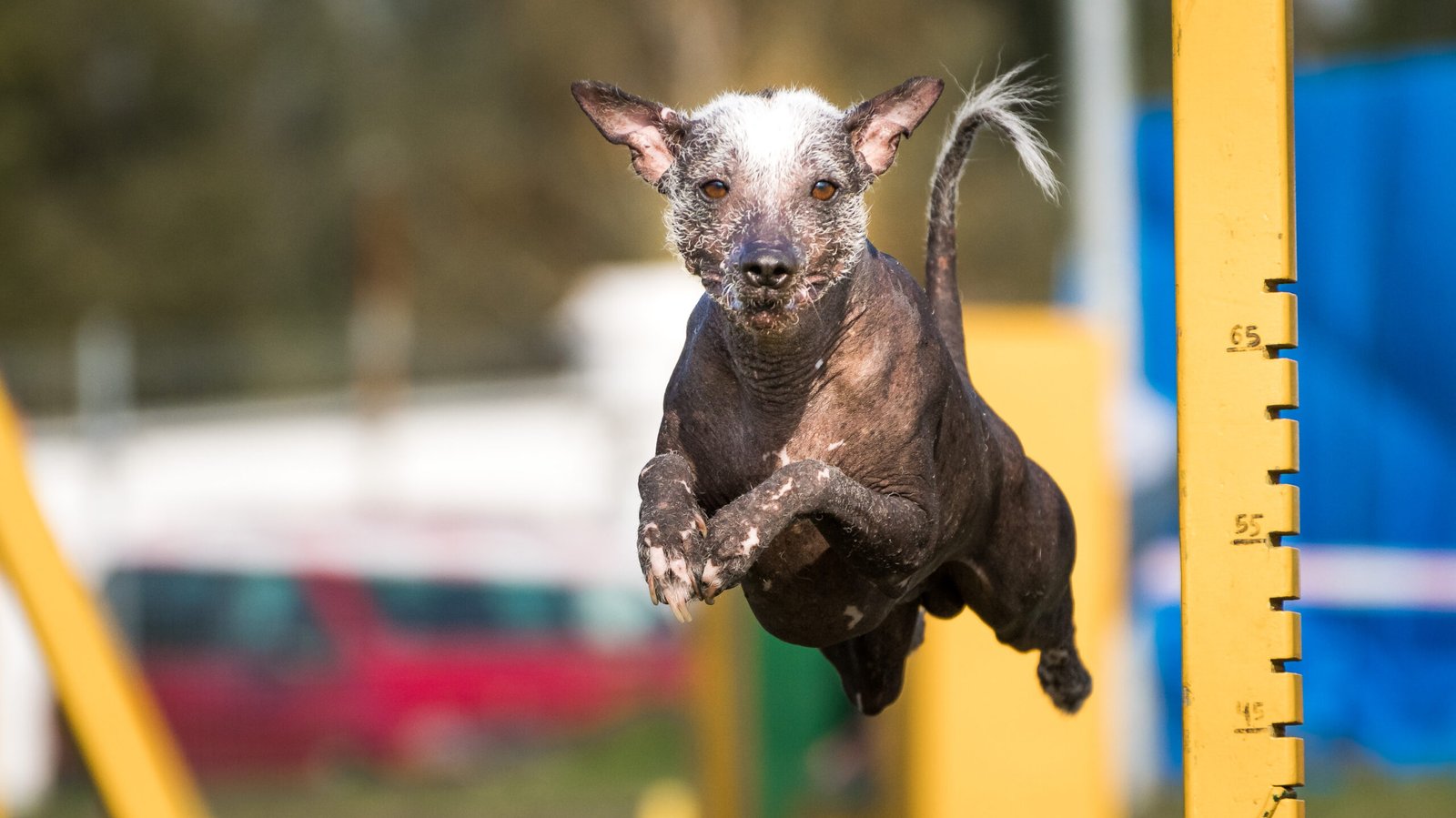
While it might be endearing when a tiny puppy jumps up to greet you, it can be overwhelming and even dangerous as they grow bigger. Dogs often jump on people as a way of showing affection or seeking attention, but not everyone appreciates this enthusiastic greeting.
To manage jumping, teach your dog an alternative behavior, like sitting, when they greet people. Consistency is key; ensure everyone in the household is on board with training and doesn’t reinforce the jumping by giving attention when your dog jumps. Reward them with treats and praise when they sit calmly instead of jumping.
4. Pulling on the Leash
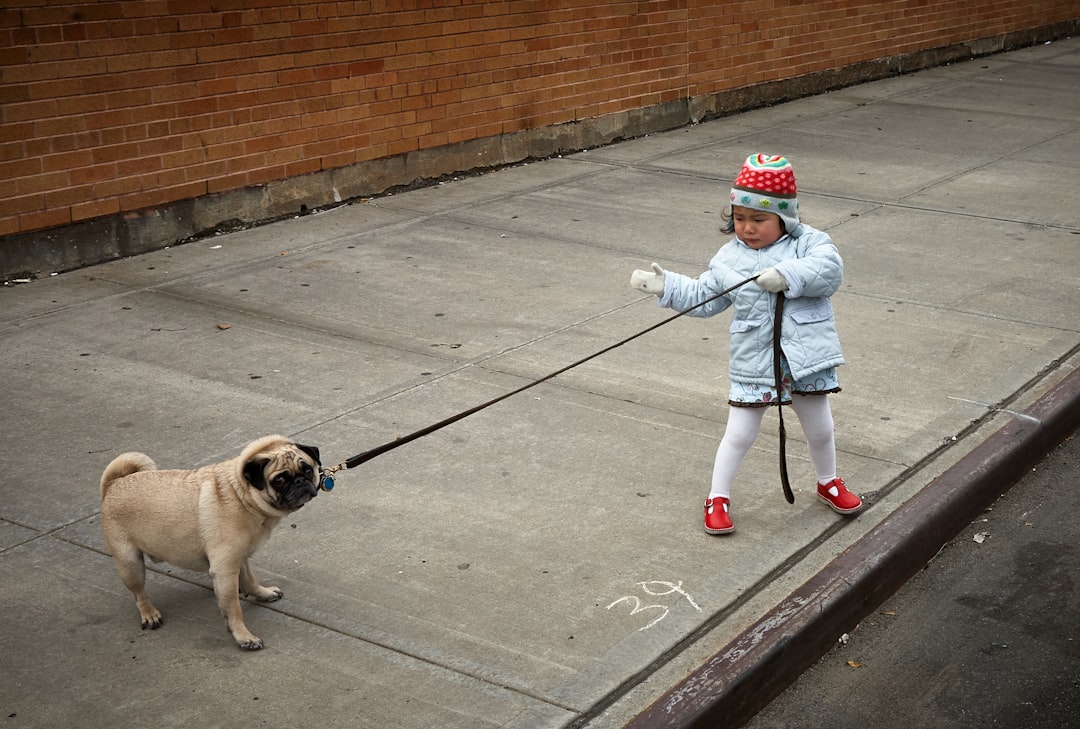
Walking a dog that constantly pulls on the leash can be exhausting and frustrating. Dogs pull for various reasons, such as excitement or a desire to explore their surroundings. This habit can make walks less enjoyable and potentially lead to injuries for both the dog and the owner.
To address leash pulling, consider using a no-pull harness that discourages this behavior while maintaining comfort. Training your dog to walk beside you using positive reinforcement techniques can also be effective. Reward them when they walk by your side and stop moving when they start to pull. Over time, your dog will learn that walking calmly results in rewards and continued progress on the walk.
5. Digging Holes
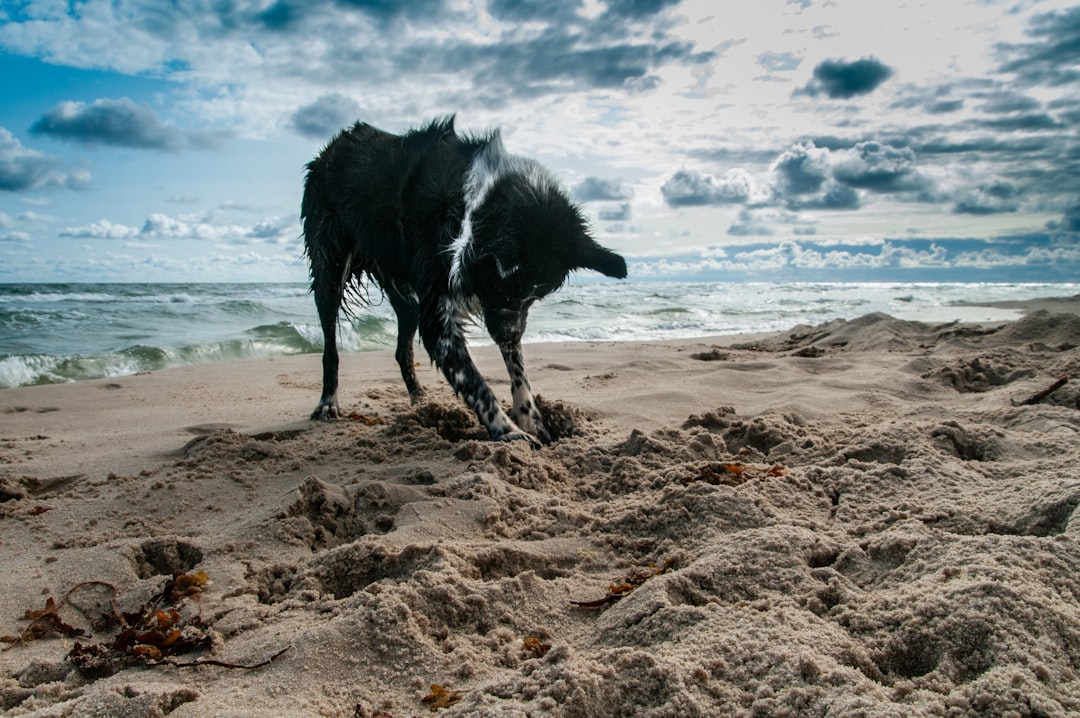
Dogs dig for various reasons, including seeking comfort, entertainment, or even hunting instincts. While digging is a natural behavior, it can become an issue if your garden turns into a minefield of holes.
To manage digging, provide your dog with designated areas where they are allowed to dig, such as a sandpit. Encourage them to use these areas by burying toys or treats for them to find. If your dog digs out of boredom, increasing their physical activity and mental challenges can help redirect their energy. Always supervise your dog in the yard to prevent unwanted digging.
6. Begging for Food

Begging for food is a behavior that many dog owners unintentionally encourage by giving in to those pleading eyes. However, feeding your dog from the table can lead to obesity and digestive issues.
To prevent begging, establish a strict feeding schedule and stick to it. Feed your dog before you have your meals, so they’re less likely to beg. If your dog persists, ignore the behavior and avoid giving them any food from your plate. It’s also helpful to train your dog to go to a designated spot, like a mat or bed, during mealtimes.
7. Separation Anxiety

Separation anxiety is a condition where dogs become anxious or stressed when left alone. This can result in destructive behaviors, excessive barking, or even attempts to escape. Dogs with separation anxiety often need gradual training to become comfortable with being alone.
Start by leaving your dog for short periods and gradually increase the time apart. Providing them with toys or puzzles can keep them occupied while you’re away. In severe cases, consulting with a veterinarian or a professional dog behaviorist may be necessary to find the best approach for your dog’s specific needs.
8. Aggression Towards Other Dogs
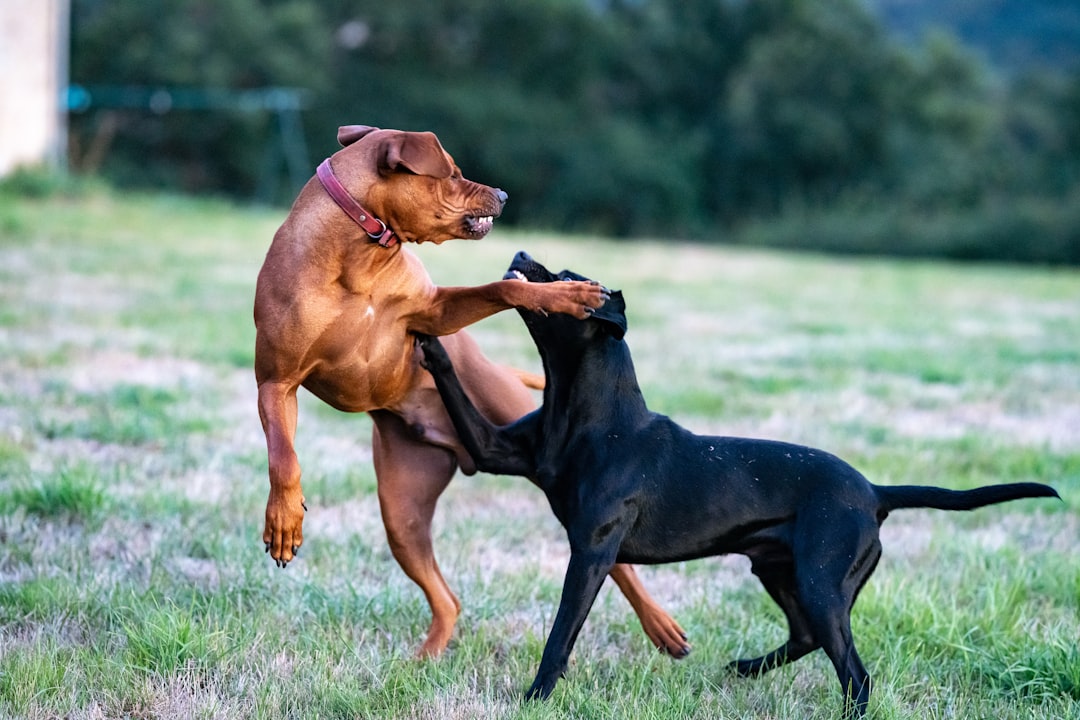
Aggression towards other dogs can be a concerning behavior that requires careful management. This can stem from fear, lack of socialization, or territorial instincts. It’s crucial to address aggression early to prevent potential fights or injuries.
Socializing your dog from a young age can help them become more comfortable around other dogs. If your dog shows signs of aggression, work with a professional trainer who can provide guidance on how to safely socialize your dog. Always supervise interactions with other dogs and use a muzzle if necessary to ensure safety.
9. Ignoring Commands
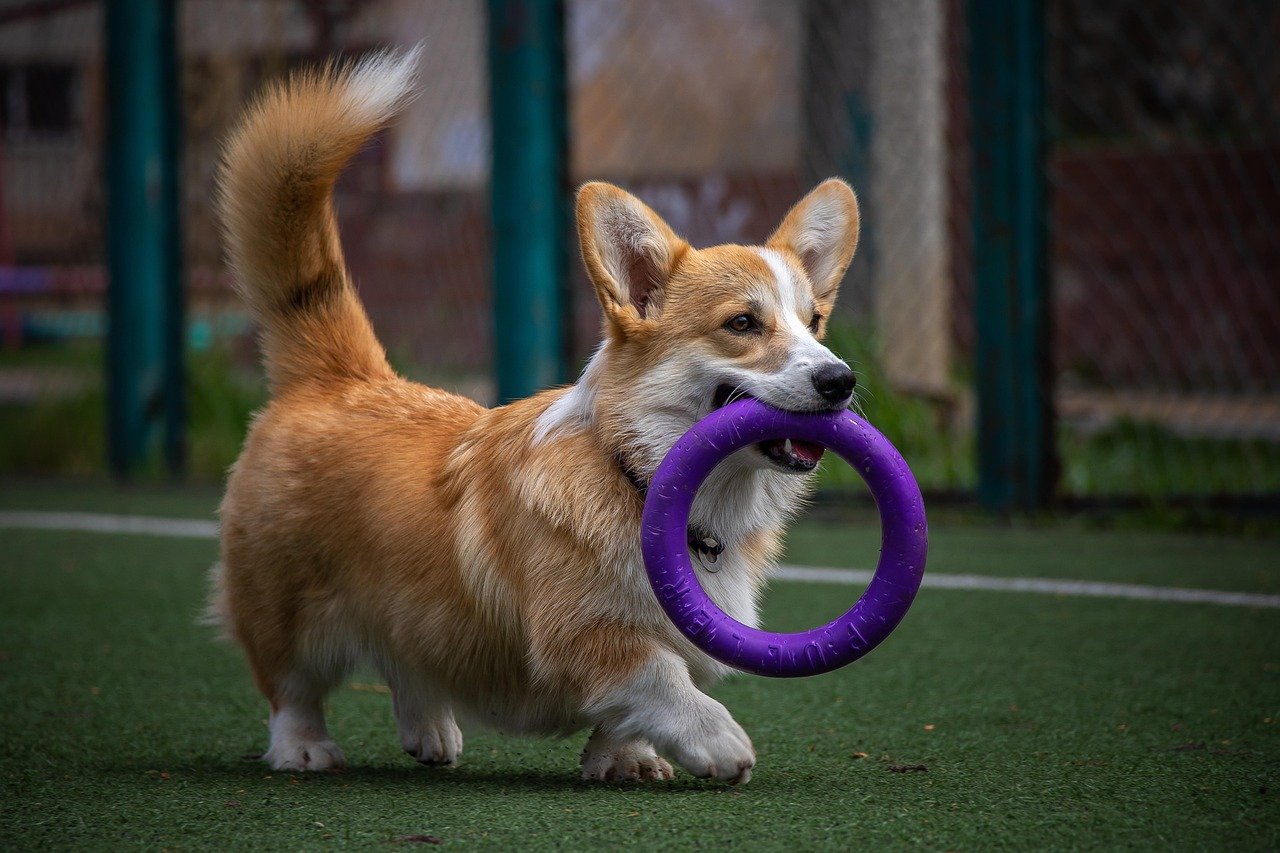
A dog that ignores commands can be frustrating, especially if you’ve put time and effort into training. Dogs may ignore commands for various reasons, including distractions, lack of motivation, or insufficient training.
To improve obedience, ensure that training sessions are consistent, positive, and rewarding. Use treats and praise to motivate your dog and practice commands in various environments to generalize the behavior. If your dog continues to ignore commands, consider enrolling in a training class to reinforce their skills.
10. Resource Guarding
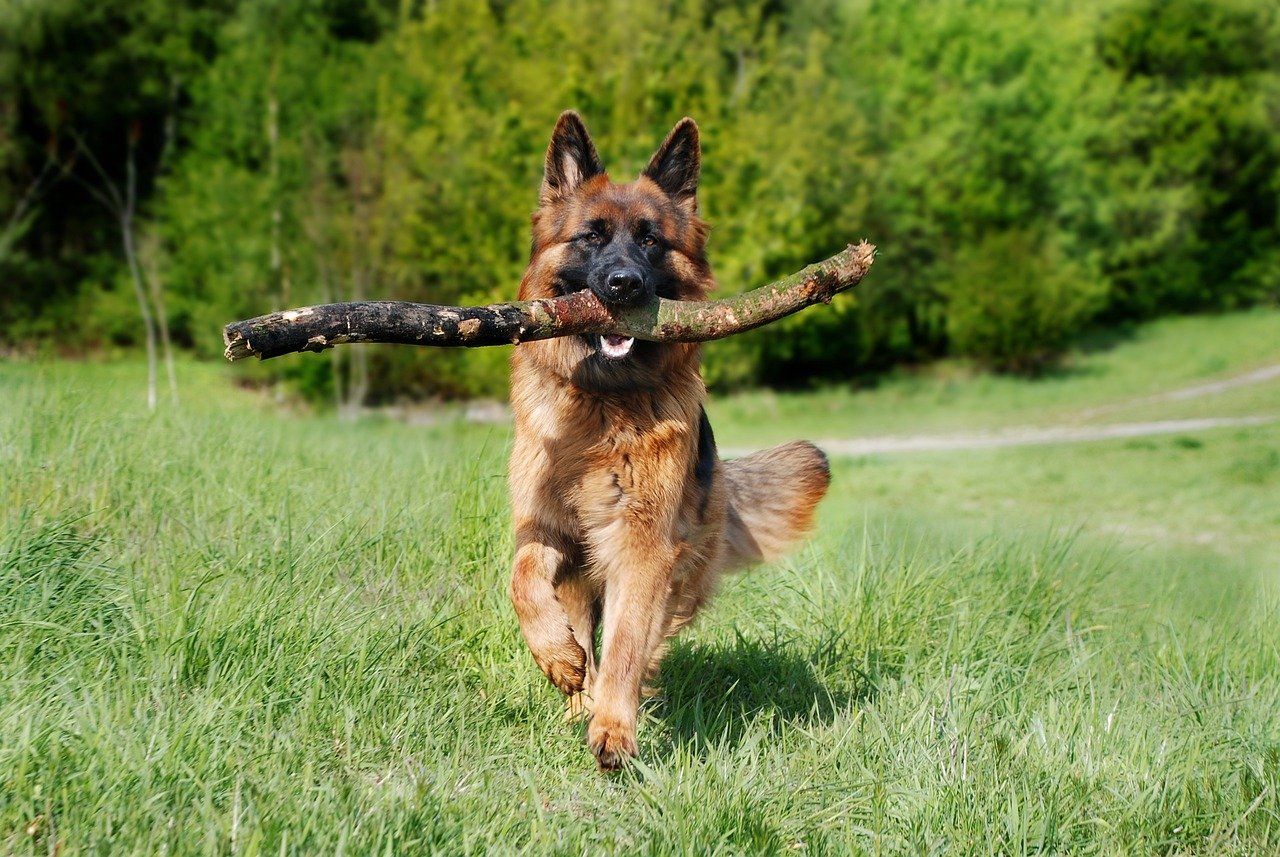
Resource guarding occurs when a dog becomes possessive over food, toys, or other items. This behavior can lead to aggression if not addressed. It’s essential to handle resource guarding carefully to prevent escalation.
Start by teaching your dog to trade items for treats, gradually working towards more valuable items. Avoid taking items away forcefully, as this can increase guarding behaviors. If the behavior persists, consulting with a professional behaviorist can provide tailored strategies to manage the issue safely.
In conclusion, while bad habits in dogs can be challenging, they are not insurmountable. With patience, consistency, and the right approach, you can help your furry friend overcome these behaviors and enjoy a harmonious life together.


