
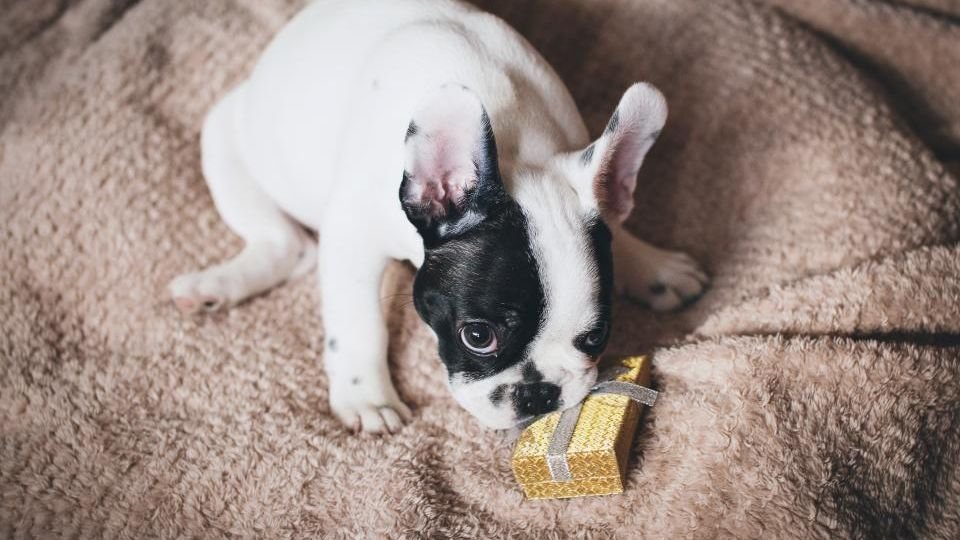
Have you ever wondered why your dog seems to adore one family member more than everyone else? Maybe they follow your partner from room to room but barely glance your way, or perhaps your pup waits by the door until you specifically come home, ignoring everyone else’s arrival. This isn’t favoritism in the petty sense. It’s about deep attachment, and honestly, it’s one of the most profound connections in the animal kingdom.
Dogs form attachment bonds similar to those seen in human caregiver-infant relationships, which means the bond they develop with their chosen person runs incredibly deep. When a dog picks you, their entire world revolves around your presence, your scent, your voice. The behaviors they exhibit are not just cute quirks but scientifically backed signs of genuine emotional connection. Let’s dive into the ten fascinating special person.
They Shadow You Everywhere
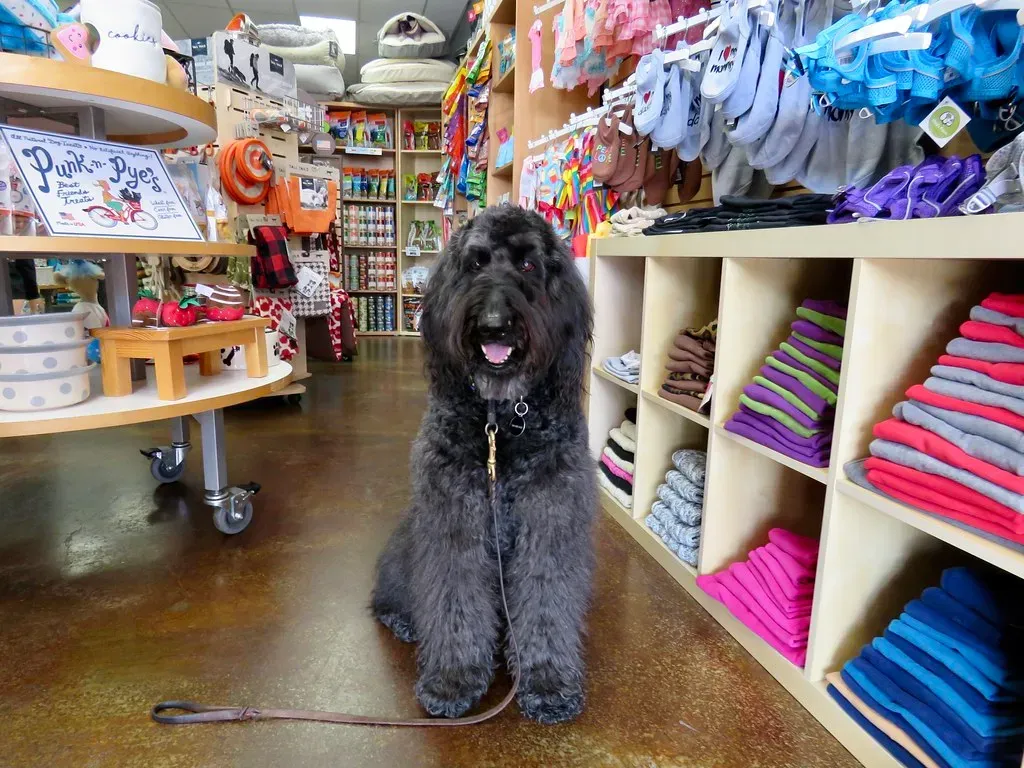
If your dog follows you into every single room, including the bathroom, congratulations. You’ve been chosen. Most dogs with separation anxiety try to remain close to their owners, follow them from room to room and rarely spend time outdoors alone. This shadowing behavior isn’t random clinginess.
It’s a sign that your dog sees you as their secure base, their emotional anchor in the world. A hyper-attached pet will constantly try to monitor every movement you make and likely want to sleep by your feet so he is always aware of your movements. While this can sometimes escalate into unhealthy over-attachment, in moderation it simply means your dog feels safest when they know exactly where you are. Think of it as their way of keeping tabs on their favorite person.
Their Eyes Lock Onto Yours
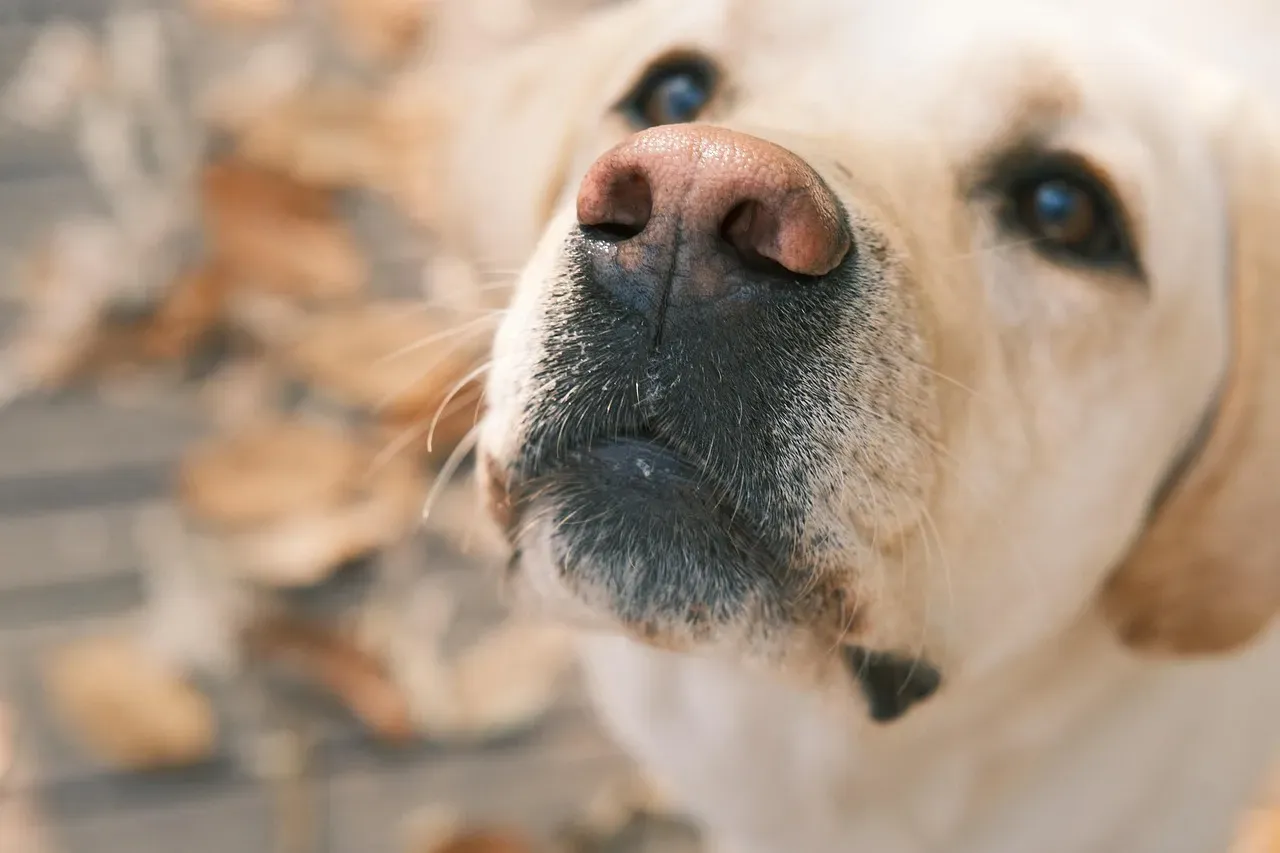
Dogs that are emotionally attached to their owners tend to maintain eye contact, looking at them with soft, relaxed eyes, and eye contact releases oxytocin in both dogs and humans. This mutual gaze creates what researchers call an oxytocin feedback loop.
When your dog stares into your eyes, it’s not just adorable. An interspecies oxytocin-mediated positive loop facilitated and modulated by gazing may have supported the coevolution of human-dog bonding. So when your pup gazes at you with those soulful eyes, they’re literally flooding both of your brains with love hormones. It’s a chemical bond that strengthens every time you lock eyes, making you both feel closer and more connected.
They Bring You Gifts Throughout the Day
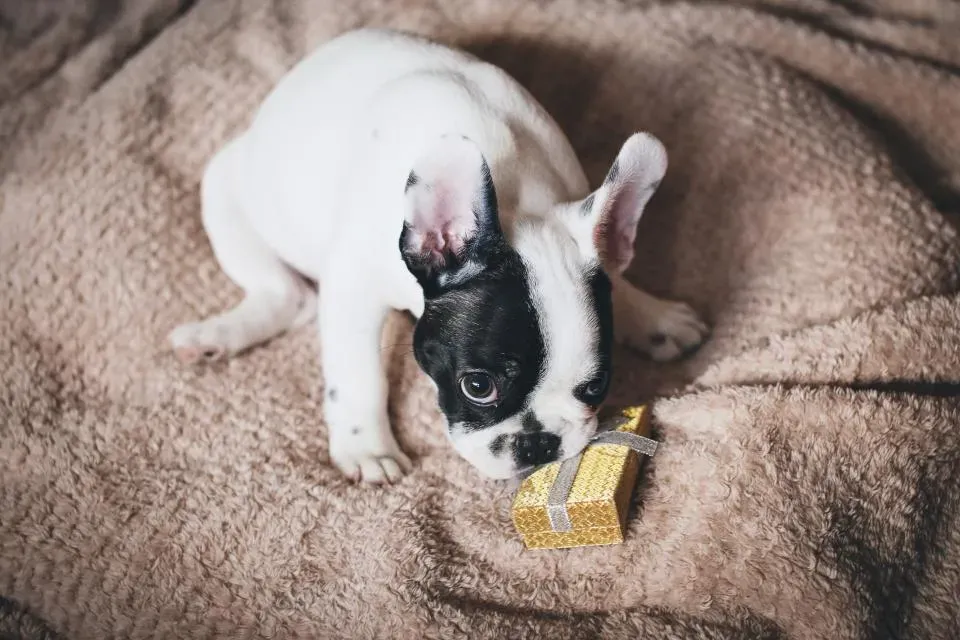
Does your dog constantly drop toys at your feet or present you with random household items? Some dogs express their attachment by bringing you toys or other items as gifts, similar to how a mother dog might bring food to her puppies. This behavior shows they want to share their treasures with you and provide for you.
It’s their way of saying you’re part of their pack, their inner circle. Whether it’s a squeaky ball, a sock, or heaven forbid, something from the trash, accept these offerings with grace. Your dog is demonstrating that you matter enough to share what they value most. It’s one of the purest forms of canine affection.
They Show Extreme Excitement Only When You Return
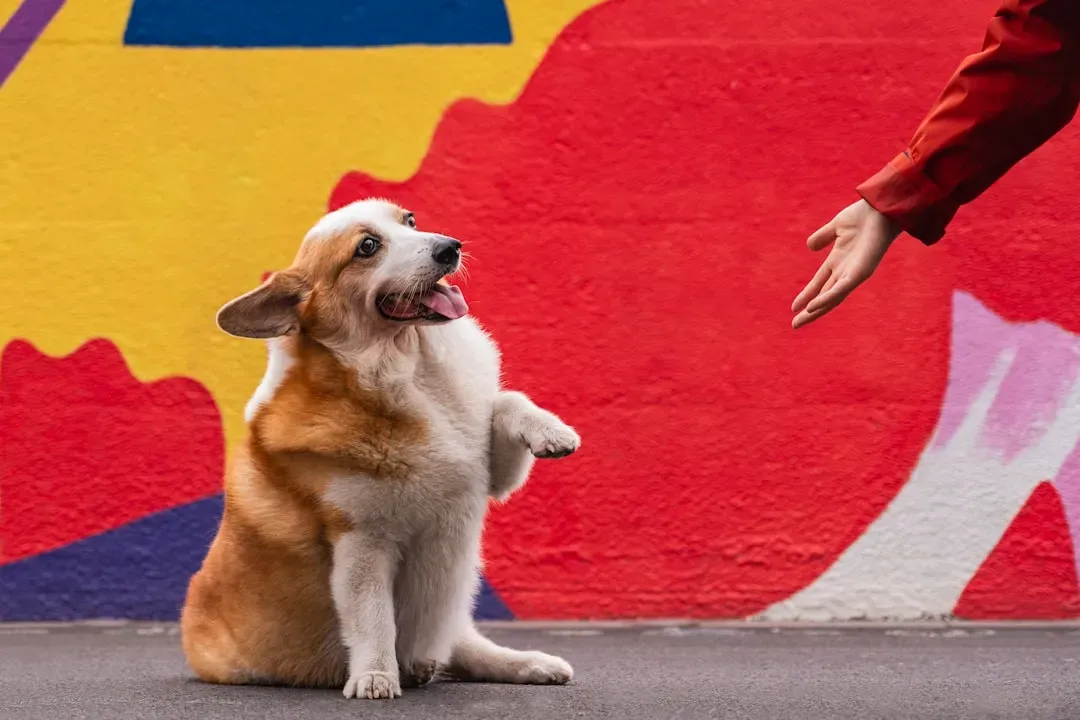
One of the most obvious signs of attachment is the enthusiastic, full-body greeting you receive whenever you return home, with jumping, vigorous tail wagging, and even barking out of excitement. Sure, dogs are generally happy creatures, but the chosen person gets a different level of welcome.
Notice how your dog reacts when other family members come home versus when you walk through the door. The intensity, the full-body wiggles, the inability to contain their joy – that’s reserved for you. Dogs with separation anxiety are also often quite excited and aroused when the owner returns. While overly intense greetings can sometimes signal anxiety, moderate enthusiasm is a beautiful indicator that your absence was genuinely felt and your return is cause for celebration.
They Display Pre-Departure Anxiety
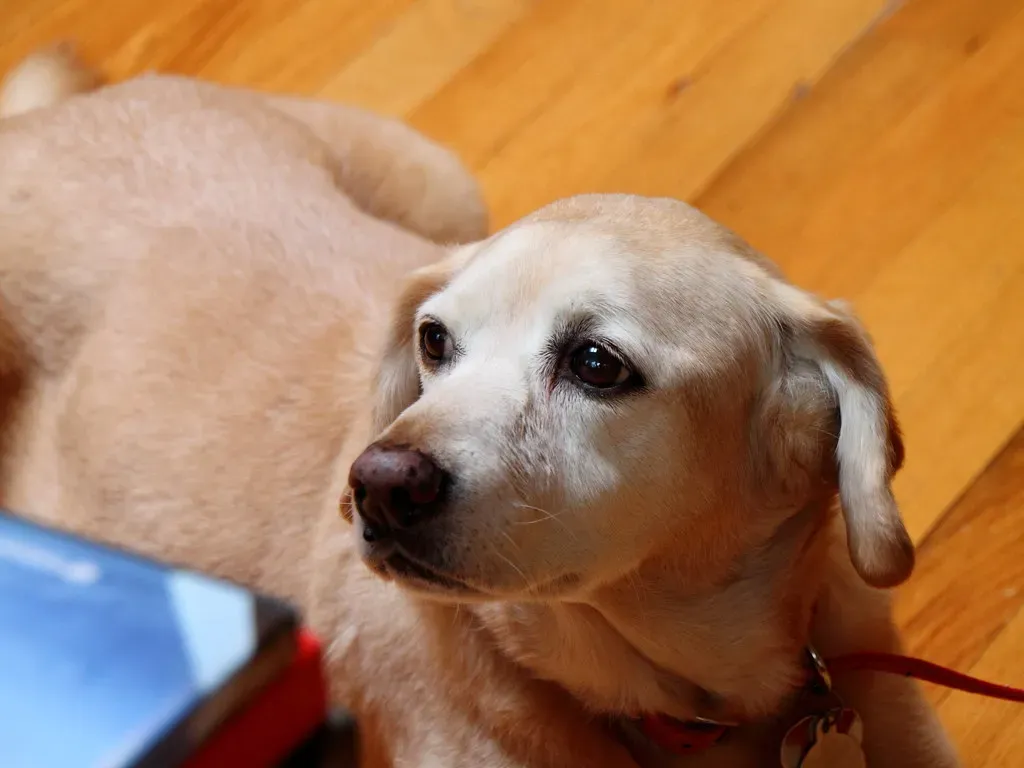
Here’s where things get a bit heartbreaking. They often begin to display anxiety as soon as the owners prepare to leave. Your dog has memorized your routine so thoroughly that they know when you’re about to go.
A dog might start to pace, pant and whine when he notices his guardian applying makeup, putting on shoes and a coat, and then picking up a bag or car keys. They’ve learned to associate these cues with your departure, and if you’re their chosen person, these moments trigger genuine distress. It’s not manipulation or bad behavior. It’s the canine equivalent of separation anxiety because being apart from you feels genuinely threatening to their sense of security. Watch for these subtle signs, and you’ll see just how tuned in your dog is to your every move.
They Choose to Sleep Near You
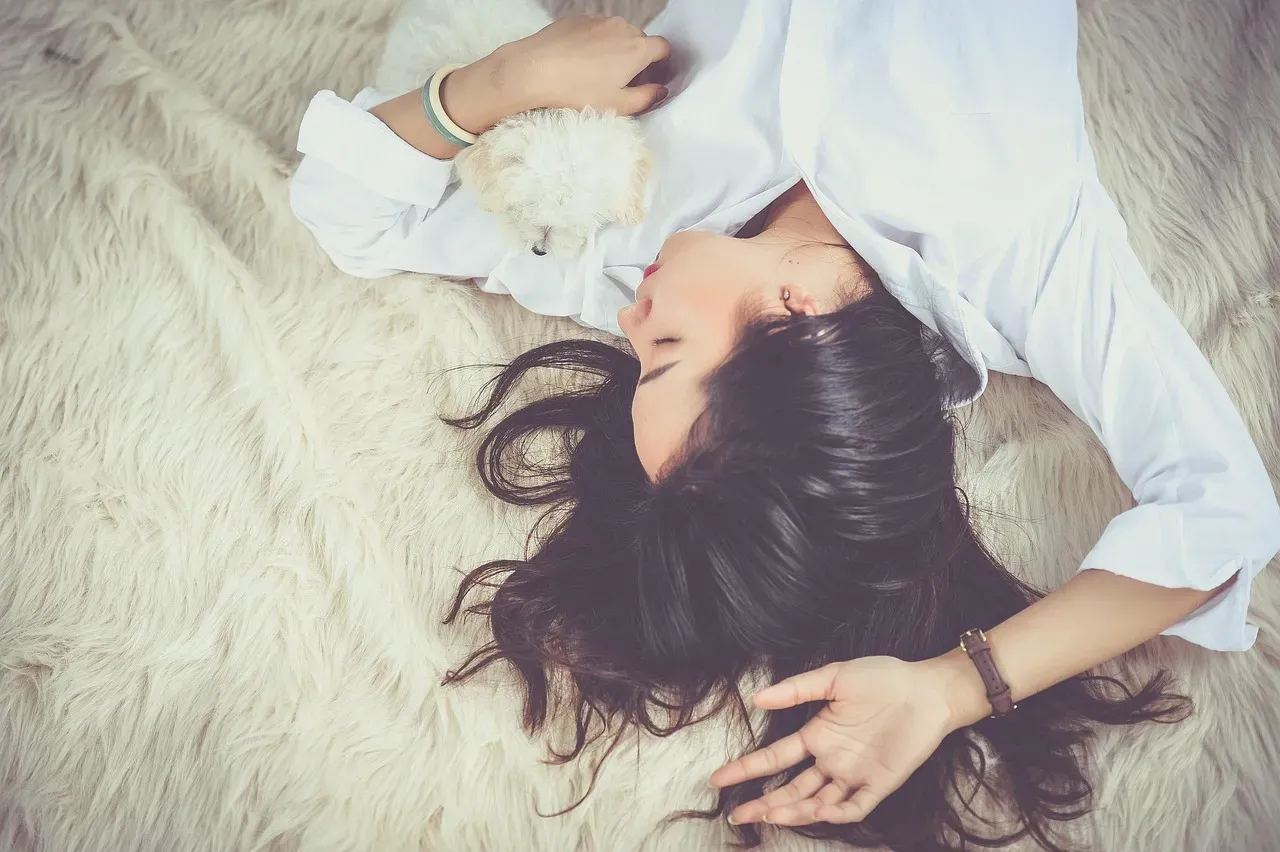
In the wild, canines are at their most vulnerable when they sleep, so members of the pack will sleep with their backs facing each other and their noses facing out, and if your dog chooses to sleep with you or next to your bed, this means they see you as a trusted member of their pack. This is huge.
Sleep is when dogs are most defenseless, so choosing to sleep in your presence means they trust you completely. Whether they curl up at the foot of your bed, sprawl across your legs, or insist on being the little spoon, this behavior signals deep emotional attachment. They feel safe enough to enter their most vulnerable state with you nearby. Let’s be real, that’s pretty special.
They Physically Lean on You
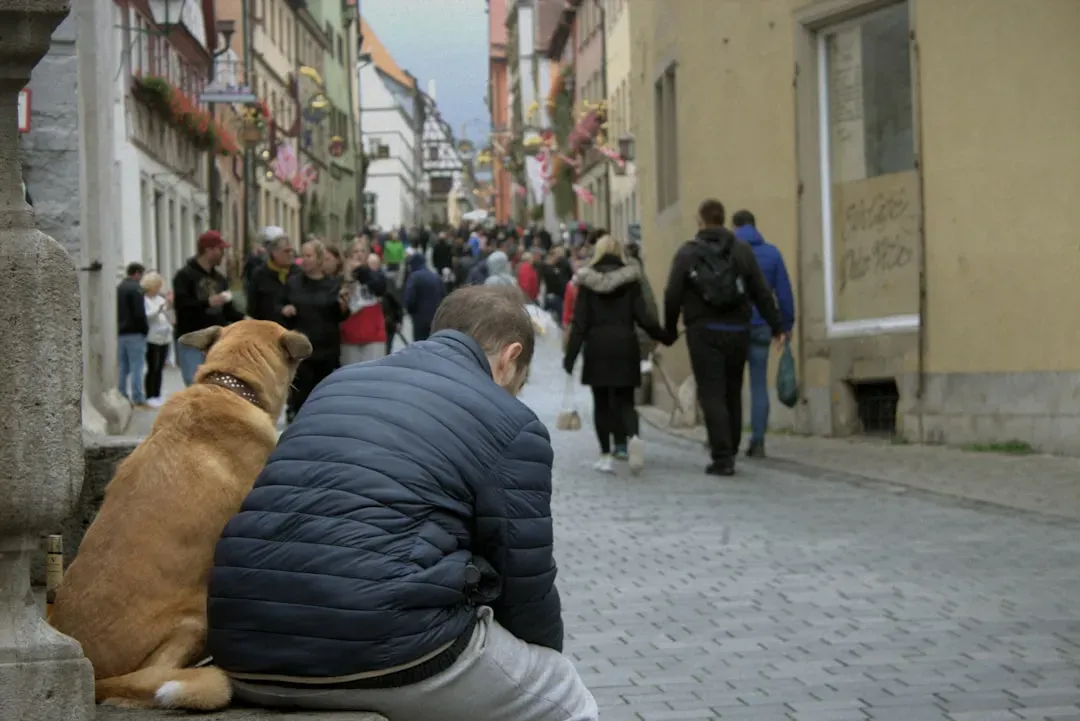
If your dog leans their body weight against you or rests their head on your lap, it’s a sign of trust and attachment, and they only do this with people they feel comfortable and secure around. This physical closeness is their version of a hug.
When a sixty-pound dog leans into your legs, they’re not trying to knock you over. They’re seeking comfort, connection, and reassurance from your presence. This behavior is most common when dogs are feeling uncertain or simply want to be close to their person. It’s a quiet, gentle way of saying “you’re my safe place.” Pay attention to who your dog leans on in a room full of people, and you’ll quickly identify their chosen one.
They Listen and Respond Primarily to You
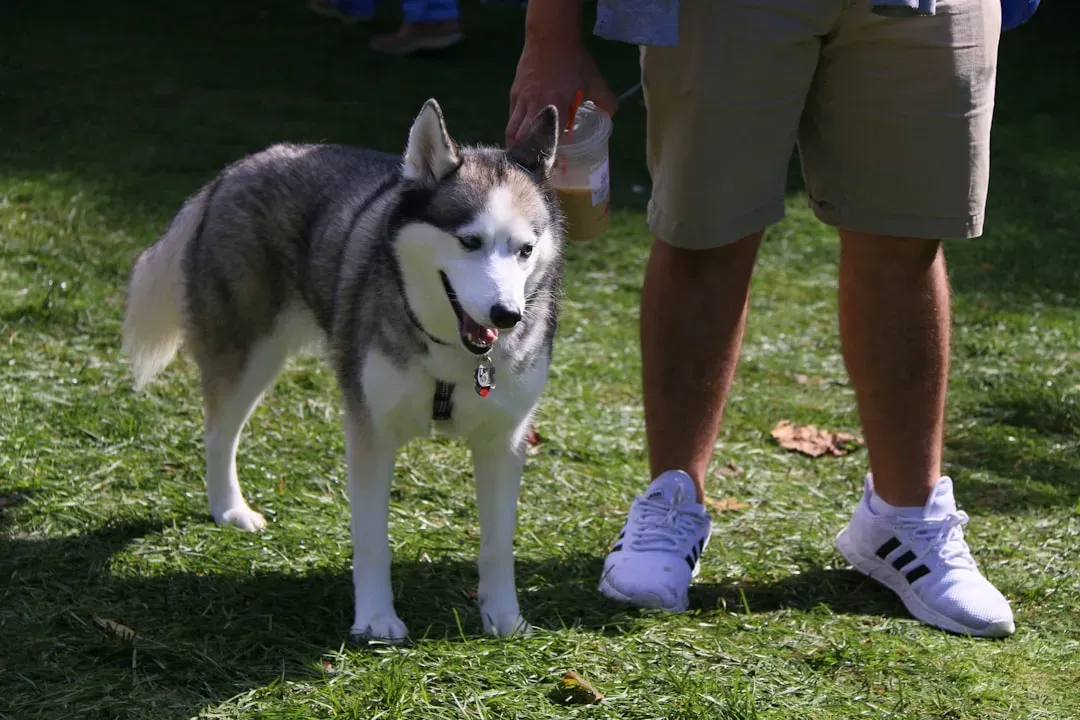
Dogs demonstrate selective listening, responding more quickly and reliably to commands from their preferred person while potentially showing selective hearing with others. Ever notice how your dog obeys you instantly but seems to develop sudden deafness when someone else gives the same command? That’s not stubbornness.
It’s attachment-based behavior. Your dog has learned that your voice carries the most weight, that your approval matters most. They’re motivated to please you specifically because the bond you share is stronger. This can be frustrating for other family members, but it’s actually a testament to the unique relationship you’ve built through consistent interaction, training, and positive reinforcement.
They Show Distress Only When You Leave
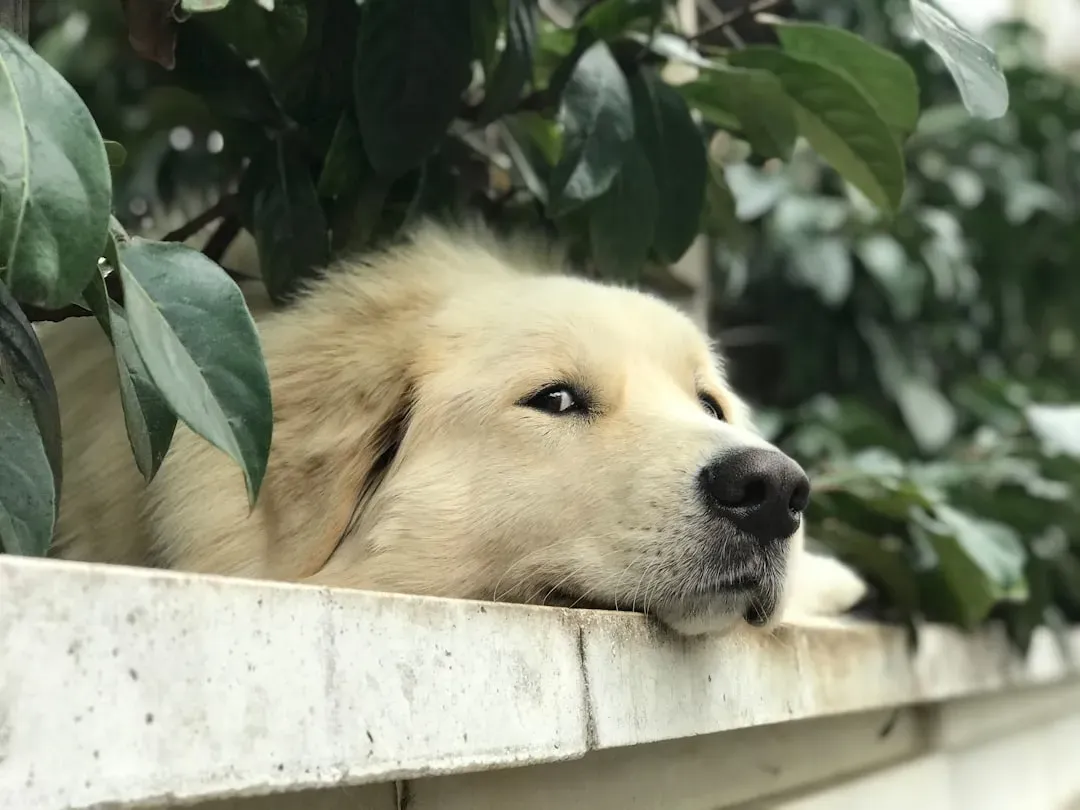
Separation anxiety where a dog has formed a hyper-attachment to a single individual means if that person isn’t present, the dog goes into panic mode. This is different from general loneliness. Isolation distress is a milder form where these dogs don’t want to be alone and can be calmed when there is someone else in the room.
When your dog only panics when you specifically leave, even if other family members are home, that’s a clear sign you’re their chosen person. Sometimes separation anxiety is triggered by a specific person leaving the house; other times, it happens when anyone leaves. If your departure is the only one that causes destructive behavior, excessive barking, or other stress responses, you’ve definitely been chosen. It’s important to address severe anxiety, but understanding it comes from deep attachment helps frame it in a more compassionate light.
They Seek You Out for Comfort
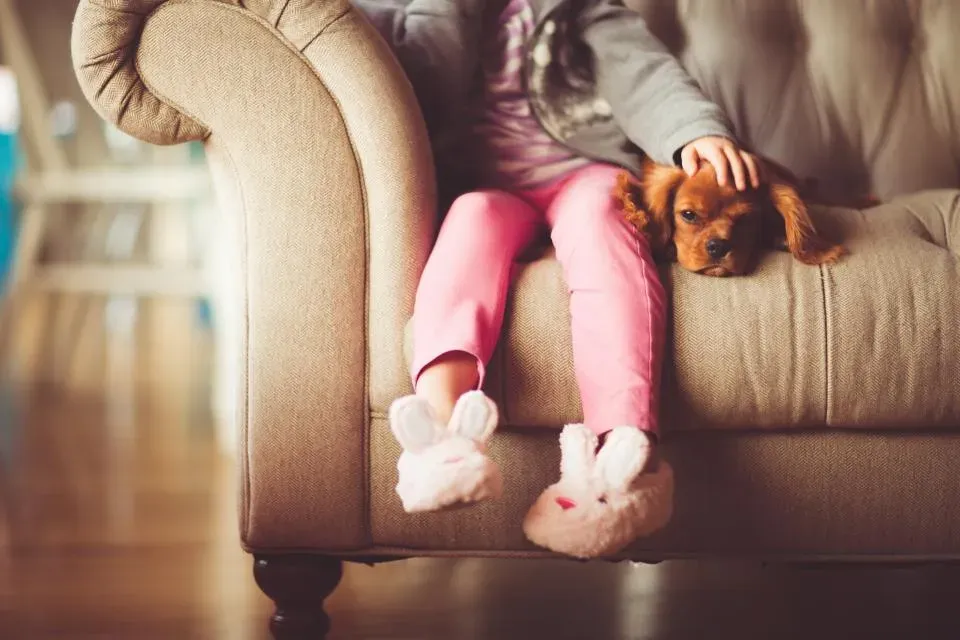
When your dog is scared, hurt, or simply feeling off, who do they run to? The presence of an attachment figure allows dogs to more freely investigate novel objects and can attenuate the effect of a stressful event, constituting the so-called safe haven effect. If you’re the person your dog seeks during thunderstorms, fireworks, or vet visits, you’re their emotional support system.
This behavior demonstrates that your presence alone has a calming effect on them. They trust that you’ll protect them and make everything okay. Whether they’re trembling under your legs during a storm or pressing against you in an unfamiliar place, they’re showing you that you represent safety and security in their world. That’s not just attachment – that’s love in its purest, most instinctual form.
Conclusion
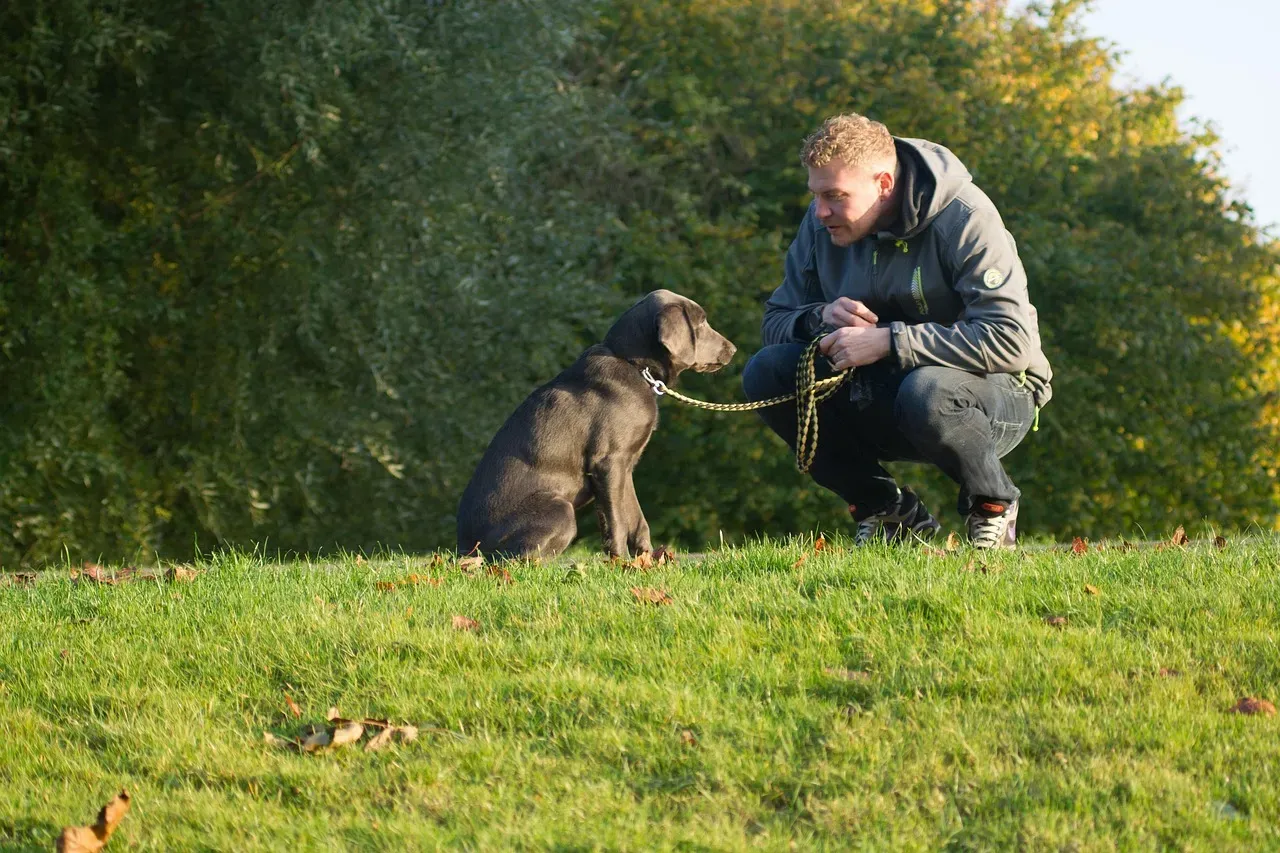
The bond between a dog and their chosen person is one of nature’s most beautiful relationships. These ten behaviors reveal just how deeply dogs can attach to us, forming connections that mirror human attachment patterns. Dogs’ favorite people are associated with the most positive experiences, especially experiences of love, shelter, and comfort.
If you recognize these behaviors in your dog, cherish that bond. It’s built on trust, consistency, and genuine emotional connection. Remember that being chosen comes with responsibility – to respect that attachment, nurture it healthily, and ensure your dog feels secure even when you need to be apart. What behaviors does your dog show that make you feel chosen? Share your stories in the comments below.


