
Have you ever wondered if your dog feels truly safe at home? Sometimes, the signs aren’t as obvious as a growl or a whimper. Dogs are masters at hiding their feelings, but when insecurity creeps into their lives, it shows up in ways that might surprise you. Their quirky antics and puzzling habits aren’t just random—they’re secret messages, silent cries for comfort and reassurance. Once you know what to look for, it’s almost impossible to unsee the meaning behind those puppy-dog eyes and restless paws. Let’s dive into the world of canine communication and uncover the ten most telling behaviors that reveal a dog’s deep-down insecurity at home.
1. Excessive Barking or Whining
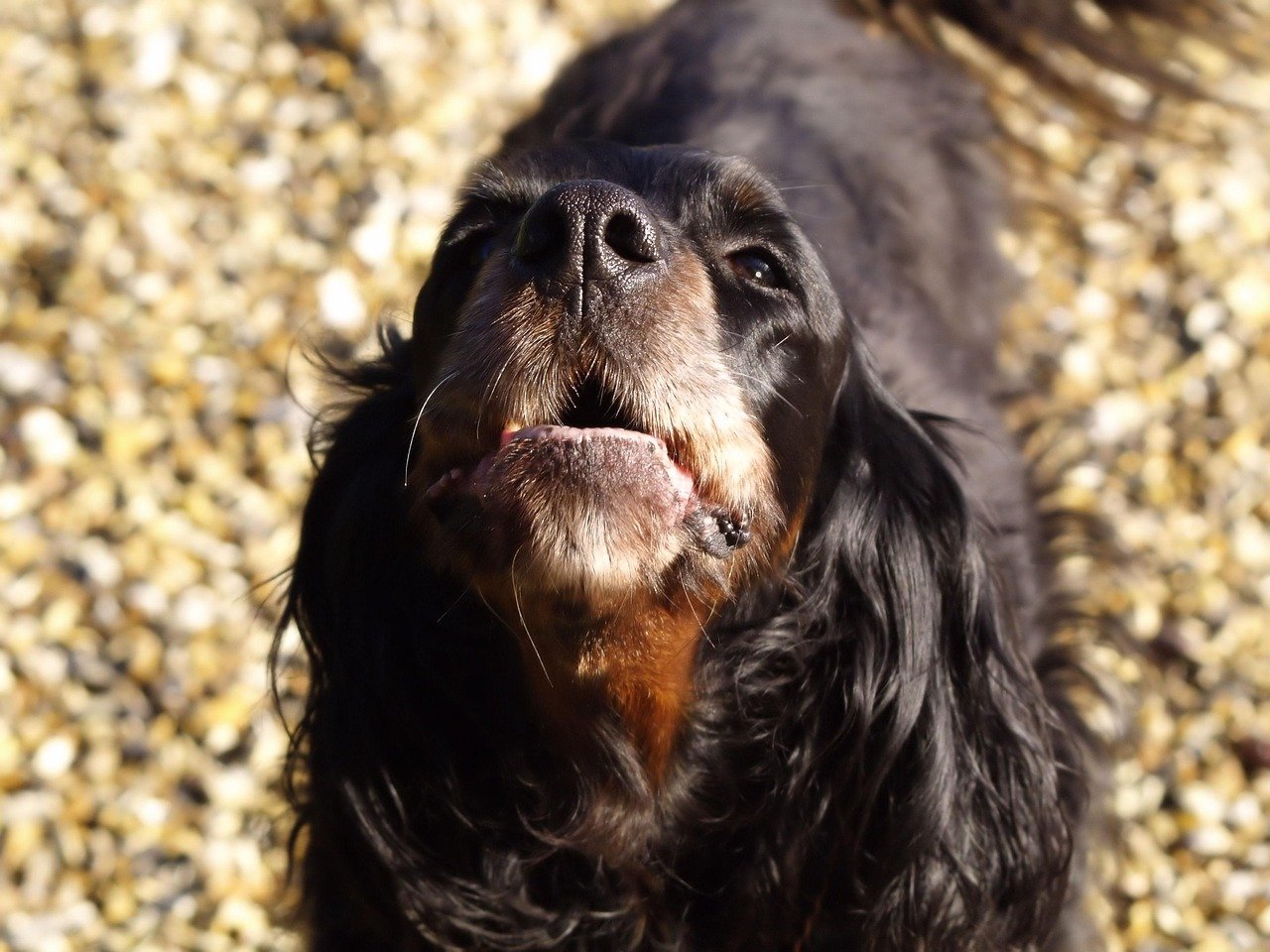
If your dog seems to have a lot to say—barking at every noise or whining when you leave the room—it could be more than just a chatty personality. Insecure dogs often use their voices to express anxiety and fear, especially in environments where they feel unsafe. That constant yapping isn’t just for show; it’s a way to seek attention or signal distress. Sometimes, even a slight sound outside or a new visitor can set off a barking spree. Whining, on the other hand, is a softer plea, almost like a child’s whimper for reassurance. These vocalizations can become exhausting, both for you and your pup, but they’re clear signs your dog is struggling to find comfort in their surroundings. Think of it as their way of calling out, “Is anyone there for me?”
2. Destructive Chewing or Digging

Chewed-up shoes, shredded pillows, and mysterious holes in the backyard often point to more than just boredom. When dogs feel insecure at home, their anxiety can bubble over into destructive behaviors. Chewing or digging gives them a way to release nervous energy and distract themselves from the chaos they sense. It’s not about being naughty; it’s about coping. Imagine a kid nervously tapping their pencil or an adult biting their nails. Dogs have their own version, and it can leave your belongings in tatters. If you come home to a mess, don’t rush to scold—look a little deeper. Your dog might just be telling you, “I don’t know what else to do with these feelings.”
3. Hiding or Seeking Small Spaces

Ever find your dog curled up under the bed or tucked away in the closet? Dogs that feel insecure often retreat to small, enclosed spaces where they feel protected from the world. This behavior is rooted in their instincts—dens were safe havens for their wild ancestors. In a stressful home, a tight spot can feel like a shield against whatever’s making them uneasy. You might notice your dog ducking behind furniture during thunderstorms or family arguments. These hideaways aren’t just cozy; they’re your dog’s version of a security blanket. When your pup disappears, they’re quietly saying, “I need a break from all this.”
4. Clinginess and Following You Around

If you can’t walk across the room without a furry shadow at your heels, your dog might be feeling insecure. Clinginess is a classic sign of a dog who’s unsure about their environment. They stick close to the person who makes them feel safe—usually you. This constant need for reassurance can be endearing but also a little overwhelming. Some dogs will even try to squeeze onto your lap or curl up next to you, no matter how small the space. They crave physical closeness to calm their nerves. It’s their way of saying, “As long as I’m near you, I know everything’s okay.”
5. Sudden Aggression or Snapping

Sometimes, insecurity comes out in unexpected ways. A normally gentle dog might start snapping, growling, or even showing their teeth. This isn’t about dominance—it’s about fear. When dogs don’t feel safe, their fight-or-flight response can kick in. Sudden aggression is their way of protecting themselves from whatever seems threatening in their home. It’s heartbreaking to see a sweet pup turn defensive, but it’s important to recognize the root cause. Instead of punishing, try to understand what’s triggering their fear. Underneath that bark or bite is a dog desperately hoping for safety and understanding.
6. Loss of Appetite or Overeating

Just like people, dogs can turn to food—or turn away from it—when they’re feeling insecure. A dog who suddenly loses interest in meals or snacks might be overwhelmed by stress. On the flip side, some dogs will gobble up everything in sight, using food as a comfort mechanism. Changes in eating habits are easy to overlook, but they’re often a red flag. If your pup’s food bowl is gathering dust or being emptied at lightning speed, it’s worth asking why. Appetite swings are your dog’s silent signal that something isn’t right in their world.
7. Excessive Licking or Grooming

Have you noticed your dog licking their paws raw or endlessly grooming themselves? This repetitive behavior isn’t just about cleanliness. It’s a self-soothing tactic, much like a human twirling their hair or biting their lips when anxious. When dogs feel insecure, they may obsessively lick their bodies to create a sense of calm. Unfortunately, too much of this can lead to bald patches or irritated skin. It’s their way of saying, “I’m stressed out, and this helps me feel better—even if only for a moment.”
8. Reluctance to Explore or Play

A secure dog is curious and playful, eager to sniff out every corner or chase a tossed ball. But in an insecure home, dogs may become withdrawn and reluctant to engage in play or exploration. You might notice them shrinking away from new toys or avoiding certain rooms altogether. This lack of interest isn’t laziness—it’s caution. They’re too preoccupied with their worries to enjoy the simple pleasures of being a dog. When your once-energetic pup suddenly loses their spark, it’s a clear sign they’re not feeling safe and happy.
9. Submissive Urination
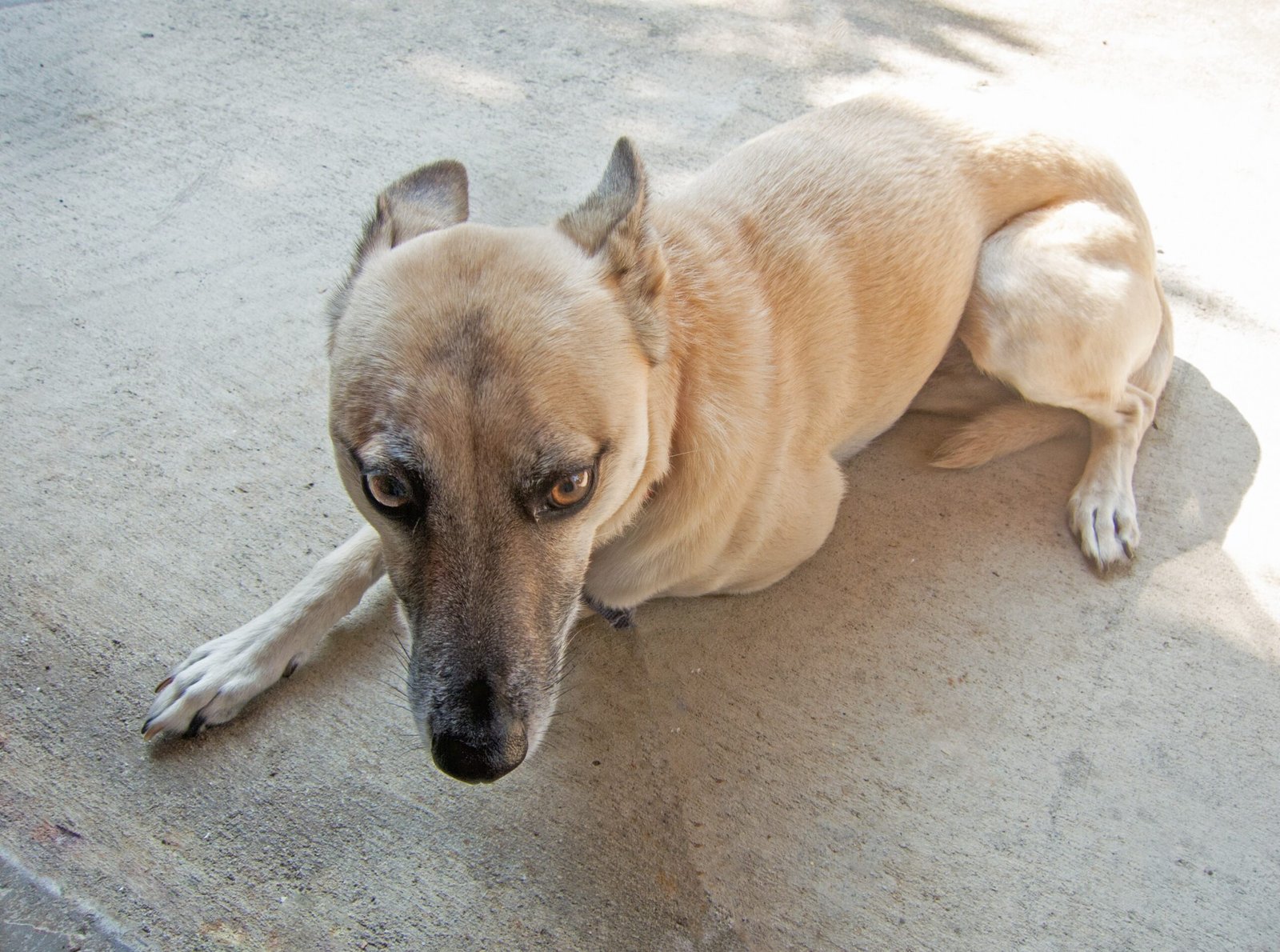
It can be both confusing and frustrating when a potty-trained dog suddenly starts peeing on the floor, especially in your presence. Submissive urination is a way for insecure dogs to show they mean no harm. It’s a throwback to puppyhood, when young dogs would signal submission to avoid conflict with stronger pack members. In a tense home, a dog might resort to this behavior as a peace offering, especially if they sense anger or tension from their humans. It’s not a housebreaking issue—it’s a cry for a gentler touch.
10. Excessive Panting or Restlessness
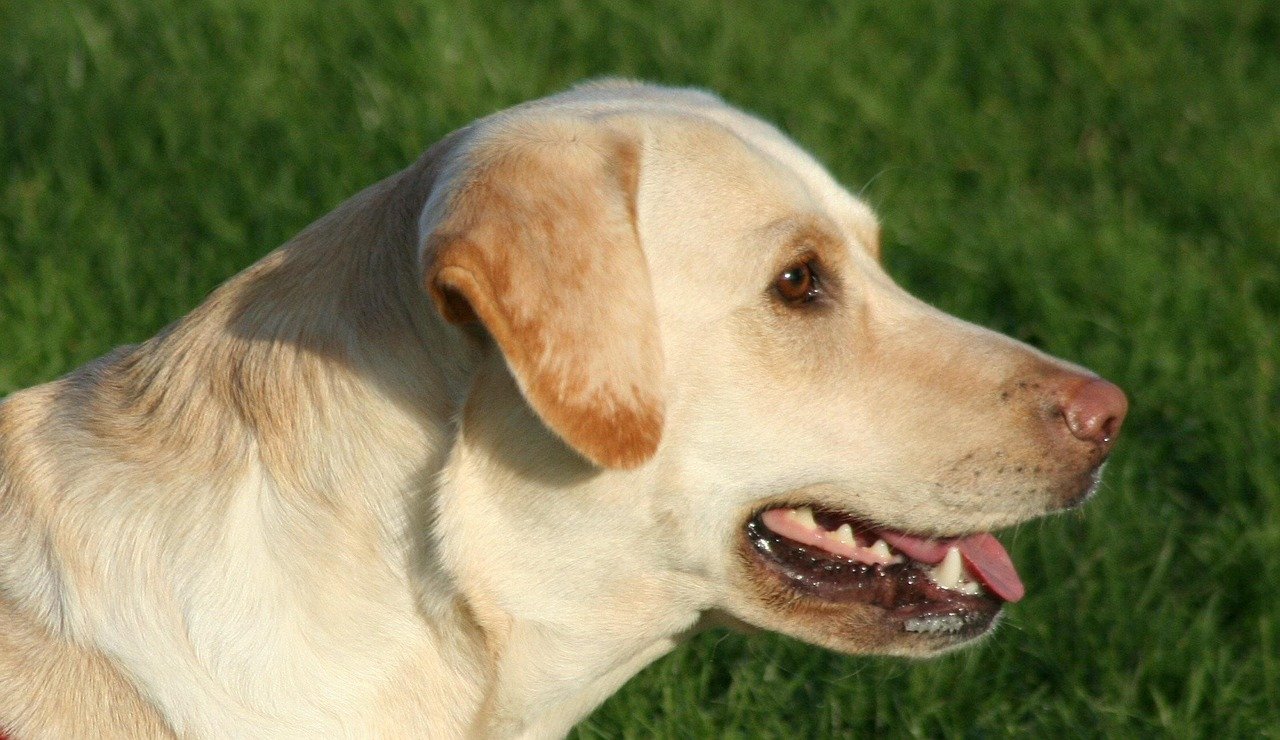
Panting isn’t just a sign your dog is hot or tired. In an insecure home, dogs may pant excessively even when they haven’t been exercising. This is a physical response to anxiety, much like how people might sweat or pace when they’re nervous. Restless behaviors—like pacing from room to room or circling before finally settling down—are also common. These actions signal an underlying discomfort that has nothing to do with temperature or exercise. It’s your dog’s way of asking, “When will things calm down so I can finally relax?”
With these ten behaviors in mind, it’s easier to spot the subtle ways your dog might be struggling in an insecure home. Recognizing these signs is the first step toward making your furry friend feel truly safe and loved.


