

You know that sinking feeling when you come home after a long day, only to find your favorite couch cushion has been transformed into confetti? Or when your beautiful wooden chair leg looks like it’s been through a wood chipper? If you’re nodding along, you’re definitely not alone. Dogs bring immeasurable joy to our lives, but let’s be real, some breeds have a natural talent for turning our furniture into their personal chew toys or scratching posts.
Here’s the thing though. This isn’t about your dog being bad or trying to spite you. Most furniture destruction comes from instinct, energy, boredom, or anxiety. Understanding why certain breeds are more prone to furniture mayhem is the first step toward protecting your home and keeping your furry friend happy. So let’s dive into the breeds that, without proper management, might just redesign your living room in ways you never imagined.
1. Labrador Retriever: The Lovable Furniture Muncher
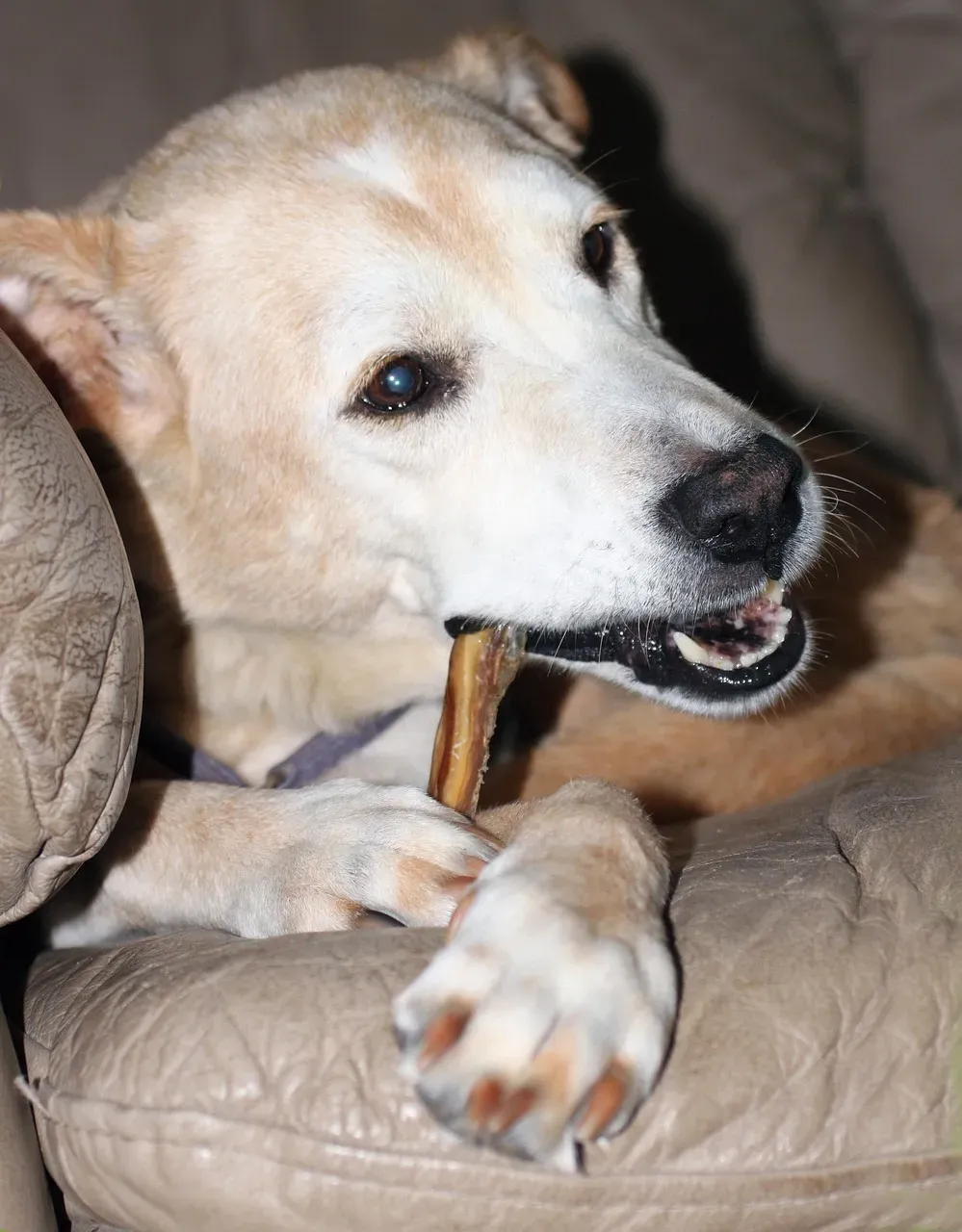
Labrador Retrievers are both playful and highly active, with an innate instinct to pick things up in their mouth because they’re retrieving gundogs. This means that pretty much everything becomes a potential chew target when they’re bored or under-exercised. Labs are fantastic family dogs, truly some of the most affectionate companions you could ask for.
As puppies, the breed is prone to eating things that shouldn’t be eaten, like phones, shoes, and table legs. Their enthusiasm for life translates into boundless energy that needs constant outlets. Without adequate physical exercise and mental stimulation, your Lab will absolutely find creative ways to entertain themselves.
Labradors need constant mental and physical engagement, and if you don’t keep them busy with training, exercise and interaction they will destroy your stuff, chewing through furniture, tearing open pillows, ripping up shoes and even gnawing on drywall. The solution is simple but demanding: long walks, interactive games, puzzle toys, and plenty of attention throughout the day.
2. Border Collie: The Genius Destroyer

Border collies are known for their high intelligence and were bred to herd sheep, making them energetic dogs that have an obsession about herding anything they can. Imagine having a brilliant mind trapped in a home with nothing to do. That’s what happens when a Border Collie doesn’t get enough mental challenges.
Imagine this bundle of brains and energy stuck at home alone with nothing to do, the Border Collie will quickly become bored without anything to occupy them, which will then result in destructive behavior like chewing and digging. These dogs need a job to do, whether that’s agility training, herding exercises, or intensive puzzle games.
Honestly, if you work long hours and can’t provide constant stimulation, a Border Collie might not be the right fit. They’re not content with a simple walk around the block. These dogs were designed to work all day, and that drive doesn’t just disappear because they live in a suburban home now.
3. Jack Russell Terrier: Small Body, Big Destruction

The Jack Russell Terrier is known for having a big personality in a small body, and this is a recipe for destructive behavior when they are bored, unhappy, or just missing their owners. Don’t let their cute, compact size fool you into thinking they’re low-maintenance lap dogs.
Without enough exercise and playtime, a Jack Russell can get frustrated and let loose their energy in less-than-pleasant ways, such as chewing up anything in sight or turning your flower beds into their personal digging zone. These terriers are relentless diggers and chewers by nature.
These little chewers are infamous for their destructive habits, with endless sources of energy, sometimes using it with activities like digging and other times getting their gnashers around the nearest thing they can find and ripping it to shreds. Regular exercise, mental stimulation, and appropriate chew toys are absolutely essential if you want your furniture to survive.
4. Siberian Husky: The Arctic Furniture Remodeler
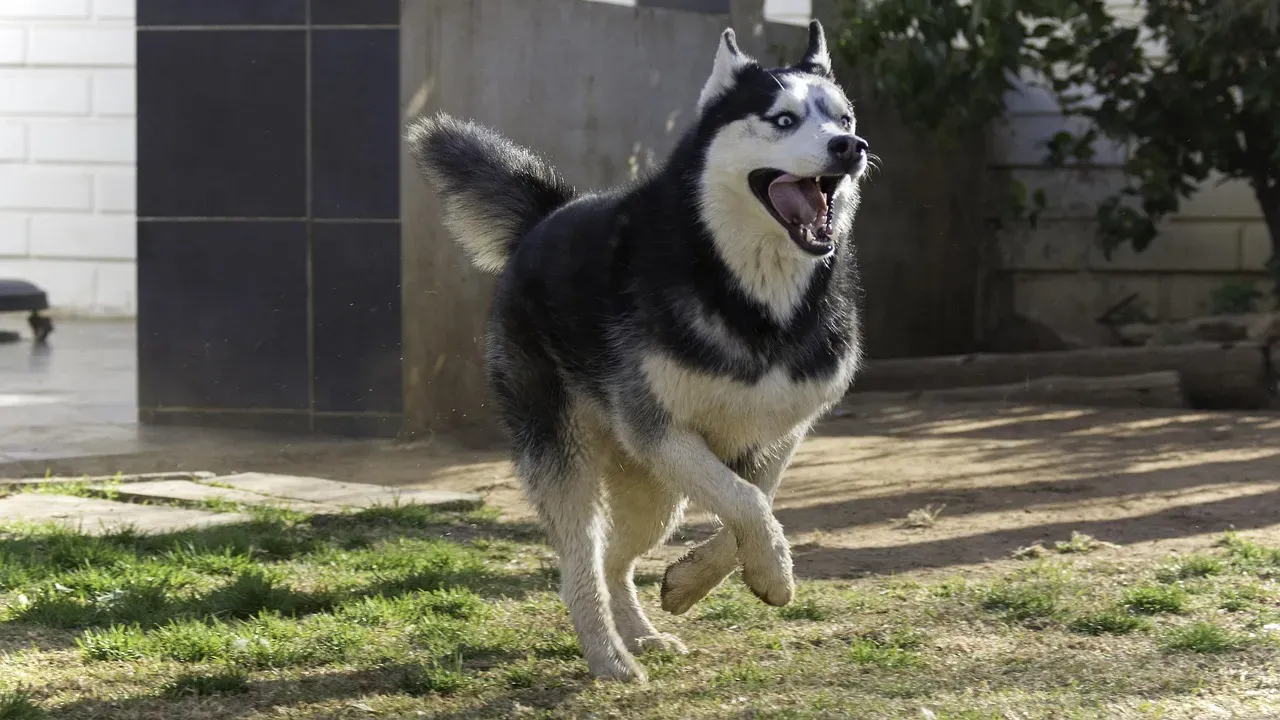
Northern sled dogs such as the Husky and Alaskan Malamute come from dogs that dug holes in the snow to insulate themselves, so these breeds are notorious for destroying furniture. Huskies have an incredibly strong prey drive and stamina that was built for running miles across frozen tundra.
As an intelligent and energetic dog, the husky needs to be busy and active and will not do well being cooped up indoors. When these magnificent dogs get bored or frustrated, they channel that energy into whatever’s available, which unfortunately often means your couch or bed becomes their construction project.
Separation anxiety is also common with Huskies, leading them to dig and tear at furniture as a coping mechanism. They need extensive daily exercise, mental challenges, and consistent training to keep their natural destructive tendencies in check. If you can’t commit to several hours of activity per day, a Husky might turn your home into a disaster zone.
5. Beagle: The Nose-Led Nibbler

Labradors, Beagles and Collies are among the destructive dog breeds most likely to cause chaos in your home, a new study has found. Beagles are scent hounds, which means they’re led by their incredibly powerful noses. That adorable face hides a determined little explorer who will follow any interesting smell, consequences be damned.
Their chewing tendencies come from multiple sources: boredom, their natural hunting instincts, and separation anxiety. Beagles are pack animals who genuinely struggle when left alone for extended periods. They’ll chew on anything, which means you need durable chew toys and supervised house-proofing to help avert casualties.
These dogs need a lot more exercise than people realize. Daily walks aren’t optional, they’re mandatory. Without proper outlets for their energy and curiosity, your Beagle will absolutely find ways to entertain themselves, and your furniture will pay the price.
6. Australian Shepherd: The Workaholic Wrecker

Australian Shepherds are not as large and powerful as some very strong-jawed dogs, but they are prone to destructive chewing, as they’re natural high-fliers, high-energy workaholics, and if they don’t have the opportunity to make the most of those traits, they’ll seek alternative habits to satisfy them. These stunning dogs need constant engagement or they become anxious.
These intelligent dogs are also one of the breeds most likely to suffer separation anxiety, and some resort to gnawing through the furniture in protest. The word “protest” really captures it, because when an Aussie destroys something, it feels almost deliberate in its thoroughness.
I think what surprises people most about Australian Shepherds is just how much work they require. They’re not happy being pretty dogs who lounge around. They need jobs, tasks, agility training, or some form of work that challenges their brilliant minds and athletic bodies.
7. Boxer: The Energetic Furniture Crasher

As an active breed, boxers have a low boredom threshold, which makes them more likely to help themselves to what they may view as a perfect chew toy. Boxers are playful, affectionate dogs with almost puppy-like energy well into adulthood.
Boxers are big, energetic and totally unaware of their own strength, jumping all over furniture, knocking over lamps and tearing through rooms like it’s their job, and if they don’t get enough attention and physical activity they turn that pent-up energy into destruction. Their combination of size, strength, and boundless enthusiasm makes them particularly hazardous to furniture.
These dogs aren’t malicious, they’re just overflowing with energy and excitement. Without sufficient exercise and mental stimulation, that energy has to go somewhere. Usually, that somewhere is your couch cushions or dining room chairs.
8. Dachshund: The Relentless Digging Machine

Terriers and Dachshunds, for instance, were developed to root out critters that live underground in burrows, so digging is a natural and expected behavior for them. These adorable little sausage dogs might look harmless, but they’re equipped with surprisingly powerful paws designed specifically for excavation.
Dachshunds were bred to dig and they will not stop trying, with flower beds, lawns or even indoor rugs becoming full of holes, and they’re small but loud and have no problem chewing the corners off furniture or tearing up anything with stuffing. Their tenacity is honestly impressive, if not expensive.
Size means nothing when it comes to destructive capability. A determined Dachshund can wreak absolute havoc on upholstered furniture, digging at cushions until they’ve created craters. Providing appropriate digging outlets and keeping them mentally stimulated is essential.
9. Dalmatian: The High-Energy Furniture Attacker

Dalmatians are famous for their striking spotted coats and history as firehouse mascots, but they are also known for their high energy levels and need for constant activity, as they were bred as carriage dogs meant to run long distances and guard horses. Their stamina is genuinely extraordinary.
This boredom can lead to destructive behaviors, such as chewing on furniture, digging up the yard, or finding ways to escape and explore independently. Dalmatians don’t do boredom well at all. They need far more exercise than most people anticipate.
Dalmatians need more exercise than most people are prepared for, and without enough of it they turn that energy into chaos, chewing anything they can reach, digging holes in the yard and barking nonstop at imaginary threats, as this breed doesn’t do boredom well and your house will pay the price if you don’t keep them moving. Daily runs, not just walks, are essential for this breed.
10. Cocker Spaniel: The Anxious Chewer

Cocker spaniels may look sweet but they can be incredibly destructive if left alone, as they’re prone to separation anxiety and will chew through doors, furniture and pillows when stressed. These gentle, beautiful dogs form incredibly strong bonds with their owners.
That strong attachment becomes problematic when they’re left alone. Their anxiety manifests in destructive behavior that isn’t about rebellion but genuine distress. They also love to dig and will happily redecorate your garden or rip up carpet if they get the chance, needing routine and companionship to stay out of trouble.
The solution for Cocker Spaniels involves gradual desensitization to being alone, plenty of companionship, and potentially calming aids or professional behavioral help. These dogs genuinely suffer when separated from their people, and that suffering often targets your furniture.
Conclusion
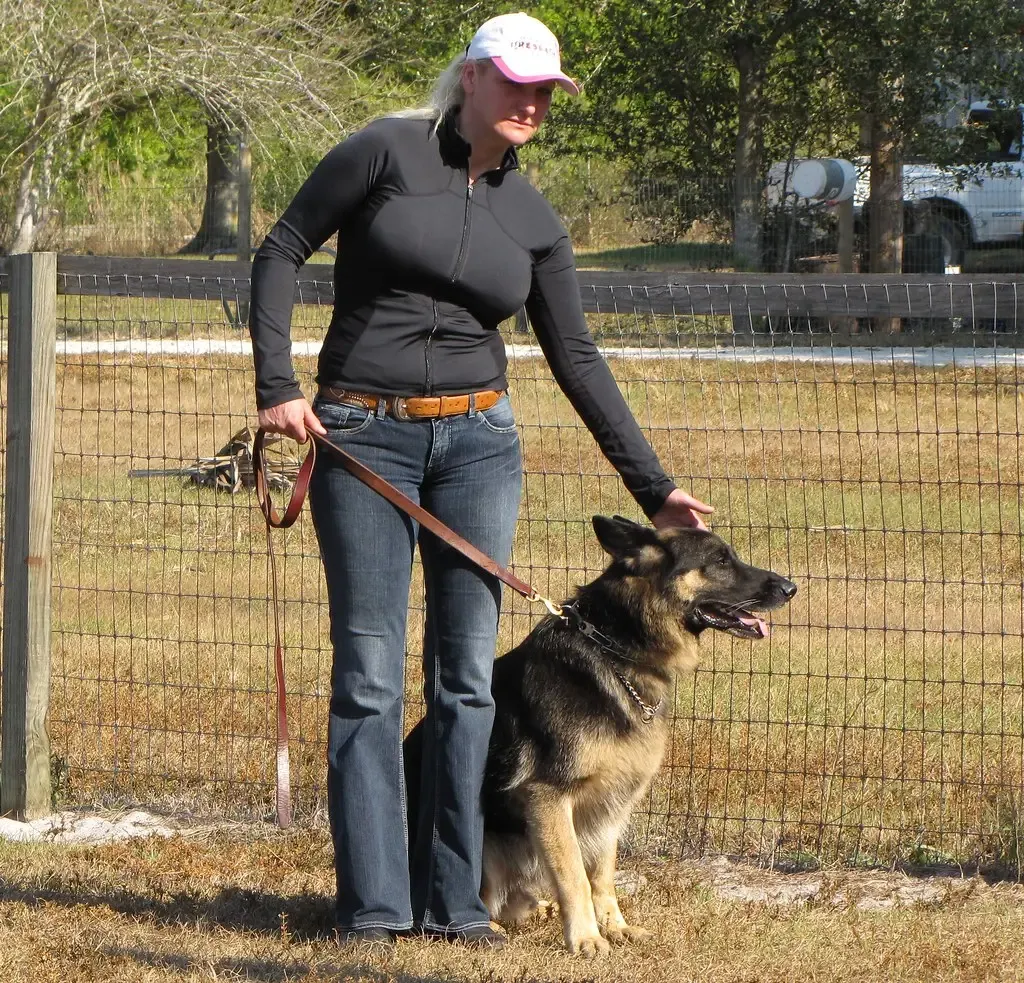
Listen, none of these breeds are inherently bad or impossible to live with. Every single one brings incredible joy, loyalty, and love to their families. The furniture destruction issue boils down to understanding their natural instincts and energy levels, then meeting those needs appropriately.
Boredom in dogs is a big contributor to inappropriate chewing, and if you don’t give your dog enough to do, they’ll look for their own fun, and that often involves their teeth, but if your dog gets enough playtime, training, and exercise, their chew toys will be more than enough to keep them busy. It really is that straightforward, even if the execution requires commitment.
Remember, your dog isn’t destroying your furniture out of spite. They’re communicating needs through the only language they have available. With patience, proper training, adequate exercise, and appropriate outlets for their energy, even the most furniture-hazardous breeds can become model household members. What has your experience been with your dog and your furniture? Did any of these breeds surprise you?


