
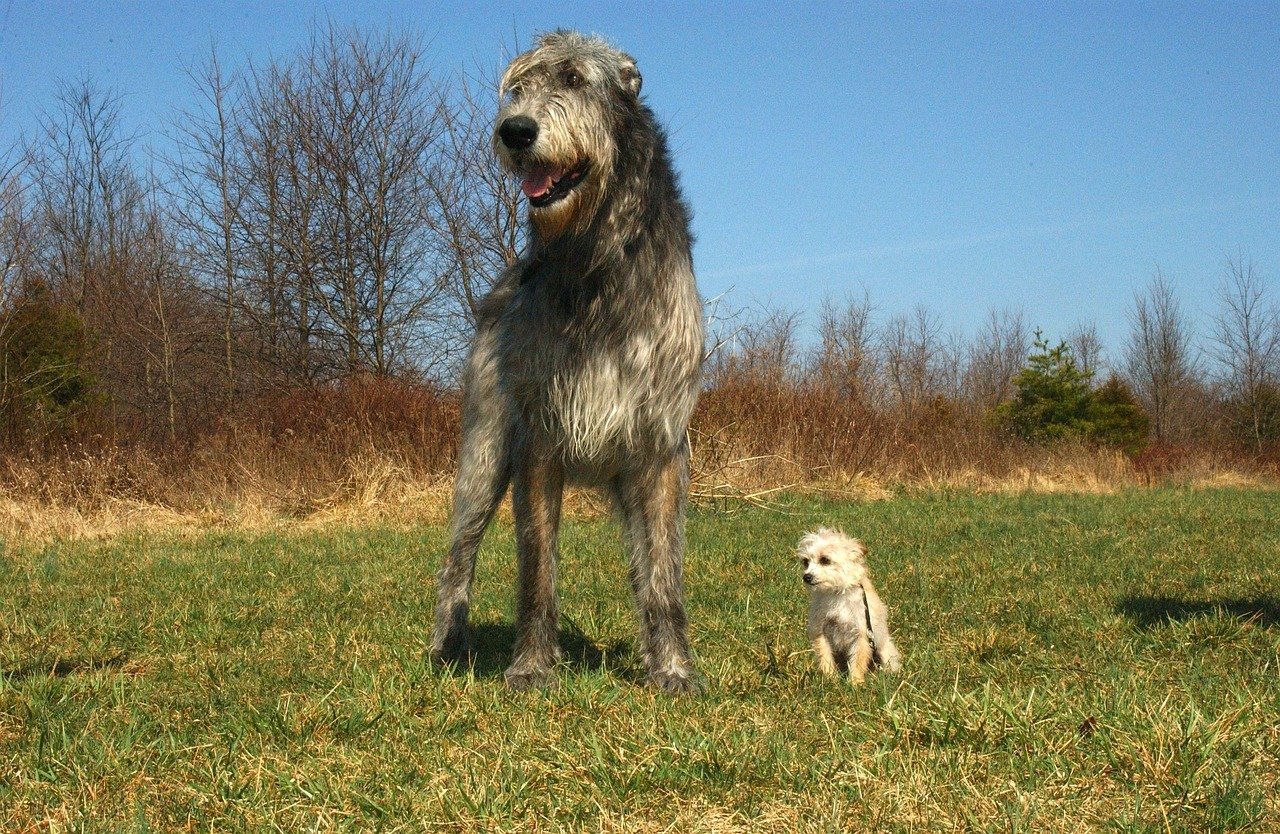

Have you ever looked into the eyes of a gentle giant and felt your heart skip a beat? There’s something irresistibly soulful about big dogs, especially those waiting patiently in shelters. While tiny pups often steal the spotlight, the larger breeds quietly hope for a second chance. If you’ve ever wondered which big dogs are overlooked, and why they’re truly worth your love, you’re in for a heartfelt journey. Let’s shine a light on ten big dog breeds that deserve a whole lot more attention—and maybe, just maybe, a spot on your couch.
Great Dane: The Gentle Giant
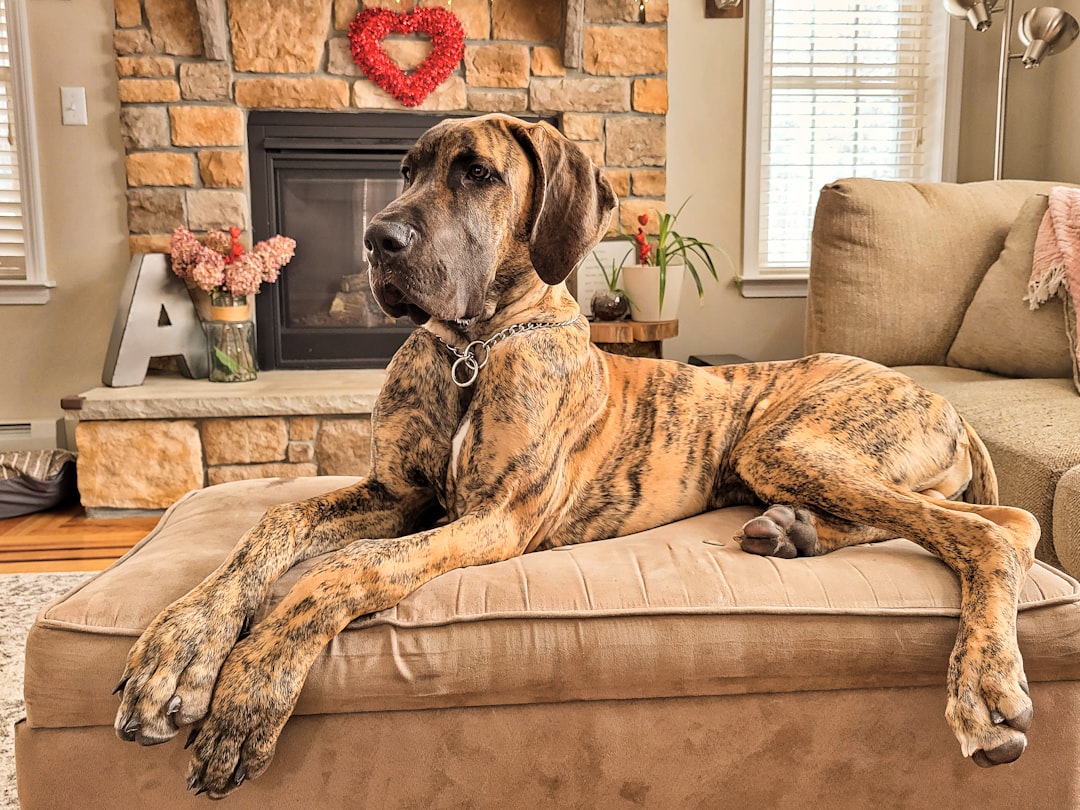
Great Danes may look intimidating with their towering frames, but their hearts are pure gold. In shelters, these lovable giants are often passed over because of their size, yet they’re famously known for their calm and affectionate nature. Imagine a dog who thinks he’s a lapdog, gently leaning in for cuddles.
Great Danes are surprisingly low-energy and thrive in homes where they can stretch out and relax. Be mindful of their joints; regular, moderate exercise and a supportive bed go a long way. If you spot a Dane in a shelter, know you’re looking at a loyal friend for life.
Mastiff: Big Body, Bigger Heart

Mastiffs sometimes get a bad rap due to their sheer size, but their personalities are pure sweetness. These dogs adore being close to their humans, often following them from room to room like oversized shadows. Their calm, watchful nature makes them wonderful family protectors.
In shelters, Mastiffs may seem aloof or shy, but give them time, and you’ll see a playful, goofy side emerge. Watch for droopy eyes and slow movement—these can signal joint discomfort. A cozy resting spot and gentle walks keep them happy and healthy.
Akita: Dignified and Devoted
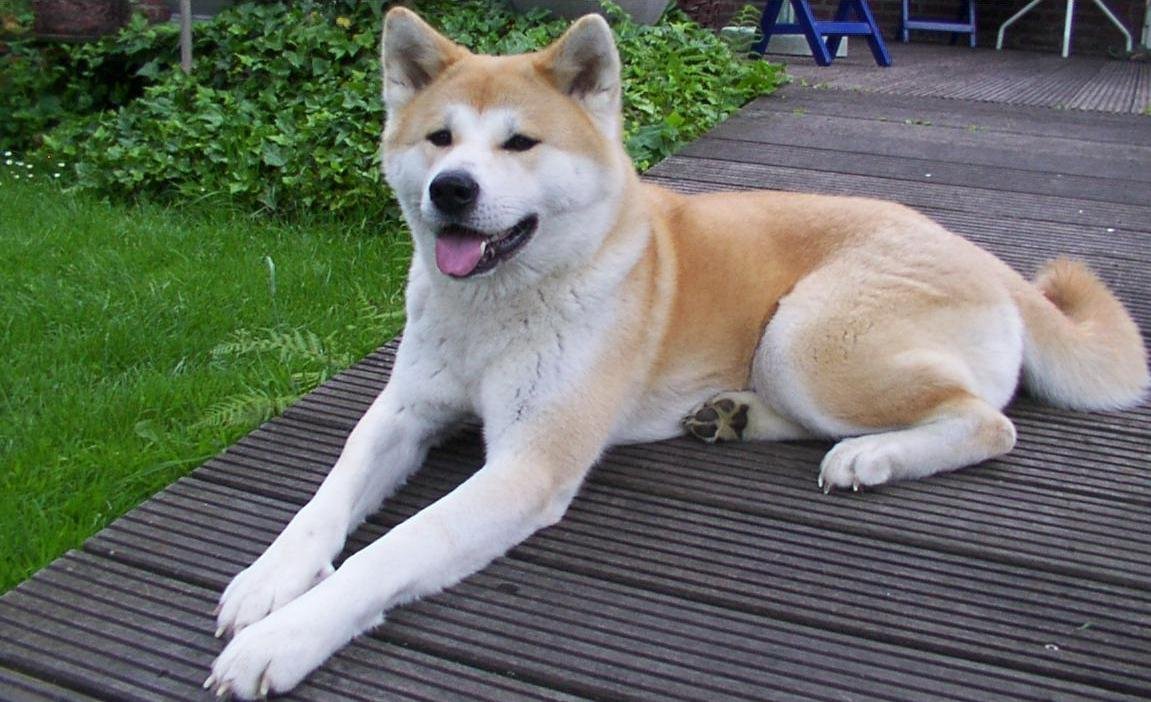
Akitas are beautiful, dignified dogs who bond deeply with their families. Sadly, their strong personalities and size can scare off potential adopters. But beneath that confident exterior lies a fiercely loyal companion who will watch over you with unwavering devotion.
Shelter Akitas may appear reserved, but once you earn their trust, their affectionate side shines through. They thrive on routine and clear boundaries. Watch for subtle body language like raised hackles or stiff posture—they’re sensitive to stress and appreciate calm, predictable environments.
Saint Bernard: The Classic Rescuer

Saint Bernards are legendary for saving lives in snowy mountain passes, but today, many are the ones in need of rescue. Their expressive eyes and slobbery kisses are enough to melt anyone’s heart. Despite their massive size, they’re gentle and patient, especially with children.
At shelters, Saint Bernards often wait longer for homes because of their grooming needs and drool. Keep an eye out for signs of overheating, especially in warmer months, and provide regular brushing to keep their thick coats comfortable. A little effort returns a mountain of love.
Alaskan Malamute: The Spirited Adventurer
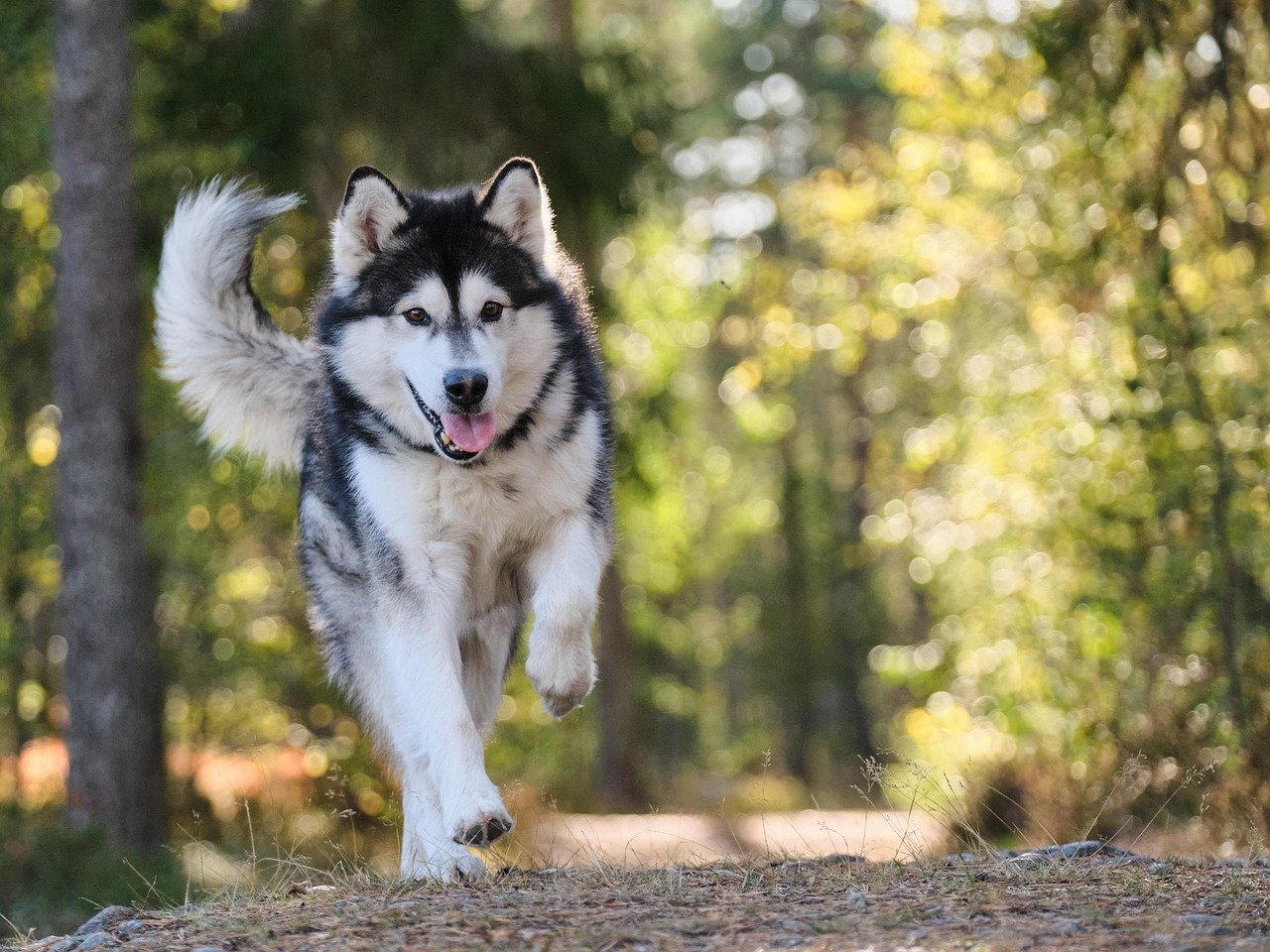
Alaskan Malamutes are born to run and play, but their high energy can be misunderstood in shelter settings. These strong, intelligent dogs crave adventure and companionship. If you love the outdoors, a Malamute will eagerly be your trail buddy.
In a shelter, Malamutes might pace or howl—a sign they need more mental and physical stimulation. Interactive toys, daily walks, and room to roam are musts. They’re happiest when included in all your activities, and their wolf-like grins make every outing more fun.
Irish Wolfhound: The Gentle Storyteller
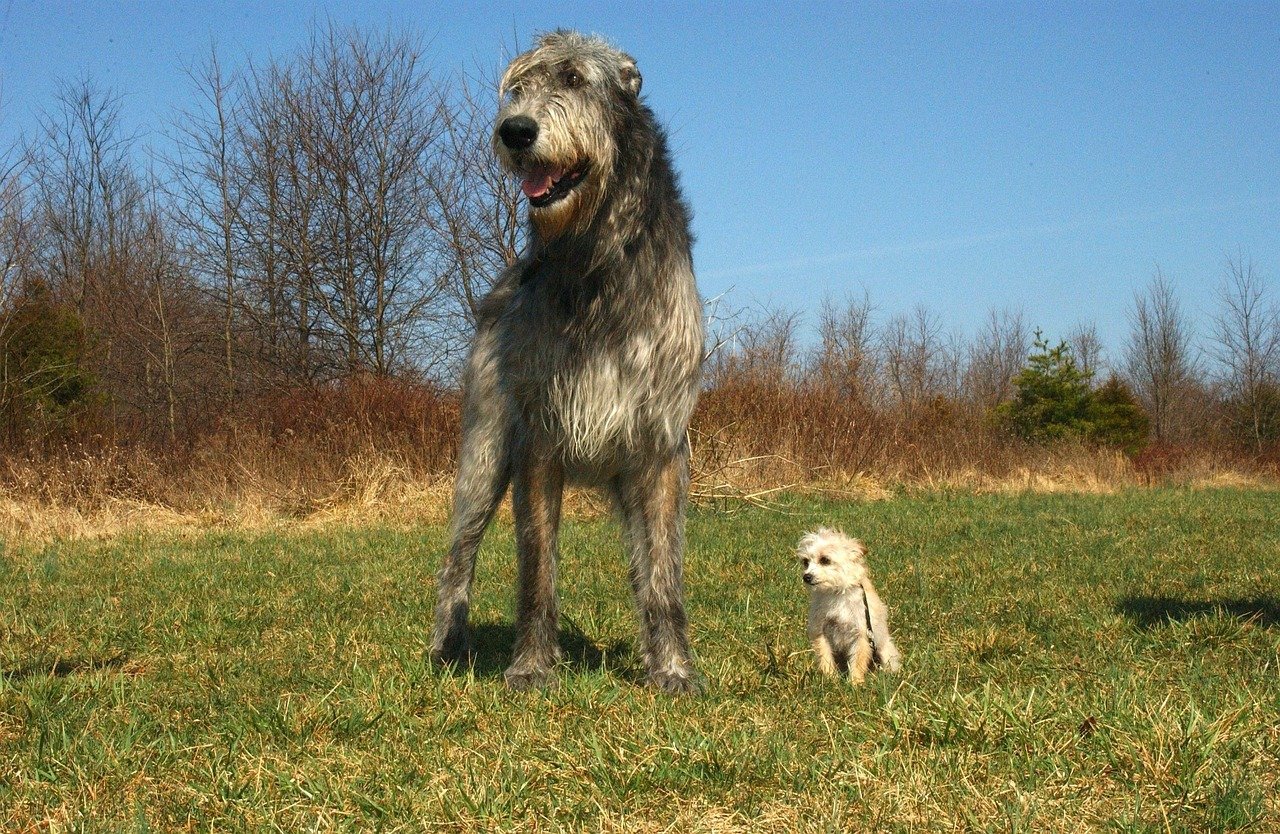
Irish Wolfhounds are true gentle giants with a touch of old-world magic. These dogs are famous for their loving, sensitive natures. They move with quiet grace, and their loyalty is legendary. Yet, their size and short lifespan often deter potential adopters.
Shelter Wolfhounds may seem shy, but a soft voice and slow approach work wonders. Pay attention to their posture; a tucked tail or lowered head means they’re nervous but willing to trust. They adore calm environments and gentle affection, making them perfect for peaceful homes.
Newfoundland: The Water-Loving Lifesaver
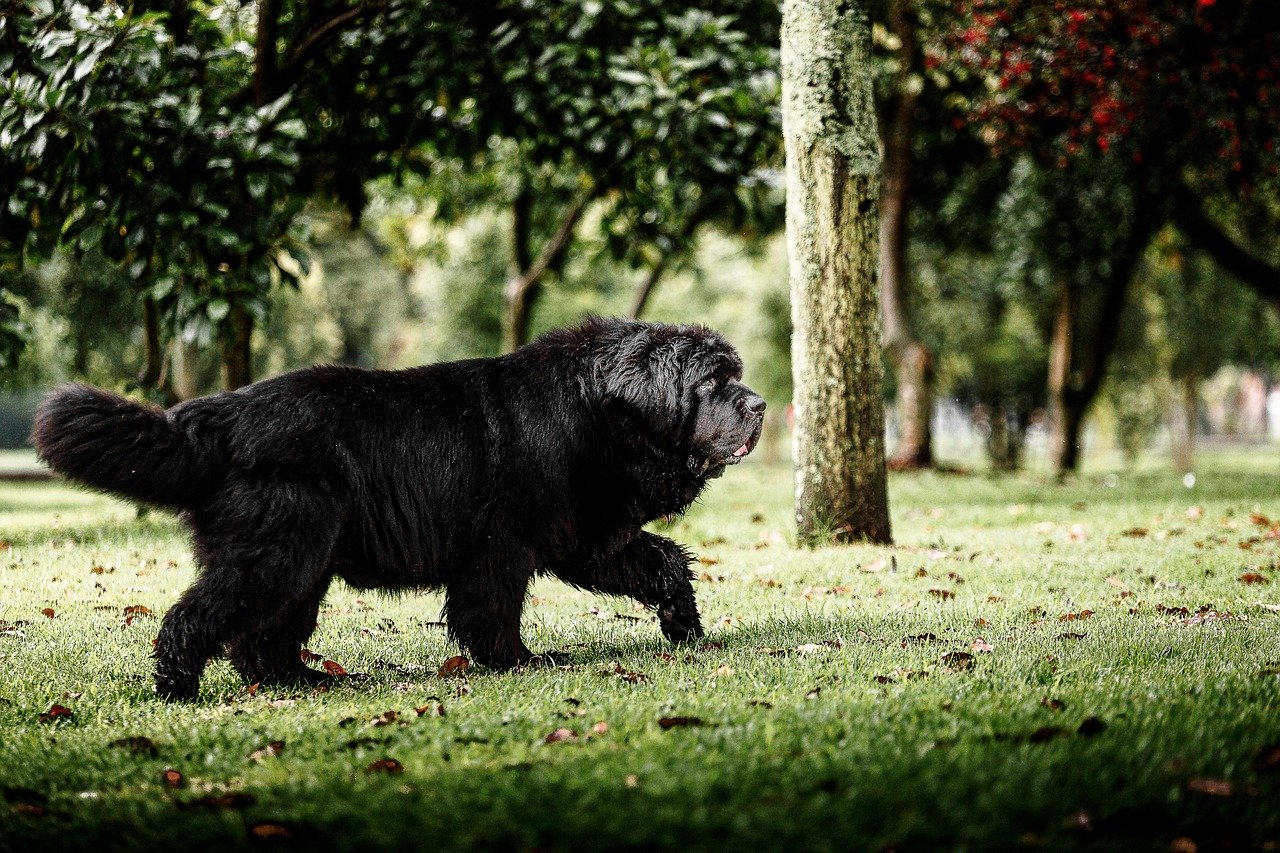
Newfoundlands are famous for their swimming skills and heroic water rescues, but many find themselves in shelters due to their size and grooming requirements. These fluffy giants are incredibly patient, making them excellent around children and other pets.
In shelter life, Newfoundlands might seem withdrawn or quiet, often missing the water and companionship they crave. Watch for signs of matting or skin irritation—regular baths and brushing are key. Give them a chance, and they’ll repay you with boundless love and loyalty.
Anatolian Shepherd: The Vigilant Guardian
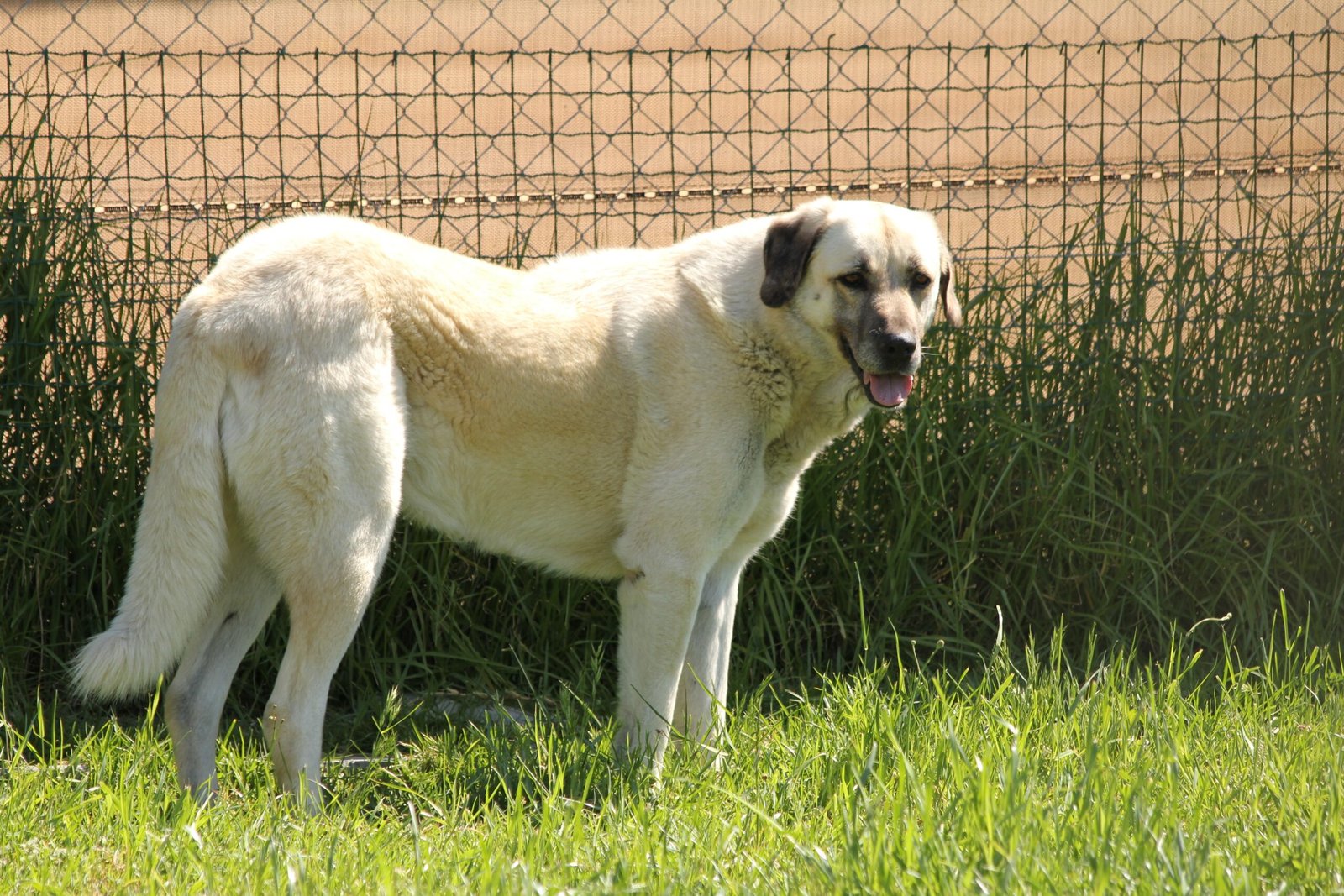
Anatolian Shepherds are natural protectors, bred to guard livestock and families alike. Their independent streak can be misunderstood as aloofness, especially in a shelter setting. But these dogs are loyal, courageous, and deeply bonded to their people.
Shelter Anatolians may bark at strangers or stand back, observing everything. This is their way of assessing safety. Patience and consistent training help them flourish. They thrive in homes with space and need clear roles to feel secure and happy.
Bernese Mountain Dog: The Loyal Companion
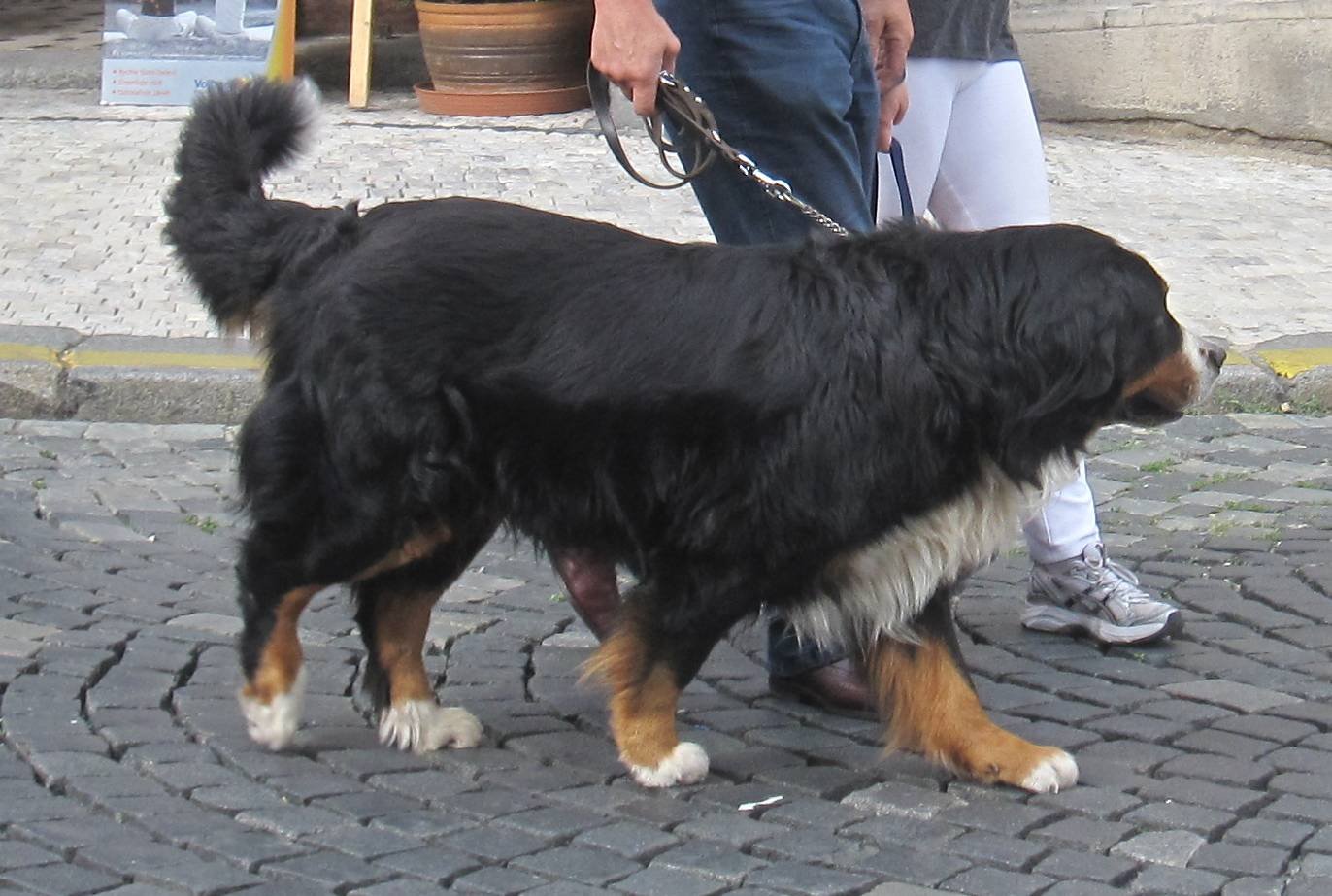
Bernese Mountain Dogs are cheerful, loving, and eager to please. Their thick, tricolor coats and smiling faces light up any room. Sadly, many end up in shelters because families underestimate their grooming needs and desire for constant company.
In shelters, Bernese may show signs of stress through shedding or pacing. They need gentle reassurance and plenty of affection. Regular brushing and time spent together help them settle in and show off their joyful, playful personalities.
Greyhound: The Speedy Softie
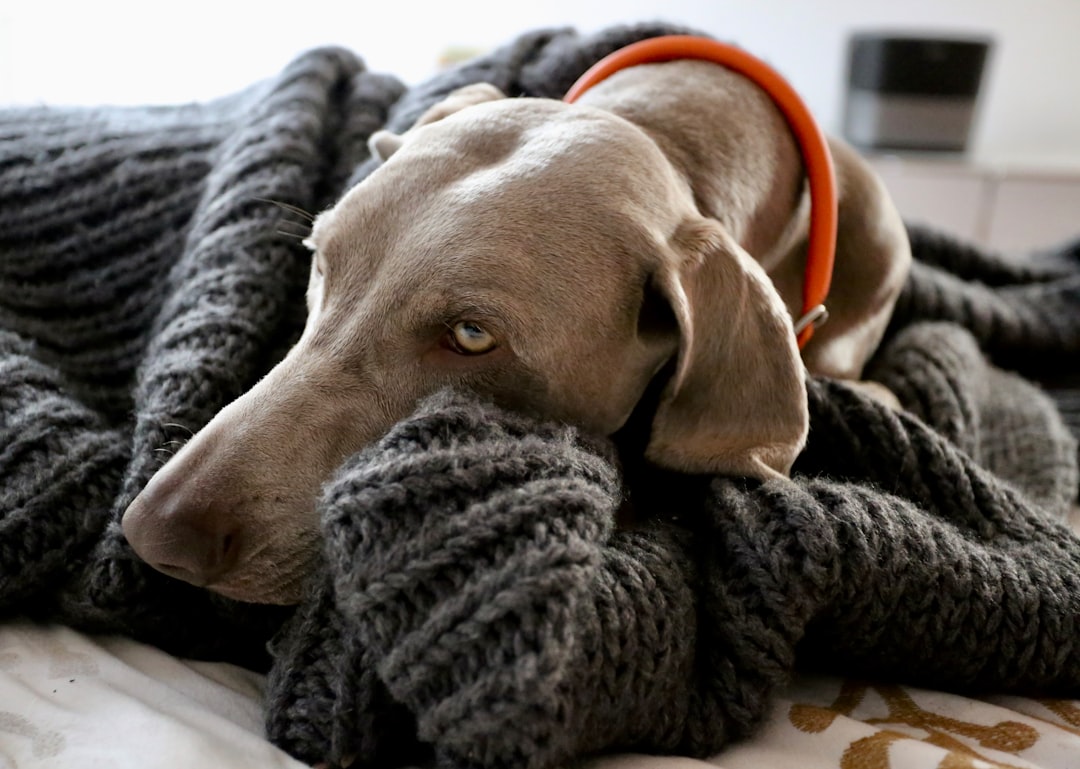
Greyhounds may be famous for racing, but at heart, they’re couch potatoes who love nothing more than snuggling with their people. Many retired racers end up in shelters, overlooked by those who assume they need endless exercise.
Shelter Greyhounds might appear timid or reserved at first. Watch for gentle tail wags or soft eyes—signs they’re ready for love. Daily walks and a soft bed are all they need. Their sensitive souls and graceful presence make them unforgettable companions.
Rottweiler: The Protective Sweetheart
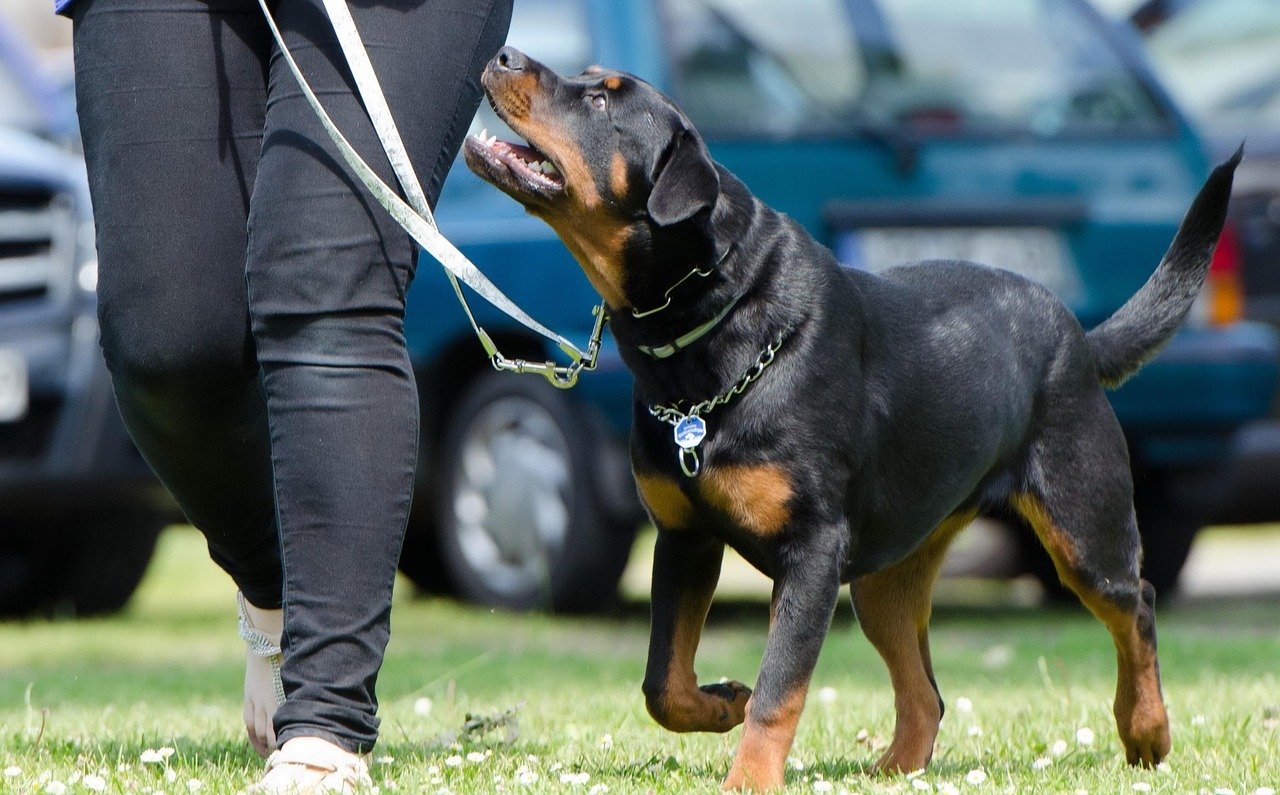
Rottweilers are often misunderstood because of their strong looks and protective instincts. In reality, they are incredibly devoted and affectionate with their families. Sadly, many end up in shelters due to unfair stereotypes or inexperienced owners.
In a shelter, Rottweilers may bark or seem standoffish, but with patient, positive attention, their playful, loyal side emerges. Look for relaxed body language and eager eyes when they bond with you. With guidance and love, they become the most devoted friends you’ll ever have.
Linnea is a born and bred Swede but spends as much time as possible in Cape Town, South Africa. This is mainly due to Cape Town’s extraordinary scenery, wildlife, and atmosphere (in other words, because Cape Town is heaven on earth.) That being said, Sweden’s majestic forests forever hold a special place in her heart. Linnea spends as much time as she can close to the ocean collecting sea shells or in the park admiring puppies.


