Ever watch your Boxer leap onto yet another unsuspecting guest and think about how life would be easier with a calmer breed? Then your pup turns those soulful brown eyes your way, does that signature wiggle-butt dance, and suddenly all is forgiven. That right there is life with a Boxer in a nutshell.
These muscular goofballs have stolen hearts worldwide, not despite their quirky behaviors, but often because of them. Sure, some of their habits can test your patience on a daily basis. Yet there’s something wonderfully endearing about a dog who loves so fiercely and lives so fully that containing their joy becomes a daily challenge. Let’s dive into the behaviors that make Boxer owners simultaneously reach for the training treats and their cameras.
1. The Enthusiastic Jumping Welcome
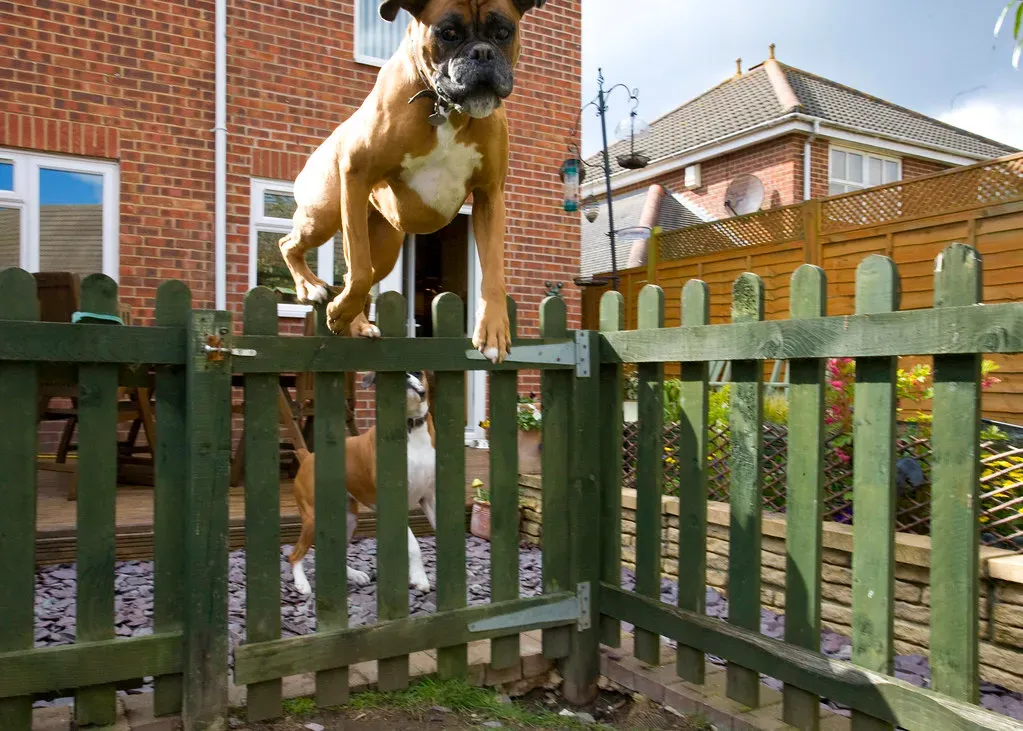
One of the most typical behavioral concerns often seen with Boxers is their unprecedented desire to jump on people, which can be very problematic especially around children and elderly people due to their size and muscular frames. Picture this: you’ve been gone for twenty minutes to grab milk, and your Boxer greets you like you’ve returned from war.
The happier a Boxer is to see their target, the more enthusiastic the jump, making it common for them to leap up after being left home alone or when greeting someone whose company they really enjoy. It’s pure love in motion. The goal is to be on a more equal physical level with a person and bring their face up to yours, since hellos are not done to someone’s arm or leg.
While it can send visitors stumbling backward, remember this comes from devotion, not aggression. Boxers are extremely social and loyal dogs known for their playful and affectionate nature, often jumping as a way to express their excitement and seek interaction with their human companions. Teaching an alternative greeting takes consistency, patience, and honestly, a sense of humor when your pup forgets mid-training.
2. Endless Puppy Energy That Defies Age
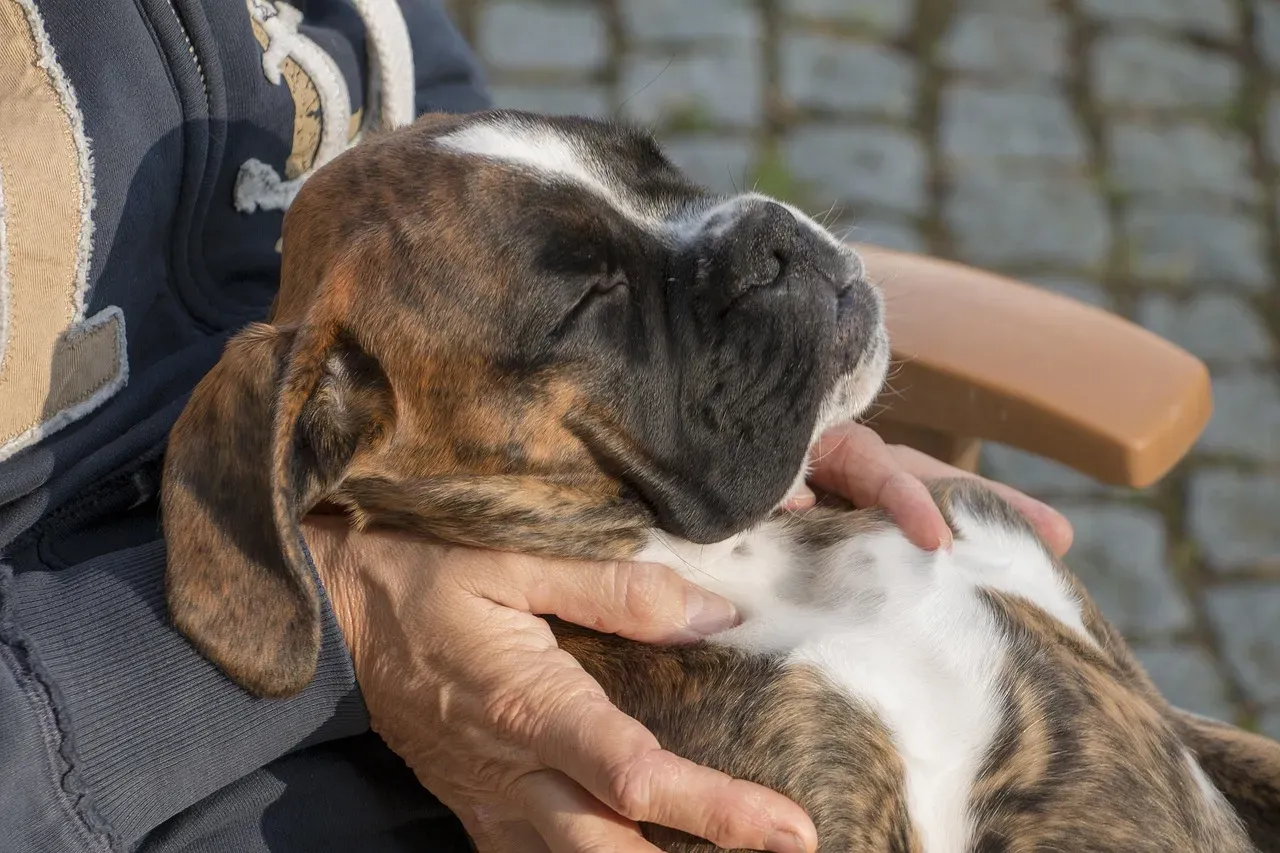
Boxer personality traits are often rambunctious, silly, and incredibly energetic for the first three years of life, though many adult boxers still display large amounts of energy even after settling down once fully mature. Your three-year-old Boxer might still act like they’re six months old. That’s not a training failure on your part.
Let’s be real, owning a Boxer means accepting that calm isn’t really in their vocabulary until well into adulthood. Boxers are officially adults at the two-year mark, and this does not mean that on their second birthday the dog will suddenly calm down. Some days you’ll wonder if you adopted a perpetual motion machine instead of a dog.
Boxers are intelligent, high-energy, playful dogs that like to stay busy. The boxer has a high need for companionship and exercise, and if these needs are not met, boxers can be destructive if left alone in the house. Give them outlets for that energy, and you’ll see why their zoomies and silly antics make every day an adventure.
3. Leash Pulling Like They’re Training for the Iditarod

Boxers are powerful dogs that will naturally pull or yank as they try to walk well past their owner. Taking your Boxer for a walk can feel less like a leisurely stroll and more like being dragged behind a small horse. Their muscular build and enthusiasm for exploring means they’ll tug toward every interesting smell, person, or squirrel.
Pulling on leash is common due to their physical strength. It’s not that they’re trying to disrespect you. They’re just so excited about absolutely everything that waiting patiently seems impossible to them. This is where early training becomes your best friend.
Yet there’s something almost charming about their eagerness to experience the world at full throttle. Once you establish proper walking etiquette through consistent training, those walks become bonding time. Until then, arm yourself with patience and maybe do some bicep exercises.
4. Separation Anxiety That Breaks Your Heart

Boxers don’t like to be left alone, so separation anxiety can be a problem. Some Boxers don’t do well when left home alone because they just don’t like solitude, especially if their owners have never prepared them for it. Your Boxer may whine, pace, or even become destructive when you leave.
Boxers love to be with people as much as possible and as close as possible, as they are not an aloof or independent breed. They’re velcro dogs who genuinely believe they should accompany you everywhere, including the bathroom. The distress they feel when separated is real and heartbreaking.
Honestly, it’s hard to be annoyed at a dog whose only crime is loving you too much. Gradual desensitization to your departures, paired with interactive toys and safe spaces, can help. Their desire to be near you constantly is actually one of their most endearing qualities, even when it manifests in ways that test your patience.
5. Vocal Conversations and Grumbling Tendencies

Many boxers are vocal and make a growling noise that’s really just the dog’s way of talking. Your Boxer might sound like they’re complaining about everything from their dinner placement to the audacity of you moving their favorite toy. These grumbles and snorts are their version of conversation.
Few boxers bark excessively, but if a boxer barks, chances are there is a good reason. When they do decide to speak up, they’re usually trying to tell you something important, at least in their mind. Whether it’s alerting you to a leaf blowing across the yard or demanding attention, they take their communication seriously.
These vocal quirks add personality to your household. You’ll start recognizing different sounds and what they mean. That low grumble when you’re running late with dinner? Pure Boxer charm. Their talkative nature makes living with them feel like having a perpetual, somewhat opinionated roommate.
6. Counter Surfing and Food Obsession
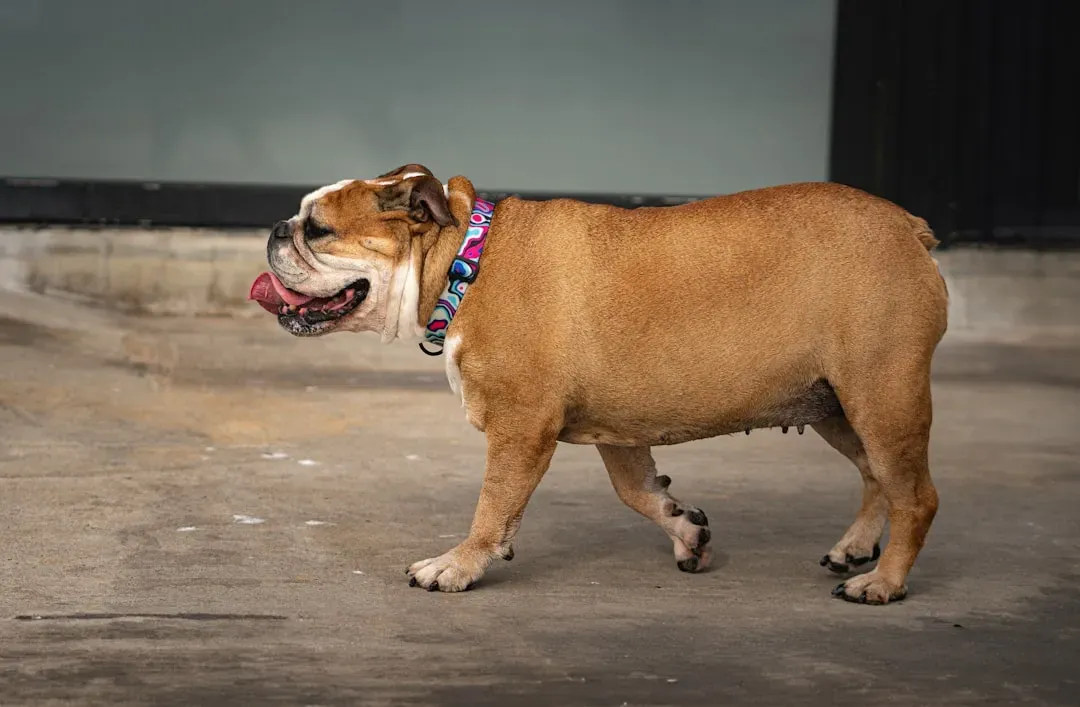
Let’s be honest, Boxers are opportunistic when it comes to food. Leave a sandwich unattended on the counter and it’s gone faster than you can say “down.” One of the most expensive behavior problems in Boxers is excessive chewing, as Boxers have large strong jaws and teeth and like to use them.
Their powerful build means they can easily reach countertops that other dogs can’t access. Combine that with their intelligence and food motivation, and you have a master thief on your hands. They’ll test boundaries constantly to see what they can get away with.
Still, this behavior stems from that same intelligence and enthusiasm that makes them wonderful companions. If a Boxer thinks that there is even a slight chance that he can get a tasty tidbit from you, he may never give up in asking for it. Consistent rules about food and proper counter management become essential. Their persistence is frustrating, sure, but it’s also a testament to their clever problem-solving abilities.
7. Stubborn Streaks That Test Your Patience
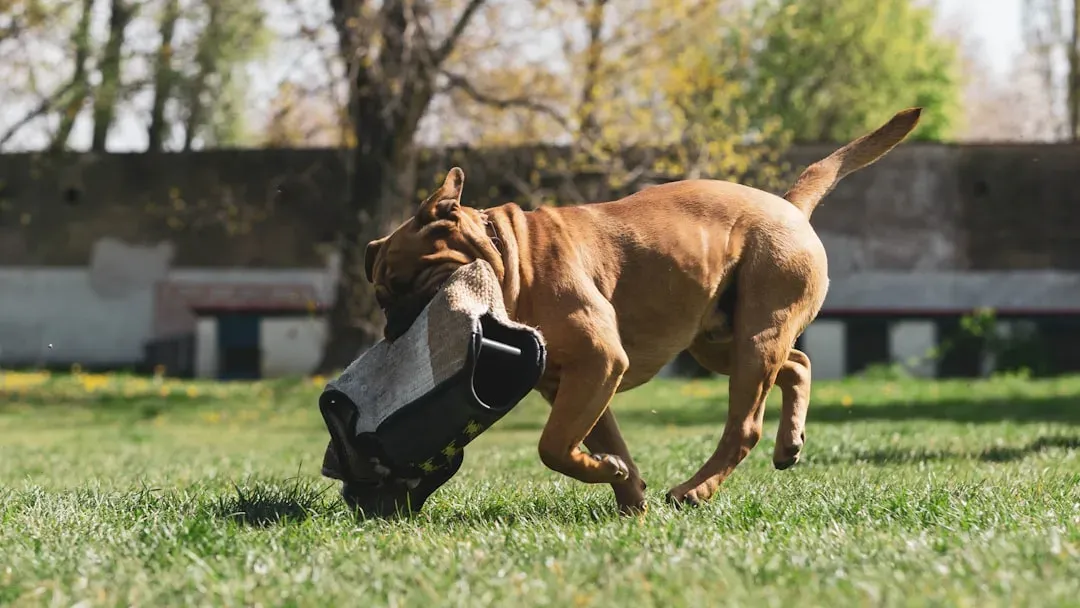
Boxers tend to have a mind of their own. Highly intelligent, they learn quickly despite occasional stubbornness. You’ll ask your Boxer to come inside, and they’ll look at you as if considering whether your request has merit. Then they might just continue doing whatever they were doing.
This stubbornness isn’t defiance for its own sake. It’s more like they’re evaluating whether what you’re asking makes sense to them. They will challenge you for control if they suspect you are not going to be a strong leader, so letting them know who is in charge and earning their respect upfront is key to successful training.
Their independent thinking actually makes them excellent working dogs. They were bred to make decisions, after all. When channeled properly through firm but fun training methods, this trait becomes an asset. Yes, they’ll still give you that look sometimes, but you’ll appreciate their personality all the more for it.
8. Destructive Chewing When Bored

As with other working breeds, they need extra mental stimulation and entertainment in addition to physical exercise to avoid destructive chewing behaviors due to boredom and inactivity. A bored Boxer is a destructive Boxer. Shoes, furniture, remote controls – nothing is safe when your Boxer decides they need something to do.
A bored, unoccupied boxer, or one who simply doesn’t know better, will find ways to entertain himself, often in ways that people find unacceptable. It’s hard to say for sure, but they probably aren’t trying to punish you. They’re just desperately seeking stimulation in whatever form available.
The solution involves keeping them physically tired and mentally engaged. Mental exercise is equally important, as Boxers should be trained not only so that they are well behaved but also because they enjoy the mental challenge of learning new things. Puzzle toys, training sessions, and interactive games transform that destructive energy into positive engagement. Their need for activity keeps you active too.
9. Overly Enthusiastic Play Style

Boxers are large and bouncy and are not always the best judges of their size and strength, so special care should be taken with an exuberant boxer around small children. Your Boxer plays like they’re perpetually wrestling a bear. They body slam, they paw at you, they don’t understand that not everyone appreciates their rough-and-tumble approach.
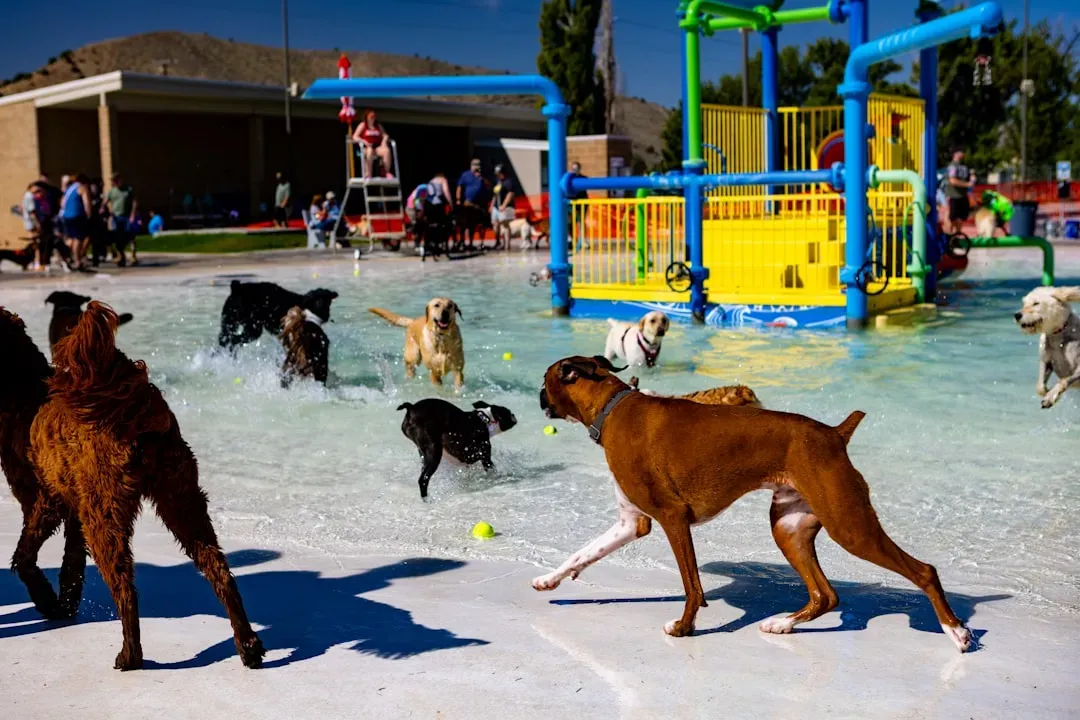
Many boxers enjoy playing with other dogs, but their rough style of play and method of approach may be off-putting. At the dog park, they’ll bound up to other dogs with all the subtlety of a freight train. Some dogs appreciate this energy; others decidedly do not. You become an expert at reading canine body language quickly.
Their exuberance comes from pure joy. Boxers tend to be silly, playful dogs who act like puppies for much of their lives, as they are clownish dogs who seem to take particular delight in making their human family laugh at their antics. When they accidentally knock you over during play, there’s no malice. Just a fifty-pound bundle of enthusiasm who forgot their own strength.
10. The Famous Boxer Wiggle and Space Invasion
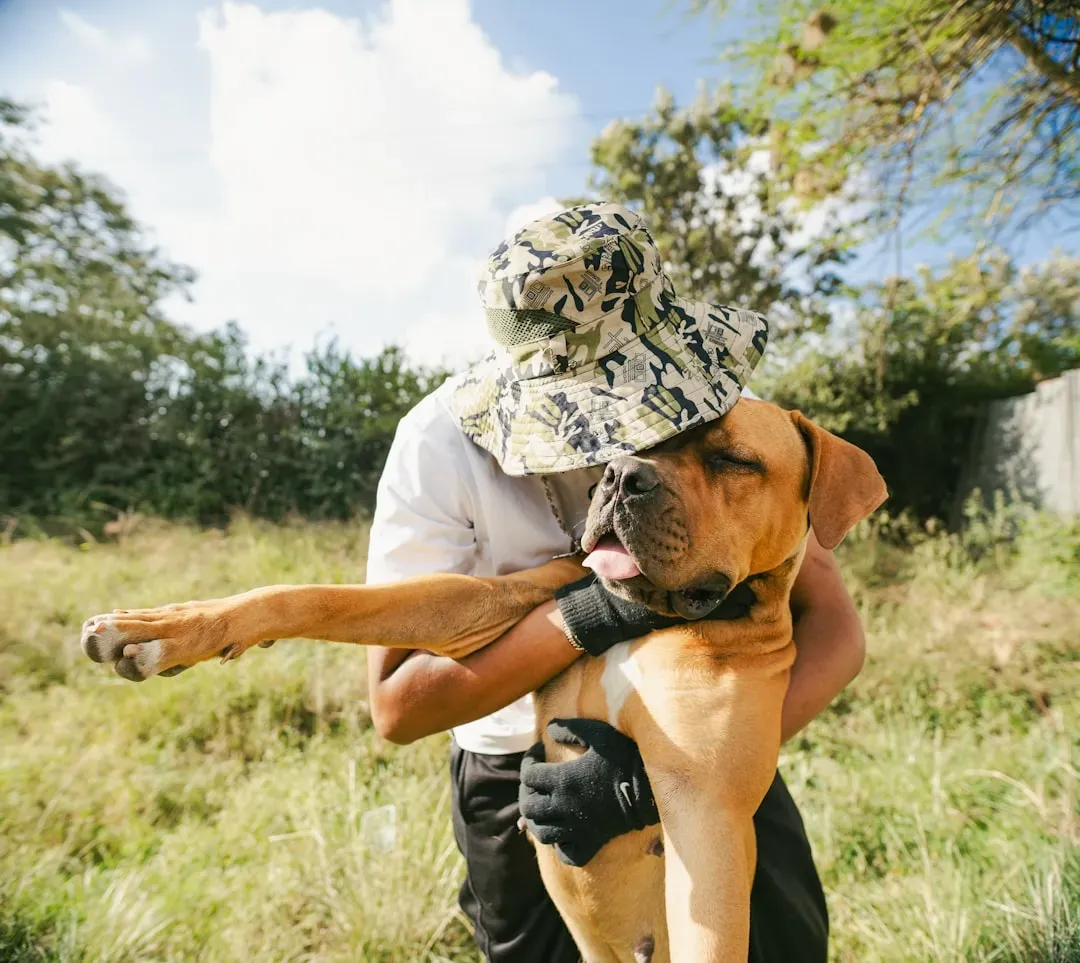
Boxers don’t just wag their tails. They wiggle their entire back half in a motion that can only be described as the “kidney bean dance.” This full-body expression of happiness is accompanied by zero concept of personal space. If you’re sitting down, they’re in your lap. If you’re standing, they’re leaning against you with their full weight.
Boxers love to be with people as much as possible and as close as possible. They’re essentially fifty to seventy pounds of love that insists on physical contact at all times. Need to use your laptop? Your Boxer needs to sit on your lap more. Trying to cook dinner? They’re right there, pressed against your legs.
Honestly, this clingy nature is exactly what many owners adore most about the breed. Often described as being more human than dog, Boxers are sensitive souls who will do anything to make you happy, but their feelings are easily hurt if they feel their love isn’t reciprocated. That signature wiggle and their need to be touching you constantly? It’s pure, unfiltered devotion.
Conclusion
Living with a Boxer means embracing chaos wrapped in a shiny coat and topped with an adorable squished face. Their behavioural problems often stem from insufficient socialisation, lack of training, boredom, or anxiety, making early management crucial to prevent stubbornness and unwanted habits becoming entrenched. Yes, they’ll test your patience regularly. They’ll jump, pull, chew, and invade every inch of your personal space.
Yet these same behaviors reflect their intelligence, loyalty, and zest for life. A boxer is a joyous, funny, athletic dog who loves nothing more than being part of the family. Every frustrated moment gets balanced by countless ones filled with laughter, love, and that unmistakable Boxer wiggle.
The behaviors that drive you crazy are often flip sides of what makes them such incredible companions. Their jumping shows devotion. Their energy keeps you active. Their stubbornness displays intelligence. Their need to be near you demonstrates unconditional love. So what do you think? Are you ready to embrace both the frustrating and lovable sides of Boxer ownership?