
There’s a moment every shelter volunteer knows too well. You’re walking past the kennels, and there’s that familiar face again. The dog you helped find a home just weeks ago is back, eyes searching, tail tentatively wagging. It’s heartbreaking, honestly. These returns aren’t random, though. Certain breeds show up again and again, not because they’re bad dogs, but because the match wasn’t right, expectations weren’t met, or life threw a curveball no one saw coming.
Understanding why specific breeds cycle through shelters helps us all do better. Whether you’re thinking about adoption, already have a pup at home, or simply care about these animals, knowing what leads to returns can change outcomes. Let’s dive into the breeds that and, more importantly, what we can learn from their stories.
Pit Bulls and Pit Bull Mixes

Pit Bulls represent over one fifth of adoption listings, making them the most commonly found breed in shelters nationwide. They face a double burden: widespread breed restrictions and lingering misconceptions about aggression. Many families adopt these affectionate dogs with the best intentions, only to discover their apartment complex has breed bans they didn’t know about, or their homeowner’s insurance won’t cover them.
A significant portion of dog owners who returned their pets cited aggressive behavior as the leading reason, though this often stems from lack of training rather than inherent temperament. Pit Bulls are strong, energetic dogs who need consistent boundaries and socialization from day one. When families underestimate the commitment required to properly train and exercise them, behavioral issues can emerge. These loyal, people-loving dogs thrive with experienced owners who understand their needs and can advocate for them in a world that’s often unfairly biased against them.
Labrador Retrievers
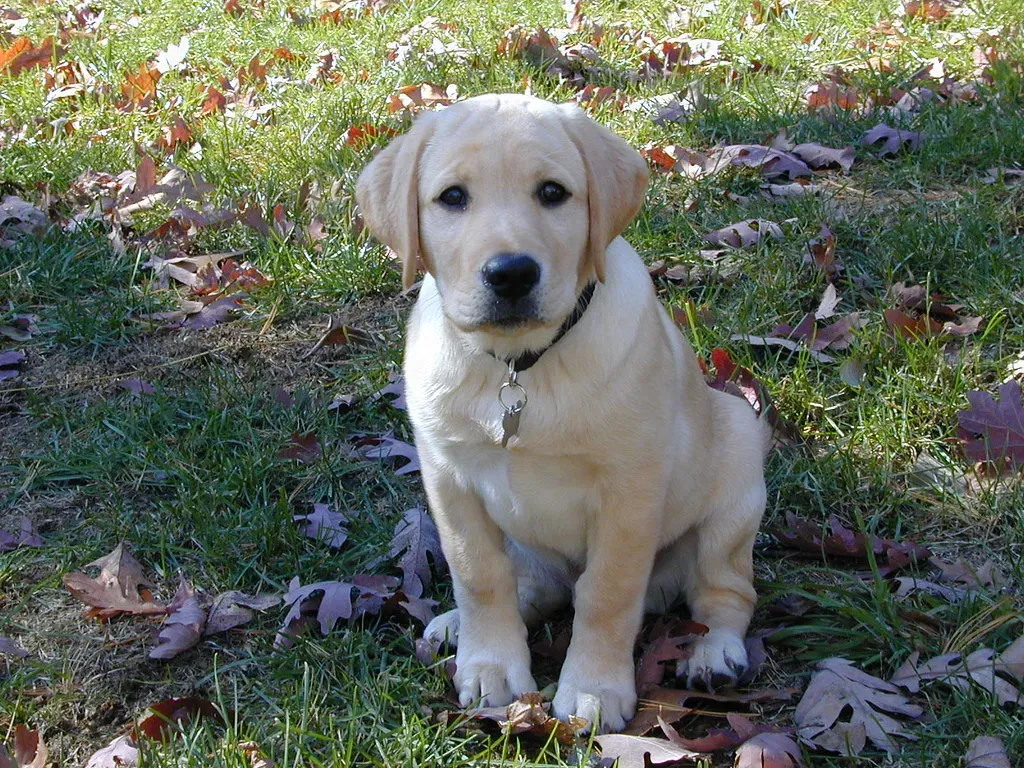
Wait, Labs? Yes, you read that right. Labs are one of the most common purebred dogs left in shelters, which surprises most people given their reputation as perfect family pets. The problem isn’t the breed itself but the gap between expectation and reality.
Labs are very energetic dogs that need a lot of daily exercise, and if this is not provided, they usually develop destructive behaviors. That adorable Lab puppy grows into a powerful, exuberant adult who can demolish a couch cushion in minutes if bored. Families envision a calm companion for Netflix nights but get a high-octane athlete who needs miles of walking, swimming, and mental stimulation daily. When the destroyed furniture piles up and the neighbors complain about the barking, some owners feel overwhelmed. Labs aren’t low maintenance dogs; they’re working breeds who need jobs to do, even if that job is just enthusiastic fetch sessions twice a day.
German Shepherds

German Shepherds account for over eleven percent of shelter listings, a staggering number for such an intelligent, versatile breed. These dogs are brilliant, which sounds like a positive trait until you realize that means they get bored easily and need constant mental challenges.
German Shepherds are intelligent, versatile dogs that require significant mental and physical stimulation, and without proper training and exercise, they can develop behavioral problems, including aggression and anxiety. Their protective instincts, while valuable in the right context, can become problematic with strangers or other animals if not properly managed. First-time dog owners often choose German Shepherds because they’re iconic and impressive, then discover they’ve adopted a dog who needs structured training, a firm but loving leader, and hours of activity daily. Without these elements, anxiety and destructive behaviors emerge, leading frustrated owners back to the shelter.
Siberian Huskies
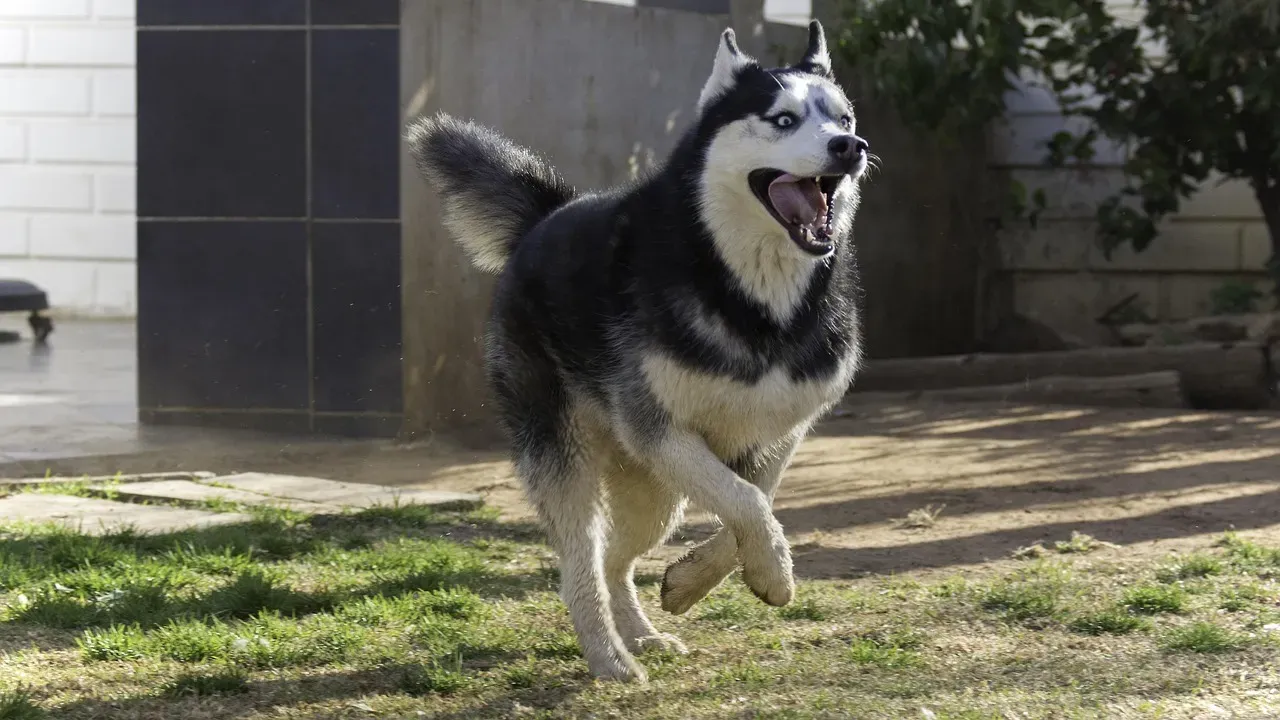
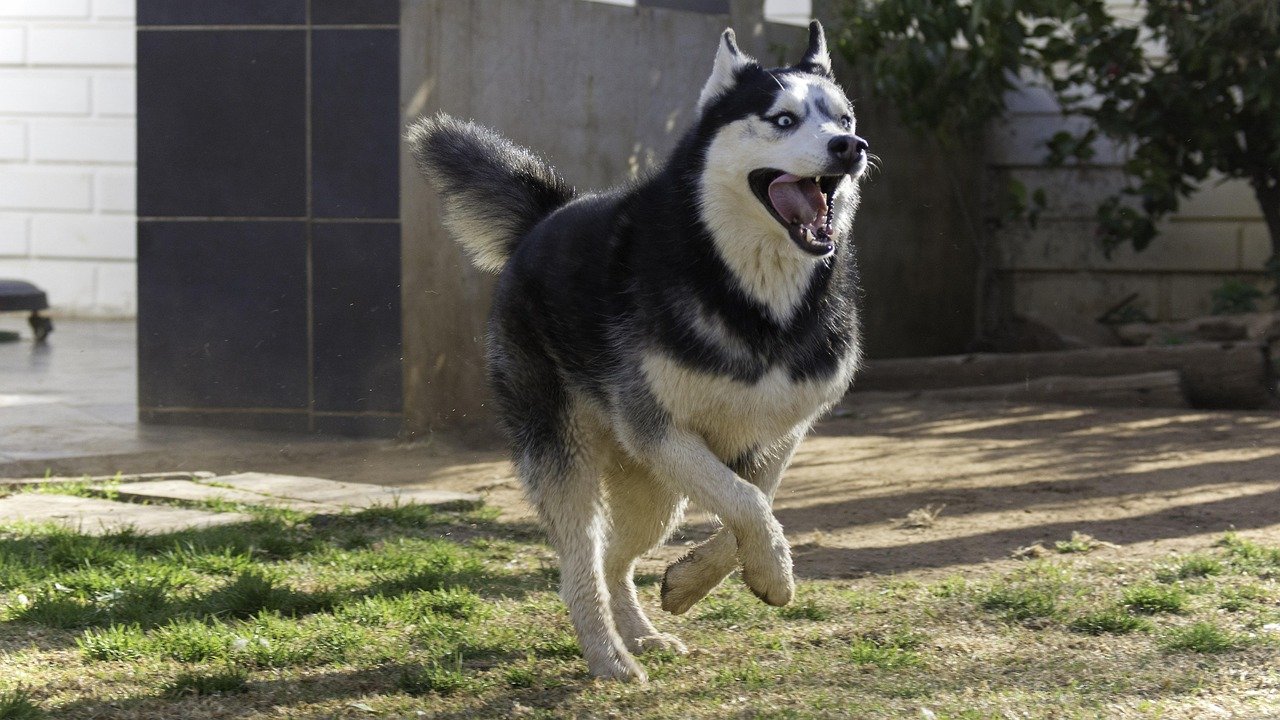
Those stunning blue eyes and wolf-like beauty make Huskies irresistible, which is exactly the problem. Siberian Huskies represent about six and a half percent of dogs in shelters, and volunteers can tell you why: they’re magnificent escape artists with stamina that exhausts most owners.
Bred to pull sleds across frozen tundra for miles, Huskies have energy reserves that seem bottomless. They’re also famously stubborn and independent, traits that made them excellent working dogs but challenging pets for the unprepared. When a Husky gets bored, they howl, dig under fences, jump over barriers, and find creative ways to entertain themselves that rarely align with their owner’s preferences. Their high prey drive means small pets aren’t safe around them, and their wanderlust means a momentarily open door becomes an opportunity for a neighborhood tour. These dogs need experienced owners who can provide intense exercise, secure containment, and patience with their strong-willed personalities.
Chihuahuas and Chihuahua Mixes

Chihuahuas and Chihuahua mixes make up a huge portion of dogs available in shelters, with many raised without any training, making cute puppies turn into obnoxious, uncontrollable adults. People assume small dogs don’t need training, which is a costly mistake.
An untrained Chihuahua can become snappy, territorial, and anxious, behaviors often dismissed as “just how small dogs are” rather than addressed through proper socialization and boundaries. Their size makes them popular with apartment dwellers and seniors, but their big personalities demand respect and consistent handling. When families bring home a new baby or adopt another pet, poorly socialized Chihuahuas may react with fear-based aggression, leading to surrenders. These tiny dogs often live 15 years or more, so that impulse adoption becomes a long-term commitment some owners weren’t prepared for.
Boxers

Boxers are cute, sweet, goofy dogs that often need far more exercise and attention than new owners are capable or willing to give, and they are very excitable, strong dogs that can be difficult to manage without proper training. Their boundless enthusiasm and physical strength create a challenging combination for unprepared families.
Many Boxers are surrendered to shelters because their owners cannot meet their exercise needs or handle their high energy levels. A bored Boxer becomes a destructive force, capable of significant damage when left alone. They’re also prone to separation anxiety, which manifests in excessive barking, destructive chewing, and escape attempts. Boxers form deep bonds with their people and struggle when left alone for long work days. They need active families who can include them in daily activities, provide vigorous exercise, and appreciate their goofy, playful nature rather than seeing it as a problem to fix.
Beagles

Beagles are small, friendly dogs known for their excellent noses, but their keen sense of smell can lead them into trouble, as they are notorious for following their noses and often wander off. That adorable howl becomes less charming when it’s three in the morning and the neighbors are threatening to call animal control.
Beagles have a lot of energy, as they were bred to run fast for long periods chasing prey, and when owners fail to meet their exercise needs, behavior problems inevitably crop up, including destructiveness, excessive vocalizing, aggression, and escaping. Their food motivation makes training possible but also means they’re experts at counter-surfing and trash-raiding. Beagles are pack animals who suffer from separation anxiety when left alone, leading to that signature baying that makes them unpopular with neighbors. They need secure fencing, plenty of exercise, and ideally another dog for companionship.
Dachshunds

Owners surrender Dachshunds based on health issues and behavior issues, with shelters usually not finding many abandoned strays but rather owners surrendering dogs based on health concerns or behaviors they didn’t research. Those long backs are adorable but come with serious spinal health risks that can result in expensive surgeries.
Dachshunds are hard to house train because they are hounds, which makes them stubborn and pigheaded. Their hunting background means they’re independent thinkers who don’t automatically defer to human authority. They can also be snappy with children, as their long bodies make them vulnerable to injury from rough handling. Families expecting a lap dog get a feisty, vocal hound with strong opinions and expensive potential medical bills. When children arrive or back problems develop, owners who didn’t budget for these possibilities may feel they have no choice but to surrender.
American Bulldogs
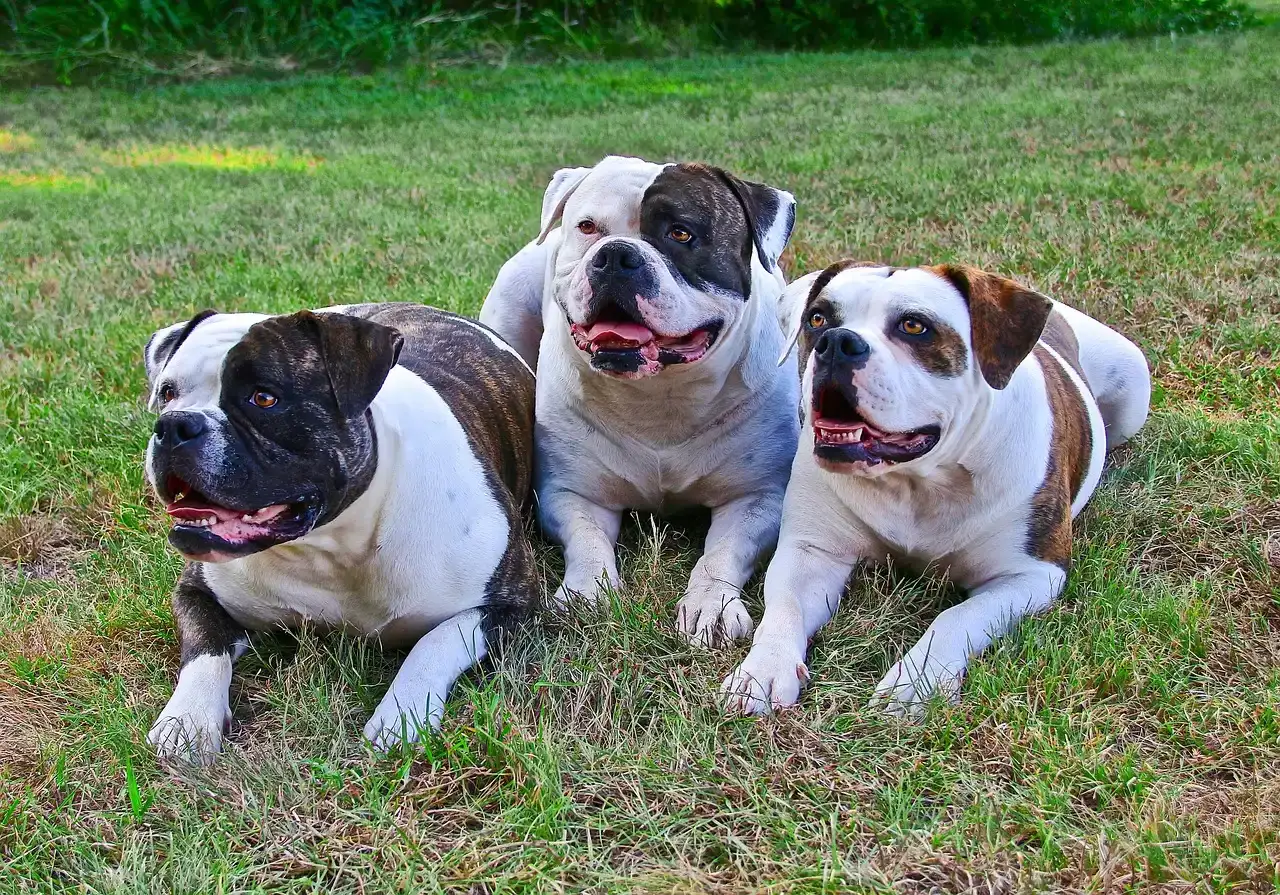
Strong, muscular, and intensely loyal, American Bulldogs require confident leadership from day one. Their protective instincts and physical power make them wonderful guardians in the right hands but overwhelming for inexperienced owners who underestimated what they were taking on.
Without consistent training and firm boundaries, these dogs can become overly dominant or reactive to strangers and other animals. They need extensive socialization as puppies to prevent territorial behaviors from developing. Housing restrictions also play a role, as breed restrictions and size limits in rental properties leave families forced to choose between their home and their dog. American Bulldogs thrive with active, experienced owners who can provide structure, leadership, and plenty of exercise to channel their energy appropriately.
Cocker Spaniels

Cocker Spaniels are often found in shelters due to grooming needs, health issues, and behavioral challenges despite their reputation as sweet family companions. Those beautiful, flowing coats require professional grooming every six to eight weeks, an expense and time commitment many owners didn’t anticipate.
Neglected coats become painfully matted, leading to skin infections and expensive veterinary bills. Cocker Spaniels can also develop behavioral issues, particularly if they come from poor breeding backgrounds that didn’t prioritize temperament. Ear infections plague the breed due to their long, floppy ears, requiring regular cleaning and veterinary attention. When the grooming bills pile up, the ear infections become chronic, and behavioral issues emerge, some families feel overwhelmed. These dogs need dedicated owners who can commit to their grooming requirements and provide the gentle, consistent training that brings out their naturally sweet temperament.
Conclusion
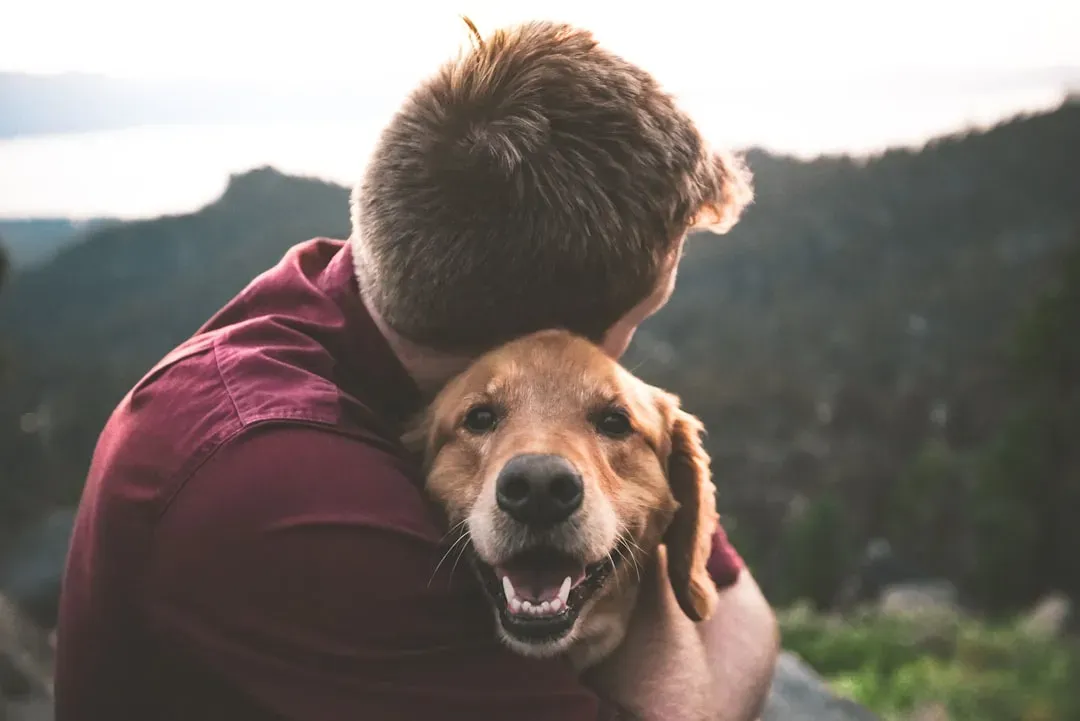
The breeds that cycle through shelters most often aren’t inherently flawed. They’re victims of mismatched expectations, impulse decisions, and circumstances beyond anyone’s control. Every single one of these dogs can thrive in the right home with owners who understand their needs and commit to meeting them.
Between seven and twenty percent of pets are returned within the first six months, a statistic that reflects how crucial that initial period is for adjustment and bonding. If you’re considering adoption, research breeds thoroughly, honestly assess your lifestyle and capabilities, and choose a dog whose needs align with what you can provide. If you already have one of these breeds at home and are struggling, reach out for help before reaching your breaking point. Trainers, veterinary behaviorists, and rescue organizations want to help you succeed. What’s your experience been with these breeds? Have you found a returned dog who became your perfect match?


