
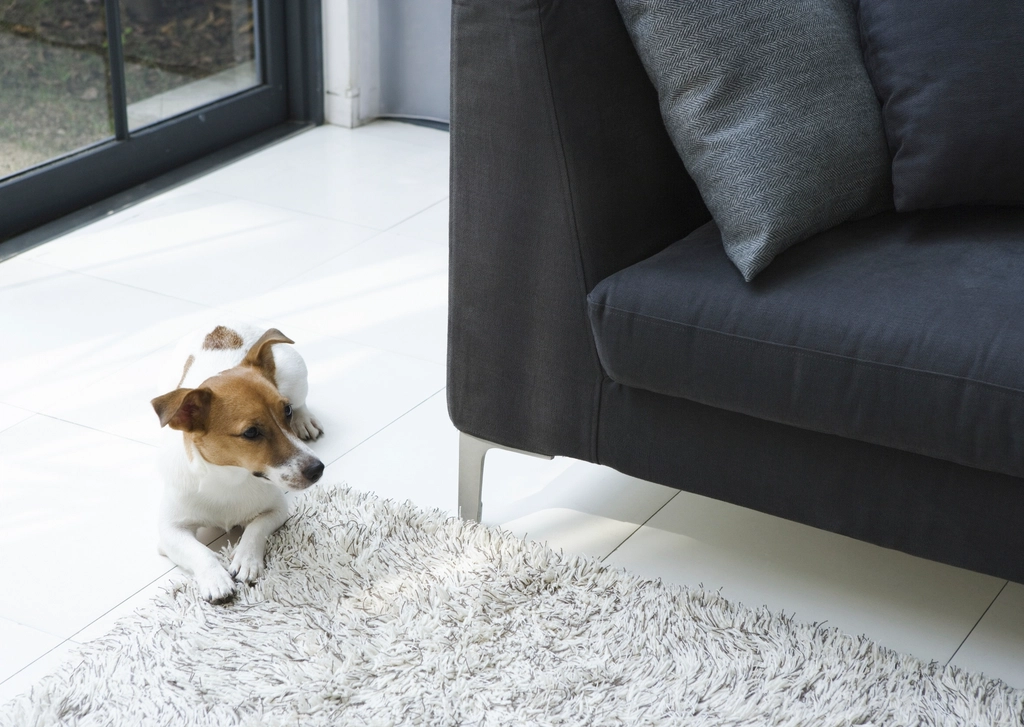
Some dog breeds just don’t do well with solo time — and they’ll let you know it with shredded pillows, scratched doors, or dramatic howls. Breeds like the Border Collie, Vizsla, and Labrador Retriever are incredibly people-oriented and thrive on companionship. When left alone too long, their boredom and anxiety often turn into destructive behavior. It’s not about being “bad dogs” — it’s about needing more mental stimulation, exercise, and reassurance. Understanding a breed’s emotional needs before bringing them home can save both your sanity and your furniture. These pups love big, and they need a lifestyle that matches their social hearts.
Labrador Retriever
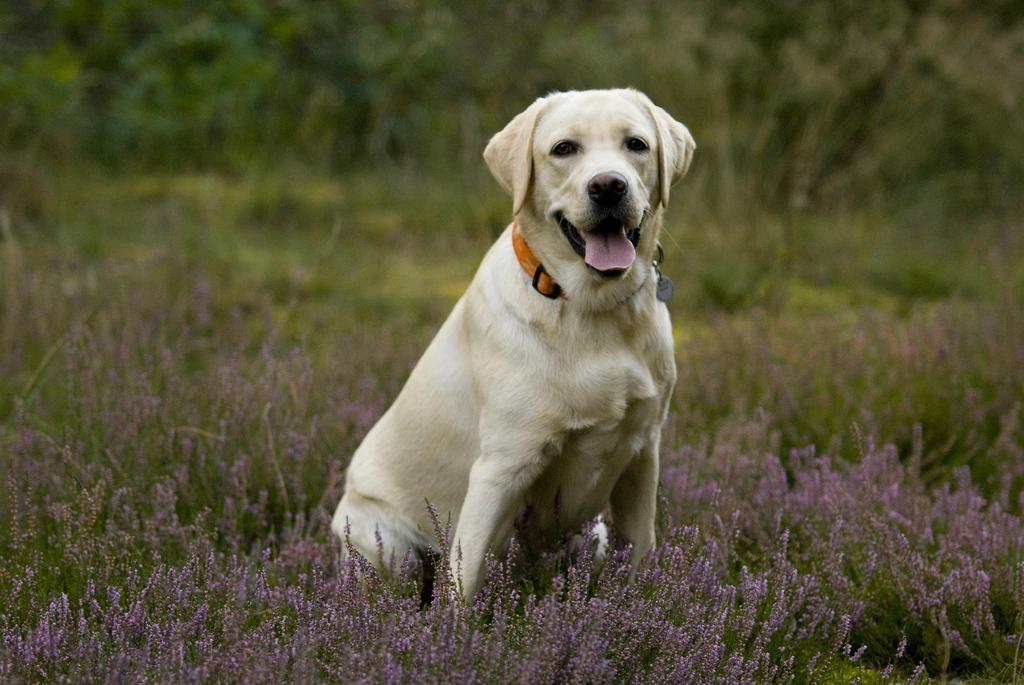
Labrador Retrievers are the ultimate people-lovers. They thrive on companionship and often see their humans as the center of their universe. But leave a Lab alone for too long, and you may return to find a home that looks like a tornado swept through. Labs are notorious for boredom-driven destruction — think chewed doors, torn pillows, and even unzipped backpacks. Their boundless energy needs an outlet, so when left alone, they’ll make their own fun, no matter the consequences.
It’s not just about boredom, though. Labs are sensitive souls who genuinely miss their humans. They may bark, whine, or pace by the door waiting for you to return. The mess left behind is often a sign of separation anxiety rather than rebellion. Daily exercise, interactive toys, and a consistent routine can help, but nothing beats the comfort of your company for these lovable goofballs.
Border Collie
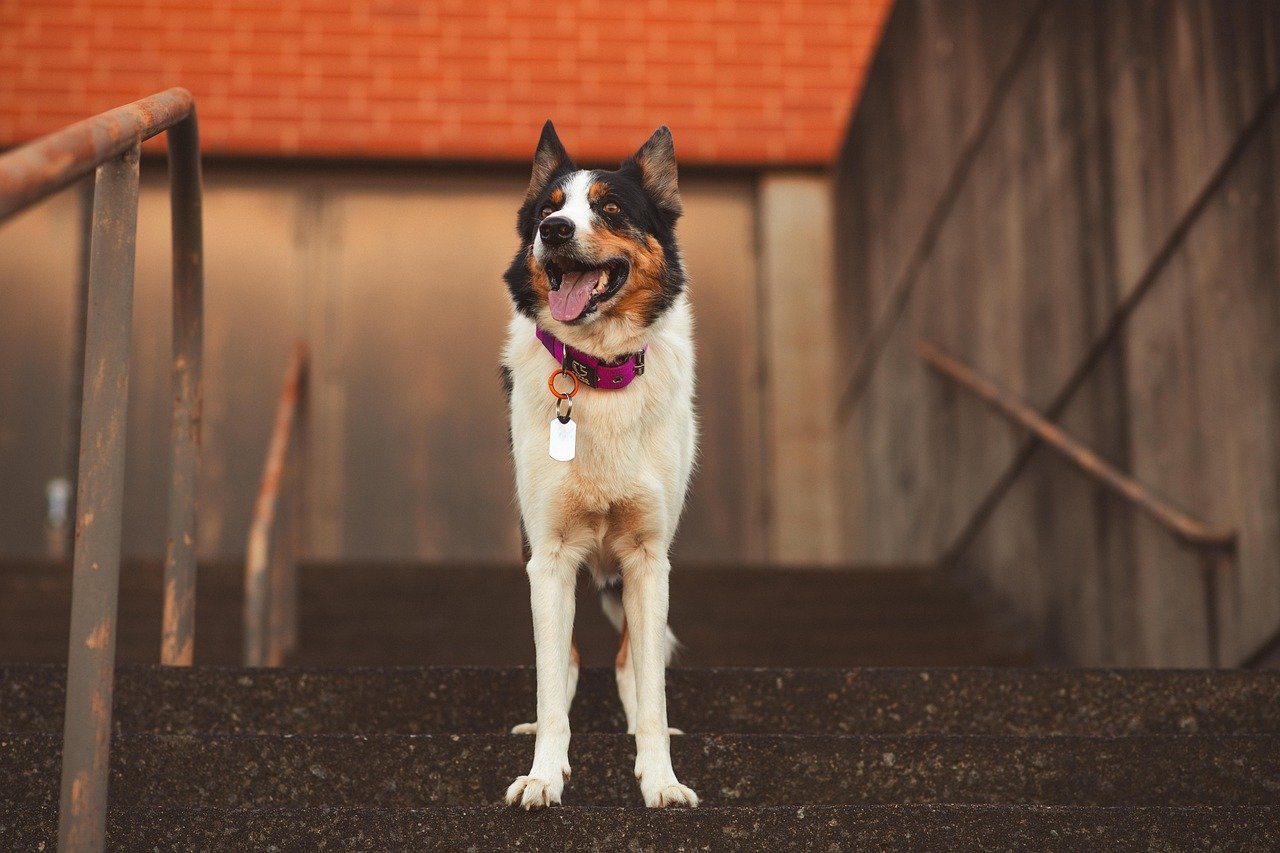
Border Collies are often described as the Einsteins of the dog world. Their intelligence is off the charts, but so is their need for stimulation and purpose. When left alone, a Border Collie’s sharp mind can turn to mischief in seconds. You might come home to rearranged furniture, scratched doors, or even a meticulously “herded” pile of laundry. Their energy is relentless, and when there’s no one to guide it, chaos often ensues.
What’s even more striking is their emotional sensitivity. Border Collies bond deeply with their humans, and solitude can make them anxious or depressed. They may resort to barking, digging, or even escaping the yard to find their people. For these brainy herders, mental challenges and social interaction aren’t luxuries — they’re basic needs.
Jack Russell Terrier
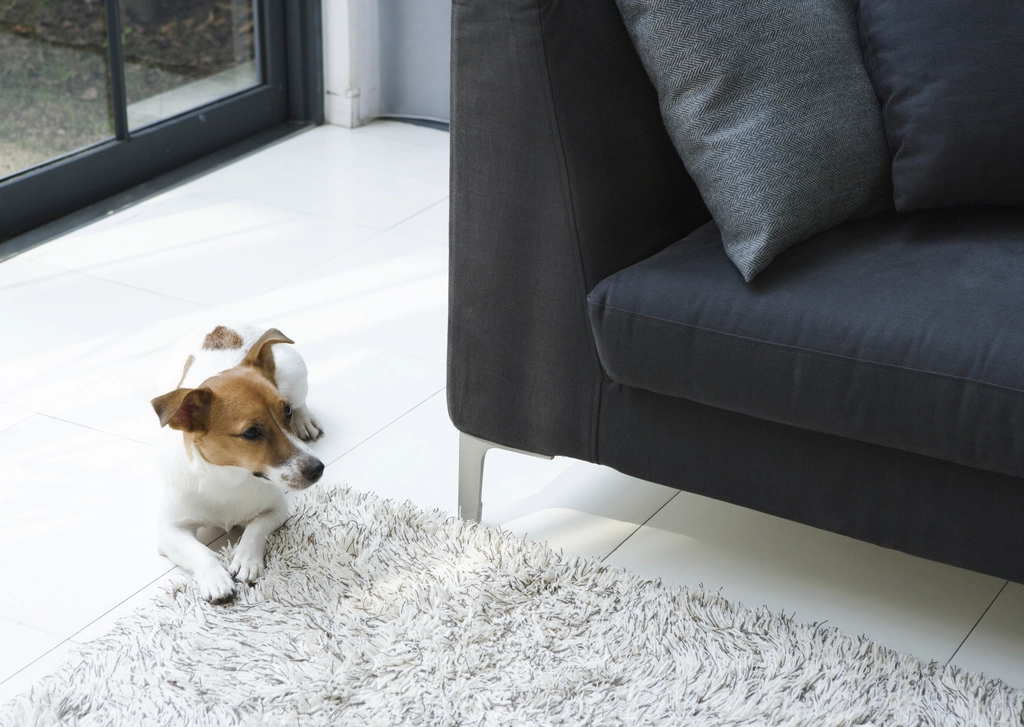
Jack Russell Terriers pack a punch of personality in a tiny frame. They’re curious, stubborn, and clever — a combination that spells trouble if they’re lonely. Leave a Jack Russell unsupervised, and you might discover holes in your yard, ransacked garbage, or shoes that look like they lost a fight. Their digging instinct and high energy mean they always need something to do.
But it’s not just mischief for the sake of it. Jack Russells get attached to their humans and feel distressed when they’re left out of the action. Their antics are often a cry for attention or a way to burn off nervous energy. Keeping these little dynamos entertained requires creativity — puzzle toys, agility games, and plenty of playtime help keep their boredom at bay.
German Shepherd
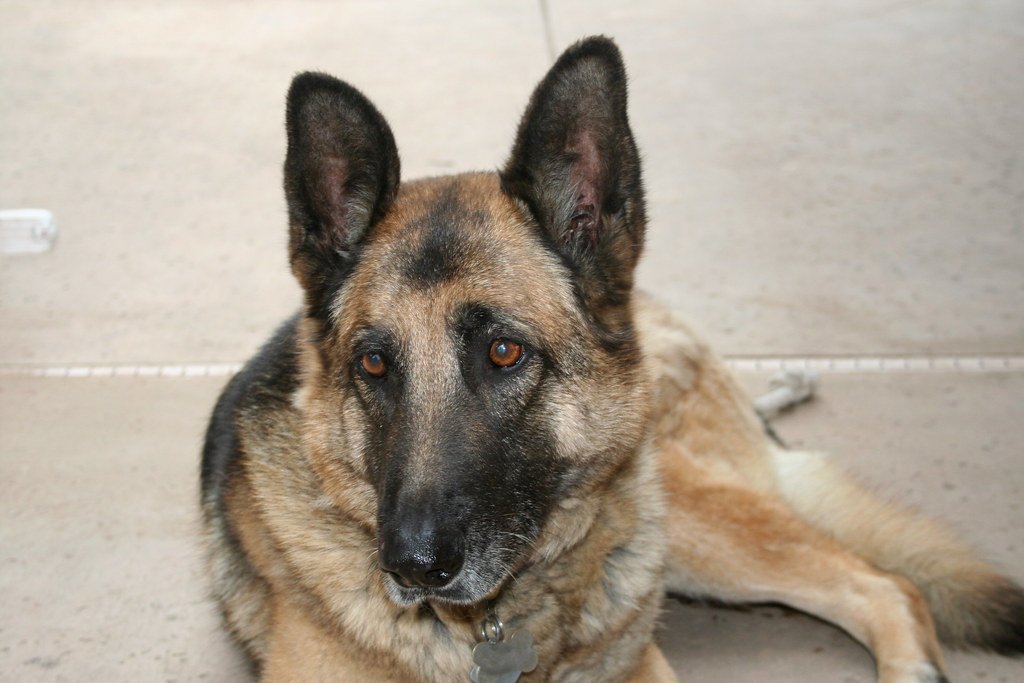
German Shepherds are loyal protectors with a deep sense of duty. They want to be by your side, watching over you and your home. When left alone, their protective instincts can turn inward, leading to anxiety and destructive behaviors. You might find gnawed windowsills, shredded mail, or even escape attempts that leave you baffled.
These dogs need more than just a backyard to roam. They crave meaningful work and the reassurance of their person’s presence. When that’s missing, they can become restless and act out in surprising ways. Regular training, socialization, and mental challenges are essential for keeping a German Shepherd’s mind busy and their heart calm.
Bichon Frise
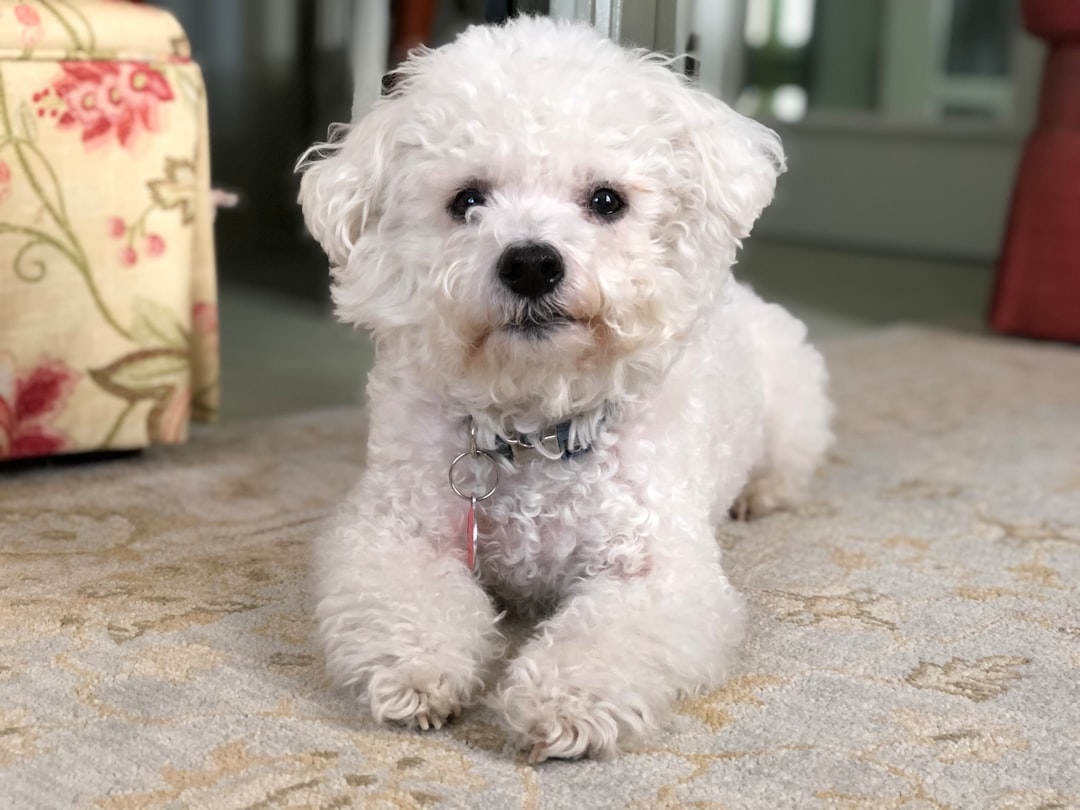
Bichon Frises might look like little clouds, but they’re surprisingly sensitive creatures. They form incredibly close bonds with their families and don’t handle alone time well. If you leave a Bichon alone, you may return to torn up tissues, scratched doors, or even endless barking that upsets the neighbors.
These small dogs are happiest when they’re part of daily life, joining in on every activity. Loneliness can quickly lead to separation anxiety, which in turn sparks their destructive tendencies. They respond well to routines and comforting objects, but nothing replaces the warmth of a familiar lap to curl up on.
Siberian Husky
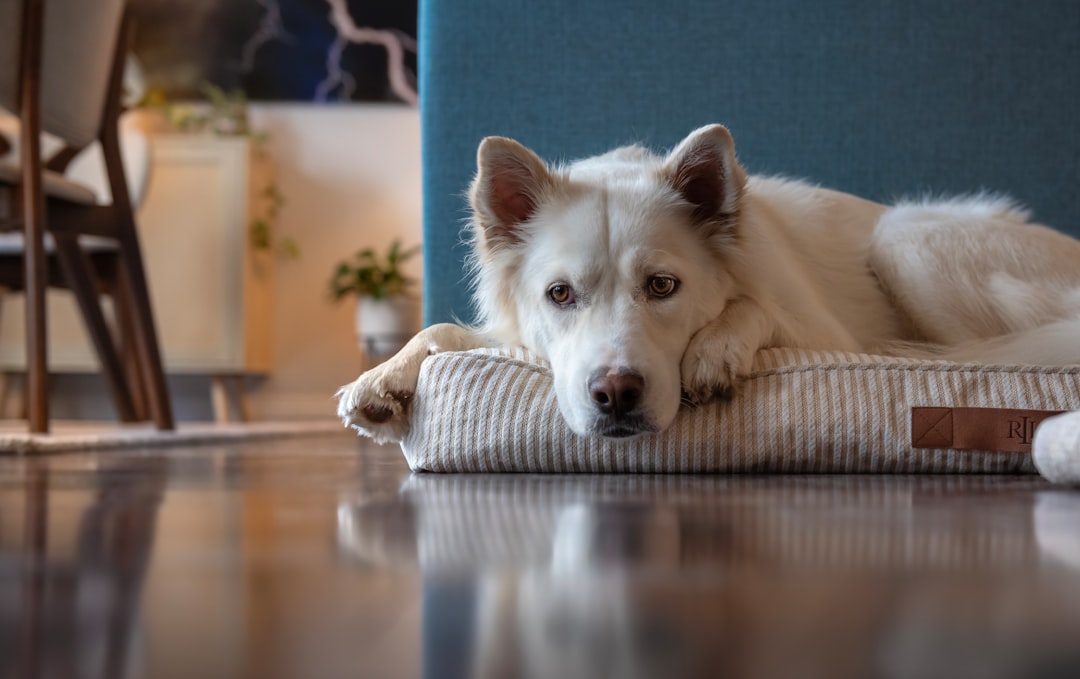
Siberian Huskies are famous escape artists, but their real trouble starts when they’re left alone. With energy to burn and a stubborn streak, Huskies will dig, chew, and howl if they’re bored or lonely. They’ve been known to eat through drywall, unearth entire gardens, or serenade the neighborhood with their haunting howls.
Their independent nature can be misleading. While Huskies enjoy exploring, they also rely on their pack — human or canine — for comfort and security. Long periods alone can leave them feeling isolated, leading to the kind of mischief that’s hard to believe until you see it yourself.
Cavalier King Charles Spaniel

Cavalier King Charles Spaniels are pure lap dogs. They live to love and be loved, and solitude is their worst nightmare. Left to their own devices, these gentle souls might chew furniture, bark incessantly, or have accidents in the house out of stress.
The mess they make is often a physical sign of their aching heart. Cavaliers need reassurance and closeness, preferring to follow you from room to room. Providing them with a sense of routine and gentle distractions can help, but nothing soothes them quite like a cuddle.
Australian Shepherd
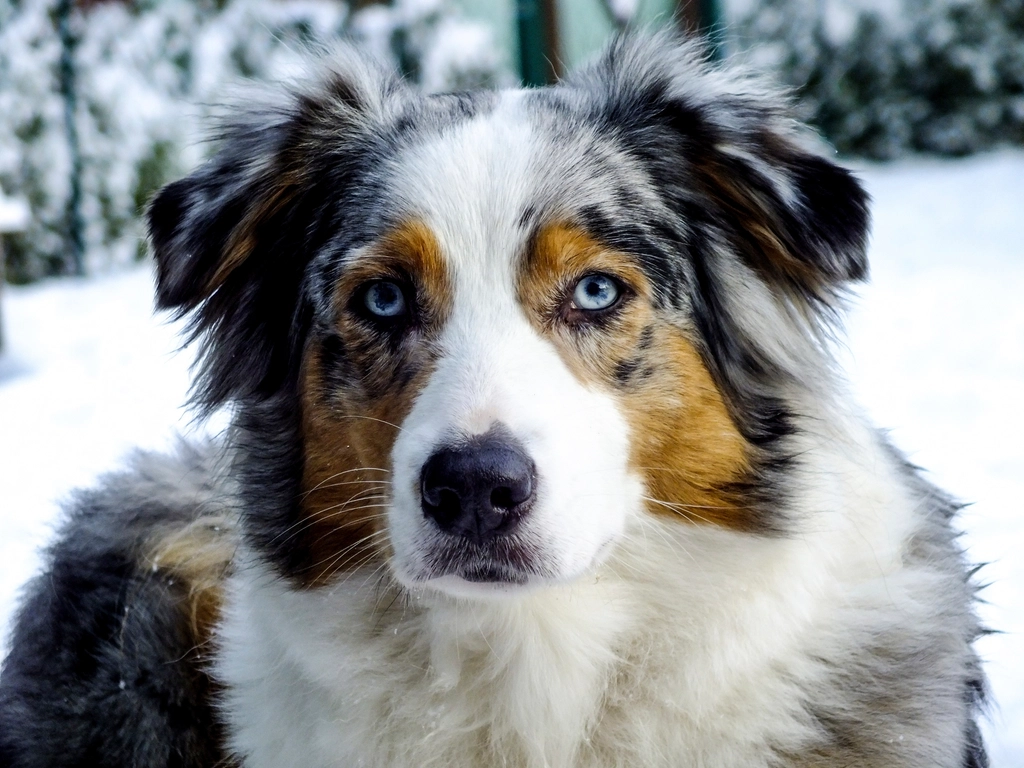
Australian Shepherds are born workers. They need a job to do, and when left alone without one, they create their own — often at the expense of your belongings. You might find chewed shoes, shredded papers, or even a redecorated living room courtesy of your Aussie’s busy paws.
These energetic dogs feel lost without their people. Their intelligence and drive mean they need plenty of mental and physical challenges. Without enough stimulation or social contact, their playful energy can quickly turn into frustration, resulting in a whirlwind of mayhem.
Vizsla
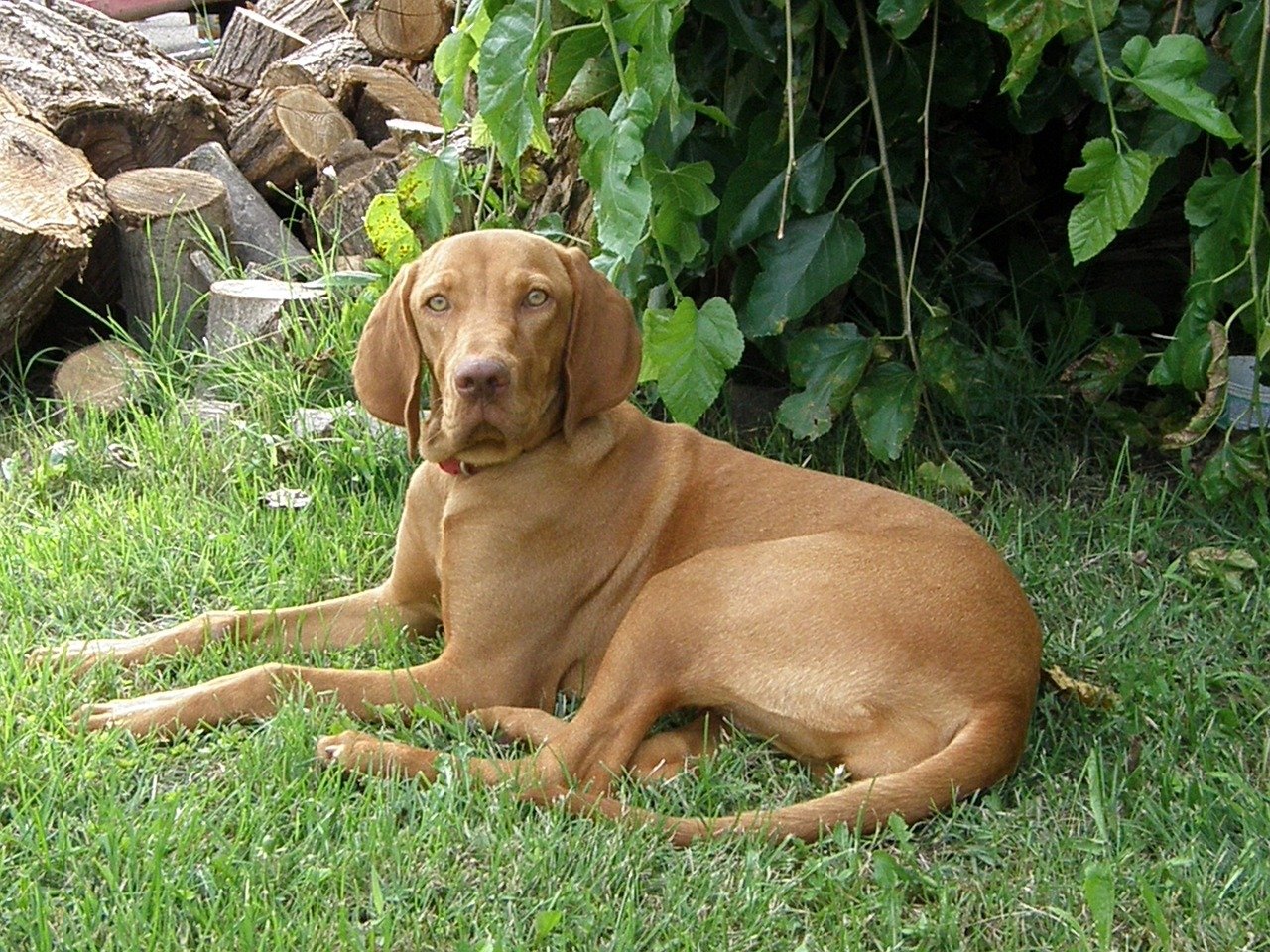
Vizslas are sometimes called “Velcro dogs” because of how closely they stick to their owners. This breed thrives on constant companionship. When left alone, even for short periods, a Vizsla can become anxious, leading to chewing, digging, or barking that echoes through the house.
The mess isn’t just a nuisance; it’s their way of coping with loneliness. Vizslas are happiest when they’re involved in family life, and they struggle with isolation. Regular exercise, interactive toys, and a predictable routine can help, but they always prefer to be right by your side.
French Bulldog
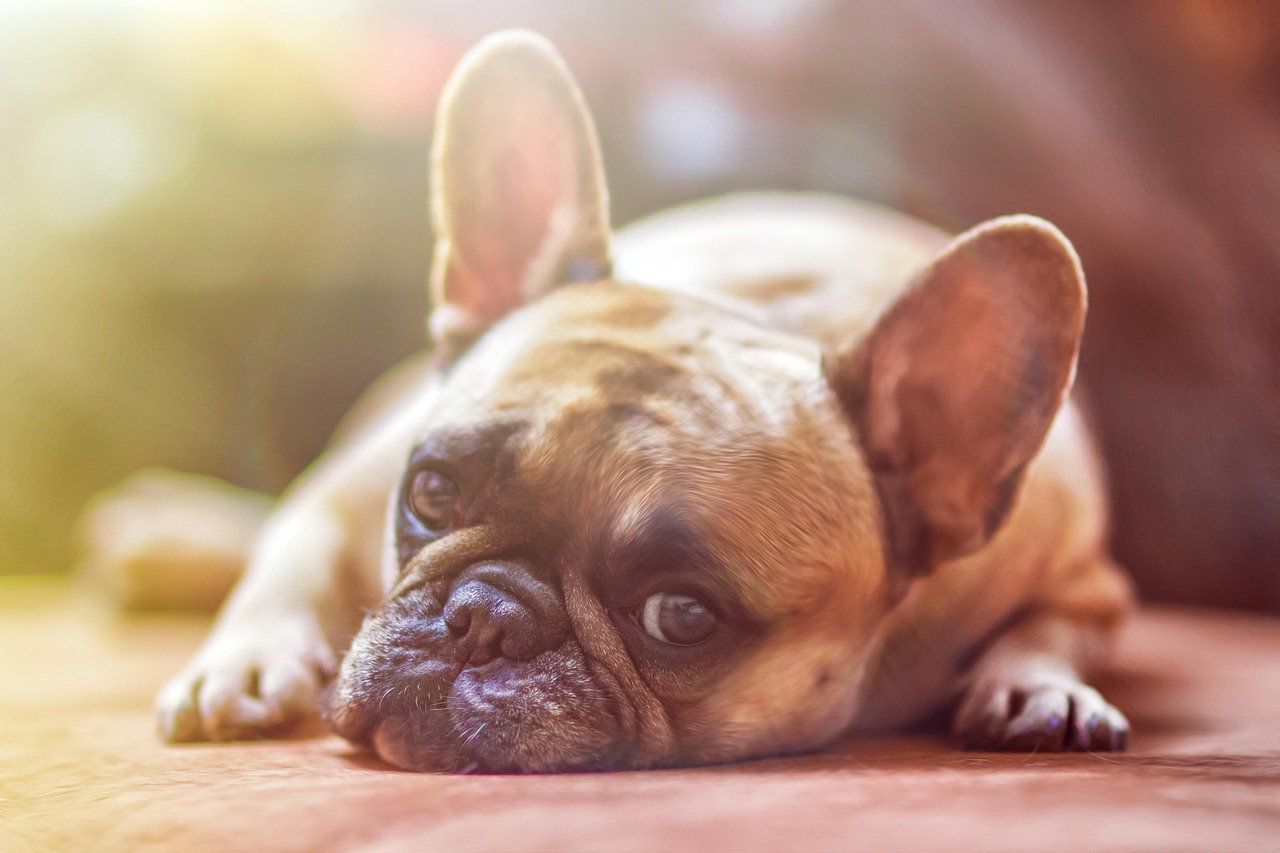
French Bulldogs may look laid-back, but beneath those wrinkles lies a sensitive heart. They bond deeply with their owners and can become distressed when left alone. Signs of their unhappiness often include chewing furniture, barking, or having accidents indoors. The chaos is usually a sign of their stress, not stubbornness.
What makes Frenchies unique is their desire for close contact — they’re happiest snuggled up with their humans. When they’re left behind, they often seek comfort in familiar smells or objects. Consistent routines, calming toys, and a little extra attention before you leave can make a big difference for these lovable clowns.
If you’ve got one of these breeds, you know they’re not misbehaving—they’re just missing you. Dogs that act out when left alone aren’t being dramatic for fun; they genuinely crave companionship and mental engagement. With the right mix of training, enrichment, and thoughtful routines, even the most anxious pups can learn to cope better with alone time. It all comes down to understanding their needs and being proactive about their emotional well-being.


