
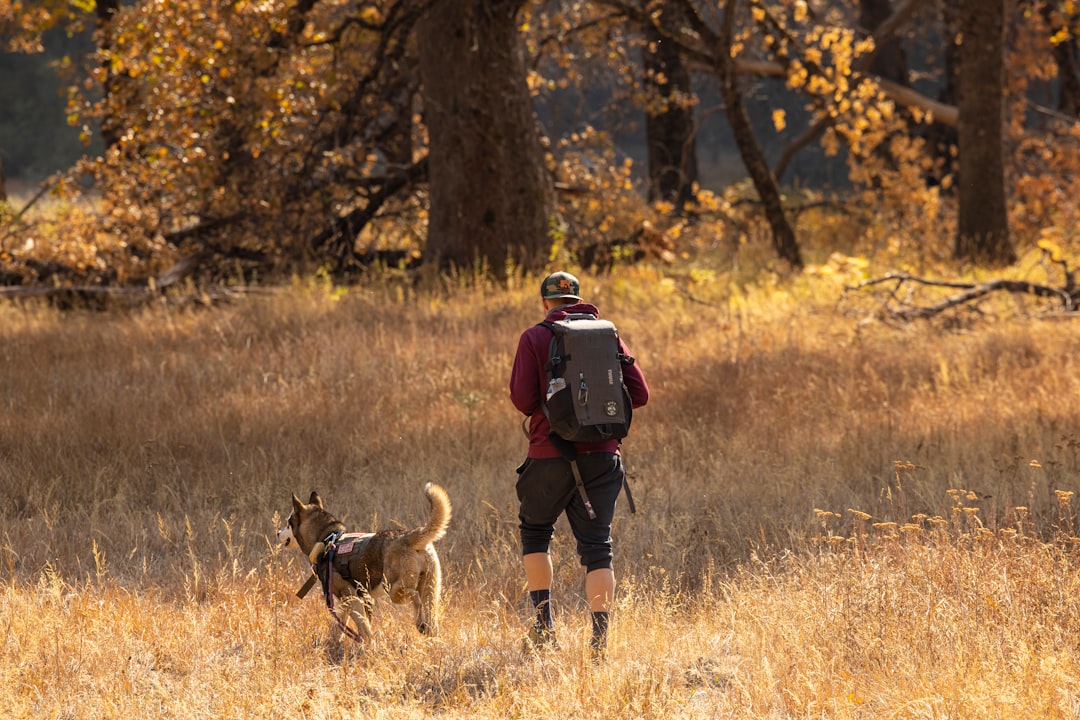
There’s nothing quite like waking up to the sound of birds, a breath of crisp morning air, and a tail thumping with excitement just outside your tent. If you’re anything like me, your four-legged best friend isn’t just part of the family—they’re your adventure buddy. But let’s be real: not every dog is a natural camper. Some thrive on rugged trails and starry nights, while others would rather snooze on the couch. Choosing the right camping companion can make or break your outdoor experience. Let’s dive into the breeds that shine under the stars—and a few that are better off at home.
Labrador Retriever: The Classic Outdoor Buddy

Labs are the poster pups for camping adventures. They’re friendly, eager to please, and always ready to fetch a stick or splash in the nearest stream. Their sturdy build and boundless energy mean they’ll keep up on hikes and love every minute of it.
One thing to watch for: Labs love food as much as they love fun. Keep an eye on your snacks and pack extra water, especially in hot weather. Their short but dense coat offers some protection, but check for ticks after each romp in the woods.
Australian Shepherd: The Agile Explorer
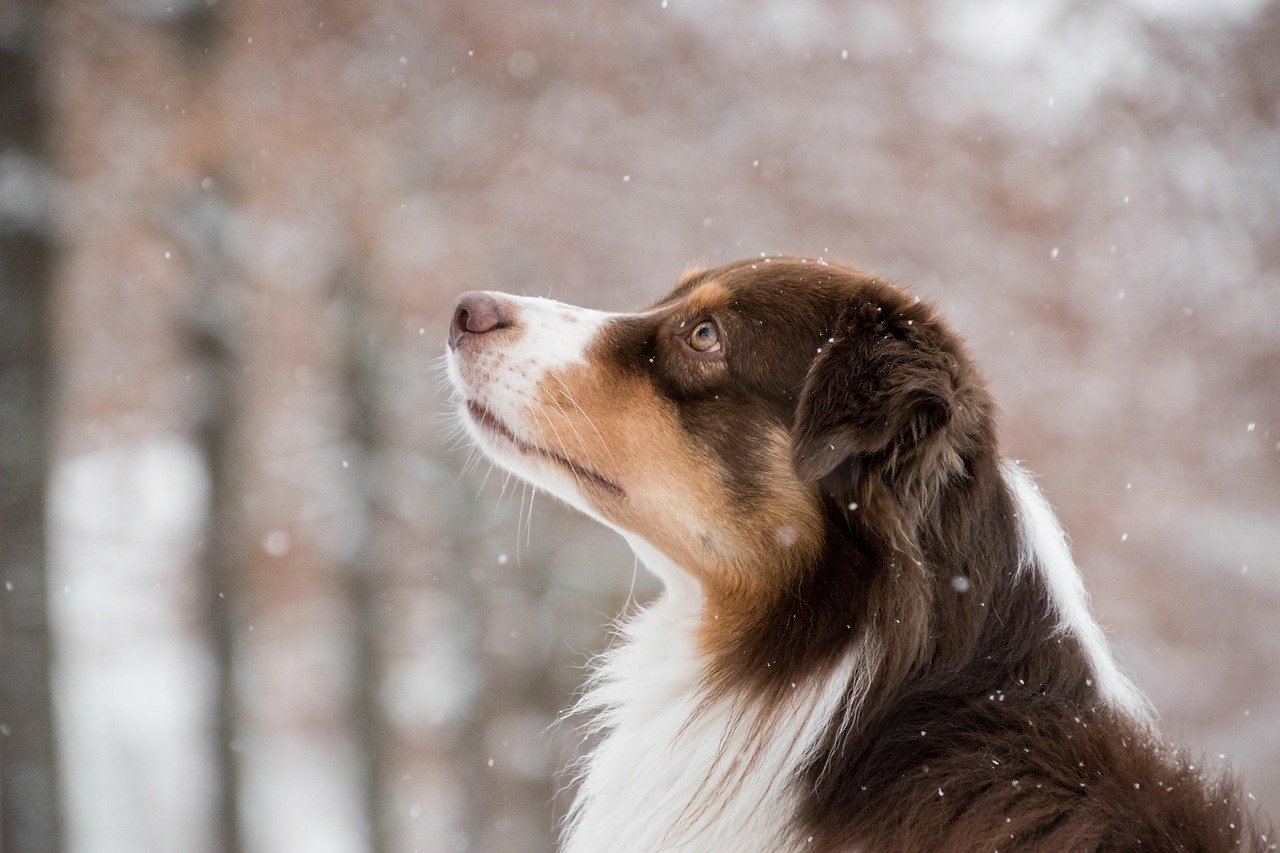
Australian Shepherds are smart, nimble, and thrive in open spaces. They’re happiest when given a job, so let them help carry a small pack or keep an eye on your campsite. Their herding instincts mean they’ll stick close and keep you in sight.
However, Aussies need plenty of exercise and mental stimulation. Bring along puzzle toys or practice some agility moves around the campfire. Watch for signs of overheating in the summer, as their thick coats can get warm.
Bernese Mountain Dog: The Gentle Giant

Bernese Mountain Dogs are nature’s gentle guardians. Their calm, affectionate nature makes them comforting companions around the fire, and their strength is perfect for longer treks or carrying supplies in a doggy backpack.
Despite their size, Berners are sensitive souls. They can overheat easily in warm weather due to their thick coats. Stick to shady hikes, bring plenty of water, and keep an eye out for fatigue or heavy panting.
Border Collie: The Tireless Trail Mate
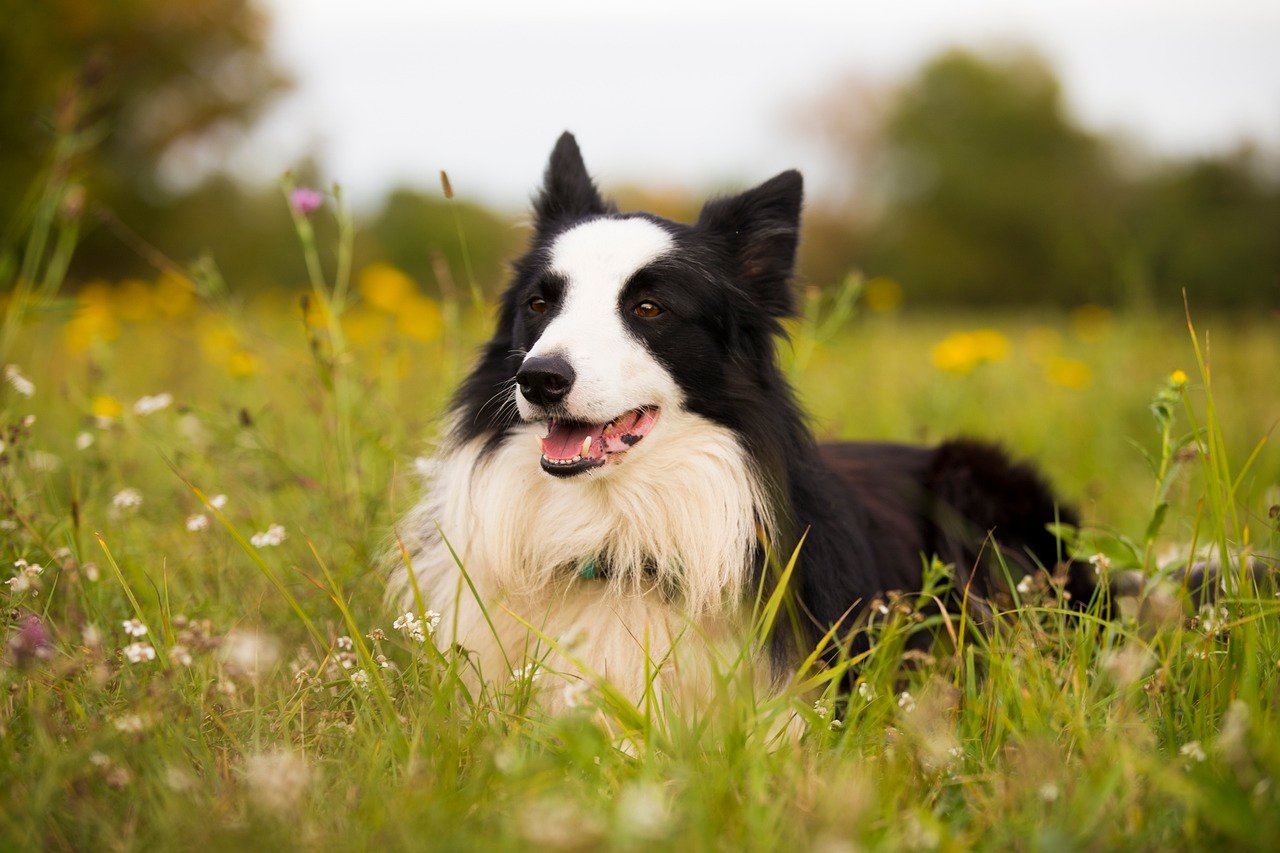
If you crave action, a Border Collie will never say no. These dogs are whip-smart and endlessly energetic, making them ideal for long hikes, canoe trips, or even mountain biking alongside you. They’ll happily explore every corner of the campground.
Because they’re so focused, Border Collies might fixate on wildlife or wander off if bored. Teach solid recall commands and reward check-ins with treats. A tired Border Collie is a happy camper, so pack extra toys and plan active days.
Golden Retriever: The Happy-Go-Lucky Camper

Golden Retrievers are all about joy and friendship. Their easygoing nature means they’ll greet other campers with a wag and are great with kids. Goldens adore water, so a lake or river is a dream come true.
Their long coats are beautiful but can become tangled with burrs and debris. Brush your Golden daily on the trail to prevent mats, and inspect for ticks, especially after walks through tall grass. Don’t forget to towel them off after water play.
Siberian Husky: The Adventurous Spirit

Huskies are born wanderers. Their stamina and love for the outdoors make them incredible companions for colder-weather camping. Huskies relish hiking, running, and even pulling small sleds or carts if you’re in snowier regions.
However, Huskies can be escape artists. Secure your campsite and never leave them unsupervised—they’re curious and quick. Also, be mindful of heat: Huskies are prone to overheating in summer, so plan early morning or evening activities.
Vizsla: The Velcro Adventure Partner
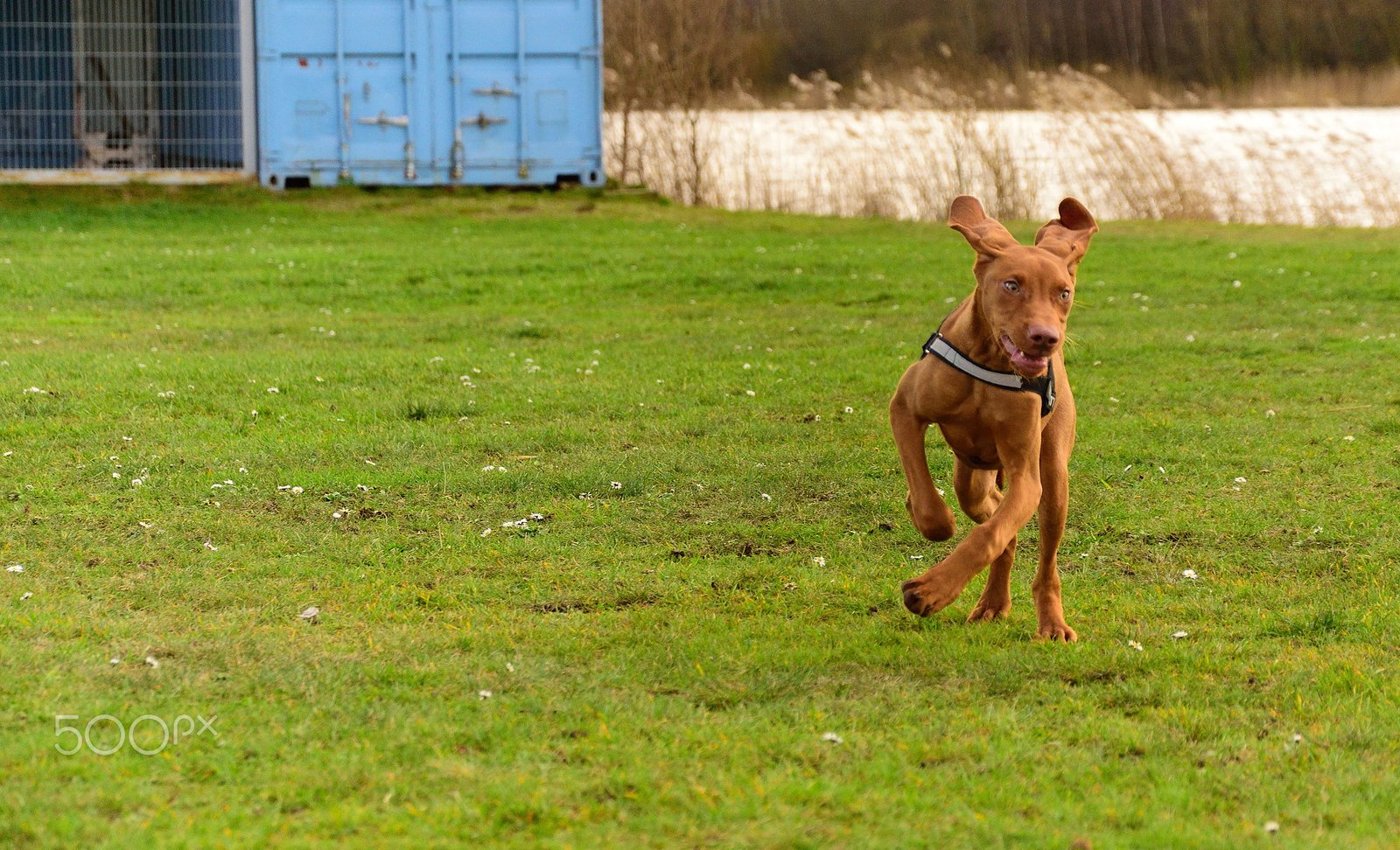
Vizslas are sometimes called “velcro dogs” for a reason—they’ll stick by your side no matter where you roam. Their sleek, athletic build is perfect for long days on the trail, and their enthusiasm is infectious.
Because their coats are short, Vizslas feel the cold. Bring an extra blanket or doggy jacket for chilly nights, and watch for shivering. They’re sensitive to mood changes, so keep routines positive and reassuring in new environments.
Jack Russell Terrier: The Compact Dynamo
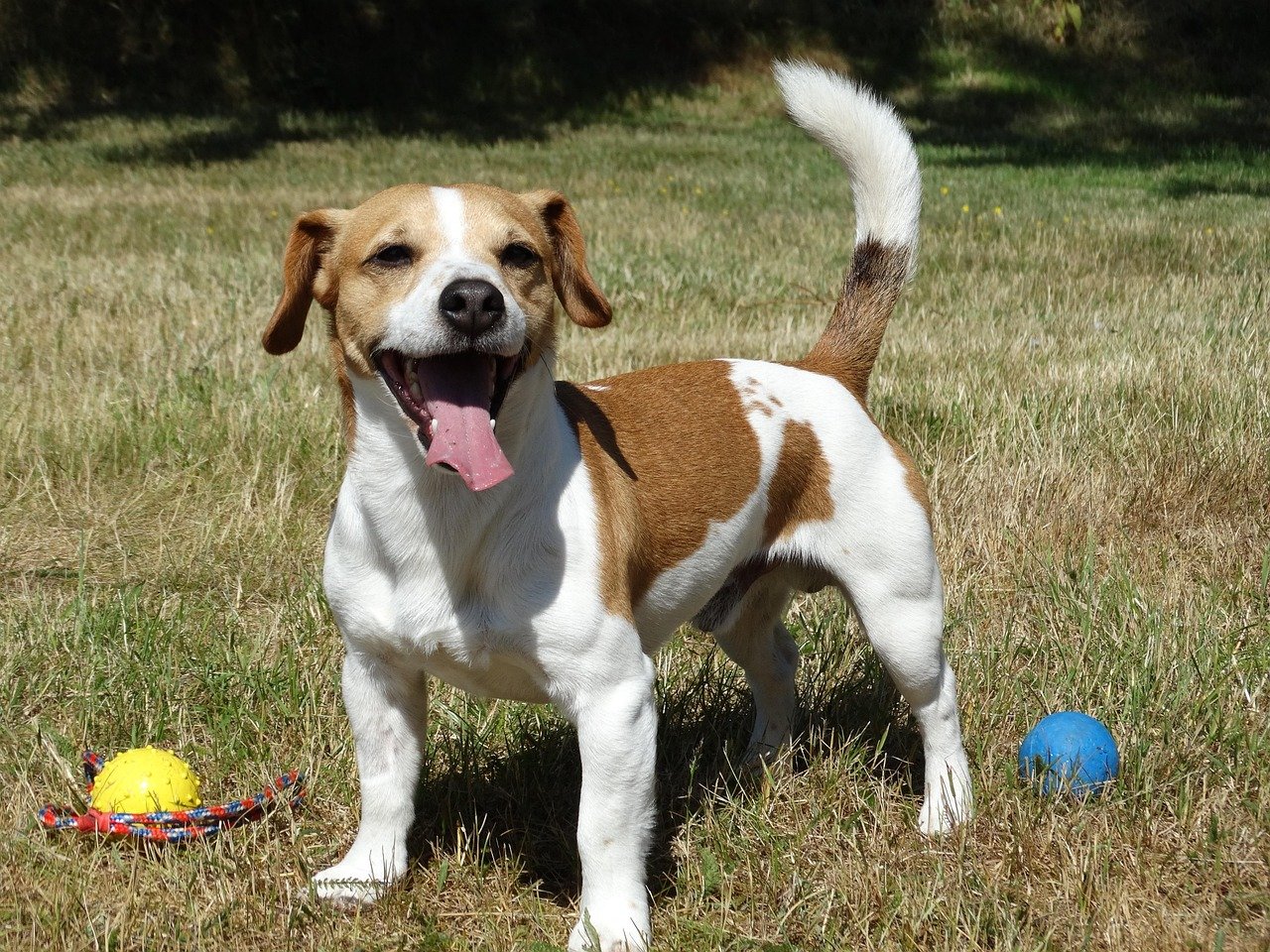
Don’t let their size fool you—Jack Russells are bundles of bold energy. They’ll sprint up hills, dive into streams, and alert you to every squirrel in the trees. Their compact size makes them easy to pack and carry if needed.
Jack Russells are clever escape artists and love to dig, so keep your tent zipped and valuables stashed. Give them plenty of exercise, or they may invent their own mischief. Watch for overexcitement and offer calm breaks throughout the day.
German Shorthaired Pointer: The Versatile Sportster
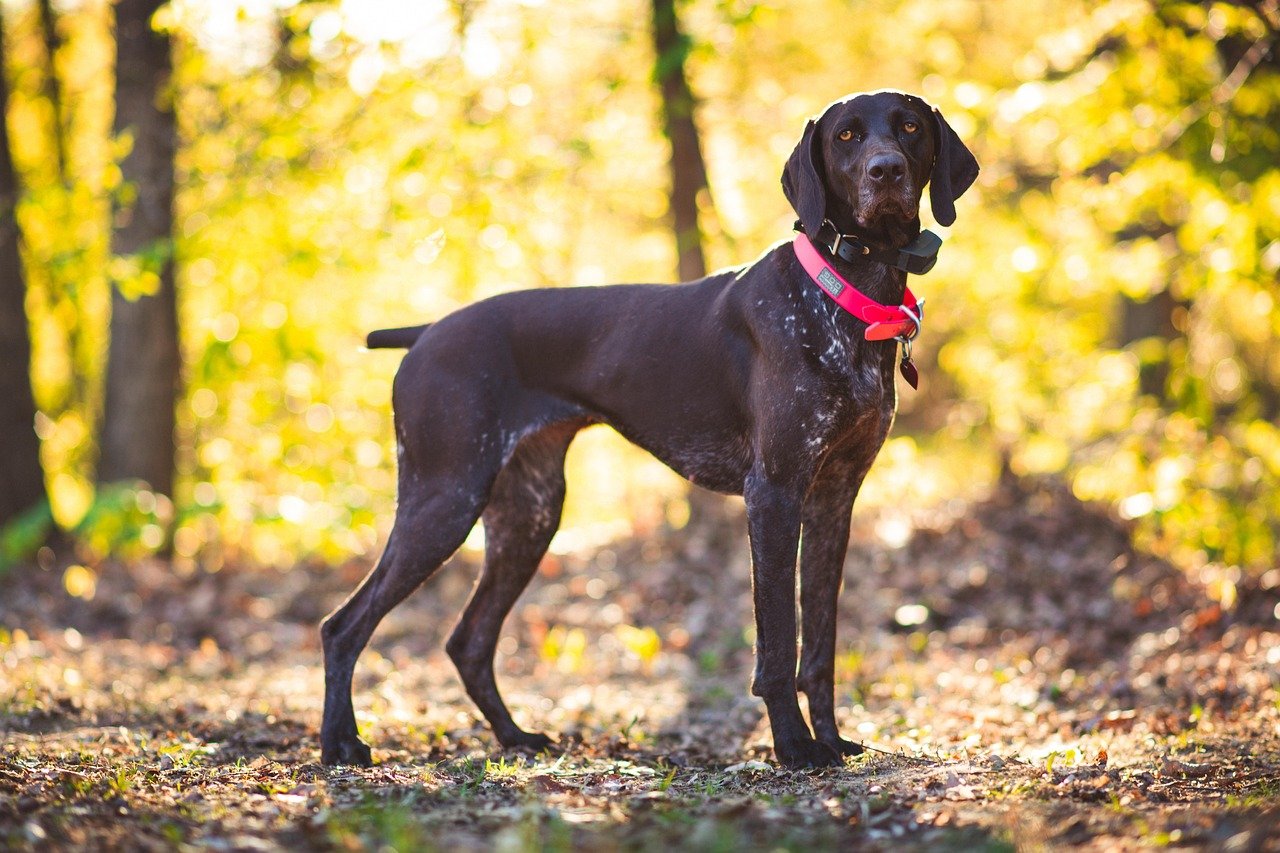
German Shorthaired Pointers are built for the outdoors. They’re athletic, agile, and thrive on physical activity, making them ideal for hiking, swimming, and camping in varied terrain. Their keen noses mean they’ll sniff out every new scent.
Pointers are prone to wander if they catch an interesting smell, so make sure your recall training is solid. Their short coats are easy to clean, but pack a sweater for cool nights. Watch for subtle signs of tiredness—GSPs can overdo it without realizing.
Standard Poodle: The Surprisingly Rugged Camper
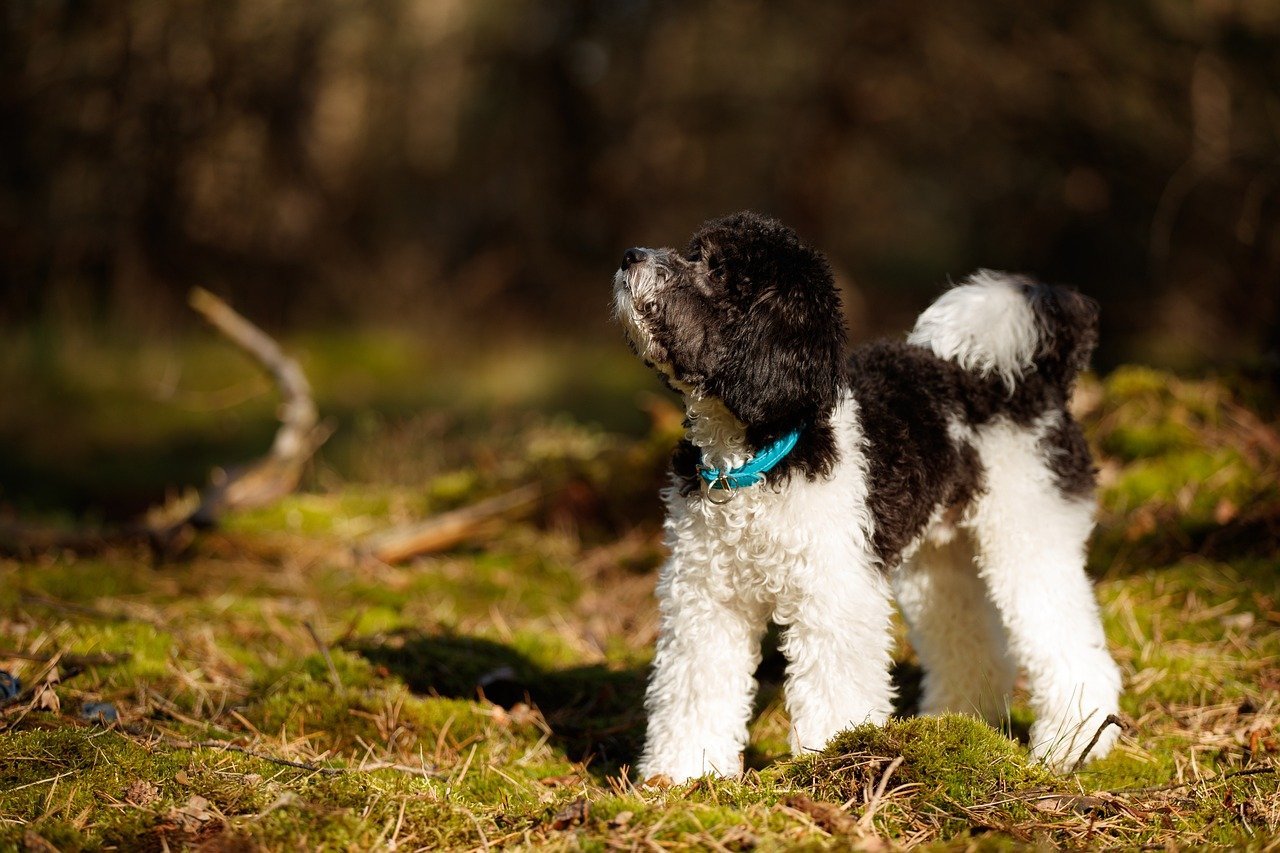
Standard Poodles are often underestimated, but their intelligence and athleticism make them fantastic camping companions. They’re hypoallergenic, so they won’t leave hair everywhere, and they love water.
Keep their curly coats trimmed to avoid tangles and debris. Poodles are sensitive to both hot and cold, so bring appropriate gear for changing weather. They thrive on routine and praise, so keep your camping days structured and fun.
Breeds That Don’t Thrive in the Wild: French Bulldog

French Bulldogs are adorable, but camping isn’t their forte. Their short snouts make breathing difficult, especially in heat or on strenuous walks. Frenchies can quickly overheat or tire out on even short hikes.
They’re happiest in stable, cool environments and can become anxious with too much change. If you must bring your Frenchie, stick to short, relaxed outings and bring plenty of shade and water.
English Bulldog: The Couch Potato
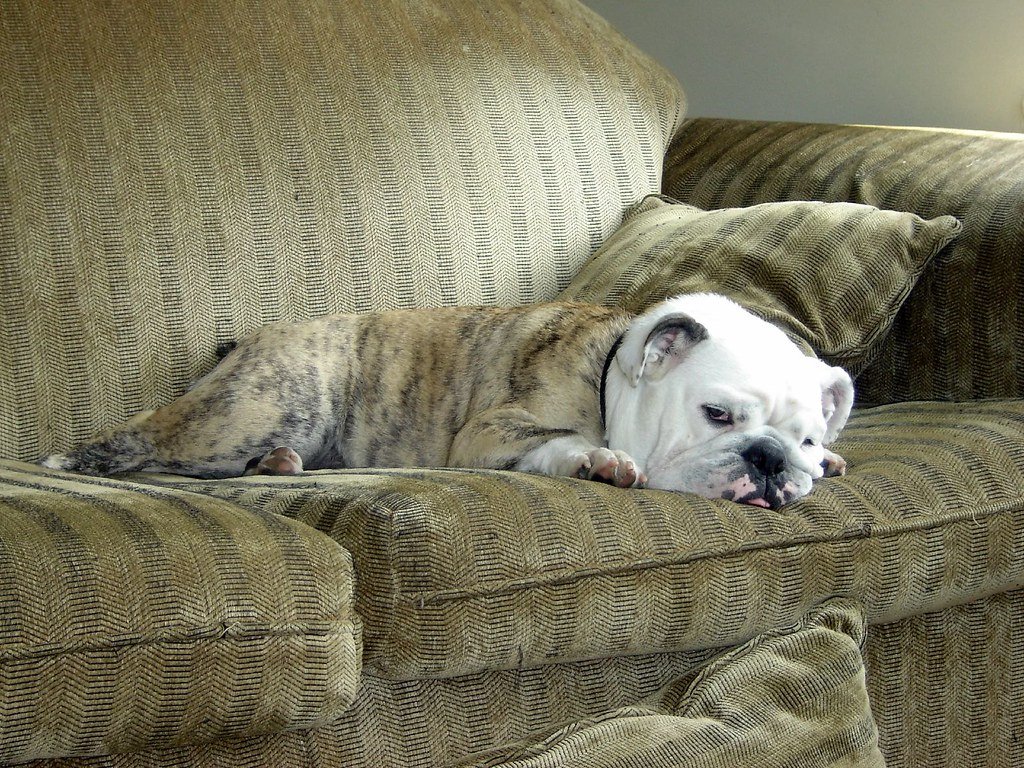
English Bulldogs are lovable homebodies. Their heavy build and flat faces make them prone to overheating and respiratory distress, especially in warm or humid weather. Long walks and rugged trails can be tough on their joints.
Bulldogs prefer lounging to hiking. If your pup insists on tagging along, plan for lots of breaks, gentle strolls, and a comfy spot to nap. Keep a close eye out for labored breathing or signs of fatigue.
Shih Tzu: The Delicate Diva

Shih Tzus are charming, but their small size and luxurious coats aren’t made for the great outdoors. They’re sensitive to extreme temperatures, and their long hair can trap dirt and debris easily.
Shih Tzus can tire quickly and aren’t natural hikers. If you want to introduce them to nature, choose short, easy walks and bring grooming supplies for quick cleanups. Never leave them unattended—they’re vulnerable to wildlife and accidents.
Pekingese: The Royal by the Fire
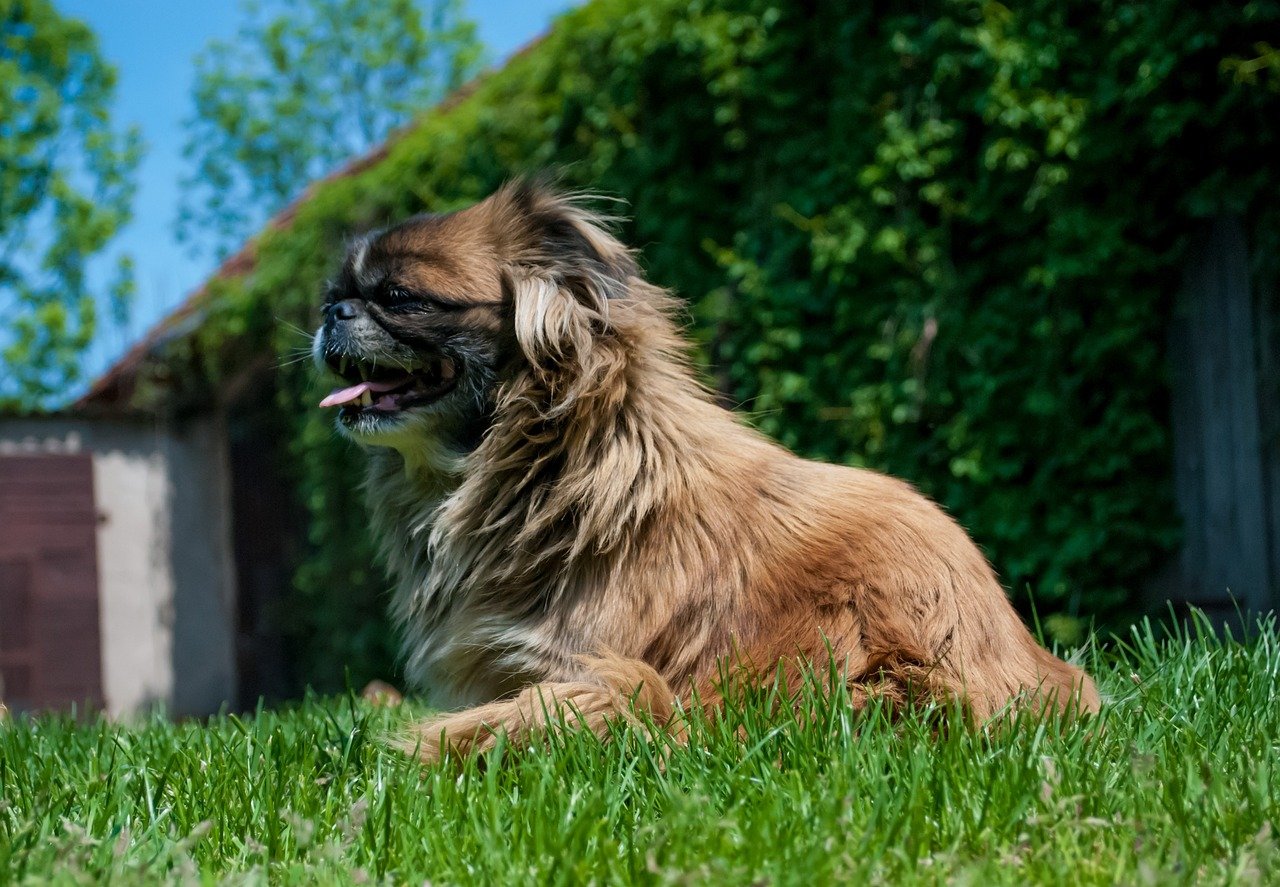
Pekingese are dignified lapdogs who prefer the comfort of home. Their flat faces and thick coats make temperature regulation a challenge, and their short legs aren’t built for uneven terrain.
Pekingese can easily become overheated or exhausted on outdoor excursions. If you take them camping, set up a cozy, shaded resting area and avoid strenuous activities. Watch for signs of stress or breathing difficulties, and keep outings brief.
Chow Chow: The Independent Spirit
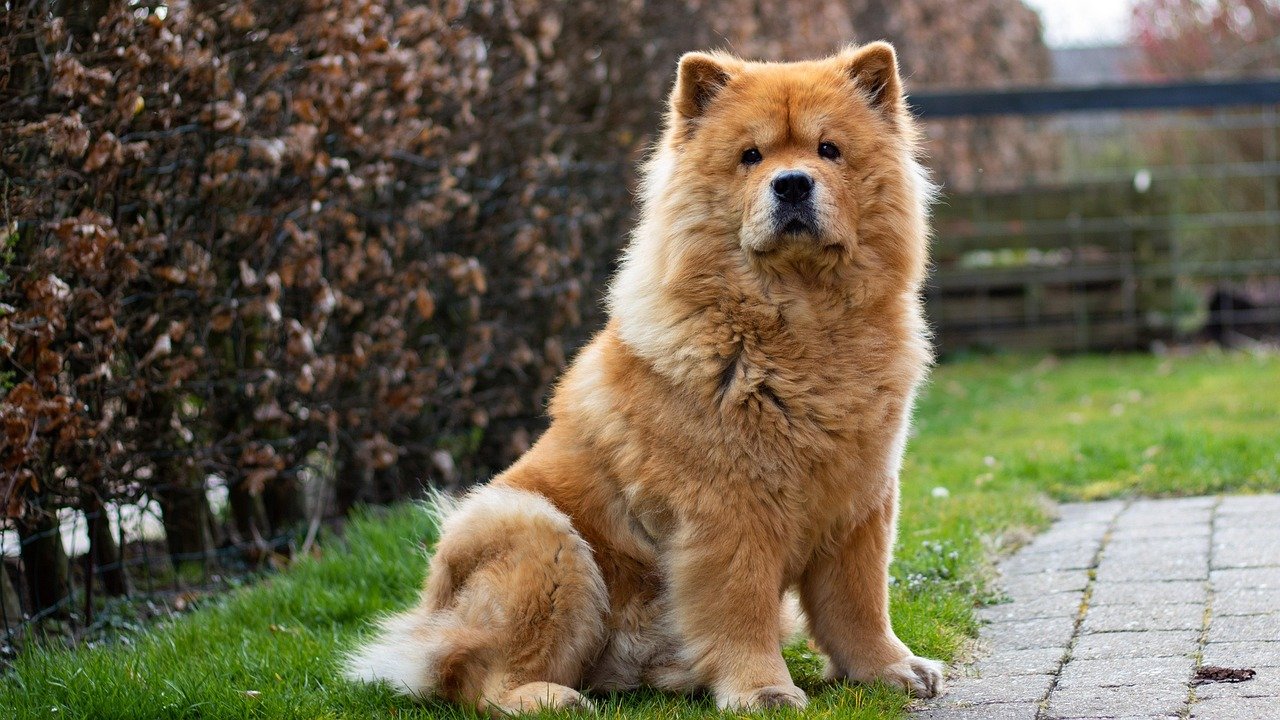
Chow Chows are majestic but aloof. Their thick fur and independent nature make them less suited for camping trips. They don’t love heat and may be wary of strangers or new situations, making the bustling campground environment stressful.
If you bring a Chow, ensure they always have access to cool shade and fresh water. Supervise interactions with other campers and dogs, as they can be protective. Watch for signs of discomfort or withdrawal, and be ready to head home early if needed.


