
Picture this: your neighbor knocking at your door with a weary expression, dark circles under their eyes, asking if your dog ever takes a break from parkour practice at 3 AM. Maybe you’ve experienced that sinking feeling when you come home to find your sofa transformed into modern art courtesy of your four-legged Picasso. If these scenarios sound familiar, you might be sharing your home with one of nature’s energy powerhouses.
Living in an apartment with a high-energy dog can be a challenging balancing act. While any breed can potentially adapt to smaller spaces with the right care, some dogs simply come wired with energy levels that make apartment living a monumental task for both pet and owner. From breeds that were designed to run for miles to those who see every closed door as a personal challenge, these energetic companions need more than most apartment dwellers can realistically provide.
Siberian Husky

Admired for their beautiful eyes and wolf-like features, Siberian huskies have endless amounts of energy and are great for active pet parents who live in cold weather climates. As with most working dog breeds, Siberians need at least an hour or two of exercise a day, which makes apartment living incredibly demanding.
Have you ever heard a Husky howl or throw a tantrum? If you have, you know exactly why this breed isn’t apartment-friendly and why so many building managers restrict them. These vocal performers don’t just bark occasionally; they hold full conversations with themselves, their owners, and anyone within a three-block radius.
Siberian Huskies also aren’t huge fans of being inside. Most Huskies would prefer to be outdoors at all times if possible, and many apartments don’t have any accessible outdoor space. Their wanderlust is legendary among dog owners, and a bored Husky in a small space often becomes an escape artist extraordinaire.
The shedding situation alone can overwhelm apartment living. Huskies also shed a lot, which can be a huge pain in a small space. Think tumbleweeds of fur rolling across your hardwood floors twice a year during shedding season.
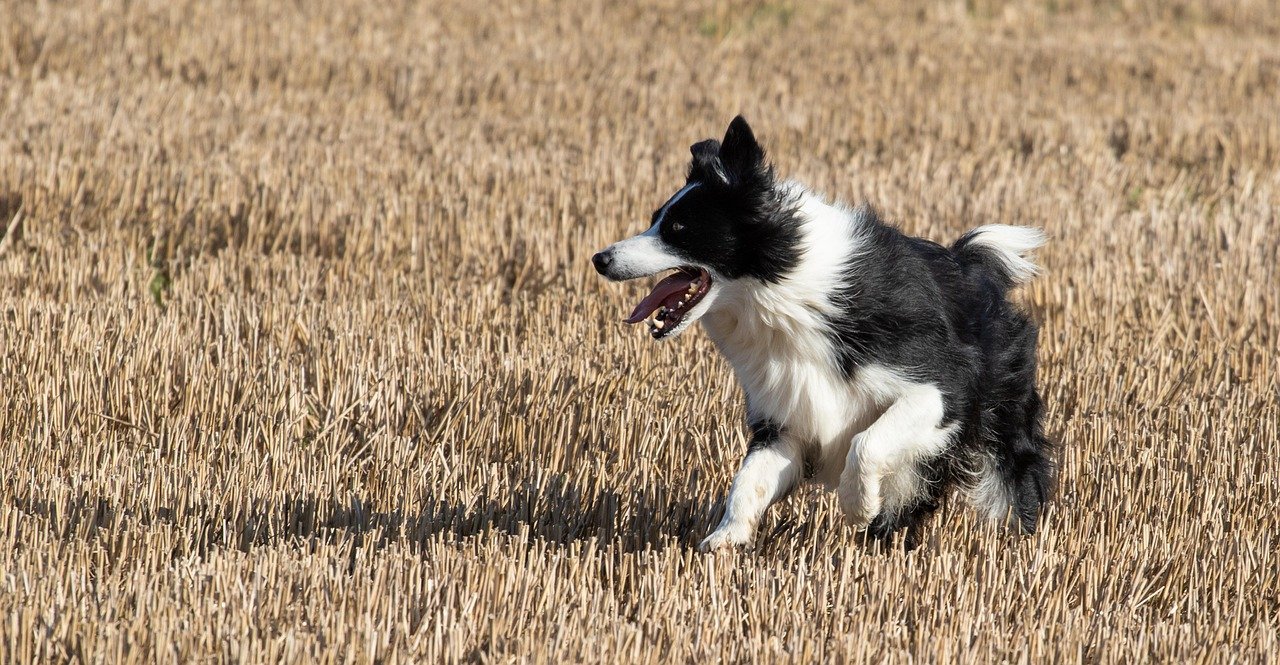
Border Collie
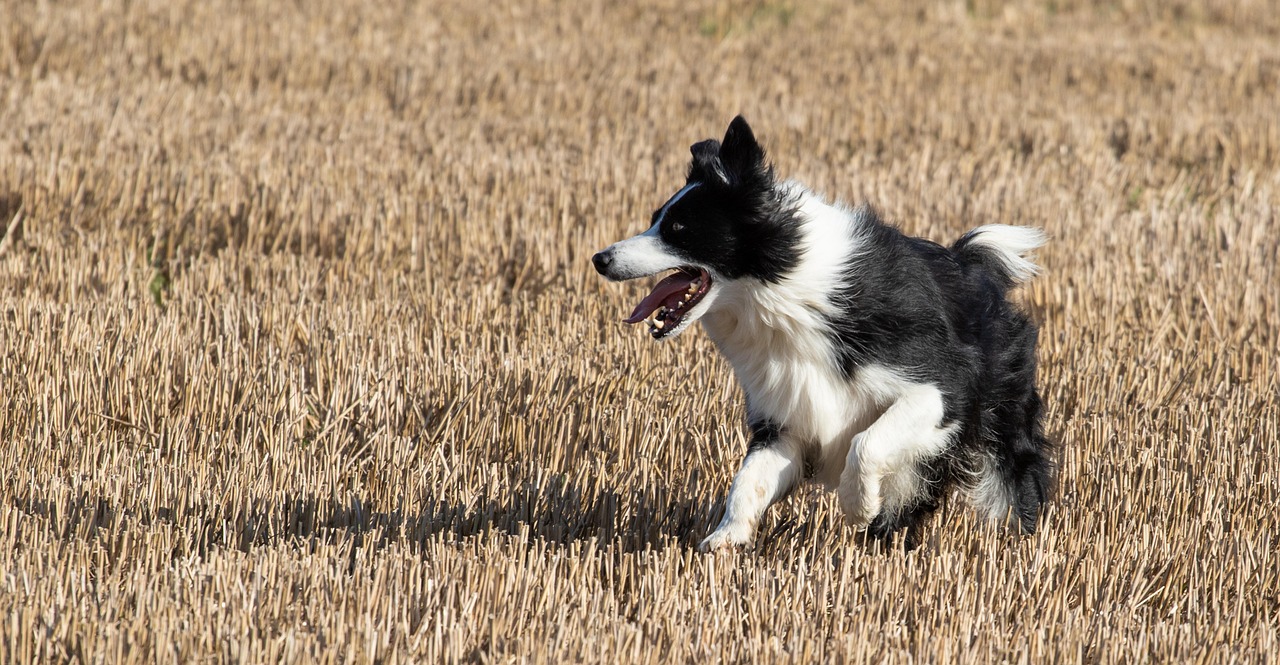
But unlike many other dogs, border collies need a place to let loose and burn off some energy. They are like little balloons of energy ready to pop at any moment. If you don’t give them the daily attention they need to drain this energy, then they may very well pop.
These canine Einstein’s require more mental stimulation than most breeds combined. Border collies are built to work and they are built to learn. They need daily mental and physical stimulation or they will go stir crazy. In an apartment setting, this translates to needing creative solutions for both physical exercise and brain games constantly.
Border collies need a couple hours of your time per day, at the very least. For apartment dwellers, this means multiple walks, training sessions, and mental challenges throughout the day. Because you’re the one in charge of their exercise and physical fitness, you’re going to be outside a lot more than you’re used to. Think about it, not only does your border collie need to go to the bathroom, but they also need exercise and plenty of it.
German Shorthaired Pointer

German Shorthaired Pointer (GSP) dogs have their roots in 17th-century Germany. They make up for great hunting dogs and, thus, are one of the most high energy dogs. These athletic powerhouses were bred for endurance hunting, not lounging on apartment balconies.
However, when it comes to exercise, they need at least 2 hours of exercise every day and love engaging in tracking, retrieving, running, and swimming. Two hours of daily exercise in an apartment setting means you’ll practically be living at the local dog park or hiking trails.
Quintessential hunting dogs, German shorthaired pointers are brown-and-white bundles of energy, meaning short walks around the block simply won’t cut it. With a huge love for the outdoors, German shorthaired pointers are happiest when they’re running, hiking, swimming, or competing in agility and field events.
Additionally, dog parents should provide GSPs with mind games and training to allow them to become happy dogs. Without proper mental and physical outlets, these intelligent hunters can become destructive problem-solvers in your living room.
Jack Russell Terrier
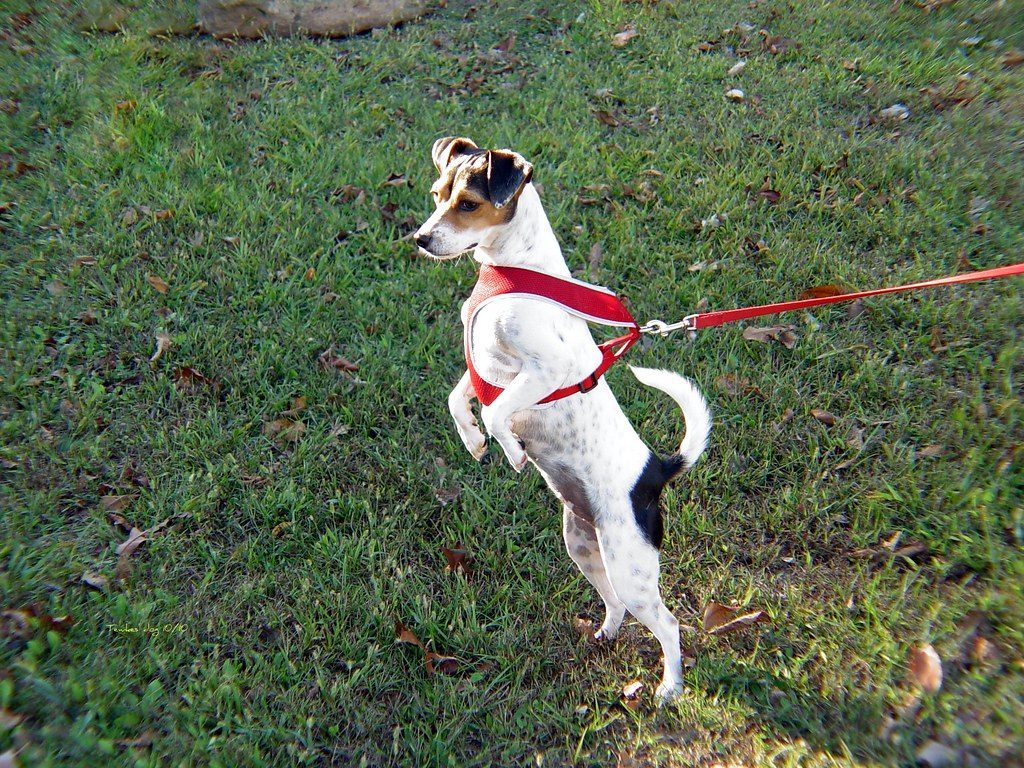
At first glance, a Jack Russell Terrier might seem like a calm little dog. However, don’t mistake their size for their energy levels. Jack Russell Terriers are one of the small energetic dog breeds. Their compact size might fool apartment seekers into thinking they’re perfect city dogs, but that’s a dangerous assumption.
Sometimes nicknamed “Jack Russell Terrors,” the Jack Russell Terrier is a breed designed for the fast life. These little dynamos were originally bred for fox hunting and still retain every ounce of that hunting drive.
They can match the energy of any of the dogs in this list of top 10 most energetic dog breeds. Don’t let their adorable size fool you into thinking apartment life will be simple. Jack Russell Terriers can jump nearly 5 feet in the air. Your kitchen counters aren’t safe, and neither is your sanity if these dogs don’t get adequate exercise.
Like the Jack Russell Terrier from which it gets half its genes, the Jack-A-Bee is often considered a “big dog in a small dog’s body.” They are independent creatures with a curious nature and a strong work drive. Though bold and protective, they can also be rascally and excel at mischief.
Australian Shepherd
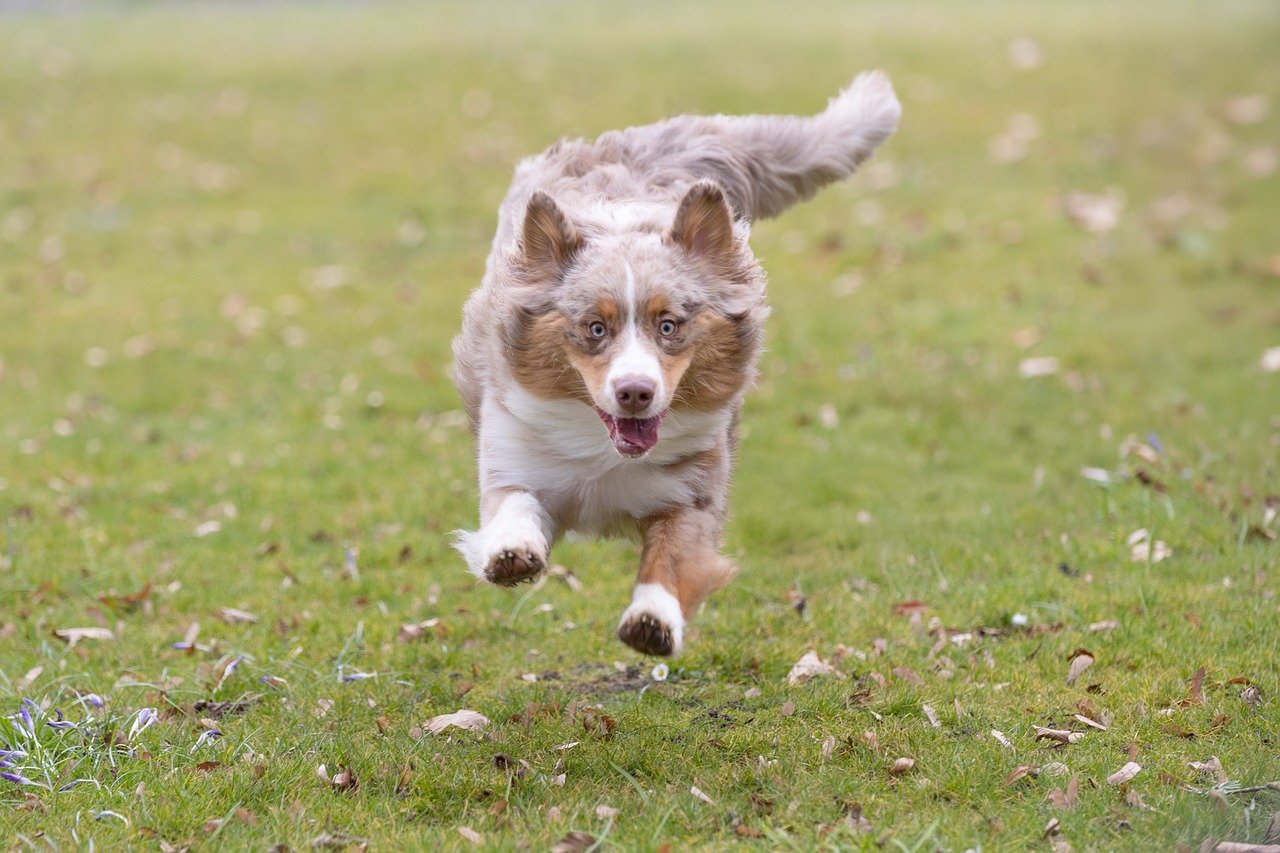
These intelligent, loyal, and energetic dogs were originally bred for their herding instincts, and their eager-to-please personalities mean they’re always game for a romp outside. Australian shepherds, affectionately dubbed Aussies, need to stay busy and stimulated with daily exercise.
Australian Shepherds are like having a furry personal trainer who never takes vacation days. They thrive in a working environment and are the perfect companion for owners who enjoy high-energy activities like playing Frisbee and long walks or hikes. In apartment living, this translates to needing multiple intense exercise sessions daily.
Border Collies, Australian Shepherds, and other working breeds can thrive in cities with owners who provide adequate mental stimulation, but the commitment required is substantial. Border Collies, Australian Shepherds, and Belgian Malinois can work in cities but require owners who can provide 2+ hours of focused exercise and mental stimulation daily. Without adequate stimulation, they often develop destructive behaviors.
Their herding instincts can also create challenges in apartment buildings where they might try to “manage” other tenants, children, or even elevator passengers. This behavior stems from generations of breeding to control livestock movement.
English Springer Spaniel
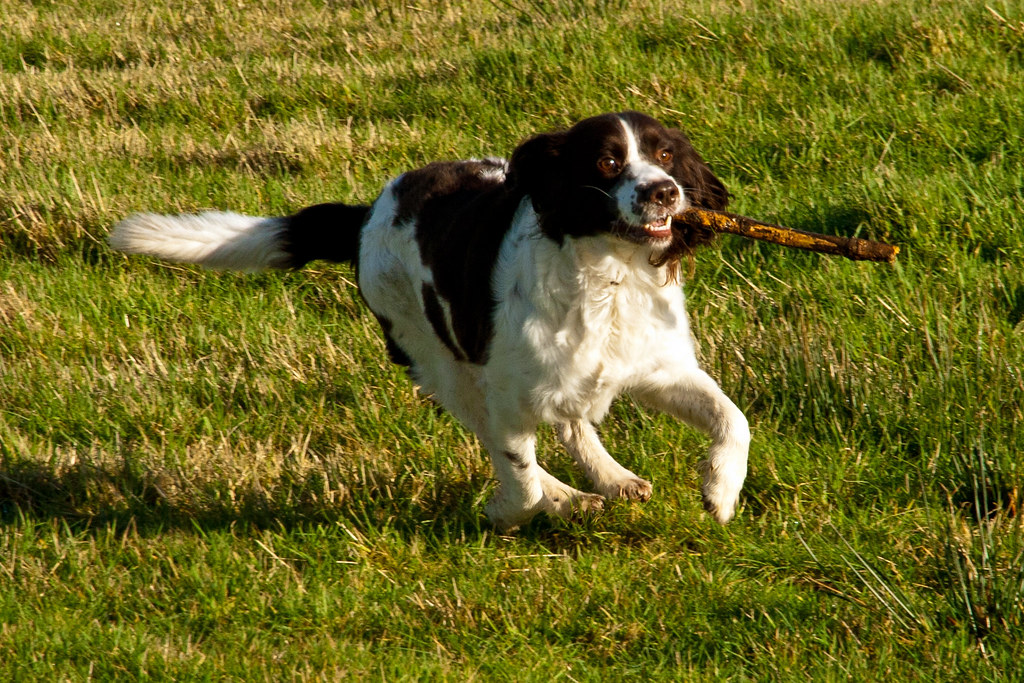
On top of being undeniably eye-catching, English springer spaniels are loved for their friendly nature. Bred as hunting dogs, these pups have high energy levels, needing an hour or two of activity per day, making access to a spacious yard ideal.
These enthusiastic sporting dogs don’t understand the concept of “indoor voices” or “taking it easy.” Otherwise, plenty of long walks, visits to the dog park, or off-leash running should do the trick. With a taste for adventure, English springer spaniels are also the perfect hiking, hunting, and running companions.
English Springer Spaniels approach life with boundless enthusiasm that can overwhelm small living spaces. Their zest for outdoor adventures means apartment life requires extensive daily commitments to off-site exercise and stimulation. Without adequate outlets, these naturally exuberant dogs can redirect their energy into less desirable indoor activities.
Their friendly nature can also become problematic in apartment settings where they want to greet and play with every person and dog they encounter in hallways, elevators, and common areas, sometimes overwhelming neighbors who aren’t prepared for such enthusiastic interactions.
Whippet
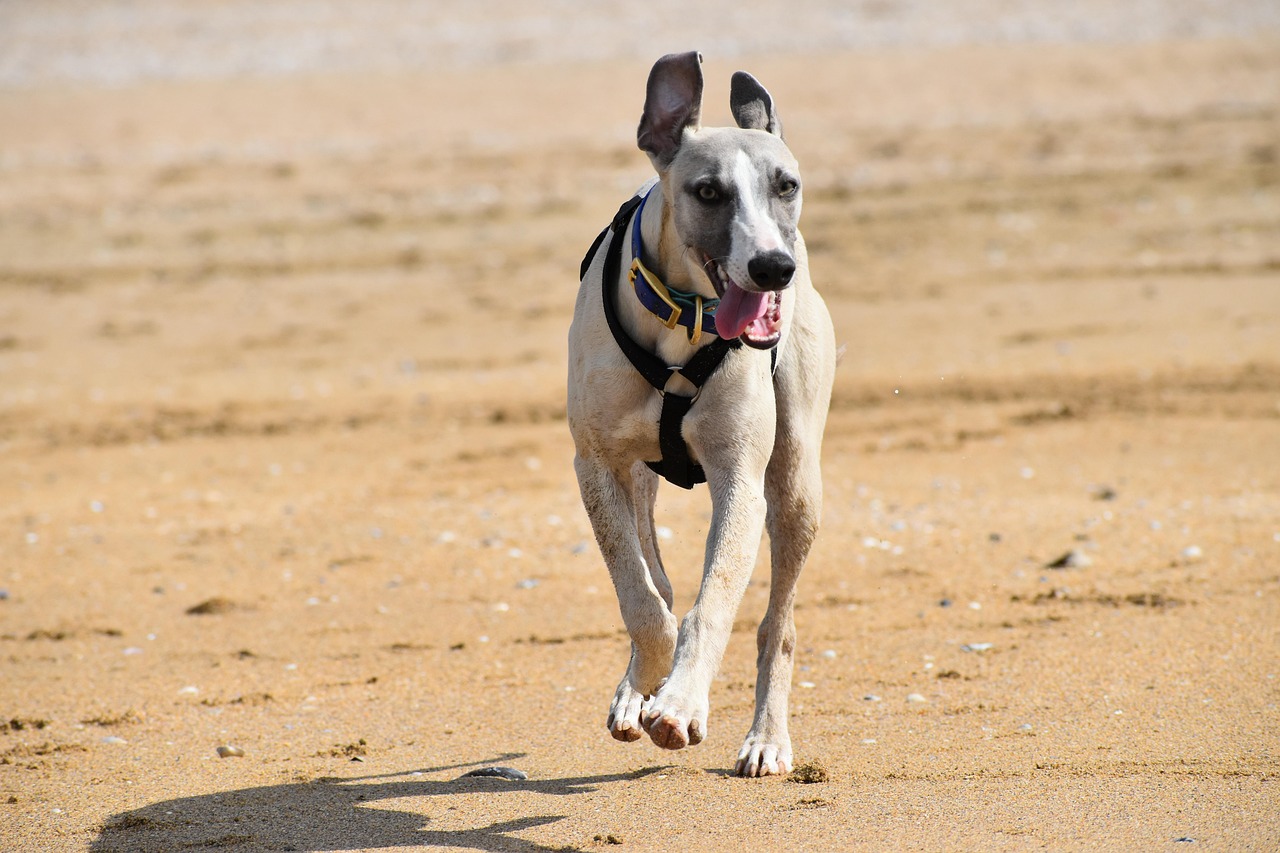
The Whippet is a high-energy breed that can be well-suited for apartment living – if they get exercised enough. Owners of this breed should take them out for walks at least twice a day. While some might argue Whippets can work in apartments, the exercise requirements make this challenging for many urban dwellers.
If under-exercised, Whippets tend to become destructive and exhibit other behavioral issues. A Whippet that gets enough exercise can thrive in an apartment. The key phrase here is “if they get exercised enough,” which often proves more demanding than anticipated.
These sight hounds have an intense prey drive and need space to run at full speed regularly. Their racing instincts mean they require more than casual neighborhood walks. Whippets need opportunities for full-speed sprinting, which apartment living rarely provides conveniently.
Though they can be couch potatoes between exercise sessions, meeting their running requirements consistently can be challenging without immediate access to fenced areas where they can safely reach their impressive top speeds.
Beagle

They enjoy working, especially due to their high energy requirements when they are younger. Beagles get along excellently with kids as family pets and will often tolerate pulling on ears and tugging at tails during playtime. Beagles are affectionate and loving yet extremely driven workers.
Beagles, most hounds, and some terriers are bred to be vocal and may struggle with apartment noise restrictions. Their signature baying can create immediate conflicts with neighbors, especially in buildings with thin walls.
These scent-driven hounds live in a world of fascinating smells that apartment living can’t satisfy. Beagles need extensive opportunities to use their noses, following trails and investigating outdoor environments. The mental stimulation they gain from tracking and scent work is difficult to replicate indoors.
Their working heritage means Beagles can become restless and vocal when their natural instincts aren’t regularly exercised. They are still used by hunters for tracking purposes to this day but are widely thought of as lapdogs in the United States. Beagles are medium-sized (sometimes smaller) and are often used as a working breed, particularly by USDA’s Beagle Brigade to detect prohibited agricultural items at airports and border crossings. This working drive doesn’t disappear in apartment living.
Golden Retriever

Needing at least an hour of exercise a day, these beloved pups are great companions for owners who enjoy walking, running, hiking, and being outdoors. They also have an instinctive love of water and are happy to get wet while playing fetch.
If you’re a city dweller, goldens can survive in an apartment setting, but it’s key that you get them outside regularly to ensure they live a fit, happy, and fulfilling life, especially since they’re prone to obesity and other weight-related health problems. The emphasis on “survive” rather than “thrive” tells you everything about apartment suitability.
Golden Retrievers are substantial dogs with equally substantial exercise needs. Their size alone can make small apartments feel cramped, but their energy requirements make urban living a full-time commitment. These retrievers need space to play fetch, opportunities to swim when possible, and extensive daily exercise.
Their friendly nature means they want to interact with everyone they meet, which can be overwhelming in apartment hallways and elevators. Their enthusiasm for life translates to needing multiple daily outlets that go well beyond brief potty walks.
Weimaraner
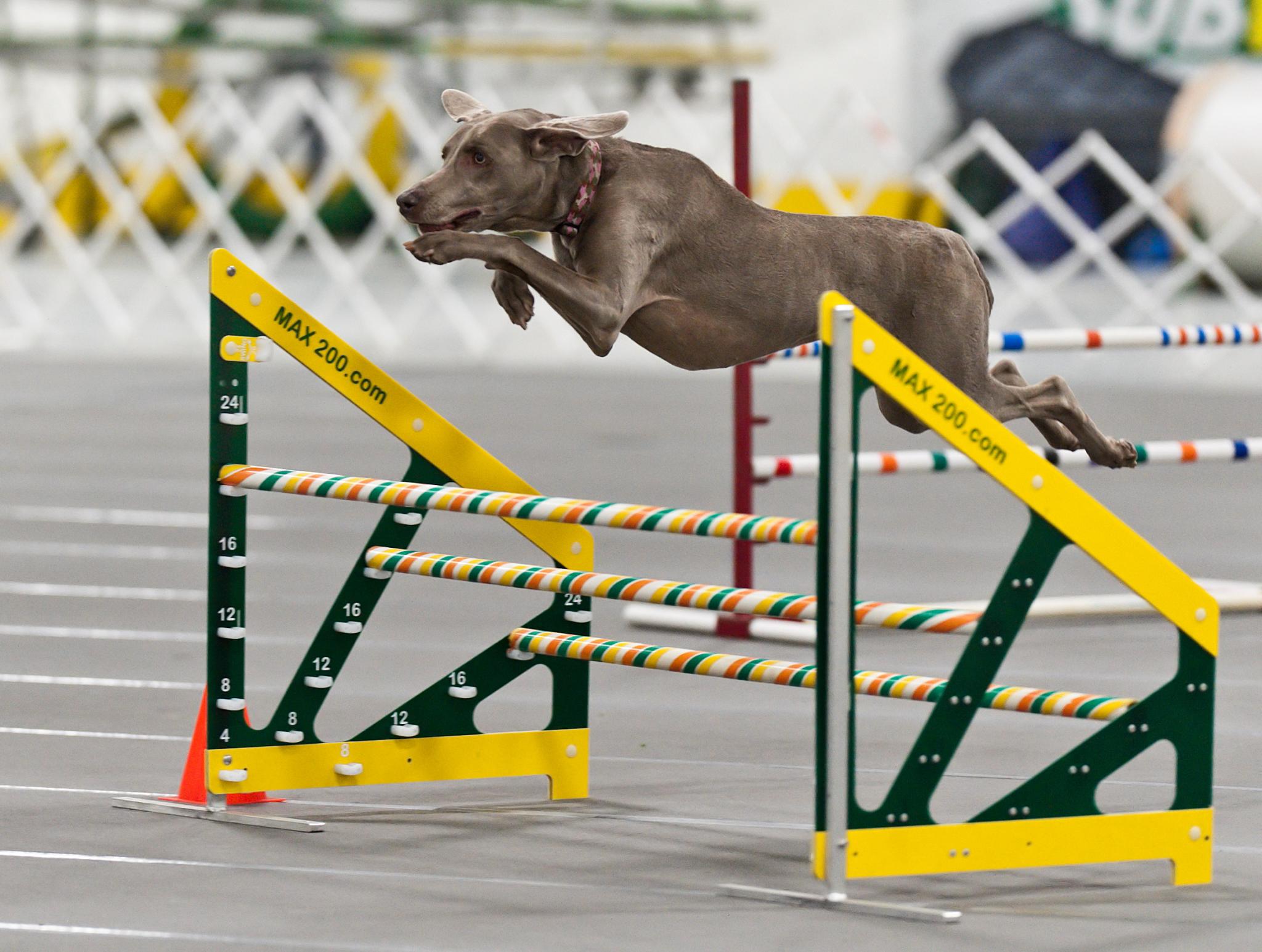
Often called the “Gray Ghost,” Weimaraners combine stunning looks with relentless energy levels that can exhaust even the most dedicated dog owners. These elegant hunting dogs were bred for stamina and endurance, traits that make apartment living particularly challenging.
Weimaraners form intense bonds with their families and can develop severe separation anxiety when left alone in small spaces. Their size, combined with their need for constant activity and mental stimulation, makes them poorly suited for apartment living without extensive daily commitments to exercise and enrichment.
These athletic dogs need jobs to do and problems to solve. Without adequate physical and mental challenges, Weimaraners can become destructive and develop behavioral issues. Their hunting heritage means they need opportunities to run, track, and engage their natural instincts regularly.
Their vocal nature and tendency to “talk” to their owners can also create noise issues in apartment settings. Weimaraners don’t understand the concept of quiet hours and often express their needs and emotions through various vocalizations.
Conclusion
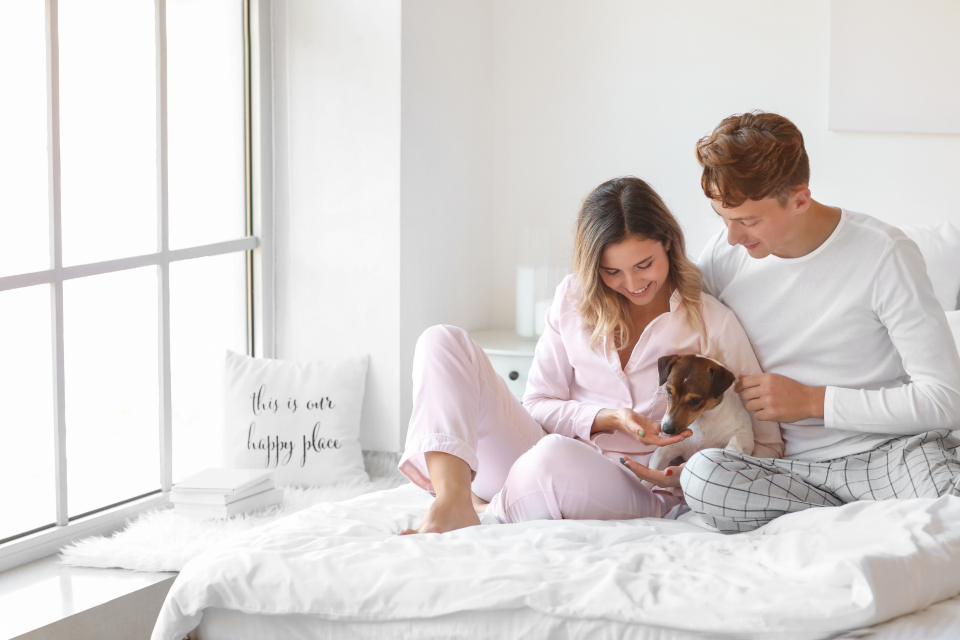
Living with a high-energy breed in an apartment isn’t impossible, but it requires honest self-assessment about your lifestyle, time availability, and commitment level. These breeds didn’t make this list because they’re bad dogs – quite the opposite. They’re incredible animals with specific needs that apartment living often can’t adequately meet.
Before falling in love with any high-energy breed, consider whether you can realistically provide multiple hours of daily exercise, mental stimulation, and enrichment activities. Your neighbors will thank you, your furniture will survive longer, and most importantly, your furry companion will be truly happy rather than just surviving in your space.
What do you think about it? Have you successfully managed a high-energy breed in apartment living, or learned the hard way that some matches just aren’t meant to be? Tell us in the comments.


