Some cat breeds might act independent, but there are a few that truly crave your company. Breeds like the Siamese, Ragdoll, and Scottish Fold are known for their affectionate nature and don’t enjoy being left alone for long. These kitties form deep bonds with their humans and can get lonely or even anxious without regular interaction. From following you around the house to curling up in your lap the moment you sit, they thrive on companionship. If you have a busy lifestyle, these breeds might not be the best match unless you plan for a buddy or regular enrichment. Understanding their emotional needs helps ensure their happiness. After all, even cats need love and attention to feel secure.
Ragdoll: The Gentle Shadow
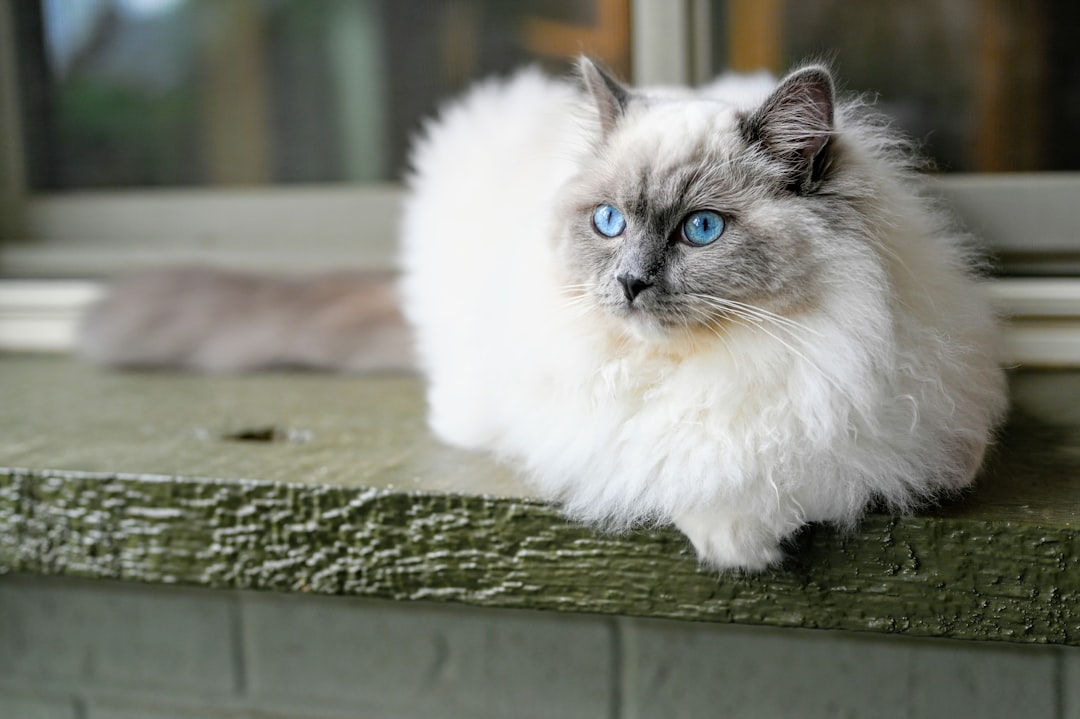
Ragdolls are famous for their dreamy blue eyes and soft, fluffy coats, but what truly sets them apart is their loving, people-oriented nature. These gentle giants are sometimes called “puppy cats” because they follow their humans from room to room, hoping for a cuddle or a sweet word. Leaving a Ragdoll alone for long stretches can be tough on their sensitive souls.
Ragdolls thrive on human interaction. If left without companionship, they may become withdrawn, lonely, or even start displaying signs of separation anxiety like excessive meowing or refusing to eat. These cats want to be part of everything you do — whether it’s working from home or binge-watching your favorite shows. Having another pet or arranging for a cat-sitter can make all the difference for a Ragdoll’s mental well-being.
Siamese: The Chatterbox Companion
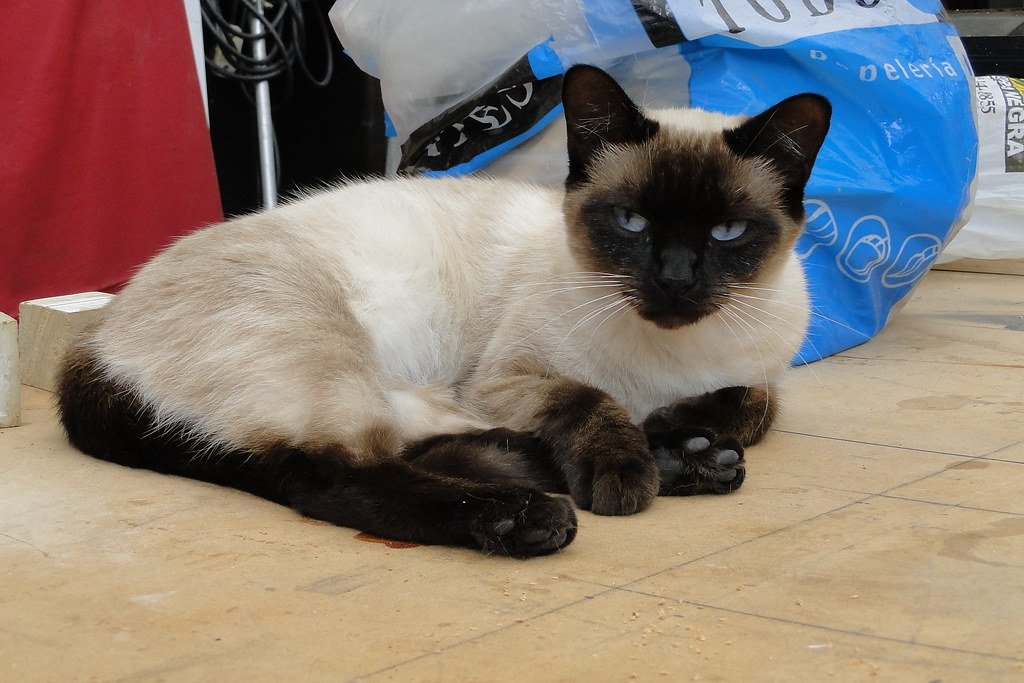
Siamese cats are legendary for their striking looks and, more importantly, their non-stop conversation. With their loud, expressive voices and bold personalities, Siamese cats are born extroverts. They form deep bonds with their humans and want to be at the center of every activity, offering commentary along the way.
When left alone, Siamese cats can become bored and even distressed, often expressing their unhappiness with loud yowls or mischievous antics. Their need for stimulation and company makes them poorly suited for households where everyone is gone long hours. If you love a talkative, interactive pet, Siamese cats will reward you with love — but they’ll also need your time and attention.
Burmese: The Velcro Cat
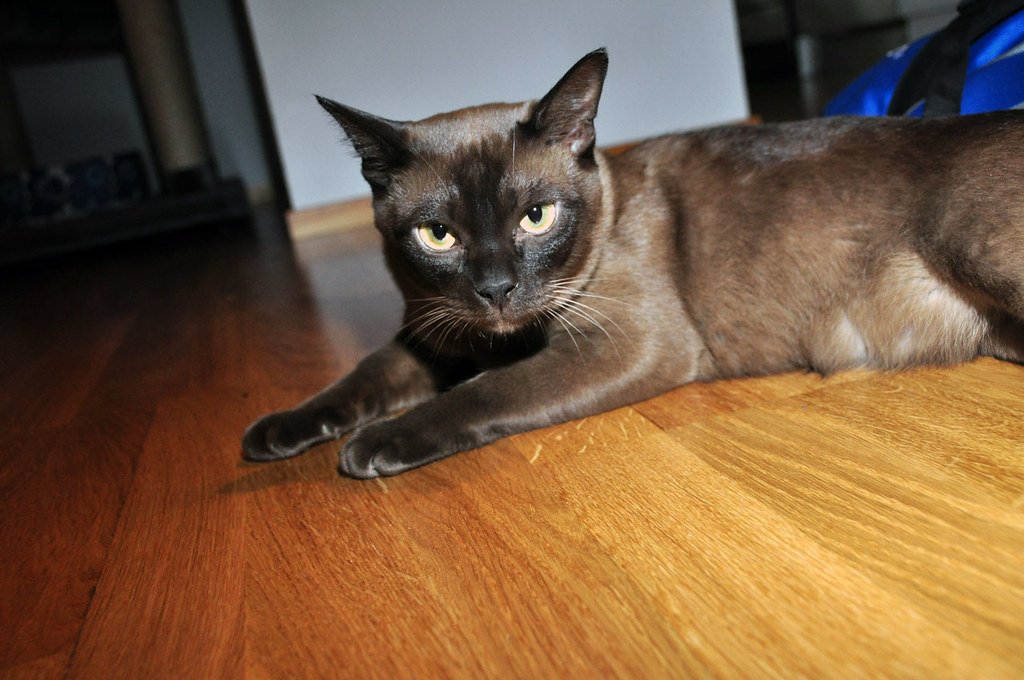
If you’ve ever wanted a cat who acts more like a devoted dog, look no further than the Burmese. These cats are famously affectionate and tightly attached to their families. It’s not uncommon for a Burmese to greet you at the door or even try to share your pillow at night.
Burmese cats can suffer from intense loneliness if left alone for too long. Their energetic and curious personalities mean they crave playtime and companionship throughout the day. Without it, they may develop behavioral issues such as obsessive grooming or destructive scratching. If you’re often away, consider a second pet or creative enrichment activities to keep your Burmese happy.
Maine Coon: The Gentle Giant With a Soft Heart
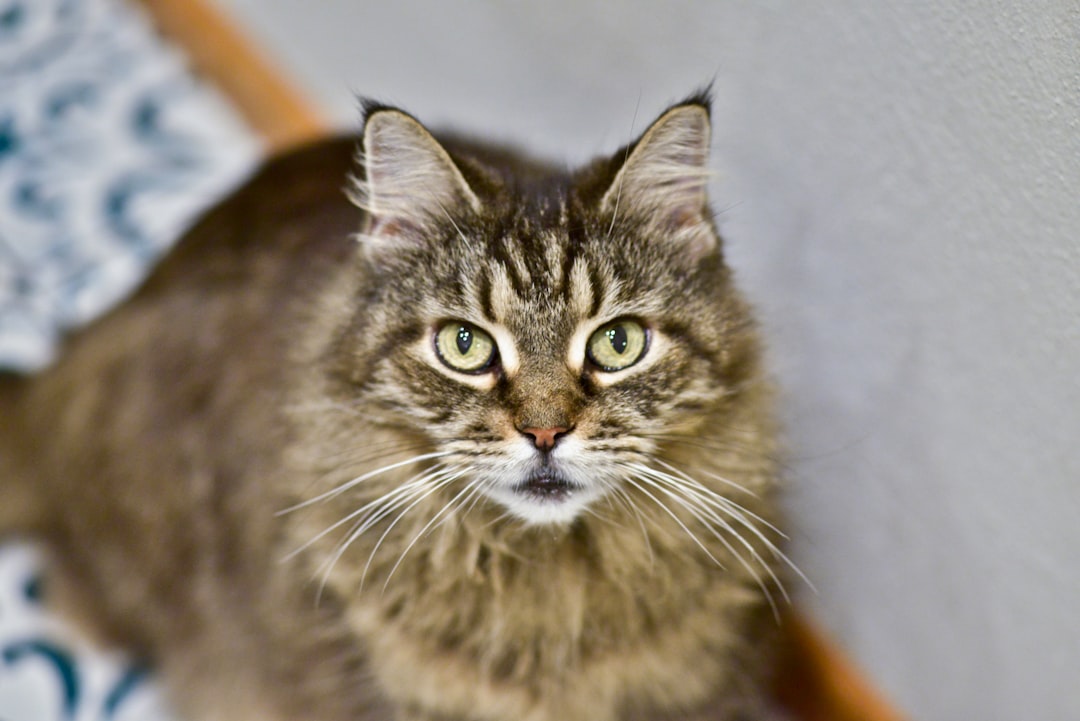
Maine Coons are one of the largest and most majestic cat breeds, but beneath all that fluff is a heart that longs for connection. These cats are gentle, friendly, and thrive on being included in family life. They love to “help” with chores or simply enjoy your company as you relax at home.
Despite their independent appearance, Maine Coons can become anxious and lonely if left alone for long periods. They may start acting out by knocking things over or vocalizing more than usual. Their sociable nature makes them happiest in busy households, especially with other pets or children. Leaving a Maine Coon alone for hours on end can leave a big, empty space in their loving hearts.
Sphynx: The Loyal Lap Cat
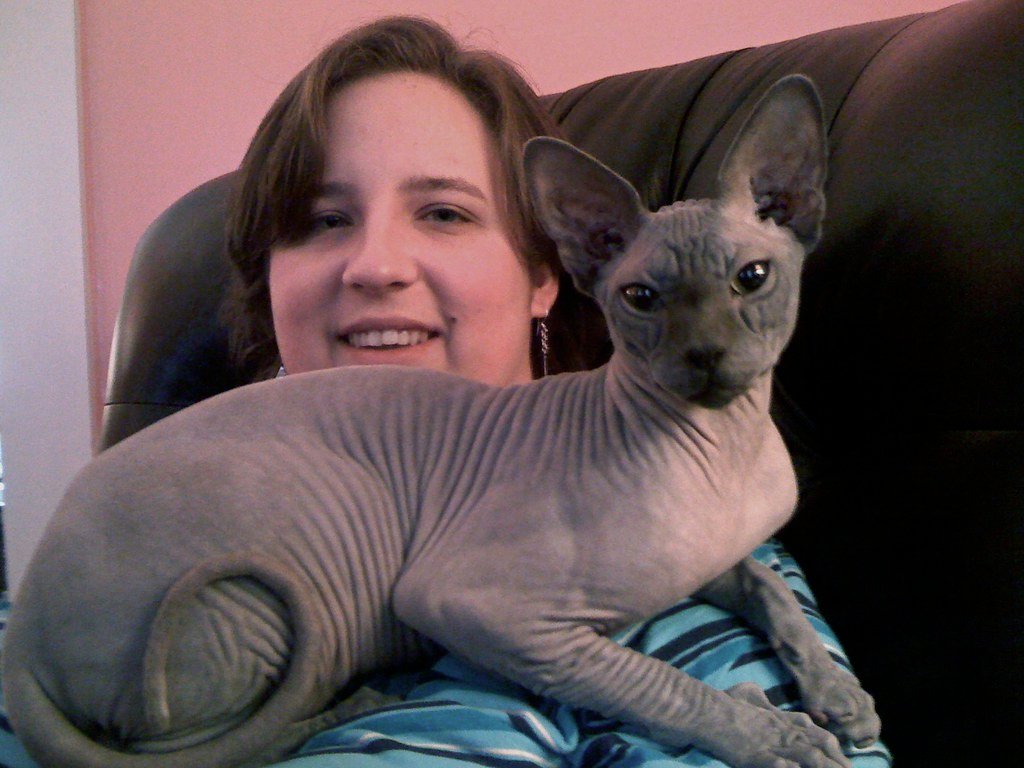
The Sphynx cat may be hairless, but they make up for it with warmth and affection. These cats are notorious for their need to be near their humans at all times — often curling up under your sweater or snuggling into your lap. Sphynx cats are highly social and often described as “clingy” in the sweetest way possible.
Extended solitude is hard on a Sphynx. They crave physical touch and mental engagement, and without it, they can become anxious or even depressed. They may start seeking attention in less-than-ideal ways, like knocking over objects or meowing incessantly. If you’re away often, a trusted friend or pet companion is essential for a Sphynx’s happiness.
Scottish Fold: The Sensitive Soul
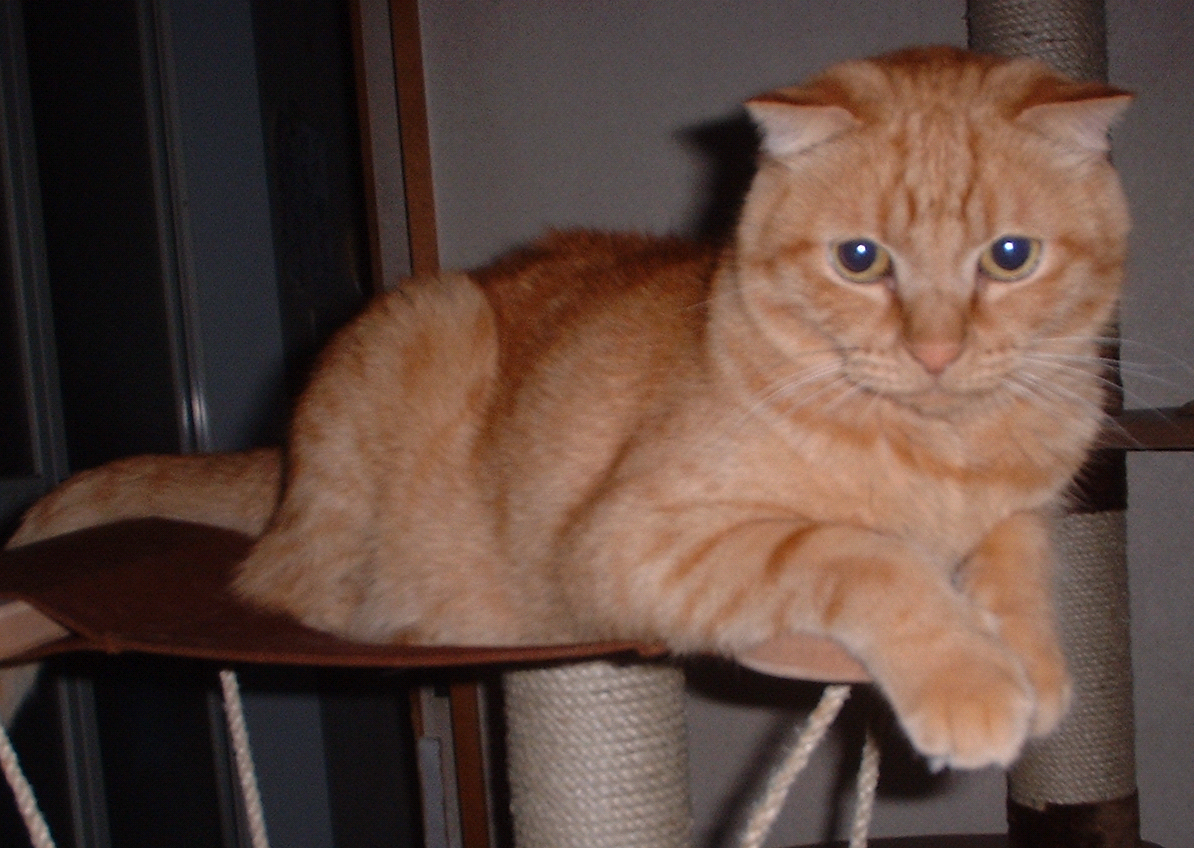
With their adorable folded ears and round faces, Scottish Folds look like living plush toys — but their emotional needs run deep. These cats are gentle, affectionate, and form strong attachments to their families. They love routines and find comfort in familiar company.
Scottish Folds can struggle with change and loneliness. Being left alone for extended periods can make them anxious or even lead to health issues like stress-induced digestive problems. They do best in homes where someone is around most of the time or where there are other pets for company. Their sweet, sensitive nature makes them crave constant reassurance and affection.
Oriental Shorthair: The Social Butterfly
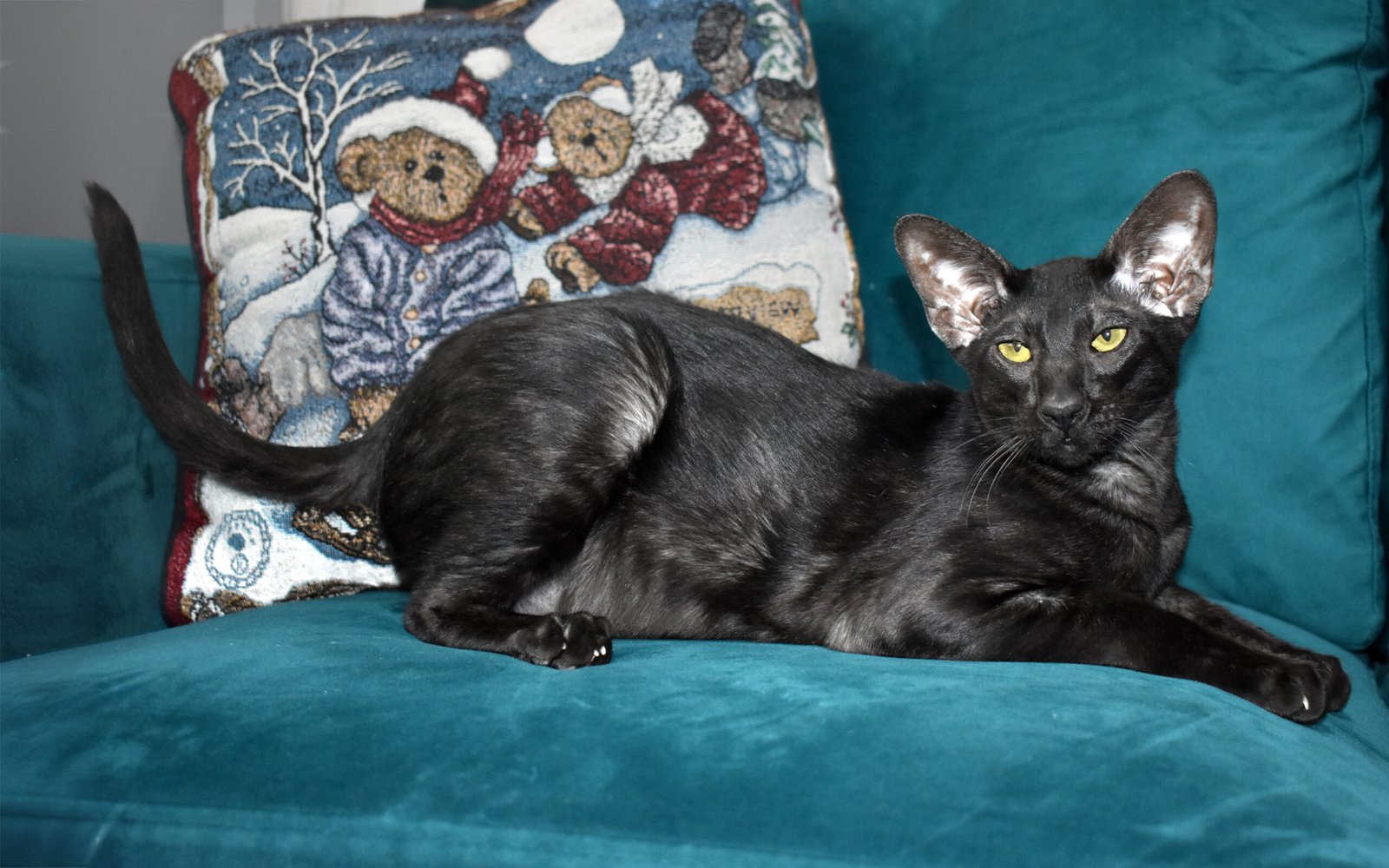
The Oriental Shorthair is sleek, elegant, and bursting with personality. These cats are highly social, loving to interact and communicate with everyone in the household. They’re curious, playful, and always eager to be involved in whatever you’re doing — from cooking dinner to folding laundry.
Alone time does not suit the Oriental Shorthair. They can become restless, bored, or even destructive if their need for company and stimulation isn’t met. Puzzle toys and interactive play can help, but nothing replaces the joy they find in human companionship. For these cats, loneliness isn’t just boring — it’s heartbreaking.
Tonkinese: The Playful Partner
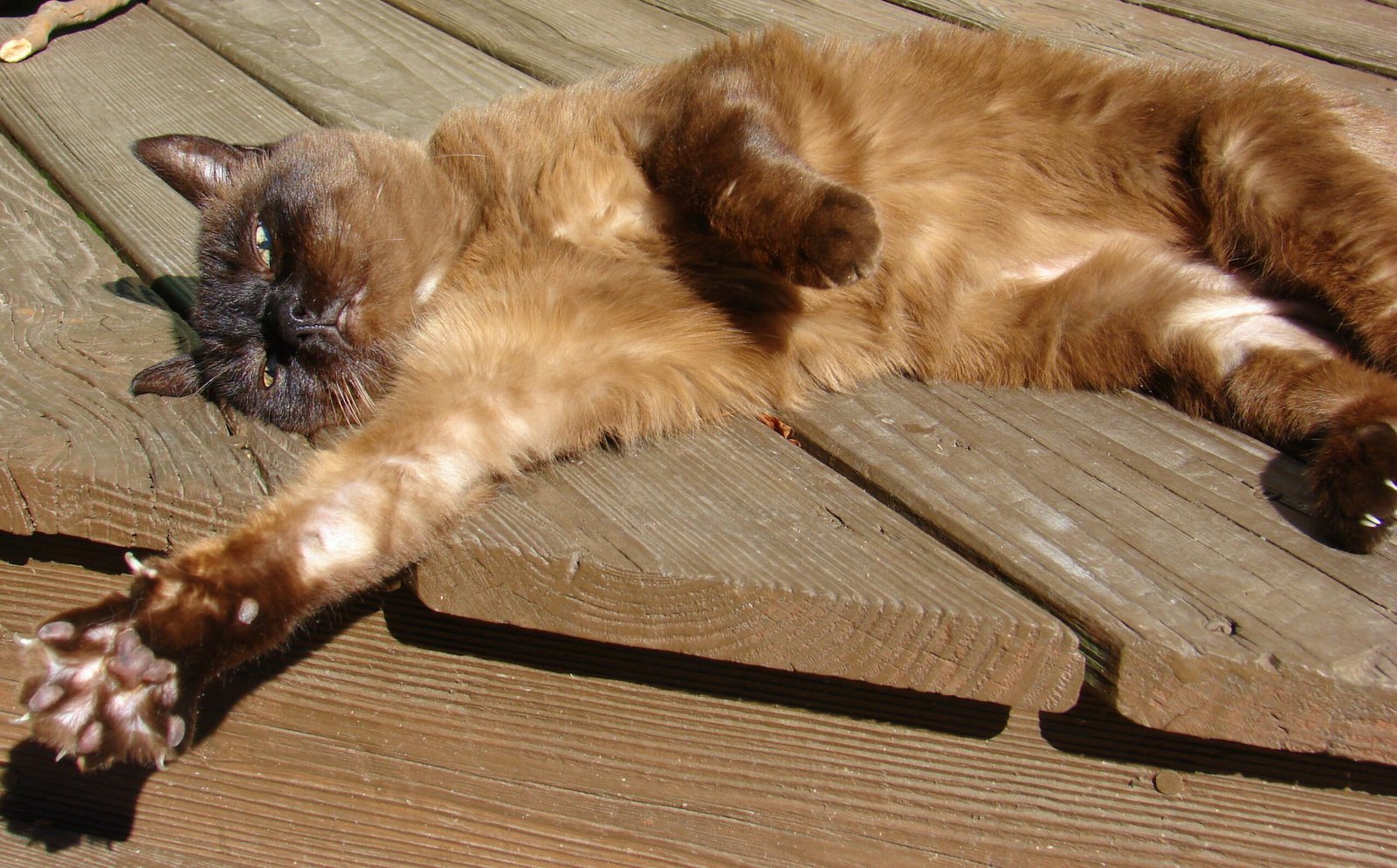
Tonkinese cats are a delightful blend of Siamese and Burmese traits, making them lively, affectionate, and incredibly people-focused. They love to play, chat, and follow their humans around like little shadows. Their playful antics and affectionate nature mean they thrive on interaction.
When left on their own, Tonkinese cats can quickly become bored and sad. They may act out with excessive vocalization or destructive behavior if they feel neglected. These cats need daily playtime, mental stimulation, and plenty of love to stay happy. If you’re away often, arranging for a pet sitter or a feline friend is a must.
Birman: The Gentle Nurturer
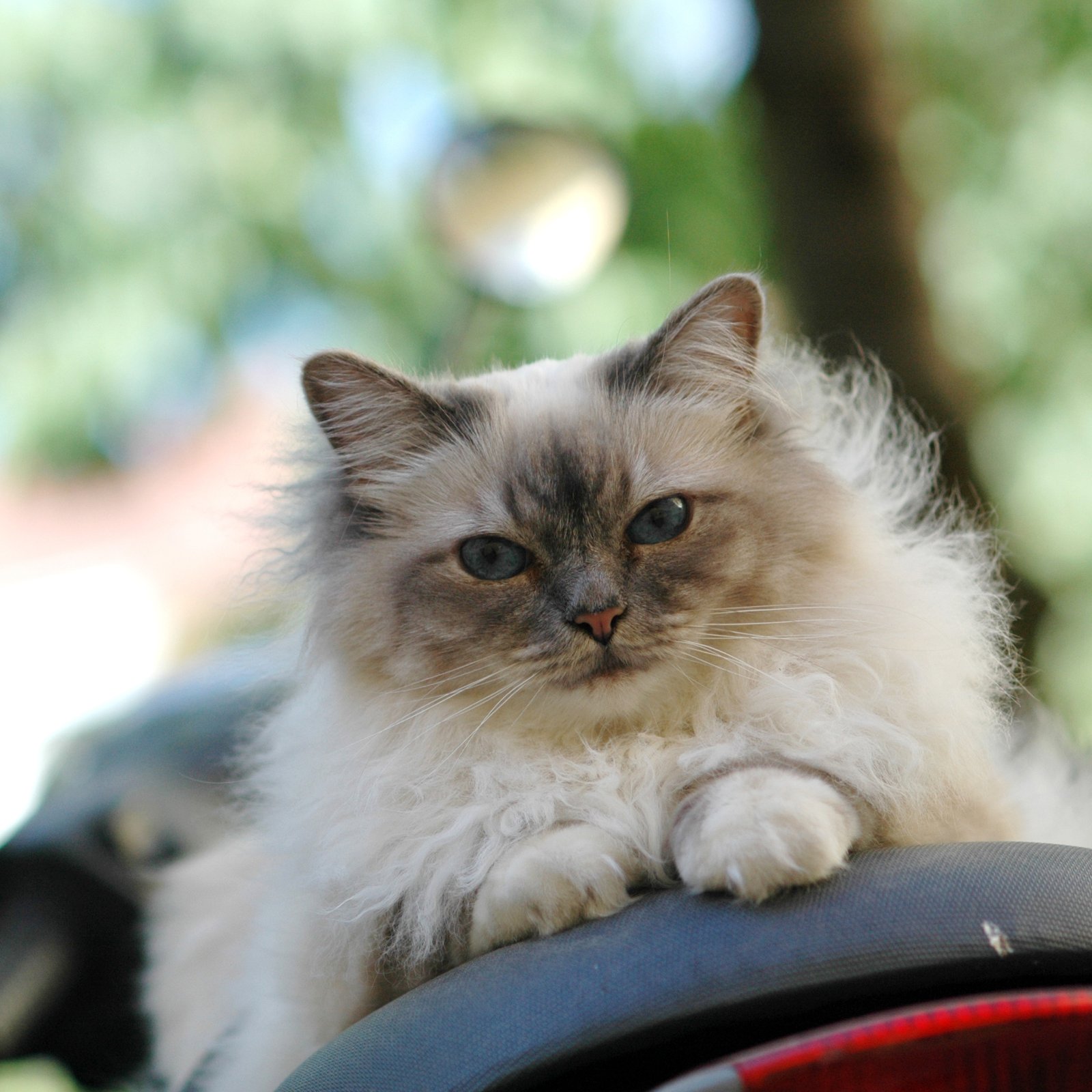
Birmans are often described as gentle, loving, and sweet-tempered. They adore spending time with their families and are especially patient with children and other pets. Birmans are known for their calm demeanor, but they still need regular interaction and companionship to feel content.
Prolonged periods of solitude can leave Birmans feeling lost and lonely. They may withdraw, stop eating, or develop anxiety-related behaviors. These cats need to be part of the family action and enjoy a steady routine. Their nurturing nature means they do best in households where they’re rarely left alone.
Devon Rex: The Mischievous Cuddle Bug
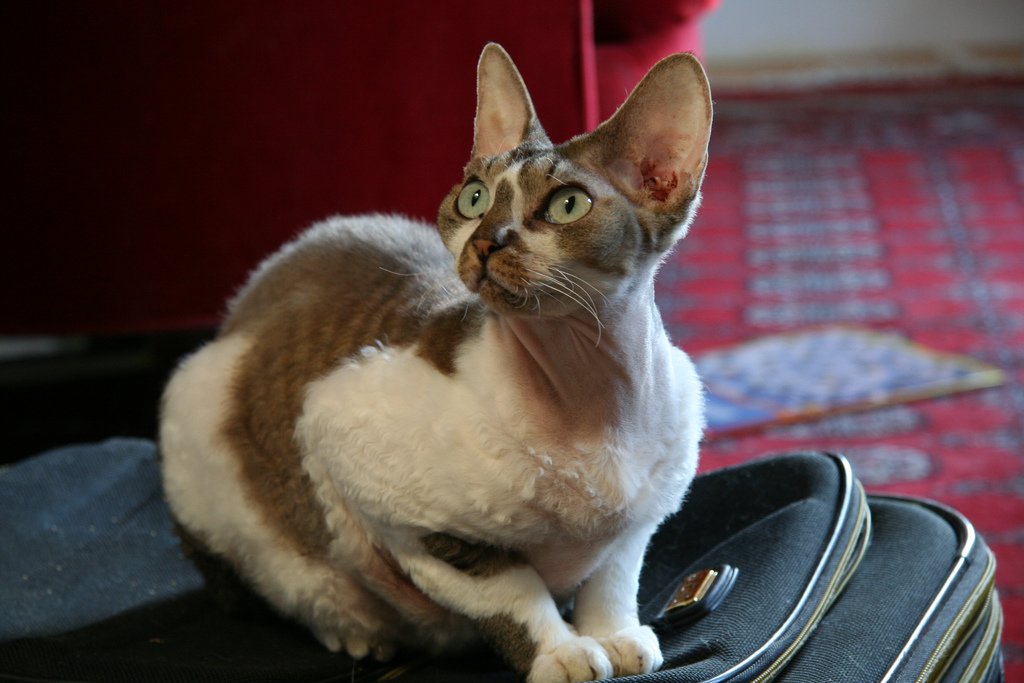
Devon Rex cats are little dynamos with big personalities. Their oversized ears, curly coats, and playful antics make them stand out in any home. But what truly defines a Devon Rex is their unshakeable devotion to their humans. They love to be close, often perching on shoulders or snuggling under blankets.
Alone time is not in the Devon Rex vocabulary. They can quickly become bored and start looking for trouble — whether it’s unrolling toilet paper or exploring forbidden corners. Without company or stimulation, they may also develop anxiety or depression. To keep a Devon Rex happy, make sure they have plenty of toys, attention, and, ideally, a fellow furry friend.
So, if you’re thinking about bringing home one of these affectionate cat breeds, just remember—they’re not fans of flying solo. These cats thrive on love, interaction, and being part of your daily life. Whether it’s a chatty Siamese or a cuddly Ragdoll, they need your presence to feel truly content. If your schedule keeps you away often, consider a companion pet or enrichment toys to keep their hearts happy.