

Picture this. You’re huddled indoors, watching the snow pile up outside your window, and suddenly you realize your dog is pacing, restless, or worse, shivering by the door. Winter storms can be stressful for both you and your pup. While we humans can simply throw on extra layers and sip hot cocoa, our four-legged friends depend entirely on us to keep them safe and comfortable when Mother Nature goes wild.
Here’s the thing. Dogs aren’t always as equipped for harsh winter weather as we think they are. Sure, some breeds love the snow and cold, but even those thick-coated huskies and malamutes can face risks when a serious snowstorm hits. I’ve seen too many worried pet parents scrambling for answers once the storm is already raging outside. Let’s be real, preparation is everything.
From frostbite to hypothermia, the cold weather poses a number of threats to your dog’s wellbeing. The good news? With a little planning and some savvy strategies, you can transform those snowy days from stressful to manageable, even enjoyable for your furry companion. So let’s dive in.
Create a Cozy Indoor Haven Your Dog Actually Wants to Use

Your dog needs a warm retreat during a snowstorm, but it can’t just be any old corner. Think about where your dog naturally gravitates when they want comfort. A cozy dog or cat bed with a warm blanket or pillow is perfect for creating that safe space.
Position the bed away from drafty windows and doors. Use space heaters with caution around pets, because they can cause burns or they can be knocked over, potentially starting a fire. I know it sounds crazy, but I’ve heard of dogs accidentally tipping heaters while playing. Pets prefer comfortable sleeping places and may change their location based on their need for more or less warmth, so give them some safe options to allow them to vary their sleeping place.
Master the Art of Protective Paw Care
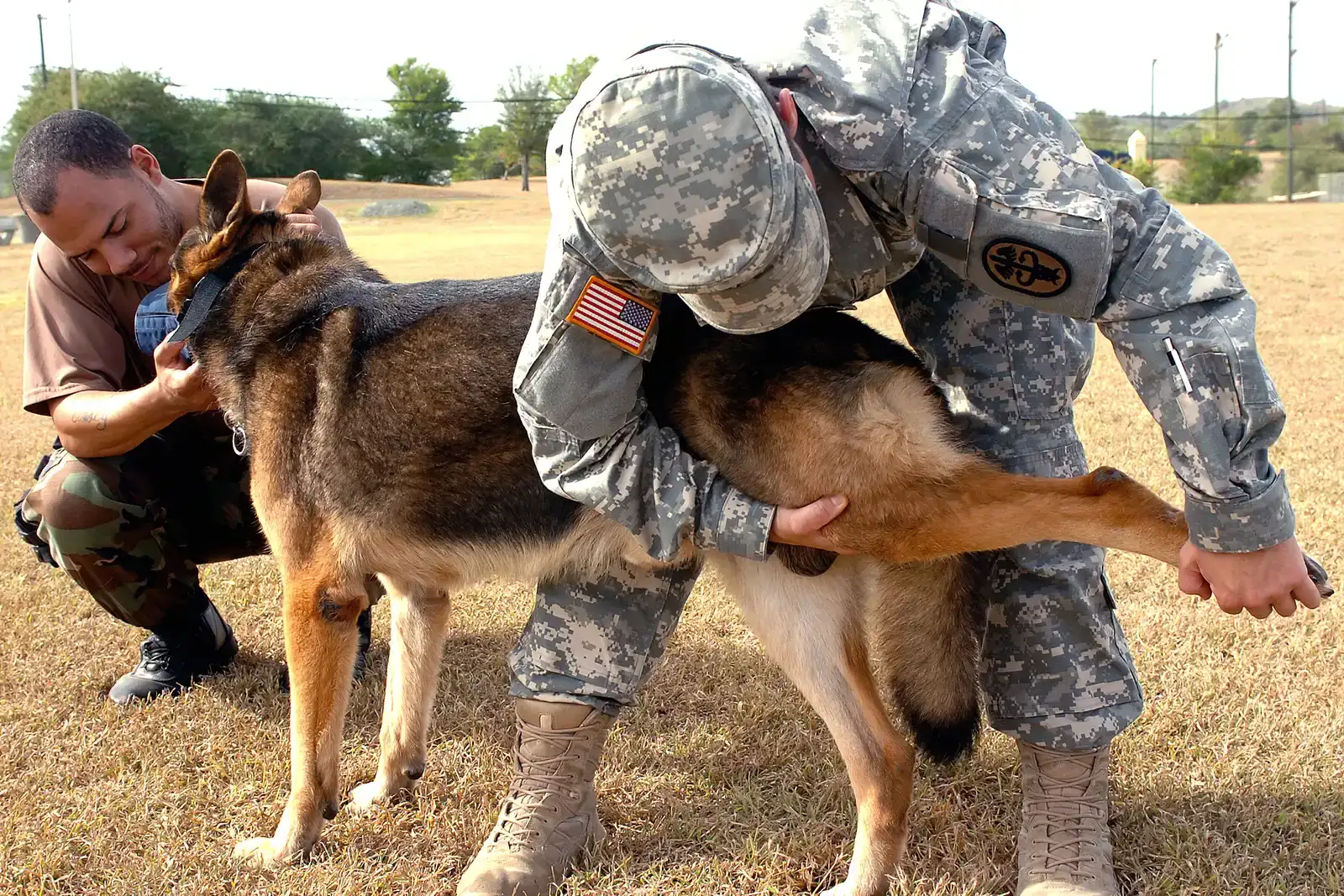
Ice, snow, and the salt-clearing chemicals can burn your pet’s paws and dry them out, causing cracking and even open sores. This is one of those things pet parents often overlook until it’s too late. Before heading outside, rub petroleum jelly or protectants made for paw pads onto your pet’s paws to protect them.
Booties are another fantastic option if your dog will tolerate them. Booties can provide even more coverage and can also prevent sand and salt from getting lodged between bare toes. After every outdoor trip, dry off your pet and pay special attention to their paws, giving a thorough cleaning between the toes to remove any ice and salt that may be irritating.
Layer Up With Weather-Appropriate Dog Clothing
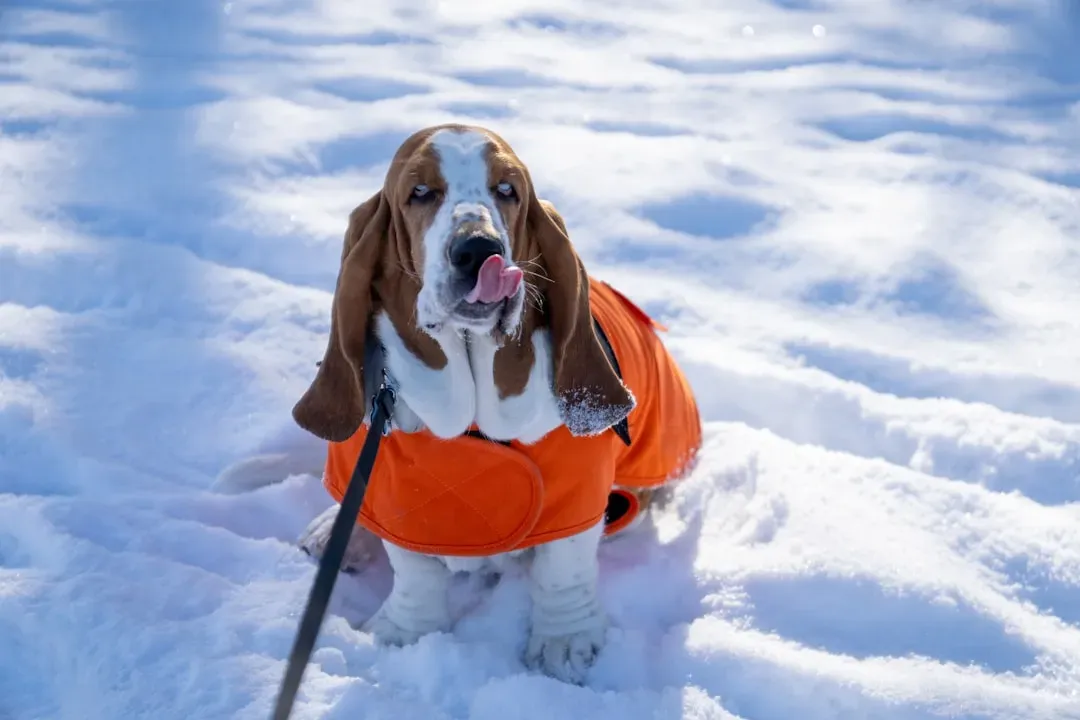
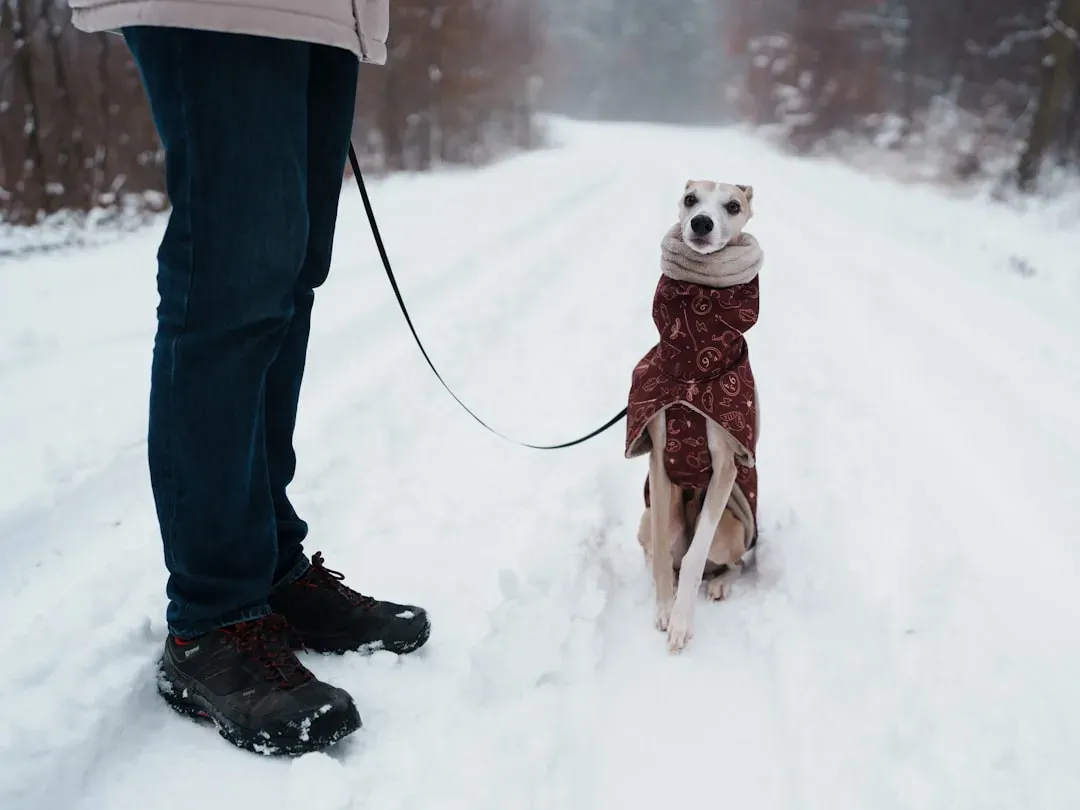
Not all dogs have the natural insulation needed for brutal winter storms. Short-haired pets or those with less body fat may need additional warmth, so consider getting your dog a sweater or coat that covers from the base of their tail to their belly.
Here’s a tip most people miss. Wet sweaters and coats can actually make your pet colder, so be sure to dry coats or sweaters after each walk or keep several on hand to switch them out when one becomes damp. Honestly, I think having backup gear makes all the difference during multi-day storms.
Recognize the Warning Signs of Hypothermia and Frostbite
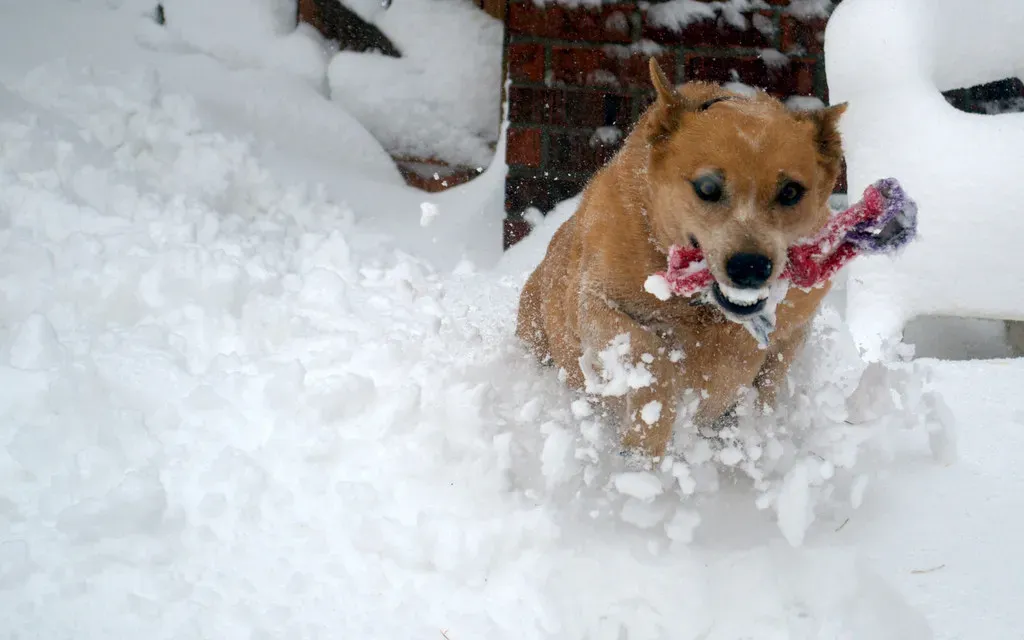
If you see your dog shivering, chances are she is very cold, as shivering in dogs is due to a rapid relaxation and contraction of muscles. Mild hypothermia shows weakness, shivering, and lack of mental alertness. Are they shivering, lifting their paws off the ground, or trying to head back inside? These are your dog’s way of screaming for help.
The paws, ears, and tail are the most common tissues to be affected by frostbite, with discoloration of the affected area of skin appearing pale, gray or bluish, and as frostbitten tissues thaw, they may become red and painful. The clinical signs of frostbite may take several days to appear, so keep watching your dog even after you’ve come back inside.
Limit Outdoor Time Strategically
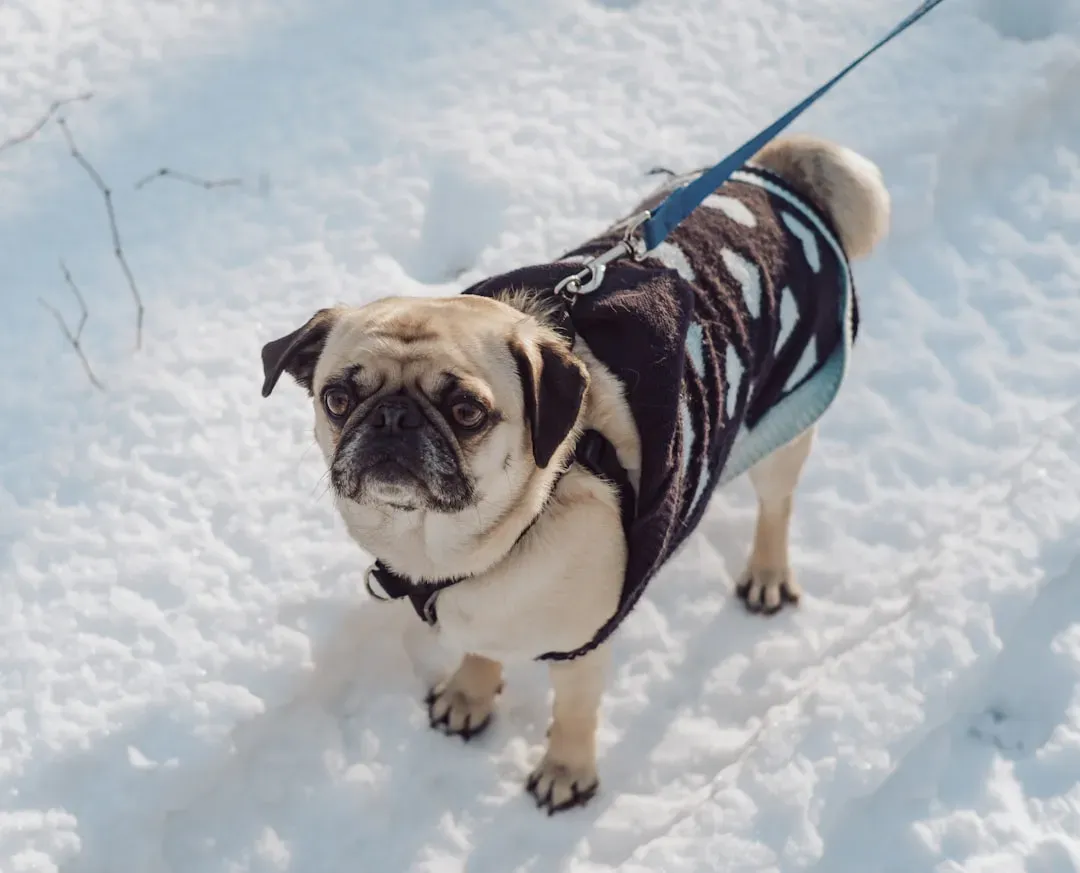
Once temperatures drop to about 32 degrees Fahrenheit, it’s time to limit dogs’ time outside, regardless of their size or coat. During active snowstorms, you need to be even more cautious. You will probably need to shorten your dog’s walks in very cold weather to protect you both from weather-associated health risks.
Keep your dog or cat’s outdoor playtime limited to 30 minutes or less, especially if they are small, elderly, or have short fur, and if the weather is below freezing, cap outdoor time at 20-30 minutes for your furry companions. Let’s be real, quick potty breaks are usually all that’s necessary during severe storms.
Keep Your Dog Mentally Stimulated Indoors

Honestly, boredom can be just as stressful for your dog as the storm itself. Winter is the perfect time to put your dog’s nose to work with scent-based games, which are also good for mental stimulation and building confidence. This game is similar to hide and seek, but now your dog is searching for a treat you’ve hidden somewhere in your home.
You can also try teaching new tricks or setting up an indoor obstacle course. Stuffing a Kong with food can help your dog stay happily occupied for a long time. I’ve found that puzzle toys are absolute lifesavers during those multi-day blizzards when cabin fever sets in.
Stock an Emergency Winter Kit for Your Dog
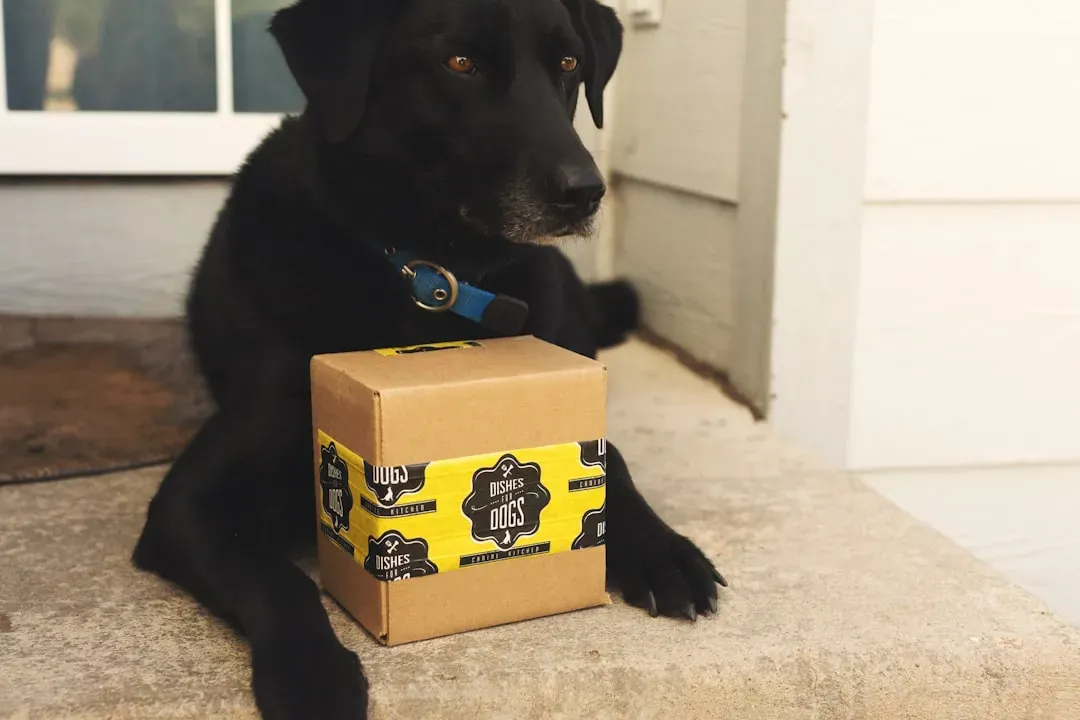
Have a 5-day supply of pet food, fresh water, and any necessary medications ready before the storm hits. Develop a pet disaster emergency kit that includes a seven-day supply of pet food, water, and medication, and a list of local 24/7 emergency veterinary hospitals with phone numbers and addresses.
Winter storms can knock out power unexpectedly. Having flashlights, extra blankets, and even battery-operated heating pads on hand can make a huge difference. It might sound excessive, but when you’re snowed in without electricity, you’ll be grateful for the preparation.
Wipe Down and Inspect After Every Outdoor Trip
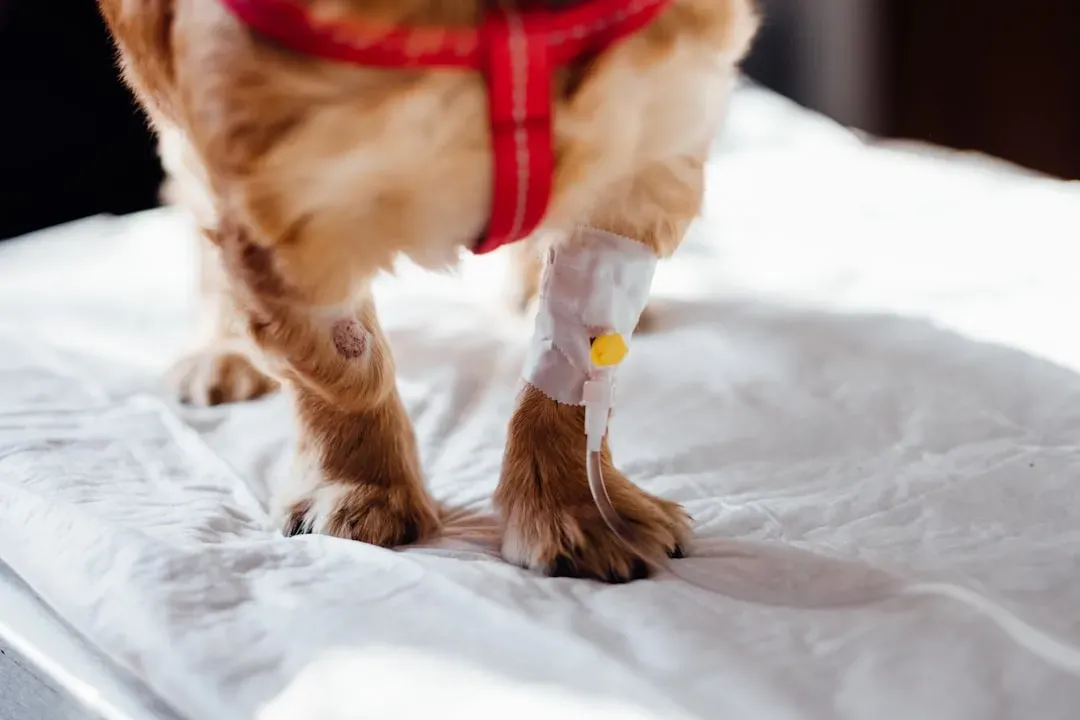
During walks, your dog’s feet, legs and belly may pick up de-icing products, antifreeze, or other chemicals that could be toxic, so when you get back inside, wipe down or wash your pet’s feet, legs and belly to remove these chemicals and reduce the risk of poisoning.
Frequent paw checks are essential, as cracked or bleeding paw pads can result from cold-weather injuries. Check between the toes for ice balls that can form, especially on long-haired breeds. These little ice clumps are painful and can cause your dog to limp or refuse to walk.
Adjust Feeding and Hydration for Winter Conditions
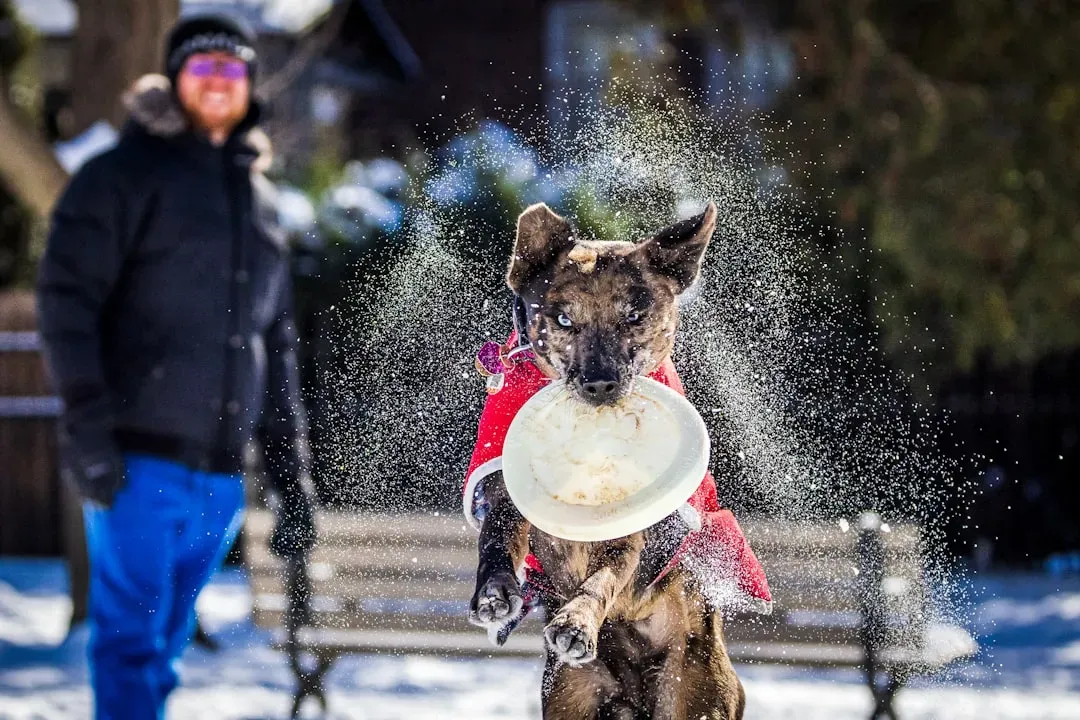
As it takes pets more energy to stay warm, you may need to feed them more in the colder months to help their bodies produce more energy. This doesn’t mean overfeeding, but rather being mindful that your dog’s caloric needs might increase during harsh weather.
Hydration is equally important. Dogs can become dehydrated in winter just as easily as summer, especially if they’re spending energy staying warm. Make sure fresh water is always available and check that outdoor water bowls haven’t frozen solid if your dog has access to them.
Never Leave Your Dog in a Cold Vehicle
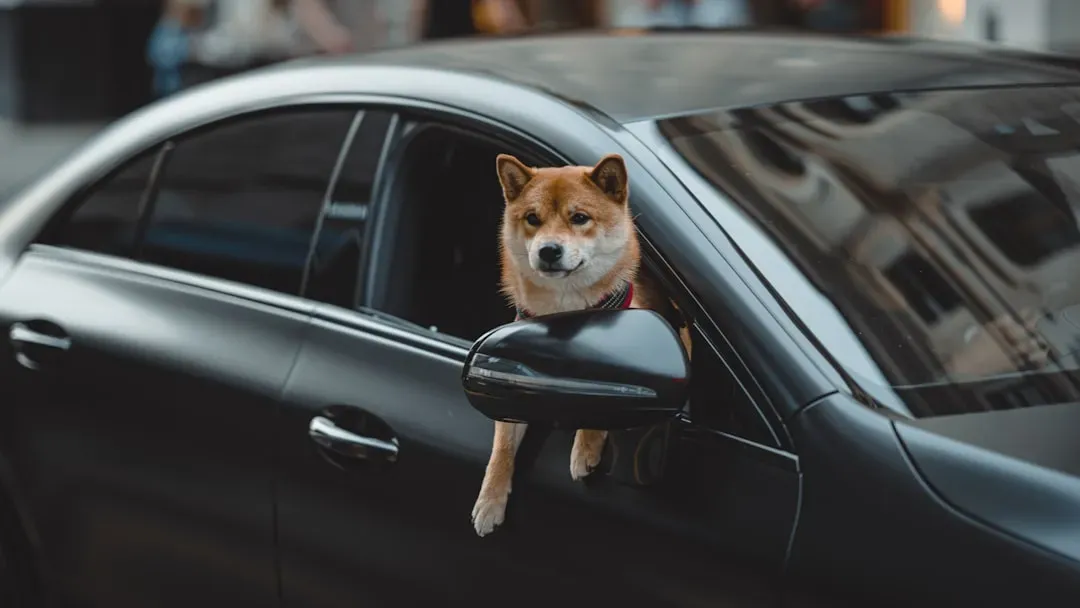
Dogs should not be left in a car alone when the weather is cold, as the ambient temperature in the car can get much colder and become like a refrigerator. It’s the opposite problem from hot summer days, but equally dangerous.
If you need to run errands during a snowstorm, leave your dog at home in their warm indoor space. I think people sometimes assume a car provides shelter, but without heat running, it’s essentially a metal icebox. Your dog is far safer in your home.
Stay Alert for Lost Pets and Update Identification
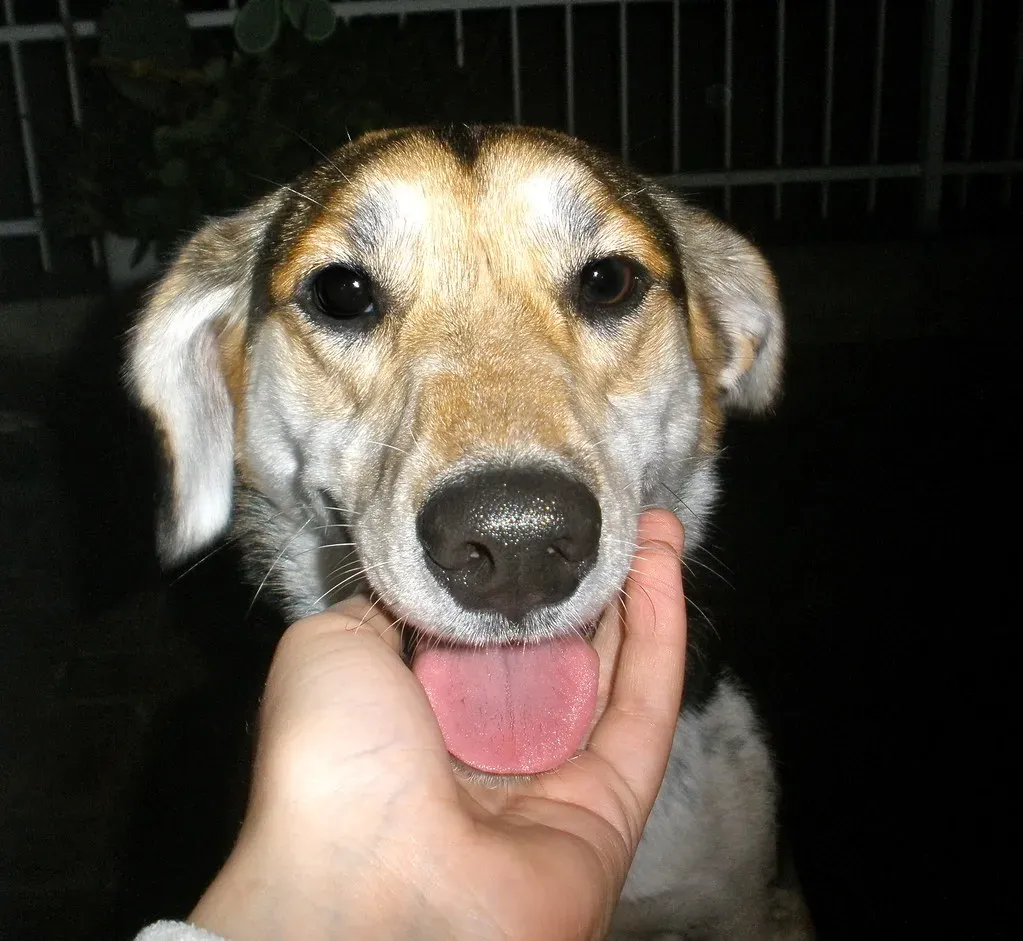
Many pets become lost in winter because snow and ice can hide recognizable scents that might normally help your pet find his or her way back home. Never let your dog off leash on snow or ice, especially during a snowstorm, as dogs can lose their scent in the snow and easily become lost.
Make sure your pet has a well-fitting collar with up-to-date identification and contact information, and a microchip is a more permanent means of identification, though it’s critical that you keep your contact information current in the registry database. During storm conditions, visibility is low and panic can set in quickly if your dog bolts.
Conclusion
Winter storms don’t have to be a source of anxiety for you or your dog. With these clever hacks in your back pocket, you’re equipped to handle whatever the weather throws your way. Remember, your dog relies on you completely during these challenging conditions.
The key is staying ahead of the storm with preparation, recognizing your dog’s individual needs and limits, and never underestimating the dangers that cold weather can bring. Whether it’s keeping those precious paws protected, creating a warm sanctuary indoors, or simply being vigilant about the signs of cold stress, every small action adds up to keep your furry friend safe and comfortable. What’s your biggest challenge when caring for your dog during winter storms? Share your experiences in the comments below.


