
You know that feeling when your once-bouncing buddy now takes a little longer to greet you at the door? Maybe they’re hesitating before jumping onto the couch, or those morning walks are becoming shorter and slower. Watching our dogs age can tug at the heartstrings. The truth is, your senior dog still has that puppy spirit inside, it’s just wearing a slightly creakier body.
Here’s the thing: growing older doesn’t mean your dog has to give up on joy, play, or comfort. With a few thoughtful adjustments and some creative thinking, you can help your aging companion feel more energetic, comfortable, and engaged. Think of it as giving them a second wind. Let’s explore some genuinely helpful ways to bring back that spark.
Transform Their Sleeping Space Into a Cloud
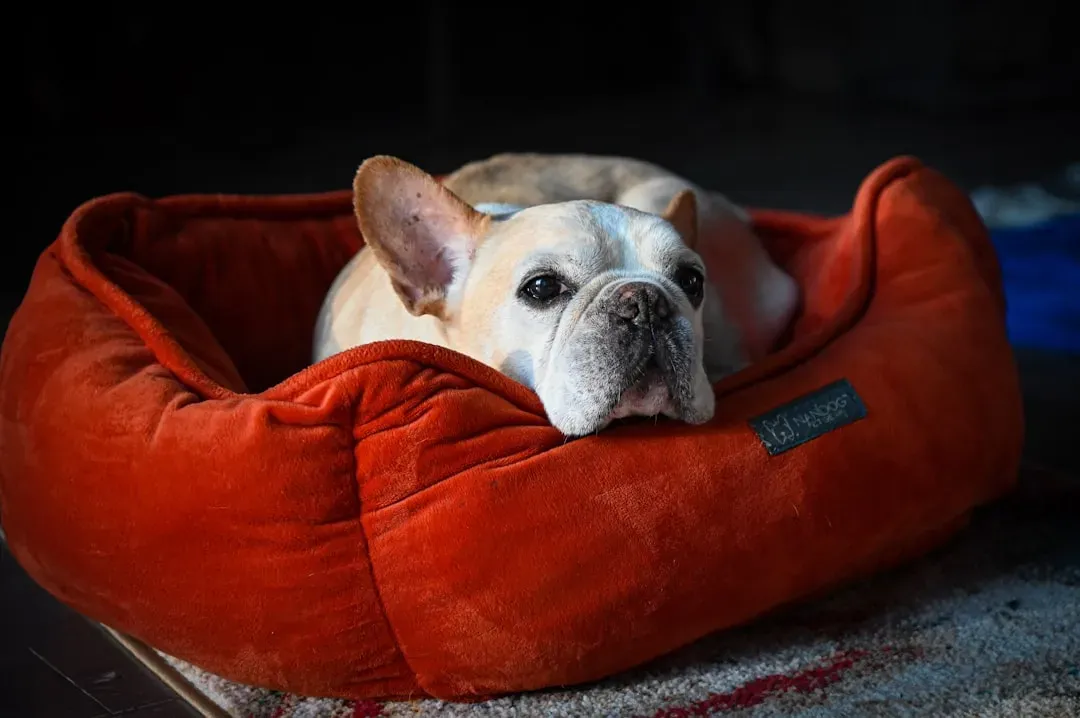
Your senior dog needs a well-cushioned and comfortable place to sleep, and orthopedic or memory foam dog beds can be a great comfort for dogs with arthritis and sore joints. Seriously, this isn’t just about luxury. Older joints ache more, especially after a full day or during cold nights.
Consider where your dog currently sleeps. Is it a thin mat on hard flooring? That’s doing them no favors. Senior dogs benefit from soft bedding in warm, draft-free areas to ease joint aches, with orthopedic dog beds with memory foam conforming to body contours and alleviating pressure points. You might even add a heated pad during chilly months for extra soothing warmth.
Give Floors Some Grip
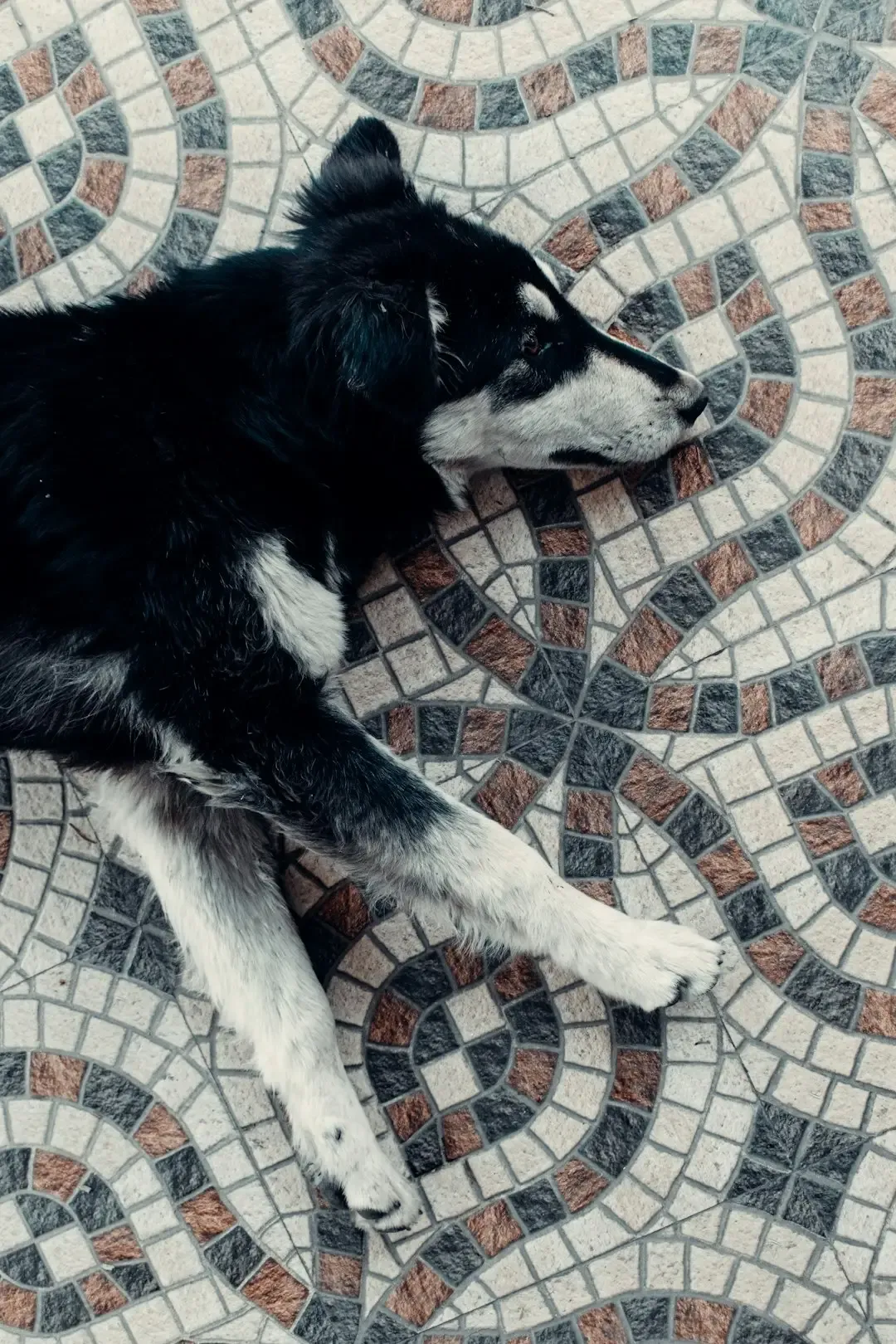
Slippery floors are a nightmare for older dogs. When getting up and walking is already difficult or painful for your dog, asking them to do either on a slick floor surface just compounds the difficulty and pain. Ever noticed your dog doing that awkward splayed-leg shuffle on hardwood or tile? That’s fear mixed with physical struggle.
The fix is simpler than you think. Lay down some yoga mats, rugs, or non-slip runners in high-traffic areas. Non-slip flooring via rugs, yoga mats, or traction aids like toe grips reduces the risk of falls. This gives them confidence to move around freely without worrying about their legs sliding out from under them.
Rethink Exercise as Adventure, Not Endurance
While it’s natural for senior pets to slow down and become less active, it’s important to make sure they still get some age-appropriate exercise, which can help minimize loss of muscle and strength, decrease weight gain and obesity, and help with joint pain and stiffness. I know it sounds counterintuitive, but gentle movement actually helps.
The key word here is gentle. Moderate and gentle exercise can reduce pain and stiffness, as moving the joints actually produces synovial fluid which lubricates your pet’s joints, and the ASPCA recommends daily walks for arthritic dogs. Try shorter, more frequent walks rather than one long trek. Swimming is another brilliant option because the water supports their weight while they move.
Feed the Brain, Not Just the Belly
Mental decline happens, but you can slow it down. Research shows that 28% of 11-12 year old dogs, 48% of 14 year old dogs, and 68% of 16 year old dogs will show at least one marker of canine cognitive dysfunction. That’s a lot of senior pups potentially dealing with confusion or memory issues.
Mental stimulation can help slow cognitive decline in animals, and it’s best to provide your dog with mental stimulation in the form of walks, games, puzzles, and playtime. Hide treats around the house, teach them a new trick, or invest in puzzle toys. Changing up your dog’s daily experiences is key to warding off cognitive decline, and an easy way to do this is to vary their walks by consistently taking different routes, exposing them to a variety of new sights, smells, and sounds.
Add Strategic Ramps and Steps
If your dog loves being on the bed or couch but now hesitates, they’re probably feeling the impact. Jumping up and down onto the couch and bed can cause significant problems for older dogs with arthritis, as the amount of force a joint absorbs from a jump down can cause unneeded strain and compression on an arthritic joint that is already diseased and prone to inflammation.
Pet ramps or sturdy steps can be life-changing. They let your dog access their favorite spots without the painful landings. Some dogs take to ramps immediately, others need a little coaxing with treats. Either way, it’s worth the effort to keep them close and comfortable.
Upgrade Their Diet With Purpose
Seniors have different nutritional needs to younger dogs, including needing food that is easier to digest, different amounts of calories and certain nutrients to help them age well. Their metabolism changes, and so should what’s in their bowl.
Senior dogs can benefit from products that contain high-quality protein, optimal levels of vitamins, antioxidants, natural prebiotic fibers, omega-3 fatty acids, and glucosamine, and a recent breakthrough in senior dog nutrition is the use of medium chain triglyceride oils (MCT oils) to support cognitive health, as starting at around age seven, a dog’s brain begins to lose its ability to use glucose as its primary energy source, and MCT oils provide the brain with an alternative energy source. Talk to your vet about switching to a senior formula or adding fresh, whole foods to their meals.
Consider Joint-Supporting Supplements
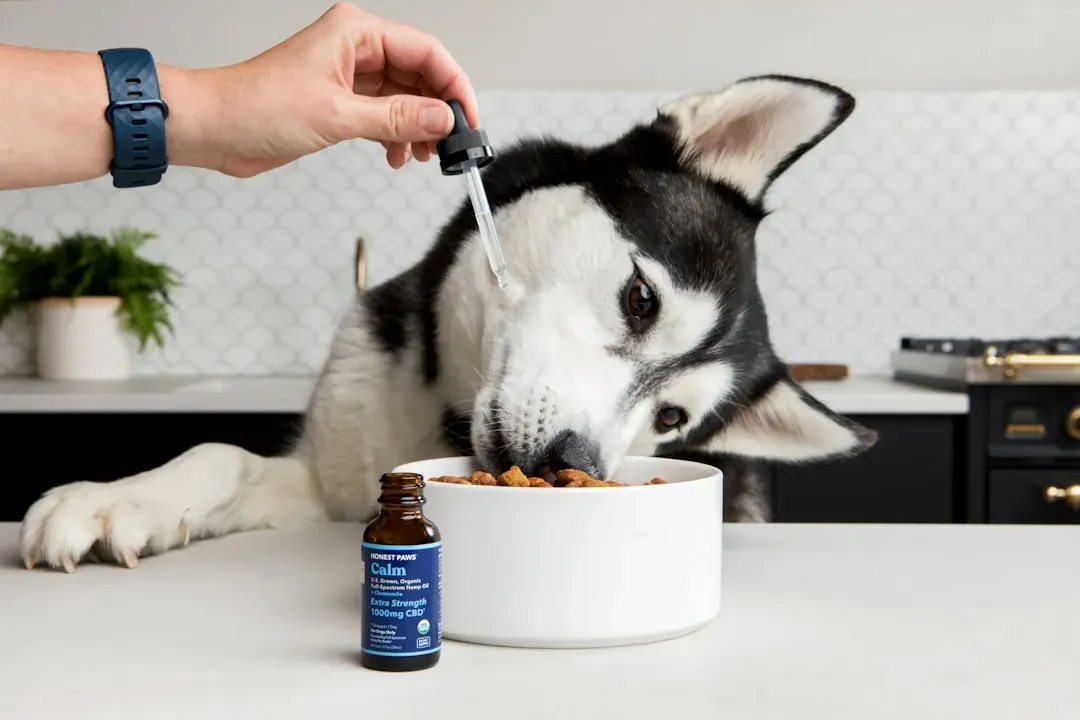
I’m not going to pretend supplements are miracle workers, but many do genuinely help. For older dogs, joint supplements containing glucosamine and chondroitin may support mobility. Your veterinarian can recommend nutraceuticals such as fish oil, glucosamine, MSM, MicroLactin, and herbal supplements, or prescribe daily pain medication to keep her comfortable.
Green-lipped mussels provide glycosaminoglycans vital for joint health, fatty acids that support brain, heart, joint, skin, and immune system health, potent anti-inflammatory properties thanks to EPA, DHA and ETA, and ETA blocks a different inflammatory pathway in dogs than EPA or DHA, giving green-lipped mussels a distinct advantage in providing better protection against inflammatory processes. Always consult your vet before starting any new supplement regimen to find what’s best for your specific dog.
Keep Routines Predictable
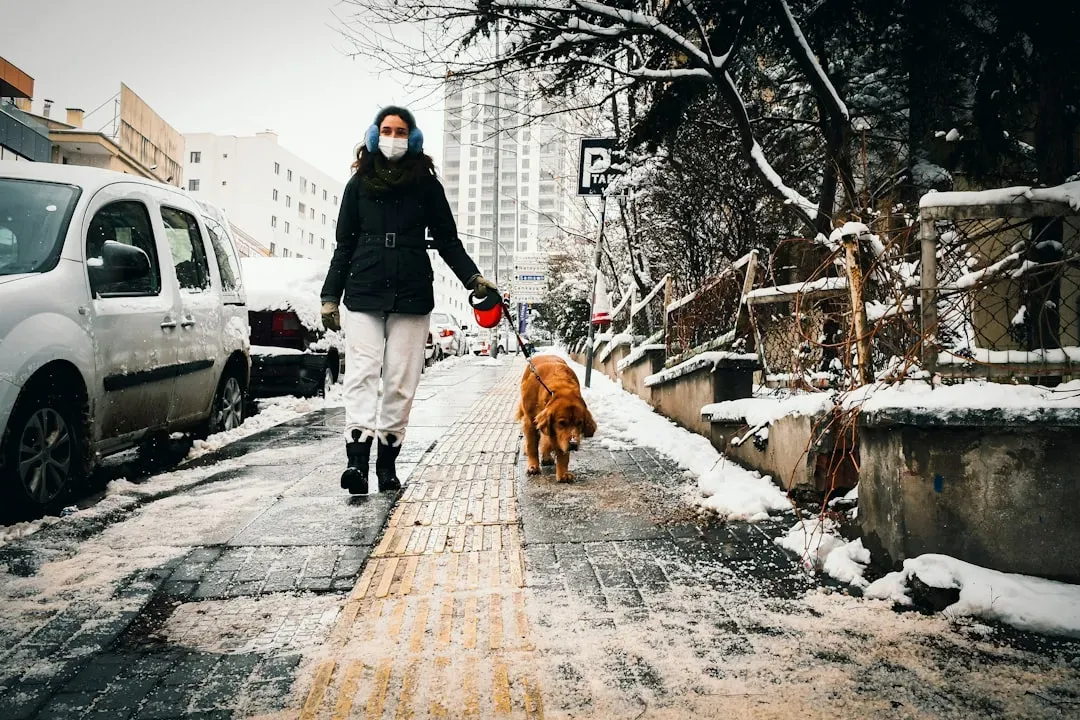
Predictable routines, regular social interaction, and consistent human connection help reduce anxiety, particularly for pets experiencing cognitive dysfunction. Older dogs find comfort in knowing what comes next. Random schedule changes can create unnecessary stress when their world is already feeling a bit confusing.
Try to keep feeding times, walks, and bedtime consistent. Dogs are creatures of habit, and having a consistent routine can reduce stress and build their confidence at any age, and as your dog ages, they can become confused even in familiar places, so it’s important not to change your routine too often, and if you do need to make a change, such as moving to a new house, take the time to slowly ease your dog into their new surroundings.
Get Creative With Sensory Enrichment
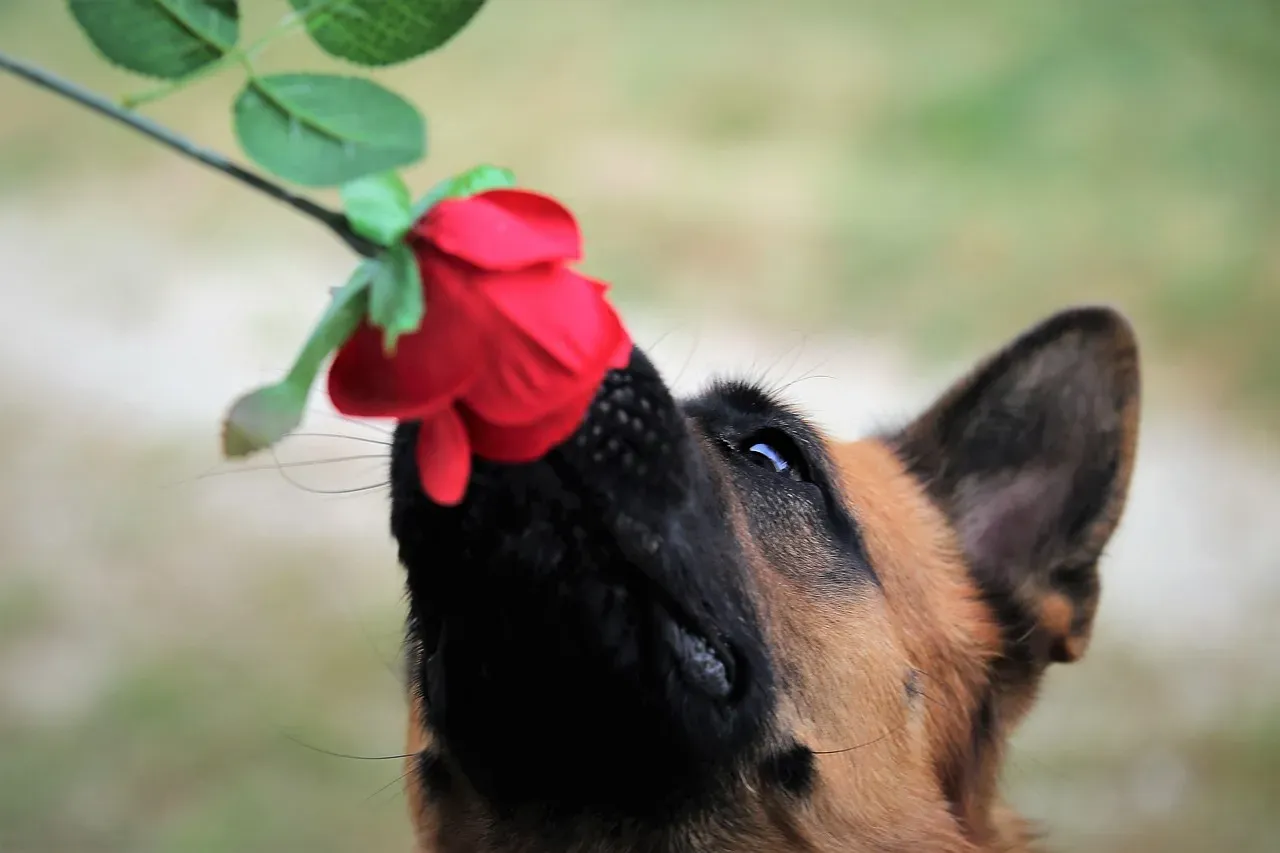
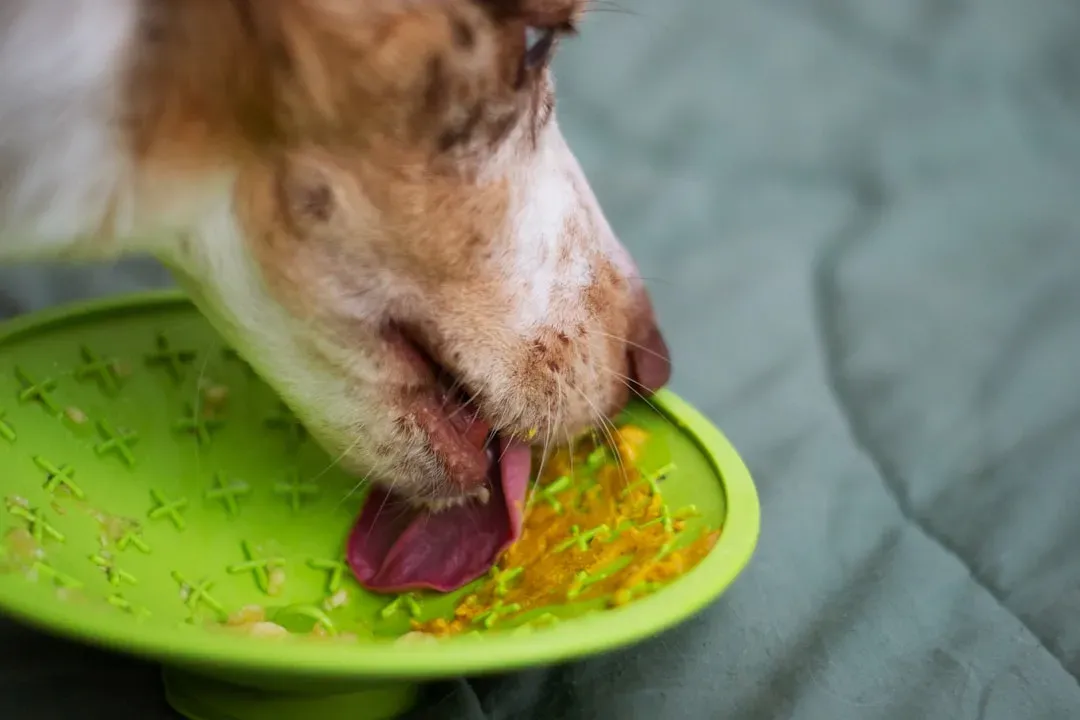
Sensory enrichment leverages the senses that remain strong into old age, especially olfaction, and sniff walks, snuffle mats, and scatter feeding allow dogs to practice scent exploration. Their nose is still sharp, even if their eyes and ears aren’t what they used to be.
Let your dog stop and smell everything on walks. Seriously, every single bush, lamppost, and interesting patch of grass. Sniffing is a great activity for older dogs as it encourages them to focus and problem-solve, and this challenge will be novel every time because you can fold the blanket in a different way for each training session. You can also scatter their kibble in the yard or hide treats in towels for them to snuffle out.
Schedule More Frequent Vet Check-Ups
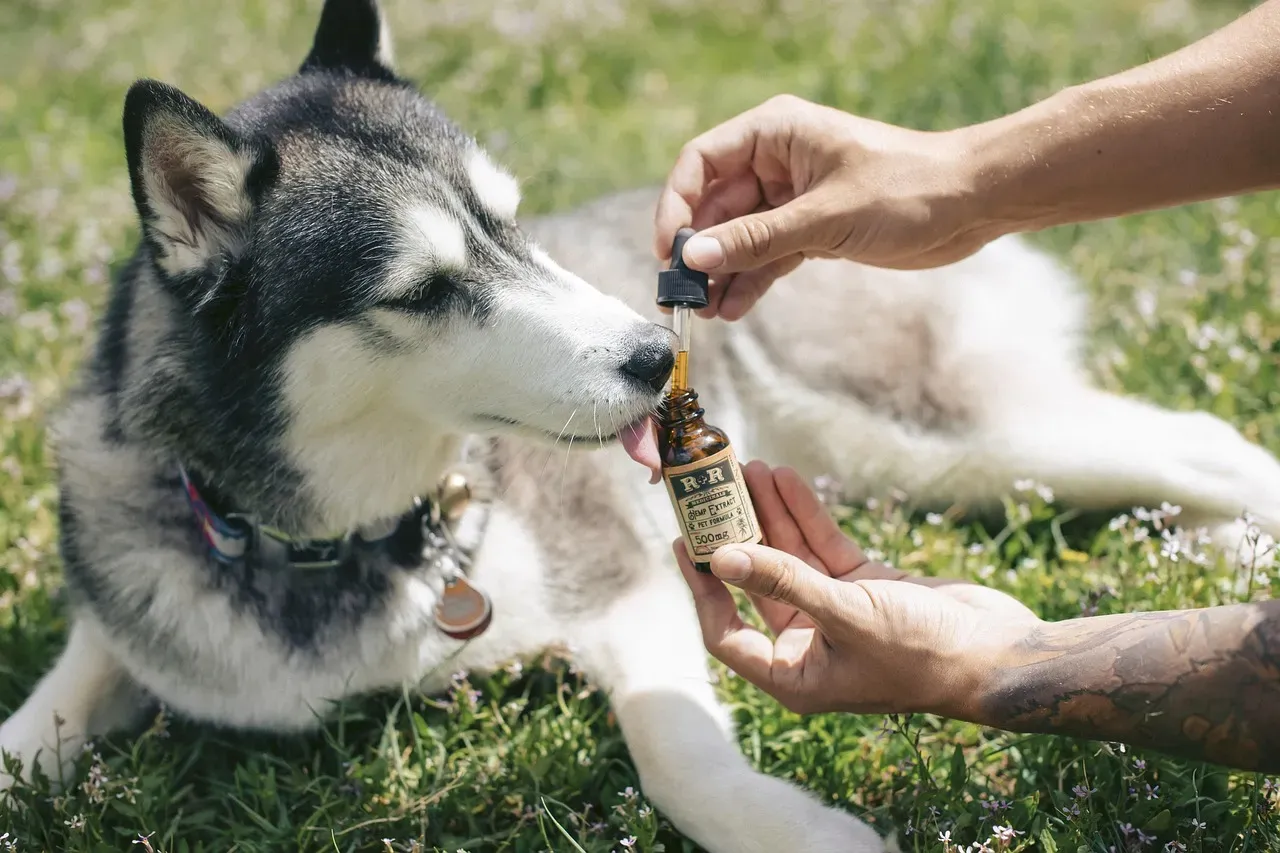
For healthy senior dogs, wellness visits at least once every six months with yearly lab work are recommended, and dogs with health conditions and geriatric dogs may need more frequent check-ups and bloodwork. I get it, vet visits aren’t cheap or fun. Still, catching issues early makes a huge difference.
Twice-yearly veterinary checkups are essential for senior pets because their health status can change rapidly, and it is important for a veterinarian to assess your pet every six months. Your vet can spot arthritis progression, dental issues, or organ changes before they become serious problems. Think of it as preventive maintenance for your best friend.
Conclusion
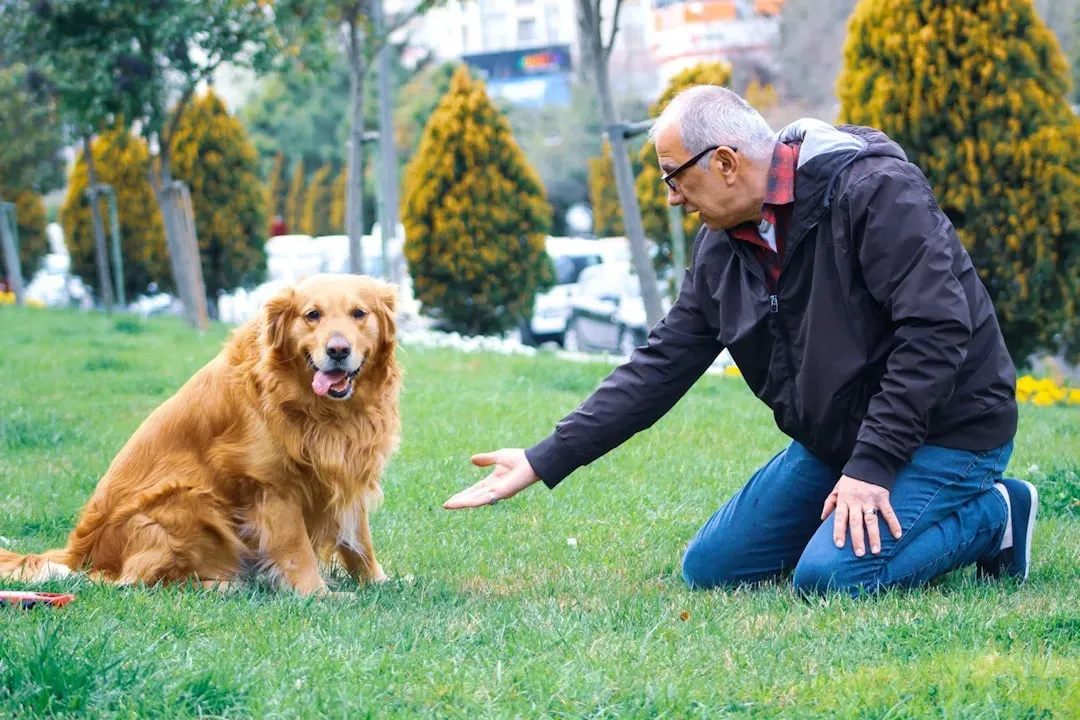
Your senior dog has given you years of unconditional love, boundless enthusiasm, and countless tail wags. Now it’s your turn to give back by making their golden years as comfortable and joyful as possible. These adjustments don’t require massive expense or effort, just thoughtfulness and consistency.
From creating cozy sleeping spaces to keeping their minds active with puzzles and new experiences, every small change adds up to a better quality of life. Remember, age might slow them down, but it doesn’t have to steal their joy. What changes will you make first for your aging companion? Have you tried any of these hacks already? Your senior dog is counting on you to help them feel young at heart, even if their body says otherwise.


