
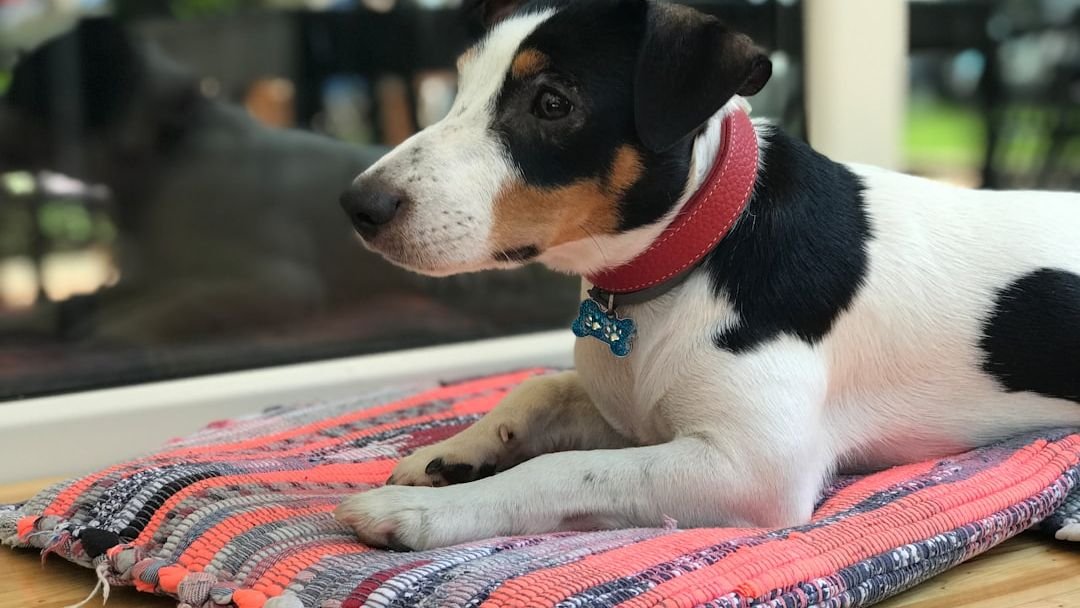
It happens to every dog owner. You wake up to the sound of rain hammering the windows, glance over at your pup who’s already staring at you with that expectant look, and realize the morning walk is not happening today. The guilt is real. So is the quiet dread of what a restless, under-stimulated dog might get up to by noon.
Here’s the thing most people don’t fully appreciate: mental stimulation is every bit as tiring, and arguably more rewarding, than physical exercise. So while the rain keeps you in, your dog’s brain doesn’t have to go on holiday. These ten ideas are practical, low-cost, and genuinely effective. Some might even become favorites long after the weather clears.
Understand Why Mental Stimulation Is Non-Negotiable First
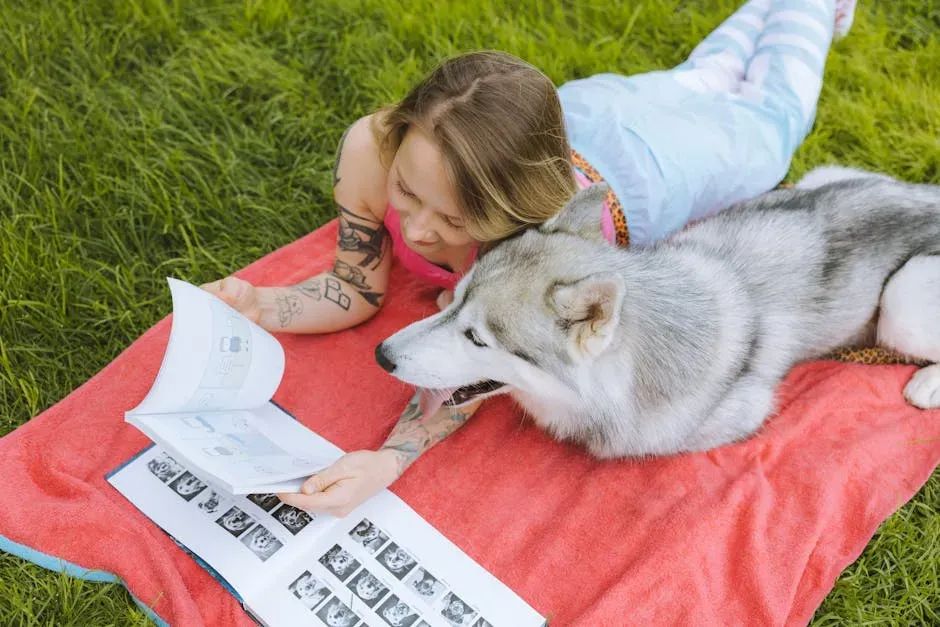
Before jumping into activities, it helps to understand what’s actually at stake on a rainy day. Mental enrichment challenges a dog to think, problem-solve, and engage with their environment. Without it, even a physically tired dog can still feel unfulfilled. This is why dogs can come home from a long walk and still act restless or unfocused.
Dogs do get bored, and chronic boredom can harm their physical and emotional health. Boredom often stems from a lack of exercise, mental enrichment, social interaction, or variety in their daily routine. Signs of boredom include excessive barking, destructive behavior, restlessness, and attention-seeking.
The release of dopamine and serotonin during engaging activities reduces stress, lowers anxiety, and lessens the tendency toward destructive or compulsive behaviors. Once you understand that a bored dog isn’t a “bad” dog, it becomes much easier to approach a rainy day with empathy instead of frustration.
Turn Mealtime Into a Brain Game with Puzzle Feeders
Puzzle feeders and treat-dispensing toys challenge your dog’s brain while rewarding them with tasty bites. From simple snuffle balls to advanced puzzles with sliding parts, there’s something for every skill level. This is one of the simplest swaps you can make, and the payoff in calm, focused behavior is immediate.
Use a snuffle mat, a food-dispensing toy, or a treat release ball to encourage your dog to search, sniff, and problem-solve. This taps into their natural foraging instincts, turning a quick meal into a focused activity that can last ten to fifteen minutes and burn significant mental energy.
Instead of feeding from a standard bowl, puzzle feeders encourage dogs to work for their meals. Some require dogs to push, lift, or slide compartments to release kibble. Slow-feed bowls are designed with ridges and patterns to slow eating while providing a mental challenge. Start simple, especially with puppies or older dogs, then gradually increase the difficulty as your pup figures things out.
Play the Snuffle Mat Game for Calm, Satisfying Focus

A snuffle mat mimics foraging and is one of the easiest ways to turn a short session into a full mental workout. These mats are made from strips of fleece where treats or kibble are hidden, encouraging your dog to dig and snuffle to find them.
They’re excellent for calming dogs down, especially in the evening or after a more stimulating activity. If your dog tends to rush meals, using a snuffle mat for feeding can also help slow them down. That dual benefit, slower eating plus mental engagement, makes the snuffle mat one of the most underrated tools in a dog owner’s kit.
You can purchase one or make your own with a rubber sink mat and strips of old fleece or t-shirts. The process of learning how to use it, combined with the satisfying reward of finding food, makes this a repeatable activity that doesn’t get old quickly. Rotate the hiding spots and vary the treats to keep things fresh across multiple sessions.
Use Indoor Scent Work to Wear Out That Nose
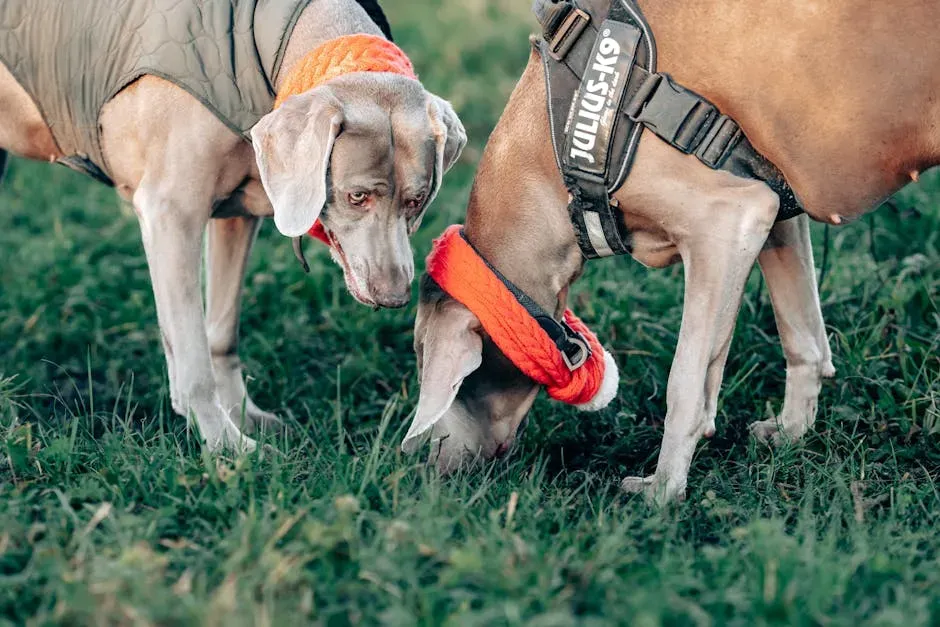
Dogs rely on their noses to make sense of the world, so scent-based games are perfect for indoor fun. These activities tap into natural sniffing instincts and can wear your dog out mentally, sometimes more than running ever could. On rainy days especially, this is a game-changer.
Start with the basics: hide a treat or a favorite toy behind a cushion, under a blanket, or just around a doorway. Once your dog gets the concept, ask them to sit and stay. Place a treat or smelly toy somewhere only slightly hidden. Release them and allow them to search until they find it. Slowly increase the difficulty of the hiding spot, and soon you’ll be using your entire house for this game.
Dogs who engage in scent-work activities for just five minutes show lower cortisol levels, so it’s really about quality over quantity. Even brief sessions scattered throughout a rainy afternoon add up to a genuinely well-exercised dog by the time evening rolls around.
Teach a New Trick During a Short Training Session
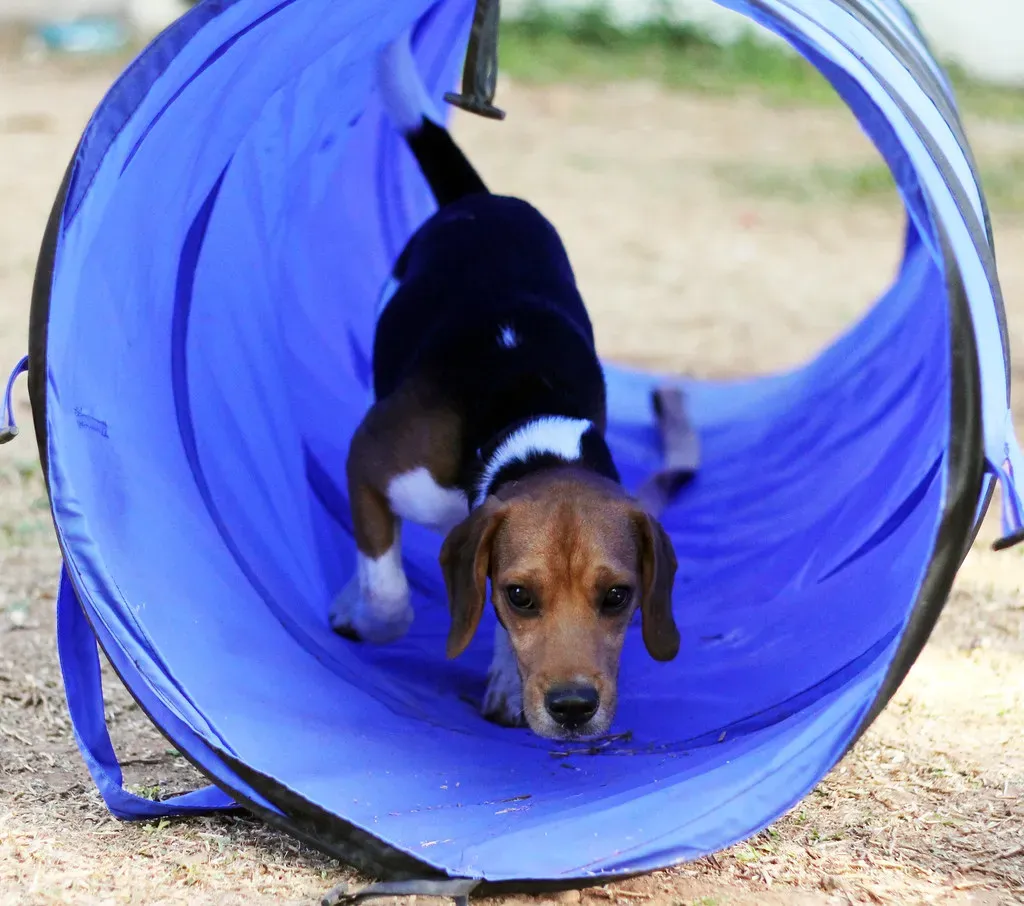
Interactive training sessions work well for mental stimulation. Teaching new tricks or practicing obedience commands gives your dog a job to focus on during bad weather. Dogs are natural learners, and the challenge of mastering something new is genuinely satisfying for them on a neurological level.
Stay positive and keep training light, without pressure. It isn’t important to get perfect behavior in one session; the goal is to have fun and work together. A good approach is to work on just one skill per session. Five to ten minutes of focused training is plenty before taking a break.
Micro-sessions are quick, just two to three minutes each, but you can do a handful throughout a rainy day. This fits a dog’s attention span and keeps things fresh. Set up five micro-sessions: after breakfast, mid-morning, after lunch, mid-afternoon, and before dinner. Each one should focus on just one skill or trick. Think of it as spreading the fun out rather than trying to cram everything into one long block.
Play Hide and Seek to Activate Hunting Instincts
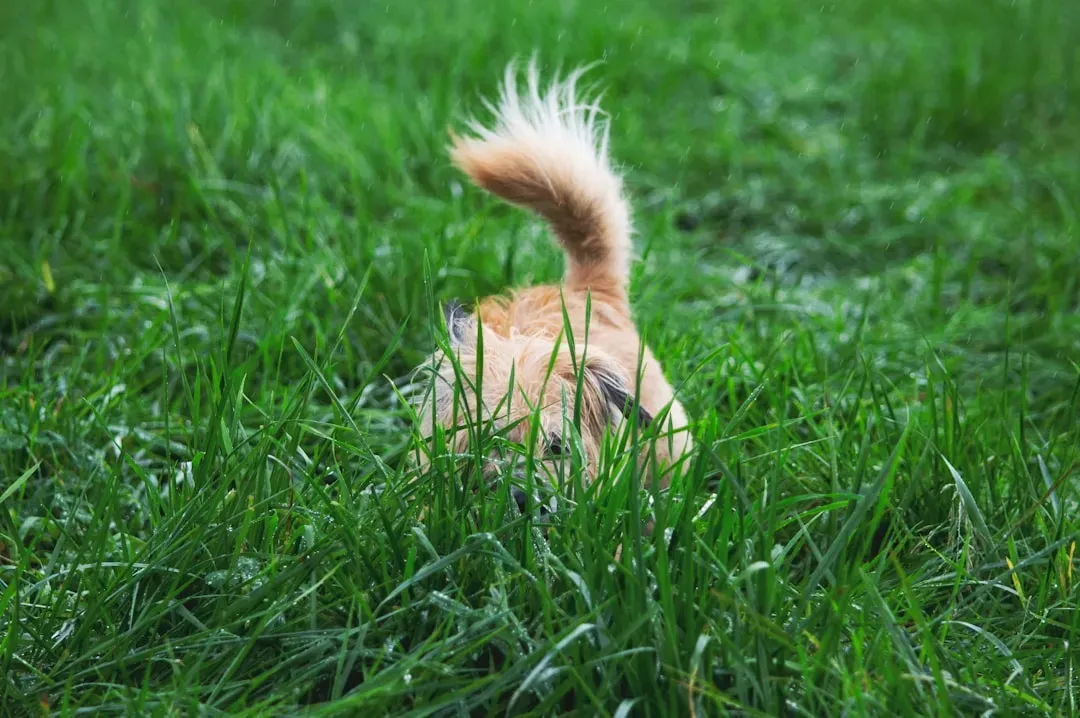
Hide and seek activates your dog’s natural hunting instincts while providing excellent mental stimulation. It’s a simple concept that dogs genuinely love, and it requires nothing more than you, your pup, and a few rooms to hide in.
Start by asking your dog to “stay,” then hide somewhere easy and call their name. When they find you, reward them enthusiastically with a treat or toy. Over time, make your hiding spots progressively sneakier. You can also hide their favorite toys instead of yourself, which adds a strong scent-tracking element to the game.
Mixing up enrichment and keeping things fresh will help your dog feel calmer, more settled, and less likely to develop habits like barking or chewing from boredom. The secret isn’t just what you do, it’s how consistently you do it. A mix of daily structure and creative play keeps your dog emotionally and mentally healthy, even when the weather outside is working against you. Hide and seek fits beautifully into that rhythm because every round feels genuinely different.
Create a DIY Indoor Obstacle Course
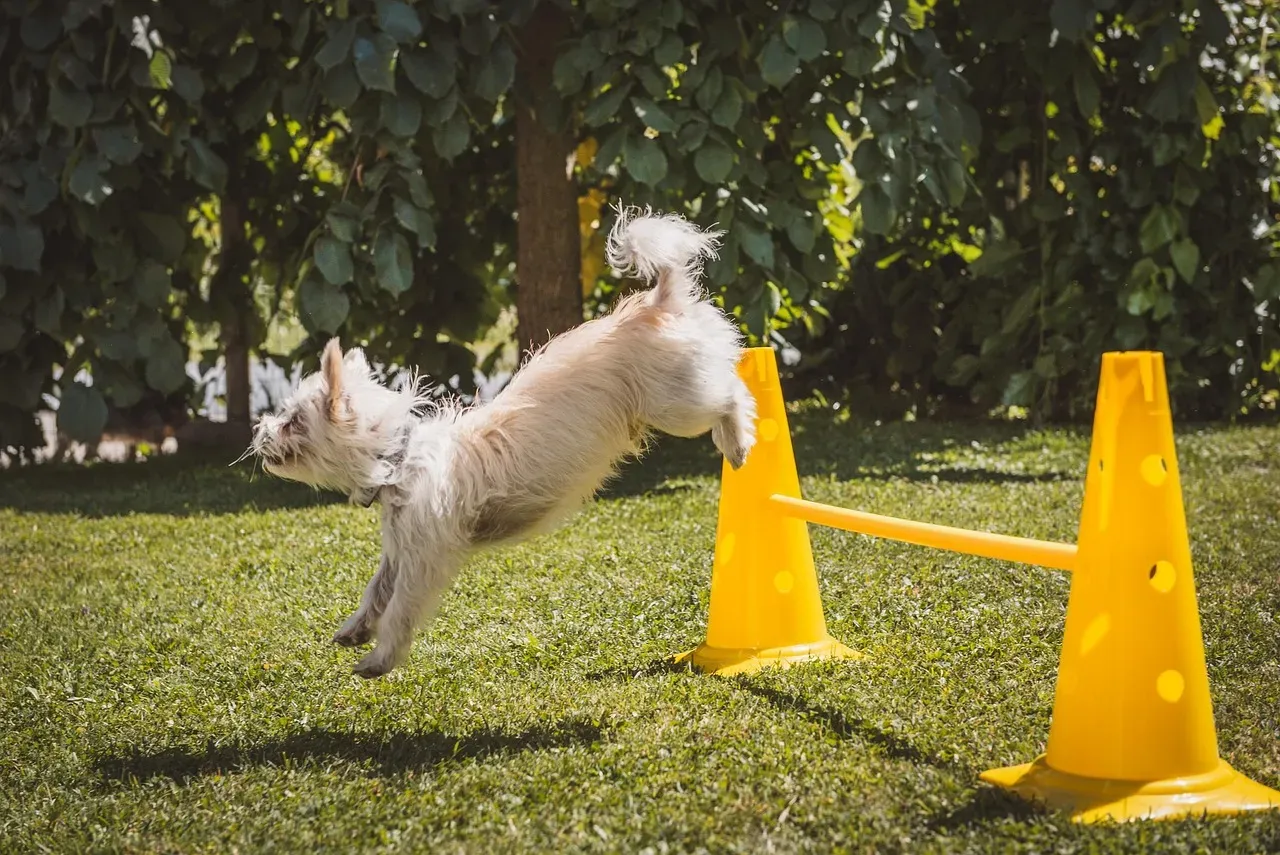
You’ve heard of agility and puppy parkour. Well, you can absolutely play these games in your living room. Start small, with one step stool to climb. When your dog is confident with that, add a broom propped up on chairs and teach them to go over or under it. Make a tunnel with pillows, chairs, and sheets.
Incorporate commands like “jump,” “over,” or “crawl.” This not only gives physical exercise but also boosts their confidence. The mental load of learning a new obstacle course route is significant, so don’t be surprised if your dog is noticeably calmer afterwards. That’s exactly what you’re aiming for.
Keep the course low and safe, especially for puppies or older dogs with joint sensitivities. High-energy dogs may require more intense and frequent mental challenges, such as complex puzzles or active training. In contrast, laid-back dogs often respond better to gentler, sensory-based enrichment and moderate play to avoid overstimulation. Tailor the difficulty to your dog’s age, size, and energy level accordingly.
Offer a Lick Mat or Stuffed Kong for Calm Enrichment
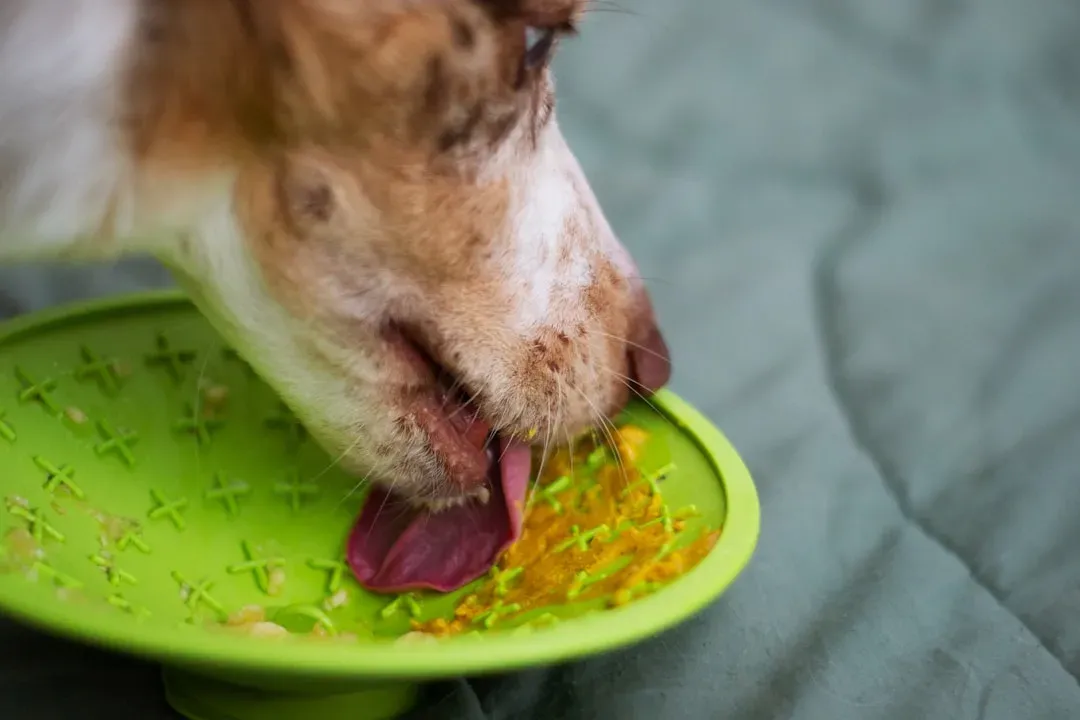
Sometimes indoor activities for dogs aren’t about movement; they’re about calm enrichment. Licking and chewing reduces anxiety, which is common on stormy days. This is worth noting, because thunderstorms and heavy rain can genuinely unsettle some dogs, and a lick mat or stuffed Kong serves a dual purpose in those moments.
Stuffed Kongs and lick mats have been such a saving grace when walks aren’t possible. It helps to create a calm atmosphere and provides one of the best natural stimulants of licking by releasing endorphins and reducing stress. You can fill a lick mat with plain yogurt, mashed banana, peanut butter, or wet food, then pop it in the freezer for an extra-long session.
Chewing is a natural instinct, and providing safe chew options prevents dogs from targeting furniture or shoes. Think of lick mats and Kongs not just as distractions, but as legitimate wellness tools. They’re particularly useful for anxious dogs who need something grounding to focus on when the weather turns stormy.
Use Cardboard Boxes and Recyclables as DIY Puzzle Toys
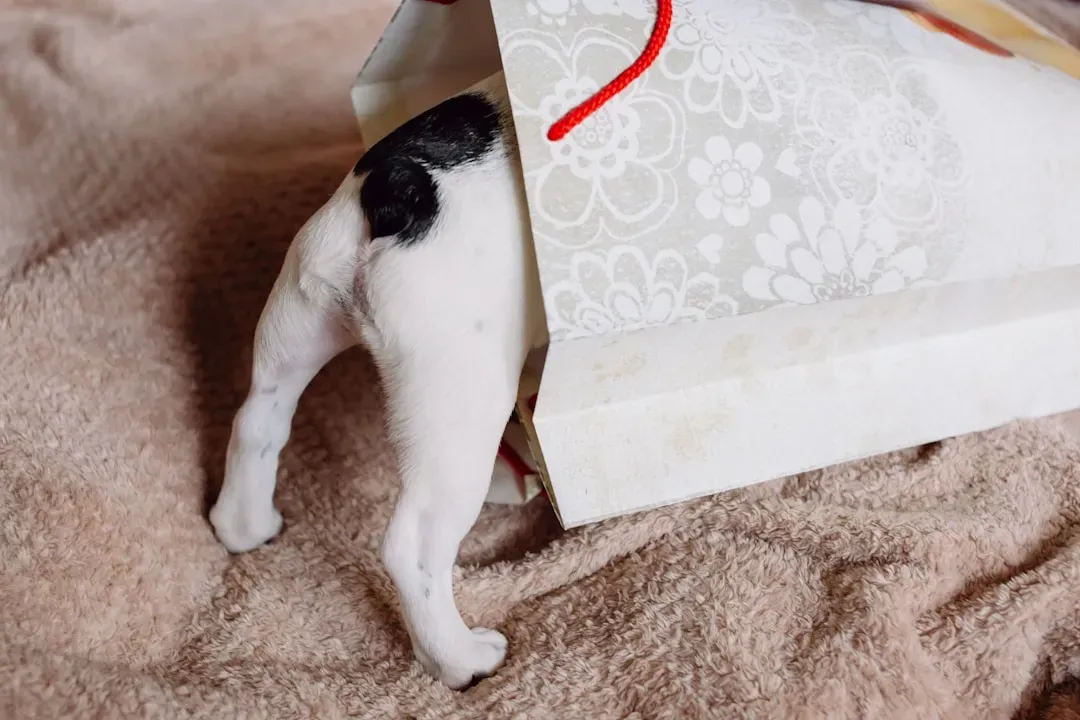
You can use recyclables as DIY puzzle toys for your dog, an indoor activity that will both enrich and preoccupy them. Some dogs love tearing up cardboard boxes and will even forget about the treats inside because they enjoy the activity itself so much. Cardboard boxes work wonderfully: put a treat inside, fold it up, and let your dog go to work.
You can also make your own destructible feeders from stuffing cardboard boxes or toilet paper tubes, which is a great way to recycle. You can even core an apple and stuff it with peanut butter or canned food to make an edible feeder. The unpredictability of how the box opens keeps dogs engaged far longer than a standard toy might.
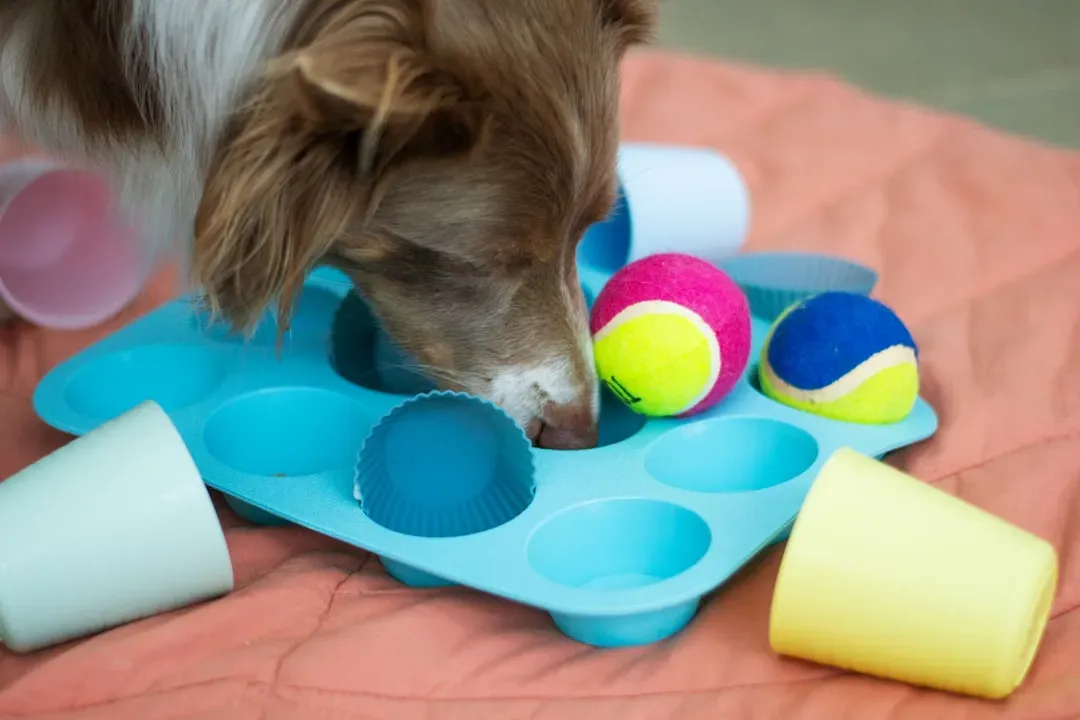
Muffin tins covered with tennis balls, each cup hiding a treat, are also a great option. Rolled-up towels with treats tucked inside or cardboard boxes filled with paper and hidden snacks work brilliantly too. These foraging games are great for helping fast eaters slow down while offering valuable mental stimulation. Keep several of these setups ready for particularly long or gloomy rainy days.
Try a Grooming Session as Calm Bonding Enrichment
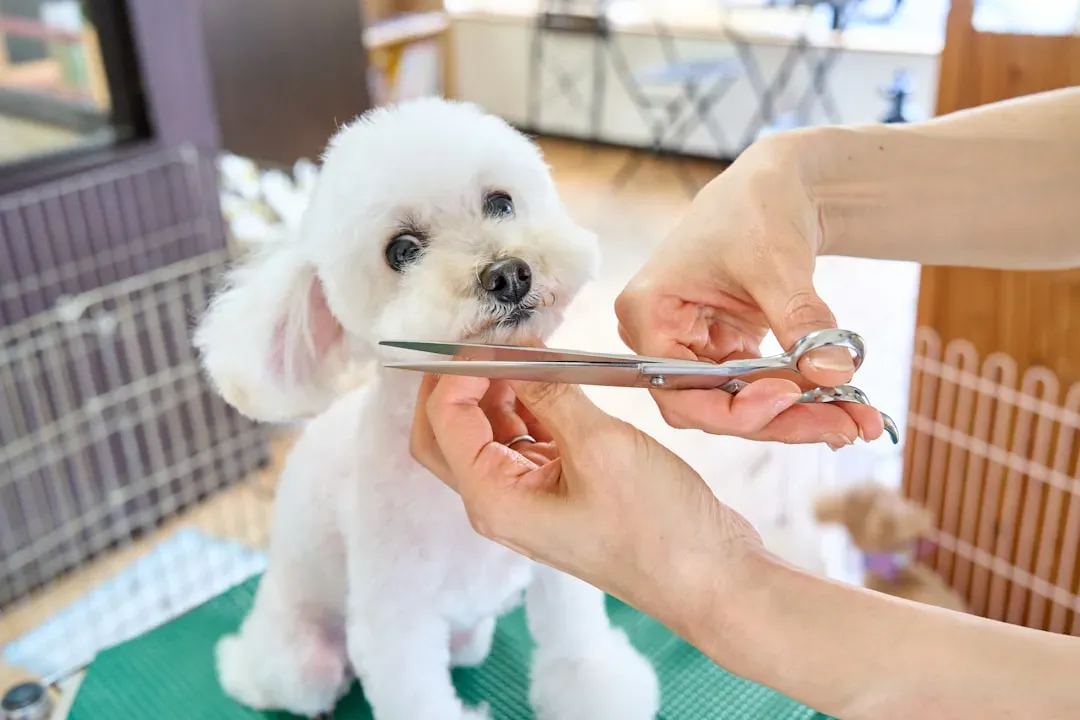
Regular grooming is not only beneficial for your dog’s health and hygiene, but is also the perfect time to spend calm, quality time together. Brushing, combing, washing, teeth cleaning, and nail clipping help pets feel secure and accustomed to being handled, reducing anxiety and creating a positive, loving interaction.
Many dogs who aren’t used to grooming find it stressful at first. The key is to introduce it slowly and pair every touch with a reward. Teaching new behaviors or reinforcing basic commands keeps your dog focused and strengthens your bond. Remember to use positive reinforcement and keep sessions short and fun to maintain engagement. The same logic applies to grooming: short, calm, positive.
Prevention is key when it comes to avoiding rainy day boredom and stress in pets. A proactive approach involves setting up a stimulating indoor environment, maintaining a consistent routine, and offering variety in activities. A quiet grooming session checks all of those boxes while giving you a chance to check your dog’s skin, coat, ears, and paws for anything that might need a vet’s attention. It’s enrichment and a health check, all in one.
Rotate Toys Strategically to Sustain Interest

Weekly rotation works best. Dogs, like children, lose interest in the same toys if they’re always available. Rotating keeps toys novel and stimulating. This is one of the simplest yet most overlooked strategies in indoor enrichment, and it costs absolutely nothing beyond a little organization.
Divide your dog’s toys into two or three groups. Put one group away for a week, then swap them out. When the stored toys come back out, your dog will treat them like new. Rotating toys every few days helps maintain novelty, and including activities that encourage both independent play and interactive sessions with you makes a real difference.
Working breeds or herding dogs, known for their intelligence, are especially susceptible to boredom without ample mental outlets. Tailoring games and tasks to breed traits maximizes engagement and minimizes behavioral problems. If you have a high-drive breed, simply rotating toys may not be enough on its own, so combine this strategy with one or two of the more mentally demanding activities in this list for best results.
Conclusion: A Rainy Day Can Actually Be a Good Day
The rain doesn’t have to be the enemy. With the right mindset and a handful of simple activities, a day spent indoors can become one of the most enriching your dog has all week. You don’t need expensive equipment or hours of free time. Most indoor enrichment ideas don’t need fancy gear. You can use stuff you already have at home to create engaging activities that challenge your dog’s brain and body.
A mentally fulfilled dog isn’t just easier to live with. They’re calmer, more confident, and better equipped to handle the rhythms of everyday life. That kind of wellbeing doesn’t come from one perfect training session or one miraculous toy.
It comes from consistency, creativity, and the simple act of paying attention to what your dog needs. Start with one or two activities and see what lights your dog up. The more you observe what they enjoy, the more you can fine-tune your enrichment routine. Rainy days, it turns out, are exactly the kind of days that deepen the bond between a dog and the person who truly sees them.


