
Dogs are often referred to as man’s best friend, and for good reason. However, even the most lovable furry companions can exhibit behaviors that leave their owners scratching their heads in confusion. Have you ever wondered why your dog barks incessantly at the mailman or why they chew on your favorite pair of shoes? Understanding these behaviors is crucial for maintaining a harmonious relationship with your pet. In this article, we’ll dive into 10 common dog behavior issues and provide practical solutions to help you and your canine friend live happily together.
Excessive Barking: Why Won’t They Stop?
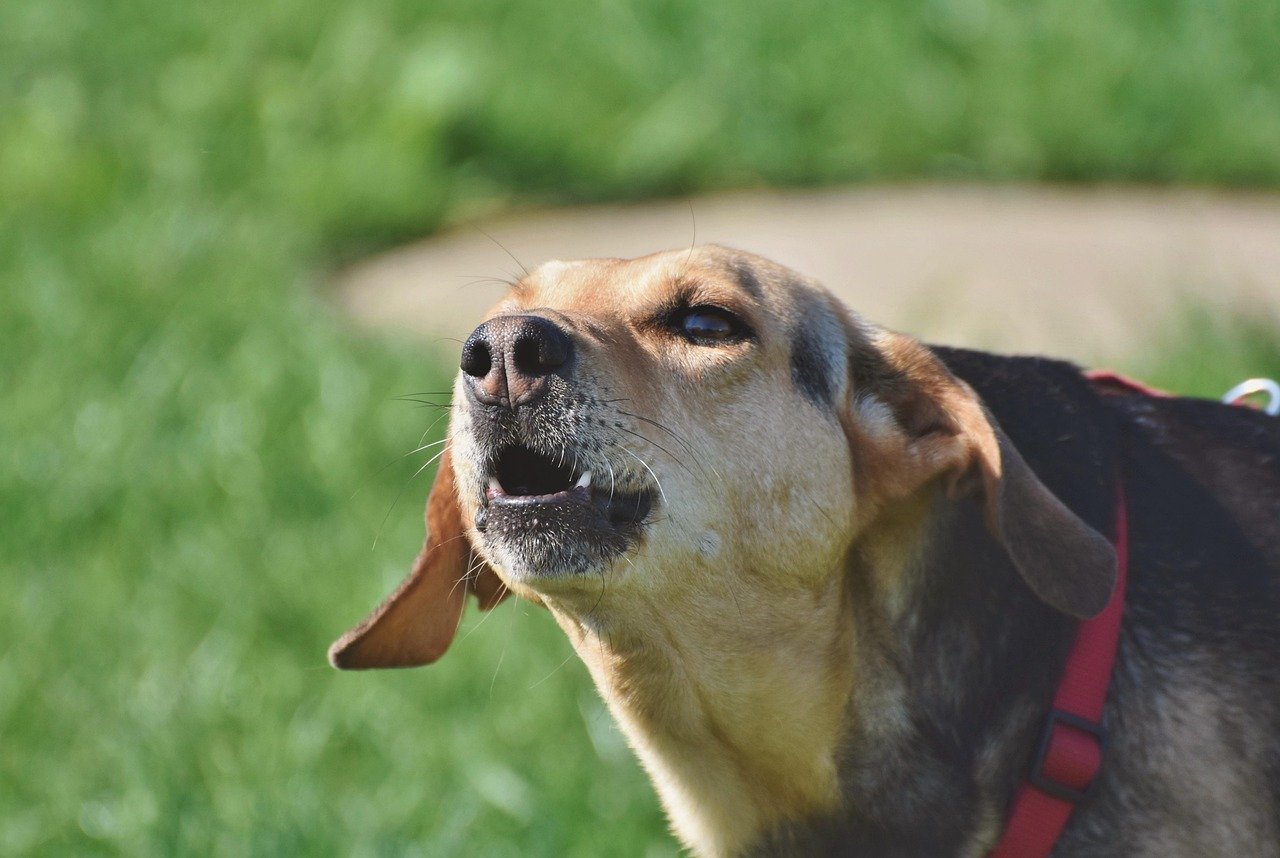
Barking is a natural form of communication for dogs, but when it becomes excessive, it can be a real nuisance. Dogs may bark excessively due to boredom, fear, or the need to alert their owners to perceived threats. Imagine being in a room with someone who just won’t stop talking – it can be overwhelming! To address this, it’s essential to determine the root cause of the barking.
If your dog barks out of boredom, increasing their physical activity and mental stimulation can work wonders. Consider engaging your dog with interactive toys or puzzles to keep their mind occupied. For dogs that bark out of fear, gentle desensitization to the triggering stimuli can be effective. Remember, patience and consistency are key when training your dog to reduce excessive barking.
Destructive Chewing: Saving Your Belongings

Destructive chewing can be frustrating and costly. Dogs chew to explore their environment, relieve stress, or soothe teething discomfort. Picture a child going through a phase of drawing on walls – it’s a similar scenario with dogs and chewing. To curb this behavior, provide your dog with appropriate chew toys and rotate them regularly to maintain interest.
Training your dog to understand which items are off-limits is also crucial. If you catch your dog chewing on something inappropriate, redirect them to a suitable toy and reward them when they comply. Consistent supervision and positive reinforcement can help your furry friend learn the difference between what’s theirs to chew and what’s not.
Separation Anxiety: Easing the Heartache

Separation anxiety can be heart-wrenching for both dogs and their owners. Dogs with this condition may exhibit destructive behavior, excessive barking, or even attempt to escape when left alone. Think of it as a toddler’s tantrum when their parent leaves the room. To help your dog feel more comfortable alone, start by gradually increasing the time they spend by themselves.
Create a safe and comforting environment by leaving a piece of your clothing or a favorite toy with them. Training your dog to associate your departure with positive experiences, such as receiving a treat or a special toy, can also reduce anxiety. Consulting a professional trainer or veterinarian can provide additional guidance for severe cases.
Jumping on People: A Friendly Greeting Gone Awry
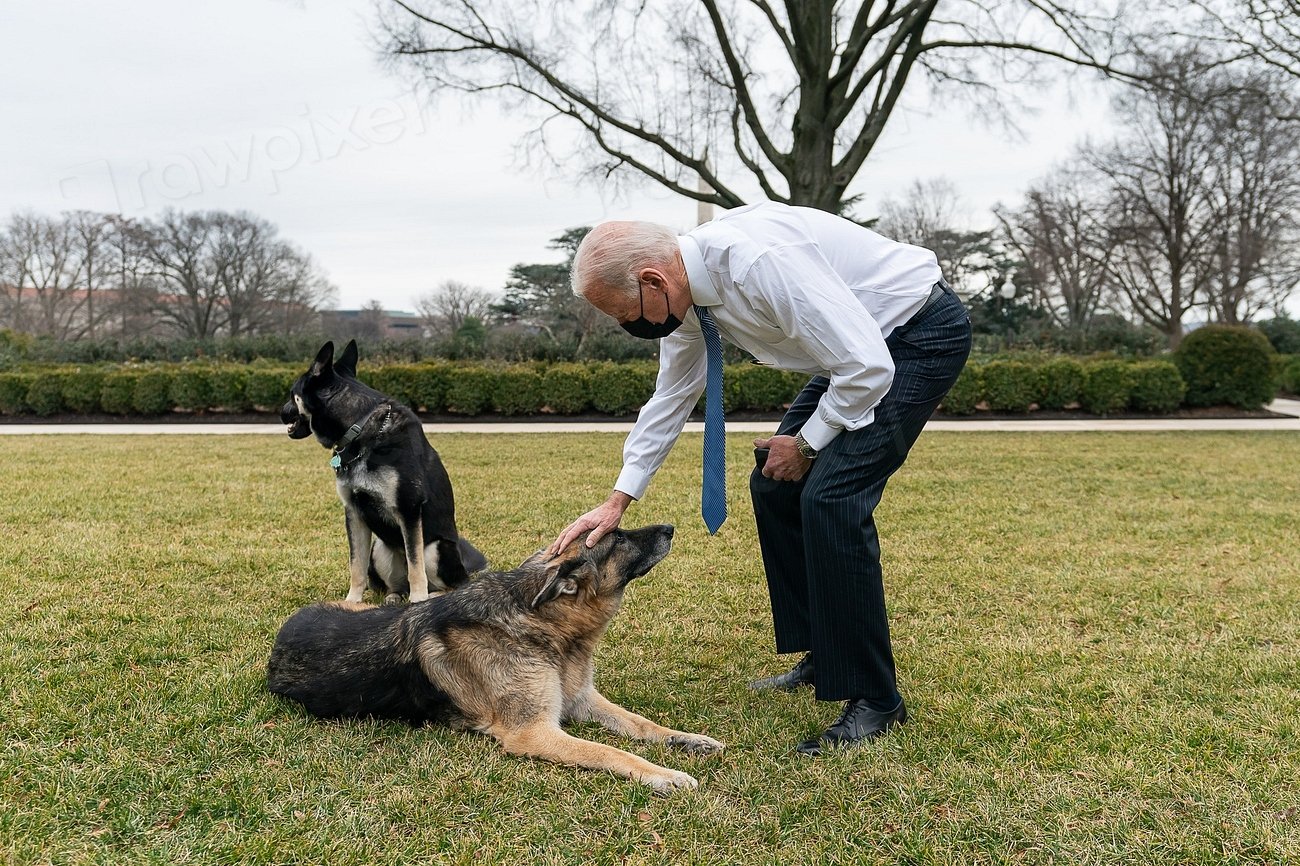
While jumping may seem like an affectionate greeting, it can be problematic, especially for visitors who aren’t dog lovers. Imagine a friend who always greets you with an overenthusiastic hug – not everyone appreciates it. Teaching your dog to greet people politely requires consistent training and patience.
Start by ignoring your dog when they jump and only give them attention when all four paws are on the ground. Reinforce this behavior by rewarding them with treats and praise. Encourage guests to follow the same approach, ensuring your dog learns that calm behavior results in positive attention.
Begging at the Table: Saying No to Those Puppy Eyes

It’s hard to resist those pleading eyes when your dog begs at the table, but giving in can reinforce this behavior. Picture a child asking for candy right before dinner – it’s tempting to give in, but not beneficial in the long run. To stop begging, establish a routine where your dog eats separately from family mealtimes.
Train your dog to stay in a designated spot during meals, rewarding them for remaining there quietly. Consistency is key, so ensure all family members and guests adhere to this rule. Over time, your dog will learn that begging doesn’t yield results and will become more relaxed during meals.
Pulling on the Leash: Taming the Walk
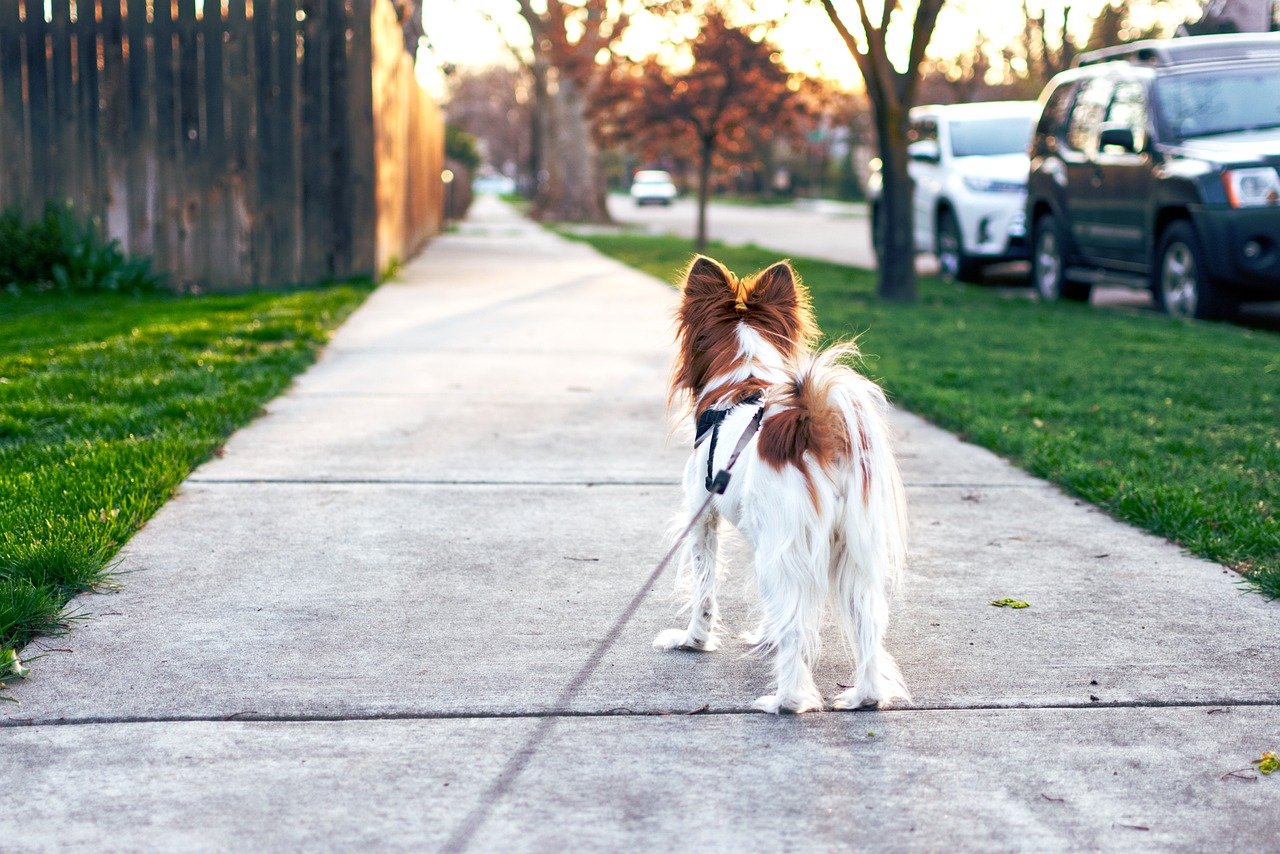
Leash pulling can turn a pleasant walk into a frustrating tug-of-war. Dogs often pull because they’re excited or not trained to walk properly on a leash. Imagine trying to steer a shopping cart with a broken wheel – it can be exhausting! Teaching your dog to walk calmly on a leash requires practice and patience.
Use a no-pull harness or gentle leader to help reduce pulling and gain better control. Stop walking when your dog pulls, and only resume when they return to your side. Reward them for walking calmly beside you, reinforcing the desired behavior. With time and consistency, walks can become enjoyable for both you and your dog.
Digging: Uncovering the Mystery
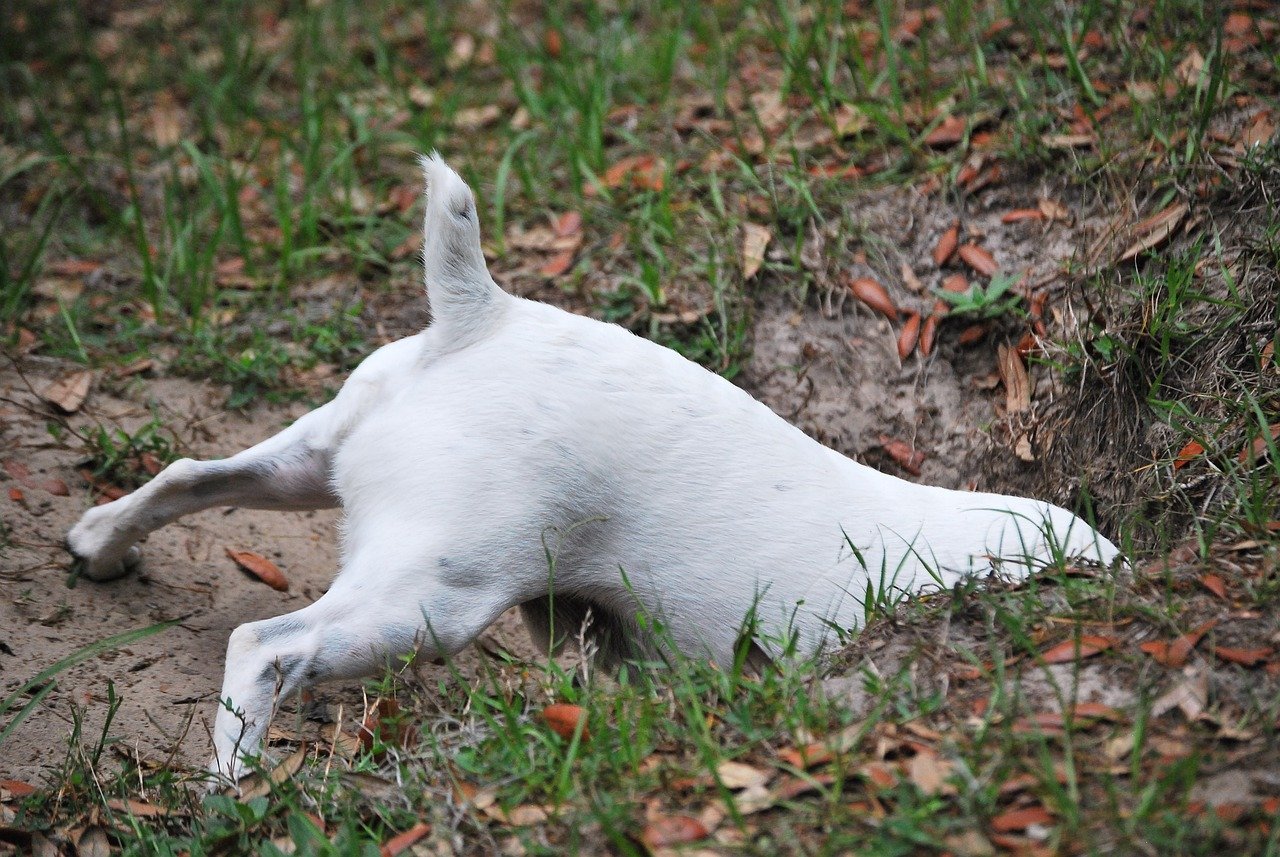
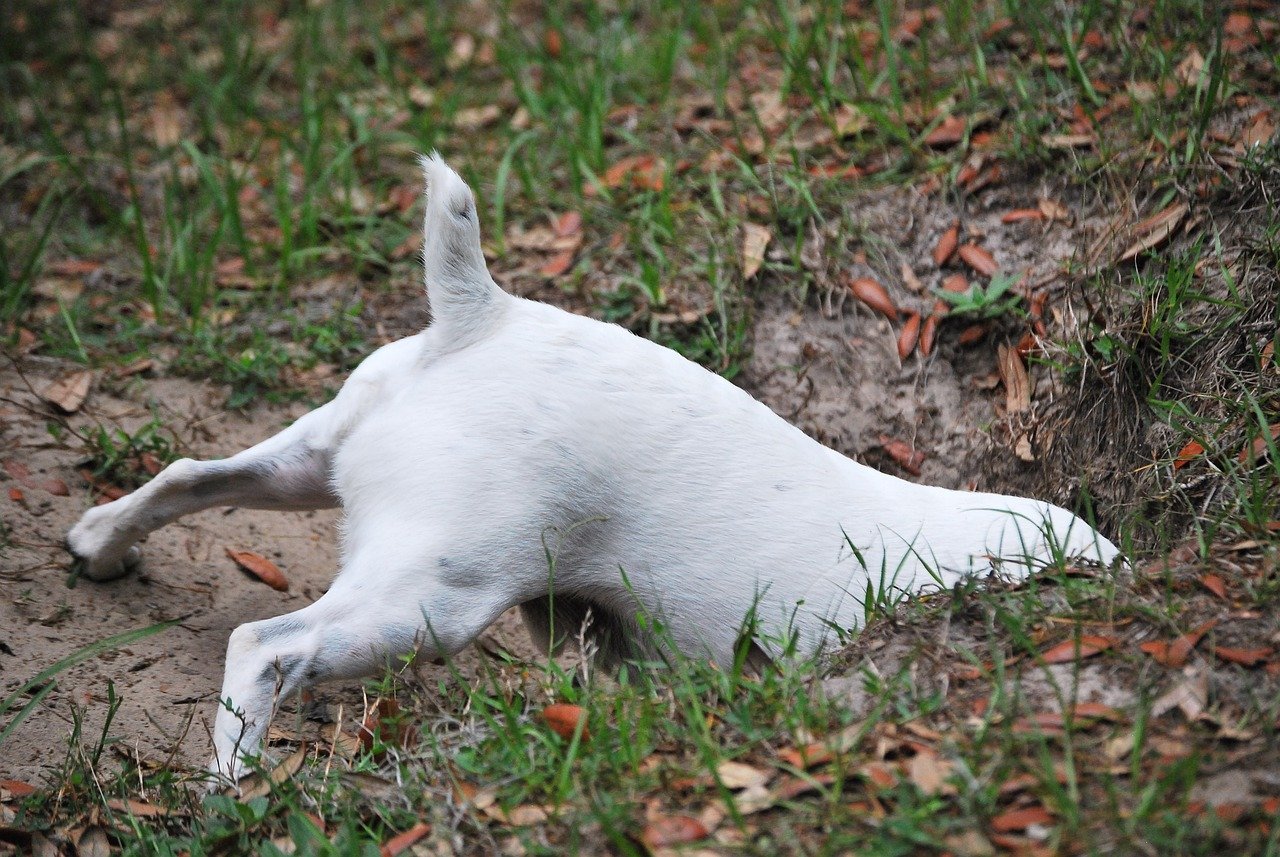
Digging is a natural behavior for many dogs, but it can wreak havoc on your garden. Dogs dig for various reasons, including boredom, hunting instincts, or to create a cool spot to lie down. Consider it akin to a child building sandcastles at the beach – it’s fun but can be destructive. To address this, provide your dog with designated digging areas or sandboxes.
Encourage digging in these areas by burying toys or treats for them to find. If your dog digs due to boredom, increase their physical and mental stimulation with activities and playtime. Redirecting their energy and providing appropriate outlets can help preserve your garden and keep your dog happy.
Aggression: Understanding the Causes

Aggression in dogs can be alarming and dangerous. It’s important to understand that aggression often stems from fear, territorial instincts, or lack of socialization. Imagine feeling cornered and defensive in a crowded room – that’s how some dogs feel when they exhibit aggressive behavior. To address aggression, it’s crucial to identify triggers and work with a professional trainer or behaviorist.
Socializing your dog from an early age and exposing them to various environments can help reduce fear-based aggression. Positive reinforcement training methods can also help your dog learn appropriate responses to triggers. Remember, aggression should be handled with care, and professional guidance is often necessary.
Inappropriate Elimination: House Training Challenges
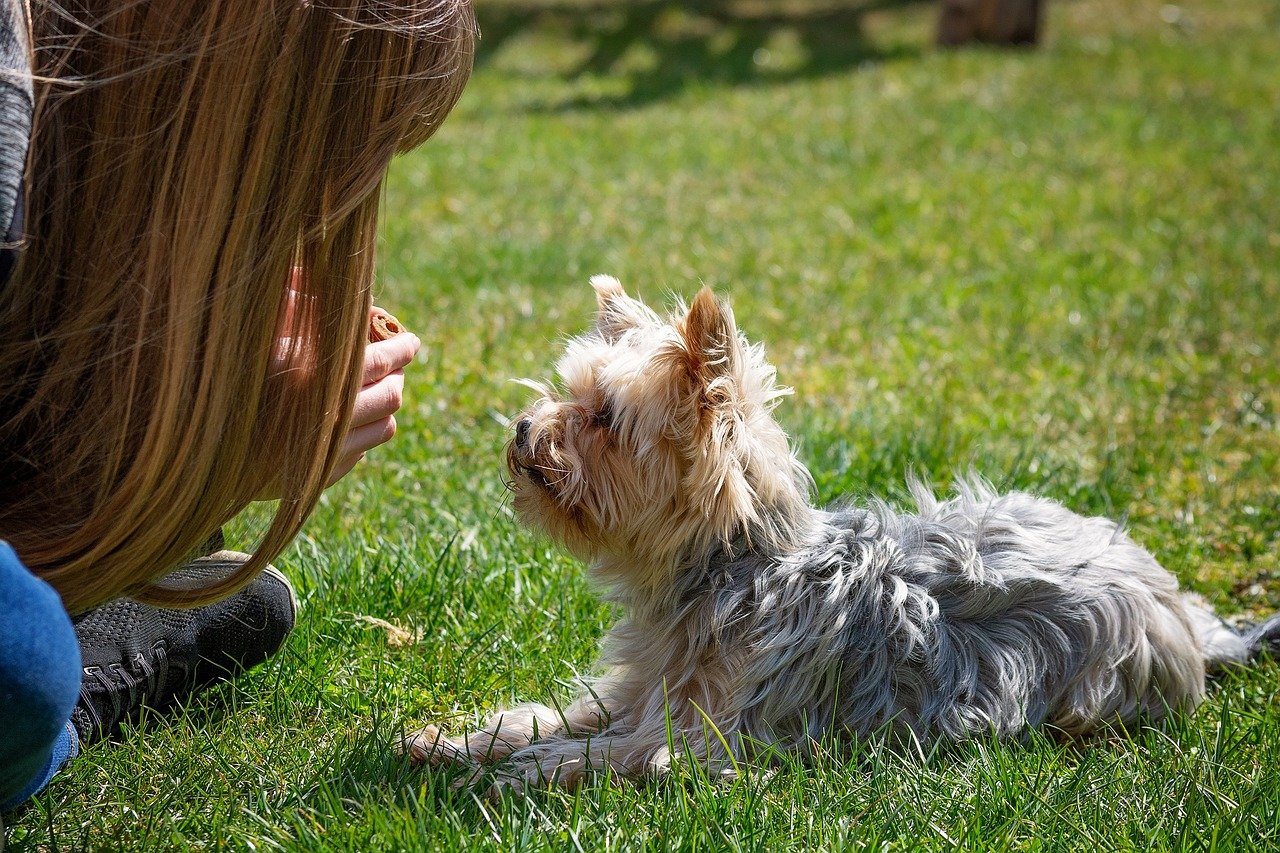
Inappropriate elimination can be frustrating and unsanitary. Dogs may urinate or defecate indoors due to incomplete house training, medical issues, or anxiety. It’s similar to a child having accidents during potty training – it requires patience and understanding. To address this, establish a consistent bathroom routine and take your dog out frequently.
Reward your dog for eliminating in the appropriate area and clean up accidents promptly to remove any lingering odors. If house training issues persist, consult a veterinarian to rule out any underlying medical conditions. With time and consistency, your dog can learn to eliminate in the right place.
Biting: Nipping the Problem in the Bud
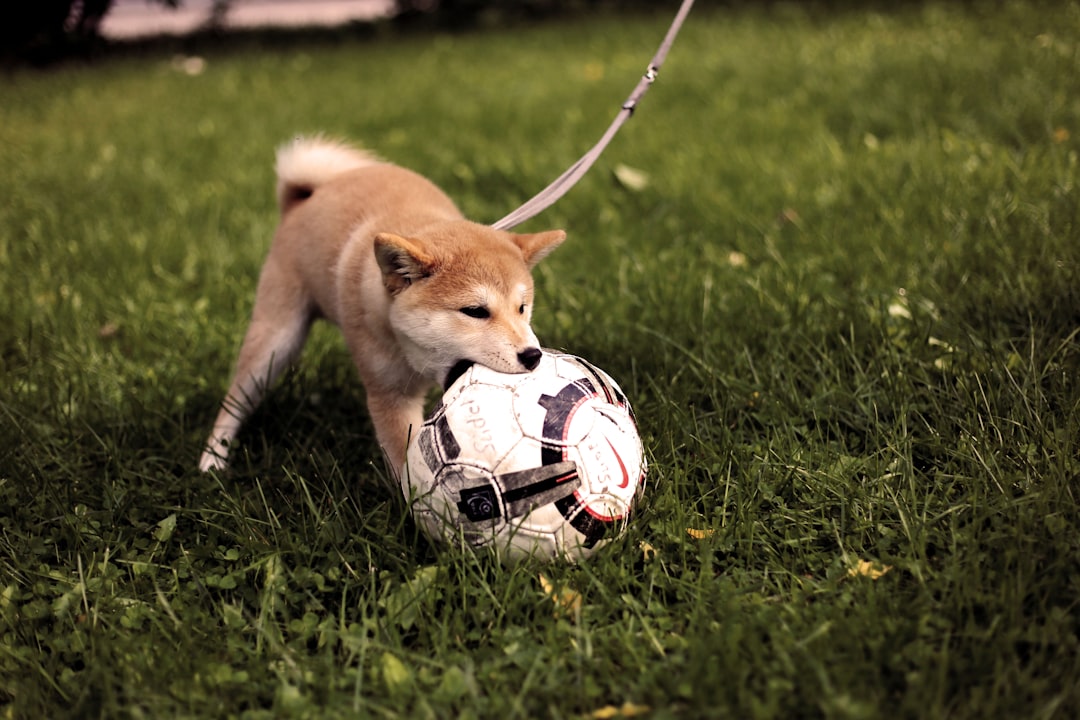
Biting is a serious issue that requires immediate attention. Dogs may bite out of fear, pain, or lack of proper socialization. Think of it as a reflex action – like how we might swat at a bee that’s too close. To address biting, it’s important to identify the cause and work with a professional trainer or behaviorist.
Socializing your dog from a young age and exposing them to various situations can help reduce fear-based biting. Teaching bite inhibition, where your dog learns to control the force of their bite, is also crucial. Consistent training and positive reinforcement can help curb biting behavior and ensure a safer environment for everyone.
As dog lovers, understanding and addressing these common behavior issues can strengthen the bond between you and your furry friend. By taking the time to train, socialize, and provide appropriate outlets for your dog’s energy, you can create a harmonious and happy home. Remember, each dog is unique, and what works for one may not work for another. Patience, consistency, and love are the keys to overcoming these challenges. Have you noticed any of these behaviors in your dog, and how have you addressed them?


