

You’ve seen it happen a thousand times. Your dog does something that makes you reach for the leash correction or the stern voice, convinced they’re being stubborn or disrespectful. Maybe they’re stealing your slippers again, or they won’t stop following you into the bathroom. Here’s the thing though, and this is where it gets fascinating: many behaviors we label as annoying or disobedient aren’t actually misbehavior at all.
They’re trust signals.
Your dog isn’t trying to drive you crazy or challenge your authority. They’re often showing you the deepest forms of canine affection and vulnerability, wrapped up in behaviors that look troublesome through human eyes. We’ve been getting this wrong for years, reacting with frustration when we should be recognizing these moments as the compliments they truly are. Understanding the difference can transform your entire relationship with your furry companion. Let’s explore these commonly misunderstood behaviors and learn to see them through your dog’s eyes.
Following You Everywhere, Including the Bathroom
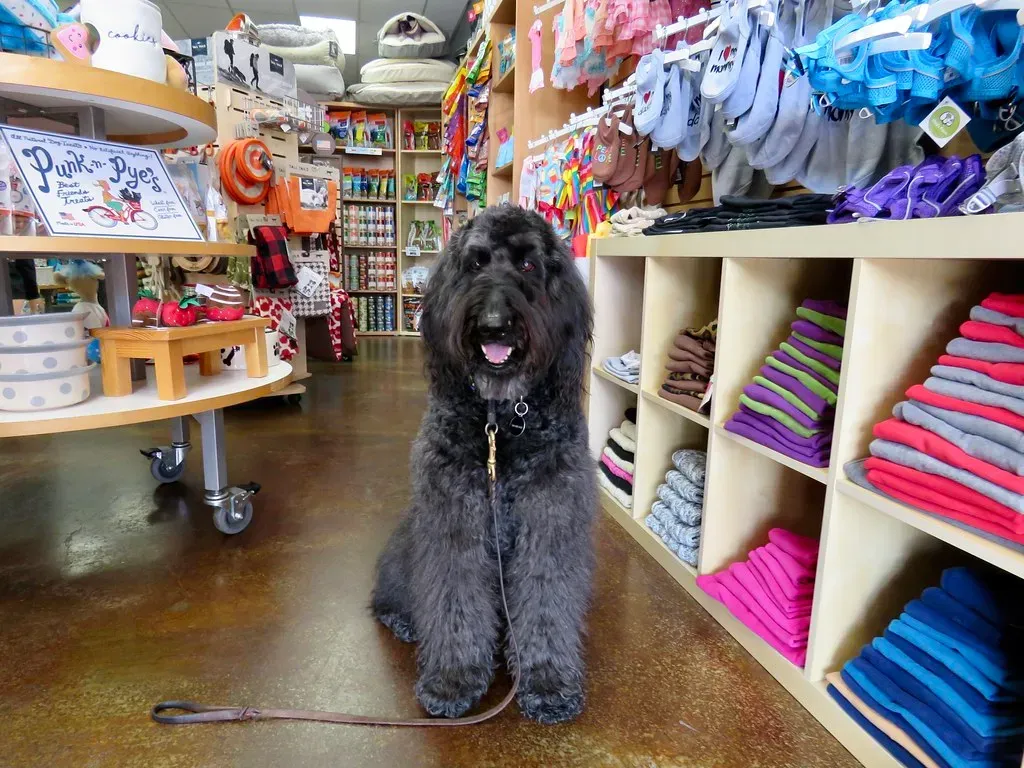
If your dog insists on shadowing your every move, congratulations. You’ve earned yourself a devoted companion who considers you their entire world. This behavior drives many owners up the wall, especially when private bathroom time becomes a spectator sport.
This position allows your dog to track your movements while remaining close to their favorite human, and in wild packs, this vulnerable resting position is reserved for trusted companions. When your dog follows you relentlessly, they’re expressing pack mentality and genuine attachment. They’re not being clingy in a negative way. They trust you so completely that separation, even for a few minutes, feels unnecessary to them. Rather than pushing them away, try teaching a comfortable “stay” command that respects both your boundaries and their need for connection.
Sleeping On Their Back With Belly Exposed

One of the most vulnerable sleeping positions for pets is the belly up position, when a pet is lying on their back with their belly exposed, which is a sign that they feel safe and secure in their environment. This posture couldn’t be more defenseless.
By sleeping with the belly up, a dog is making themselves vulnerable and exposing their vital organs, showing that they trust you. Wild canines would never adopt this position in threatening environments. When your dog flips over and snoozes with paws in the air, they’re making a profound statement about how protected they feel in your home. Instead of disturbing them or worrying they’re being weird, recognize this as one of the highest compliments a dog can offer.
Leaning Their Full Body Weight Against You
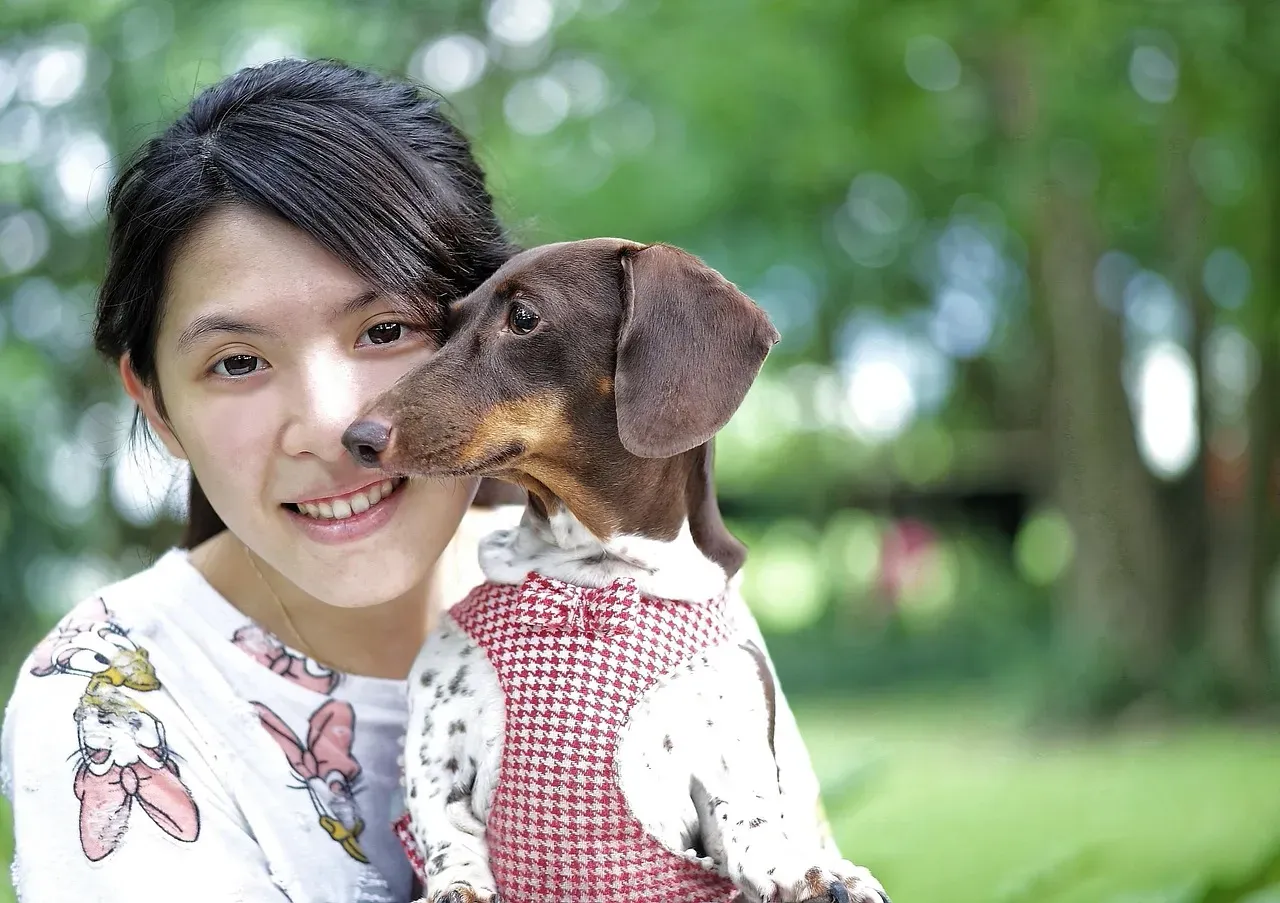
When a dog leans against you, it’s often a sign of affection, trust, or seeking comfort and reassurance. That seventy-pound furball pressing into your legs isn’t trying to trip you or dominate you.
They’re seeking physical closeness and emotional security from their favorite person. Some dogs lean when they’re anxious and need grounding. Others do it simply because your presence makes them feel content. Either way, this behavior shows they view you as their safe harbor. Acknowledge the lean with gentle petting or calm words, letting them know you’re there for them without making a big fuss that might increase any underlying anxiety.
Bringing You Their Toys Constantly
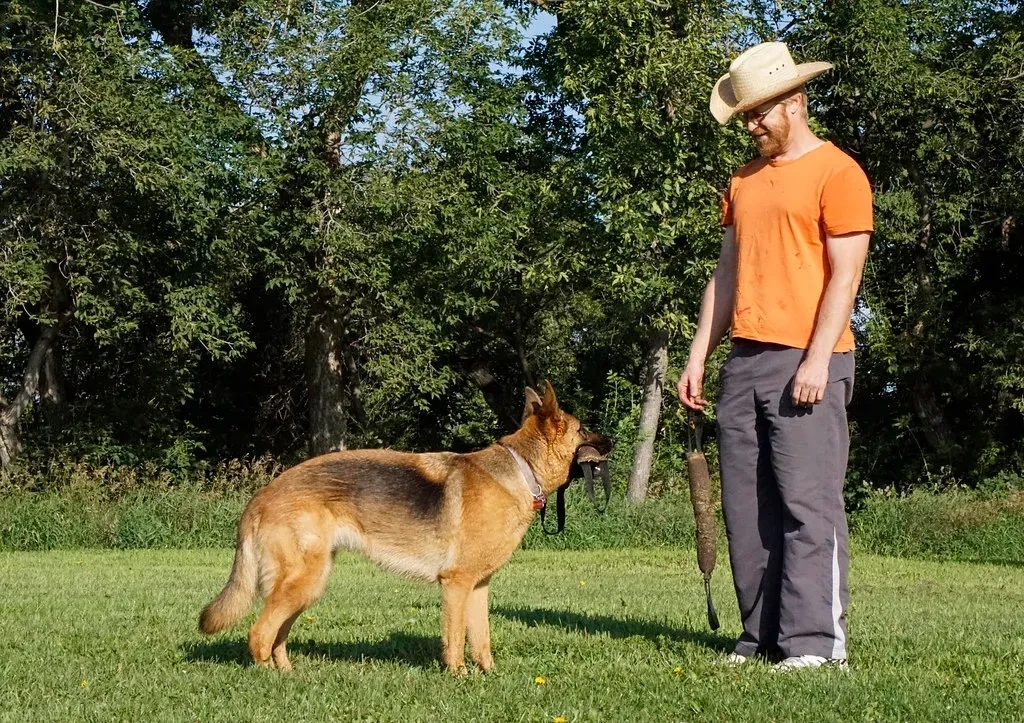
When your dog brings you their favorite toys or special items, they’re demonstrating both trust and a desire to share experiences with you. It’s not always about wanting to play, though that’s part of it.
Dogs will bring you a toy or a ball as a way to show their affection, and this behavior is also a way for them to get you to play with them or show them some attention, but either way, it’s a sign that your dog sees you as someone special and wants to make you happy. They’re offering you their prized possessions, the canine equivalent of sharing treasures with someone you adore. When you’re constantly tripping over soggy tennis balls and chewed-up rope toys, remember your dog is actually paying you the ultimate compliment.
Staring Directly Into Your Eyes
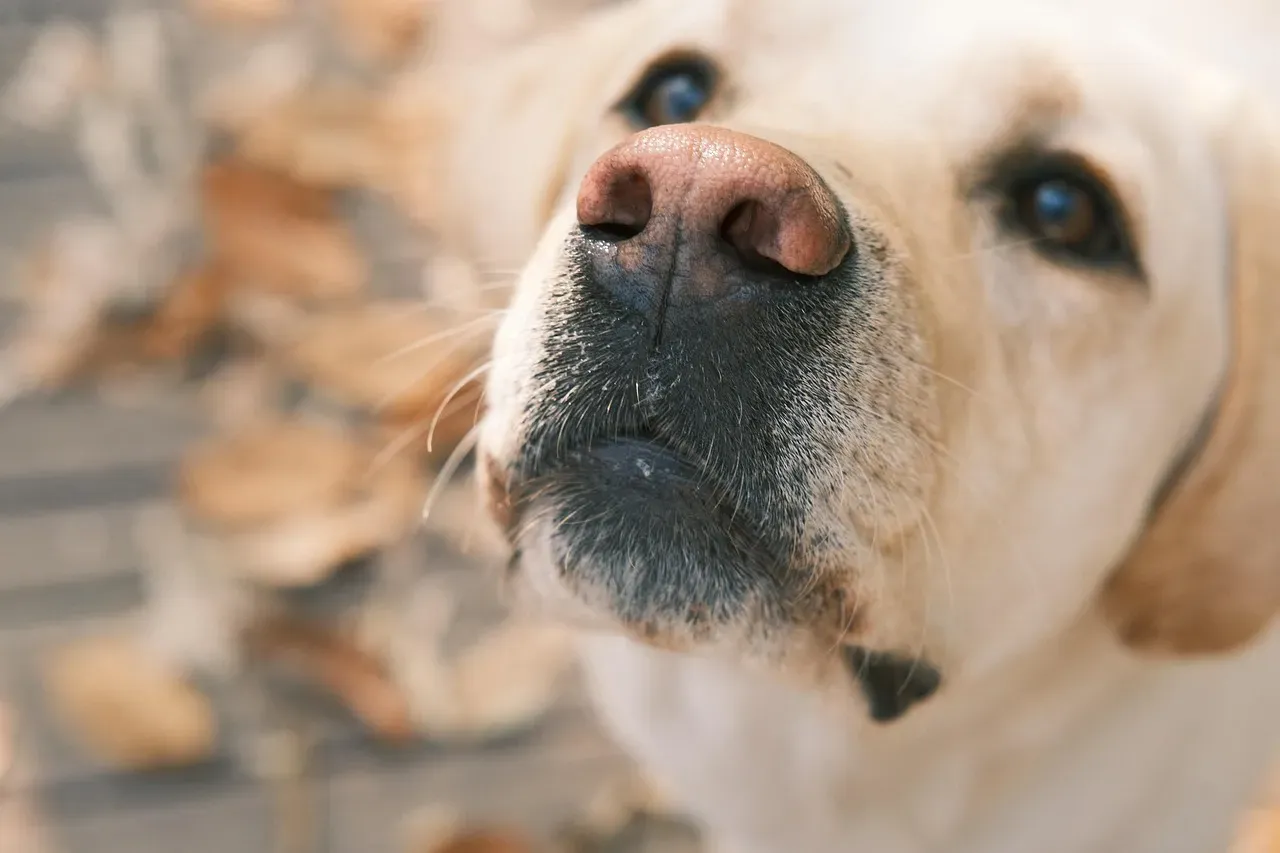
That soul-penetrating gaze isn’t weird or challenging, it’s a profound compliment, and when your dog locks eyes with you, they’re often expressing deep connection and trust, with studies showing that mutual gazing between dogs and their humans releases oxytocin.
Many scientific studies have found that one way this oxytocin, the love hormone, is released in dogs is through deep and meaningful eye contact. This is bonding in real time. In dog language, sustained staring between trusted individuals strengthens emotional ties. Next time your pup gazes at you during quiet moments, hold that look for a few seconds and feel the connection deepen. Just be mindful of context, because staring can mean different things depending on body language.
Stealing Your Clothes or Belongings
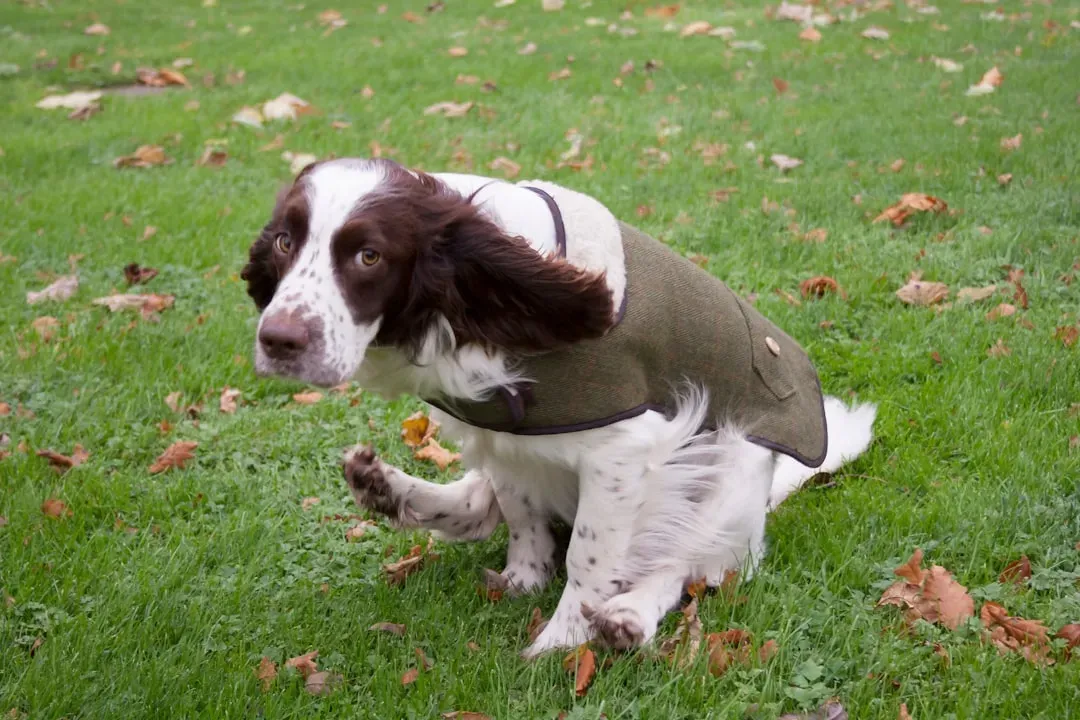
While this behavior may not solely be based on trust, your dog may just know you pay attention to him when he swipes your stuff, but your pooch could be comforted by having that connection to you, especially while you’re away, with what better connection than something that smells just like you.
That favorite hoodie or those gym socks aren’t stolen out of spite. Your dog craves your scent when you’re gone because it provides comfort and reassurance. They’re surrounding themselves with your smell as a way to feel closer to you. Instead of punishing this behavior, provide your dog with an old t-shirt you’ve worn or a designated item that carries your scent. This satisfies their need for connection without sacrificing your wardrobe.
Growling As a Warning Signal

Growling is often misunderstood as aggression, but it is a warning, as dogs growl to express discomfort, fear, or stress, and punishing a growl can suppress this warning, leading to sudden biting without signals.
Growling is a polite request for space, not a bad behavior, and growling is one of the most beautiful examples of trust: your dog trusts you enough to say, I’m uncomfortable, before reaching breaking point. Think about that for a moment. Your dog is communicating their boundaries verbally before resorting to anything physical. They’re giving you critical information. When you punish growling, you teach your dog to skip the warning and go straight to a bite. Honor the growl by backing off and addressing whatever is causing their discomfort.
Sleeping in Your Bed or Bedroom
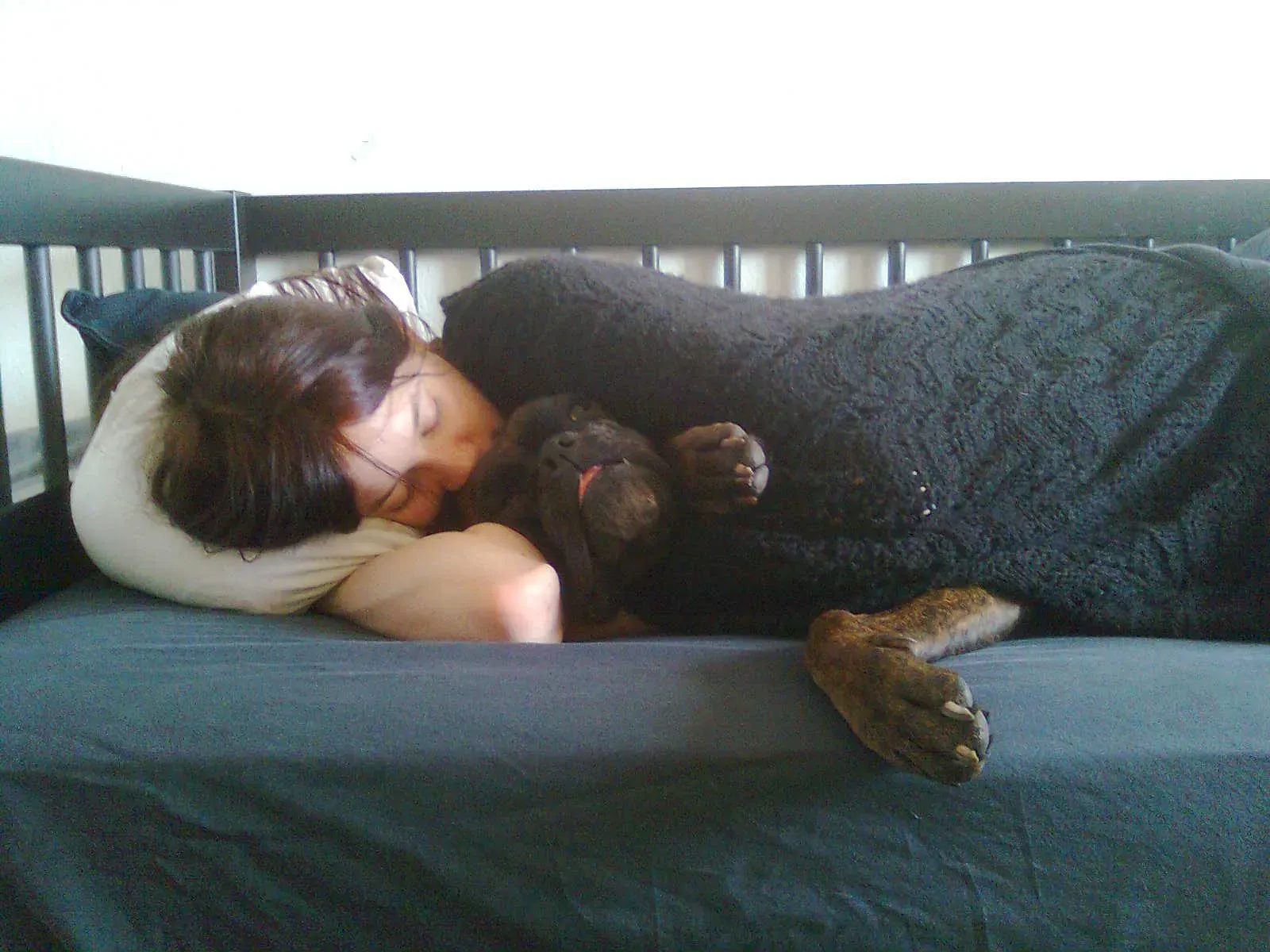
Dogs typically sleep in a place that they are comfortable, so sleeping in an owner’s room could certainly be an indication of comfort. Another vulnerable time for a dog is when they are asleep, and historically, wolves and dogs used to sleep close together with other pack members to ensure trust and protection, with dogs choosing to sleep where they feel most comfortable and at ease.
When your dog curls up on your bed or insists on sleeping nearby, they’re fulfilling an ancient instinct to stay close to their pack at night. This proximity during their most vulnerable state shows incredible trust. Some owners worry about dominance issues, but honestly, that’s outdated thinking. Your dog simply feels safest near you.
Showing You Their Belly for Rubs
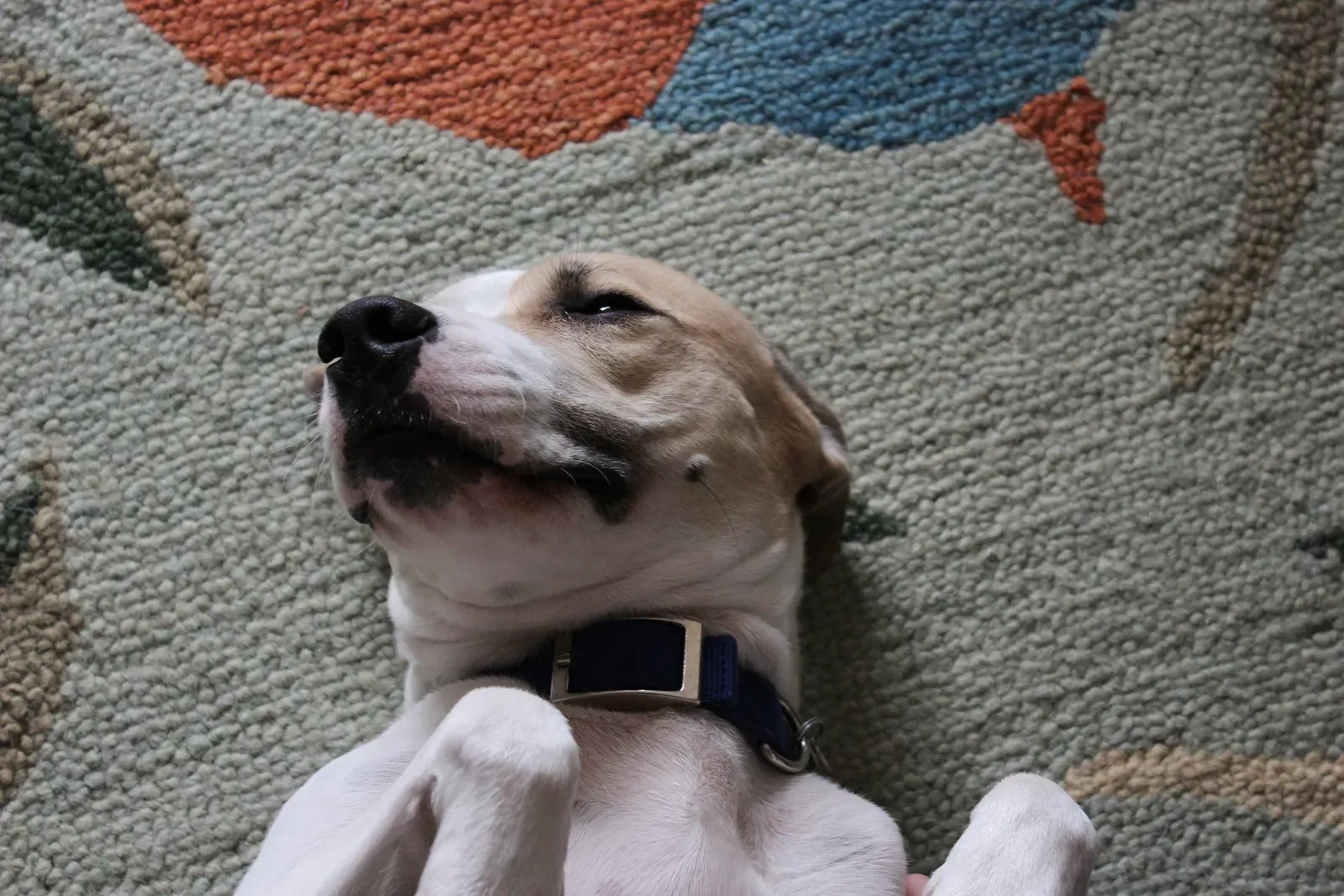
One of the most vulnerable parts of a dog’s body is the belly, so when a dog feels comfortable enough to roll onto their back in your presence, it’s more than likely they trust you enough to voluntarily roll into this exposing position.
Turning over and inviting a belly rub shows trust and enjoying social contact, with a relaxed facial expression and ears neutral or back just a little. This isn’t submission in a fearful sense. It’s voluntary vulnerability with someone they trust completely. When a dog offers their belly, they’re basically saying they feel utterly safe with you. Take the invitation and give gentle belly rubs, reinforcing that their trust is well-placed and appreciated.
Whining When You’re Around
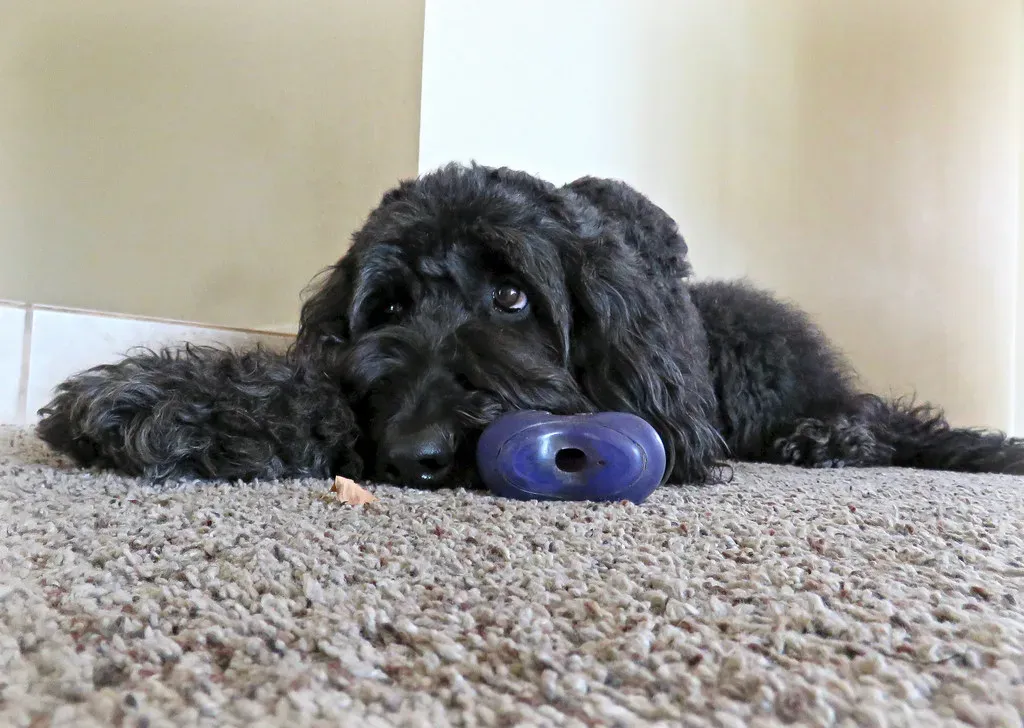
That high-pitched sound isn’t always about being needy, as dogs whine to communicate a variety of emotions and needs, and sometimes it signals anxiety or discomfort rather than a plea for pets, with your furry friend trying to tell you they’re in pain, feeling stressed, or simply excited about something, and learning to distinguish between different types of whines takes time but helps you respond appropriately to what your dog actually needs.
Rather than getting annoyed, pay attention to the context. Is your dog whining near the door because they need out? Are they whining with a toy because they want to engage with you? Whining is communication, not manipulation. By listening carefully, you’ll learn your dog’s specific vocabulary and strengthen your bond through understanding.
Leaning Into You During Stressful Situations
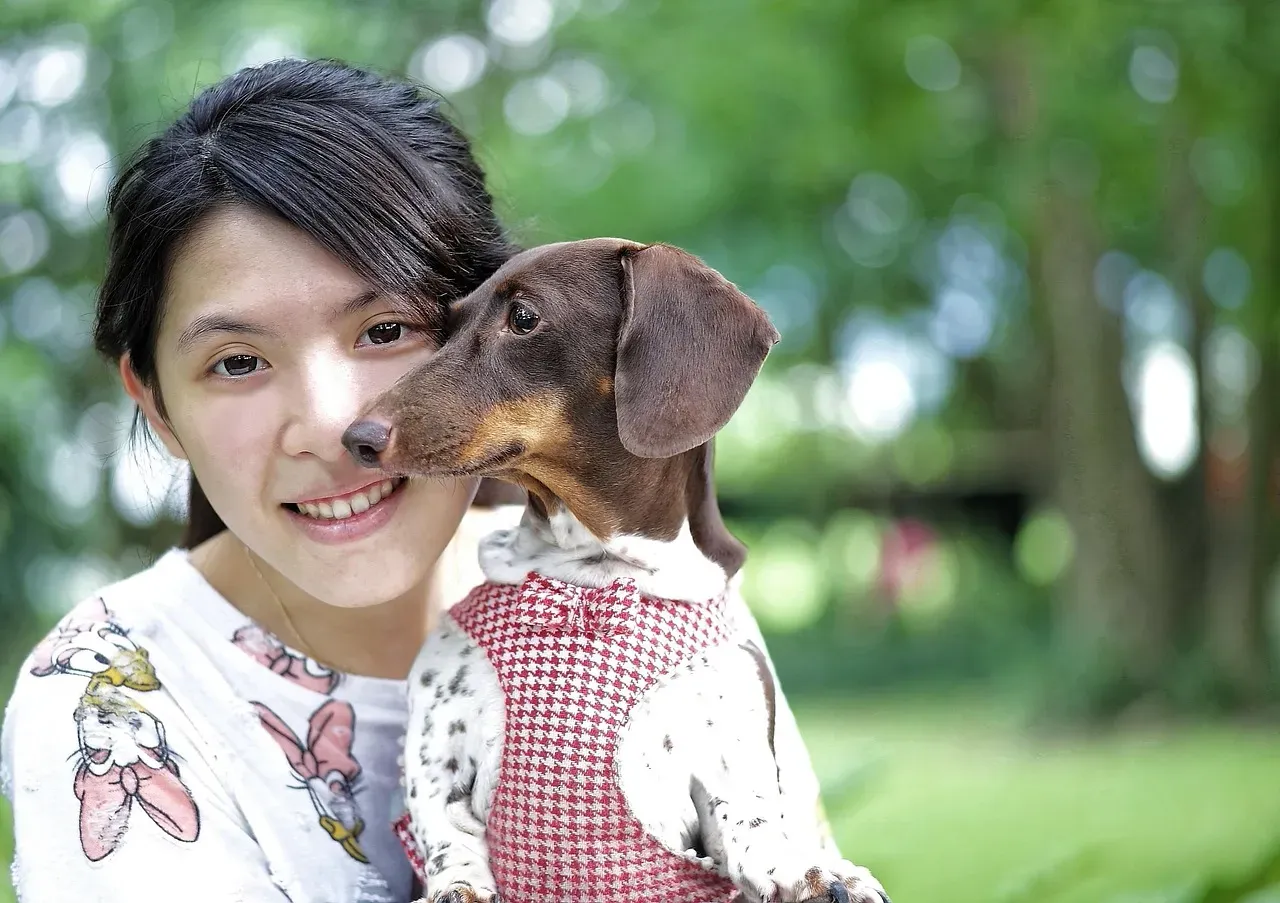
In new or potentially stressful situations, a trusting dog will look to their owner for cues about how to react, and this social referencing behavior shows they value your judgment and rely on you for safety signals. When your dog presses against you at the vet’s office or during a thunderstorm, they’re not being cowardly.
They’re demonstrating that you’re their source of security and courage. This behavior shows sophisticated emotional awareness, your dog knows they feel better when they’re near you. Instead of pushing them to be brave alone, be the anchor they need. Your calm presence helps them navigate scary situations with confidence. Honestly, being someone’s safe place is one of the greatest gifts a relationship can offer.
Conclusion
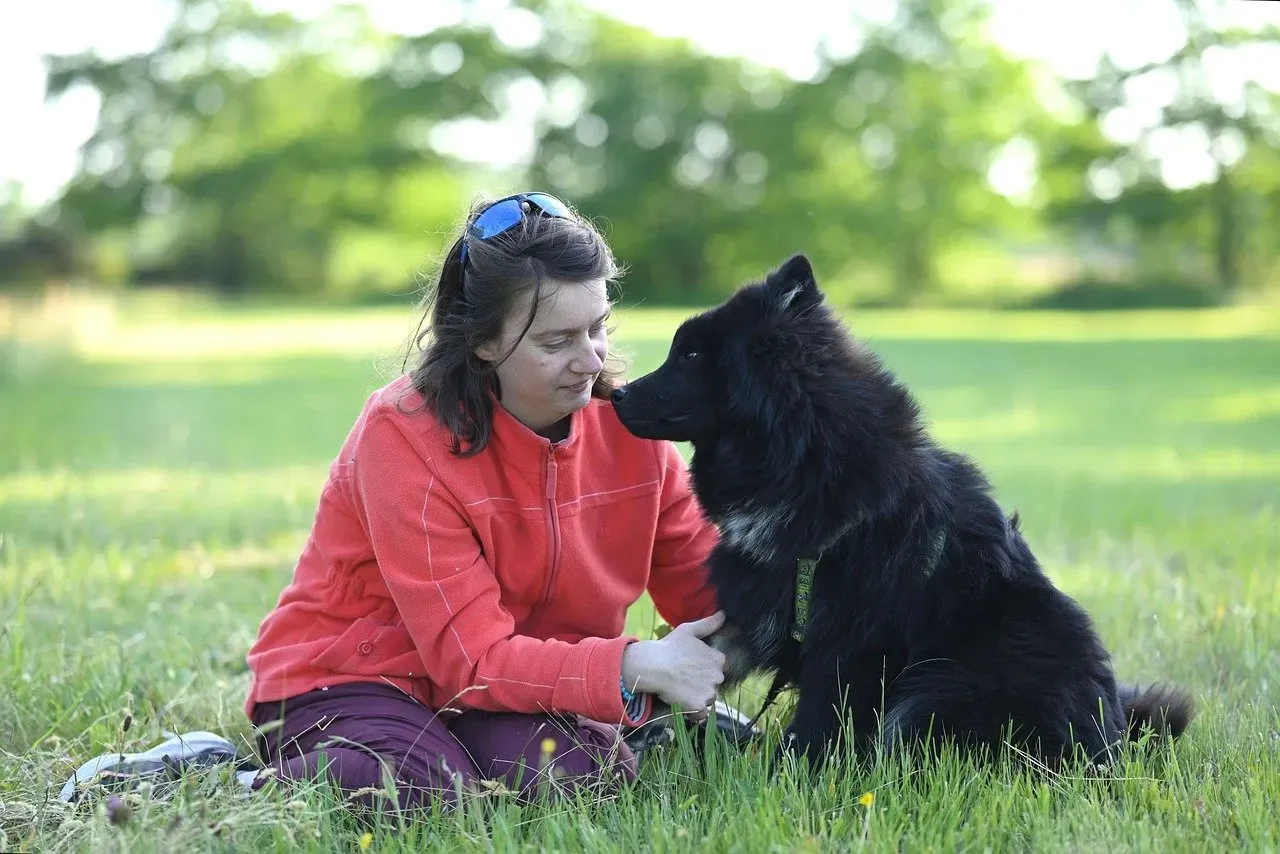
The behaviors we’ve explored here are windows into your dog’s emotional world. What looks like mischief, clinginess, or annoyance through our human lens often translates to love, trust, and devotion in the canine vocabulary. When we punish these natural expressions of bonding, we risk damaging the very connection we cherish most.
Untrained dog behavior is not a sign of a bad dog, it is simply a sign that they have not yet learned what is expected, and by understanding their actions as communication, not mischief, you can build a stronger, more respectful bond. So the next time your dog exhibits one of these behaviors, pause before reacting. Ask yourself what they might be trying to tell you. The answer will probably make your heart swell rather than your frustration rise. What behavior from your dog have you been misunderstanding? Share your stories in the comments below.


