
You’ve lived with your dog for years. You think you know them inside out. The tail wags, the sloppy licks, the dramatic spin before bedtime. You probably smile and nod and assume you’ve got it all figured out. But here’s the thing – dogs are quietly saying so much more than we ever give them credit for, and honestly, most of us are only catching about half the message.
The gap between what we think our dogs are doing and what they’re actually communicating can be surprisingly wide. Some of these misreads are harmless. Others, though, can affect your dog’s wellbeing in real ways you’d never expect. So if you’re ready to look at your furry best friend through a whole new lens, let’s dive in.
1. A Wagging Tail Doesn’t Always Mean a Happy Dog
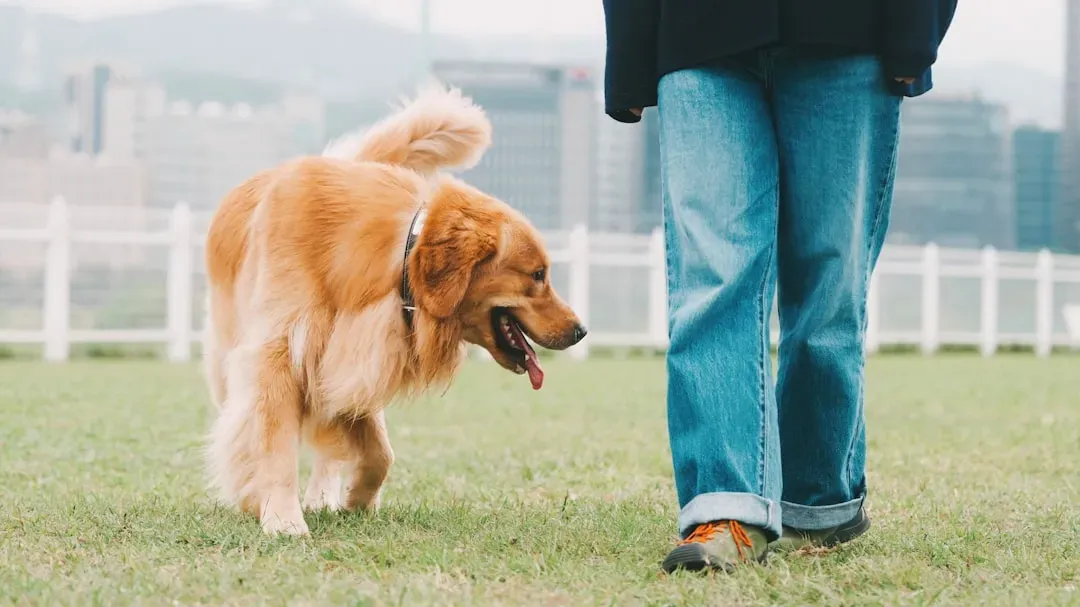
This is probably the biggest myth in dog behavior, and it trips up even experienced owners. Contrary to popular belief, tail wagging isn’t always a sign of friendliness. It depends on how the tail is moving. The speed, height, and stiffness of the wag can convey very different emotions. A fast, high wag might indicate excitement or arousal, while a slow, low wag could signal insecurity or even potential aggression.
If a wag is parallel to the ground, loose, and broad, chances are the dog is feeling just fine. But if the tail is held low and wagging in a tight, fast arc, the dog may be feeling nervous, anxious, or submissive. Think of it like a human smile – sometimes it means pure joy, and sometimes it means someone is just trying to hold it together. Context is everything.
2. Growling Is Not Always Aggression
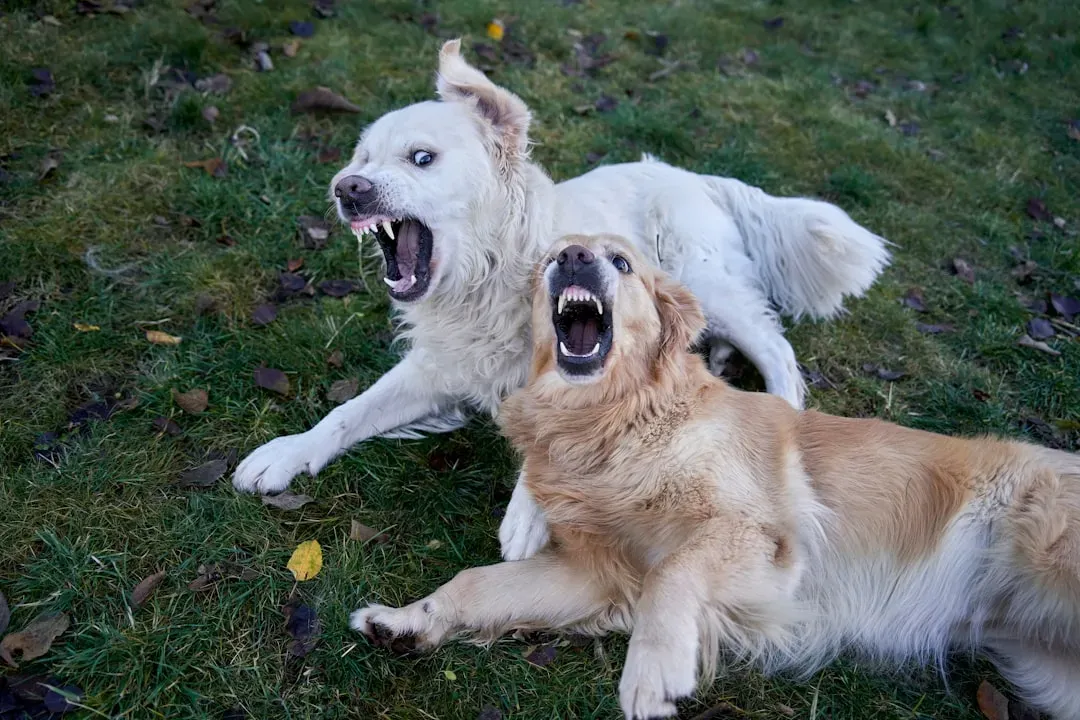
While growling can appear aggressive to people, it’s actually a dog’s way of expressing discomfort, fear, or stress. It’s often a warning signal, not always a sign of aggression. Understanding the context and triggers behind the growl is crucial. In fact, punishing a dog for growling is one of the worst things you can do, because you remove their early warning system entirely.
It is perfectly normal for dogs to growl while playing tug. You may also notice your dog growling during play with another dog. This is normal as well. Of course, there are some growls that are threatening, so each growl must be interpreted in the context of the circumstances at the time. Learn to listen to the tone, the body posture, and the situation before you react.
3. Jumping Up Is Excitement, Not Dominance
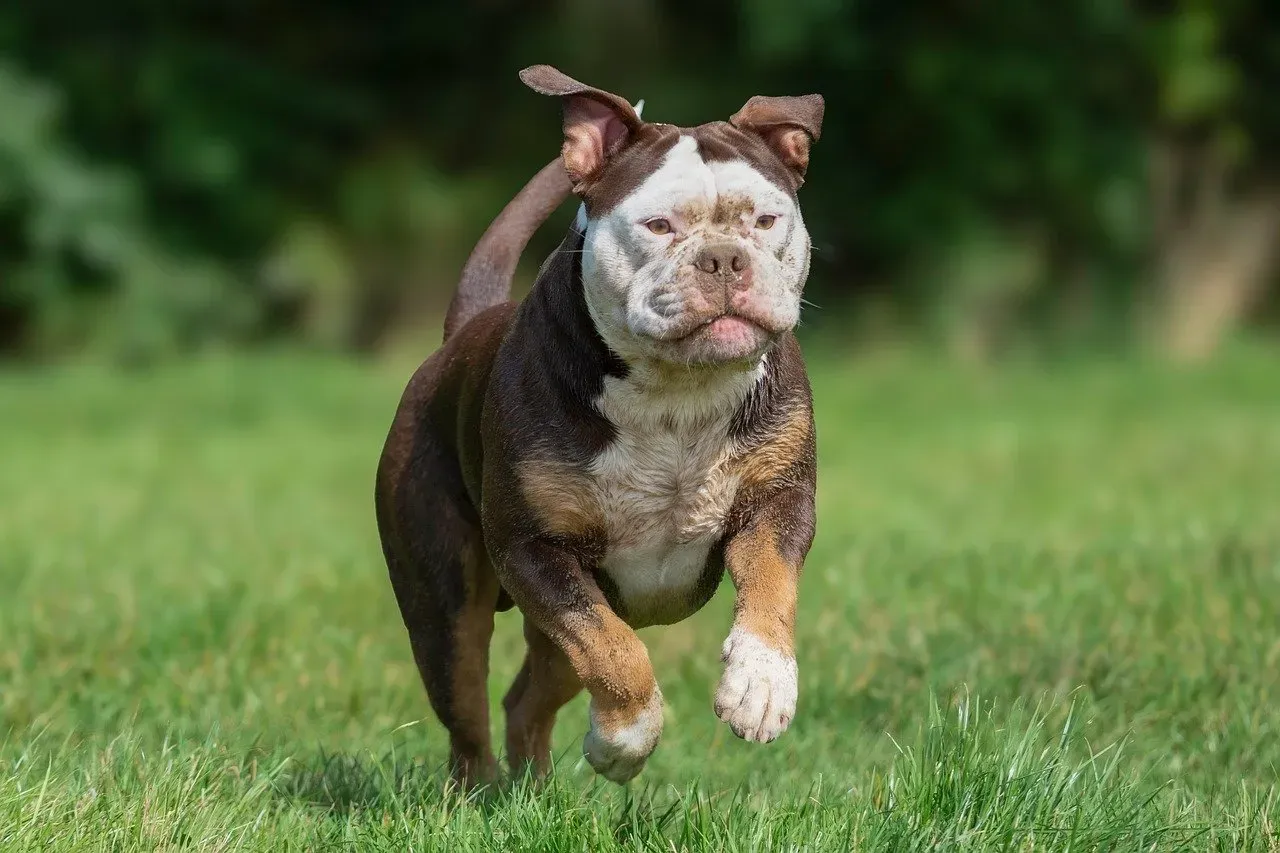
This behavior is often misunderstood as dominance or aggression. In reality, it’s most often a result of excitement and a desire for attention. Your dog isn’t trying to claim power over you. They genuinely cannot contain their joy at seeing you, which is kind of adorable when you think about it.
When your pup jumps up, calmly redirect them to sit. Once they are seated, shower them with love and attention. They will learn that sitting gets them the love and affection they have been seeking. It just takes patience and consistency. No drama needed, no dominance theories required.
4. Circling Before Lying Down Is Ancient Instinct

Every time your dog does three spins before flopping onto their perfectly good memory foam bed, you probably think they’ve lost the plot. But there’s real science behind this quirky ritual. Dogs inherited the behavior of circling before lying down from their wild ancestors, which may have circled to tamp down vegetation and smooth the soil, to detect and remove irritating objects, or to crush or drive away potentially harmful creatures.
Interestingly, circling also serves as a self-soothing technique. When dogs prepare for rest, this repetitive motion can calm their nervous system, helping them transition into sleep more smoothly. However, physical pain can also cause circling. Dogs with arthritis or hip dysplasia may circle repeatedly in an effort to find a position that eases their discomfort. If your dog takes longer than usual to lie down or shows signs of stiffness, joint or muscle pain could be to blame.
5. Licking Your Face Isn’t Always a Kiss
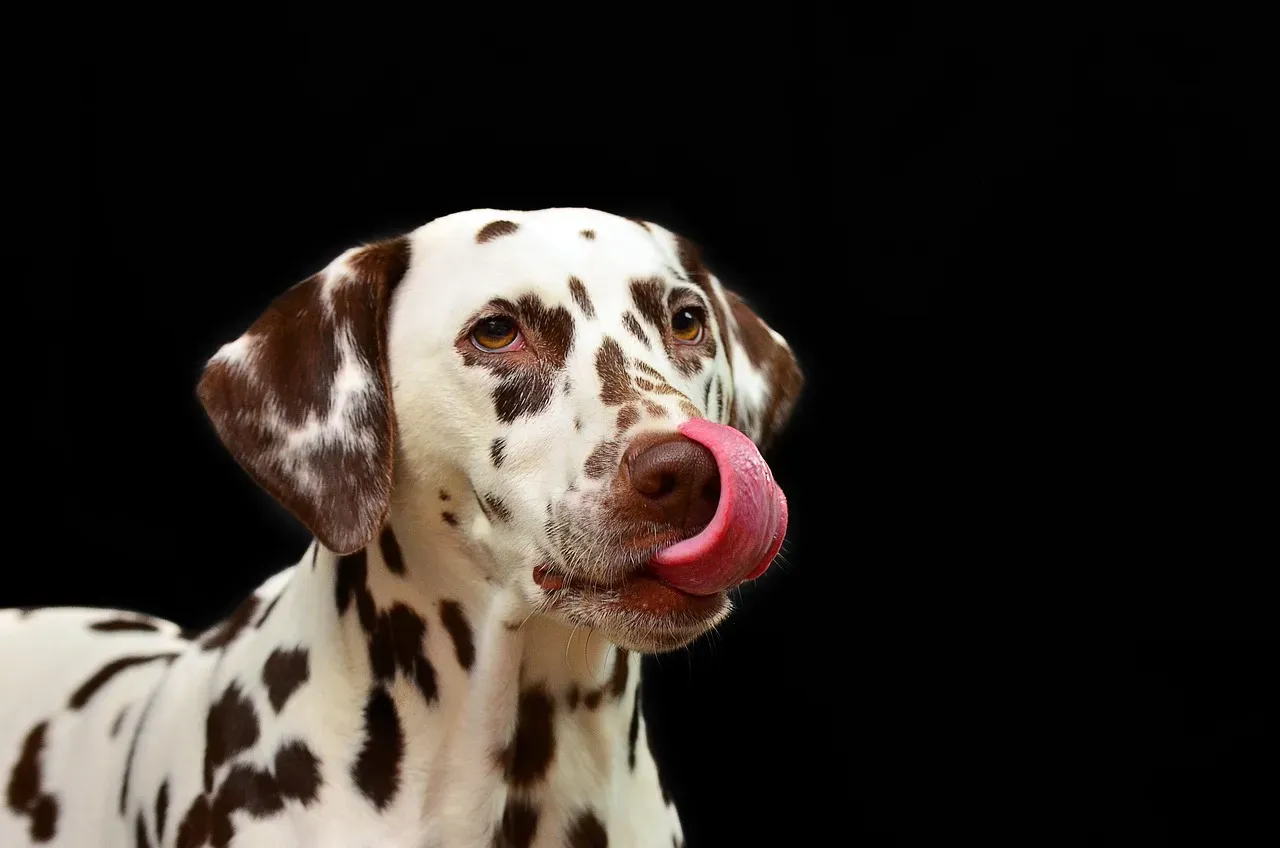
We love to call it puppy kisses, and look, sometimes it genuinely is affection. But licking is far more layered than that. Long, slurpy licks accompanied by a soft, wiggly body are usually very affectionate gestures. Some small kisses at the mouth are sometimes appeasement behaviors, like the way small puppies lick at the mouths of adult dogs.
If your dog is responding to a specific situation or some form of interaction by licking their nose, it may be a sign of stress or worry. Lip licking in this context may be what’s known as an appeasement or calming gesture, a way of trying to dial down a perceived threat. So next time your dog licks you, look at the whole picture. A wiggly body? Pure love. A stiff body with licking? They might be asking for space.
6. Yawning Is Often a Stress Signal, Not Tiredness
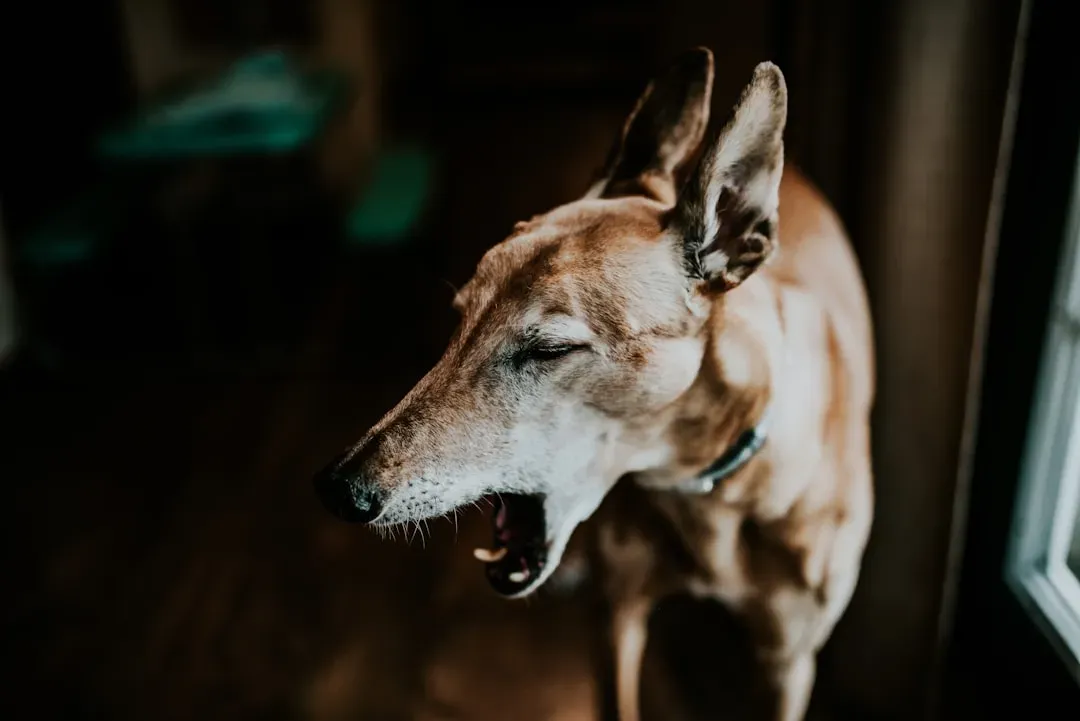
This one surprised me the first time I learned it, honestly. We see a yawn and naturally think our dog is sleepy or bored with us. But unlike humans, who yawn when tired or bored, dogs yawn when stressed. Dogs use yawning to calm themselves in tense situations. You can even yawn at your dog to provide comfort during stressful moments, like a veterinary visit.
Dogs yawn to calm themselves in stressful situations, such as meeting new people, visiting the vet, or encountering unfamiliar environments. It’s a form of appeasement behavior that dogs use to signal they’re not a threat. If your dog yawns frequently in certain contexts, it may be their way of communicating that they’re feeling anxious. Watch for the yawn paired with pinned-back ears or avoidance – that combo tells the full story.
7. Eating Grass Is Not a Sign of Illness
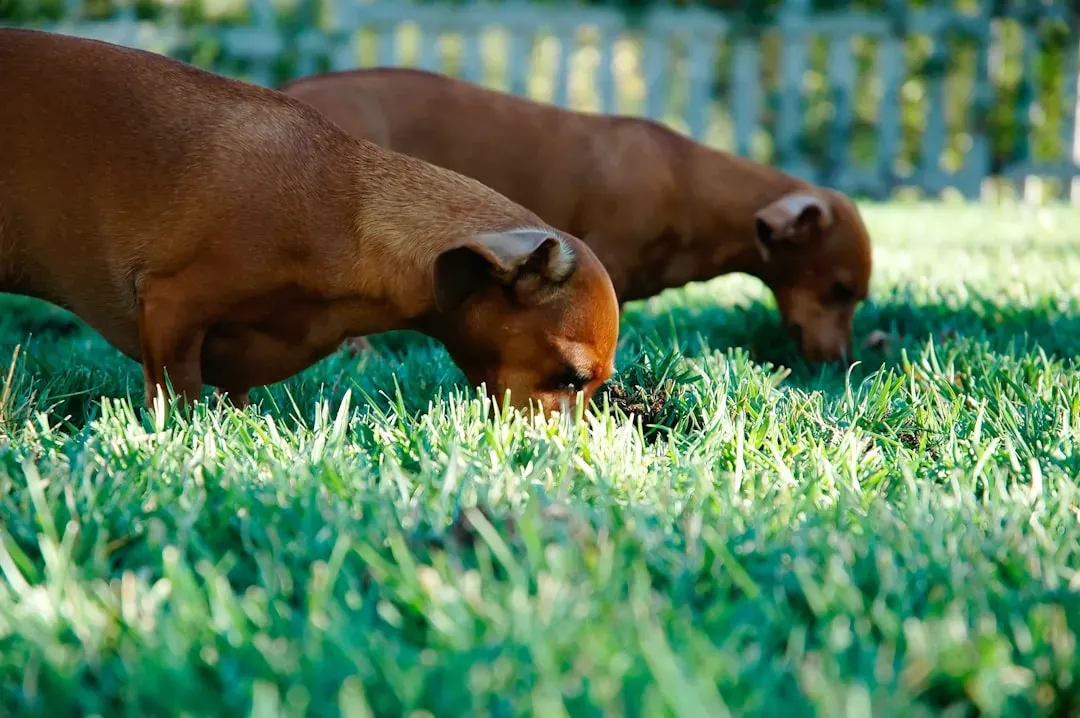
Ask almost any dog owner why their dog eats grass and they’ll say, “Oh, it’s because their stomach is upset.” It sounds logical. It’s also mostly wrong. Although not many studies have been done on why dogs eat grass, there’s evidence that most dogs do not eat grass to vomit. In fact, in a written survey of pet parents, roughly four out of five healthy dogs ate grass, including grass and other plants. More than two-thirds of dogs ate grass regularly, either daily or weekly.
Some scientists speculate that eating grass is an instinctive behavior for dogs that evolved from their wolf ancestors. Research on wolves shows that a small percentage of their stomach contents may contain plant material. Wild canids have also been observed to eat grass. So your dog munching your lawn is mostly just being a dog, not sending an SOS signal from their gut.
8. Rolling in Disgusting Things Is an Ancestral Scent Strategy
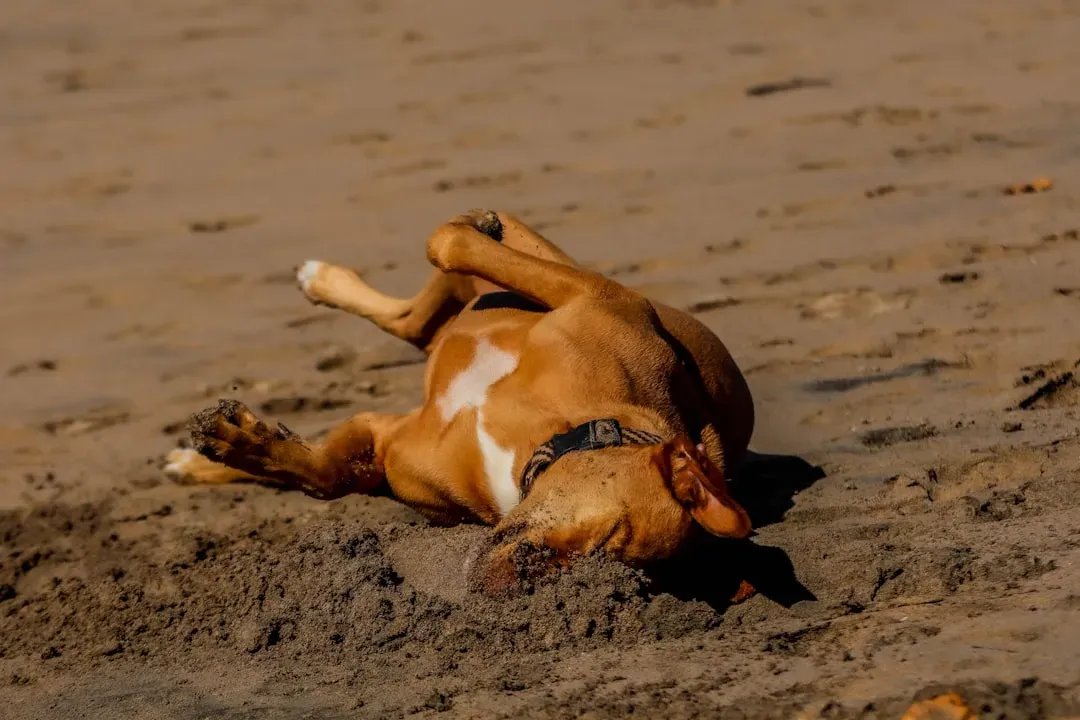
You’ve just given your dog the most thorough bath of their life. They smell like lavender and love. You turn your back for thirty seconds. They launch themselves directly into something unspeakable. Why? One explanation is that rolling dogs may be picking up the strong odors of decaying animals or feces to mask their own odor, which would have been a helpful technique for hunting. If the dog is covered in poop or carrion, they have a better chance of sneaking up on their prey.
Many owners notice that their pup seems particularly intent on rolling in smelly things when they have just been cleaned. When we bathe our dogs, we remove oils and natural skin bacteria, which translates into removing the dog’s unique scent and identity. Dogs may feel vulnerable, so they will roll in things with a strong smell to fit in with their environment once again. It’s not rebellion. It’s identity restoration, dog-style.
9. Humping Is Usually About Excitement, Not Sexuality
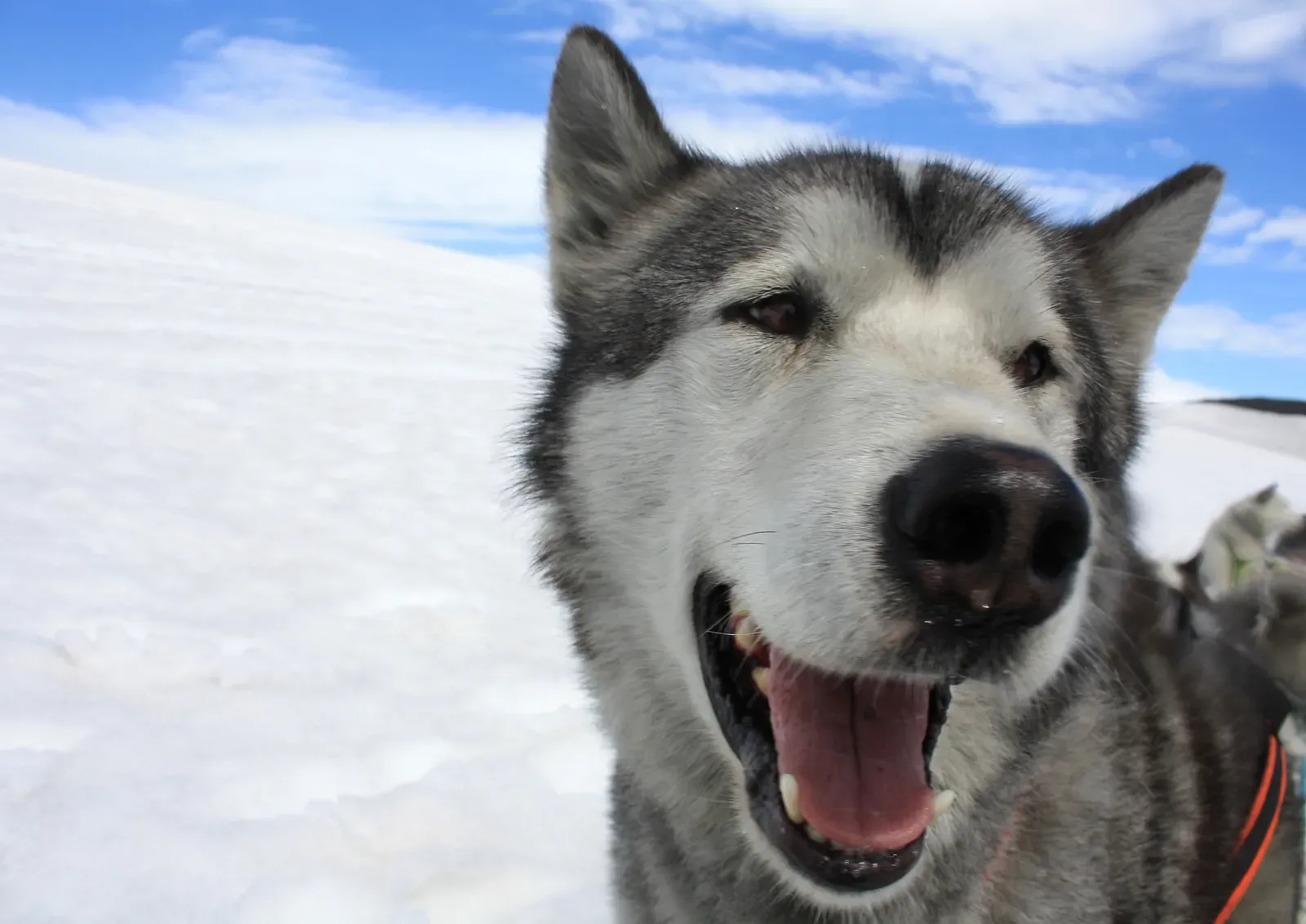
Let’s be real. This is the behavior that sends owners diving behind furniture at dinner parties. It’s embarrassing, confusing, and often completely misunderstood. While humping can be sexual, particularly for young, intact dogs, there are often other reasons behind it. Most often, the contributing factor is arousal, not the sexual kind, but the excitement kind.
Humping can also be a reaction to stress, and can even become an attention-seeking behavior, as with dogs who hump their owners’ legs. In short, don’t assume that humping is sexual, because most often there are other causes. Humping in spayed or neutered dogs, or intact puppies, is rarely a sexual behavior or an attempt to “dominate” anyone. Instead, dogs may hump when they become overly excited or as normal play behavior. Redirect, stay calm, and don’t make it a bigger deal than it is.
10. Leaning Against You Is a Love Language, Not Dominance
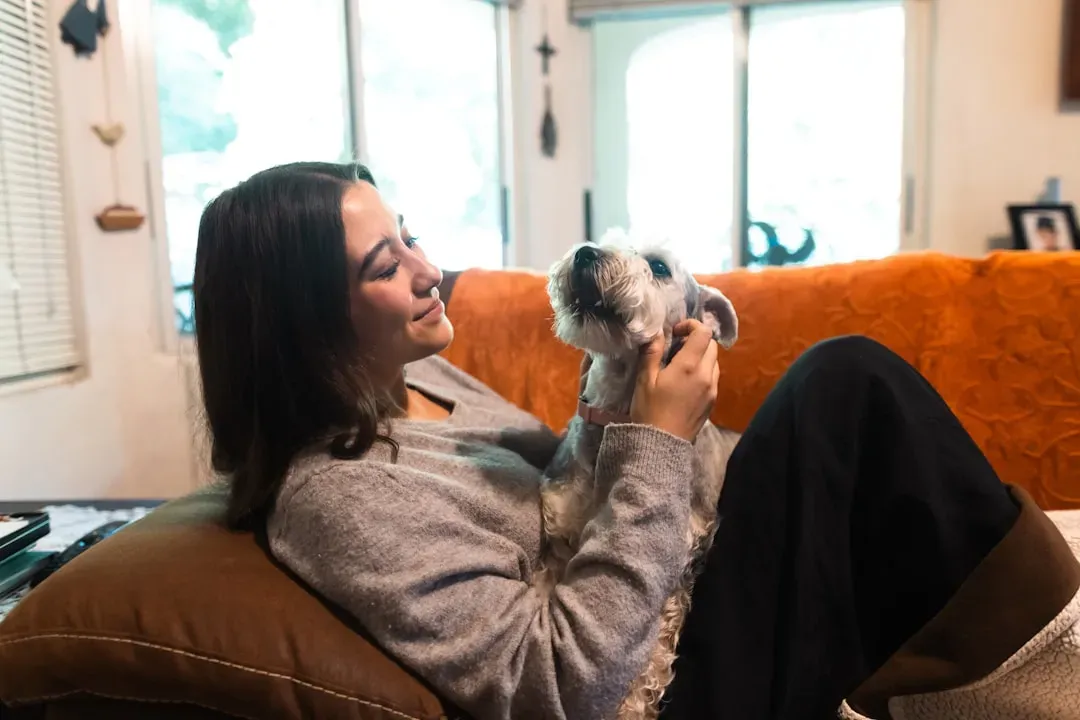
Some trainers used to say a dog leaning on you was a power move, a subtle attempt to assert their authority. I think that idea deserves a gentle but firm retirement. Leaning is often a dog’s way of showing affection and trust. Dogs lean against their humans when they feel safe and want to be close, like huddling with their pack members in the wild. It’s a sign of deep connection and security, so when your dog leans into you, they’re saying they trust and love you.
Think about it like a child leaning against a parent on the couch. Pure comfort, pure belonging. Dogs are not vengeful creatures, as humans can be, and generally don’t behave badly out of a desire to hurt you. The same principle applies here. That warm, heavy weight pressing into your leg? That’s your dog choosing you as their safe place. There’s nothing more touching than that.
A Final Thought for Every Dog Parent
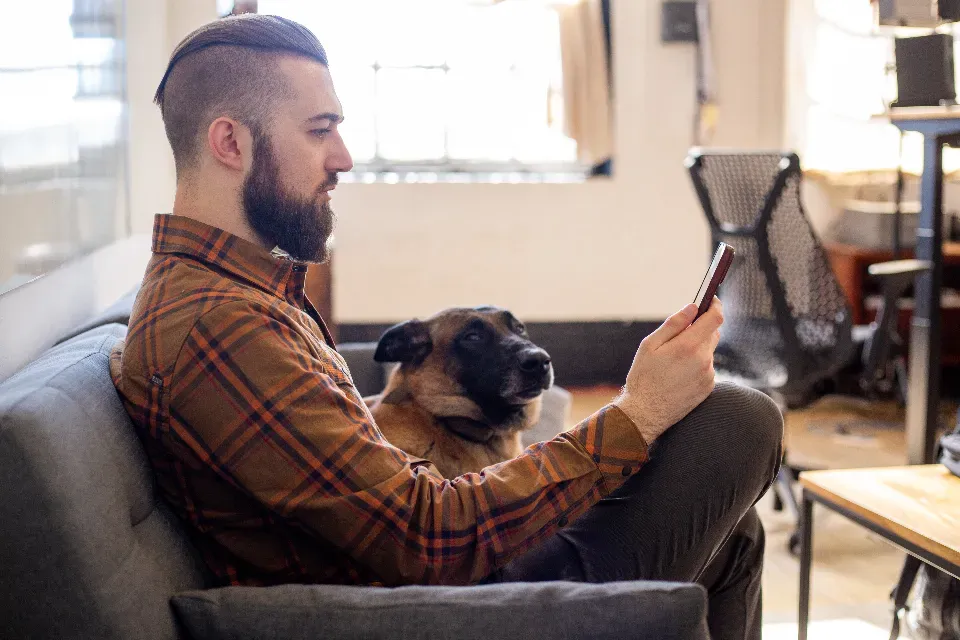
Dogs are endlessly communicative. They’re trying to tell us things all day long, through their tails, their yawns, their circling, their licking, and even their grass-eating. The trouble is, we’ve been reading the wrong manual for years. Dog behavior has been shaped by millennia of contact with humans, and as a result of this physical and social evolution, dogs have acquired the ability to understand and communicate with us. The least we can do is meet them halfway.
When you stop reacting to behaviors and start truly observing them, everything changes. You’ll feel closer to your dog, calmer in tricky moments, and genuinely more equipped to give them what they actually need. By recognizing the moments when a dog is likely to struggle and removing that obstacle beforehand, owners set their dogs up for success. When calm and appropriate behavior reliably leads to good outcomes, dogs will naturally choose it more often, and that consistency also builds a deeper level of communication and trust.
So the next time your dog does something that makes you scratch your head, pause before you react. They’re not being difficult. They’re being a dog. How many of these behaviors did you realize you’d been misreading? Drop a comment and share – you might just help another dog parent see things in a whole new way.


