
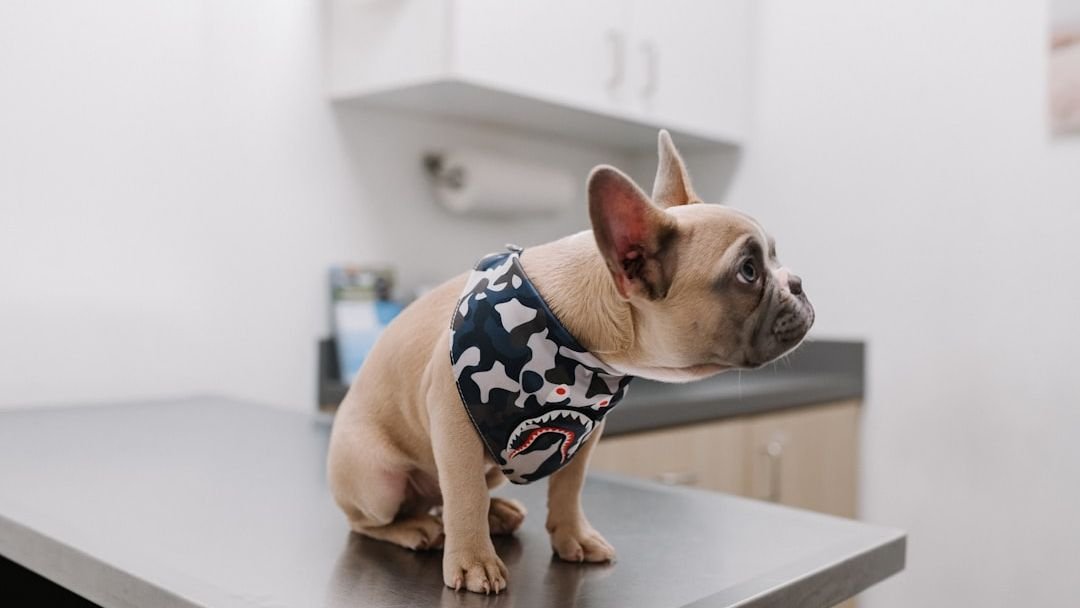
Those adorable bat ears and squishy faces have made French Bulldogs one of the most popular breeds in the world, but there’s a darker side to that cuteness. These little charmers can face serious health challenges from the moment they’re born, and many of these problems show up when they’re still young. If you’re thinking about bringing home a Frenchie or already have one snuggled on your couch, understanding what they might face is crucial. Let’s dive into the realities that come with those irresistible wrinkles.
Breathing Struggles That Start From Day One

French Bulldogs are flat-faced breeds created through selective breeding for shorter heads, but traits like narrow nostrils and a small windpipe were accidentally bred in, making it very difficult for these dogs to breathe. This results in brachycephalic obstructive airway syndrome (BOAS), which sounds technical but basically means your pup has to work way harder than other dogs just to get air into their lungs.
The symptoms of BOAS can appear in puppies but sometimes don’t start until dogs are two to four years old. You might notice your Frenchie snoring loudly, wheezing after playtime, or panting excessively even when they haven’t been doing much. This is a lifelong disorder starting in puppies, progressing throughout life and ultimately often shortening life, with the average age of presentation to vets for treatment being three to four years of age. It’s hard to say for sure, but the struggle is real from the beginning.
Spinal Deformities That Can Cripple
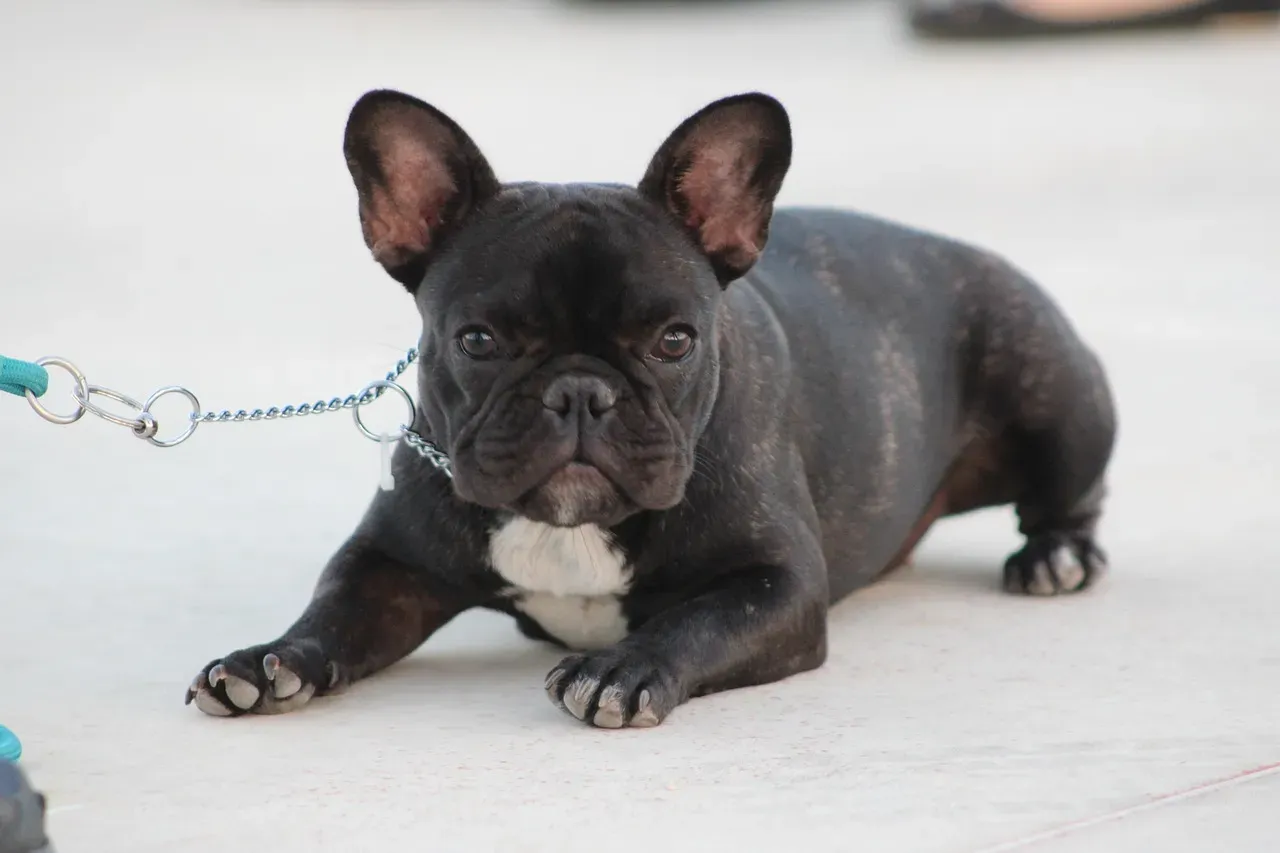
French bulldogs commonly have deformities of the bones of the spine that can lead to pressure on the spinal cord resulting in progressive pain and loss of hind limb function and incontinence. Known as hemivertebrae, these abnormally shaped vertebrae can be present from birth and create a ticking time bomb in your dog’s back.
Studies have found that up to 97% of all French bulldogs examined had one or more abnormal vertebrae. Here’s the thing though: most Frenchies with these malformations never show symptoms. Hemivertebral abnormalities commonly occur without clinical sign of disease, however if the spinal cord becomes damaged or compressed, signs appear. When problems do develop, you’re looking at pain, weakness in the hind legs, and potentially complete paralysis.
Slipped Discs That Strike Suddenly

Intervertebral disk disease is by far the most common spinal disorder in French bulldogs and is often associated with a sudden onset of severe and painful clinical signs. Think of it like this: the cushiony discs between your Frenchie’s vertebrae can bulge or rupture, pressing on the spinal cord and causing everything from mild discomfort to complete loss of mobility.
A slipped disc in their back is highly common among Frenchies and can result in sudden paralysis, requiring surgery to treat, which may or may not be successful and may recur. The scary part? It can happen without warning. One moment your pup is bouncing around, the next they’re yelping in pain and can’t move their back legs. Early intervention is absolutely critical if you want to give them the best chance at recovery.
Ear Infections That Never Seem to End
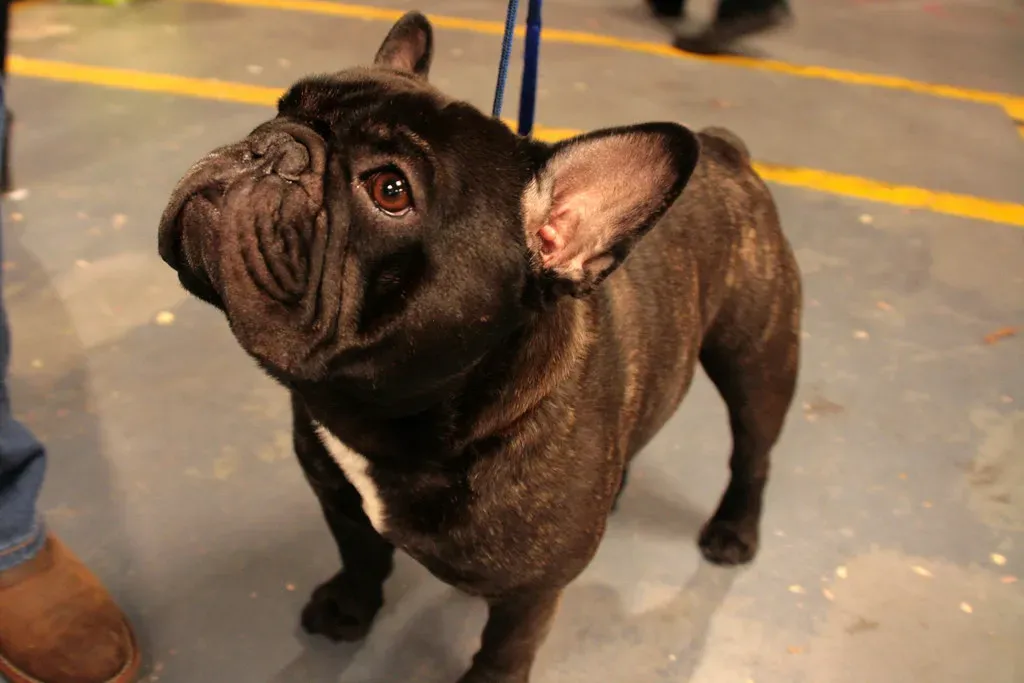
Let’s be real, those cute upright ears aren’t just for show. Frenchies have narrower-than-normal ear canals, making it harder for debris and moisture to make their way out of the ear canal once it gets in, which makes it easier for infections to develop. Add in the breed’s susceptibility to allergies, and you’ve got a recipe for chronic ear problems.
Ear infections can easily be treated, but chronic ear infections in dogs can also change the skin that lines the ear canals, further narrowing the canal and leading to even more ear infections. It becomes this frustrating cycle where you’re constantly at the vet getting drops and cleaning solutions. Watch for head shaking, scratching, redness, or that telltale funky smell coming from their ears.
Skin Fold Infections Hidden in the Wrinkles

Due to French Bulldogs folded facial skin around their muzzle and nose, this can lead to dermatitis in other areas of their bodies that are folded, like armpits, necks, and crotches. Those adorable wrinkles trap moisture, warmth, and bacteria, creating perfect conditions for nasty infections to take hold.
Signs of this problem include itching, biting, and scratching of the area and redness and sores on the affected skin, though keeping skin folds dry and clean can prevent dermatitis from occurring. Honestly, if you’re not wiping down those folds regularly, you’re asking for trouble. The maintenance might seem tedious, but it beats dealing with painful, oozing infections that make your poor pup miserable.
Digestive Drama and Food Sensitivities

French Bulldogs are predisposed to a number of gastrointestinal issues, with one of the most common being food allergies, which can cause off-and-on diarrhea or soft stools. If your Frenchie seems to have constant tummy troubles, it’s not just bad luck.
Frenchies are also genetically predisposed to inflammatory bowel disease (IBD), which causes chronic inflammation of the intestinal tract, leading to chronic diarrhea, with treatment for both allergies and IBD being lifelong and often requiring special prescription diets and medication. Some Frenchies also suffer from hiatal hernias, where the stomach slides between the abdomen and chest, causing chronic regurgitation. The financial and emotional toll of managing these conditions adds up fast, so be prepared for potential dietary restrictions and ongoing vet visits.
Eye Problems That Cloud Their Vision
French Bulldogs are more prone to eye infections, with conjunctivitis being more common in this breed, usually caused by bacterial or viral infections or allergic reactions. You’ll need to watch for pink or red eyes, excessive blinking, and discharge that looks concerning.
Their bulging eyes, while endearing, are vulnerable to injury and irritation. Dust, pollen, and even their own facial folds can cause problems. Regular eye checks should become part of your routine, and don’t ignore any changes in how their eyes look or how much they’re squinting or pawing at their face.
Overheating Danger in Warm Weather

When a dog’s airways are blocked due to BOAS, panting isn’t as effective and it can be very difficult for these pets to cool down, which means French Bulldogs are predisposed to heatstroke. This isn’t just a summer concern, either. Even mild temperatures can be dangerous.
BOAS-affected dogs can experience heat-related emergencies during mild weather like 70 degrees, so you need to be constantly vigilant. I know it sounds crazy, but never underestimate how quickly a Frenchie can overheat. Keep them indoors when it’s warm, provide plenty of shade and water, and avoid vigorous exercise during the hottest parts of the day. Heatstroke can be fatal, and it happens faster than you’d think.
Allergies That Make Them Miserable
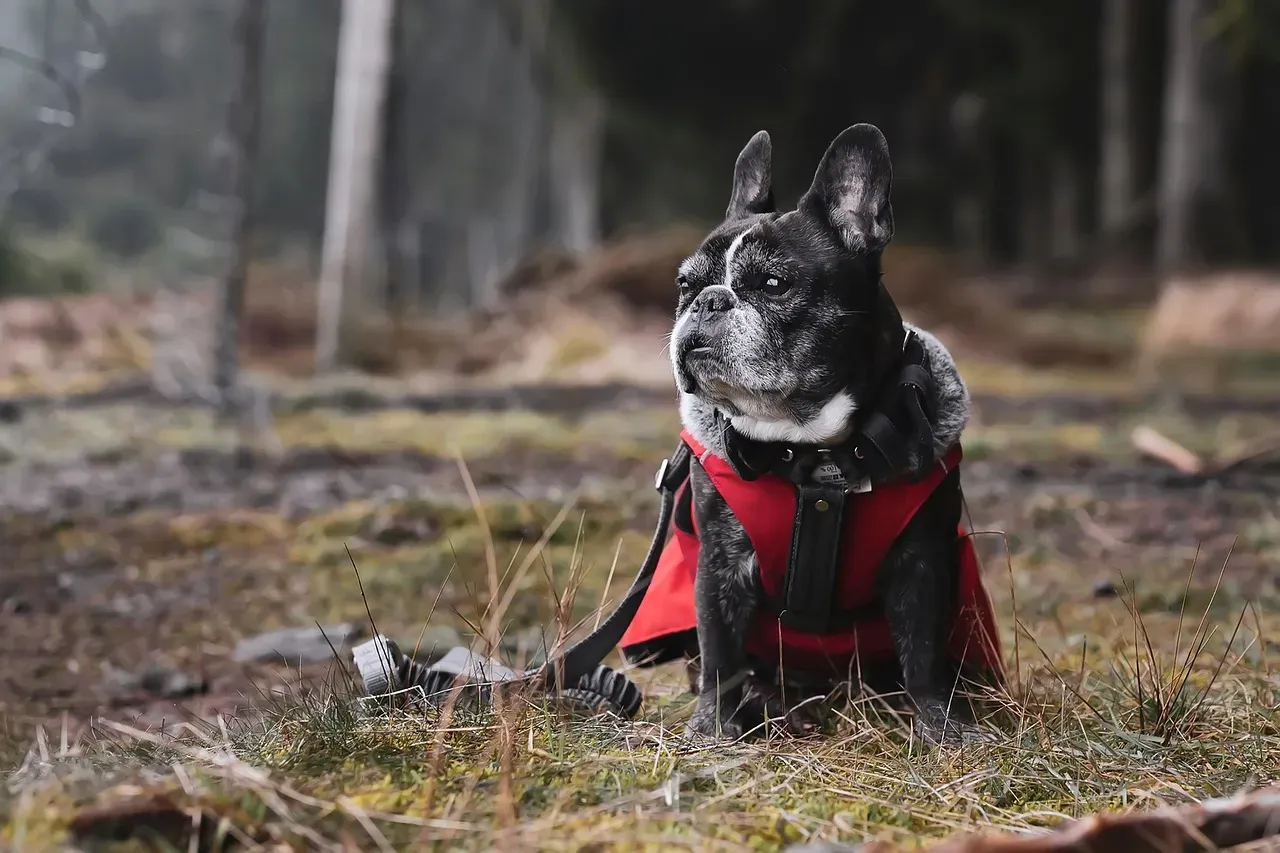
Skin allergies are more likely in French Bulldogs and are usually caused by environmental factors such as pollen and dust mites and food intolerances from things like wheat or substances their skin comes into contact with such as washing liquids, and can also be caused by parasites and fleas. Basically, Frenchies can be allergic to just about anything.
You’ll see itching, red skin, hot spots, and constant licking of their paws. Unlike humans who get sneezy and watery-eyed, dogs typically show allergies through their skin. Managing allergies often requires a combination of special diets, medications, and environmental changes. It’s frustrating because pinpointing the exact trigger can take time and multiple vet visits.
Heart Defects Present From Birth

French bulldogs are susceptible to several congenital heart defects, including mitral regurgitation and pulmonic stenosis, which may present as a heart murmur during initial visits when your Frenchie is a puppy. These aren’t conditions that develop over time; they’re present from the moment your puppy is born.
A study of 66 French bulldogs concluded pulmonic stenosis in Frenchies is commonly severe and complex, with a high incidence of pulmonary trunk hypoplasia and cardiac death, with the median survival time after diagnosis being less than three years. Early detection through veterinary examinations is critical, and affected dogs often need to be referred to veterinary cardiologists for evaluation and possible surgical correction. The prognosis varies widely depending on severity, but it’s something you need to know about before falling in love with that puppy face.
Conclusion: Love Them, But Know What You’re Getting Into
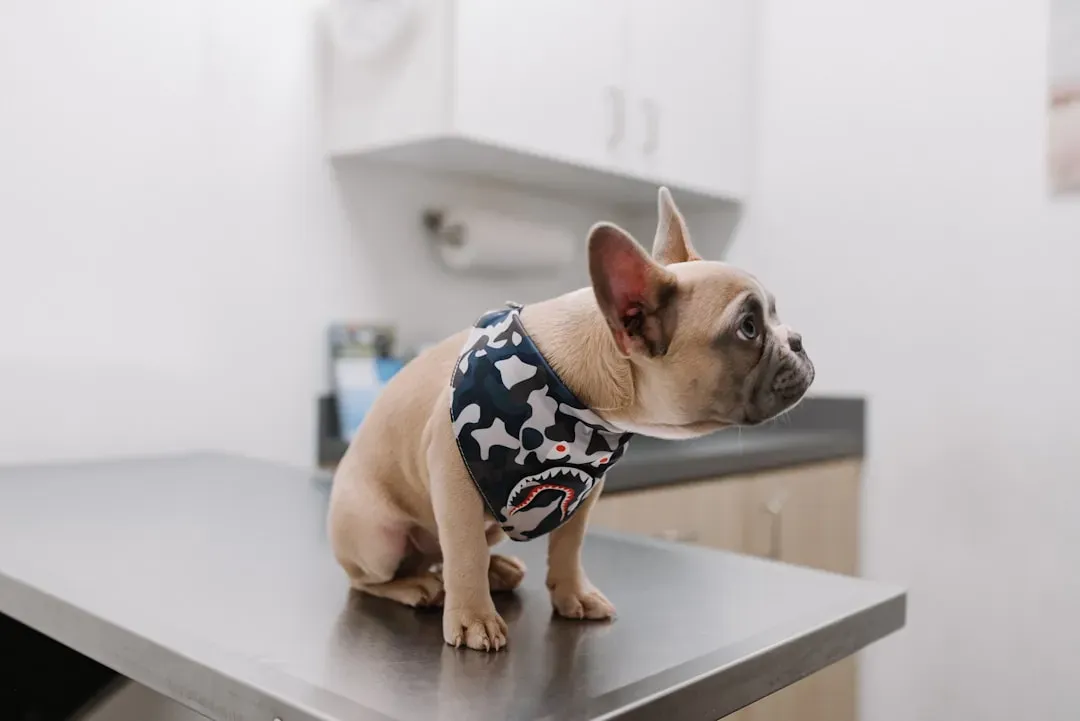
French Bulldogs pack enormous personality into their compact bodies, but the health challenges they face are equally outsized. These health problems usually emerge as early as two or three years and can lead to unexpected veterinary expenses as well as significantly impact a pet’s quality of life. From breathing struggles to spinal issues, these dogs require owners who are prepared financially and emotionally for the journey ahead.
Does this mean you shouldn’t get a Frenchie? Not necessarily. It means you need to go in with your eyes wide open, choose responsible breeders who prioritize health over appearance, and be ready to provide the specialized care these dogs need. What would you have guessed about the extent of these health challenges before reading this? Share your thoughts and experiences with Frenchies in the comments.


