

You walk into your living room, notice your Golden Retriever chewing on the leaves of that gorgeous pothos plant, and think nothing of it. After all, it’s just a plant, right? Wrong. That innocent looking greenery could be the reason your pup spends the next few hours drooling, vomiting, or worse. I think a lot of us assume plants are harmless, natural additions to our homes. The reality is far more unsettling.
Dogs are naturally curious, and that curiosity often leads them to sniff, chew, and even snack on household plants, but some greenery is toxic, causing anything from mild stomach issues to more serious symptoms and even death. The ASPCA Animal Poison Control Center reported that in 2022, over 8 percent of all calls were related to pets ingesting plants toxic to them. So let’s talk about the sneaky culprits hiding in plain sight. Your furry best friend is counting on you to know the difference between safe and dangerous, and trust me, this is one area where ignorance definitely isn’t bliss.
Sago Palm: The Silent Killer Hiding in Your Home

Let’s start with the most dangerous plant on this list. The sago palm is toxic to all pets. This one scares me the most, honestly, because it looks so harmless sitting there with its stiff fronds.
All parts of sago palms are highly toxic, and it only takes an extremely small amount to be ingested to result in toxicity, only 0.2% of a dog’s body weight to cause serious issues. The seeds or nuts contain the largest amount of toxins. Symptoms include excessive drooling, weakness, vomiting, diarrhea, decreased appetite, lethargy, abnormal heart rate or rhythm, tremors or seizures, coma, and even death.
Picture your Labrador wandering over to that decorative sago palm in the corner. One curious nibble and the clock starts ticking. If your dog gets into this plant, you need to get to the vet immediately. This isn’t a wait and see situation.
Pothos and Philodendron: The Trailing Troublemakers
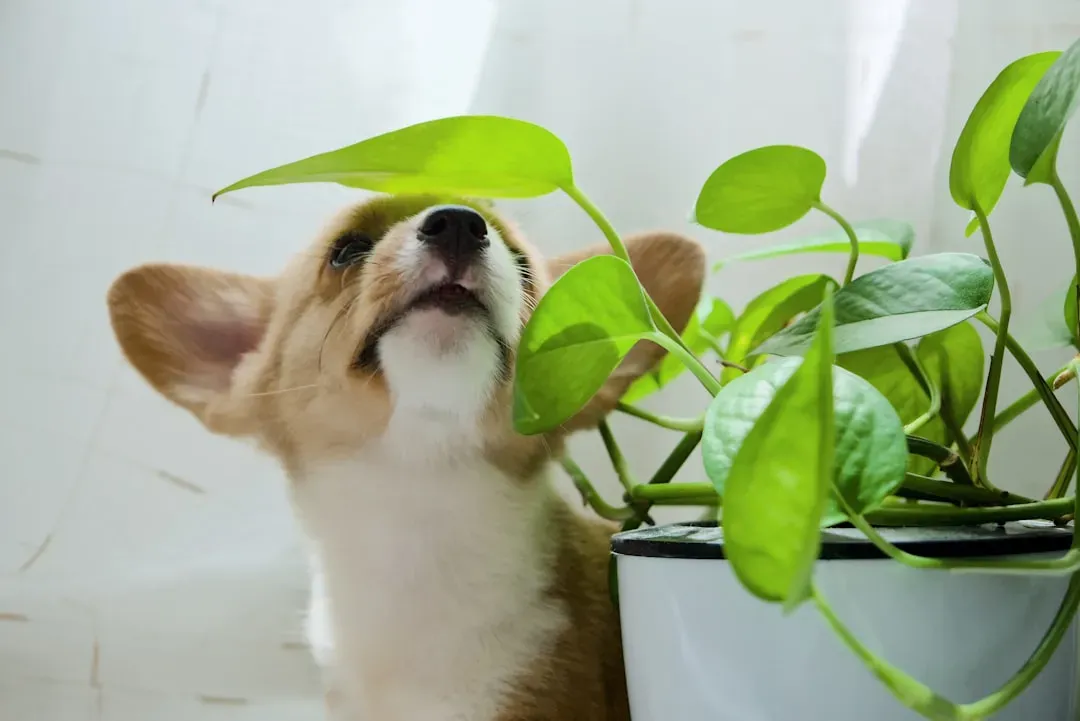
These trailing vines are everywhere. They dangle from shelves, cascade from hanging baskets, and drape elegantly across bookcases. They’re also incredibly common sources of poisoning in dogs.
Pothos contains calcium oxalates that irritate the mouth and digestive system. Philodendron causes severe oral irritation, mouth swelling, and difficulty swallowing. Imagine tiny, sharp crystals jabbing at the soft tissues inside your dog’s mouth. That’s essentially what happens when they chew on these plants.
You might notice your dog suddenly pawing at their face, drooling excessively, or refusing to eat. The reaction can be almost immediate. Even a small bite can cause significant discomfort and distress, which is why keeping these plants completely out of reach is essential.
Aloe Vera: The Healer That Harms Our Hounds
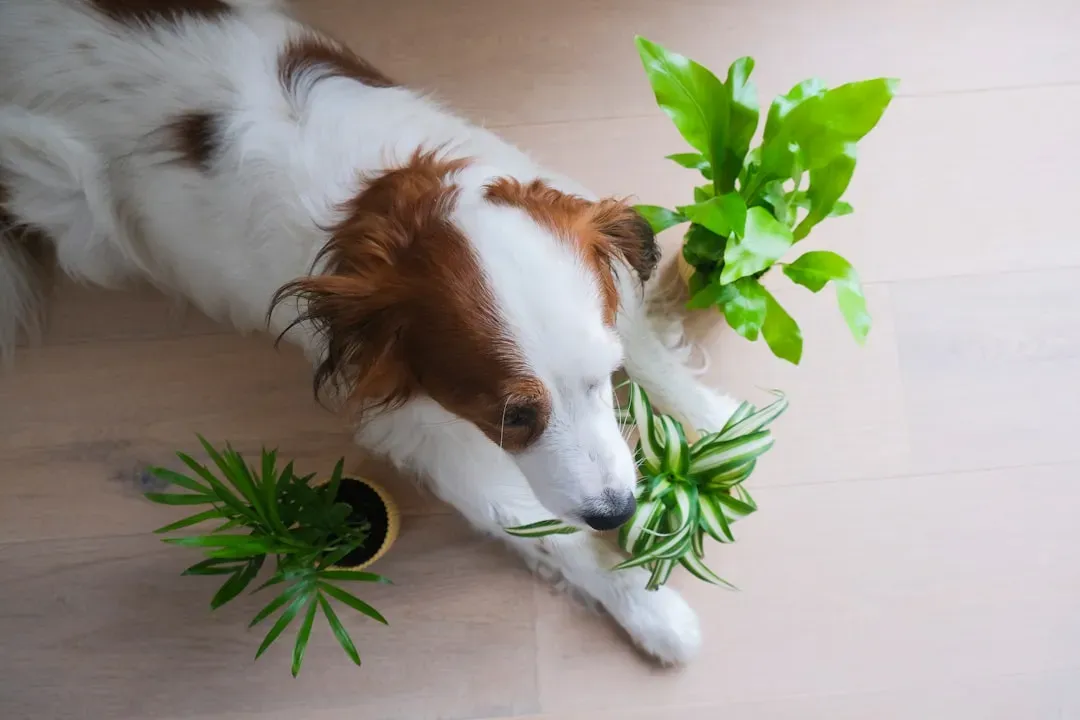
Here’s the thing about aloe vera. We use it on burns, in our smoothies, and as a skin soother. For us, it’s practically a miracle plant. For dogs? Not so much.
Aloe vera contains saponins, specifically anthraquinone glycosides, and this specific compound when ingested can be mild to moderately toxic to dogs. Symptoms of aloe vera poisoning in dogs may include vomiting, diarrhea, lethargy, tremors, and changes in urine color.
The compound acts like a laxative, which explains the digestive upset. Signs usually occur within a few hours of ingestion after the gastrointestinal system has had time to metabolize the toxin. It’s a bit ironic that something we keep around for healing can make our dogs so sick. If you love your aloe plant, just make sure it lives somewhere your curious canine can’t access it.
Dieffenbachia: The Plant With A Brutal Nickname

Dieffenbachia has earned the rather ominous nickname “dumb cane,” and there’s a dark reason for that. When chewed, it causes such intense oral pain and swelling that it can temporarily affect speech in humans. For dogs, the effects are just as nasty.
If your dog nibbles on the leaves, they’re likely to feel as if their mouth, tongue, and lips are burning, thanks to the calcium oxalate crystals. Caladiums contain calcium oxalate crystals that can cause oral irritation, swelling, and difficulty swallowing, with symptoms including drooling, pawing at the mouth, vomiting, and difficulty breathing.
Your dog won’t understand why their mouth suddenly feels like it’s on fire. They’ll panic, drool uncontrollably, and potentially struggle to breathe if the swelling gets severe. Keep this one far away from curious noses and mouths. Better yet, consider removing it entirely if you have a dog who loves to explore with their teeth.
Snake Plant: Not As Harmless As It Looks

The snake plant, sometimes called mother-in-law’s tongue, is beloved by people who kill every other plant. It’s nearly indestructible and looks great in modern decor. Snake plants are popular indoor plants valued for their air-purifying properties.
However, these plants contain saponins that can cause gastrointestinal upset and oral irritation in dogs, with symptoms including vomiting, diarrhea, drooling, and oral irritation. The saponins are the same toxic compounds found in aloe.
While the toxicity is generally considered mild compared to some other plants, watching your dog suffer through vomiting and diarrhea is never pleasant. It’s also one of those plants that sits on the floor in a decorative pot, making it incredibly accessible to dogs. Elevation is your friend here.
Jade Plant: Small Succulent, Big Problem
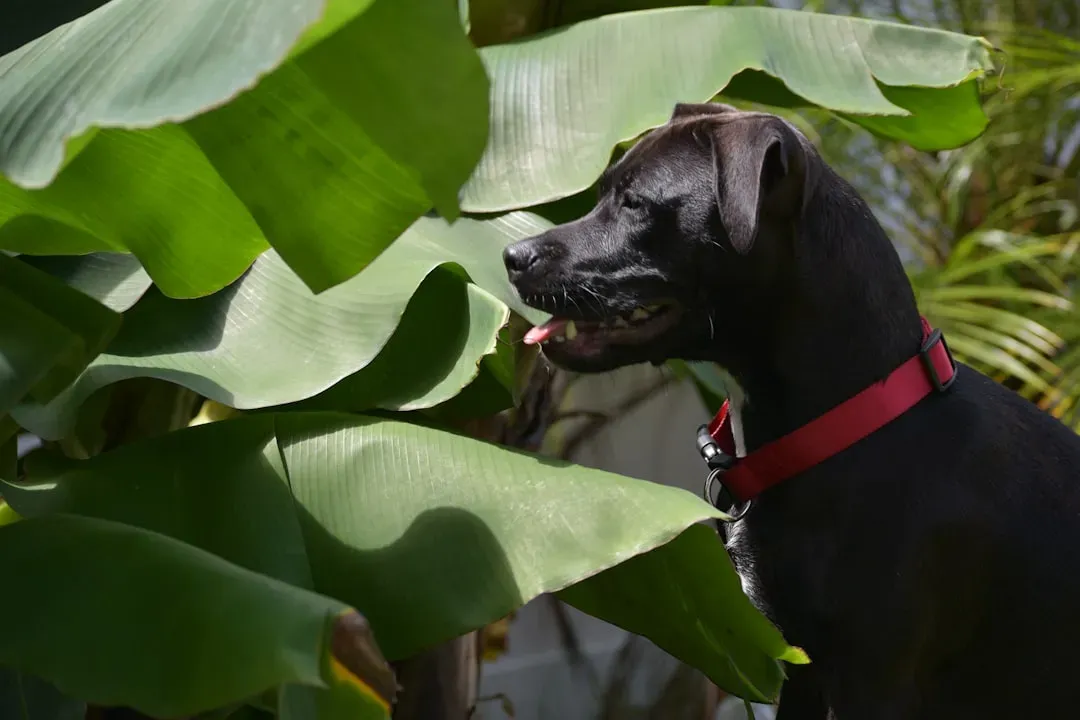
Jade plants are those charming little succulents with thick, glossy leaves. They’re easy to care for and look elegant on windowsills and coffee tables. The jade plant, also known as Crassula ovata or money plant, is a popular succulent commonly found in homes and offices, and it can be toxic to dogs if ingested.
Symptoms of jade plant poisoning in dogs may include vomiting, diarrhea, depression, and loss of coordination. You may also see your dog experience an uncoordinated gait which can be concerning when witnessed.
The stumbling, uncoordinated movement can be particularly alarming for dog owners who aren’t expecting it. Your dog might seem drunk or dizzy. While jade poisoning is usually not life threatening, it’s still distressing for both you and your pet. If you’ve got a nosy Beagle or a bored Terrier, that accessible jade plant could become a target.
Daffodils and Tulips: Springtime Dangers
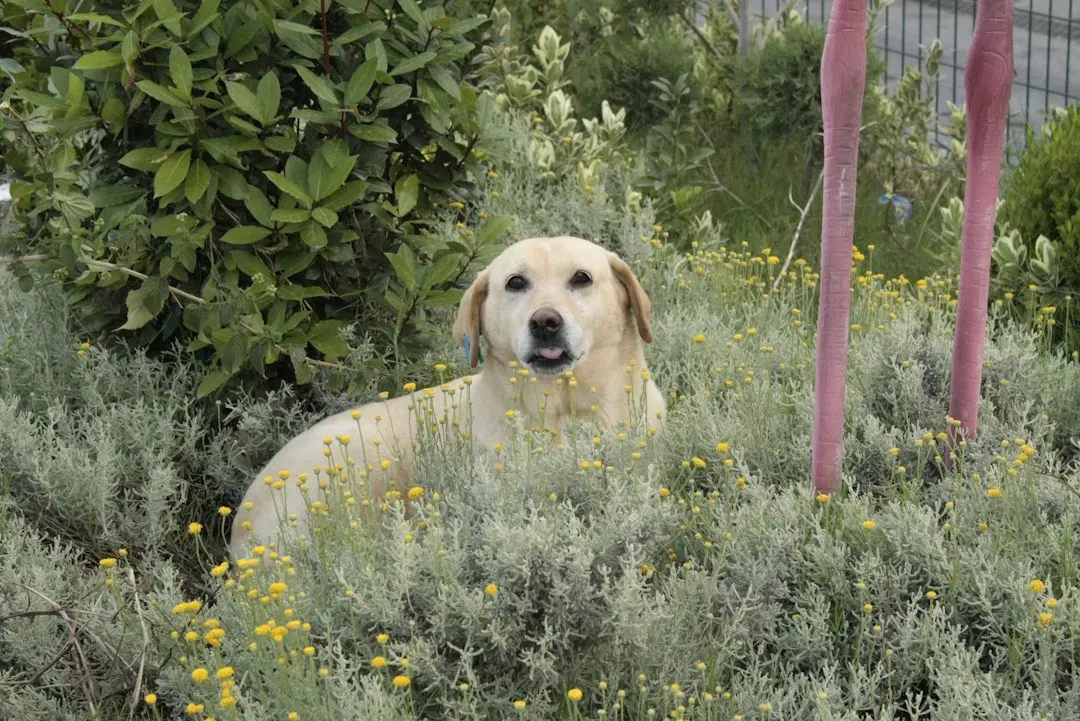
Springtime brings fresh flowers, and many of us bring tulips and daffodils indoors in cheerful vases. Daffodils are cheerful springtime flowers, common in gardens and parks and often picked and brought indoors during spring.
Daffodils bulbs contain toxic alkaloids that can cause gastrointestinal irritation and cardiac effects in dogs, with ingestion leading to symptoms such as vomiting, diarrhea, abdominal pain, drooling, and changes in heart rate. With tulips, the real danger lies when your dog digs up and eats the newly planted bulbs, which have the most toxins.
Think about it. You plant those bulbs in the garden, your dog sees you digging, and their natural curiosity kicks in. Before you know it, they’re excavating your flower bed and munching on toxic bulbs. The toxin leaches into water in vases, so ensure that your dog doesn’t drink from vases. Even the vase water can be dangerous. Keep those spring bouquets on high surfaces.
Ivy: The Climbing Menace

English ivy and devil’s ivy are popular for their lush, trailing growth and ability to thrive in various conditions. They’re beautiful, versatile, and unfortunately problematic for dogs.
Ivy plants, including English ivy and devil’s ivy, contain saponins and polyacetylene compounds that can cause gastrointestinal upset and irritation in dogs. Ingestion of ivy leaves or berries may result in symptoms such as drooling, vomiting, diarrhea, abdominal pain, and difficulty swallowing.
I’ve seen ivy used in so many creative ways in homes, from covering entire walls to filling decorative pots. The problem is that the leaves and berries are both toxic. If you have outdoor ivy, your dog might encounter it during playtime in the yard. Indoor ivy poses a risk if it’s within jumping or climbing reach.
Oleander: Beautiful But Brutally Toxic

Oleander is stunning, with its vibrant flowers and evergreen leaves. It’s also one of the most dangerous plants on this list. Oleander is a highly toxic plant that contains cardiac glycosides, and ingestion of oleander leaves or flowers can cause severe poisoning in dogs, with symptoms including vomiting, diarrhea, excessive drooling, tremors, seizures, and cardiac abnormalities.
At high doses, extrasystoles, atrial flutter, AV block, ventricular fibrillation, cardiogenic shock, unconsciousness and death can occur, and hypoglycemia and azotemia can occur in dogs with oleander poisoning. The cardiac effects are what make this plant so terrifying. It doesn’t just cause an upset stomach. It can stop your dog’s heart.
If you have oleander anywhere near your home, please reconsider. The risk just isn’t worth the beauty. There are so many other gorgeous plants that won’t threaten your dog’s life.
Lily of the Valley: Delicate Flowers, Deadly Consequences

Lily of the valley looks innocent with its delicate white bell shaped flowers and sweet fragrance. Lily of the Valley is a fragrant flowering plant that contains cardiac glycosides, compounds that can affect the heart’s rhythm and function.
Ingestion of lily of the valley leaves or flowers can result in symptoms such as vomiting, diarrhea, drooling, weakness, and potentially life threatening cardiac arrhythmias. Like oleander, this plant targets the heart. The cardiac effects can be severe and develop quickly.
It’s hard to believe such a pretty, dainty flower could cause so much damage. If you receive a bouquet containing lily of the valley, keep it well out of reach or consider not bringing it into your home at all if you have a dog. The consequences just aren’t worth the risk.
Conclusion: Vigilance Keeps Our Dogs Safe
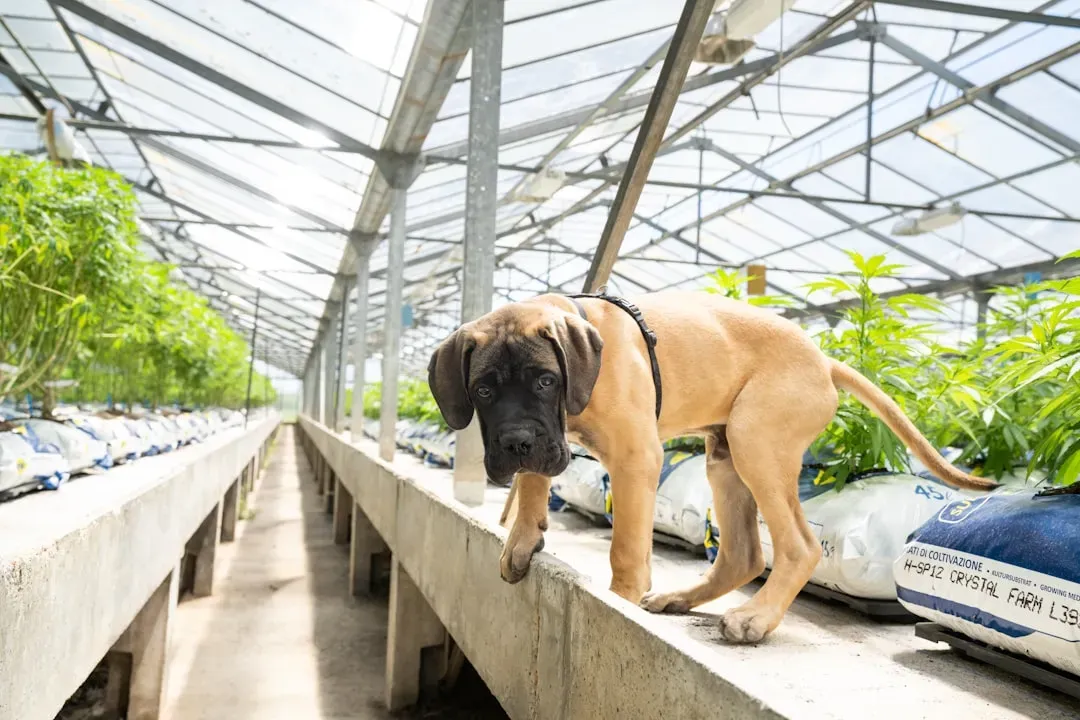
Creating a safe home for your dog means being aware of hidden dangers, and toxic plants are one of the most overlooked threats. Symptoms can develop quickly and vary by toxin, so it’s crucial to act fast if you suspect your dog has eaten something harmful, and early intervention can make all the difference.
The good news is that prevention is straightforward. Replace toxic plants with pet friendly alternatives like spider plants, Boston ferns, or African violets. Keep remaining plants on high shelves or in rooms your dog can’t access. Teaching your dog the leave it cue helps prevent them from interacting with off limits items, including plants, using positive reinforcement when they respond correctly.
If your dog does ingest a toxic plant, stay calm and contact your veterinarian immediately. Keep the number for poison control handy. Your awareness and quick action could save your dog’s life. Have you checked your home for these dangerous plants yet? Your dog’s health might depend on it.


