
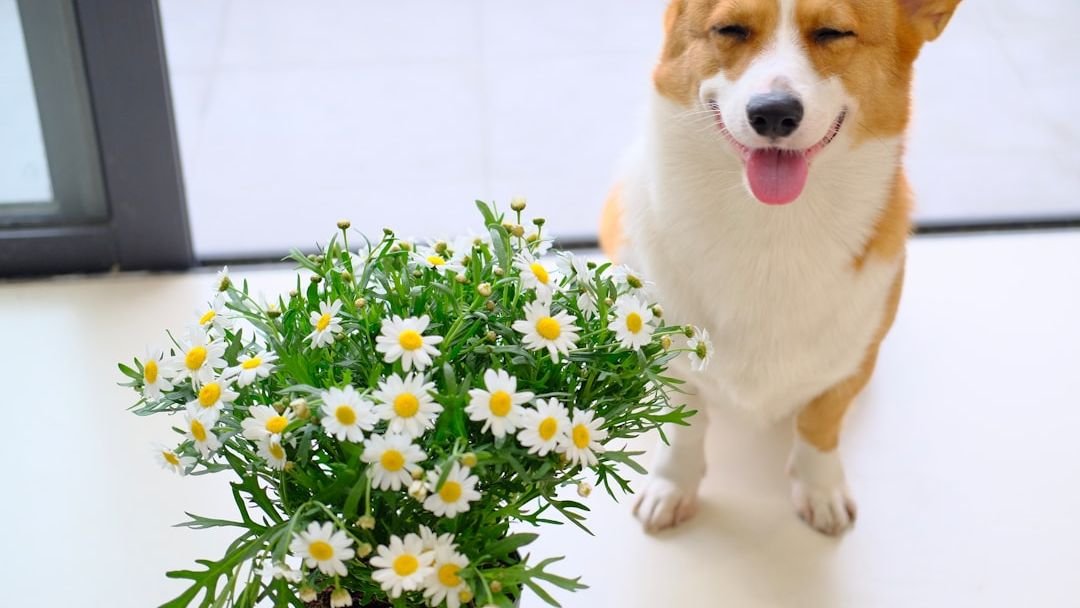
You’ve probably spent hours making your home beautiful and welcoming for your family. The cozy couch, the perfect lighting, those gorgeous green plants on the windowsill that make the room feel alive. They seem harmless, right? Just a touch of nature to brighten up your space. Here’s the thing though: that lovely houseplant you brought home last week might be hiding a secret danger for your dog. It’s not something most of us think about when we’re shopping for decor, but some of the most popular plants sitting in living rooms across the country can actually make our dogs seriously ill. Your pup doesn’t know the difference between a safe leaf and a toxic one, and honestly, that’s where we need to step in. So let’s talk about which plants might be putting your furry friend at risk, because knowledge is the first step to keeping them safe.
Sago Palm: The Silent Threat in Your Living Room
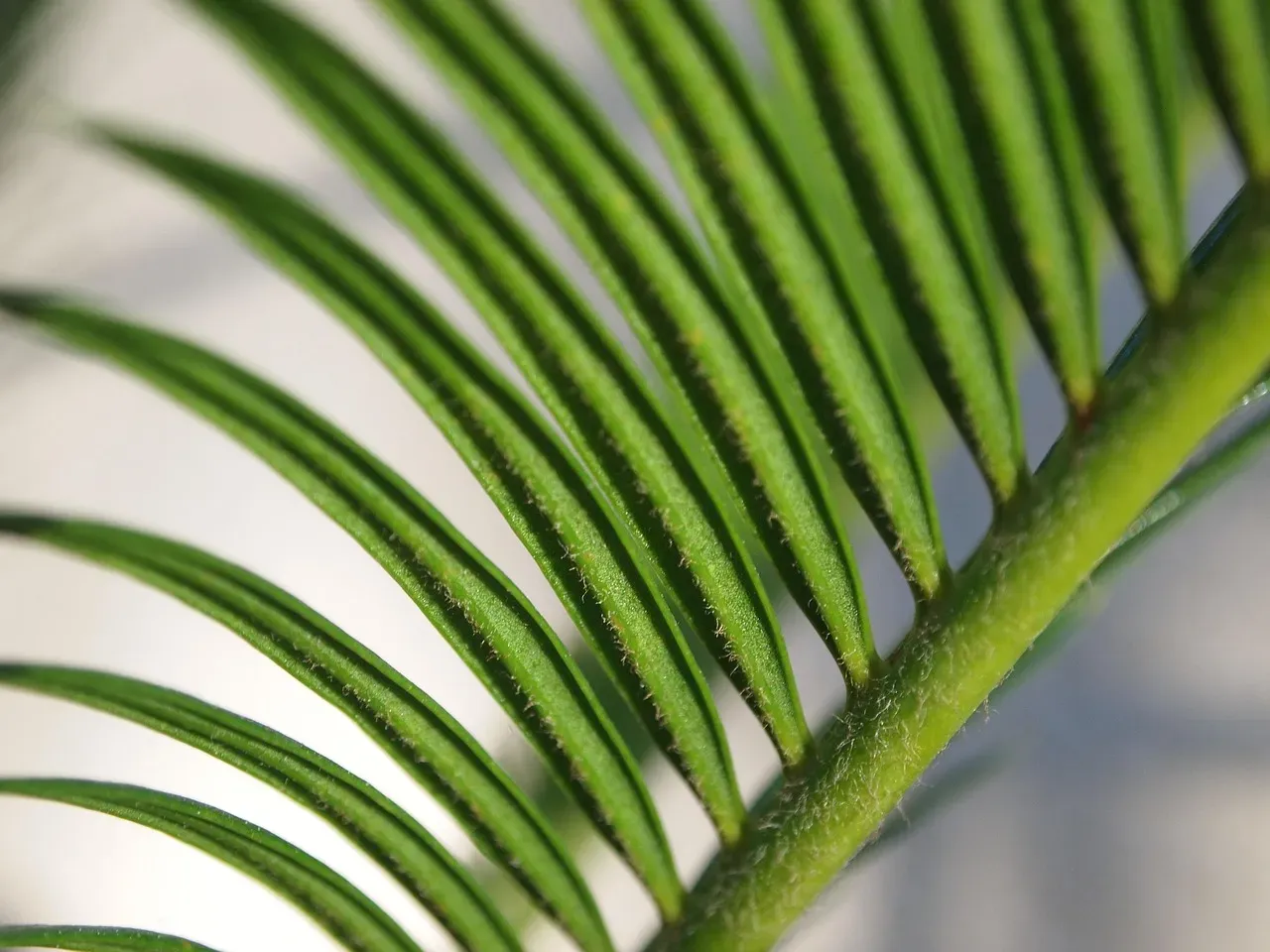
The sago palm looks like a tiny palm tree and can live indoors or outdoors, but it’s toxic to all pets. Let me be real with you: this one’s particularly scary because it looks so innocent. The seeds or ‘nuts’ contain the largest amount of toxins, though every part of this plant is dangerous. Sago Palm is extremely toxic and potentially fatal, causing liver damage even in small amounts.
If your dog gets into a sago palm, you need to act immediately. It only takes 0.2% of a dog’s body weight to cause serious issues, with symptoms including excessive drooling, weakness, vomiting, diarrhea, decreased appetite, lethargy, abnormal heart rate, tremors or seizures, and even death. Honestly, this is one plant I’d never risk having in a home with dogs.
Pothos: The Pretty Plant with a Painful Bite
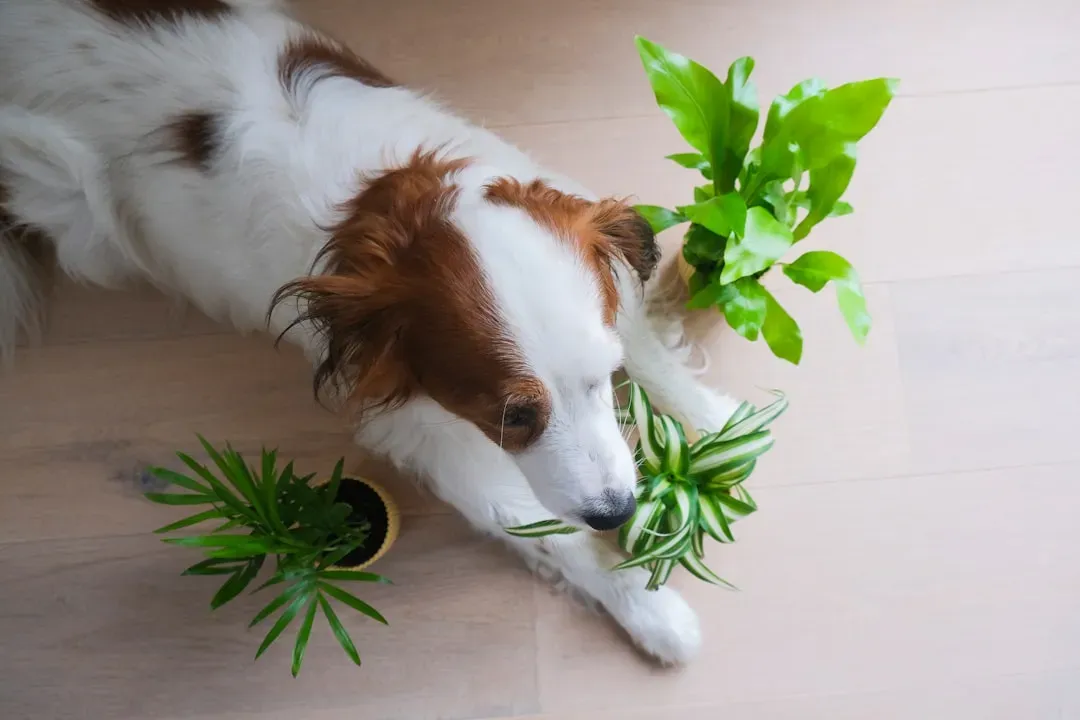
Pothos is everywhere these days. Interior designers love it, plant enthusiasts rave about how easy it is to care for, and it looks absolutely stunning trailing from a hanging basket. Golden pothos contains insoluble calcium oxalate crystals, and dogs that chew or bite into the plant may release the crystals, resulting in tissue penetration, intense burning, and mouth irritation.
Imagine tiny needles stabbing the inside of your dog’s mouth. That’s essentially what these crystals do. Pothos contains calcium oxalates that irritate the mouth and digestive system. Your dog will likely start drooling excessively, pawing at their mouth, and showing obvious discomfort. In rare cases, upper airway swelling may occur, causing difficulty breathing. The good news is most dogs won’t swallow much because it hurts immediately, but it’s still not a risk worth taking.
Aloe Vera: Healing for Humans, Harmful for Hounds

Aloe vera is prized for its medicinal properties and is often kept in homes for its soothing gel, but the same compounds that make aloe vera beneficial to humans can be toxic to dogs if ingested. This one surprises a lot of people because we think of aloe as this natural, healing plant.
Aloe contains anthraquinone glycosides, a purgative that encourages bowel movements, and when a dog eats aloe, the glycosides are metabolized by intestinal bacteria, increasing mucus production and water in the colon. Symptoms of aloe vera poisoning in dogs may include vomiting, diarrhea, lethargy, tremors, and changes in urine color. While it’s not usually life-threatening, it can make your dog pretty miserable for a day or two.
Lily of the Valley: Fragrant but Frightening

Lily of the Valley is a fragrant flowering plant that contains cardiac glycosides, compounds that can affect the heart’s rhythm and function. Those delicate white bell-shaped flowers might look sweet and innocent, but they’re anything but. This plant affects the cardiovascular system, which makes it particularly dangerous.
Ingestion of lily of the valley leaves or flowers can result in symptoms such as vomiting, diarrhea, drooling, weakness, and potentially life-threatening cardiac arrhythmias. Symptoms of ingestion include diarrhea, vomiting, a drop in heart rate, and cardiac arrhythmia. The heart complications are what worry vets the most. If you suspect your dog has eaten any part of this plant, you need to get to an emergency vet right away.
Snake Plant: Not as Harmless as It Looks
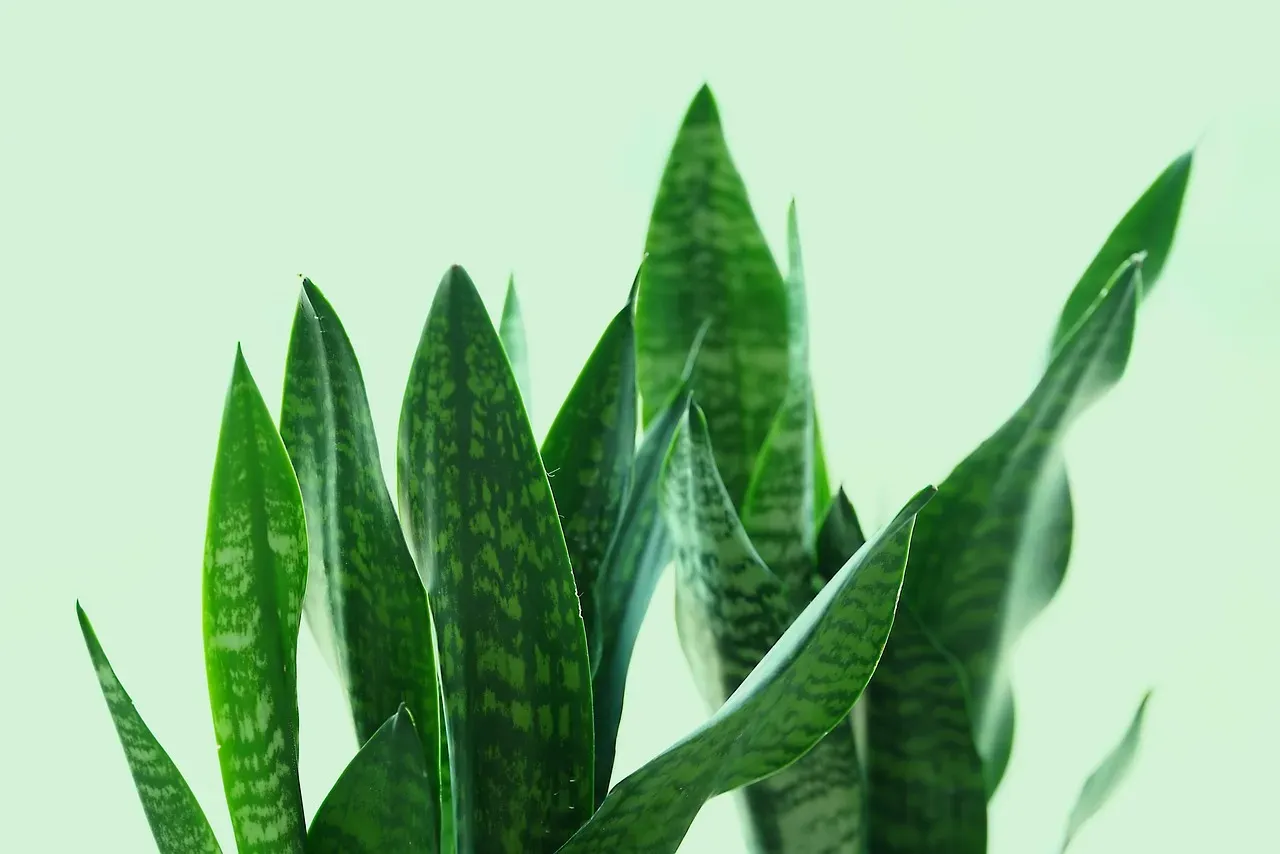
Snake plants, also known as mother-in-law’s tongue, are popular indoor plants valued for their air-purifying properties, but these plants contain saponins that can cause gastrointestinal upset and oral irritation in dogs. They’re basically the poster child for low-maintenance houseplants, surviving neglect better than almost any other indoor plant. Snake plants are extremely popular household and office plants thanks to their hardiness, but these striking plants can cause gastrointestinal signs like nausea, vomiting, and diarrhea if ingested.
The good news is snake plants are generally not severely toxic. Symptoms of snake plant poisoning may include vomiting, diarrhea, drooling, and oral irritation. Most dogs will recover with supportive care, but they’ll definitely be uncomfortable for a while. Still, why put them through that when you can choose a pet-safe alternative?
Jade Plant: The Succulent That’s Not So Sweet
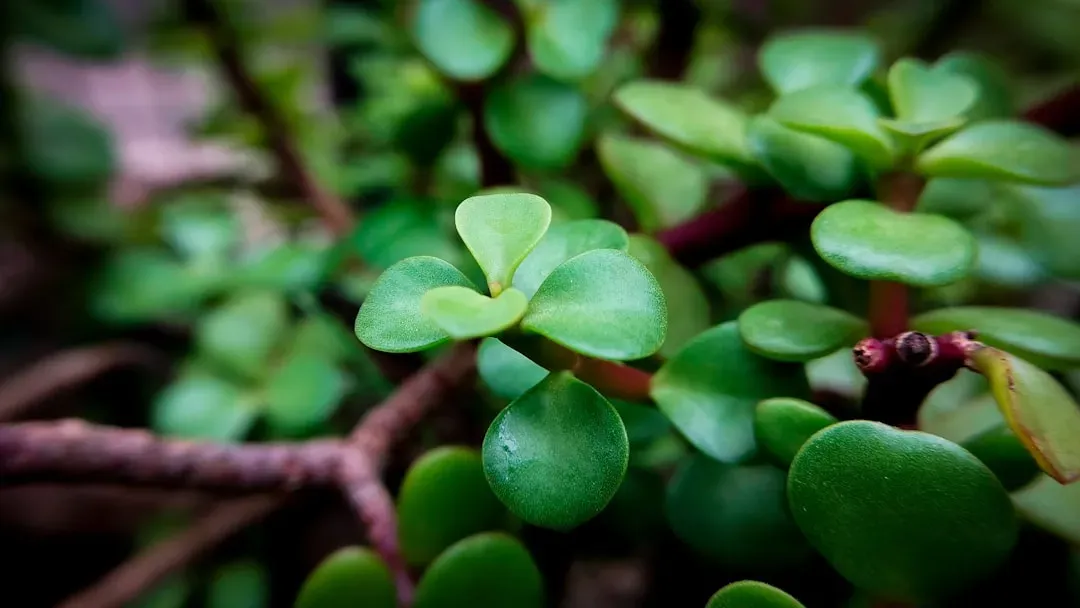
The jade plant, also known as Crassula ovata or money plant, is a popular succulent commonly found in homes and offices, but it can be toxic to dogs if ingested. Succulents have become wildly popular, and jade plants are among the most common. They’re cute, compact, and supposedly bring good luck.
Symptoms of jade plant poisoning in dogs may include vomiting, diarrhea, depression, and loss of coordination. The loss of coordination is particularly concerning because it means the toxin is affecting your dog’s nervous system. You might notice your dog stumbling, seeming disoriented, or just acting generally out of it. While jade plant poisoning isn’t typically fatal, it’s definitely unpleasant and can require veterinary care depending on how much was consumed.
Daffodils: Spring Beauty with a Dark Side

Daffodils are a harbinger of spring, but their bulbs contain toxic alkaloids that can cause gastrointestinal irritation and cardiac effects in dogs. Those cheerful yellow flowers signal warmer weather and new beginnings, but they’re hiding a serious danger. All parts of the daffodil plant are potentially toxic, containing a poisonous substance called lycorine, but the bulb is the most harmful.
If you’re planting daffodils in your garden, make sure your dog can’t dig them up. Ingestion of daffodil bulbs, leaves, or flowers may lead to symptoms such as vomiting, diarrhea, abdominal pain, drooling, and changes in heart rate. Daffodils are poisonous for dogs to eat, with signs including diarrhea, lethargy, drooling, trembling, abdominal pain, vomiting, and possibly death. The cardiac effects are what make this plant particularly dangerous, especially if a dog eats a large quantity.
Peace Lily: Anything But Peaceful for Pups
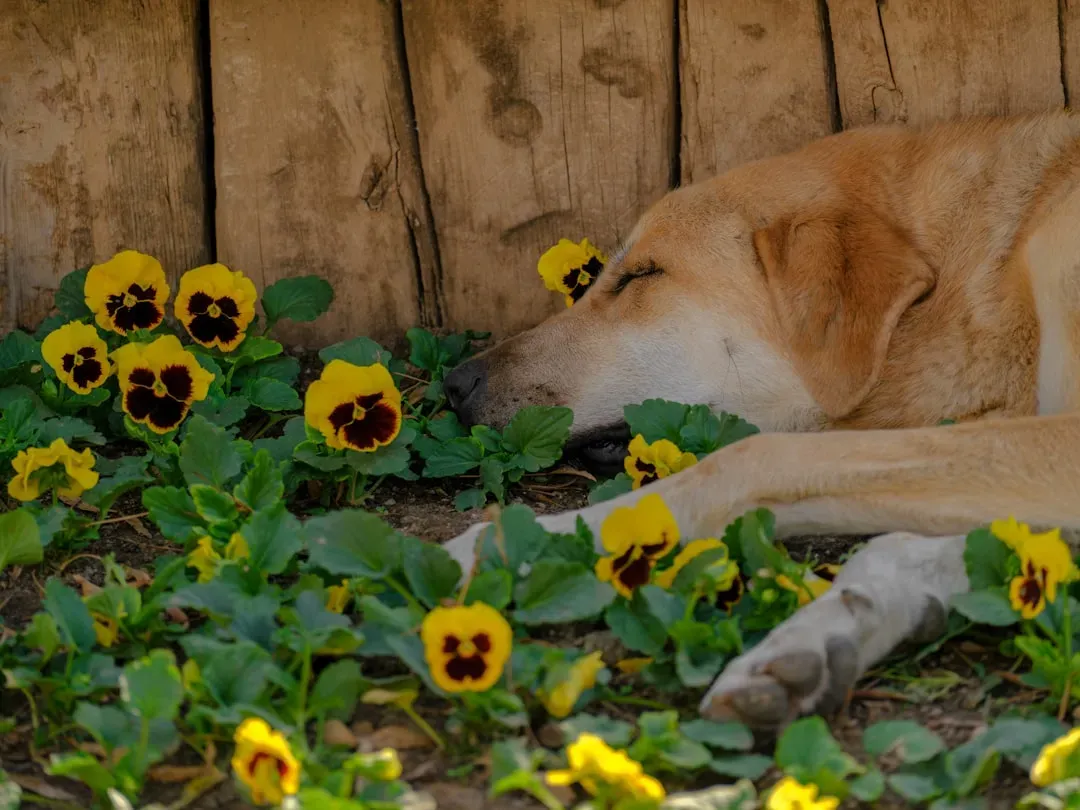
Known for its white blooms and natural beauty, a peace lily isn’t quite so peaceful for dogs and cats, as these plants are toxic. The name is incredibly misleading because there’s nothing peaceful about what this plant does to your dog’s mouth. Peace lilies contain insoluble calcium oxalate crystals, which can cause severe pain to the mouth, tongue, esophagus, and stomach, with symptoms appearing immediately when chewed.
Your dog’s reaction will be instant and obvious. Peace Lily irritates the mouth and throat due to calcium oxalate crystals. They’ll likely start drooling heavily, pawing at their mouth frantically, and refusing to eat or drink because it hurts too much. Most dogs don’t eat enough to cause serious internal damage simply because the pain stops them, but the discomfort is still very real.
Tulips and Hyacinths: Springtime Hazards

Tulips are a gorgeous flower that signifies the coming of spring, but they’re highly toxic to dogs if ingested, with the highest concentration of toxin present in the bulb, though any part of the plant is considered harmful. If you bring tulips or hyacinths indoors as cut flowers, you’re usually safe since the bulbs are underground. The real danger comes from garden planting or storing bulbs.
Tulips and hyacinths are beloved spring-blooming bulbs, but their bulbs contain compounds called glycosides that can cause gastrointestinal irritation and allergic reactions in dogs. Ingestion can irritate the tissues in the mouth and esophagus and cause signs like drooling, vomiting, and diarrhea, with dogs experiencing more severe side effects if they’ve eaten a large amount, including heart rate increase, difficulty breathing, and changes in respiration. Keep those bulbs locked away where curious paws can’t reach them.
Philodendron: A Classic Houseplant with Hidden Dangers

Philodendrons have been popular houseplants for decades. Your grandmother probably had one, and now they’re trendy again with millennials filling their apartments with trailing vines. Philodendrons have heart-shaped leaves and long vines, and are a very popular houseplant, but these plants contain insoluble calcium oxalate crystals, which can irritate your dog’s mouth and lips.
Like pothos and peace lilies, philodendrons cause that immediate burning sensation when chewed. If your dog nibbles on the leaves, they’re likely to feel as if their mouth, tongue, and lips are burning, thanks to the calcium oxalate crystals. The symptoms are similar across all plants containing these crystals: excessive drooling, pawing at the mouth, difficulty swallowing, and visible distress. It’s hard to see your dog in pain like that, especially knowing it could have been prevented.
Keeping Your Dog Safe: Prevention Is Everything

Here’s the honest truth: accidents happen even in the most careful homes. Dogs are curious, opportunistic, and sometimes downright sneaky. Dogs don’t instinctively know which plants are dangerous, and because every dog reacts differently, even small exposures can have big consequences. The best approach is simply not having toxic plants in your home or yard where your dog has access.
The best way to prevent plant poisoning is to eliminate the risk altogether by replacing toxic plants with pet-safe alternatives. If you can’t bear to part with certain plants, use hanging baskets, tall plant stands, or closed rooms to limit access. Common signs of poisoning include vomiting, diarrhea, drooling, muscle tremors, weakness, and lack of coordination, with more severe cases involving difficulty breathing, irregular heartbeat, seizures, and even organ failure. If you notice any of these symptoms, don’t wait to see if they get better. Call your vet immediately or contact the Pet Poison Helpline at 855-764-7661, which is available around the clock.
The thing about being a dog parent is that we’re constantly learning. Nobody gets it perfect, and most of us have made mistakes along the way. Maybe you already have some of these plants in your home and your dog has never shown interest in them. That’s great, but circumstances change. A bored puppy, a new plant placed at a lower height, or even just a particularly curious day can lead to trouble. Taking a walk through your home right now and identifying which plants might be dangerous is one of the simplest ways to protect your furry friend. Replace them with pet-safe alternatives like spider plants, Boston ferns, or air plants that are just as beautiful but won’t send you rushing to the emergency vet. Your dog trusts you to keep them safe, and honestly, that’s one of the biggest responsibilities we sign up for when we bring them into our lives. What’s one plant you’d be willing to replace today to give yourself that peace of mind?


