
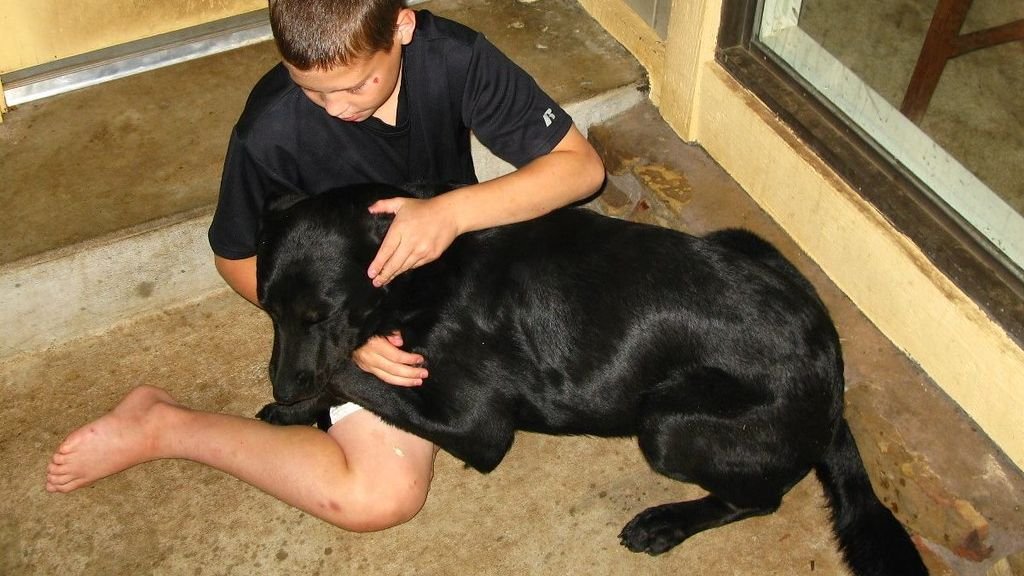
Picture this: your furry best friend leaps joyfully at guests, but instead of greetings, you get muddy paw prints and scratched legs. Or maybe your pup whines endlessly until you cave with a treat. These frustrating moments hit close to home for so many dog lovers.
Here’s the gentle truth. Often, it’s not your dog being “naughty” – it’s us unknowingly rewarding the very behaviors we hate. Stick with me as we uncover ten sneaky habits and simple fixes to help your pup thrive.
Petting Your Dog When They Jump Up
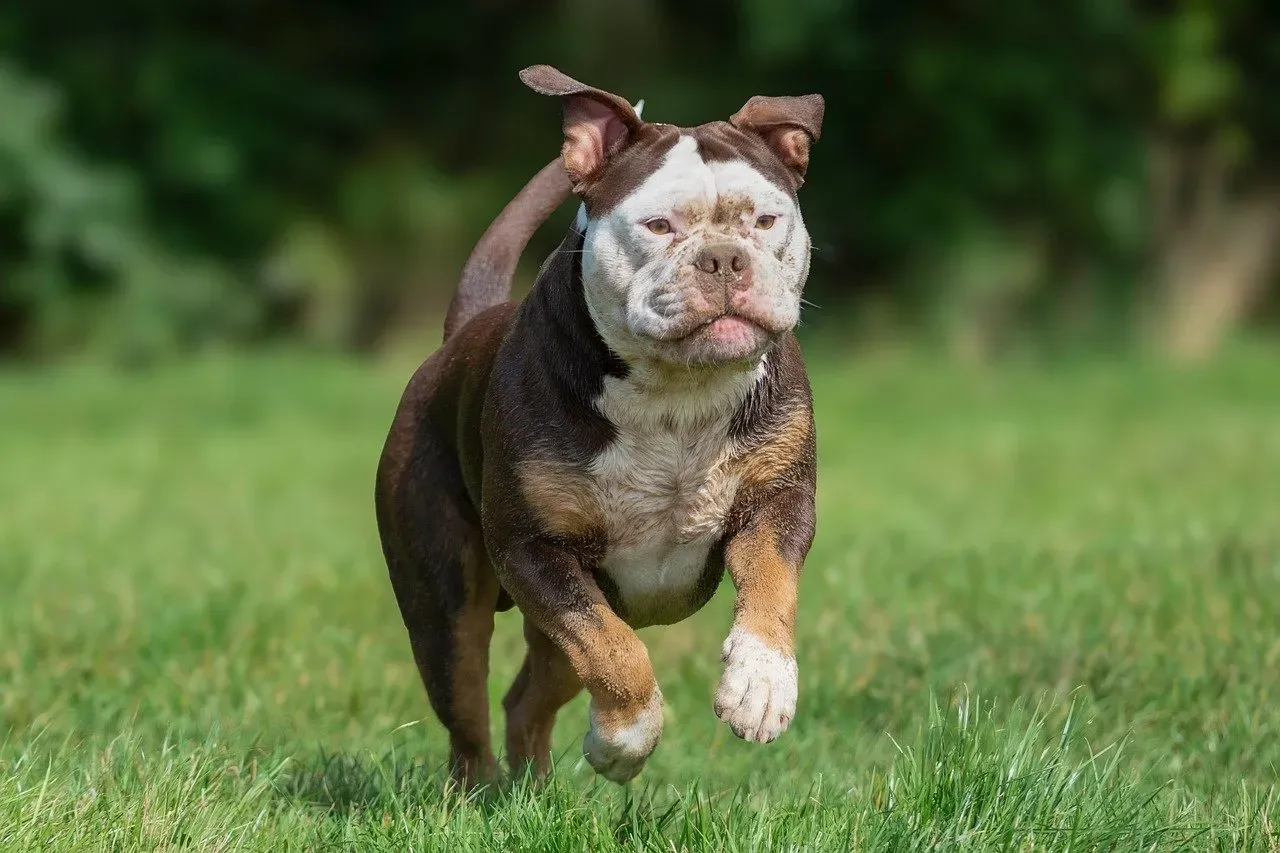
That excited jump to say hello feels like pure love, right? But petting them right then tells your dog, “Yes, this gets my attention!”[1] Over time, they amp it up, turning greetings into chaos.
Turn it around by turning away silently until all four paws hit the ground. Reward calm sits with gentle strokes and praise. You’ll see calmer hellos in weeks, and everyone stays safer.
Yelling at Your Barking Dog
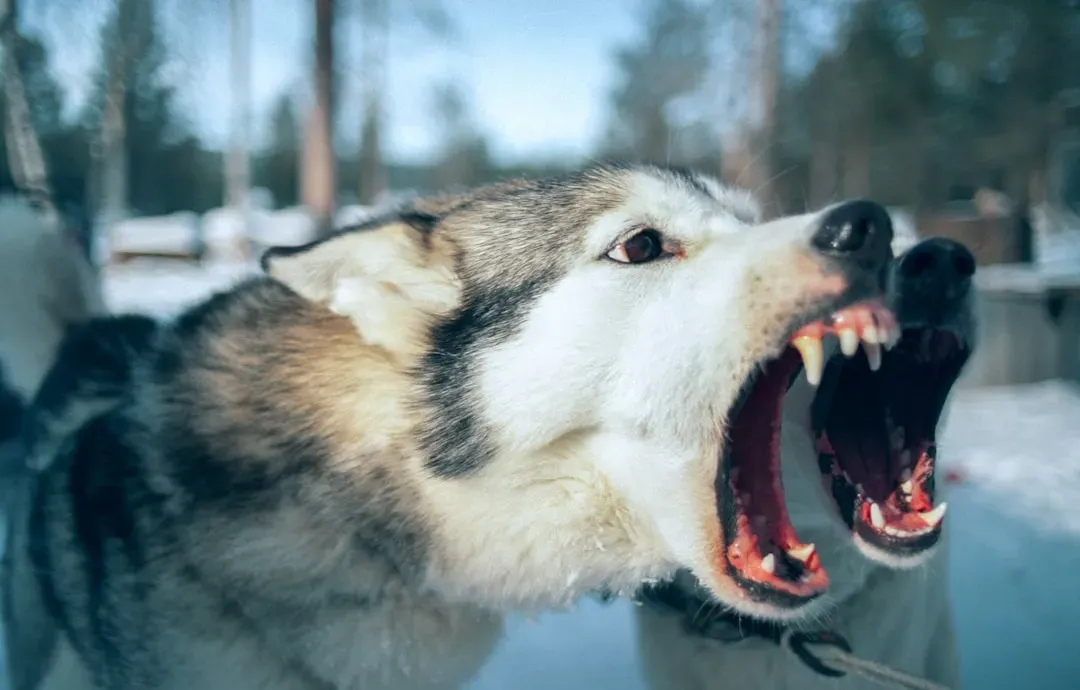
The doorbell rings, your dog goes wild, and you yell to quiet them. Sounds counterproductive, but to Fido, your raised voice joins the fun barking party.[1] They think, “Hey, when I bark, we bark together!”
Ignore the noise completely, then reward silence with a treat or toy. Teach a “quiet” cue during calm moments first. Patience pays off – your home gets peaceful fast.
Handing Out Table Scraps
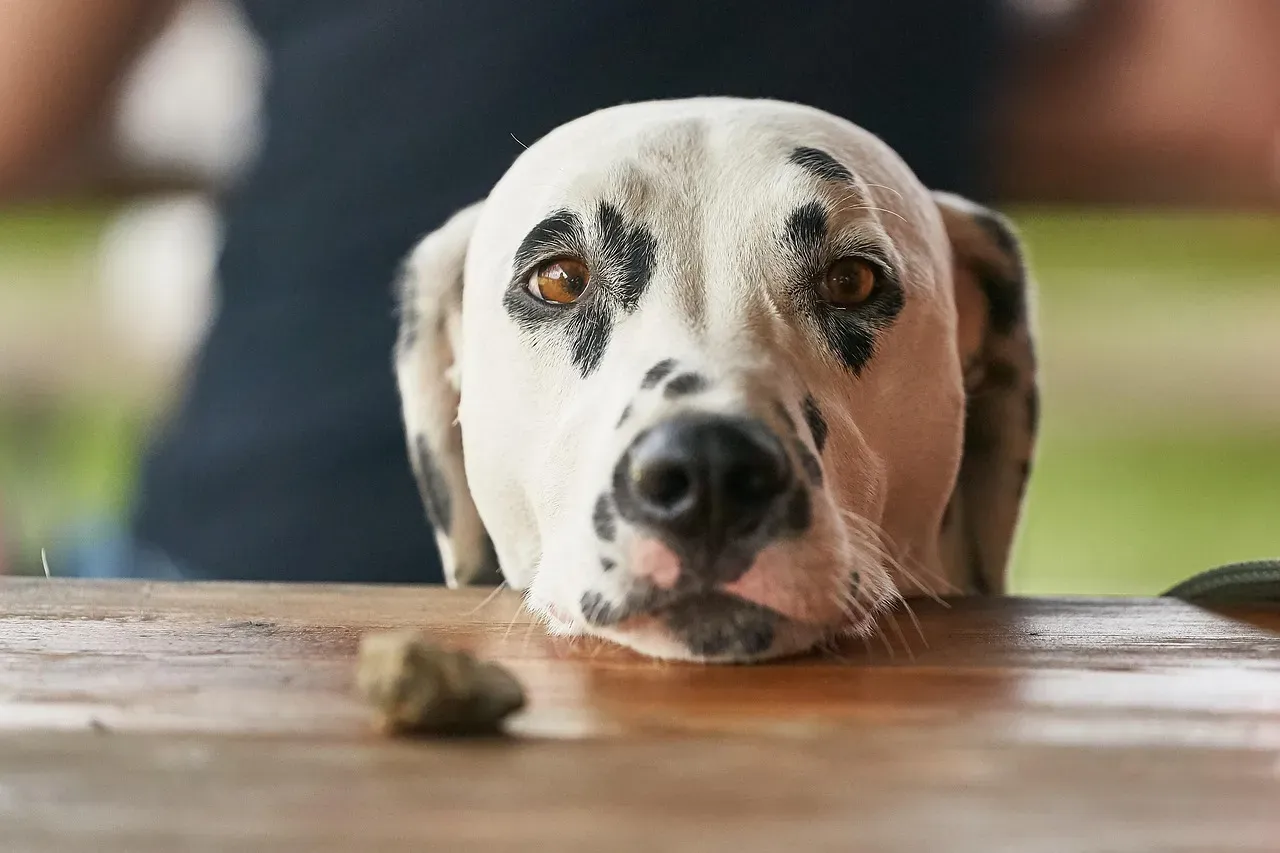
Those puppy eyes during dinner melt hearts. A quick scrap slip seems harmless, yet it trains begging as a surefire win.[2] Soon, every meal means pawing and whining.
Feed them before your dinner in their spot, away from the table. Praise them for chilling there. No more pushy mealtimes, plus healthier tummies all around.
Giving In to Whining and Pawing
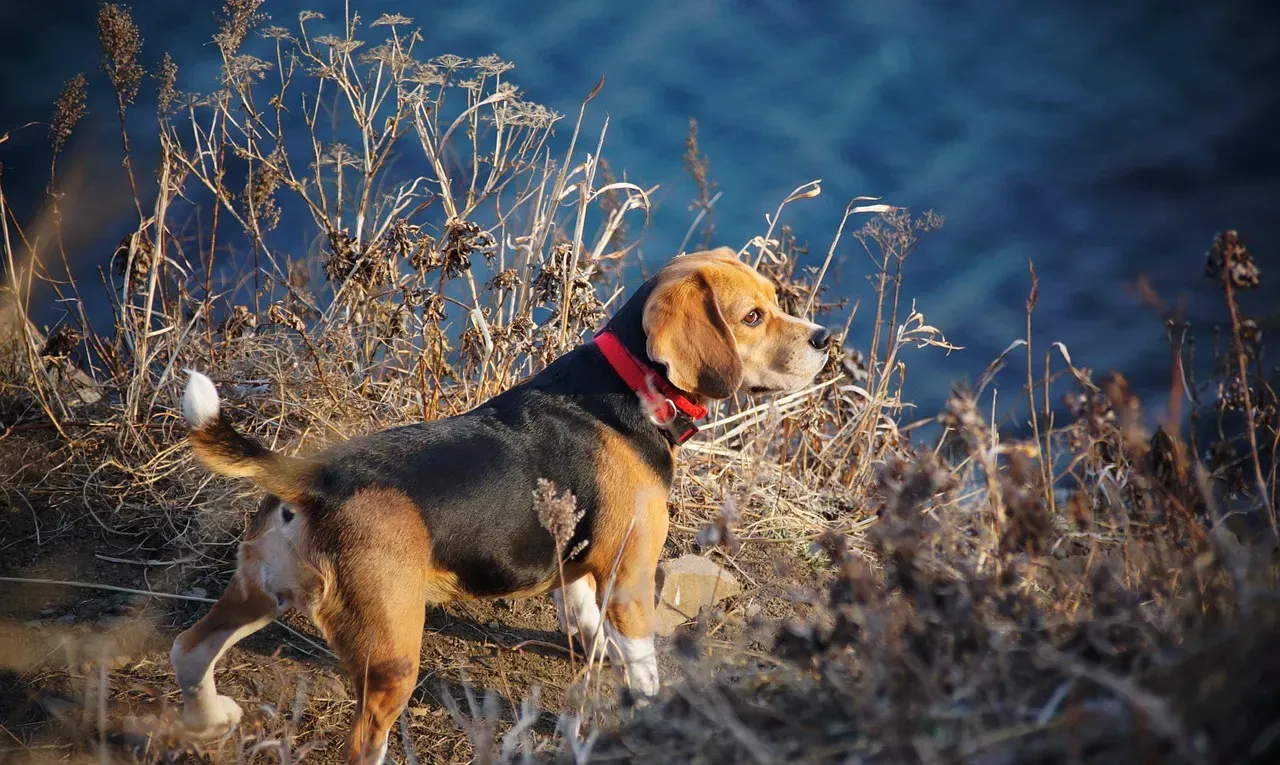
Your dog paws your lap or whines for play – ignoring feels mean, so you engage. Boom, attention-seeking jackpot.[3] They learn persistence pays.
Fold your arms, look away, and wait for a quiet sit. Then shower love. This builds self-control, making quiet moments their new go-to.
Laughing Off Playful Nipping
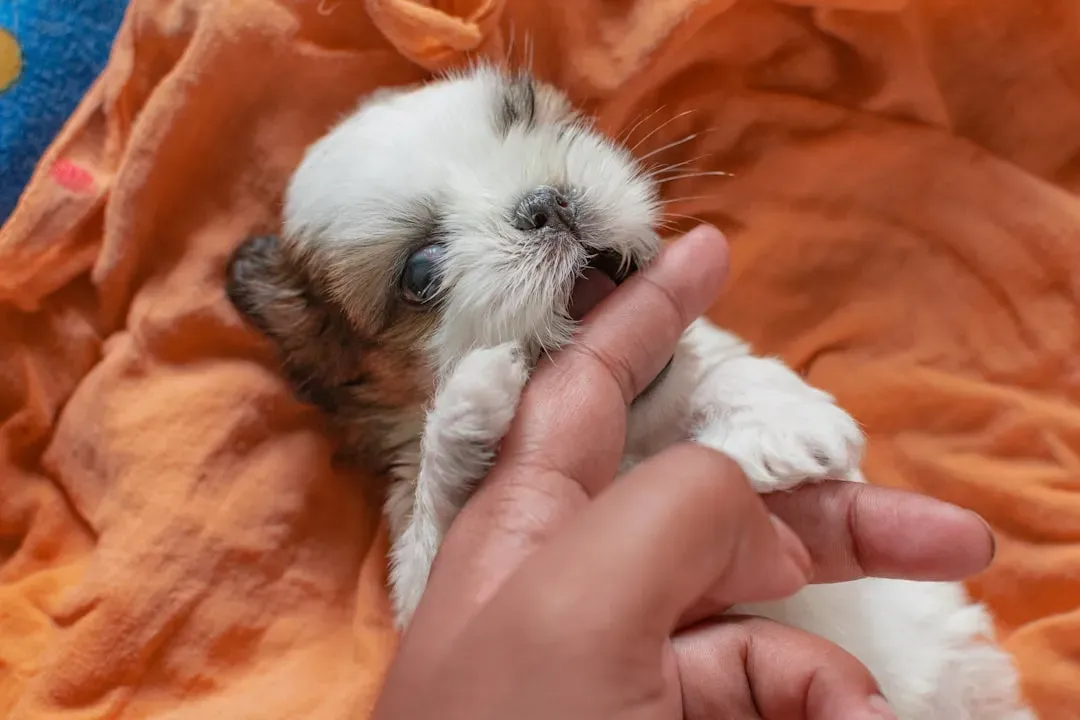
Puppy teeth on your hand during zoomies? Giggling encourages rougher play. Adult dogs keep the habit, turning fun into painful bites.[4]
Say “ouch” sharply, freeze, and redirect to a chew toy. Reward gentle mouths lavishly. Your hands thank you, and play stays sweet.
Applying Rules Inconsistently
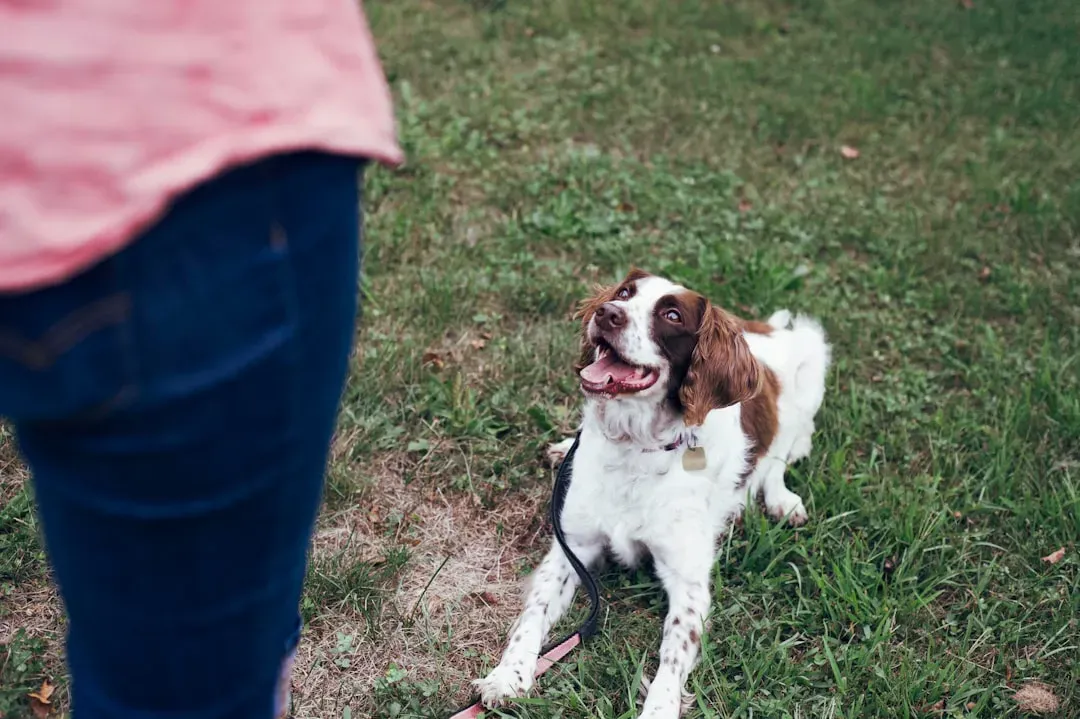
One day couch cuddles, next day “off!” Dogs crave clear leadership. Flip-flopping confuses them, sparking testing and tantrums.
Decide rules together as a family, enforce every time calmly. Use treats for compliance. Consistency builds trust and a well-mannered pack.
Skipping Regular Exercise
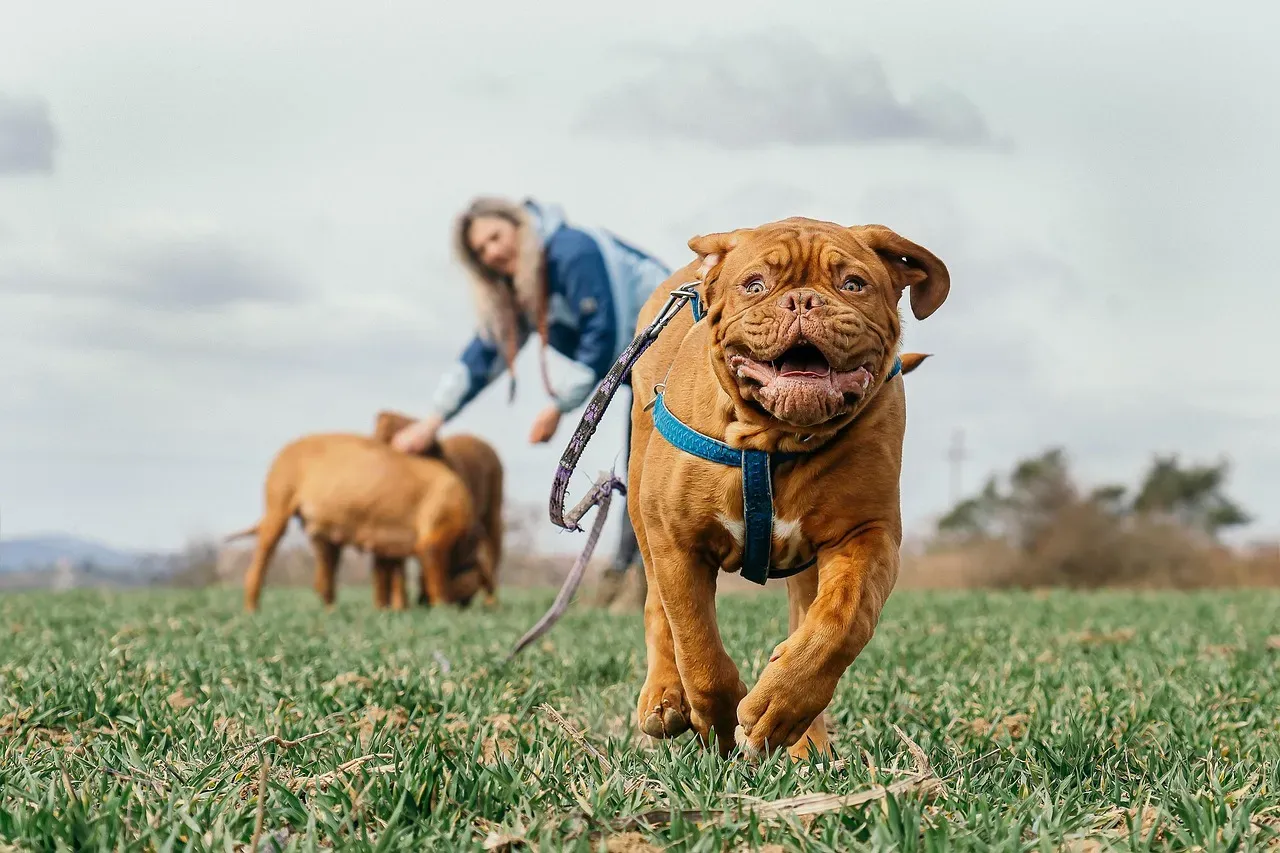
Busy days mean short walks – your pent-up pup chews socks or digs craters. Boredom fuels mischief like a pressure cooker.
Aim for 30-60 minutes daily of walks, fetch, or sniff games. Tired dogs equal happy, chill companions. You’ll both feel the energy boost.
Leaving Counters Unattended
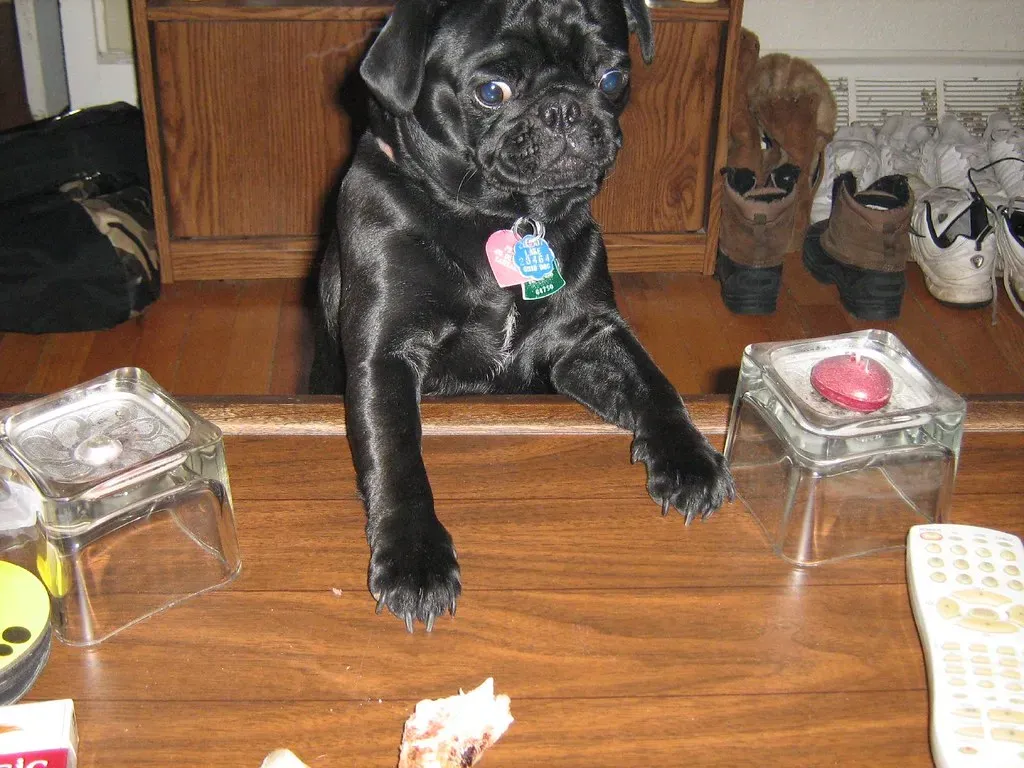
Quick snack on the counter? Your sneaky surfer learns it’s a buffet. One score reinforces endless raids.[5]
Clear surfaces religiously, teach “leave it” with rewards. Block access during meals. Kitchen peace restored, no more tummy troubles.
Comforting During Fearful Moments
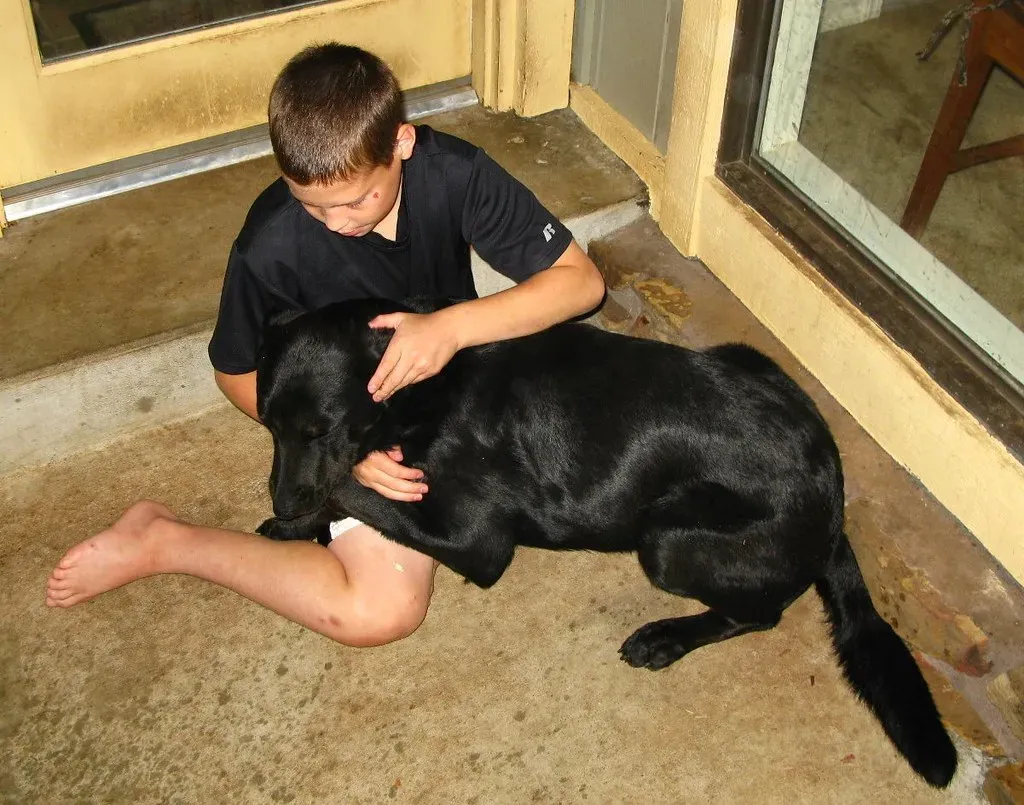
Thunder booms, dog cowers – you hug tight. It feels supportive, but signals “You’re right to panic!” Fear lingers longer.
Act casual, offer a chew toy, play softly. Pair storms with fun over time. Builds brave pups who handle life better.
Failing to Supervise Early On
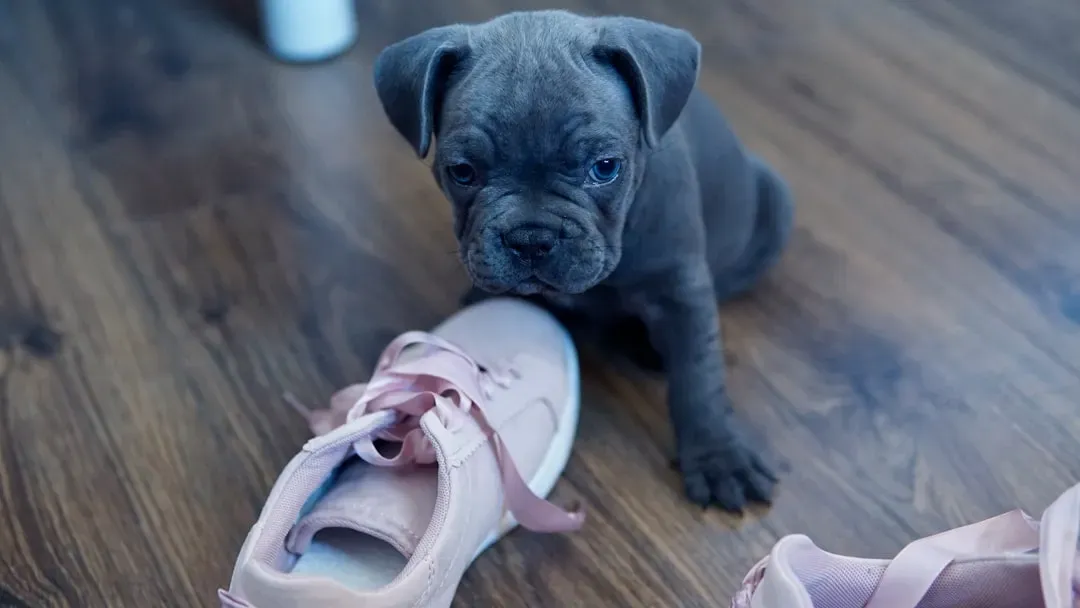
Pup roams free unsupervised – shredded shoes become habit before you notice. Prevention beats correction every time.[5]
Tether, crate, or gate until reliable. Reward good choices profusely. Sets a strong foundation for a trouble-free life together.
Your Path to a Happier Pack
Spotting these habits transforms chaos into harmony. Small tweaks yield big changes – your dog just wants to please you.
Start with one today, celebrate progress. You’ve got this, fellow dog lover. What’s the first habit you’ll ditch? Share below!


