
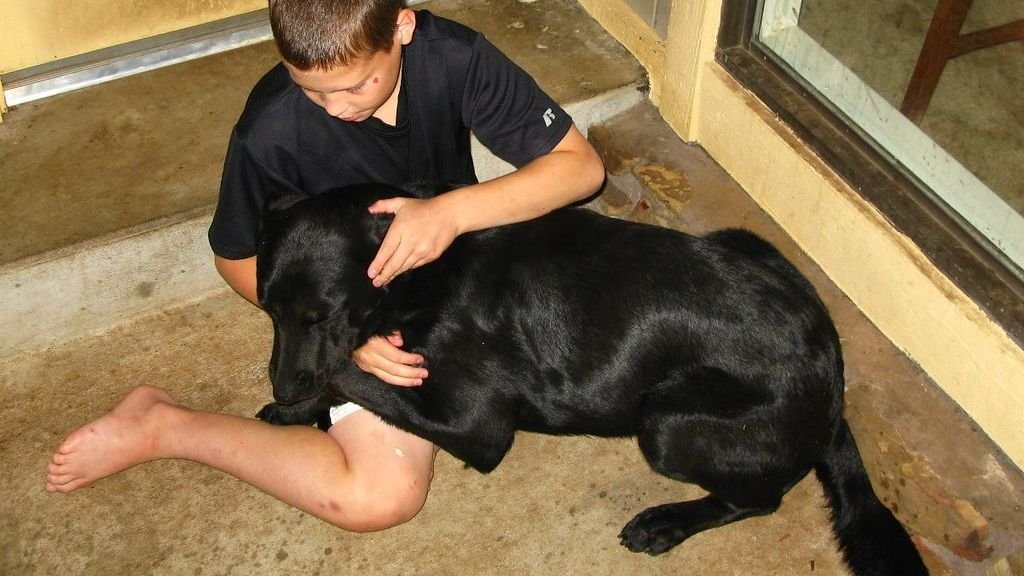
You love your dog more than words can say. You cuddle them, feed them the good stuff, take a million photos of them sleeping, and call them your baby in public without even a hint of embarrassment. Same. But here’s the thing – despite all that love, some of the most ordinary things you do every single day are genuinely baffling to your pup. Not in a cute, head-tilt kind of way. In a “wait, what is happening right now?” kind of way.
Dogs are brilliant creatures, but they don’t read minds or speak human. They read body language, tone, energy, and patterns. So when your behavior doesn’t line up with what they expect, it can leave them confused, anxious, or even a little stressed. The good news? Once you know what’s tripping your dog up, you can fix it fast. Let’s dive in.
1. Staring Directly Into Their Eyes

You think you’re bonding. Your dog? Not so sure. When talking to another human, eye contact shows interest and engagement – but to a dog, maintaining eye contact is perceived as a challenge or a threat. It’s one of the biggest cross-species misunderstandings out there, and it happens dozens of times a day.
Prolonged periods of eye contact can make a dog feel really worried. When you look at your dog, try to do so with as soft a gaze as possible to keep them calm and comfortable, and avoid holding direct eye contact. Think of it less like a loving stare and more like a gentle glance. That small shift makes a world of difference to your pup.
2. Hugging Them the Way You’d Hug a Human
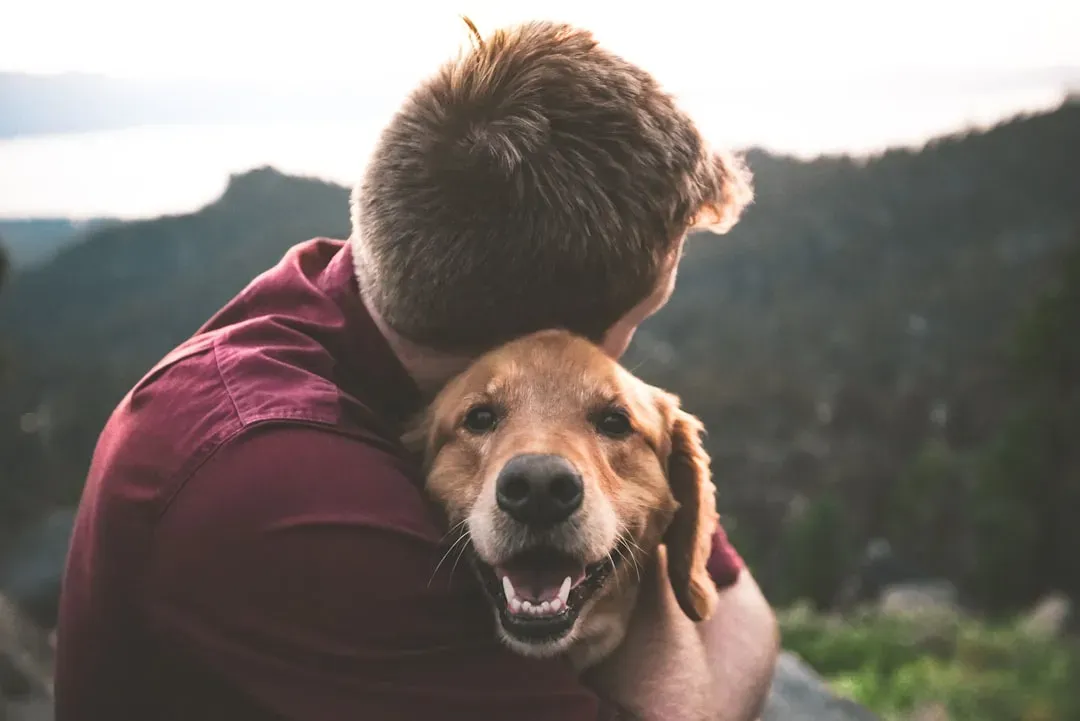
Here’s one that’s genuinely hard to hear – especially for us huggers. You need to analyze not only your intention, but also the dog’s perception of every interaction. For example, hugs are intended kindly, but few dogs enjoy them. That tight squeeze you think is full of love? Your dog might be quietly tolerating it.
Humans tend to exhibit human communicative gestures of affection to their dogs, including hugging, touching, kissing, and restraining them – all things that, in the canine world, signal dominance or threat rather than warmth. Watch for the signs: a dog will literally shake itself off after a stressful situation, for example, after being hugged. If your dog shakes off right after you let go, that’s their version of a deep exhale.
3. Using Inconsistent Commands
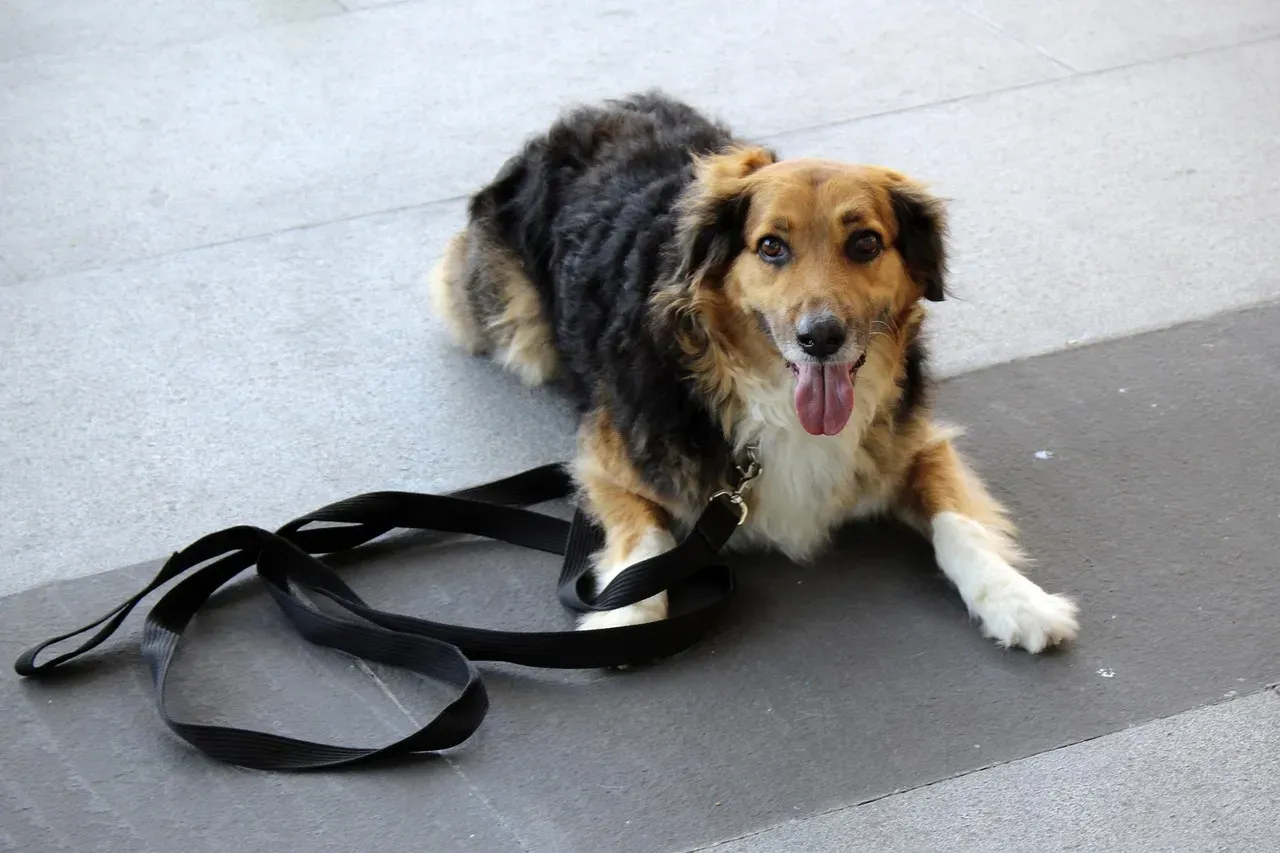
Monday you say “down.” Tuesday you say “off.” Wednesday it’s “stop it!” – all meaning the same thing. To you, these are synonyms. To your dog, they are completely different words. Dogs are intelligent and can learn human commands, but they are not smart enough to grasp synonyms. For example, if on the first day you train your dog with the command “stand up” to make them stand, and the next day you say “stand,” it will confuse them. Dogs don’t realize that these two words represent the same action.
Lack of consistency reduces the efficiency of dogs executing commands. Using short and unique command words helps dogs understand their owner’s intentions more quickly. Pick one word per behavior, get every family member on the same page, and stick with it. It’s genuinely one of the simplest things you can do to reduce your dog’s confusion.
4. Punishing Them After the Fact

You come home, see the chewed cushion on the floor, and you lose it. Your dog looks “guilty” – ears down, tail low, eyes soft – so clearly they know what they did, right? Actually, no. When you come home and discover that your beloved dog has made a mess of the house, you’re sure to be furious. However, punishing the dog at this moment might not be very helpful in resolving such issues. Canids are not so clever that they can connect your current angry behavior with their past mistakes.
That “guilty look” is actually a stress response to your body language and tone – not a confession. When dogs feel stressed, they’ll pointedly look away and avoid eye contact. People often interpret this as their dog ignoring them or being stubborn, but the dog is expressing discomfort. The lesson here: address behavior in the moment, or redirect it entirely through better management at home.
5. Rewarding Fearful Behavior Without Realizing It
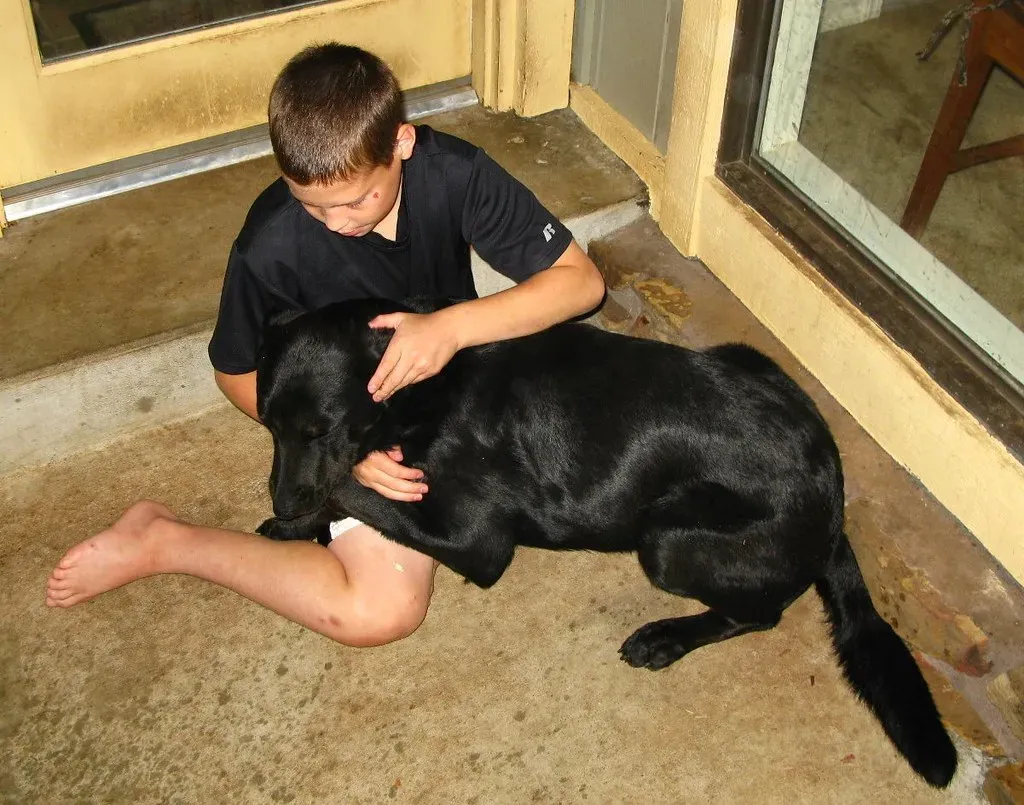
Your dog hears thunder and completely falls apart. Naturally, you scoop them up, pet them softly, and say “it’s okay, baby, it’s okay” in the most soothing voice you have. Sweet? Absolutely. Helpful? Not quite. When humans feel tense, it’s common for loved ones to provide comfort through petting and soothing words. Does this work for dogs too? Veterinary experts say no! From a dog’s perspective, such human behavior is interpreted as encouraging the dog’s fear through affectionate gestures and sweet talk.
Think of it this way – if every time you felt scared, someone acted more dramatic than you, it would probably make things worse. Dogs work the same way. Instead of fussing, try staying calm and neutral, keeping your energy steady and your voice matter-of-fact. Your dog picks up on subtle changes in your mood based on slight shifts in your body language and can start to mirror those energy changes.
6. Approaching Them Head-On
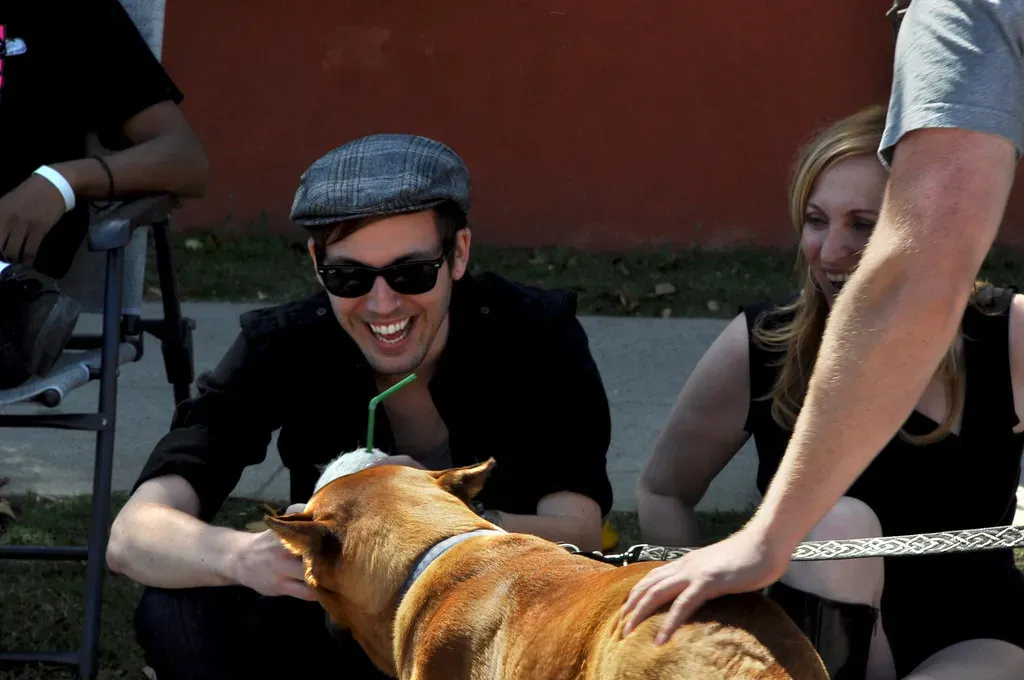
When we meet someone new, we walk straight up to them, make eye contact, and reach out a hand. It’s the human way. When we meet new people, we face towards them and might extend a hand to greet them. It would look strange if we approached someone sideways on, eyes lowered, with a hand placed to be easily sniffed! However, for dogs this is the perfect way to say “hi” – they can get nervous if you approach them head-on or lean over them and may interpret this as a threat or challenge.
There are a few things that we humans do that can be intimidating to many dogs. We approach dogs the same way we approach other humans: making eye contact, offering an outstretched hand, bending over to get closer. These things are often seen as confrontational and overwhelming to most dogs. Try crouching sideways, letting the dog come to you, and offering the back of your hand low. It changes everything.
7. Sending Mixed Signals With Your Tone and Body Language
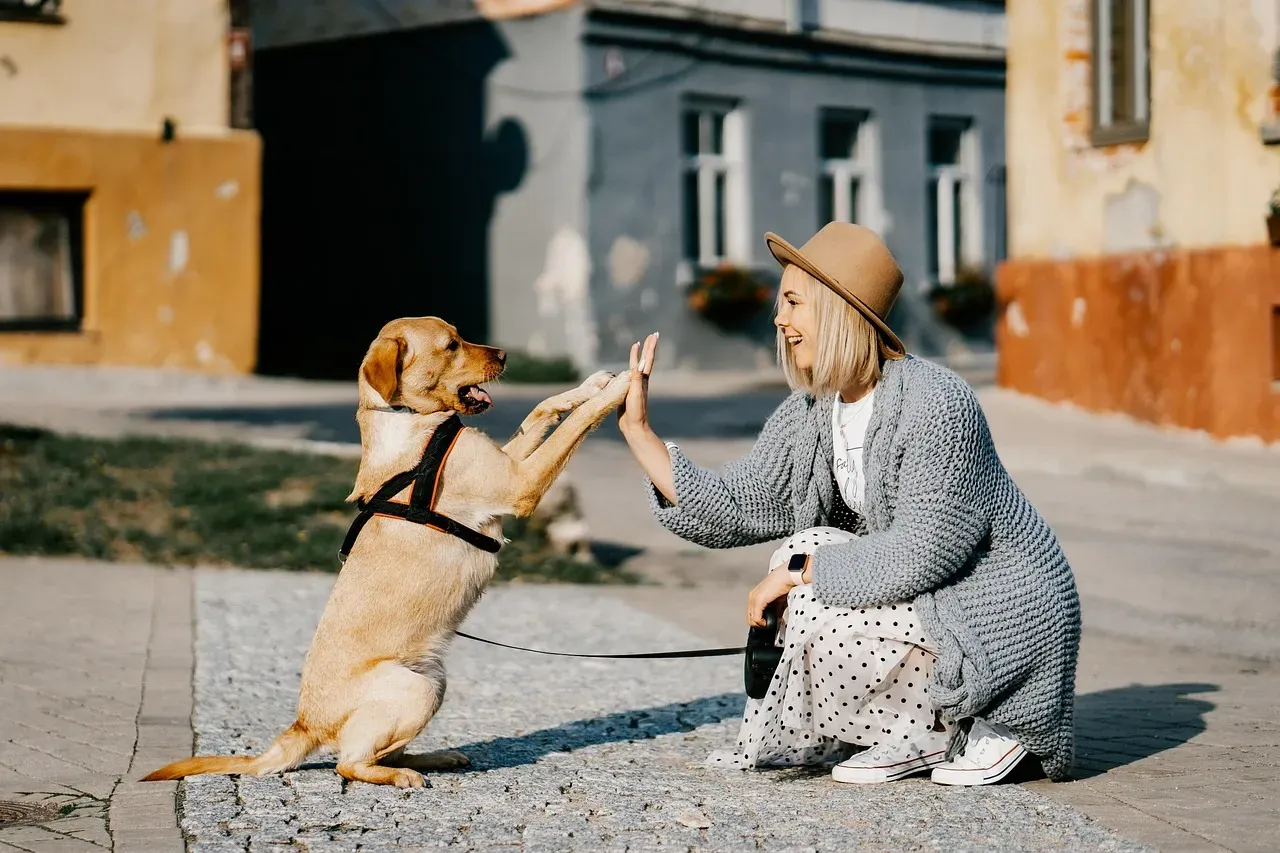
Here’s something that messes with dogs more than most people realize. You say “good boy!” in a flat, distracted voice while scrolling your phone. Or you cheerfully call your dog’s name right before doing something they hate, like bathing them. Dogs don’t just hear words – they read everything happening around those words. Mismatched signals – harsh voice tones with relaxed body language, or cheerful voices with tense postures – confuse dogs and make communication less effective.
Unlike humans, dogs don’t have complex verbal language, so they’ve developed incredibly nuanced body language systems. They communicate through posture, facial expressions, movement patterns, and energy levels that convey detailed information about their emotional state and intentions. When your words say one thing and your body says another, your dog is left genuinely puzzled – trying to figure out which version of you is the real one.
8. Misreading a Wagging Tail as Pure Happiness

A wagging tail means a happy dog – that’s just common knowledge, isn’t it? Well, not exactly. This is honestly one of the most widespread misunderstandings in the dog world, and it’s worth unpacking. Most dog parents assume a wagging tail means a happy dog. But this motion is more ambiguous than people think. At its most basic, a wagging tail signals an intent to interact – this could mean the dog is ready for a happy, fun interaction, or could be preparing for a stressful encounter.
A tail tucked tightly between the legs is a classic stress signal. A low tail with a stiff, quick wag can also mean worry, not joy. So the next time your dog is wagging, look at the whole picture – body posture, ear position, eye expression. When you read a dog’s communication, look at every signal the dog is using from the tail height to the eye shape. That full body read is where the real story lives.
9. Being Inconsistent With Rules

Your dog is allowed on the sofa on lazy Sunday mornings. Then they’re scolded for jumping on the sofa when guests arrive on Friday night. From your dog’s perspective, this is absolutely maddening – and honestly, I can’t blame them. If you’re not consistent, your dog will be confused and won’t know what you want, which can be even more stressful. Imagine feeding your dog table scraps and allowing them on the bed one day and then punishing them for the same things another day. Your dog will not understand any of it.
Dog behavior modification will not be effective without consistency. If something is a big no-no today, it can’t be okay in a couple of days. Think of consistency as the foundation of your dog’s emotional security. It’s not about being strict – it’s about being predictable. Dogs thrive when they know what to expect from the humans they love.
10. Ignoring Their Stress Signals
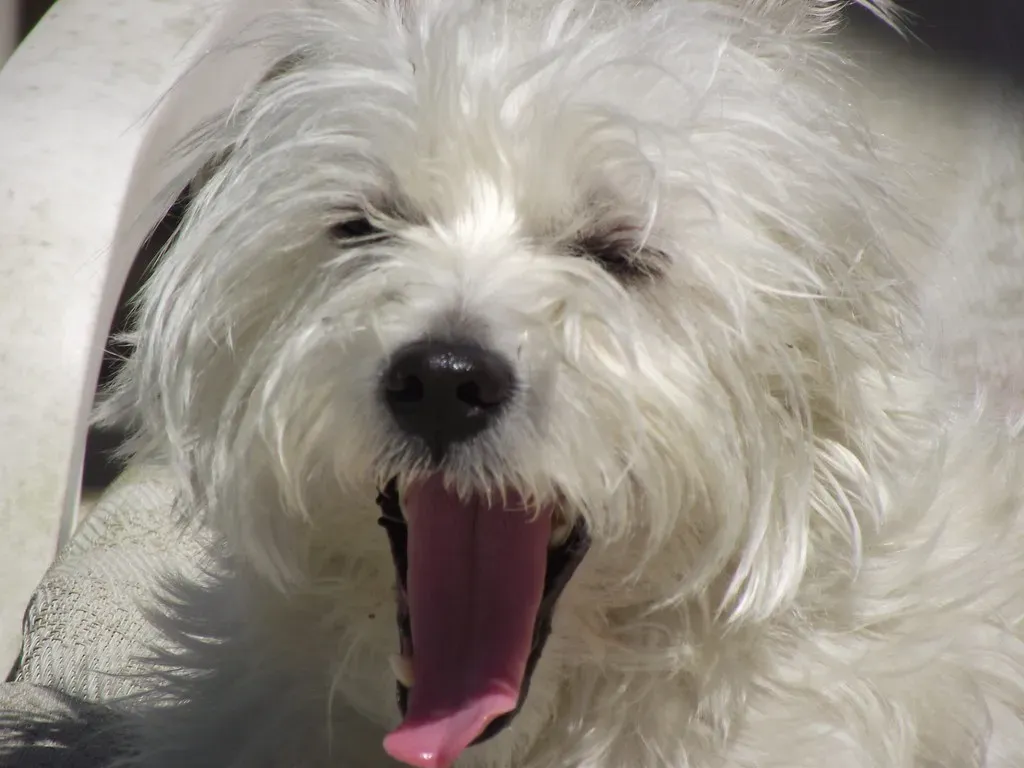
Dogs are incredibly communicative. They’re constantly telling you how they feel – you just have to know what to look for. Many humans tend not to necessarily understand the body language or vocalizations exhibited by dogs when interacting with them. Yawning in a tense moment, licking their lips when there’s no food around, turning their head away – these aren’t random quirks. They’re messages.
People yawn when they’re tired or bored, but dogs yawn when they’re stressed. According to Turid Rugaas, dogs use yawning to calm themselves in tense situations and to calm others, including their owners. Meanwhile, lip-licking is another bit of dog body language that people often misinterpret. Just like people, dogs will lick their lips after a delicious meal, but they’ll also do it when they feel anxious. Learning these signals isn’t complicated – it just takes attention. And once you start noticing, you truly cannot unsee it.
The Takeaway: Love Isn’t Always Enough – Understanding Is
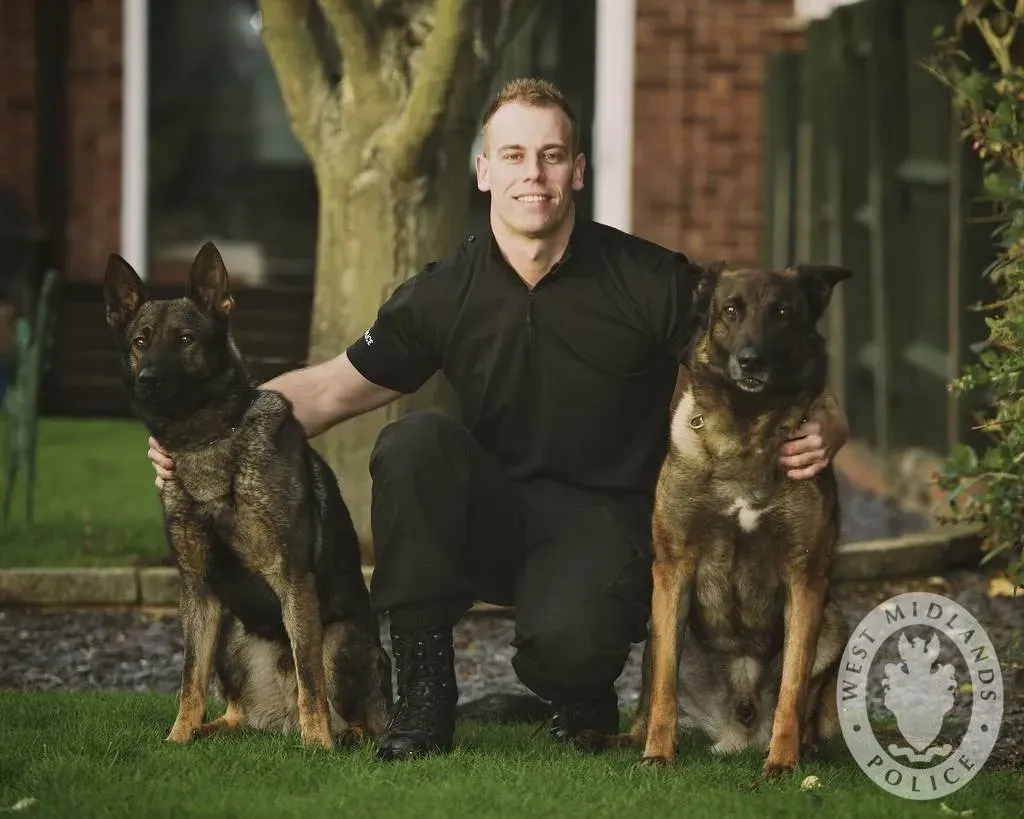
Here’s the thing about dogs: they give us everything they have, every single day. The least we can do is meet them halfway by learning to see the world through their eyes. Most of the habits on this list aren’t about being a bad dog owner – they’re about being human in a very dog-friendly relationship.
The moment you start paying attention to your dog’s body language, your whole relationship shifts. You stop wondering why your pup seems anxious around certain people or why they freeze during cuddles. Suddenly, their world becomes readable, and yours becomes a safer place for them to live in.
Take it one habit at a time. Pick one thing from this list and work on it this week. Maybe it’s softening your gaze, or choosing one firm command and sticking to it. Small changes stack up into something profound. When you listen to your dog’s signals, you build trust. Your dog learns, “My person pays attention and keeps me safe.” That kind of trust? It’s the whole point. So – which habit on this list surprised you the most? Share it in the comments, we’d love to hear from you.


