
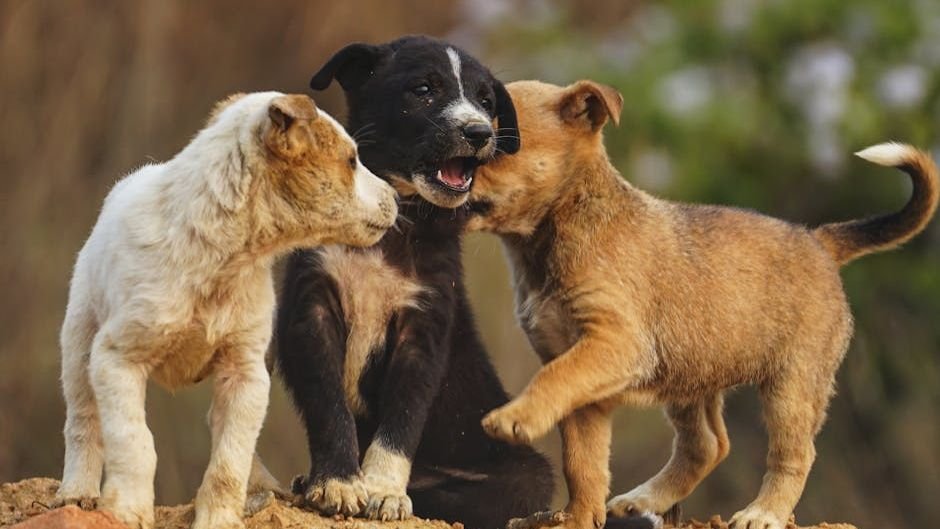
You love your dog with everything you’ve got. You buy them the best toys, sneak them treats when no one’s looking, and honestly, you’d cancel plans for them without blinking. Yet here’s the uncomfortable truth: even the most devoted dog parents accidentally do things every single day that chip away at their pup’s health, happiness, and trust. It’s not a matter of love. It’s a matter of knowledge.
The good news? Most of these mistakes are completely fixable once you know about them. Some might even surprise you. So take a deep breath, set aside any guilt, and let’s dive in.
1. Skipping Regular Vet Visits Because Your Dog “Seems Fine”
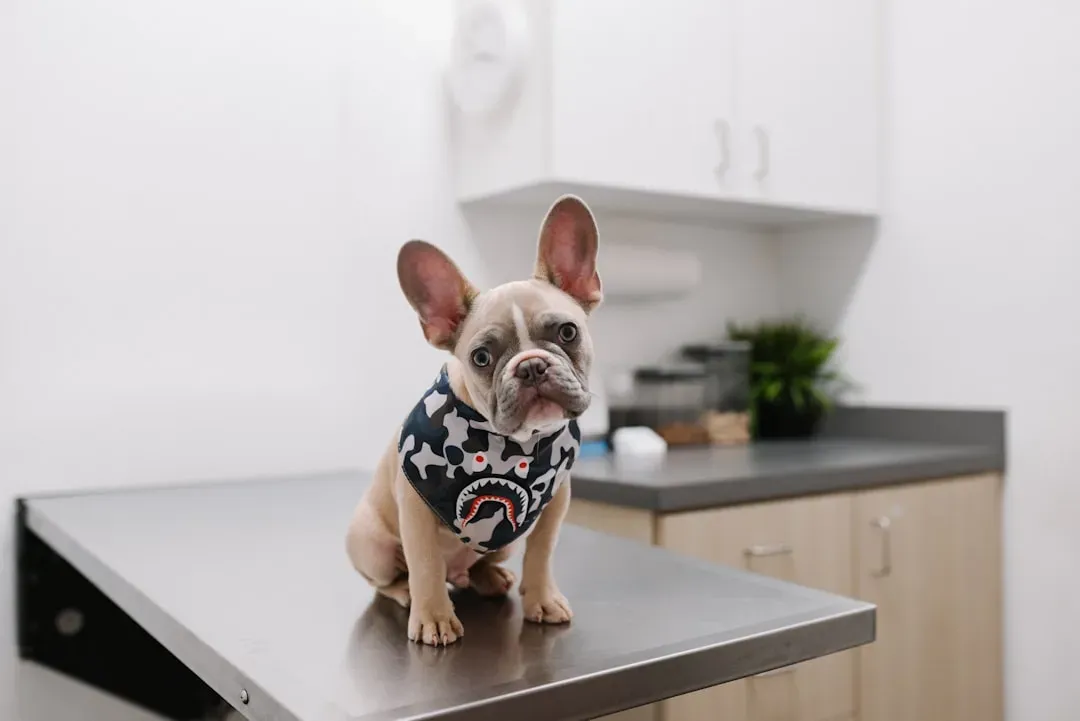
Here’s the thing about dogs: they are masters at hiding pain and illness. Many dogs hide illnesses until it’s too late, so finding a vet you can trust to cover all the bases during exams provides genuine peace of mind. That wagging tail and happy face can be deeply misleading, and waiting until something looks wrong is often waiting too long.
If your dog seems happy, it can be tempting to skip your scheduled checkup and pocket the savings. Routine visits are an important way to keep your dog healthy, and establishing a relationship with your vet before something goes wrong is in your dog’s best interest. When your vet knows what to expect from your dog under normal circumstances, they’ll be able to detect more easily when something’s not right. Think of it like a car service, skip it long enough and the damage sneaks up on you.
2. Overfeeding and Treating Obesity as “Cuteness”
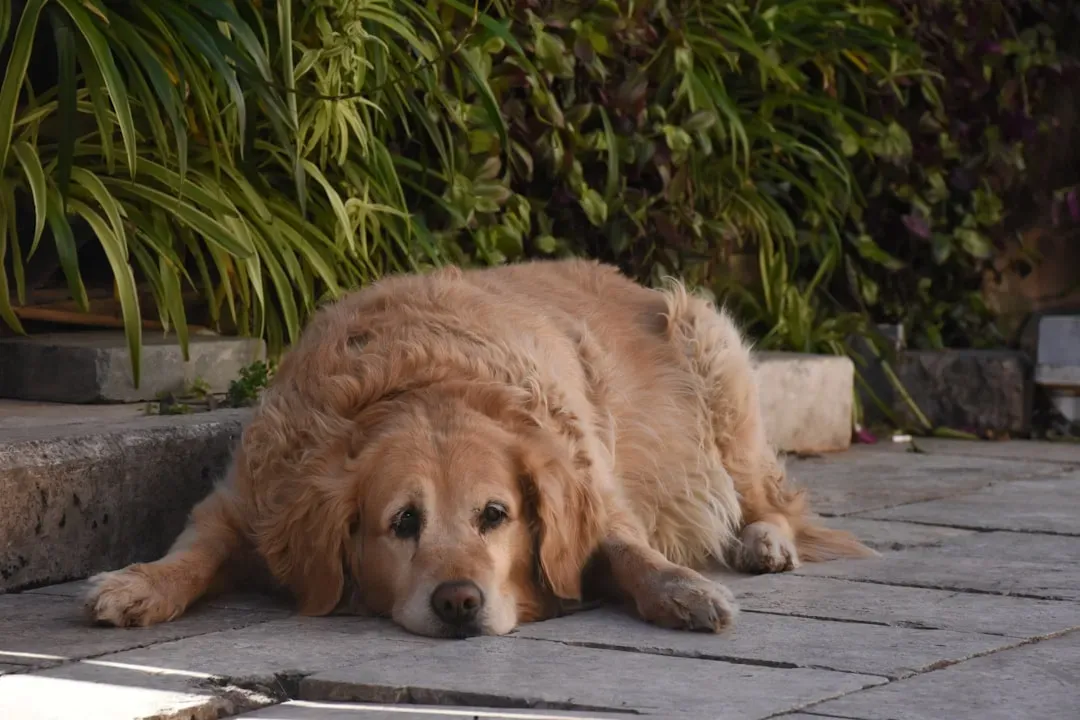
We’ve all laughed at a chunky dog waddling across the floor. It’s adorable, right? Honestly, not so much. Pet obesity is a widespread problem, and even just a little extra weight can cause a variety of health problems. Excess weight can lower a dog’s life expectancy and make it more difficult to manage common health issues such as joint pain, injuries, and arthritis as they age.
One of the most common mistakes pet owners make unintentionally is overfeeding their pets. This can be because some people think dogs need to eat several times a day, but the truth is that every dog is different, and as dogs get older their appetite and need for food decreases. Depending on their size, dogs need a specific number of calories every day to keep them healthy, and overfeeding can lead to many health complications such as obesity. Ask your vet to help you calculate the right portion size. It could genuinely add years to your dog’s life.
3. Feeding Table Scraps and Human Foods
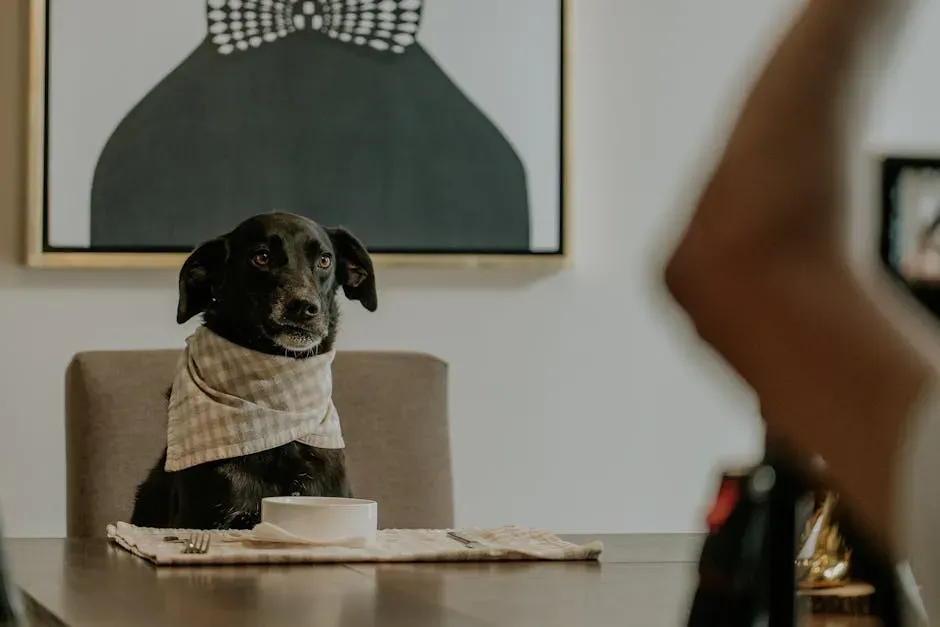
You’re eating pasta, your dog gives you that look, and before you know it, you’ve shared half your plate. Feeding dogs table scraps or other human foods is a common mistake. While it may seem harmless to give your dog a bite of your sandwich or a piece of chicken, many human foods can be dangerous for dogs. Grapes, onions, garlic, xylitol (found in sugar-free gum) and even some nuts are highly toxic.
It creates bad habits, and you risk feeding your dog something they shouldn’t be eating. Many human foods contain an unhealthy amount of sodium for dogs, which can cause rapid dehydration and muscle cramps. If you want to show love through food, stick to vet-approved dog treats. Your pup will love them just as much, no hospital visit required.
4. Skipping Socialization During the Critical Window

Imagine spending your whole life terrified of strangers, loud noises, and other dogs simply because no one introduced you to them early on. That’s the reality for poorly socialized dogs. Dogs need exposure to diverse environments, people, and other animals to develop proper social skills. Failure to socialize a dog properly can lead to fear, aggression, or anxiety issues later on, and proper socialization is key to a well-adjusted and happy canine companion.
Socializing entails ensuring that your pup feels at ease and performs well in new settings and with new people. This must occur within a set time range, usually between the ages of three and fourteen weeks. This is when your canine companion decides what he believes about the world. Miss that window, and you’re not working with a blank slate anymore. You’re doing damage control. Start early, go slow, make it positive.
5. Using Punishment Instead of Positive Reinforcement
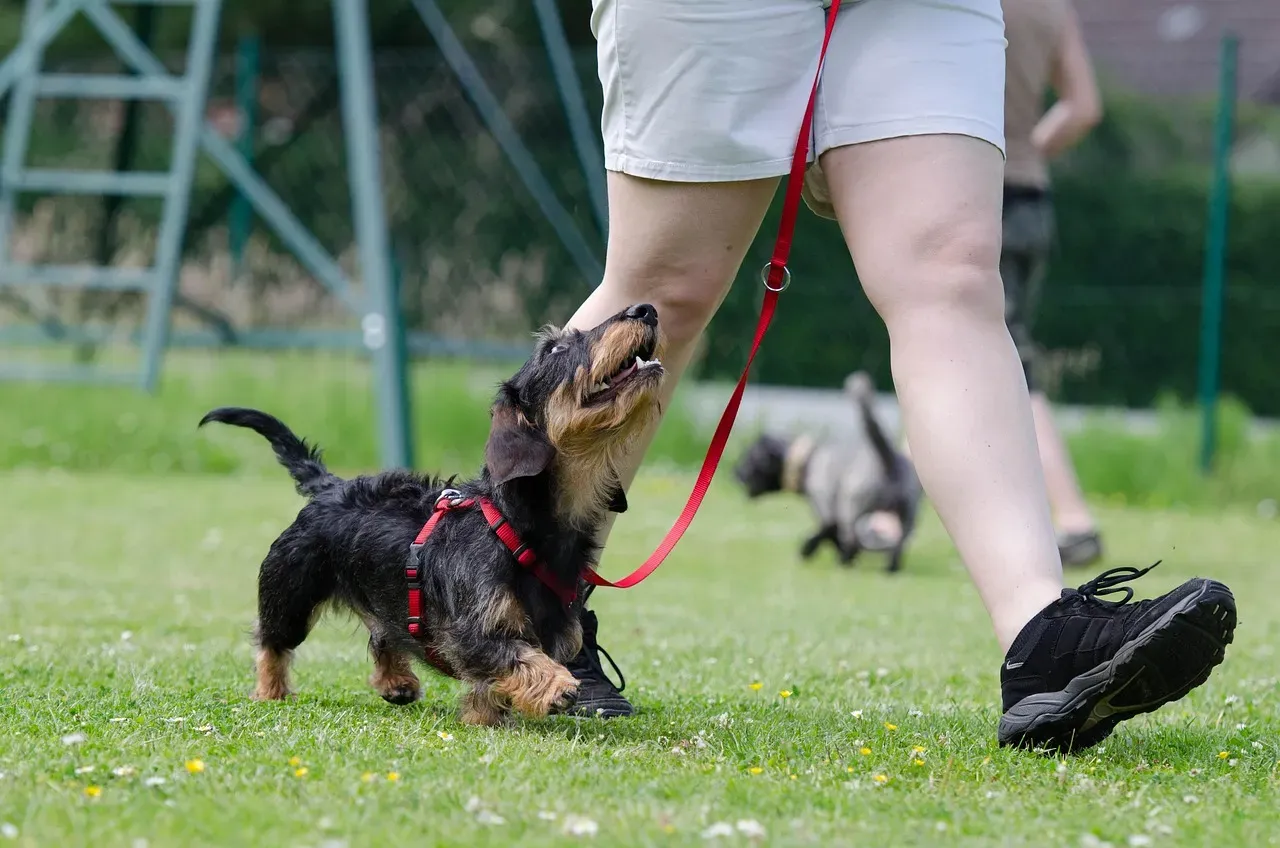
Let’s be real. When your dog chews your favorite shoes or has an accident indoors, the frustration is real. If you come home and your dog has had an accident, they will have already performed multiple behaviors since it happened. Punishing them hours later will only confuse them, as they won’t associate the telling off with their early misbehavior. Dogs simply don’t connect delayed punishment to the original act the way we assume they do.
Correcting a dog who does not understand a request reduces trust and increases stress. Before adding pressure, it is essential to ensure the dog truly understands the cue, the environment is appropriate, and the reinforcement is meaningful for the individual at the time. Reward what you want to see more of. That’s not just kindness. It’s science. Positive reinforcement builds trust and produces lasting results far better than fear-based corrections ever will.
6. Not Providing Enough Physical and Mental Exercise
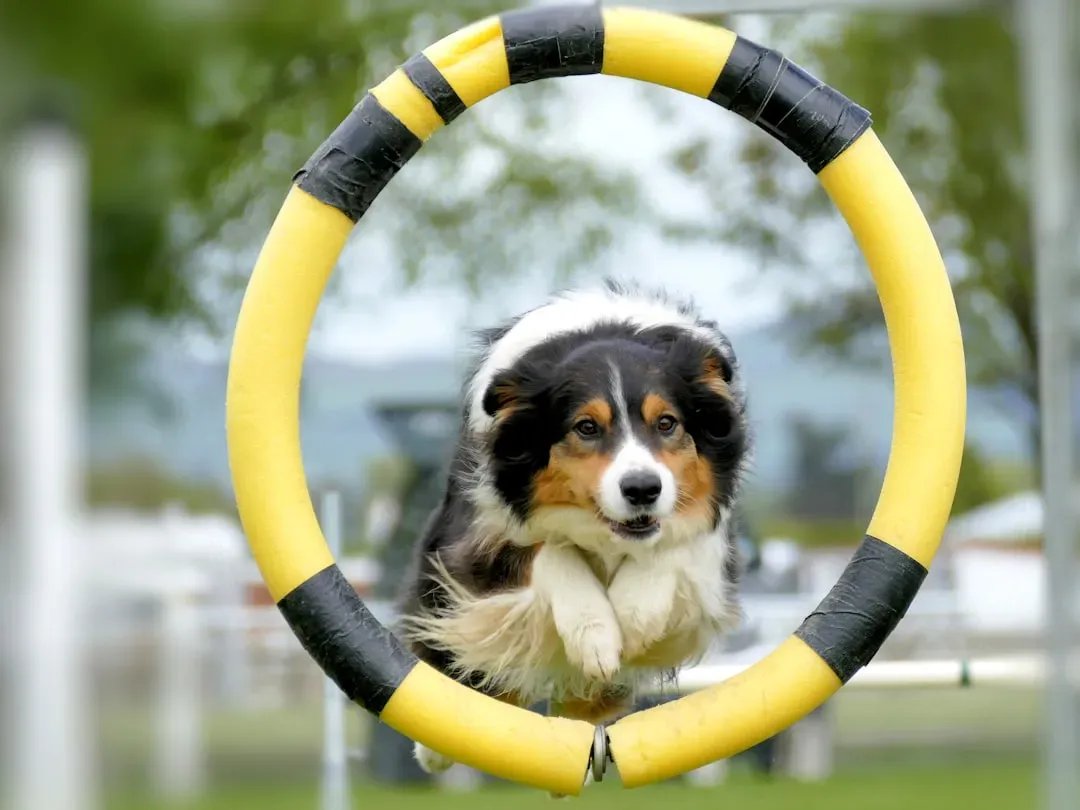
A bored dog is a destructive dog. It’s almost that simple. New owners often underestimate how much exercise their dog needs, which can lead to boredom and destructive behavior. Make sure your dog gets plenty of physical and mental stimulation. Daily walks, playtime, and training sessions are essential, and the amount of exercise needed varies by breed, so do your research on your dog’s specific requirements.
The amount of exercise a dog needs depends on their breed, age, and health. On average, dogs require 30 minutes to 2 hours of exercise daily. High-energy breeds like Border Collies and Labradors benefit from longer and more intense activities, while smaller breeds or older dogs may need less. Regular exercise helps prevent obesity, supports cardiovascular health, and provides mental stimulation, reducing anxiety and destructive behavior. Think of mental stimulation as brain exercise. Puzzle feeders, scent games, and short training sessions count too.
7. Neglecting Dental Care
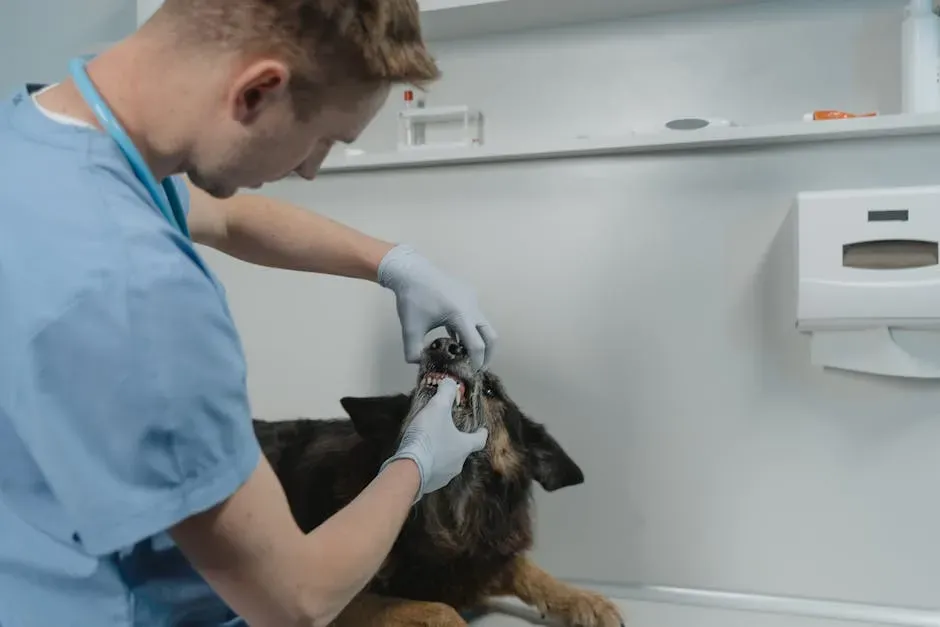
Dog dental health is probably the most underrated aspect of dog ownership out there. I know it sounds crazy, but skipping teeth brushing can literally affect your dog’s heart. A pet’s teeth are just like your teeth, something that should be addressed daily. Brushing teeth is the first line of defense to keep a healthy mouth, and bacteria from the mouth feed into the bloodstream and cause heart and other issues.
Having a dog that tolerates and even enjoys tooth brushing can make a big difference in your dog’s dental health. Daily brushing can prevent expensive dental procedures down the road and it also improves their breath and general health. Start by letting your pup sniff and lick the toothpaste. Slowly work up to full brushing. It takes patience, but it’s absolutely worth it. Dental disease is one of the most common and most preventable conditions in dogs.
8. Ignoring Grooming and Nail Care
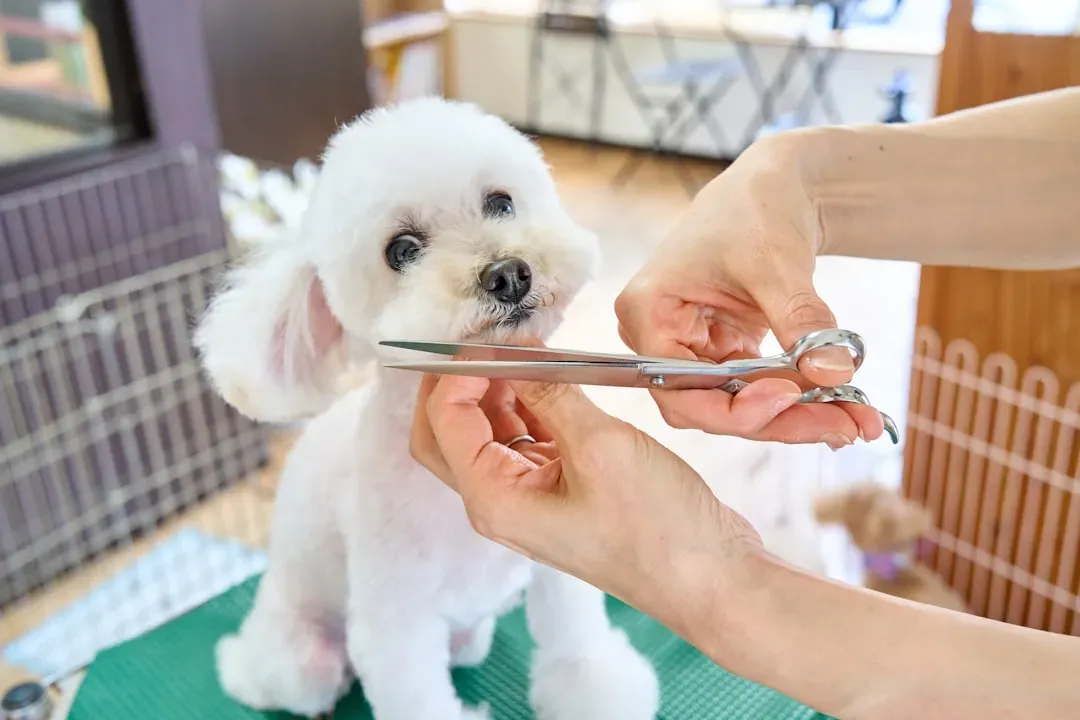
Overgrown nails are not just uncomfortable, they’re genuinely harmful. If a dog’s nails grow too long and aren’t trimmed, they can cause health and mobility issues. Similarly, if a dog’s teeth aren’t regularly brushed, they’re more likely to develop dental disease. Depending on the type of coat your dog has, regular brushing helps remove dead hair and prevents matting. Picture wearing shoes two sizes too small every single day. That’s essentially what untrimmed nails feel like for your dog.
Owners should establish a regular grooming routine that includes brushing their dog’s coat to prevent matting and shedding. Regular brushing not only keeps your dog’s coat healthy but also allows you to check for ticks, fleas, and skin issues. For paw care, owners should regularly trim their dog’s nails to prevent discomfort and ensure proper walking. Inspect and clean the paws to remove dirt, debris, or irritants, and moisturize the paw pads to prevent cracking. Make grooming a calm, rewarding ritual from puppyhood so your dog learns to tolerate it, or even enjoy it.
9. Skipping Flea, Tick, and Parasite Prevention

Many owners assume their dog is safe because they mostly stay indoors. That’s a dangerous assumption. If your dog stays indoors most of the time, you might question whether flea, tick and heartworm preventatives are really necessary. However, it’s easier than you might think for these pests to find your dog. Dogs who go outside for even a few minutes a day will probably be exposed to parasites. Even if your dog never goes outside, eggs can be tracked in on shoes and clothing. These pests carry diseases that can seriously harm your dog.
Think about it this way: you don’t have to visit a jungle to catch a cold. Parasites are everywhere, and prevention is dramatically cheaper and less stressful than treatment. Be aware of issues such as heartworms and fleas and treat accordingly for prevention. Talk to your vet about which monthly preventative is right for your dog’s lifestyle, weight, and region. This one really is non-negotiable.
10. Lacking Consistency and Structure in Daily Routines
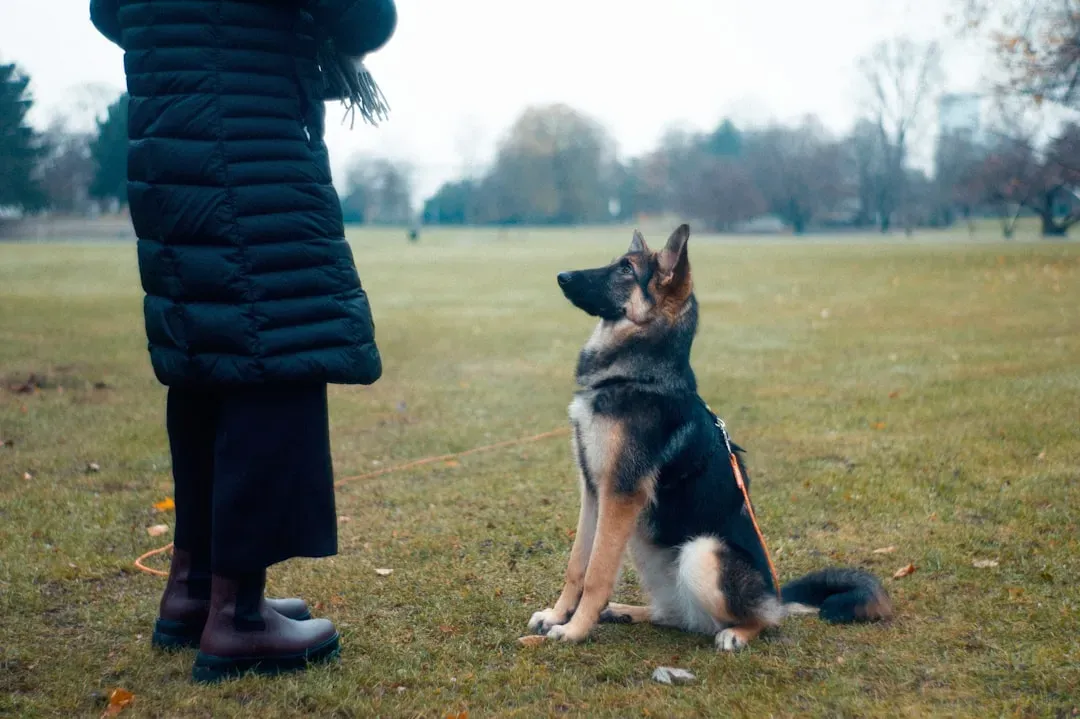
Dogs don’t handle unpredictability well. Imagine if your meal times, bathroom breaks, and bedtime shifted randomly every day. You’d feel anxious too. Dogs, like humans, thrive on routine. Without a consistent schedule, they may become anxious or act out. Setting a daily routine for feeding, walks, playtime, and training helps your dog know what to expect, which reduces anxiety and promotes good behavior. A well-structured routine also strengthens the bond between you and your dog.
First-timers often give a new dog tons of freedom right away, roaming the house, greeting everyone, sleeping wherever, and choosing their own pace. While well-intentioned, this can create anxiety and confusion. Clear patterns, routines, boundaries, and predictable interactions help dogs settle faster and behave more confidently. Structure isn’t cold or strict. To your dog, it’s actually the language of love. Predictability makes them feel safe, and a safe dog is a happy dog.
Final Thoughts: Love Is the Starting Point, Not the Finish Line
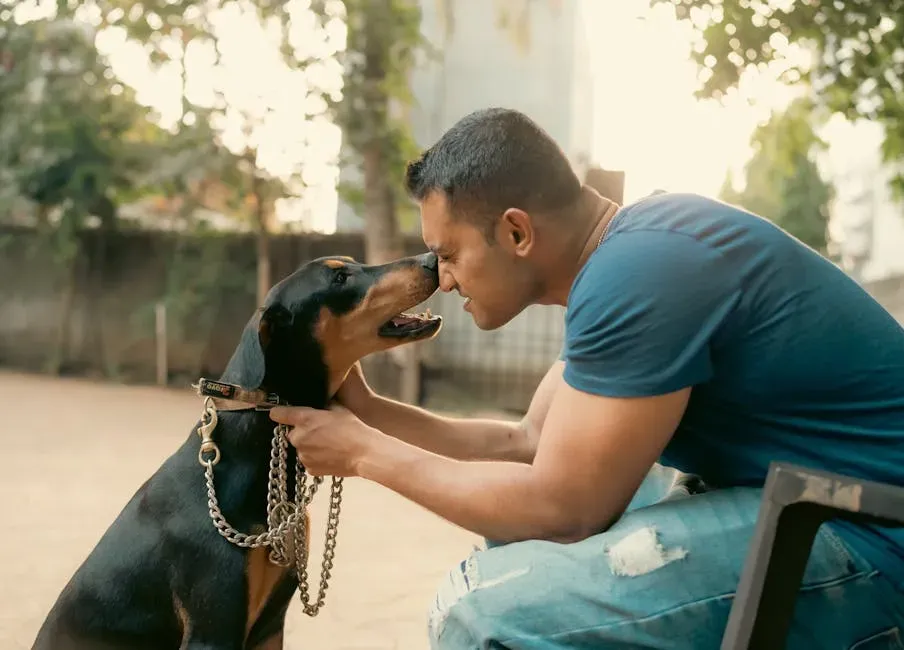
Every single mistake on this list comes from a place of love. Nobody skips the vet or shares table scraps because they want their dog to suffer. Despite the deep affection and well-meaning intentions most pet parents hold for their animals, it is not uncommon for them to inadvertently make mistakes that can affect their pet’s health and well-being. These errors often stem from a lack of knowledge rather than a deficiency of care or love. That matters, and it means you’re already ahead of the curve just by reading this.
The goal isn’t perfection. It’s progress. Pick one or two of these areas to work on this week. Maybe it’s booking that overdue vet appointment. Maybe it’s finally buying a doggy toothbrush. Small changes, done consistently, create a genuinely healthier and happier life for your pup. And honestly, they deserve nothing less.
Your dog gives you unconditional love every single day. This is your chance to give it right back, not just with cuddles and treats, but with the informed, thoughtful care that truly keeps them thriving. So, which of these surprised you the most?


