
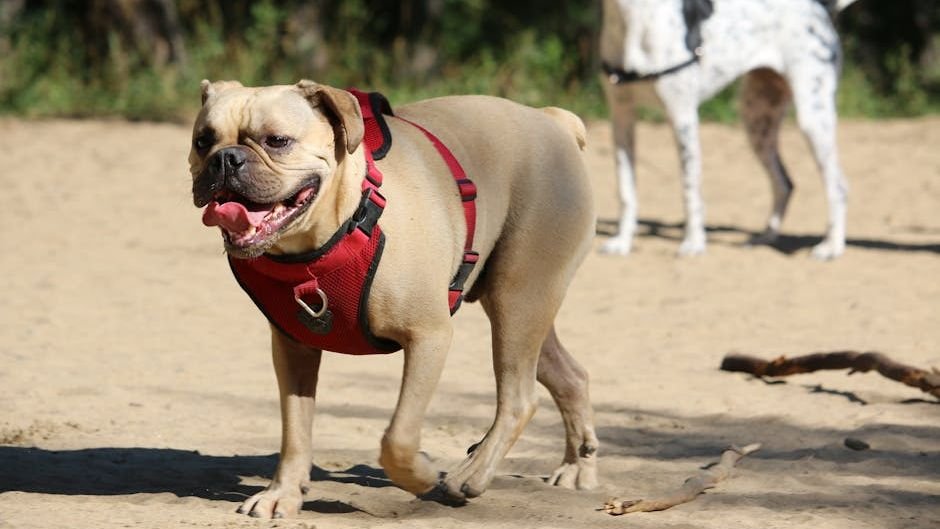
Picture this: you’ve just brought home a shiny new harness, clicked it confidently onto your dog, and headed out for what you imagined would be a blissful walk. Three minutes later, your dog is wiggling out of it, limping slightly, or gazing up at you with that signature look of pure canine betrayal. Sound familiar? You’re definitely not alone.
Choosing the right collar or harness for your dog sounds simple. Walk into a pet store, pick something cute, done. Except it isn’t that simple at all. The gear you put on your dog affects their safety, their comfort, their health, and honestly, your whole relationship with them on walks. And most owners are getting at least one thing wrong – sometimes without even realizing it.
Whether you’re a first-time dog parent or you’ve had pups for years, there’s always something new to learn. Let’s dive in.
Mistake #1: Buying Without Measuring First
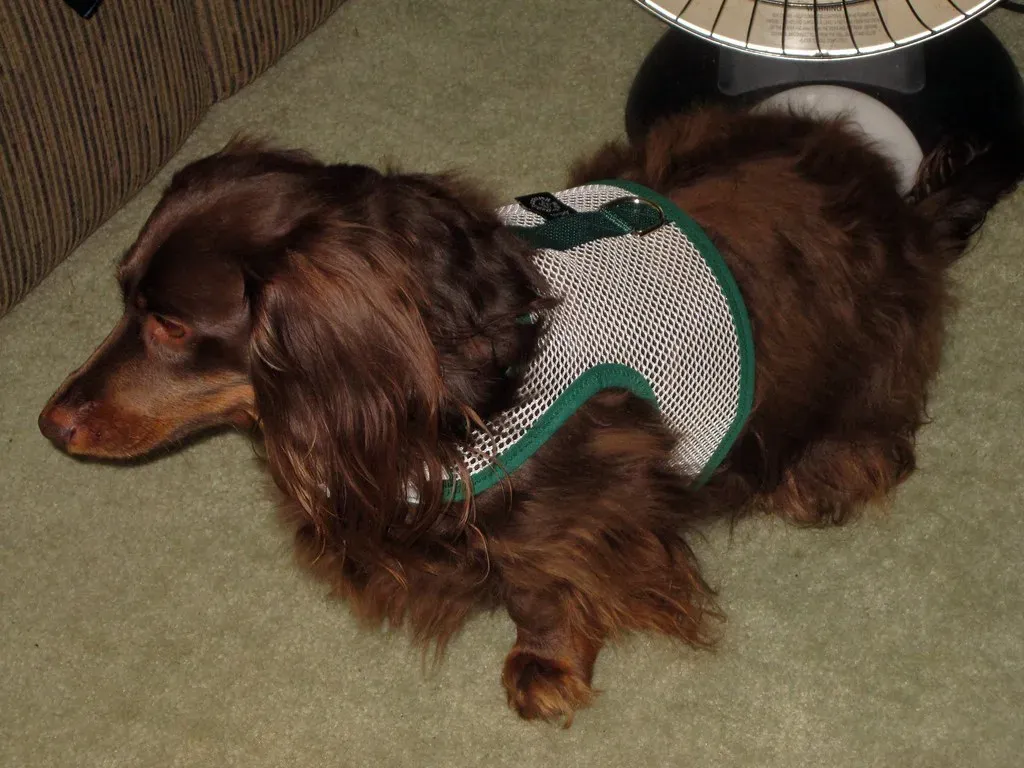
Here’s the thing most people skip entirely: grabbing the tape measure before buying. It feels tedious, and honestly, how hard can it be to eyeball a “medium”? Very hard, as it turns out. Every brand sizes its harnesses differently. That medium on one website might be a small on another, and a collar sized by weight alone is practically guesswork.
To fit your dog for a harness, you need two measurements: the neck and the chest. Don’t rely solely on your dog’s weight to guess size – even small breeds can be surprisingly deep-chested, like the Basset Hound, for example. Think of it like ordering clothes online. Sizing by weight is like ordering pants based on your height – it’ll miss the mark almost every time.
For collars, you should make sure that it fits snugly but not too tight, allowing you to fit two fingers comfortably between the collar and your dog’s neck. That two-finger rule is your best friend. Commit it to memory.
Mistake #2: Ignoring the Health Risks of a Collar on a Puller
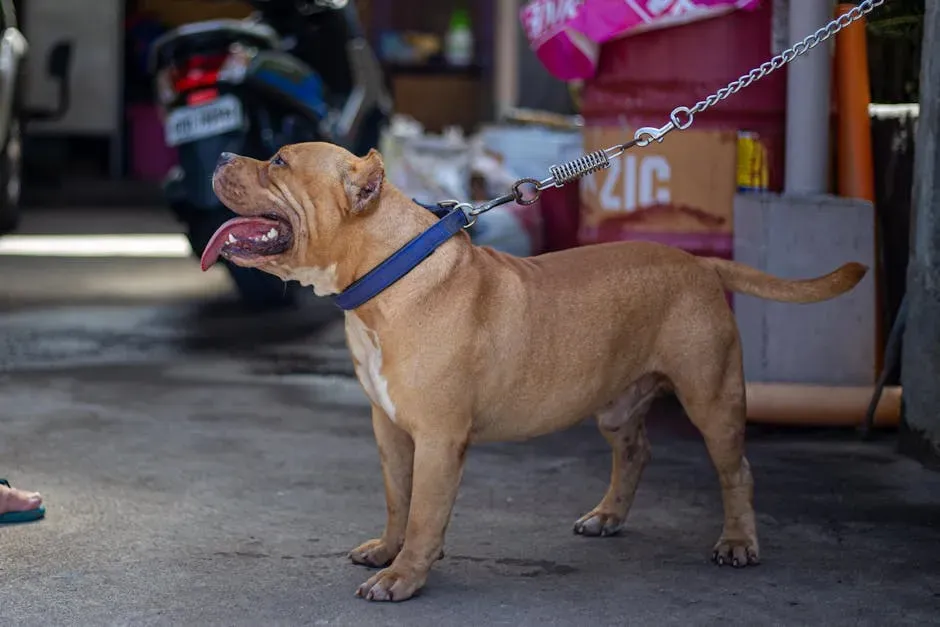
If your dog pulls on the leash and you’ve got them attached by the neck to that leash, I want you to stop and really think about that. Traditional dog collars, especially those used for leash attachment, can pose a risk to a dog’s neck if the dog pulls excessively or if a sudden force is applied – particularly for breeds with delicate neck structures, like small dogs or those with long, slender necks.
The trachea, or windpipe, is a relatively fragile tube made of soft, cartilaginous rings. Excessive pressure from a collar can cause these rings to collapse, leading to a condition known as tracheal collapse. Symptoms include a honking cough, difficulty breathing, and gagging, especially when excited or after drinking water. If your dog makes that strange goose-honk sound on walks, please take it seriously.
Preventing overexcitement and using a harness rather than a collar is also advised for any dog showing tracheal sensitivity. It’s a small switch that can make a genuinely enormous difference to their long-term health.
Mistake #3: Choosing Style Over Suitability
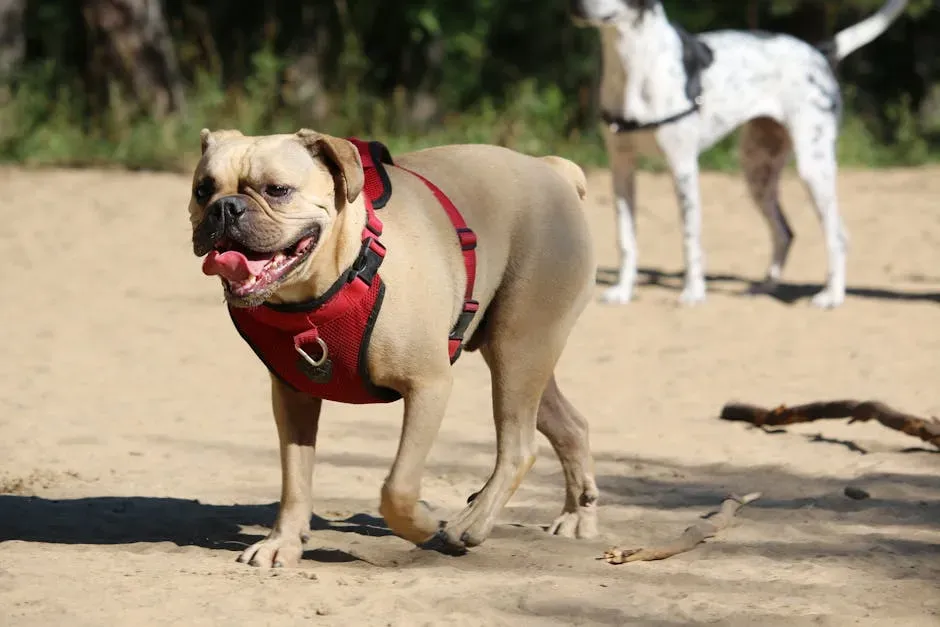
I get it. The matching pastel collar-and-leash set is adorable. We’ve all been there. Many dog owners just grab whatever harness looks cute, has decent online reviews, and fits the budget. The problem is that the gear on your dog’s body needs to do a job, not just look good on your Instagram feed.
The answer to “which is best?” is not one-size-fits-all. Choosing between a dog harness and a collar depends on your dog’s behavior, health, and the activity you’re engaging in. A front-clip harness is brilliant for a leash puller. A back-clip harness suits a calm, trained dog perfectly. A martingale collar is a godsend for sighthounds with narrow skulls. These aren’t interchangeable.
Think of it this way. You wouldn’t wear hiking boots to a swim meet. The right tool for the right job applies just as much to your dog’s gear as it does to yours.
Mistake #4: Getting the Fit Wrong – Too Tight or Too Loose
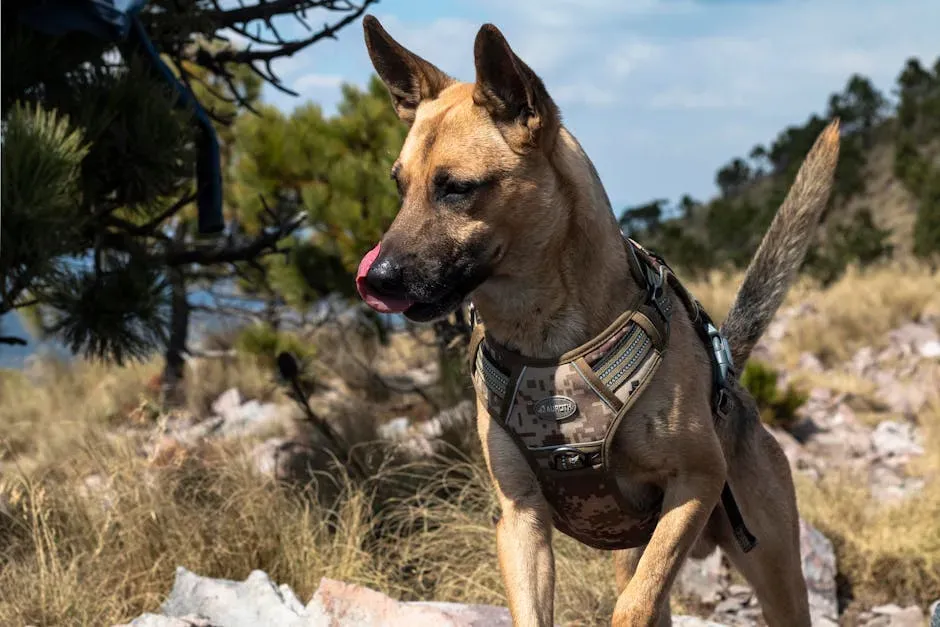
Two extremes, both dangerous. A collar or harness that’s too loose becomes an escape hatch. One that’s too tight causes pain, chafing, and restricted movement. A harness that is too tight can cause chafing, discomfort, and restricted movement, while one that is too loose increases the risk of escape. There really is a Goldilocks zone here, and it matters.
The general rule is that you should be able to fit two fingers between the dog’s body and the harness. This leaves your pet enough space to move around without being able to wriggle out of the harness. Pay special attention to certain areas where most of the chafing will happen – beneath the front legs and down the chest. These spots are where you’ll first spot trouble signs like redness, raw skin, or missing fur.
Watch your dog’s behavior, too. If they’re constantly scratching at their collar, freezing up when the harness goes on, or walking stiffly, those are their ways of saying: “Hey, this doesn’t feel right.”
Mistake #5: Not Considering Your Dog’s Breed-Specific Needs
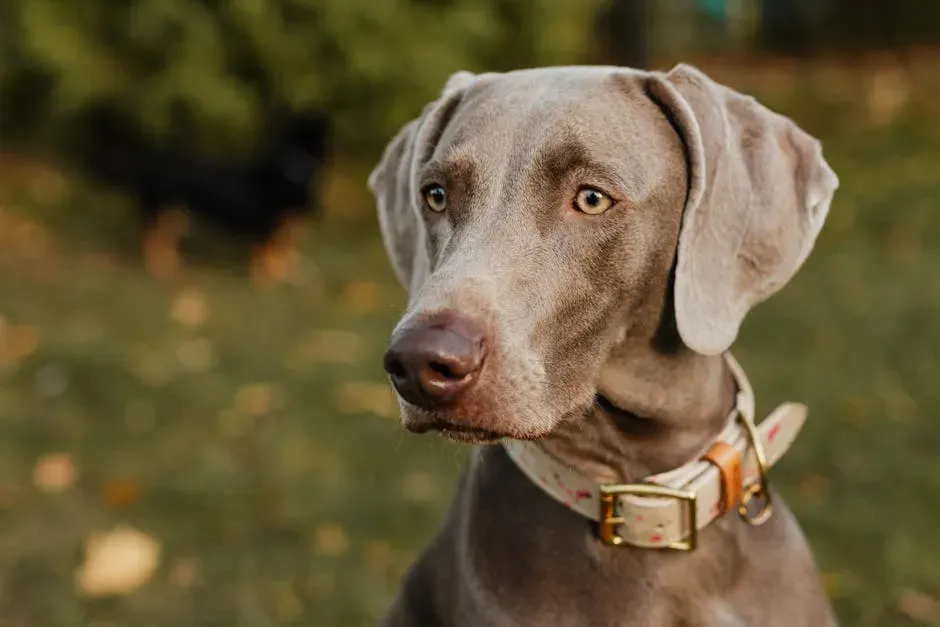
Every dog is beautifully, wonderfully different. A 50-pound Labrador and a 50-pound Pitbull share a weight but almost nothing else in terms of body shape, chest depth, or neck width. What most dog owners don’t understand is that every dog is shaped differently. A 50-pound Pitbull and a 50-pound Australian Shepherd are built like two different species.
Some breeds carry very specific risks worth knowing. Some smaller breeds, like miniature poodles, are prone to collapsing tracheas, and a rough tug on the collar can quickly turn into an emergency situation. Other breeds have necks that are as thick as their heads – think Pugs and Whippets – so slipping out of a collar is effortless. For these dogs, a martingale collar or a well-fitted harness is essential, not optional.
Martingale collars are great for dogs whose necks are about the same size as their heads and can slip out of flat collars. Knowing your breed’s quirks before you shop can genuinely save you a lot of trouble – and possibly a very stressful runaway situation.
Mistake #6: Skipping the Harness Introduction Process
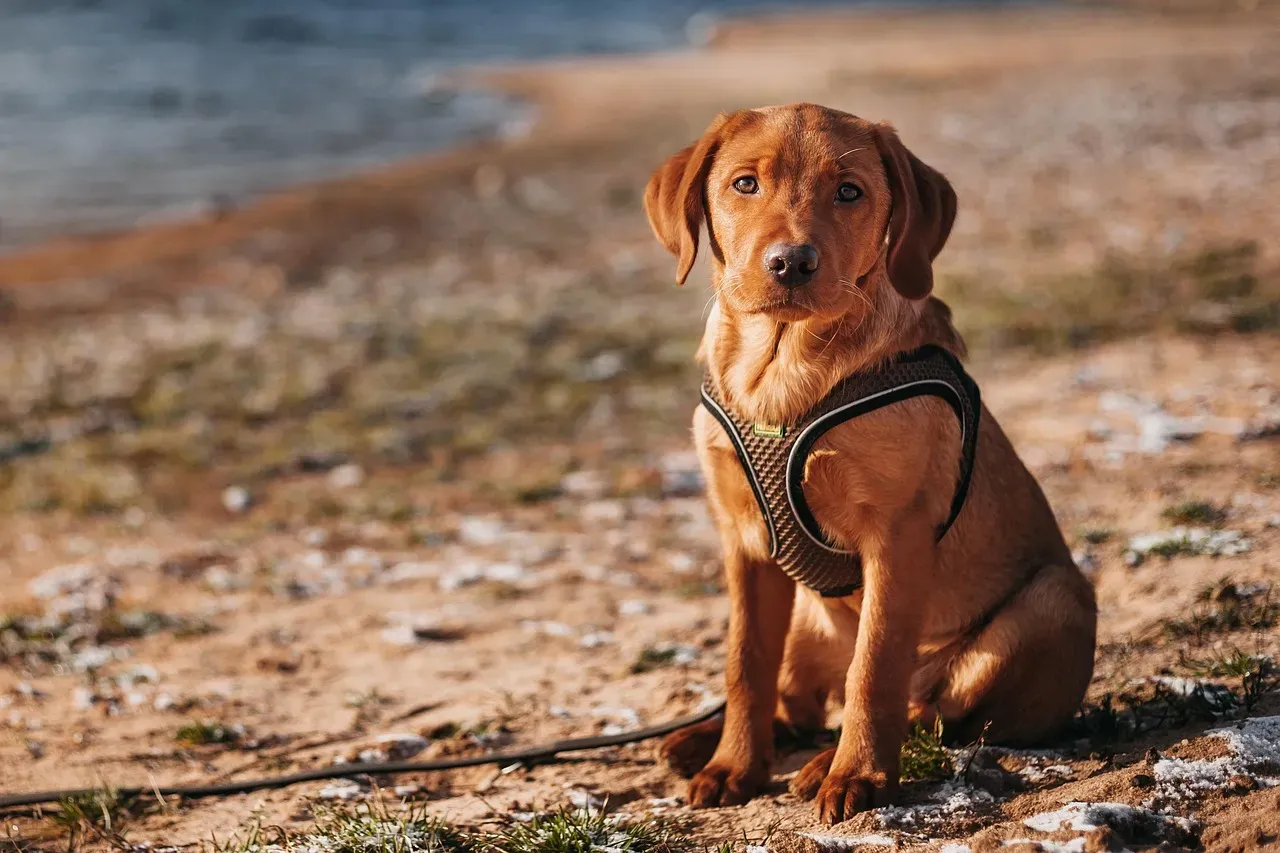
You order the harness, it arrives, you strap it on your dog, and they stand there frozen like a little statue. You give a gentle tug on the leash and they flop dramatically onto the floor. Sound familiar? That’s not a broken dog – that’s a dog who was never introduced to the gear properly.
Many dog owners skip the adjustment phase and directly take their pet on a walk with a new harness. This can lead to fitting issues, discomfort, or even the dog slipping out of the harness unexpectedly. The fix is patient, positive introduction. When introducing your dog to a new collar or harness, make it a positive and enjoyable experience. Use treats or toys to create a positive association and never force them into anything they’re uncomfortable with.
Transitioning an older dog from collar to harness can be an uphill battle – pups who grew up accustomed to neck leads can be stubborn when you first introduce a harness, and many take time to become comfortable with the way a new “outfit” feels. Be patient. Bring some treats along on your first few harness walks to distract your dog from that unfamiliar feeling.
Mistake #7: Leaving the Harness On All Day (and Night)
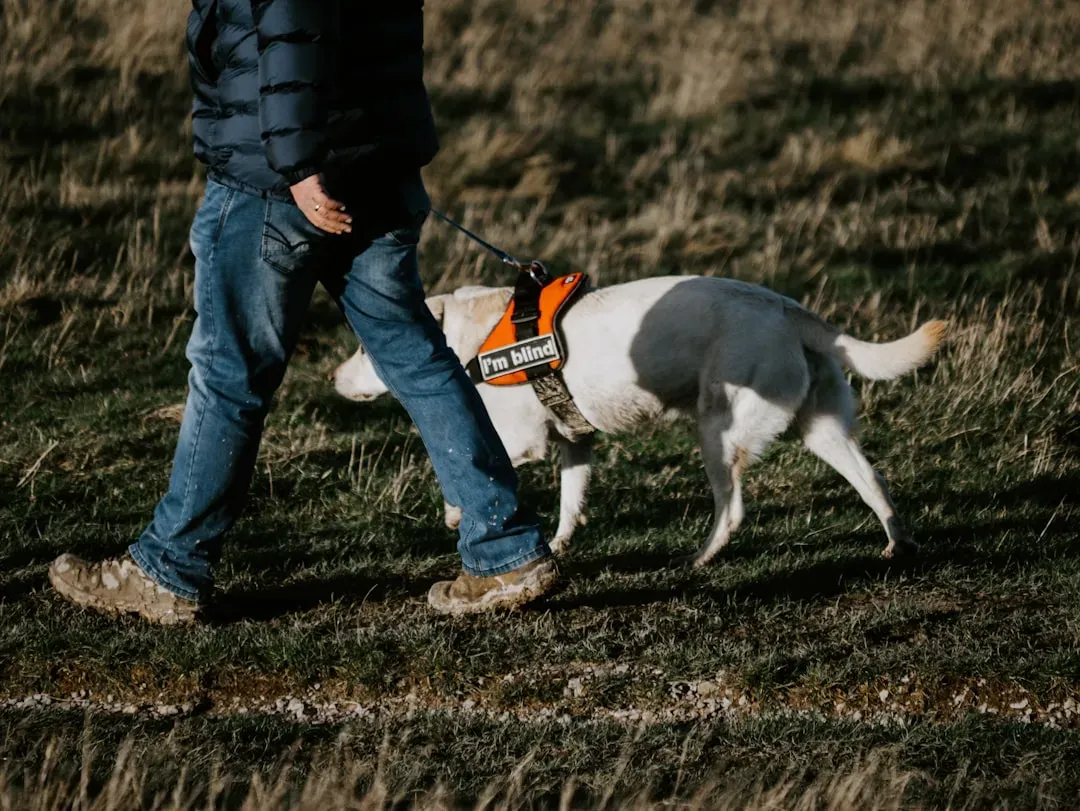
A surprising number of dog owners leave harnesses on around the clock because it feels convenient – especially if morning walks are rushed. Honestly, I understand the logic. One less thing to do when you’re half-asleep. But it’s a habit worth breaking. Don’t leave a harness on your dog all day unless there is a specific reason to do so. A harness is a functional piece of equipment, not an accessory to be worn for long hours.
Despite the many advantages harnesses offer, a dog that constantly wears one may encounter issues. The major problem includes skin irritation, particularly where straps come into contact with skin and hair. Thick-furred dogs may develop tangles underneath their straps, which can be painful and cause skin infections.
A harness can also be restrictive and prevent your dog from finding a comfortable sleeping position, which can impact joint health – especially in large breeds. Always remove the harness when your dog is settling in for the night or for long naps. Think of it the same way you’d think of shoes. Perfectly fine for a long walk. Not something you’d wear to bed.
Mistake #8: Choosing the Wrong Harness Type for a Pulling Dog
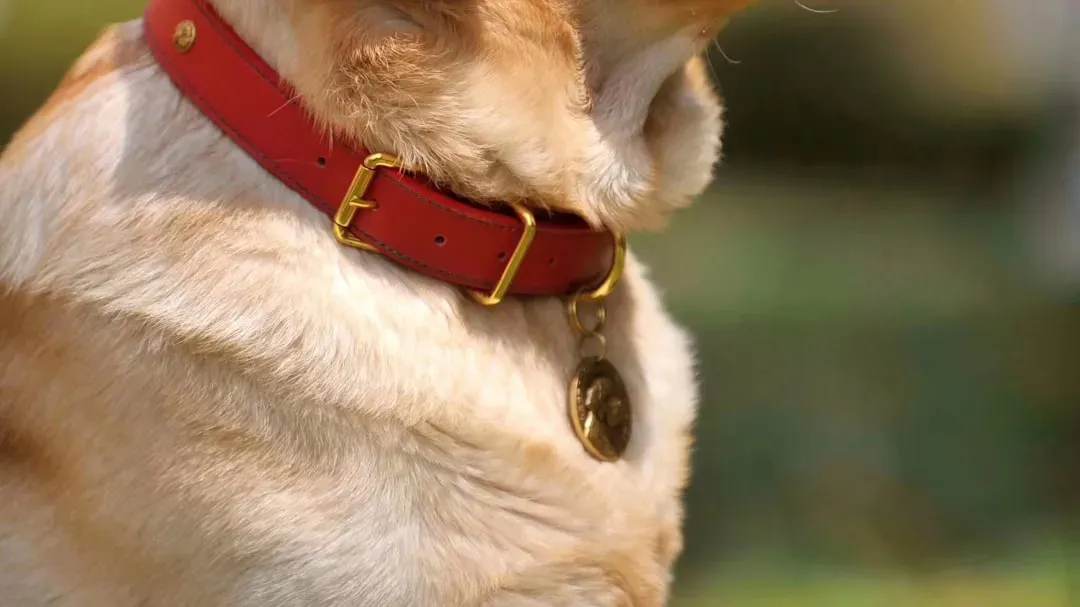
Not all harnesses are created equal when it comes to pulling. Back-clip harnesses are comfortable and great for calm dogs, but for a serial puller they can actually make things worse. Because dogs instinctively tug against pressure, a back-clip-style harness can increase pulling. Front-clip harnesses are a top no-pull option for chronic leash pullers because there’s no pressure at the back for the dog to tug against.
There’s also a common myth worth busting while we’re here. There’s a persistent but inaccurate belief that, because of their inherent opposition reflex, harnesses encourage dogs to pull against the leash as they lean into the harness, kind of like sled dogs do. Dogs do not pull more simply because they wear a harness. Whether or not a dog pulls depends on how much training in leash walking they have had.
So if your dog is still pulling in a harness, the gear isn’t the problem. The training is. A well-fitted front-clip harness combined with consistent loose-leash practice? That’s a winning combination.
Mistake #9: Forgetting to Re-Check Fit as Your Dog Grows or Changes Weight
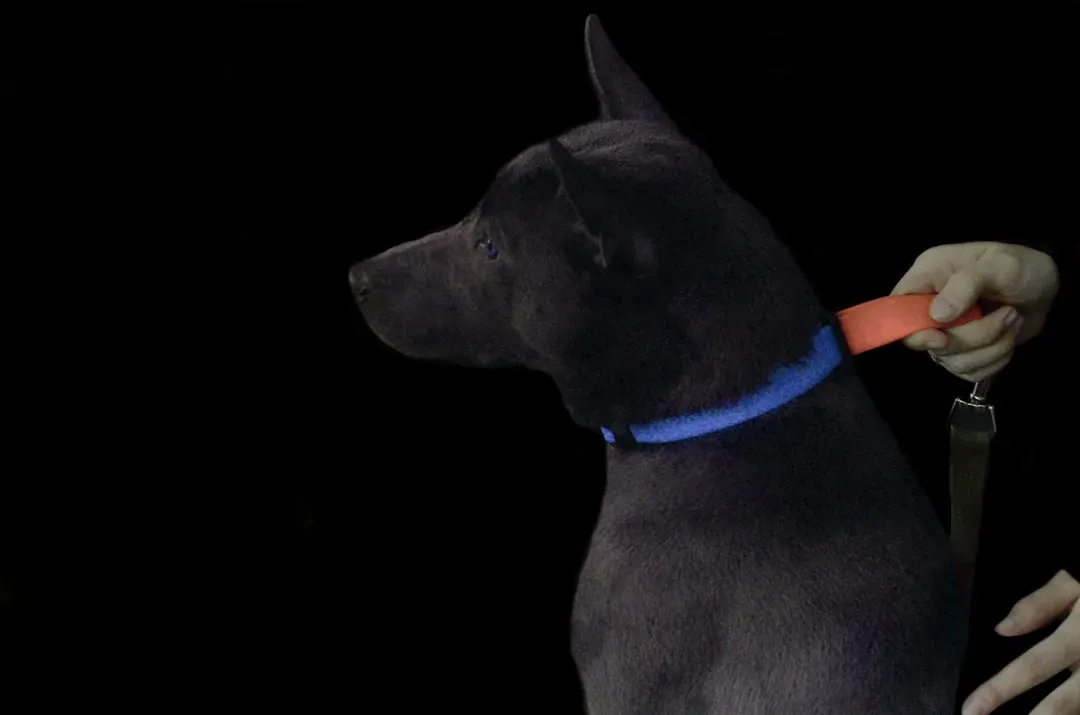
You fitted everything perfectly back in spring. Your dog was a perfect medium. Fast forward a few months and that collar is noticeably tighter, or the harness is suddenly looking a little baggy after a summer of extra activity. Dogs change. Puppies especially grow at a genuinely startling pace.
Puppies grow quickly and their size can still be changing. While a pup’s growth will depend on its breed, many larger dogs may not hit their full size and weight until around 12 to 18 months. It’s a good idea to take new measurements every few months to ensure the collar or harness is still the right size. This is especially important if your dog has been gaining weight, losing weight, or just had a very fluffy coat grow in for winter.
Always monitor your pup’s collar fit regularly, especially during periods of growth or weight change. A quick two-finger check every few weeks takes about five seconds and could prevent real discomfort or even injury. It’s honestly one of those tiny habits that makes a big difference.
Mistake #10: Skipping the ID Collar When Using a Harness
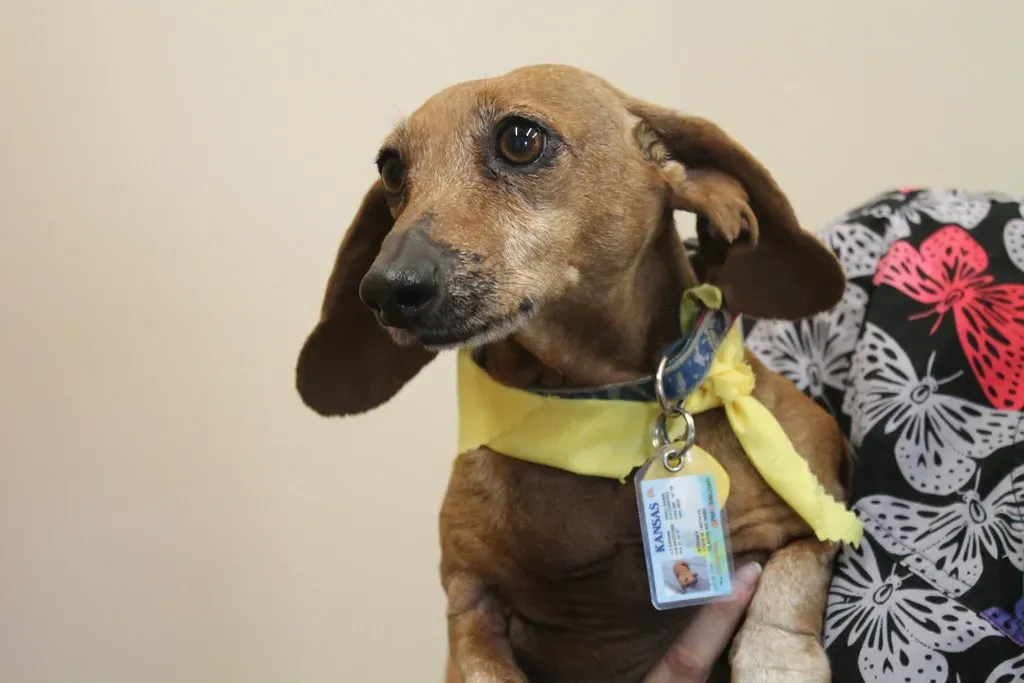
Many owners switch to a harness and ditch the collar entirely. I understand the thinking – why double up? But here’s why it matters. Collars are by far the easiest, most visible place to attach ID tags – they’re the best way for your dog to tell the world, “I have a home; I’ve gotten my shots; here’s how to contact my human.”
Many pet owners find it useful to use both – a harness for outdoor activities and a collar for identification purposes. The biggest perk of keeping a collar on alongside a harness is the dedicated spot for your dog’s ID tags. That’s the main reason to always keep your dog’s collar on. If they bolt in the park or wriggle free from the harness, that tag is their ticket home.
It’s hard to say for sure how many lost dogs end up reunited with their families because of a simple ID tag – but it’s a number worth caring about. Don’t let “we use a harness now” become the reason someone can’t find your dog’s owner.
A Final Thought: Your Dog Is Counting On You
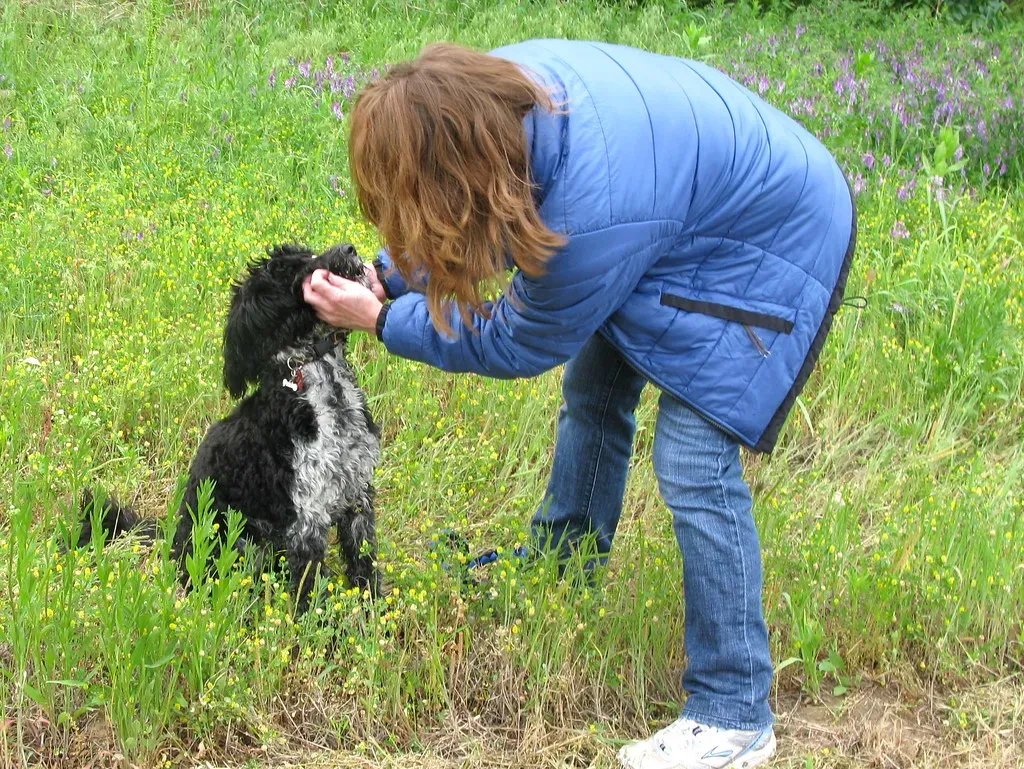
Every single one of these mistakes comes from a good place – busy schedules, pet store overwhelm, or simply not knowing what to look for. None of us set out to make things hard for our dogs. The truth is, once you know better, you do better. And that’s exactly what being a dog lover is all about.
Take a moment this week to check your dog’s collar and harness fit. Run your two fingers along the straps. Watch their body language when you put the gear on. Look for any rubbing, redness, or behavior that says “I’m not comfortable.” Proper sizing is crucial for the comfort and safety of your dog. A well-fitted collar or harness can make all the difference in your dog’s quality of life, ensuring they can move freely without discomfort or risk of injury.
Your dog can’t tell you when something hurts. They can only show you. The more attuned you become to their signals, the deeper your bond grows – and the happier your walks will be. Which of these mistakes surprised you most? Drop it in the comments – it might just help another dog owner too.


