

Picture this: You walk through your front door with your new puppy, tail wagging and eyes bright with curiosity. Your heart melts as those warm brown eyes look up at you with complete trust. You’re ready to give them the world, to be the perfect dog parent. Yet within weeks, reality hits hard.
Your loveable furball is chewing your favorite shoes, having accidents in the house, and pulling you down the street like they’re training for a sled race. That confident feeling? It’s slowly being replaced by frustration, self-doubt, and the nagging question: “What am I doing wrong?”
Welcome to the club that no one talks about openly – the overwhelmed first-time dog owner club. The truth is, nearly every beginner makes similar mistakes. The good news? These missteps are completely fixable, and understanding them now can save you months of stress and strengthen the bond with your furry friend. So let’s dive in and turn those rookie mistakes into confident pet parenting.
Choosing the Wrong Dog for Your Lifestyle
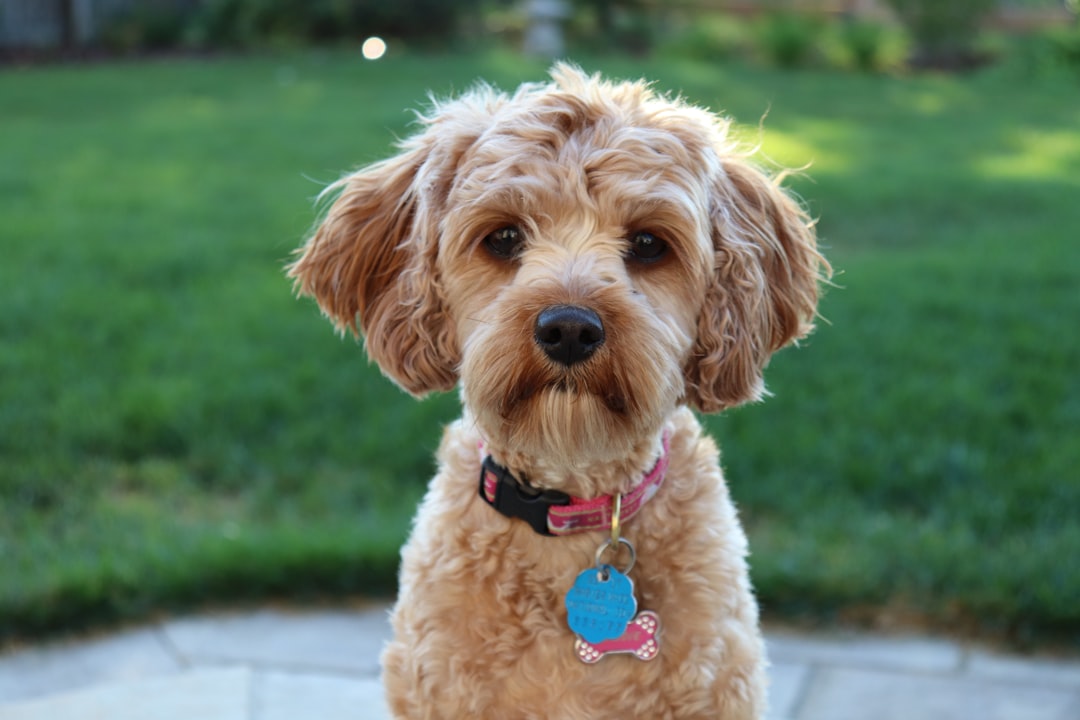
That adorable puppy face at the shelter can make your heart skip a beat, but falling for looks alone is one of the biggest mistakes new owners make. Many dog owners admit to choosing a dog quickly rather than learning about the dog’s personality traits and temperament, with some even choosing dogs based on looks rather than considering compatibility.
Dogs are not just cute faces, they have personality traits and exercise needs that typically go along with their breed, and a smart dog owner chooses their dog based on these factors, not looks. For example, dogs that require lots of exercises, such as Siberian Huskies, fit well in settings where they can run and explore with their owners for miles, while low-energy canines like basset hounds and bulldogs do better with owners who spend lots of time lounging.
Starting Training Too Late
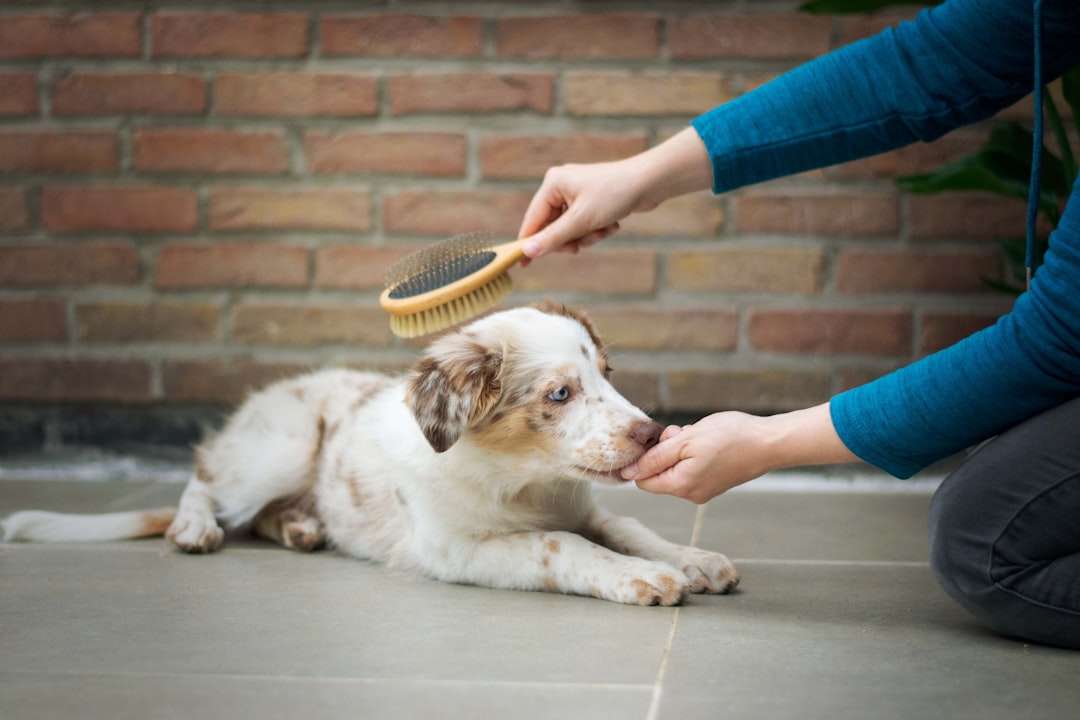
Many new dog owners think training can wait until the dog gets older, however, the earlier you start, the better your dog will learn and adapt to your household. Many believe that puppies are “too young” to start training, but this is a misconception. The optimal window to start training begins as early as 8 weeks of age, especially for socialization. Early lessons lay the groundwork for a lifetime of good behavior.
An eight-week-old puppy is completely capable of learning basic obedience commands the moment she walks into your home. Oddly, many people fail to recognize this, thinking that the only training that should occur is housebreaking. Puppies are like sponges and can absorb a lot of information quickly.
Inconsistent Rules and Commands

When it comes to dogs, consistency is key, according to the American Kennel Club. For instance, allowing your dog to sleep on the sofa sometimes, then banning them from furniture other times only causes confusion. Imagine being told different instructions for the same task every day. Confusing, right? Puppies feel the same way. If one day “off” is the command and the next day “down,” your puppy will get confused. Ensure everyone in the household uses consistent cues (commands) and rewards to promote faster learning.
Not being consistent with rules is another common mistake dog owners make. It can be tempting to allow your cute new puppy to run wild in your home as everyone gets to know the new family member. However, failure to maintain consistency with house rules can lead to trouble in the long run. Dogs thrive on clear expectations and boundaries.
Skipping Early Socialization
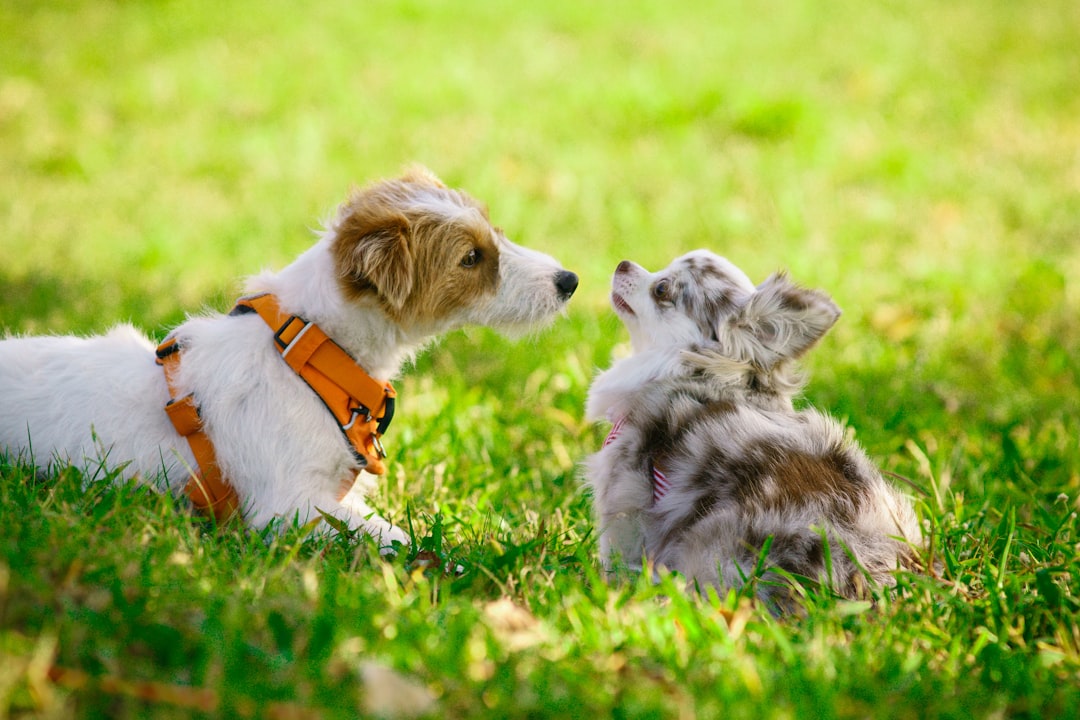
But puppies need to be socialized while they are young. Waiting too long can produce a nervous, fearful dog. You can socialize older dogs, but the process gets more difficult as the dog ages. Your dog’s brain is actually most capable of processing and accepting all these new experiences between 3 and 12–14 weeks old. This time frame is commonly called the puppy socialization period, during which pet parents should aim to expose their puppy to as many different positive experiences as they can.
Some new owners keep their dogs sheltered from other dogs and people, which can lead to fear or aggression. Socialization is key to raising a confident, well-behaved dog. Expose your dog to various people, environments, and other dogs early on. This helps them become comfortable in different situations, reducing the chances of behavior issues later.
Overwhelming Your Puppy Too Quickly
One common mistake puppy parents make is overwhelming their puppy – doing too much, too soon, too fast. So whether you’re walking around the block or going for a ride in the car, make sure your pup is having fun from start to finish. Keep your socialization sessions short, around 10–15 minutes. That may not sound like a long time to you, but just think of all the new things your puppy will experience on a 10-minute walk in your neighborhood: different types of cars, new neighbors, squirrels, birds, maybe even a scent left behind by a fellow dog.
While training and socializing your puppy is essential, it’s equally important not to overwhelm them. Watch for signs of stress, like excessive yawning, avoidance, or whining. If your puppy seems overwhelmed, give them a break.
Using Punishment Instead of Positive Reinforcement
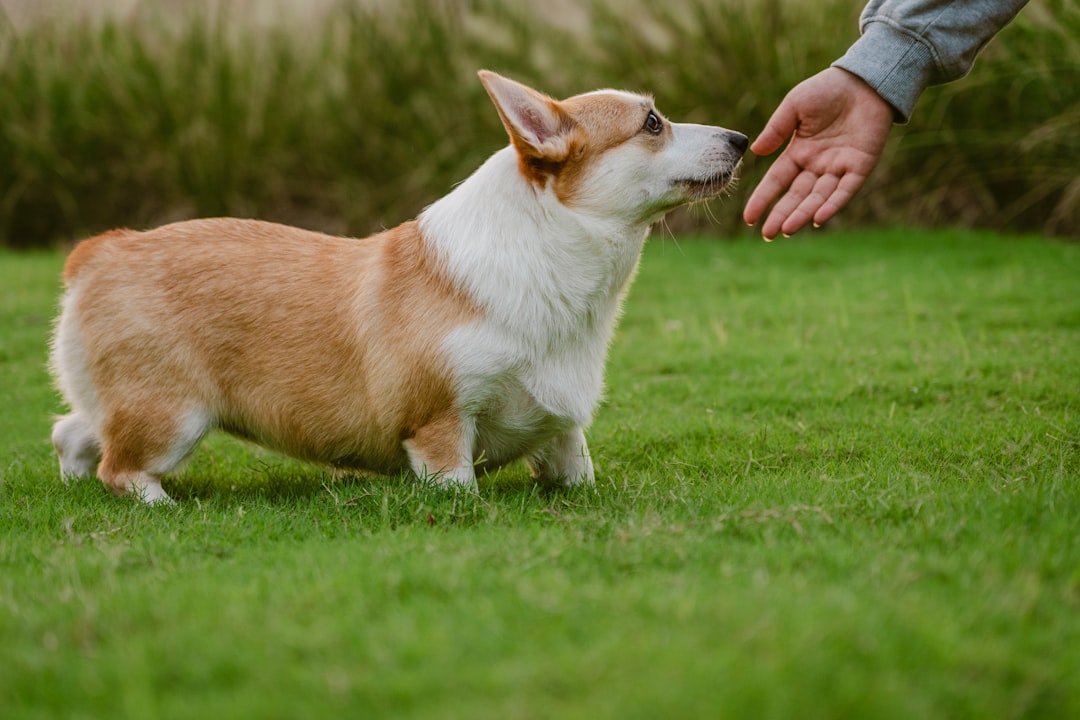
Yelling or using physical punishment can damage the bond between you and your dog, causing fear rather than trust. Use positive reinforcement to encourage good behavior instead of punishing bad behavior. Reward your dog with treats, praise, or toys when they follow commands or behave well. It’s also important your dog feels safe to learn through trial and error. If you correct your dog’s mistakes with words like “No!” or “Ehh!” or any other aversive, they’ll fear getting it wrong. Rather than actively participating in the training process, they’ll disengage and stop trying. It’s far better to use positive reinforcement training techniques, set up your dog for success, and reward their accomplishments.
Focus on rewarding the behavior you want to see, rather than punishing mistakes. Use treats, toys, or praise to reinforce good behavior. When your canine misbehaves, calmly redirect them and give them an opportunity to succeed. Training should build trust, not fear.
Neglecting Regular Exercise and Mental Stimulation
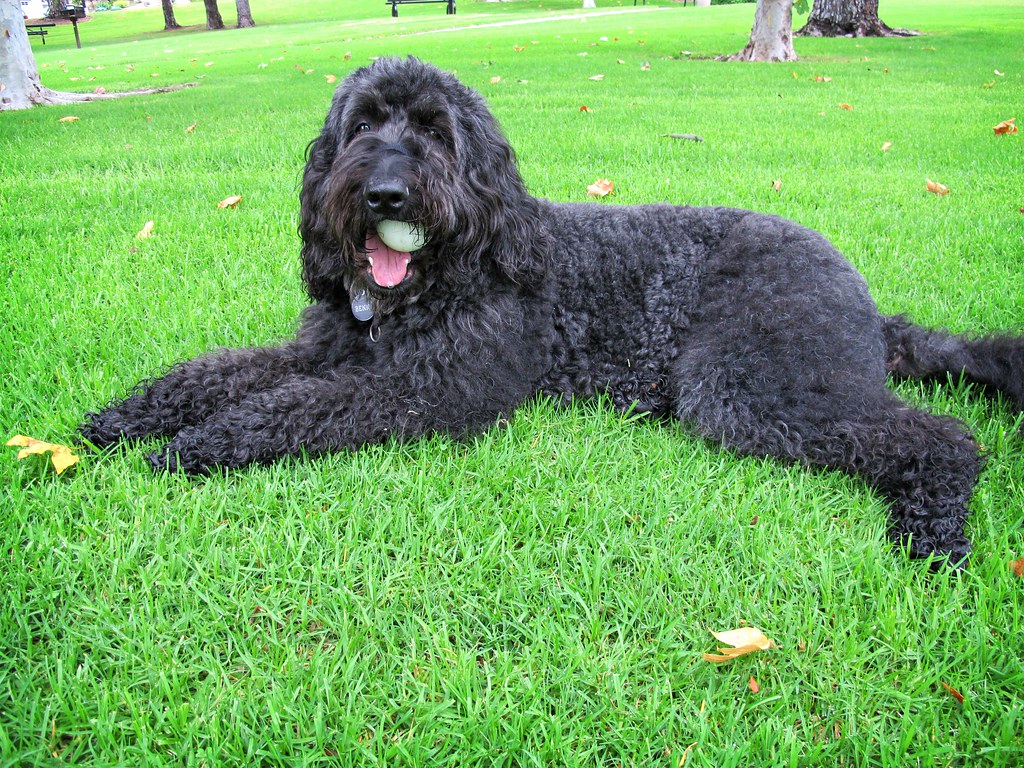
Many new dog owners overlook the importance of regular exercise for their furry companions. Dogs require physical activity to maintain their health, prevent obesity, and release excess energy. A lack of exercise can lead to behavioral problems, health issues, and behavior issues. Remember, mental stimulation is equally as important as physical exercise.
Many behavioral issues we see – chewing, barking, digging, hyperactivity – stem from unmet energy needs. Puppies are full of bounce and curiosity, and without an outlet, that energy finds its own way out – usually in ways we don’t love. Make sure your training plan includes ample physical play and mental stimulation. Puzzle toys, scent games, fetch, and social play are all excellent ways to meet these needs.
Overfeeding and Poor Nutrition Choices

Providing a balanced and nutritious diet is essential for your dog’s overall health and well-being. Some new owners may unknowingly feed their dogs inappropriate foods or overfeed them, leading to obesity or nutritional deficiencies. Consult with your breeder, rescue group, or vet to ensure you’re feeding your dog a diet that meets their specific needs.
When asked about where things often go awry with doggy diets, Dr. Joseph J. Wakshlag, section chief and professor of clinical nutrition, immediately responded, “Too many treats!” “It is common, even when the dog is on a commercial diet, that folks still like to feed treats or table scraps,” Wakshlag says. “Treats should be limited to no more than 10% of the daily calorie intake since these are often not complete and balanced foods, which may throw off nutrient intake.” Even though many of us feel like we only give our dogs occasional table scraps, those bites add up quickly.
Ignoring Warning Signs and Body Language
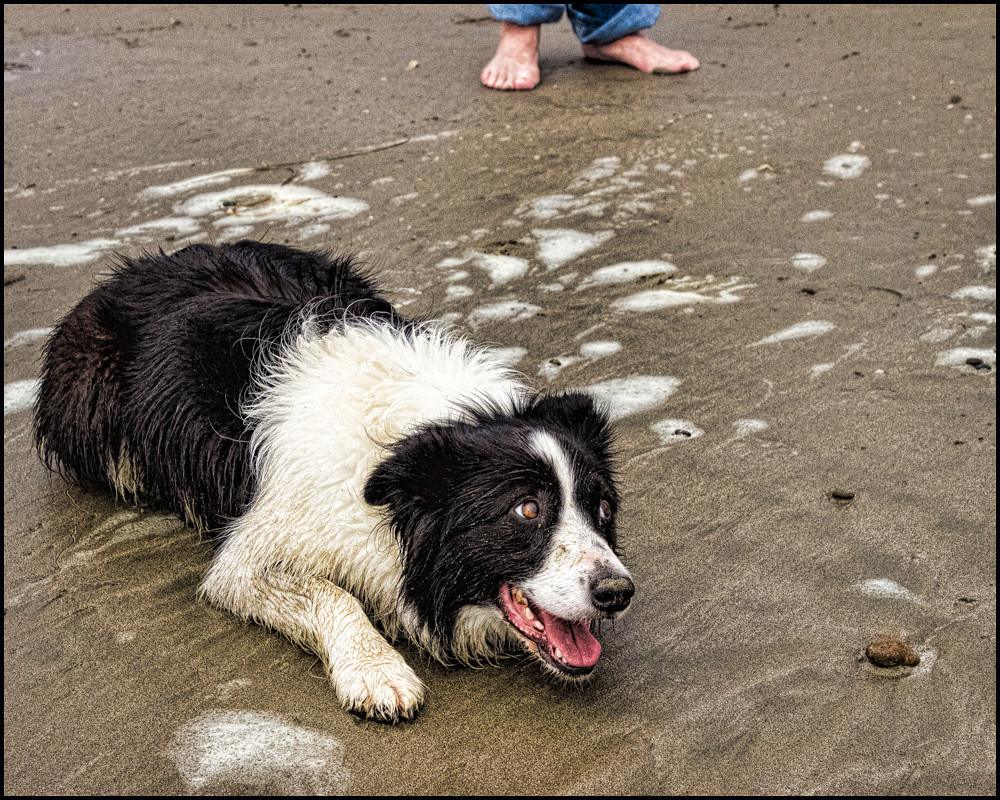
Brushing up on your understanding of a dog’s body language is important in helping you prevent and avoid dangerous situations. For instance, even a tail wag – which we usually associate with happiness – can be a sign of aggression. And behaviors like growling can be signs of discomfort or fear. However, in a lot of these cases, the puppies or dogs are not being “stubborn” (a human trait we give to dogs), but are actually anxious or fearful of the situation they have been put in. Not being able to recognize when your dog is fearful is a big mistake that can be costly. If you are pushing your dog to do something and he is afraid, he could end up biting you or another dog or person.
“The simple absence of happy body language is usually the first cue to us humans that the dog isn’t enjoying things or would like to get away from something that’s going on,” says D’Arcy. Learning to read these subtle signals can prevent stressful situations for both you and your dog.
Delaying Veterinary Care and Health Basics
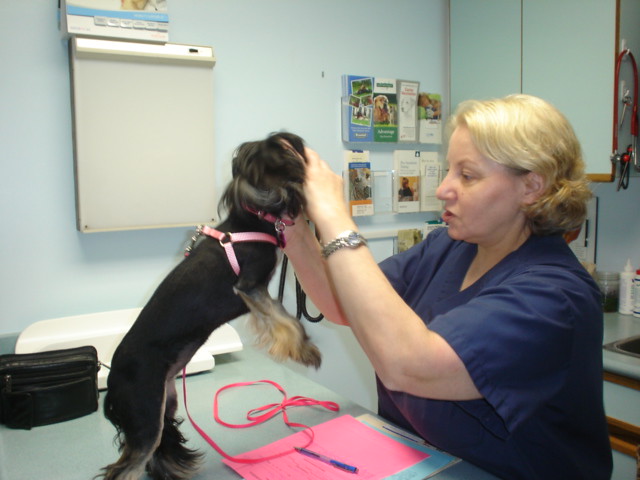
Regular veterinary care is essential to prolonging your dog’s life. Particularly for dogs older than seven, the American Veterinary Medical Association advises examinations at least once or twice a year. Trips to the veterinarian aren’t just for when your dog is sick. Regular veterinary visits play an important role in your puppy’s development and lifetime health. Depending on where you adopted your pup from, she may have already had some vaccines and initial veterinary care. Either way, she’ll need multiple vaccines during her first 16 weeks, not to mention a six-month checkup to make sure she’s growing as she should.
Millions of dog owners across the United States report a lost or stolen pet each year. Microchipping your pet is a way to help locate your pet should it get lost or stolen. This simple procedure can mean the difference between a happy reunion and a heartbroken search.
Having Unrealistic Expectations
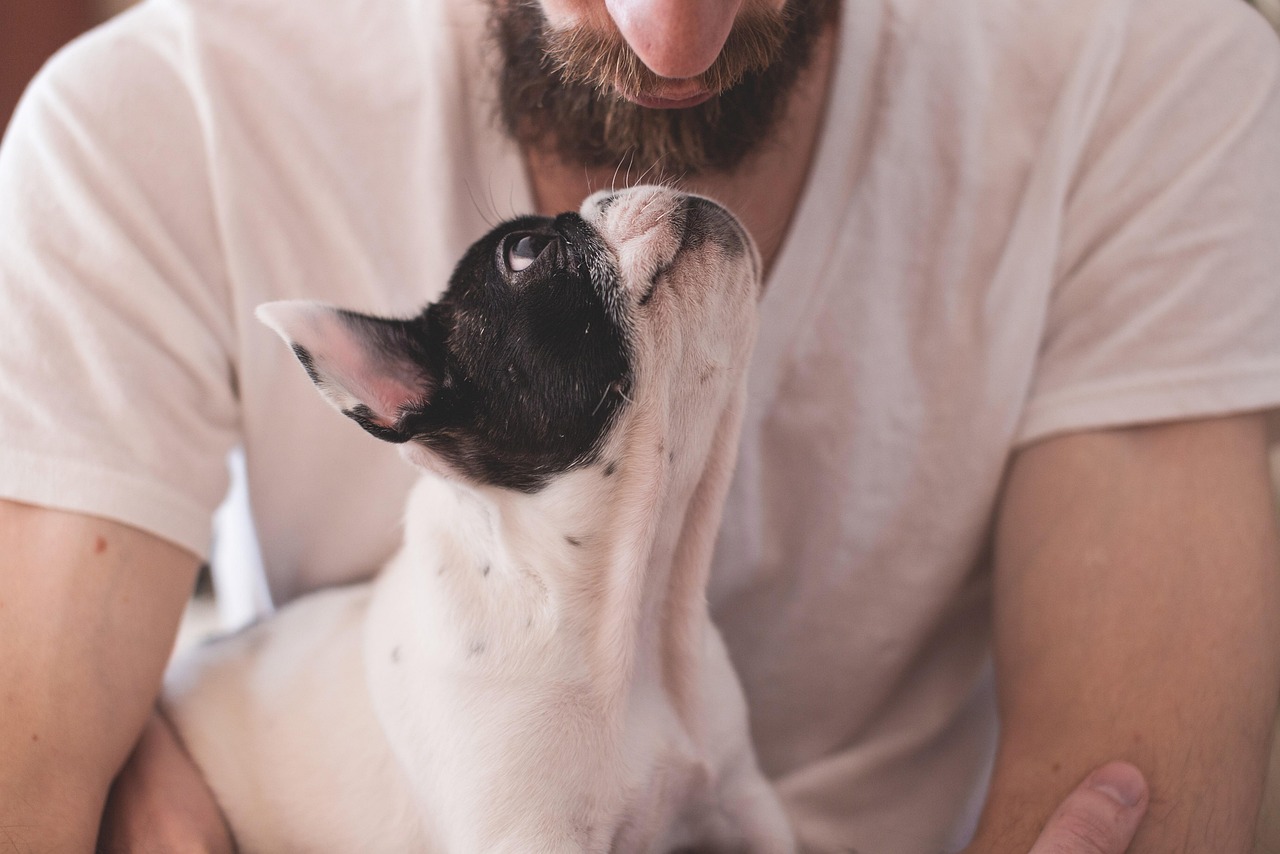
The ‘puppy blues’ are common and normal. As you encounter the challenges of life with a dog, you may feel overwhelmed, frustrated, anxious, or depressed. This is known as the puppy blues, and it’s a common experience for new dog owners. “You are not alone,” Lane assures new pet parents. “Ask for help if you need it – whatever type of help that may be.” Consider working with a trainer, hiring a dog walker, or signing up for doggie daycare.
Another remark heard by many dog owners is the “I can’t wait till he grows out of it.” However, generally speaking, dogs do not grow out of bad behaviours, in fact, left to their own devices they will get worse. Remember, these behaviours are only considered bad by us – your dog is self-rewarded by digging up the flowers, chasing the cat, and barking at the mailman.
Conclusion

Being a new dog owner is both thrilling and challenging. Remember, every experienced dog parent was once exactly where you are now – making mistakes, learning lessons, and growing alongside their furry companion. The key is recognizing that these common missteps aren’t failures; they’re stepping stones to becoming the confident, knowledgeable pet parent your dog deserves.
Being a dog owner is a huge responsibility, but it’s also incredibly rewarding. By avoiding these common mistakes and focusing on what’s best for your dog, you’ll create a loving, balanced relationship that benefits both of you. Remember to be patient, consistent, and always willing to learn as your dog grows. With the right care and training, you’ll raise a happy, healthy dog who’s a joy to be around!
Your journey as a dog owner will have ups and downs, accidents and victories, moments of frustration and pure joy. That’s perfectly normal. What matters most is your commitment to learning, growing, and giving your dog the love and guidance they need to thrive.
What surprised you most about these common mistakes? Have you experienced any puppy blues yourself? Share your story in the comments below.


