
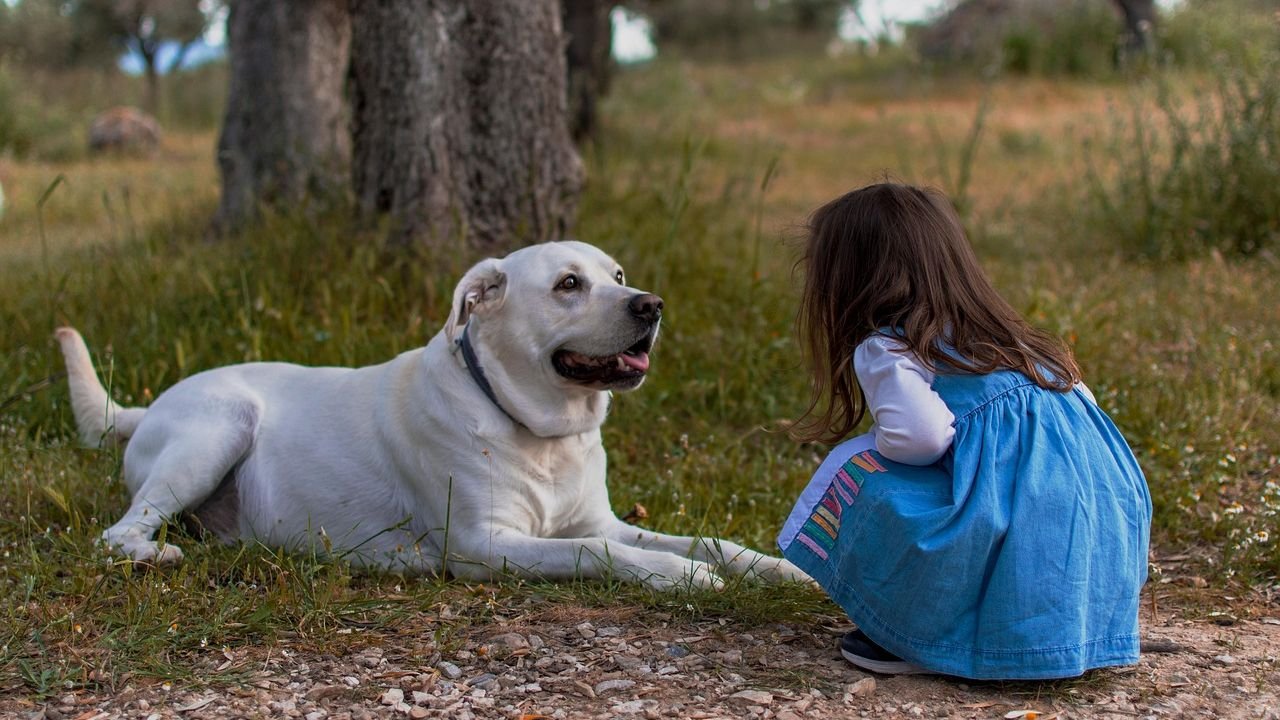
You did everything right. You picked the perfect dog, named them something adorable, bought the fancy treats, the comfy bed, maybe even the matching bandana. Then your best friend comes over for the first time, crouches down with arms wide open, and your dog completely loses it – either cowering in the corner or going full chaos mode. Sound familiar?
Introducing dogs to new people is one of those things most owners assume will just sort itself out naturally. It rarely does. The truth is, the way we handle those early meetings shapes how our dogs see the world – and the people in it. Let’s dive into the ten most common mistakes, and more importantly, how to fix them.
1. Forcing Your Dog to Say Hello When They’re Not Ready

Here’s the thing – nobody likes being pushed into a social situation they’re not comfortable with. Dogs are no different. All dogs should always be given the choice to approach or not approach other humans or animals. If a dog does not choose to approach someone, forcing them to interact will only cause them to get more anxious.
Watch for the signs your dog is feeling pressured: a tucked tail, flattened ears, or turning their head away are all polite ways of saying “no thanks.” Don’t force your dog to receive petting or touch when they’re showing fearful body language like moving away, tucking their tail, cowering, or trembling. Move your dog away from the person and don’t continue the introduction.
2. Not Briefing Guests Before They Walk in the Door
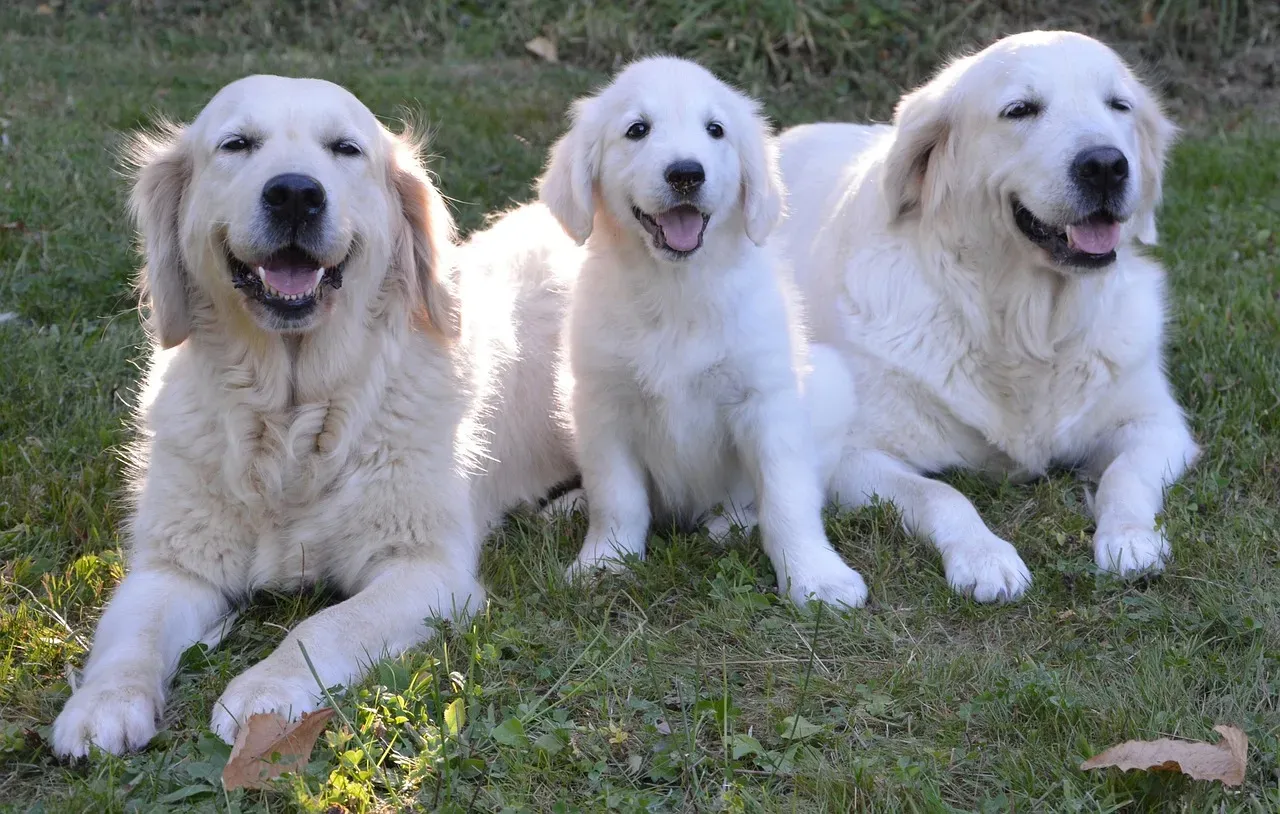
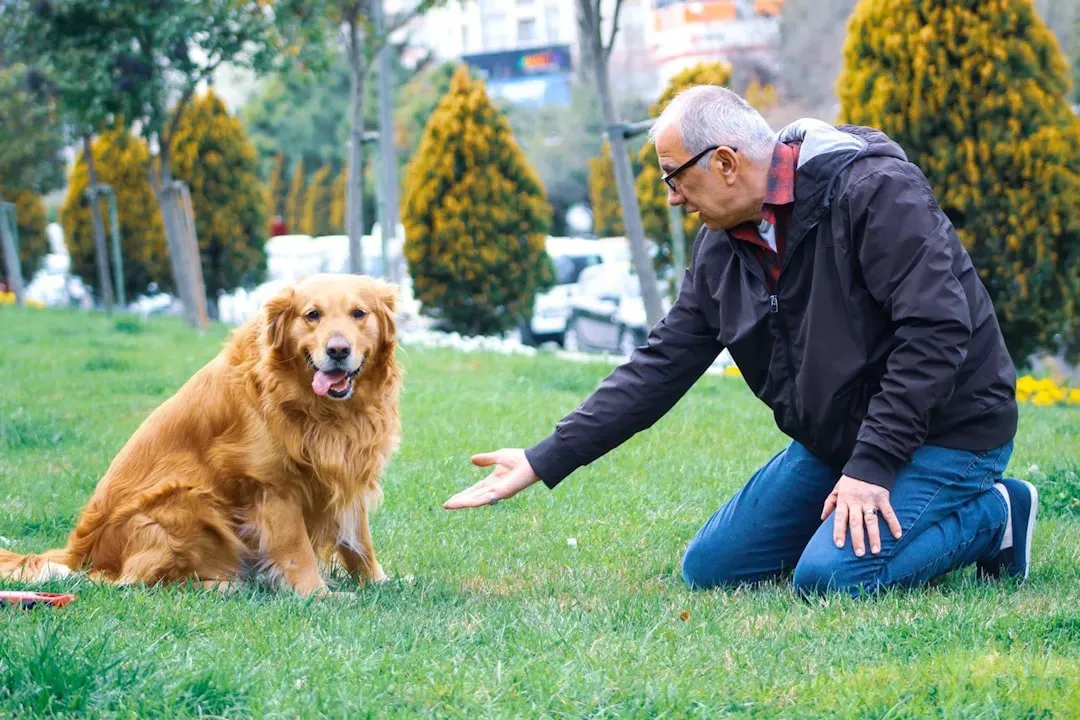
This one catches so many owners off guard. You know your dog. Your guests don’t. Once you know how to safely greet a dog, share that information with your friends and family before introducing them to your new addition. Make sure they understand they should never approach your dog, and that they need to let the dog approach them when the pup is ready.
Think of it like giving a new colleague a quick office orientation before their first day. A 30-second heads-up to guests can prevent a world of anxiety. Before guests arrive, kindly request that they remain calm and avoid sudden movements, greet you first before acknowledging the dog, and avoid petting or making eye contact with the dog.
3. Letting Guests Rush In and Lean Over Your Dog
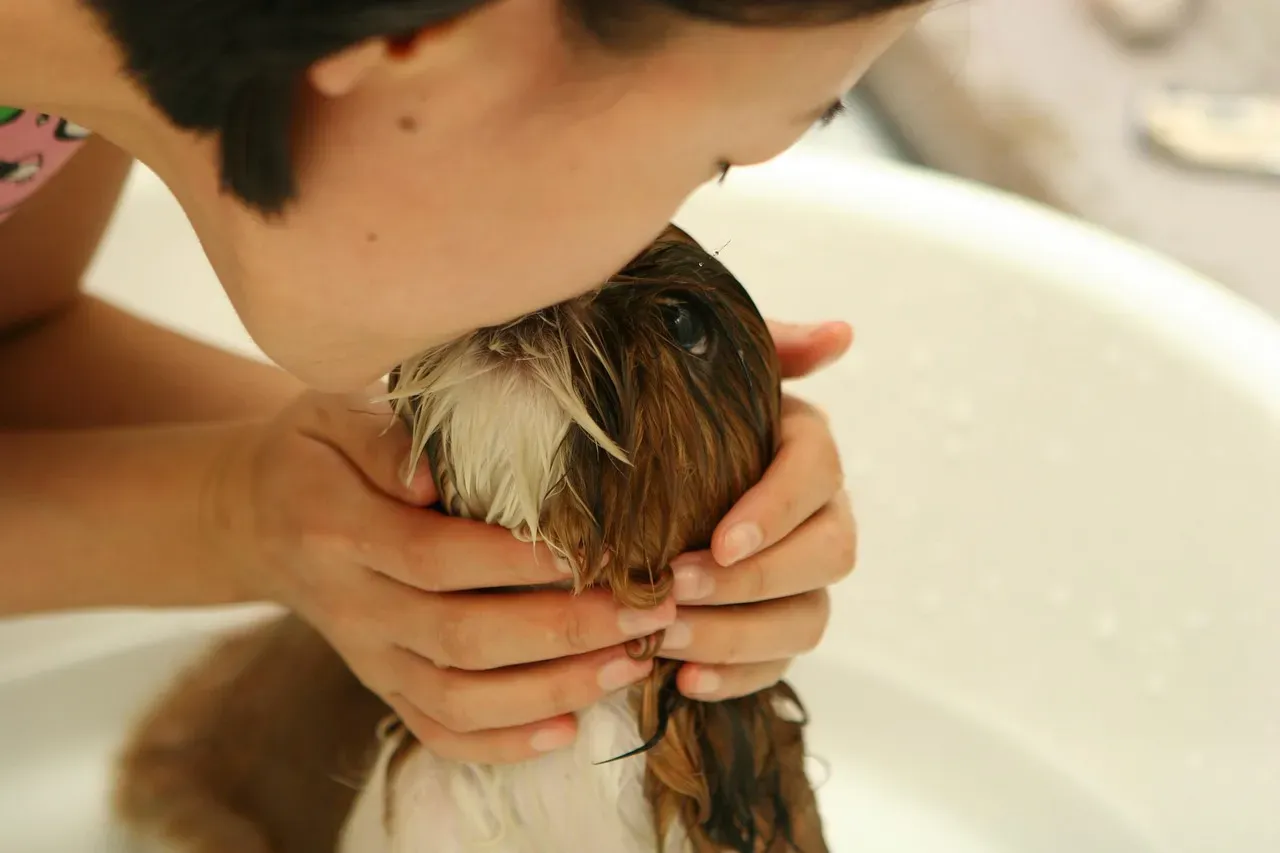
Imagine someone twice your size running straight at you, leaning over, and putting their face right next to yours. Terrifying, right? That’s exactly what it feels like from your dog’s perspective. This type of frontal approach can be extremely uncomfortable or even terrifying for dogs.
Don’t let people overwhelm your dog. Leaning over, hugging, or crowding can be stressful. Give your dog space to move away if and when needed. Don’t let people put their face close to the dog’s face, as this can cause anxiety. A simple rule of thumb: guests should let the dog come to them, not the other way around.
4. Ignoring Your Dog’s Body Language During Introductions
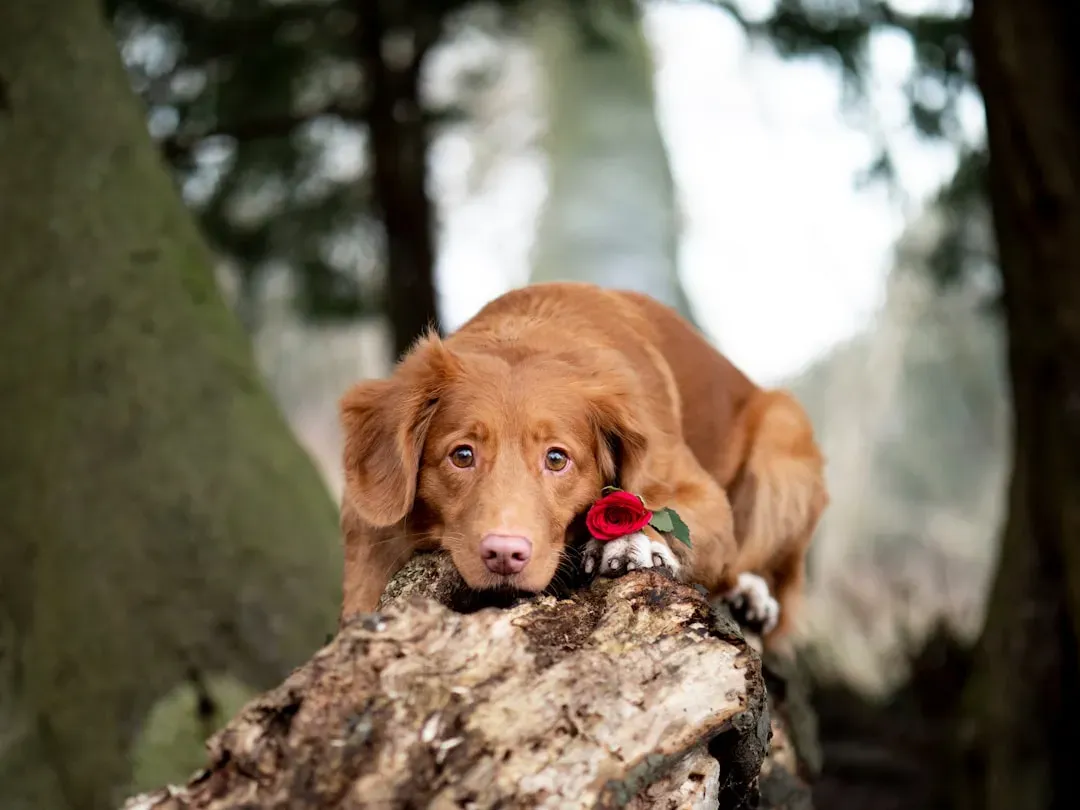
Dogs are constantly communicating. The problem is we’re not always listening. Keep in mind that meeting new people may be fun and exciting for you, but it can be extremely uncomfortable or even frightening for your dog. Be sure to familiarize yourself with canine body language so you can recognize the early stages of discomfort and intervene when necessary.
Stress signals can be subtle at first – yawning, lip licking, a whale eye (that wide-eyed look showing the whites). Learn your dog’s body language and watch for signs of stress, uncertainty, or fear. If you catch these early, you can redirect or remove your dog before things escalate into something more difficult to manage. Honestly, getting good at reading your dog’s body language is one of the most valuable skills you’ll ever develop as an owner.
5. Overwhelming Your Dog With Too Many New People at Once
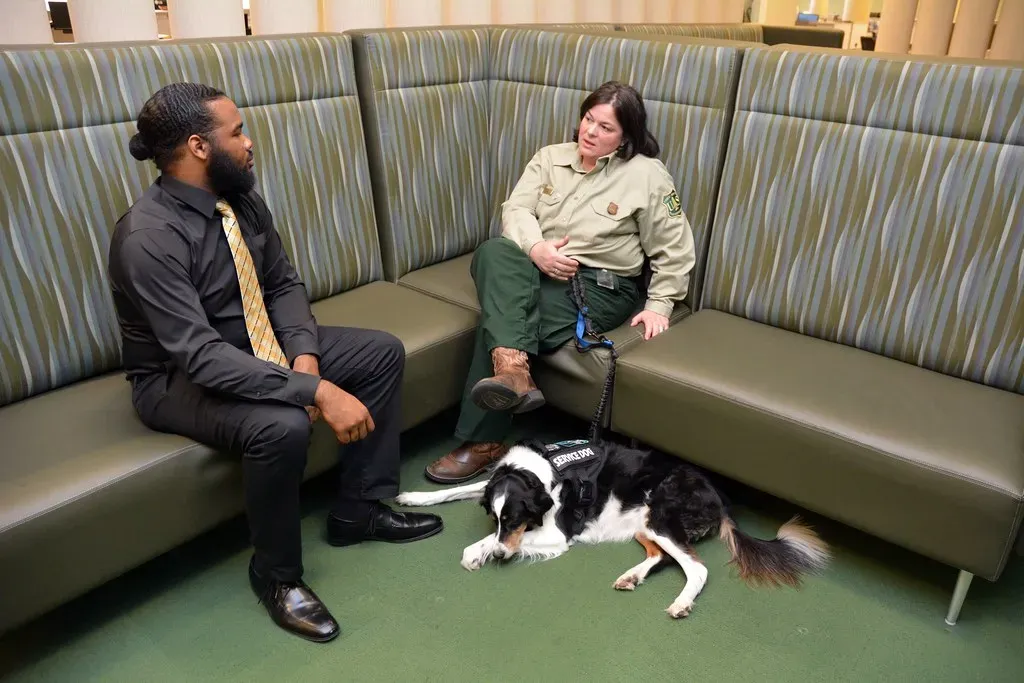
Picture this: you’ve just adopted a rescue dog, and your family of twelve descends on your home for a welcome party. Even a confident, sociable dog can find that genuinely overwhelming. Gradual exposure to different people and environments is critical. When done in a safe and controlled manner, socialization can ease your dog’s fears around new people and help them become accustomed to guests.
Have your dog meet people you know first, before having them meet strangers. Start small. One calm visitor, one short, positive interaction. Build from there. Think of it like slowly turning up the volume rather than blasting it full from the start.
6. Accidentally Rewarding Anxious or Hyper Behavior

When your dog is trembling by your feet or bouncing off the walls, the instinct is to soothe them with cuddles and a soothing “it’s okaaay, baby.” Totally understandable. But here’s the catch. A new dog owner might say “I don’t reward the jumping,” but is simultaneously petting the dog to calm it down, or pulling a barking dog closer while trying to soothe them. These things reinforce unwanted behaviors.
Instead, reward the calm moments. When your dog is calm and exhibits good behavior, give them a reward. This is how you actually teach your dog that greeting new people is nothing to get flustered about. It’s a small shift in response that makes a huge long-term difference.
7. Skipping Treats as a Tool During Introductions
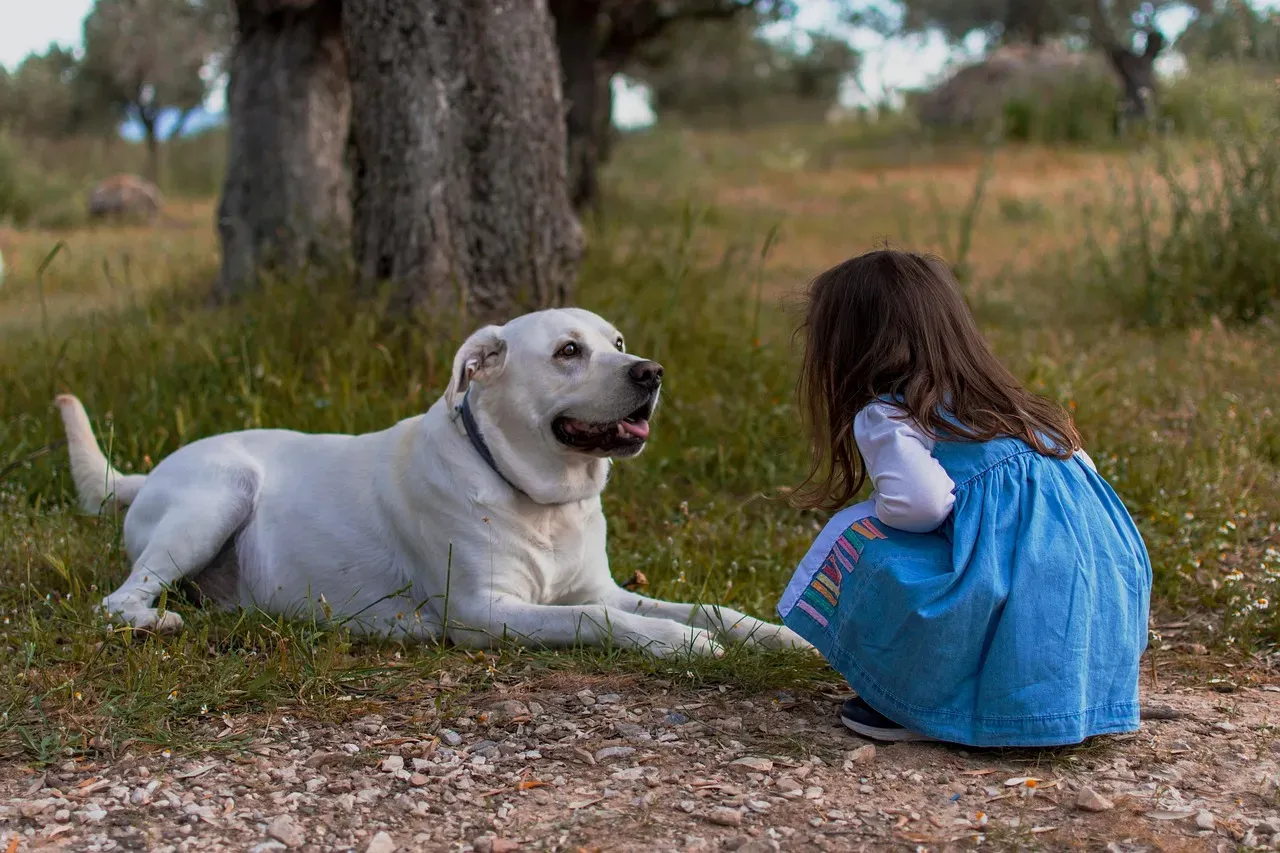
Let’s be real – treats are social magic for dogs. They create a powerful association between “unfamiliar person” and “something wonderful happening.” Bring tasty treats with you and encourage people to give your dog treats when they meet, especially if your dog is shy. This will encourage your dog to like these interactions.
Use whatever your dog loves – treats, praise, or toys – to create positive associations with visitors. This will encourage positive interactions in the future. If a stranger essentially becomes a treat-dispensing machine in your dog’s eyes, that stranger suddenly goes from scary to exciting. You can’t ask for a better outcome than that.
8. Allowing Strangers to Pet Your Dog on Top of the Head
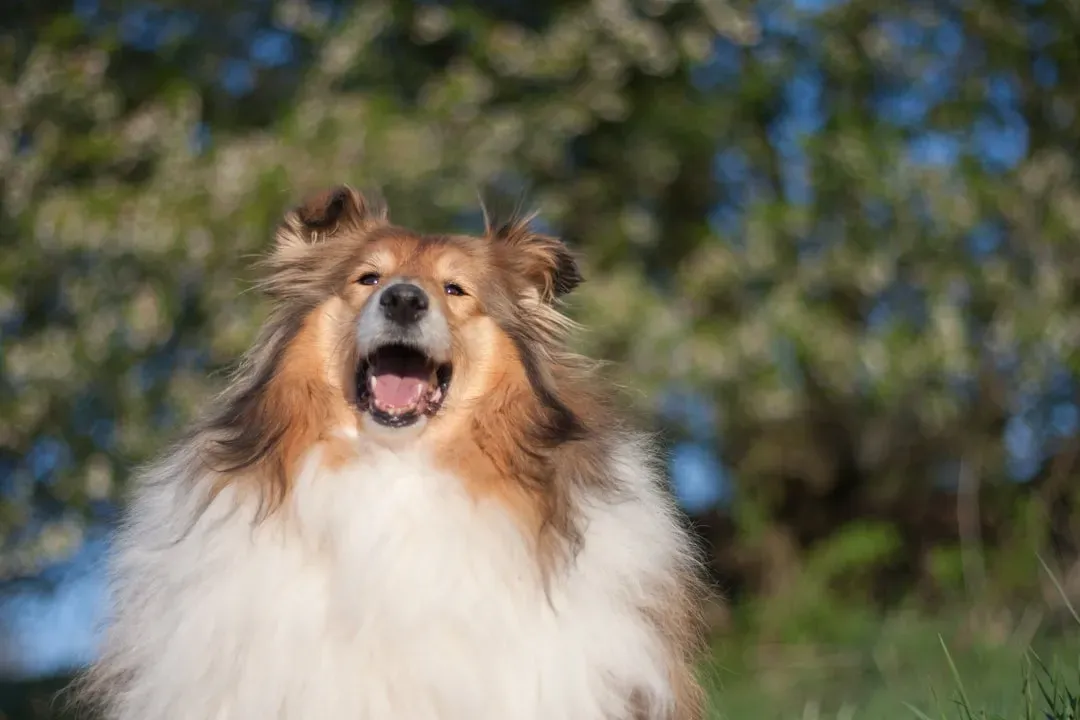
It feels so natural to reach out and pat a dog on top of their head. It’s almost everyone’s default move. Yet most dogs actually dislike it. Something coming at them from above, directly over their head, reads as intimidating rather than friendly. If the dog does choose to approach you, pet them on the chest or chin instead of on top of the head.
Pass this tip on to your guests and watch how differently your dog responds. A gentle scratch under the chin, with the dog in control of the interaction, is miles more comfortable than a well-meaning but looming hand coming down from above. It’s a tiny adjustment with a surprisingly big impact.
9. Not Preparing a Safe Space for Your Dog to Retreat To

Every dog needs an exit. A place where they can say, “okay, I’ve had enough of this social event,” and decompress without being followed. Before the guest arrives, prepare a safe space for your dog to retreat if they feel overwhelmed. This could be a quiet room or a comfortable crate where your dog can relax. This area should be off-limits to guests.
A little space does a lot of good. A doggy gate that keeps your dog securely away from guests may be your best option when getting started. The gate allows your dog to observe the stranger at a safe distance, and once they realize the person is harmless, they’ll be more open to an introduction over time. Think of it as giving your dog a VIP lounge they can voluntarily leave when they’re ready.
10. Giving Up Too Quickly if the First Introduction Doesn’t Go Well
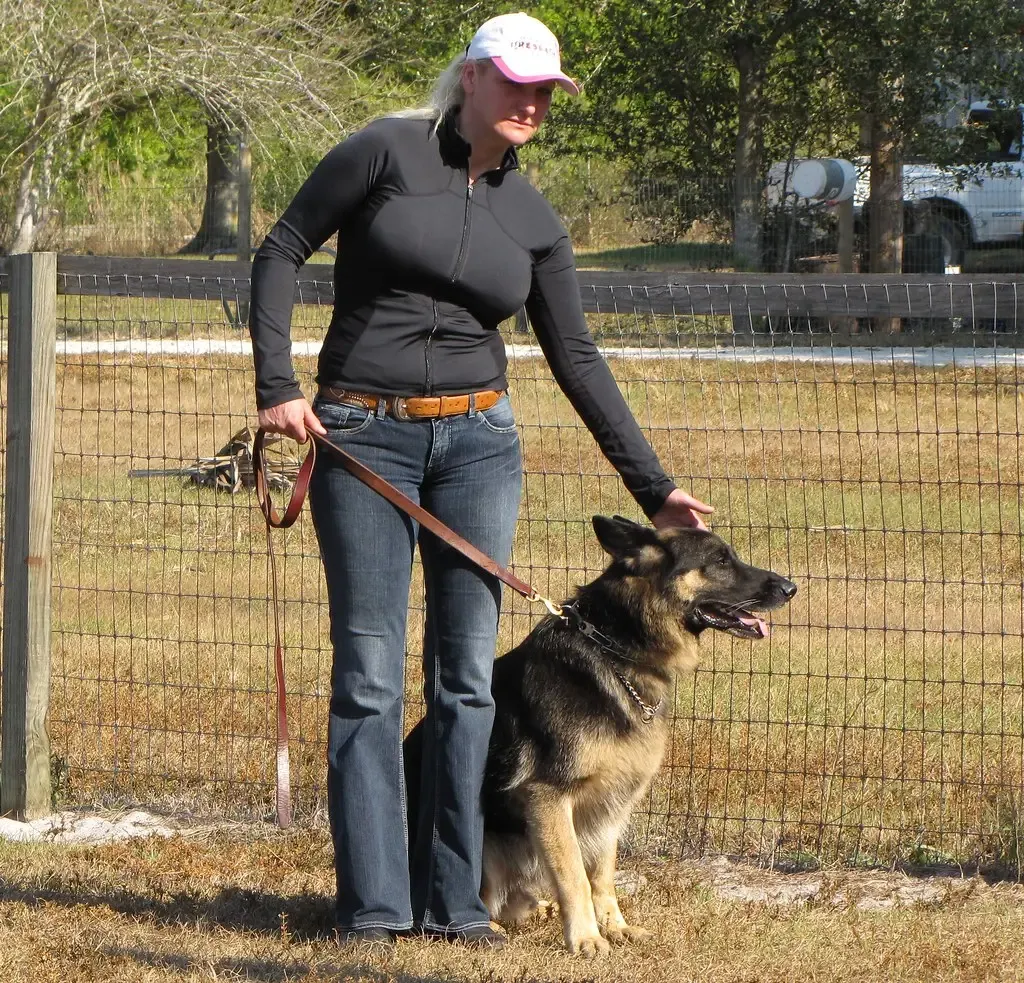
One awkward meeting does not define your dog’s future social life. Building comfort around new people is a process, not a single event. Each successful training session is like a small deposit in the bank: you need to do it consistently for a long time in order to build up your savings, and negative experiences can act like a withdrawal, setting back your progress.
Start with brief interactions and progressively increase the duration and intensity as your dog becomes more comfortable. Minimizing exposure is essential if you have an anxious dog or are just beginning to train. Rome wasn’t built in a day, and neither is a confident, socially comfortable dog. Patience and consistency are everything here – keep going, and trust the process.
Conclusion: Your Dog Needs You to Be Their Guide
Introducing your dog to new people isn’t just a social nicety. It’s one of the most foundational things you can do for their emotional wellbeing. The mistakes we’ve covered aren’t signs of bad ownership – they’re signs of being human, of loving your dog and wanting everyone to love them too.
The key is to shift your perspective just slightly. Keep in mind that meeting new people may be fun and exciting for you, but it can be extremely uncomfortable or even frightening for your dog. Once that truly sinks in, everything else follows. You stop rushing. You start watching. You become your dog’s greatest advocate in every room they walk into.
Your dog is counting on you to understand their world, even when they can’t explain it. And honestly, isn’t that kind of a beautiful thing? What’s one change from this list you’re going to try first? Share it in the comments – your experience might help another dog lover out there do better for their pup too.


