
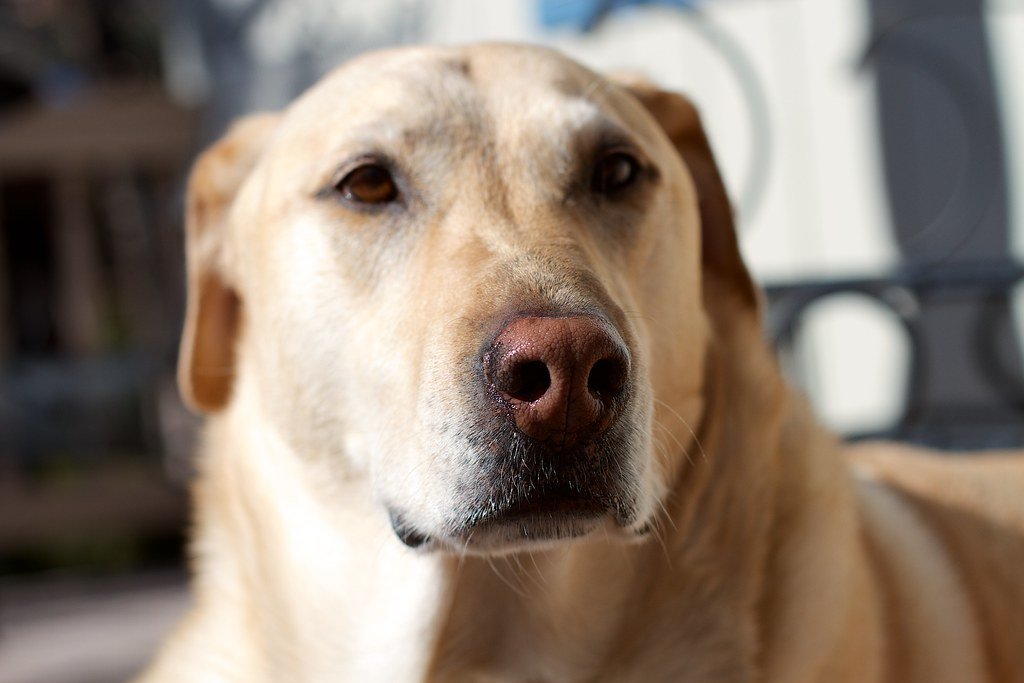
We all want the best for our furry companions, yet sometimes our well-meaning actions can unintentionally fuel their anxiety. As someone who’s worked with countless anxious dogs and their loving owners, I’ve seen how even the most devoted pet parents can unknowingly make things harder for their stressed-out pups.
The truth is, dog anxiety affects millions of households, with research suggesting that separation anxiety affects approximately 13-18% of dogs. What’s more concerning is that half won’t show any obvious signs and so it can be easy for owners to miss. Understanding these hidden mistakes isn’t about guilt – it’s about empowerment. When we recognize what might be contributing to our dog’s stress, we can make positive changes that truly help them feel safer and more confident. Let’s explore these common missteps together and discover how to better support our anxious companions.
Rushing the Separation Training Process
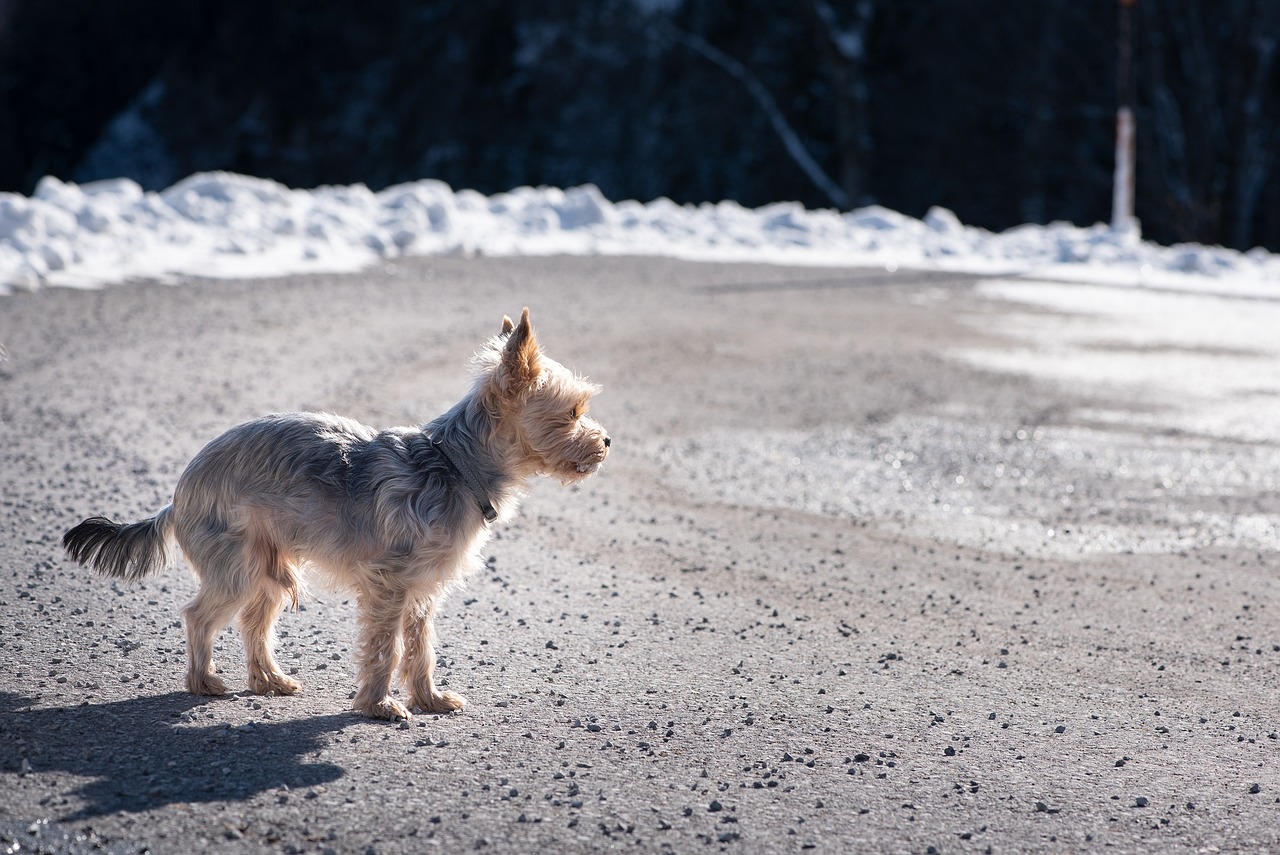
One of the biggest mistakes I see is owners pushing their dogs too hard, too fast when working on separation anxiety. We get excited about progress and want our pups to get better quickly, but this eagerness often backfires spectacularly.
Many pet parents make errors by wanting treatment to progress quickly, so they expose their dogs to durations that are too long, which provokes anxiety and worsens the problem. Think about it – if your dog can only handle being alone for five minutes without stress, jumping to an hour will likely create a setback that takes weeks to overcome.
Instead, watch for signs of stress in your dog including dilated pupils, panting, yawning, salivating, trembling, pacing and exuberant greeting, and if you detect stress, back up and shorten the length of your departures. Progress might feel painfully slow, but your dog’s emotional wellbeing is worth the patience.
Using Punishment-Based Training Methods
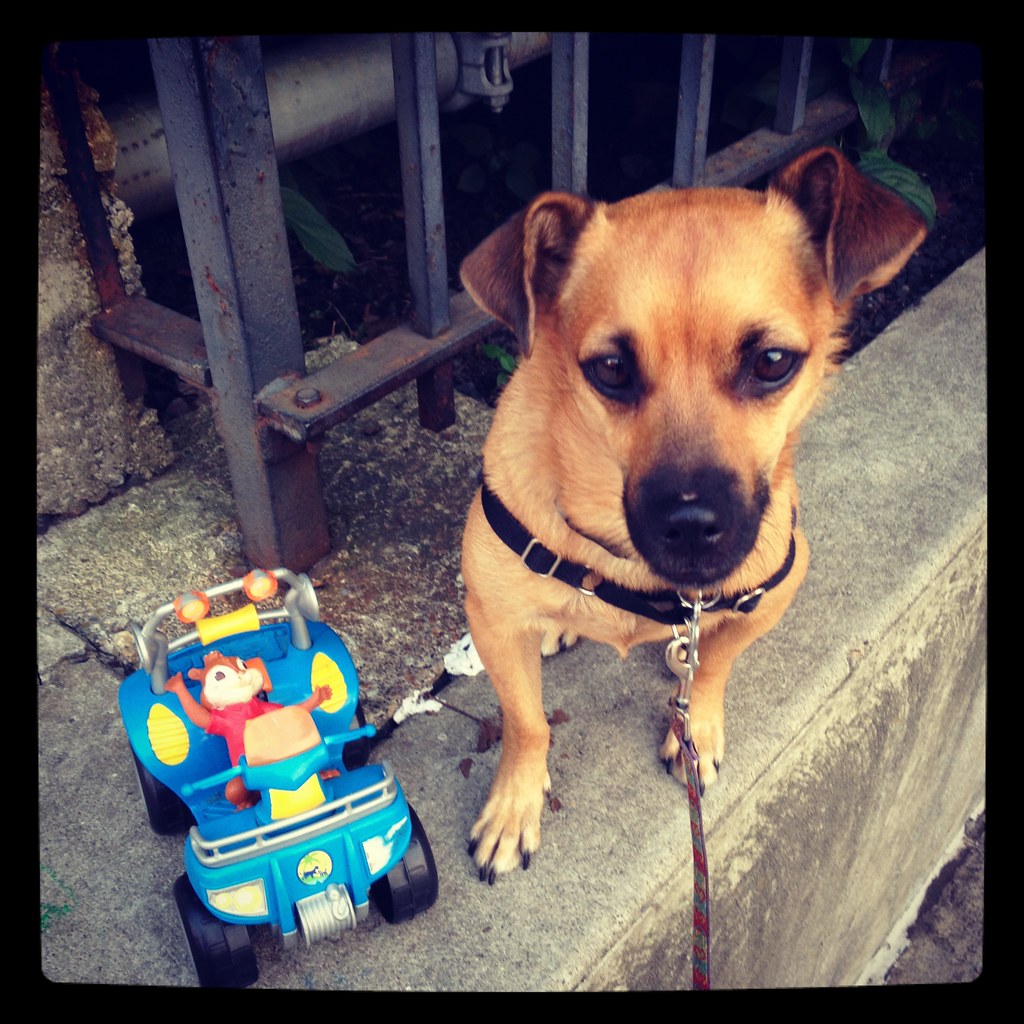
Many owners still believe that being “firm” or using corrections will help their anxious dogs snap out of it. This couldn’t be further from the truth – punishment actually makes anxiety significantly worse.
Research shows that the higher the proportion of aversive stimuli used in training, the greater the impact on the welfare of dogs, and a higher frequency of punishment was correlated with higher anxiety and fear scores. When dogs are already stressed, adding fear of punishment creates a perfect storm of emotional chaos.
Punishment damages the human-animal bond and creates mistrust, pain, fear, agitation, and increasing anger as the dog develops a strong negative association, almost always making the dog’s insecurity even worse while decreasing the dog’s ability to learn. Your anxious dog needs to feel safe with you, not worried about when the next correction might come.
Inconsistent Daily Routines
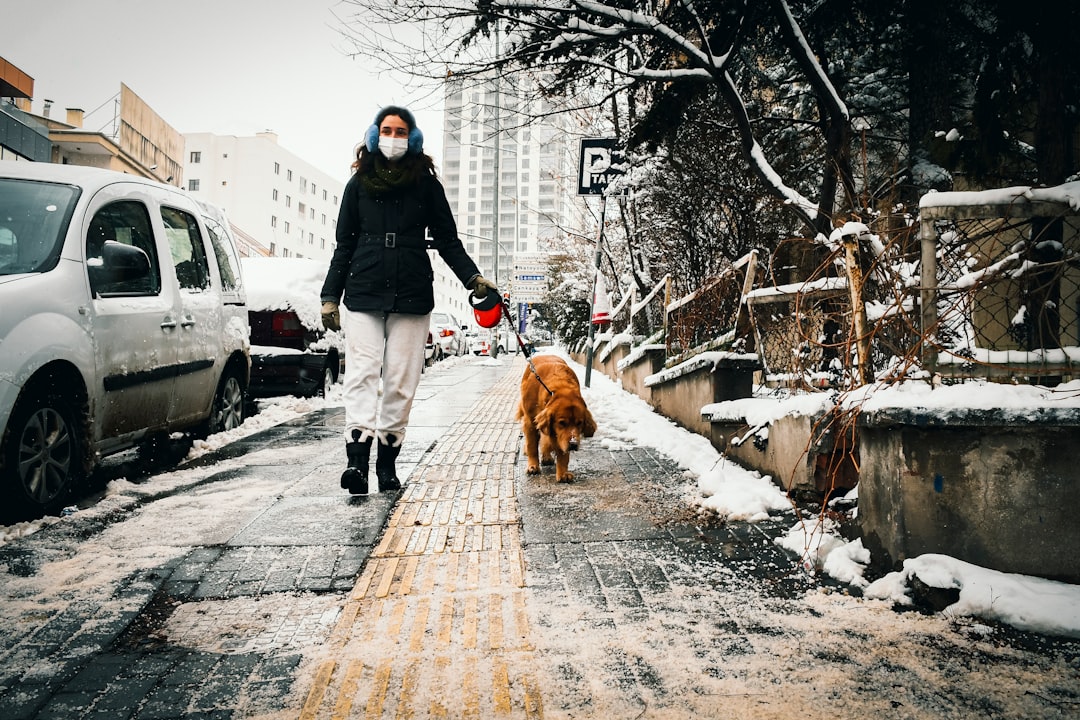
Dogs thrive on routine, and when their daily schedule is constantly changing, it can cause unnecessary stress. I’ve worked with families where meal times, walks, and bedtime vary wildly from day to day, leaving their dogs in a constant state of uncertainty.
Imagine never knowing when your next meal would come or when you’d get to use the bathroom – that’s exactly how your dog feels with an unpredictable schedule. This uncertainty feeds directly into existing anxiety, making everything feel more overwhelming.
Predictability seems to work best – if the dog does X, then Y happens, which really seems to help dogs know what happens when. Creating consistent meal times, walk schedules, and bedtime routines gives anxious dogs the security they desperately crave.
Accidentally Reinforcing Anxious Behaviors
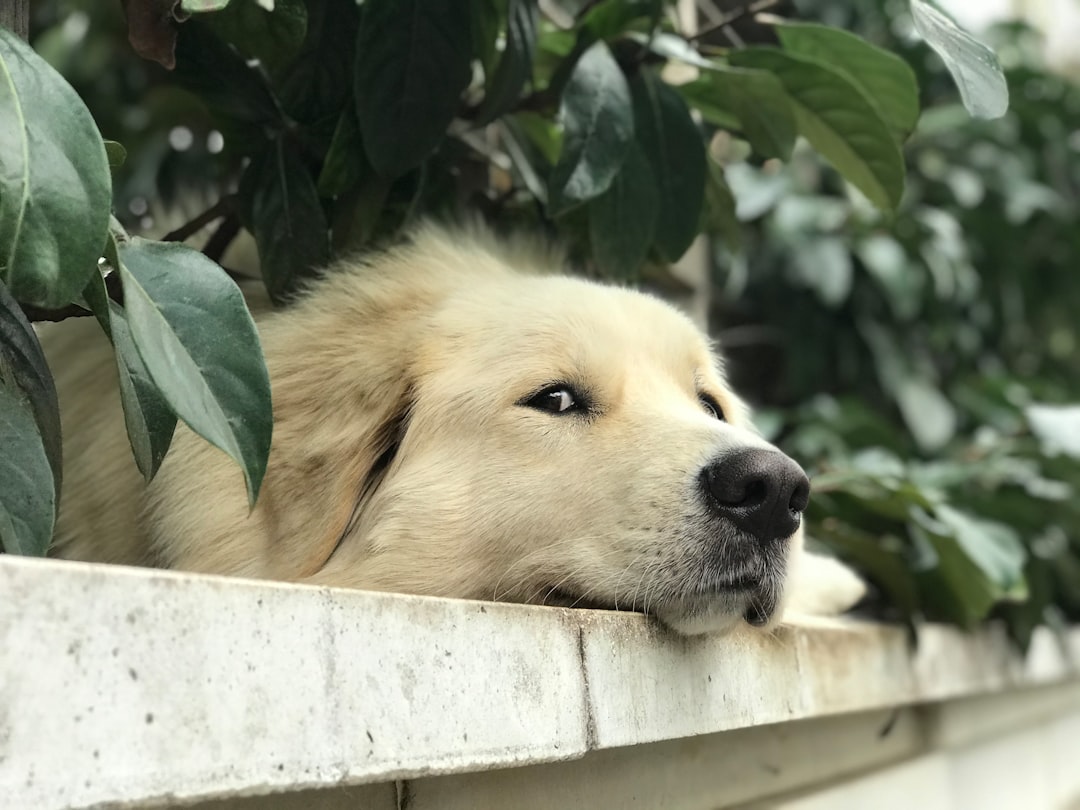
This one breaks my heart because it comes from pure love, but many owners unknowingly reward the very behaviors they want to stop. When your dog pants, paces, or whines, your natural instinct is to comfort them with attention, treats, or soothing words.
While comfort itself doesn’t create anxiety, the timing of that comfort can accidentally teach your dog that anxious behaviors get them what they want most – your attention. This creates a confusing cycle where anxiety becomes a way to connect with you.
Instead of focusing on the anxious behavior, try redirecting to calm behaviors you want to see more of. When your dog settles quietly, that’s the perfect moment for gentle praise or a treat. This subtle shift helps them learn that calmness, not anxiety, brings positive attention.
Overwhelming Your Dog with Exercise
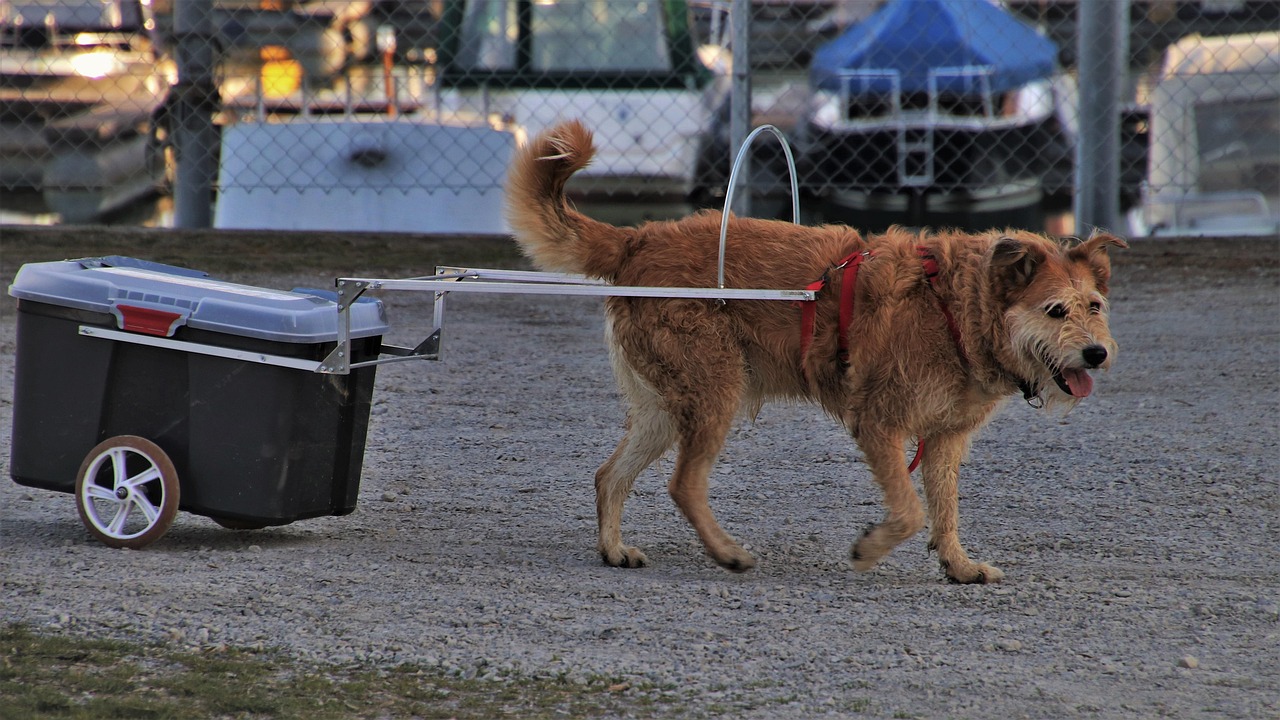
There’s a persistent myth that a tired dog is always a good dog, leading many owners to exhaust their anxious pups with excessive exercise. While physical activity is crucial, too much can actually increase stress hormones and make anxiety worse.
Dogs have different energy levels depending on their breed, age, and health, but when dogs don’t get enough exercise, they can become bored, frustrated, and stressed. However, the opposite extreme – over-exercising an already anxious dog – can push their stress levels through the roof.
Think quality over quantity. A anxious dog often benefits more from shorter, calmer walks in familiar areas than from high-intensity exercise in stimulating environments. Mental stimulation through puzzle toys or gentle training sessions can be far more beneficial than running them ragged.
Ignoring Your Dog’s Body Language Warnings

Not understanding or ignoring your dog’s body language can lead to pushing them beyond their comfort zone, which can result in aggression or fear. I’ve seen countless situations where dogs were clearly communicating discomfort, but their signals went unnoticed until they escalated to more obvious behaviors.
Stressed dogs may have dilated pupils and blink rapidly, they may open their eyes wide and show more sclera than usual, giving them a startled appearance, and their ears may be pinned back against their head. These subtle signs are your dog’s way of saying “I’m not okay with this.”
Learning to read your dog’s signals and respect their feelings, and if your dog seems uncomfortable, give them space and try to identify the cause of their discomfort. This respect for their communication builds trust and prevents anxiety from escalating to more serious behavioral issues.
Skipping Mental Stimulation
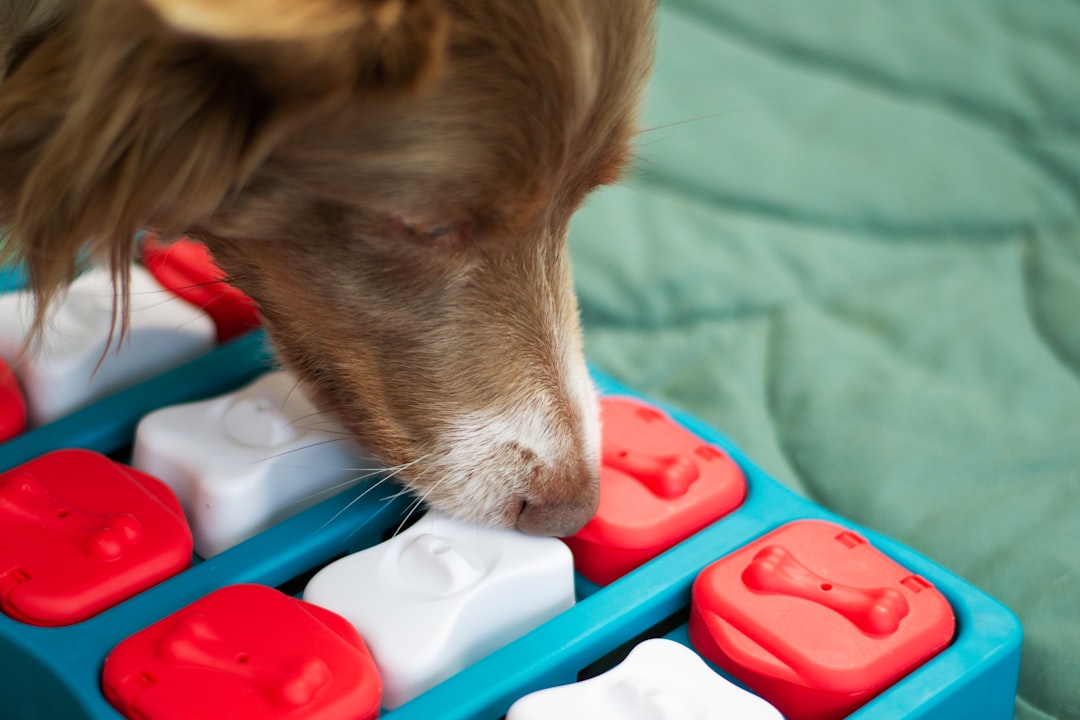
Dogs are intelligent animals that need mental stimulation to keep their brains engaged, and without enough mental challenges, dogs can become bored and stressed, with many dog owners overlooking this need, focusing only on physical exercise.
An understimulated mind is like a pressure cooker – all that mental energy has to go somewhere, and in anxious dogs, it often manifests as destructive behaviors, excessive barking, or increased fearfulness. Think of mental stimulation as a healthy outlet for nervous energy.
Puzzle toys, training sessions, and interactive games can help provide the mental engagement dogs need to stay happy and relaxed, and without it, dogs can develop anxiety, destructive behaviors, or even depression. Even ten minutes of “find the treat” games can work wonders for an anxious dog’s mental state.
Coming Home with High Energy
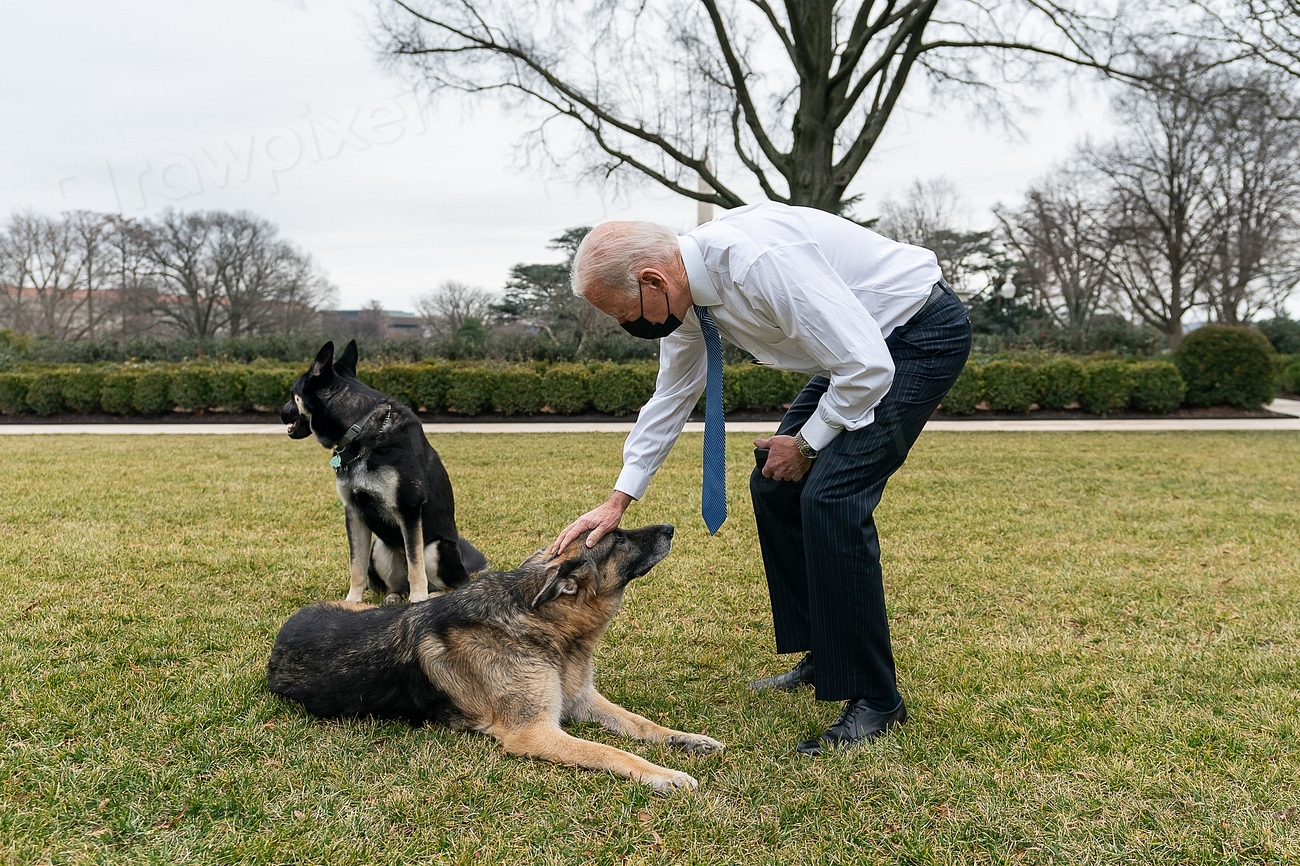
Picture this: you’ve been away all day, your dog has been managing their anxiety as best they can, and then you burst through the door with excited greetings and high energy. While this feels loving, it can actually spike your dog’s already elevated stress levels.
Staying quiet and unemotional during your comings and goings to and from your home helps your dog remain calm, and this can be particularly effective for dogs with separation anxiety. Your energy sets the emotional tone for your dog’s response.
Try a calm, low-key return home instead. Give your dog a few minutes to settle before engaging in greetings. This teaches them that your departures and arrivals are no big deal, reducing the emotional roller coaster that feeds separation anxiety.
Believing the “Crying It Out” Myth
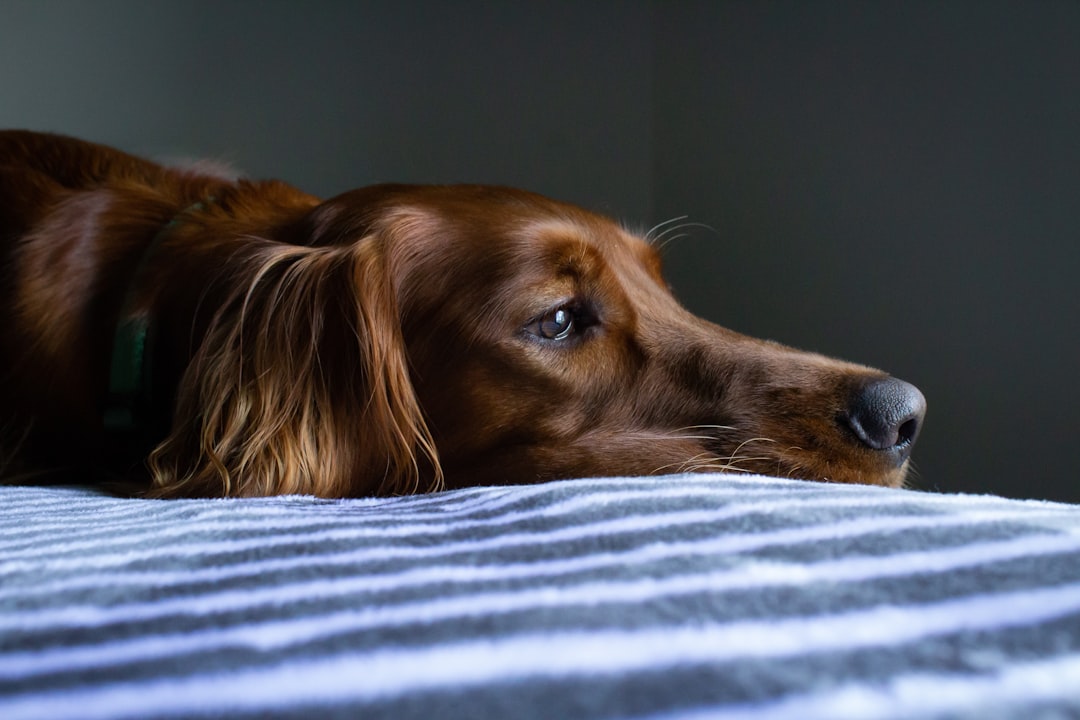
Some dog training guides may suggest letting a dog ‘cry it out’, but this technique, whilst practised widely, is neurologically damaging, as dogs and puppies left to cry it out will only learn that being alone is terrifying.
This outdated advice stems from misunderstanding how dogs process emotions. Unlike human babies who eventually self-soothe, dogs in a state of panic don’t magically calm down – they often become more traumatized by the experience.
Instead of forcing your dog to “get over it,” work at their pace with gradual exposure. Start with departures so brief they don’t trigger anxiety, then slowly build up duration as your dog gains confidence. This approach actually works and doesn’t damage your relationship in the process.
Transferring Your Own Anxiety
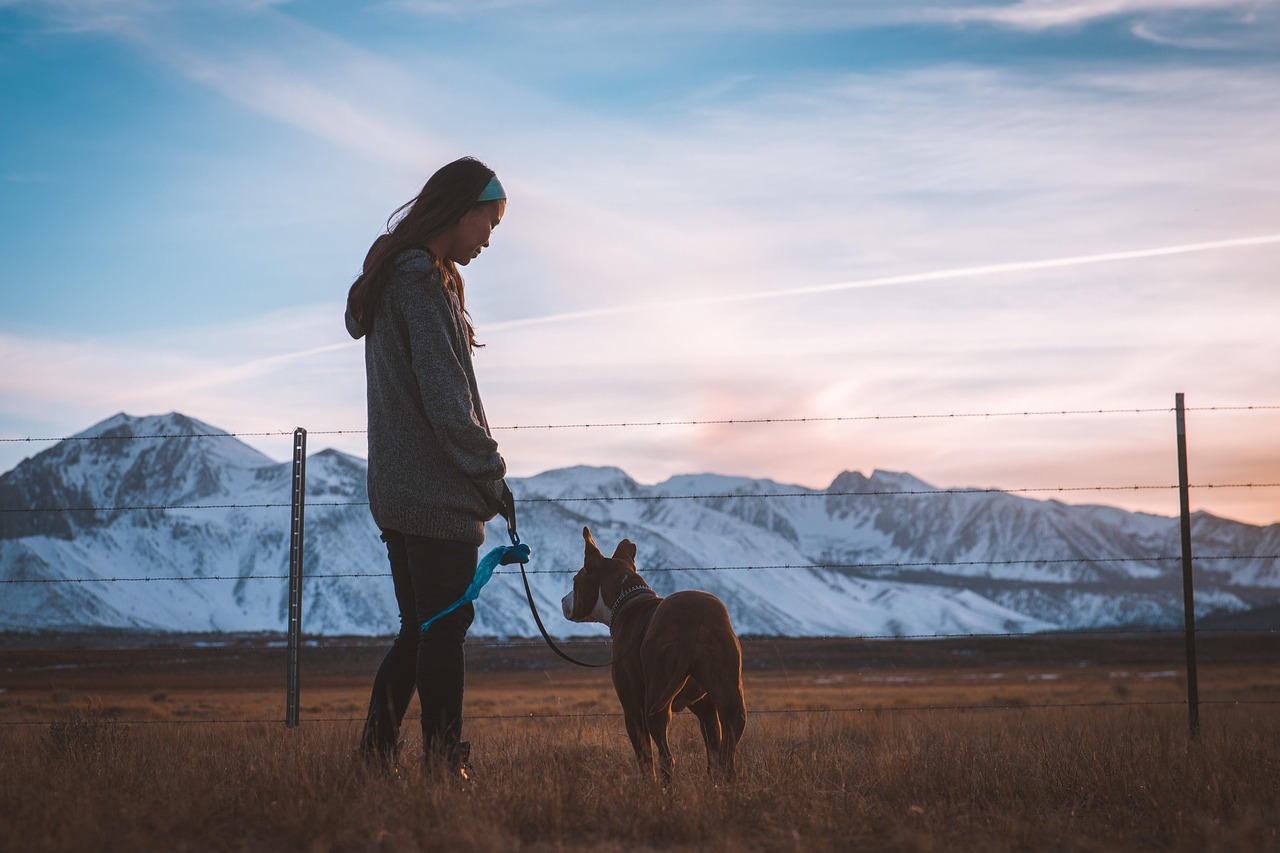
Research shows that owners with higher levels of anxiety and depression had dogs with increased levels of attention-seeking behavior, separation-related behavior, stranger-directed aggression and fear, non-social fear, dog-directed fear, touch sensitivity and excitability.
Dogs are incredibly perceptive to our emotional states, often picking up on tensions we don’t even realize we’re broadcasting. If you’re stressed about leaving your anxious dog, they feel that energy and it reinforces their belief that departures are indeed something to worry about.
Working on your own calm confidence isn’t selfish – it’s essential for helping your dog. Practice relaxation techniques for yourself, and remember that your dog takes emotional cues from your behavior. The calmer and more confident you can be, the safer your dog will feel.
Punishing Natural Anxiety Responses
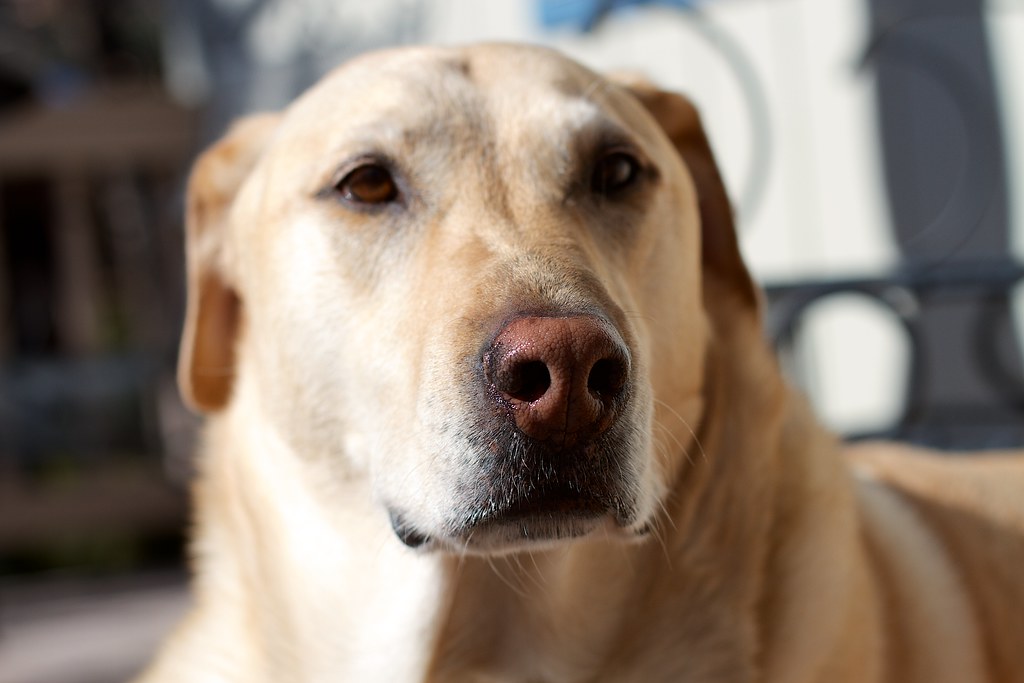
One of the most heartbreaking mistakes I encounter is owners who scold their dogs for natural anxiety responses like accidents in the house, destructive behavior, or excessive barking. Urination in the house is a sign of anxiety, not resentment or anger, which is a common misconception among dog owners.
Owners often think that their dog looks guilty when they do certain behaviors and so tell them off thinking they know they’ve done wrong, however, even if you take your dog to the ‘scene of the crime’ they won’t associate your anger with their earlier behaviour, and your dog will simply become more anxious the next time you go out.
These behaviors aren’t spite or defiance – they’re symptoms of emotional distress. Punishment only adds another layer of fear and confusion to an already overwhelming situation. Focus instead on addressing the underlying anxiety through positive training and environmental management.
Conclusion

Understanding these common mistakes isn’t about perfection – it’s about progress and compassion for both you and your dog. Every anxious dog is different, and what works for one might not work for another, so be patient with the process and gentle with yourself as you learn.
Remember, if your dog is nervous, and maybe even somewhat fearful at times, it’s wise to look deeply into what may be causing these behavioral issues and then devise a plan to help your dog become more confident, because an anxious dog is an unhappy dog. The good news is that most anxiety issues are absolutely treatable with the right approach, patience, and understanding.
Your dog’s anxiety journey isn’t just about changing their behavior – it’s about building a relationship based on trust, safety, and mutual understanding. What strategies have you found most helpful in supporting your anxious dog? Share your experiences in the comments below.


