
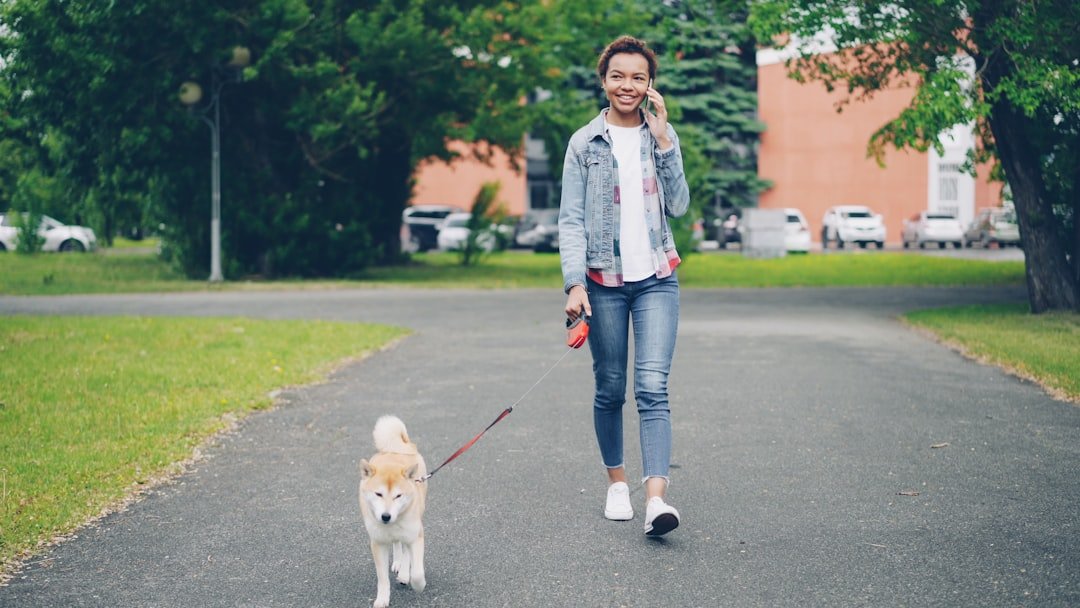
Walking your dog should be one of the simplest pleasures in life, right? Fresh air, wagging tails, a chance to bond with your best friend. Yet somehow, what should feel effortless can turn into a frustrating tug of war, a frantic chase, or worse, a stressful ordeal for both of you.
Here’s the thing. Most of us think we know how to walk a dog. Clip on the leash, head outside, done. Turns out, there’s a lot more to it than meets the eye. Small missteps can quietly sabotage your dog’s happiness, health, and behavior without you even realizing it. The good news is that once you understand what’s going wrong, fixing it becomes surprisingly manageable. So let’s dive in and uncover the walking mistakes that might be holding you and your pup back.
Using the Wrong Equipment
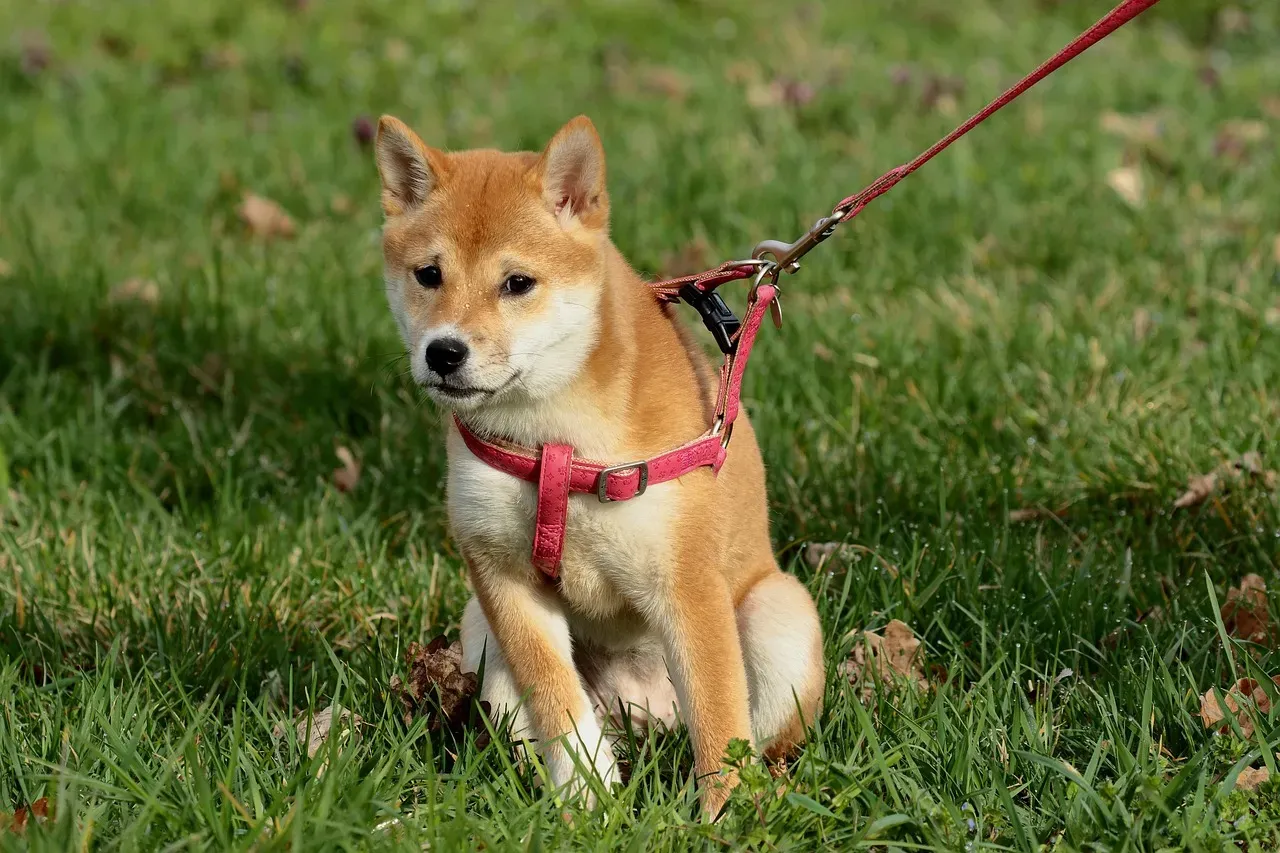
You wouldn’t run a marathon in flip flops, so why expect your dog to walk comfortably in the wrong gear? If you don’t have the right equipment when walking your dog, it can cause a range of problems. The collar might choke them if they pull, or the leash might be so flimsy it snaps mid walk. Worse still, some people use retractable leashes thinking they’re helpful, but honestly, those things are accidents waiting to happen.
Retractable leashes might seem like the perfect way to adjust the tension during your walk, but the fast-moving cord can cause cuts and burns to both you and your dog. A well fitted harness often works wonders, especially if your dog tends to pull. If your pup has a problem with pulling, a shoulder harness can reduce strain on their neck. Think about comfort and safety before aesthetics.
Letting Your Dog Pull Without Addressing It
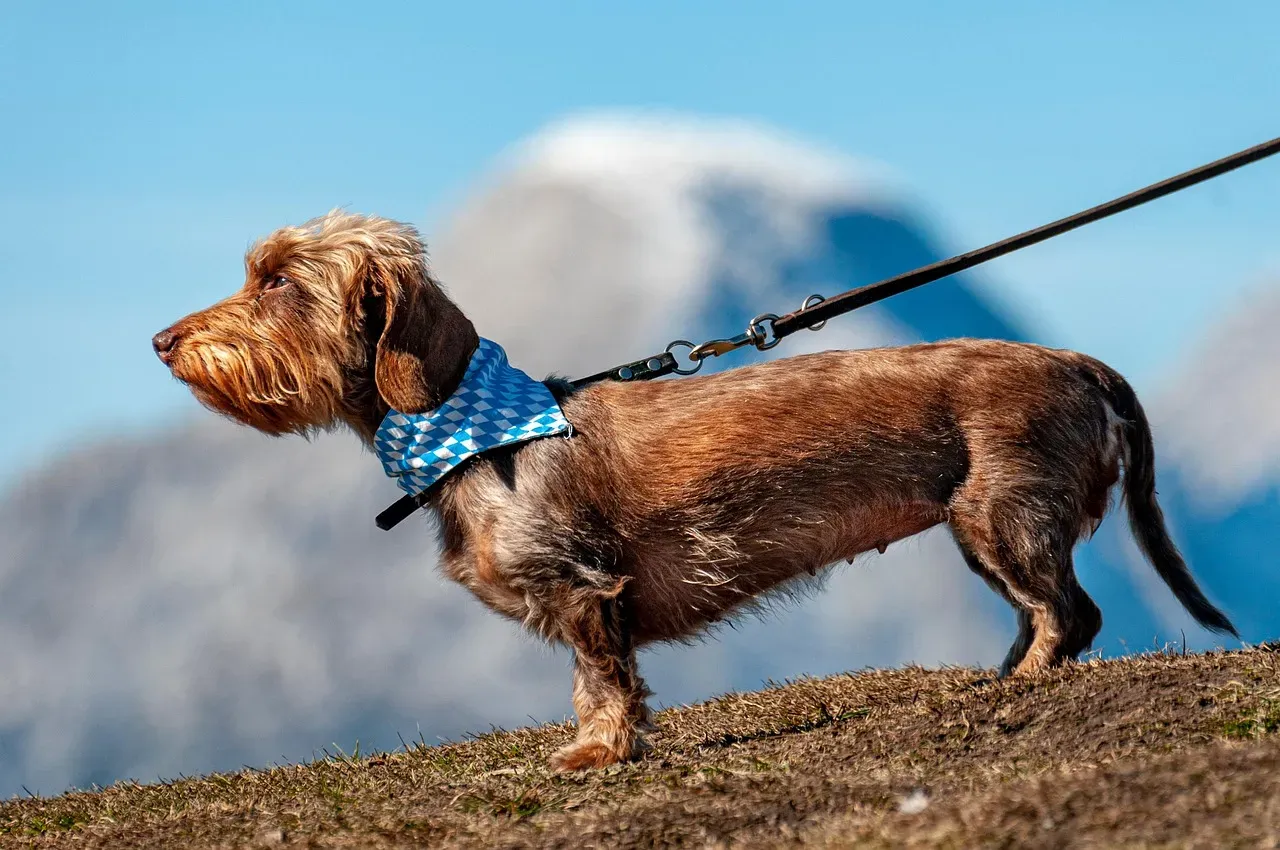
Picture this. Your dog drags you down the street like they’re competing in the Iditarod and you’re the sled. Sound familiar? Dogs pull because it works – they pull, we follow. Every time you give in and let them lead, you’re accidentally training them that pulling gets results.
The solution isn’t yanking them back or engaging in a battle of wills. If your dog is pulling on a leash, the best thing you can do is stop walking completely, wait for them to give you some slack, and then resume walking. It takes patience, sure. You might only make it halfway down the block on your first few attempts, but your dog will eventually learn that a loose leash means forward motion.
Not Providing Enough Mental Stimulation
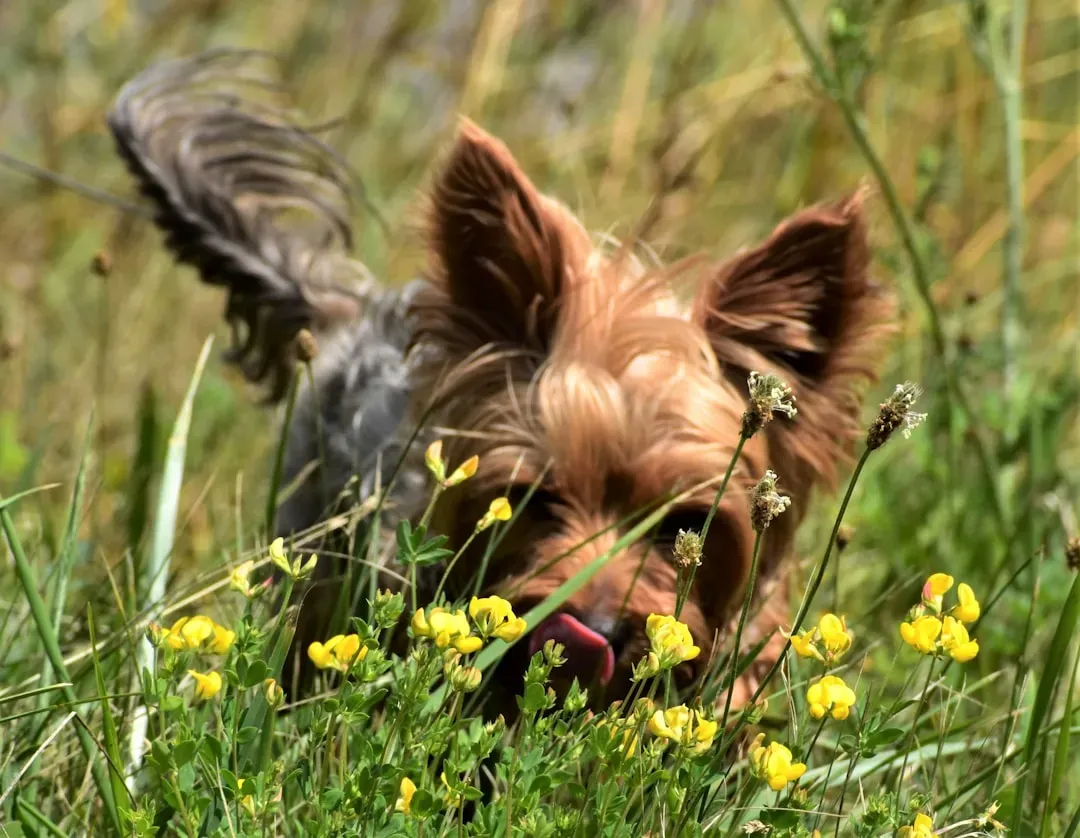
Walking isn’t just about burning calories. It’s about engaging your dog’s brain too. Walking isn’t just about exercise for pups – it also provides vital mental stimulation. Dogs experience the world primarily through their nose, so when you rush them past every lamppost and fire hydrant, you’re essentially scrolling past everything interesting on their favorite show.
Let them sniff. Let them pause and process the smells around them. Yes, the walk might take longer, but it may only mean that your walk takes 5 or 10 minutes longer, but it can make a whole lot of difference to your pup’s happiness. Think of sniffing as your dog reading their daily newspaper. Would you want someone snatching it away mid article?
Skipping Walks or Making Them Too Short
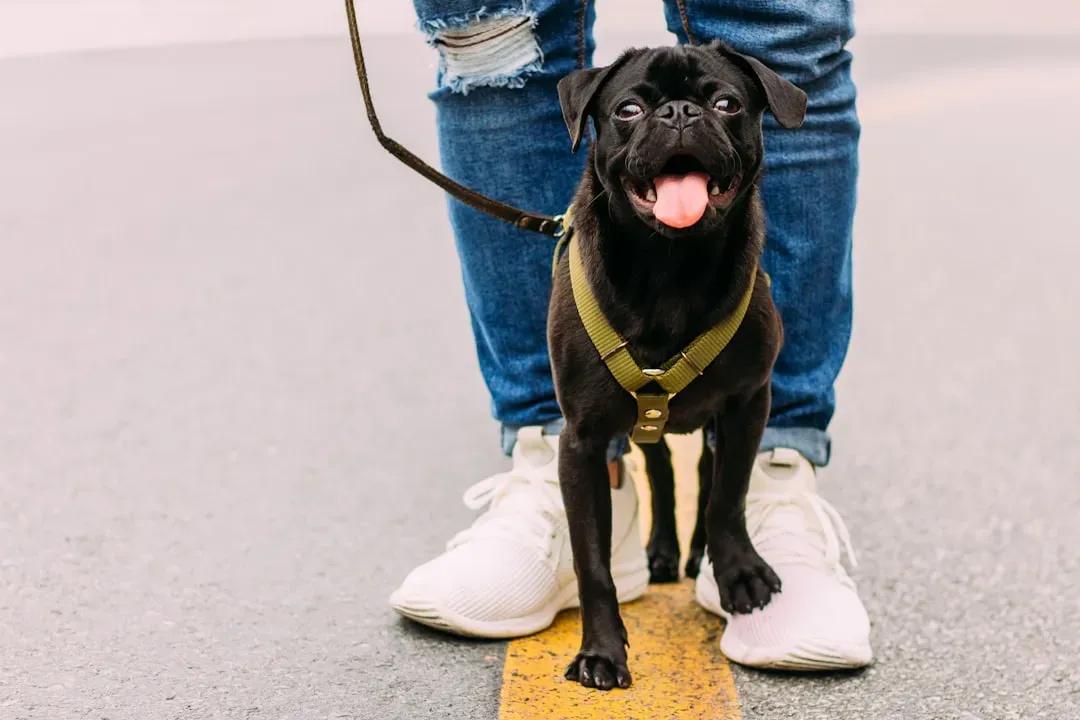
Life gets busy. I get it. We get it – sometimes it’s too cold out or you only have a few minutes between meetings. Skipping walks or just letting your dog out for a quick bathroom break isn’t enough. Skipping walks (or only providing quick bathroom breaks) isn’t healthy, and evidence from scientific research suggests dogs that are walked consistently are not only healthier but less likely to exhibit problem behaviors.
Different breeds have vastly different needs. Exercise recommendations for dogs range between 30 minutes and two hours of moderate to high-intensity activity daily, and the time and intensity vary so widely because different dog breeds have distinct exercise needs. Your Border Collie isn’t going to be satisfied with the same ten minute stroll that works for a Bulldog. Do your homework and match the walk to the dog.
Ignoring Your Dog’s Body Language
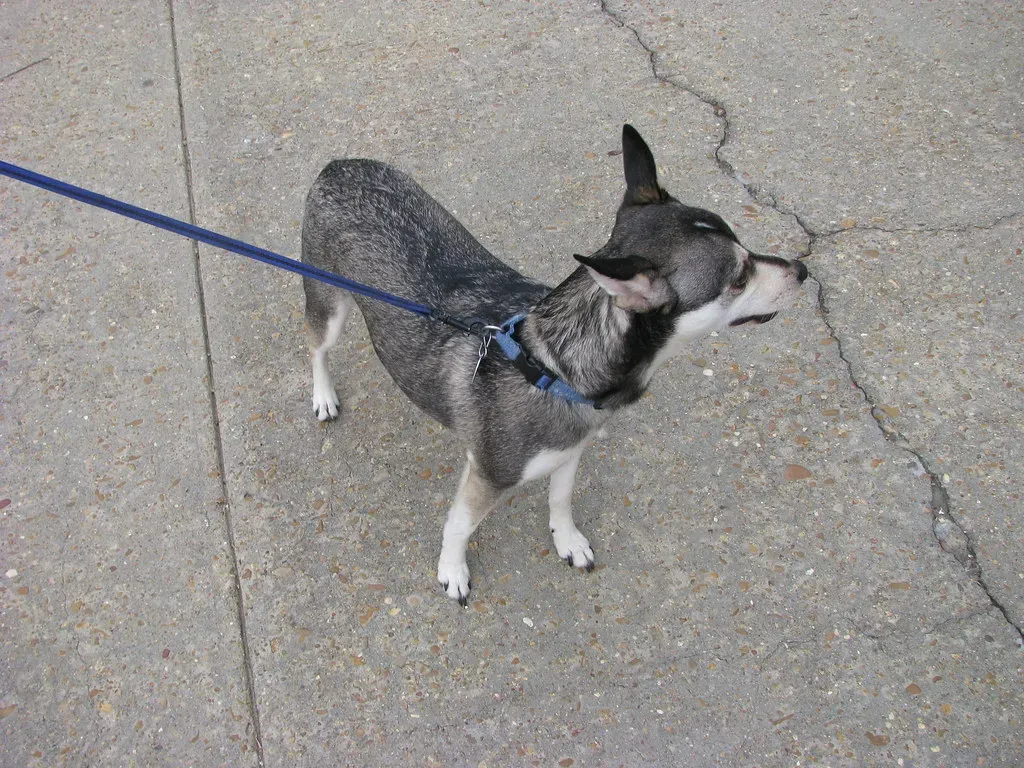
Dogs can’t tell you when they’re scared, overwhelmed, or uncomfortable. Well, actually they can, you just have to pay attention. Too often, I see owners looking at their phones or walking too fast, barely noticing what their dogs are doing, yet dogs communicate discomfort, stress, or excitement through body language. Tail tucked between their legs? Yawning excessively? Pulling away or freezing in place?
Paying attention to your dog’s cues is the first step to safe, happy walks. If your dog is showing signs of fear or anxiety, dragging them forward won’t help. Stop, assess the situation, and give them space to calm down. Sometimes the bravest thing you can do is turn around and try again another day.
Allowing Unwanted Behaviors to Become Habits
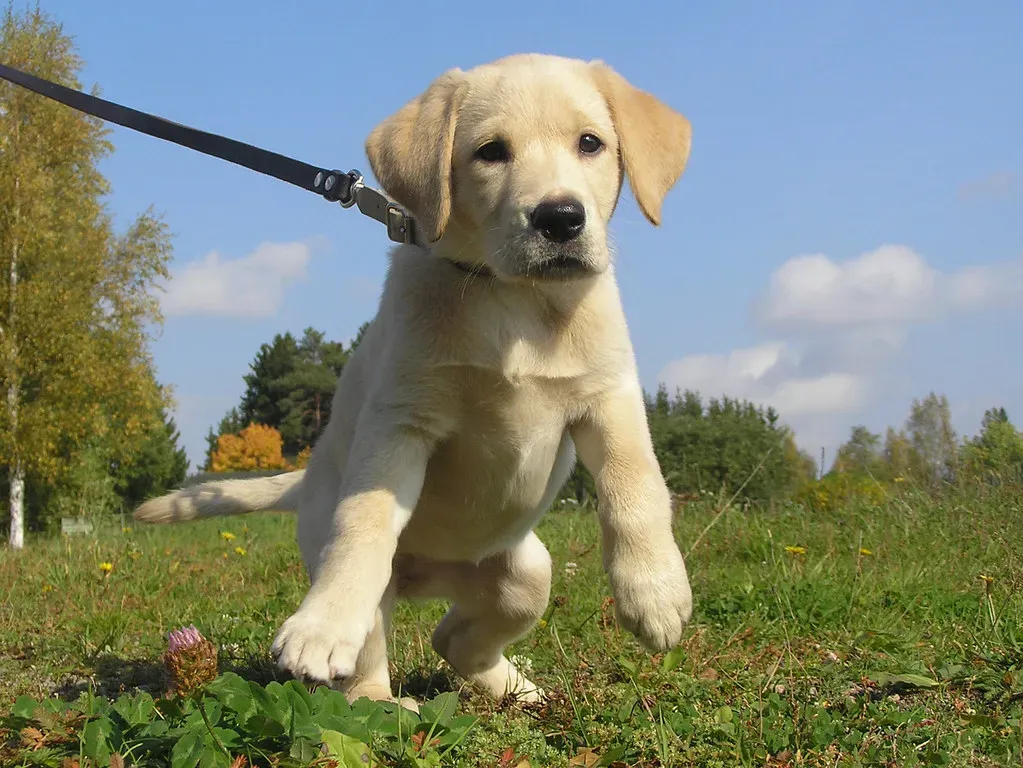
Maybe your dog barks at every cyclist. Or lunges toward other dogs. Or jumps on strangers. It’s unfair to your dog and everyone around you to look the other way as he morphs into the neighborhood menace, and it’s best to start working on leash walking behavioral challenges as soon as you notice problems percolating. Ignoring these behaviors only makes them worse over time.
Prevent them from practicing the behavior, otherwise, it becomes ingrained and harder to change. The earlier you address issues, the easier they are to fix. If your dog reacts to other dogs, work on redirecting their attention before they even have a chance to lunge. Use treats, change direction, create distance. Small interventions now prevent big headaches later.
Forgetting to Reward Good Behavior
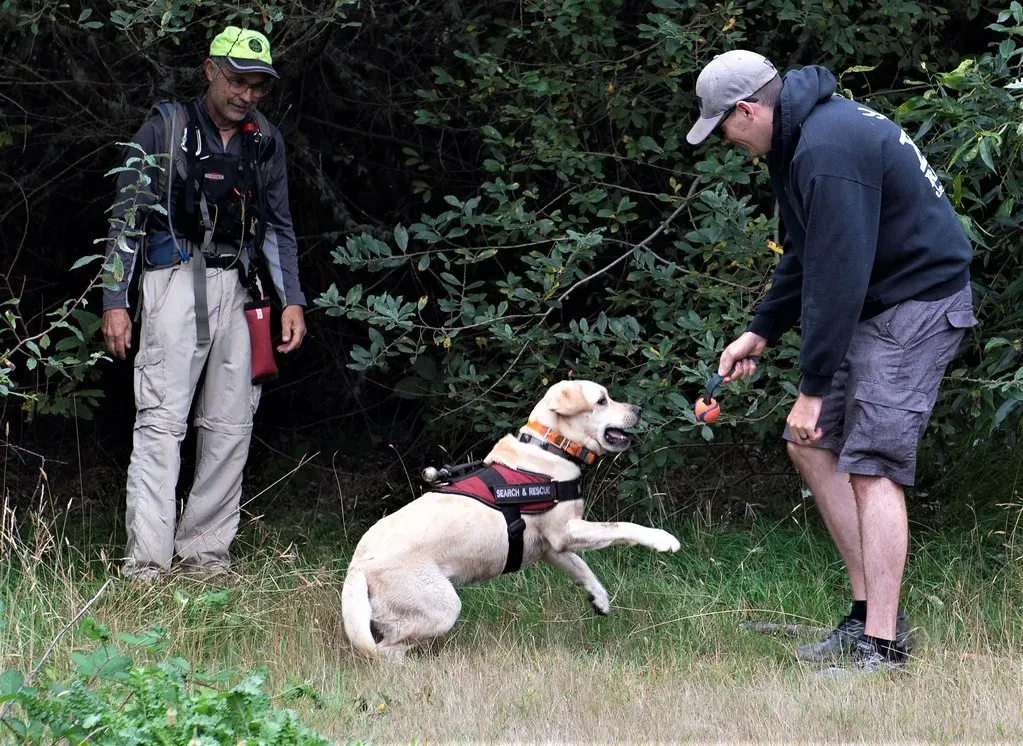
We’re quick to scold when dogs mess up, but how often do we praise them when they’re doing great? No matter how challenging your leash walks are, your dog probably does a ton of great stuff while you’re out with him, so praise him and give him a treat when he chooses to walk close to you instead of pulling. Positive reinforcement isn’t just effective, it’s kind.
Acknowledging his manners helps him to understand the types of behavior you like and sets him up to repeat those behaviors in the future. Carry treats in your pocket. Make a fuss when they check in with you. Celebrate the small wins. Training shouldn’t feel like punishment for either of you.
Approaching Other Dogs Without Permission
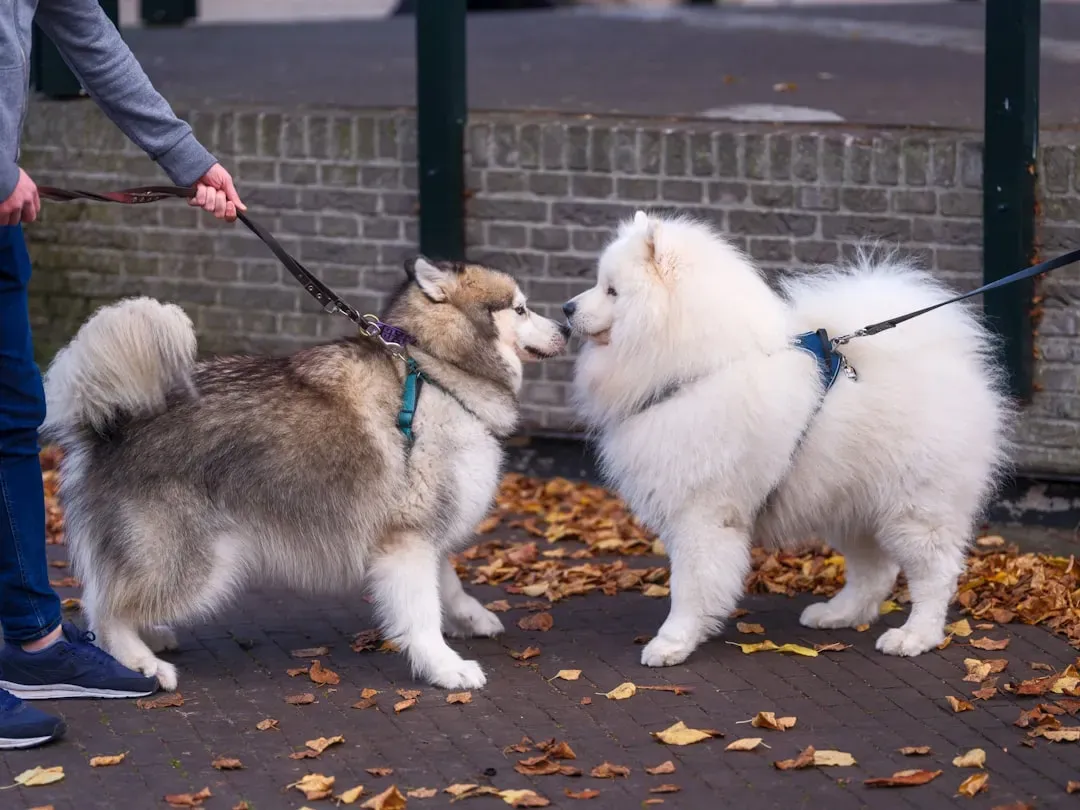
Not every dog wants to make friends. Just because your pup is social doesn’t mean the dog approaching you feels the same way. Some dogs may be anxious, fearful, or stressed, particularly about meeting an unfamiliar dog when on the leash, and in the wrong circumstances, this could lead to that dog lashing out. Always ask the other owner before allowing your dogs to greet each other.
That’s why you should always check with the other dog’s handler to make sure it’s fine for your pooch to approach. It’s a simple courtesy that can prevent stressful or dangerous encounters. Some dogs are reactive, some are recovering from surgery, some are in training. You never know someone else’s story, so just ask first.
Being Distracted During Walks
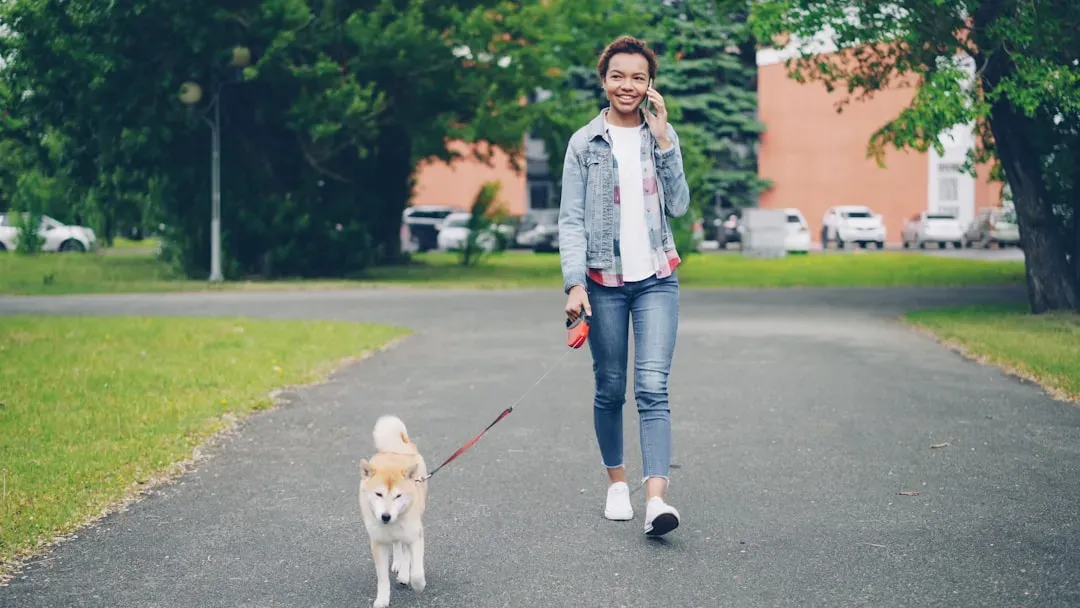
We’ve all been guilty of this. Scrolling through texts, answering emails, or lost in our own thoughts while our dog does who knows what at the other end of the leash. It can be pretty easy to get distracted when you’re out walking your dog, but whether you’ve got problems at work or the group chat on your phone is getting spicy, it can be tempting to let your mind wander.
Here’s the reality. When you’re not paying attention, you miss warning signs, potential hazards, and opportunities to reinforce good behavior. Your dog deserves your full presence during this time. Put the phone away. Notice what’s happening around you. Walking together should be about connection, not multitasking. Your emails can wait.
Neglecting to Pick Up After Your Dog
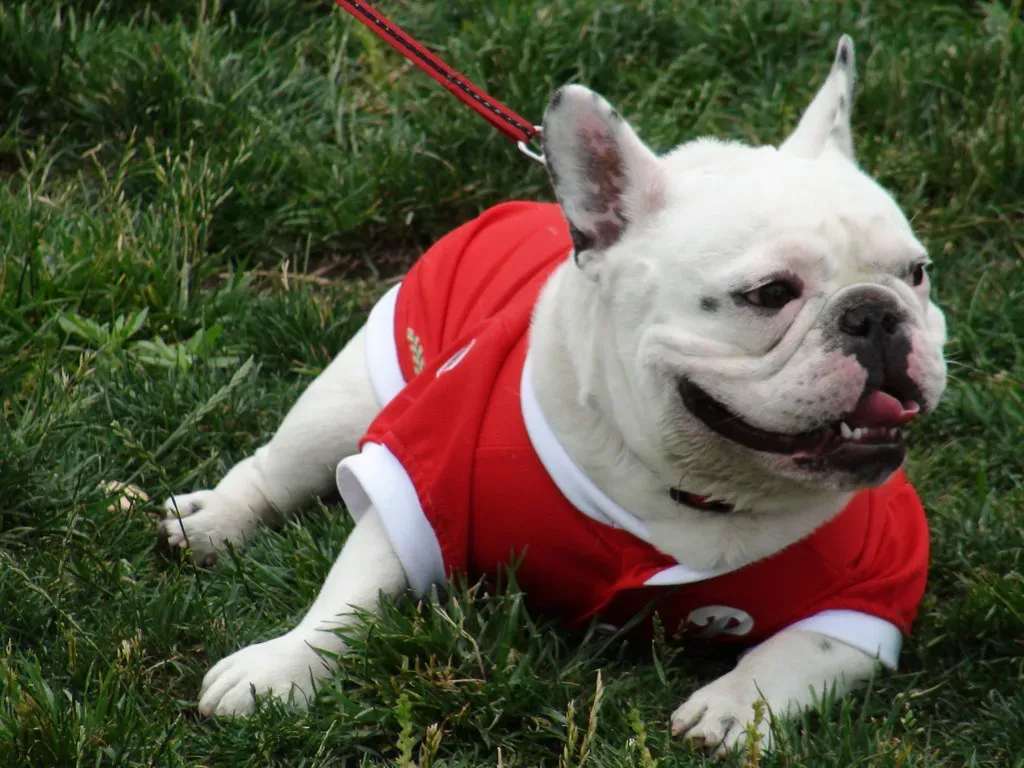
This one should be obvious, yet somehow it still needs saying. Cleaning up after your dog is just one of those things you have to do as a pet parent, and by picking up your dog’s poop, you’re doing your bit to show the world that dogs deserve to be allowed in public spaces. Nobody wants to step in it, and leaving it behind reflects poorly on all dog owners.
Make sure you always have a couple of poop bags with you when you head out the door so you’ll never get caught short. It takes five seconds and costs nothing. There’s really no excuse. Plus, it’s the law in most places. Be a responsible member of your community and just pick it up.
Conclusion
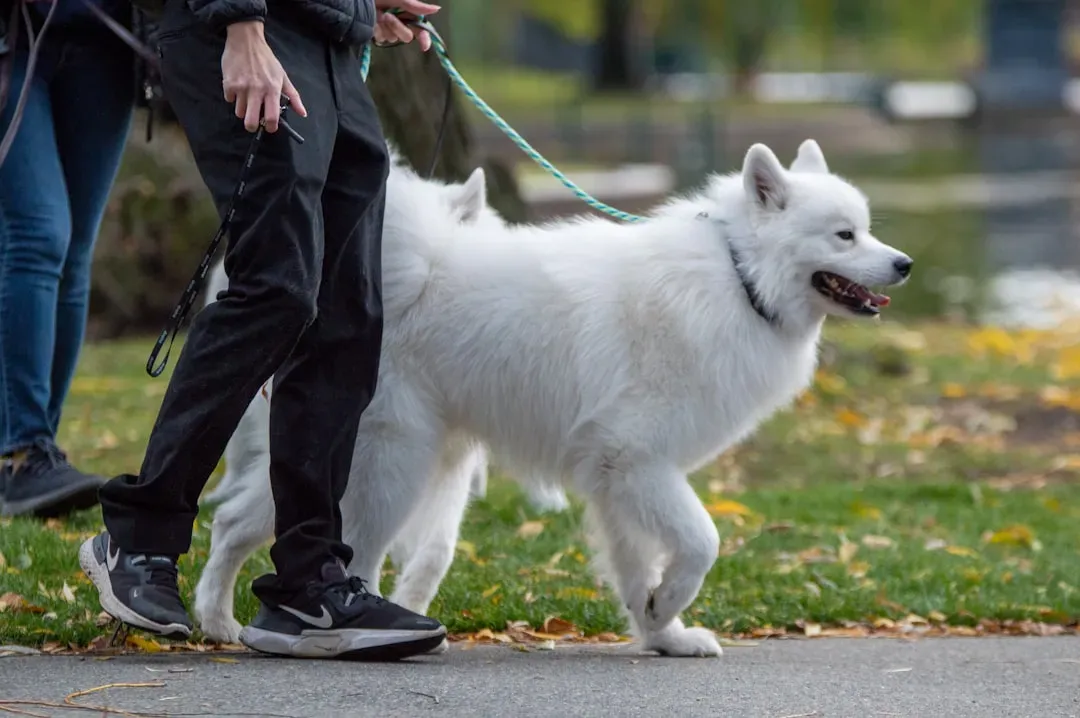
Walking your dog might seem straightforward, but as we’ve seen, there are plenty of pitfalls that can trip us up. The beauty of it all is that most of these mistakes are easy to fix once you know what to look for. Whether it’s choosing better gear, being more present, or simply giving your dog time to sniff and explore, small changes can transform your walks from chaotic to joyful.
Your dog doesn’t need perfection. They just need consistency, patience, and your attention. Every walk is a chance to strengthen your bond, build trust, and help your furry friend experience the world in a way that feels safe and enriching. So next time you grab that leash, ask yourself, am I really giving my dog the walk they deserve? The answer might surprise you. What do you think? Which mistake are you most guilty of?


