
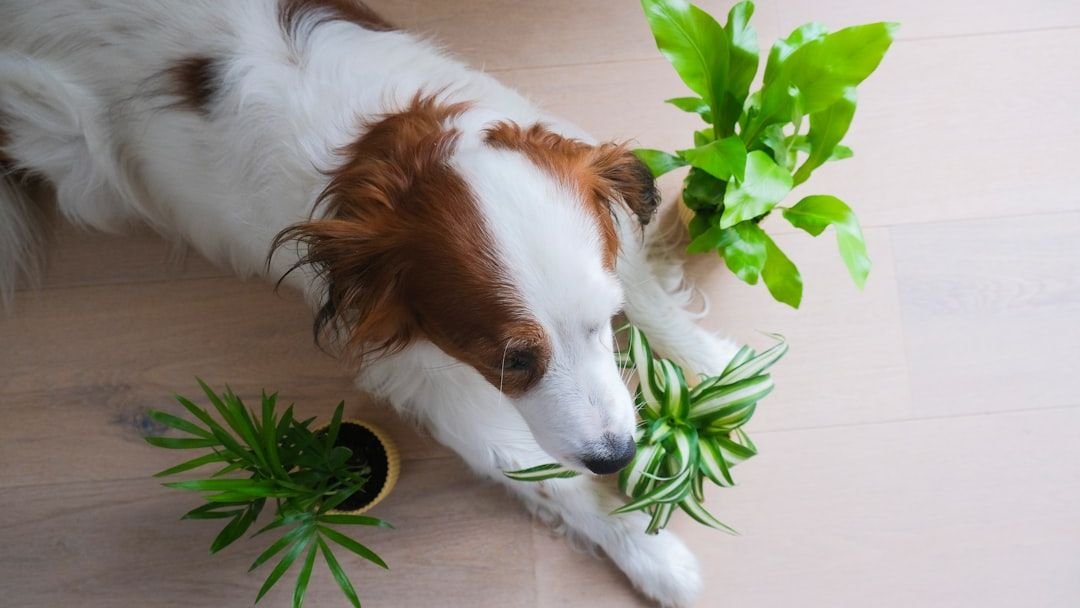
Picture this: your dog wanders into the garden on a sunny afternoon, tail wagging, nose to the ground, doing what dogs do best. Within seconds, he’s sniffing, nudging, and possibly nibbling on a plant you’ve had in your yard for years. It looks harmless. It’s actually anything but.
Dogs are naturally curious and often explore their environment by chewing, and most dogs will chew on a plant at some point in their lives. The problem is that many of the plants we consider beautiful, common, or even therapeutic can pose a serious threat to our four-legged companions. The ASPCA Animal Poison Control Center fields more than 400,000 calls a year, and plants consistently rank among the top five exposure categories for dogs.
The hardest part? What makes the list alarming is not the presence of exotic or rare species. It is the ordinary ones: the azalea hedge along the driveway, the sago palm by the front door, the peace lily on the living room shelf, the daffodil bulbs stored in the garage. These are plants millions of dog owners live alongside every day, often without knowing that ingestion can cause anything from oral irritation to irreversible liver damage or cardiac arrest.
This guide breaks down ten of the most common plant toxins your dog may encounter, what they do, what to watch for, and how to keep your pup safely out of harm’s way.
1. Sago Palm (Cycas revoluta): The Deadliest Houseplant You Might Own
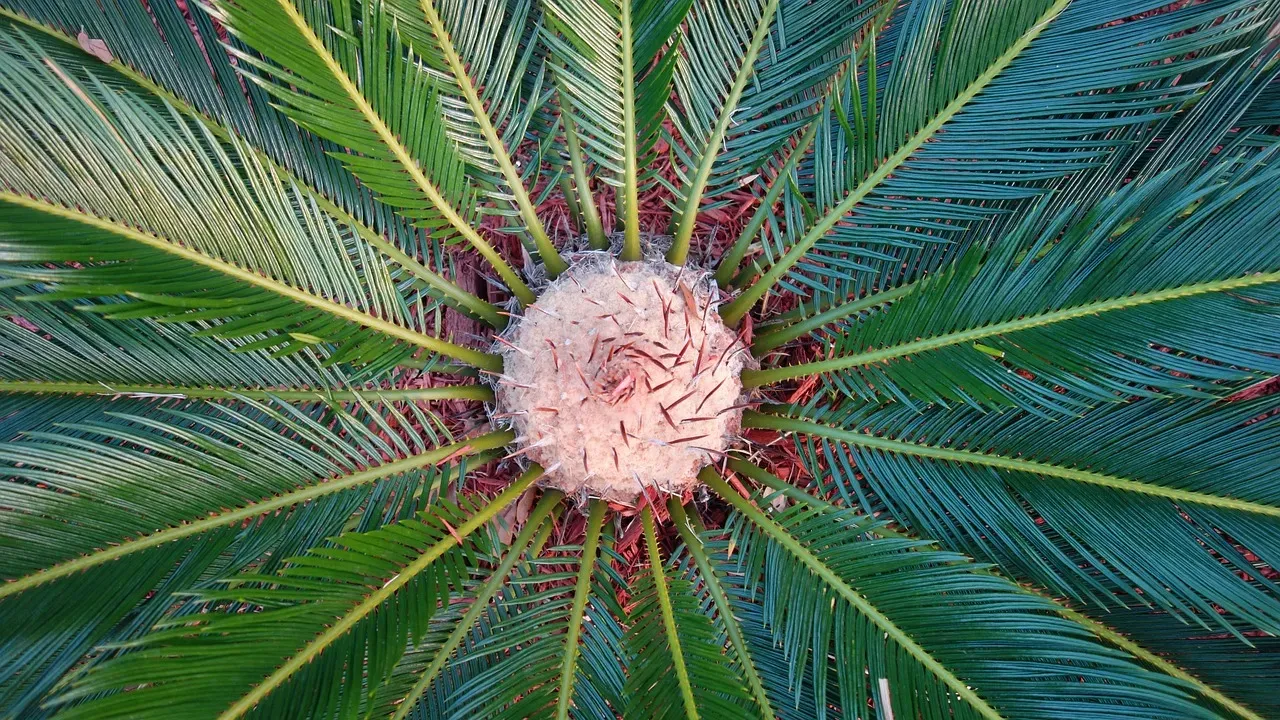
If there’s one plant on this list that deserves a category all its own, it’s the sago palm. It is extremely toxic and potentially fatal, causing liver damage even in small amounts. What makes it especially dangerous is how deceivingly decorative it looks. Sago palms are not actually “palms” – they are cycads, ancient seed plants with a crown of large leaves and a stout trunk. Because of their attractive tropical appearance, these plants are very commonly found inside homes, offices, and used in landscaping.
All parts of the plant are toxic due to a type of glycoside called cycasin and a neurotoxic amino acid. The most common accounts of poisoning are in pets that eat the seeds or leaves. The initial symptoms of sago palm ingestion include vomiting, lethargy, and diarrhea. Diarrhea can be bloody and profound, and symptoms can progress to liver failure, clotting issues, and shock. Even with aggressive veterinary care, the fatality rate is devastatingly high. The best way to prevent sago toxicosis is not to have the plant in the home. Even in a room, pets should not be left unattended, as doors may be left open and items can fall from shelves.
2. Xylitol: The Hidden Sweetener That’s Lethal to Dogs

Xylitol is a sugar alcohol used to sweeten sugar-free products such as gums, candies, peanut and nut butters, and baked goods. Ingestion of these products by dogs has resulted in rapid, severe lowering of blood sugar at lower doses and liver injury or failure at high doses. Xylitol isn’t technically a plant, but it is derived from plant sources including birch trees and certain fruits, and it shows up in dozens of everyday products. In dogs, the pancreas confuses xylitol with real sugar and releases insulin to store the sugar.
In dogs, xylitol causes a rapid release of three to seven times the normal amount of insulin, which then causes extreme hypoglycemia. This can happen very quickly, within 30 minutes to an hour. Xylitol can also destroy your dog’s liver tissue within eight to 12 hours after ingestion, and this destruction of tissue can result in liver failure. Always read ingredient labels, especially on peanut butter you might be tempted to give as a treat. Be sure to check all food labels, even peanut butter, prior to feeding them to your dog. Also make sure you’re using dog-specific toothpaste when brushing your dog’s teeth, as human toothpaste often contains xylitol.
3. Azalea and Rhododendron: The Backyard Beauty That Bites Back

Azalea and rhododendron are used in landscaping and found in the wild, and the entire genus is extremely dangerous for dogs. Eating even a few leaves can cause serious issues, including vomiting, diarrhea, drooling, paralysis, shock, coma, and death. These shrubs are enormously popular across North America and Europe, often lining suburban driveways and garden borders. Many dog owners have no idea they’re living with something so risky. Symptoms can occur when a dog has consumed as little as 0.2% of his or her body weight. Grayanotoxins in azaleas primarily affect the dog’s heart and intestinal tract.
Ingestion of just a few azalea leaves can irritate your dog’s mouth and cause subsequent vomiting and diarrhea. In severe cases, azaleas can cause a drop in blood pressure, coma, and even death in dogs. The tricky part is that the symptoms don’t always arrive immediately, so you may not connect the dots right away. If your property already has azaleas or rhododendrons and you have a dog that loves to dig or chew, simple decorative picket fencing along the border edge is usually sufficient for established ornamental borders containing azaleas. When in doubt, remove the plant entirely.
4. Oleander (Nerium oleander): A Common Ornamental With Cardiac Consequences
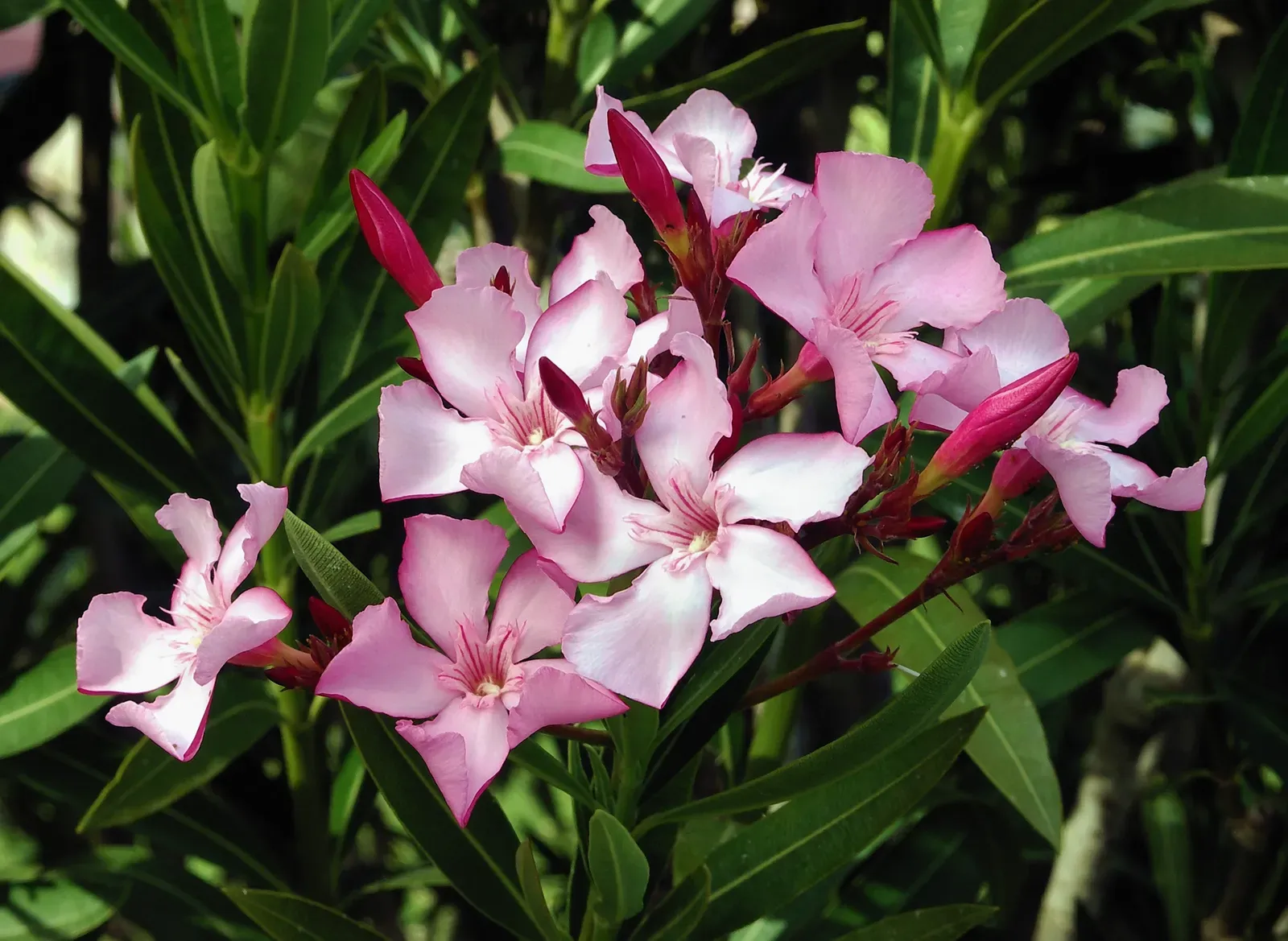
Oleander grows wild in some southwestern parts of the United States including Arizona, California, and Texas. Like lily of the valley, the toxic components of oleander are known as cardiac glycosides, and all parts of the plant are toxic when ingested. Its clusters of pink, white, red, and yellow blooms make it one of the most popular landscaping plants across warmer climates, which makes the danger that much more widespread. Oleander is considered extremely poisonous, and eating even a small amount can prove fatal.
The Nerium oleander plant contains cardiac glycosides called cardenolides, which interfere with the electrolyte balance of the heart as well as other muscles, resulting in cardiac and gastrointestinal issues. Symptoms of toxicity with these cardiac glycosides are typically associated with cardiovascular signs such as arrhythmias. Symptoms typically develop within 4 to 12 hours of ingestion. If you live in a warm climate and have this plant in your yard, consider replacing it. Dog-safe alternatives include butterfly bush (Buddleia davidii) instead of oleander.
5. Lily of the Valley (Convallaria majalis): Small Flowers, Big Danger
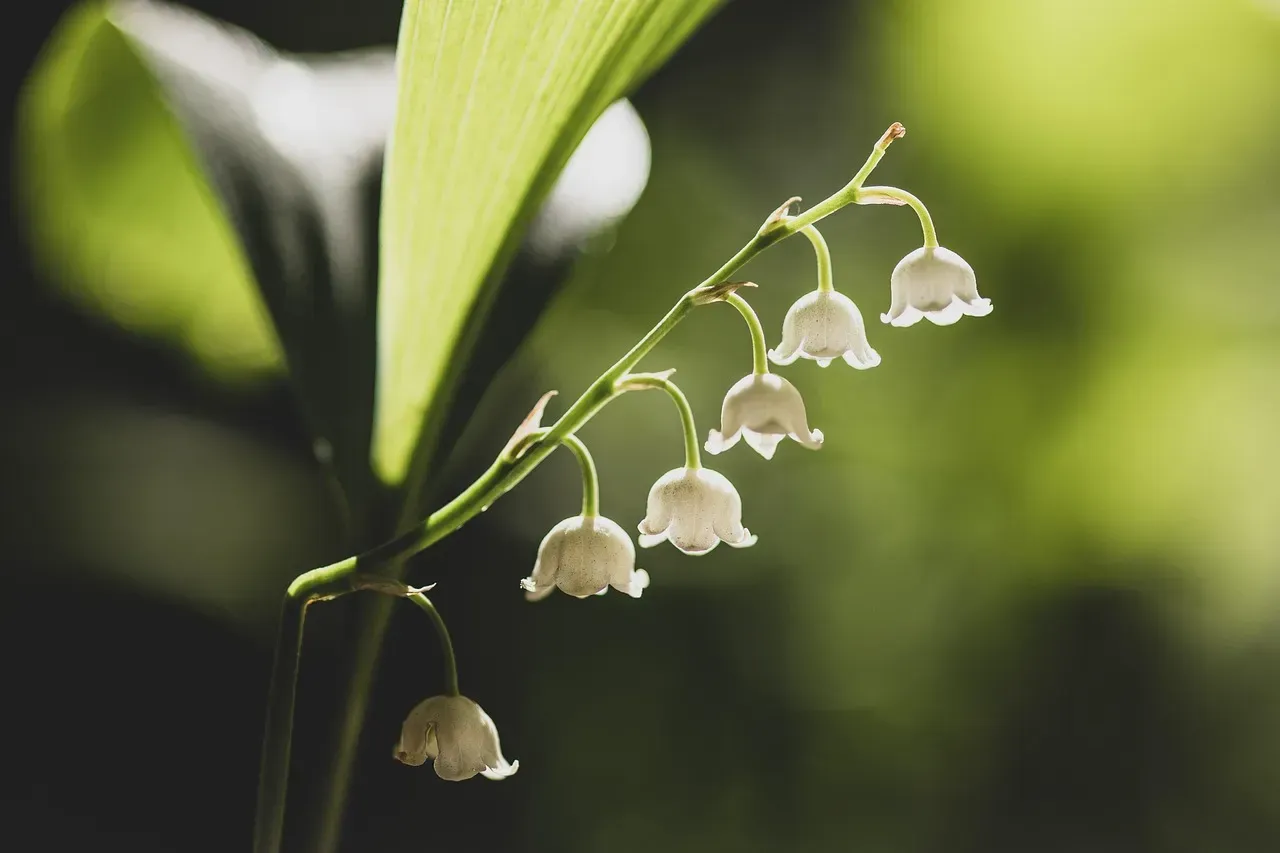
There are a ton of reasons why lilies of the valley are such popular garden plants: they are sweet-smelling, they have adorable little white bell-shaped flowers, and they can thrive in shady places. Though they may be pretty, lilies of the valley are poisonous to dogs. They’re the kind of plant you’d happily tuck into a shaded corner of the garden without a second thought, which is exactly why they’re so dangerous. These flowers contain cardiac glycosides that can cause several serious issues for dogs.
Symptoms of ingestion include diarrhea, vomiting, a drop in heart rate, and cardiac arrhythmia. Plants including lily of the valley contain compounds that interfere with the sodium-potassium pump in heart muscle cells. Disruption of this pump causes abnormal electrical conduction in the heart, leading to arrhythmias. Even small quantities can produce life-threatening cardiac effects in dogs, requiring aggressive veterinary management. Keep this one completely out of reach, ideally not in any part of your yard that your dog can access.
6. Autumn Crocus (Colchicum autumnale): The Delayed and Deceptive Threat
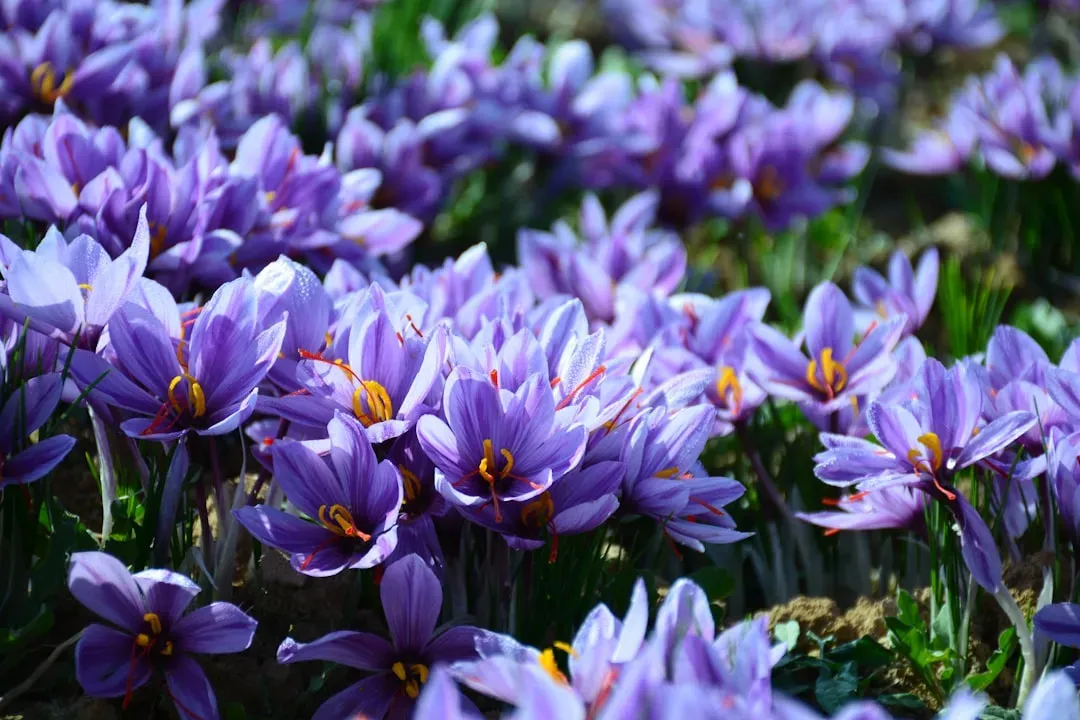
Autumn crocus contains colchicine, which is extremely toxic, causing gastrointestinal bleeding, severe vomiting, kidney and liver damage, and respiratory failure. Symptoms might be delayed for several days, so don’t wait to seek veterinary attention if your dog has ingested any part of this plant. That delay is what makes this plant so particularly treacherous. By the time symptoms appear clearly, the toxin may have already caused significant internal damage. Autumn crocus flowers in September and October directly from the bare ground with no leaves visible, making identification tricky. The bulb-like corms are especially attractive to digging dogs.
Colchicine in autumn crocus disrupts cell division throughout the body, causing multi-organ failure that may not be apparent until well after initial ingestion. It’s also worth noting that colchicine is used medicinally in humans, but that doesn’t make it safe for dogs in any concentration. Autumn crocus is toxic to dogs and cats, and ingestion leads to severe organ damage and potential fatality. Replace autumn crocus in dog-accessible areas with the non-toxic spring crocus, which is a far safer alternative.
7. Foxglove (Digitalis purpurea): Nature’s Heart Drug Gone Wrong
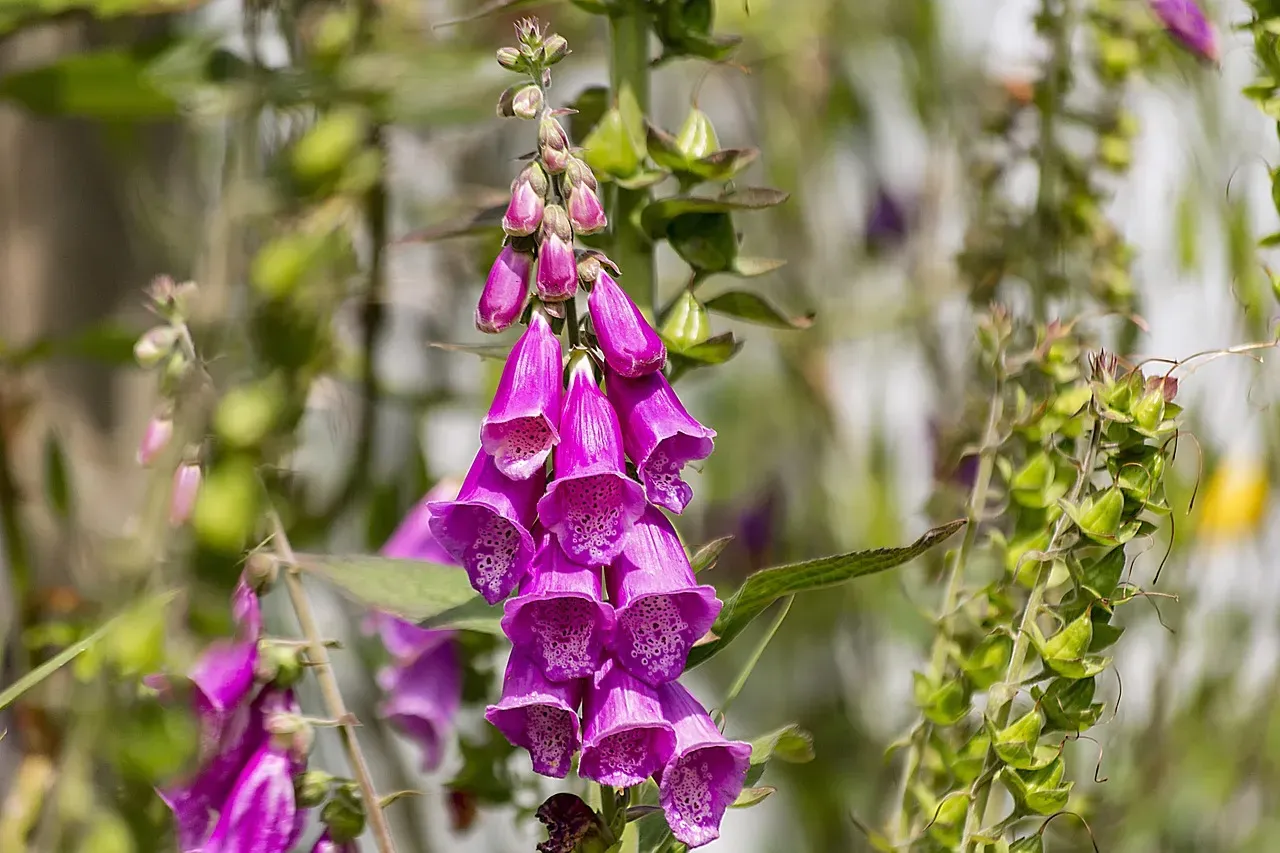
All parts of foxglove, from the seeds to the petals, are extremely toxic to dogs. Ingestion can cause cardiac failure and even death. Foxgloves are dramatic, tall, and achingly beautiful, which is why they’re a staple in cottage gardens and wildflower plantings. Their link to heart medication makes them seem almost medicinal, but the therapeutic range in humans doesn’t translate to safety for dogs. All parts of the foxglove plant are poisonous to dogs, cats, and even humans. These toxins, called cardiac glycoside toxins, affect the heart by disrupting its internal balance.
Foxglove can cause vomiting, diarrhea, abnormal heart rhythms, weakness, collapse, seizures, and coma. If you believe your dog has ingested or chewed a piece of this plant, treat it as a medical emergency and contact your vet as soon as possible. Foxglove poisoning lacks an antidote, so supportive therapy becomes the primary treatment approach. Watch for any signs of weakness or collapse, especially after outdoor time in gardens where foxgloves grow wild or are cultivated.
8. Aloe Vera: Your Skincare Staple Is Your Dog’s Stomach Problem
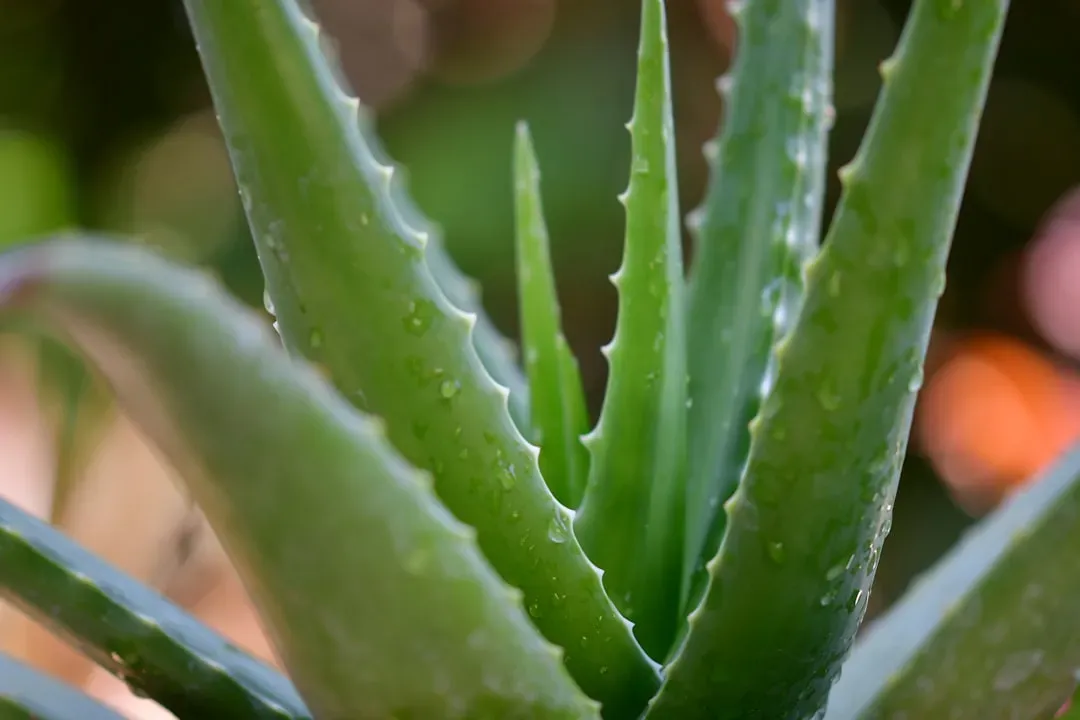
Aloe vera is practically a household staple for humans. Burns, sunburns, skin irritation – it’s the go-to plant for natural relief. For dogs, though, the picture changes entirely. The white sap of an aloe vera plant found inside the plant’s leaves is toxic to dogs. The gel inside aloe leaves is generally safe, but many aloe-based products may contain other harmful ingredients, so always check labels if your dog accidentally ingests any type of aloe vera product.
The white sap present in the leaves is highly irritating to the gastrointestinal tract and can cause severe diarrhea and decreased energy levels if ingested. When ingested, there is also a component in the plant that can cause a dog’s urine to turn red. This urine is not harmful, but it can be unsettling to see. Keep your aloe plant on a high shelf, well out of reach, and if you apply aloe vera products to your own skin, make sure your dog isn’t licking the area. To prevent aloe poisoning in a dog, keep aloe plants and aloe-containing products out of your dog’s reach, and never apply aloe products to your dog’s skin.
9. Pothos and Dieffenbachia: The Trendy Houseplants With Sharp Secrets
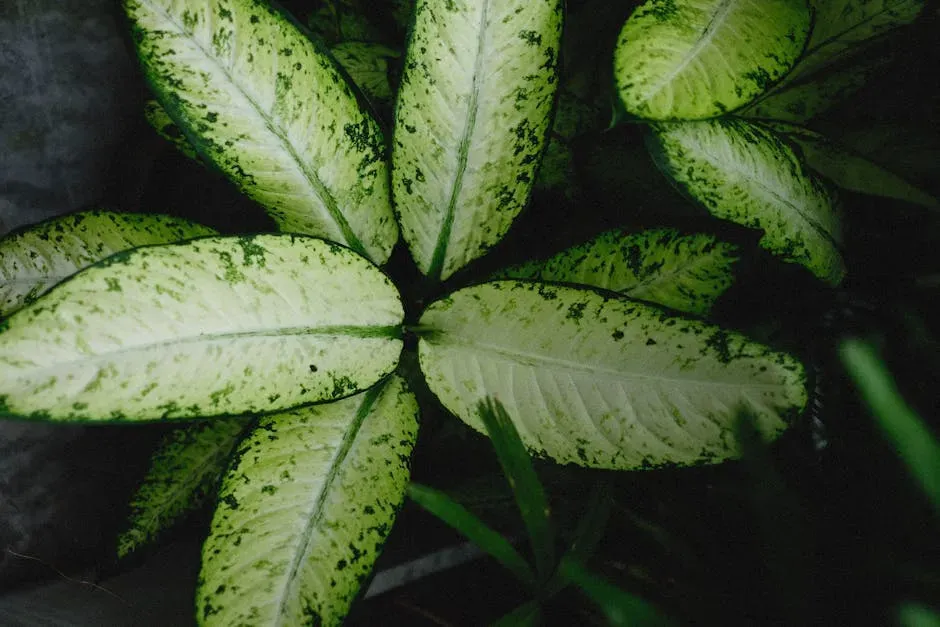
Pothos and dieffenbachia are two of the most popular indoor plants around, and for good reason: they’re low-maintenance, lush, and incredibly forgiving of neglect. Unfortunately, they’re both genuinely risky for dogs. Pothos (also known as devil’s ivy) is a common indoor plant that contains insoluble calcium oxalates which can cause oral irritation such as pain and swelling of the mouth, tongue, and lips, along with excessive drooling, vomiting, and difficulty swallowing.
Dieffenbachia stems and leaves contain acid and microscopic needle-like crystals that wreak havoc on your dog’s mouth, throat, and stomach and could potentially lead to asphyxiation. Imagine stepping on a tack – now imagine that happening inside your dog’s mouth. That’s essentially what those crystals do. Use hanging baskets, tall plant stands, or closed rooms to limit access. If you love these plants and don’t want to give them up, elevation is your best friend. Keep them high, keep them unreachable, and train your dog to leave plants alone from an early age using the “leave it” command.
10. English Ivy (Hedera helix): The Climbing Vine That Can Drop Your Dog
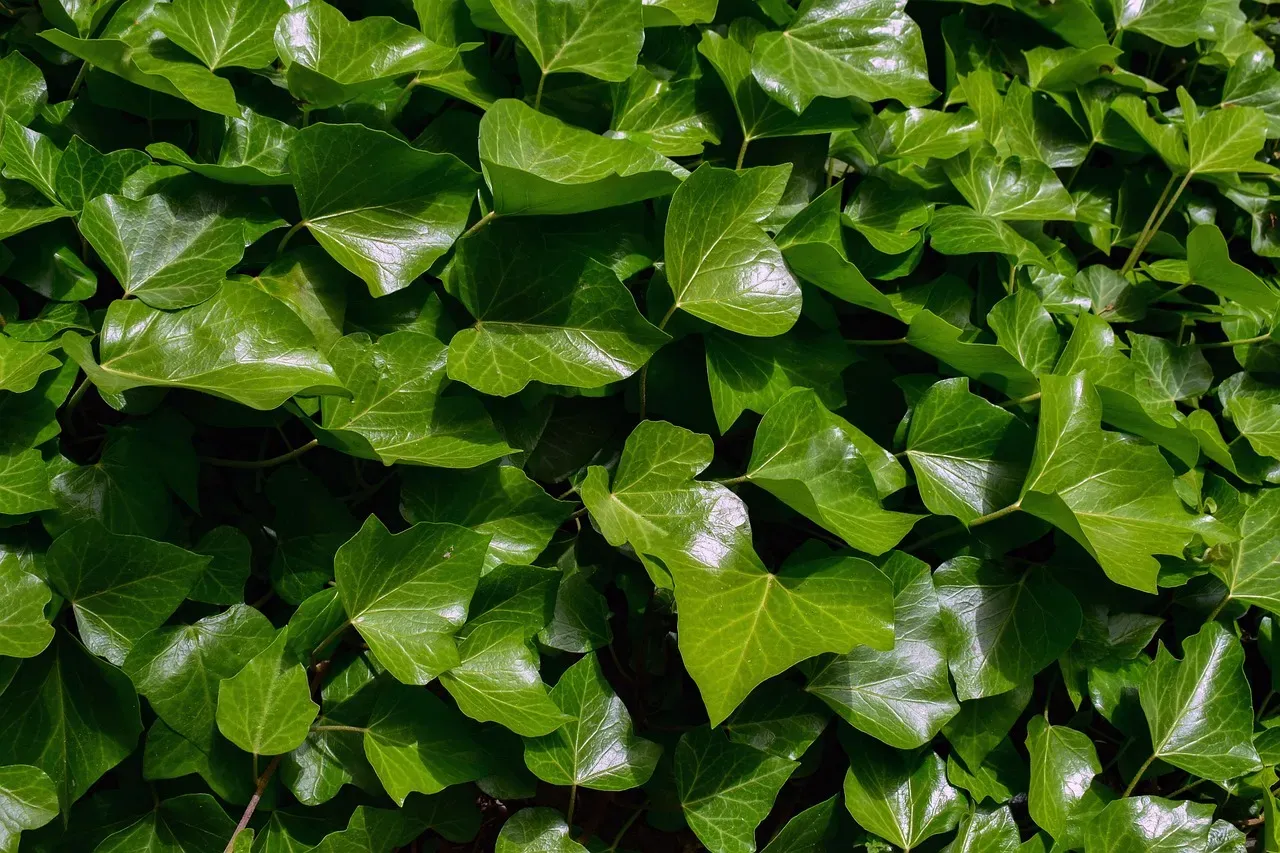
English ivy is a classic. It drapes beautifully over fences, climbs walls, and spills elegantly out of hanging baskets. It’s also one of the more underestimated plant hazards for dogs. English ivy is toxic to dogs and contains triterpenoid saponins which cause vomiting, abdominal pain, hypersalivation, and diarrhea. The foliage is more toxic than the berries.
Even regular ivy can be harmful to a dog even though it’s quite pretty. A dog may develop a rash or breathing problems if the plant is eaten, and things can become much worse as ivy can also lead to a coma or paralysis. There are a few varieties of ivy that are toxic to dogs, including branching, needlepoint, and English ivy. All three contain triterpenoid saponins, with the leaves being the most toxic part of the plant. If ivy is growing along your fence line or sprawling across your garden, watch your dog’s access to it closely, and consider whether there’s a safer ground cover that could serve the same aesthetic purpose without the risk.
What To Do If Your Dog Has Eaten a Toxic Plant
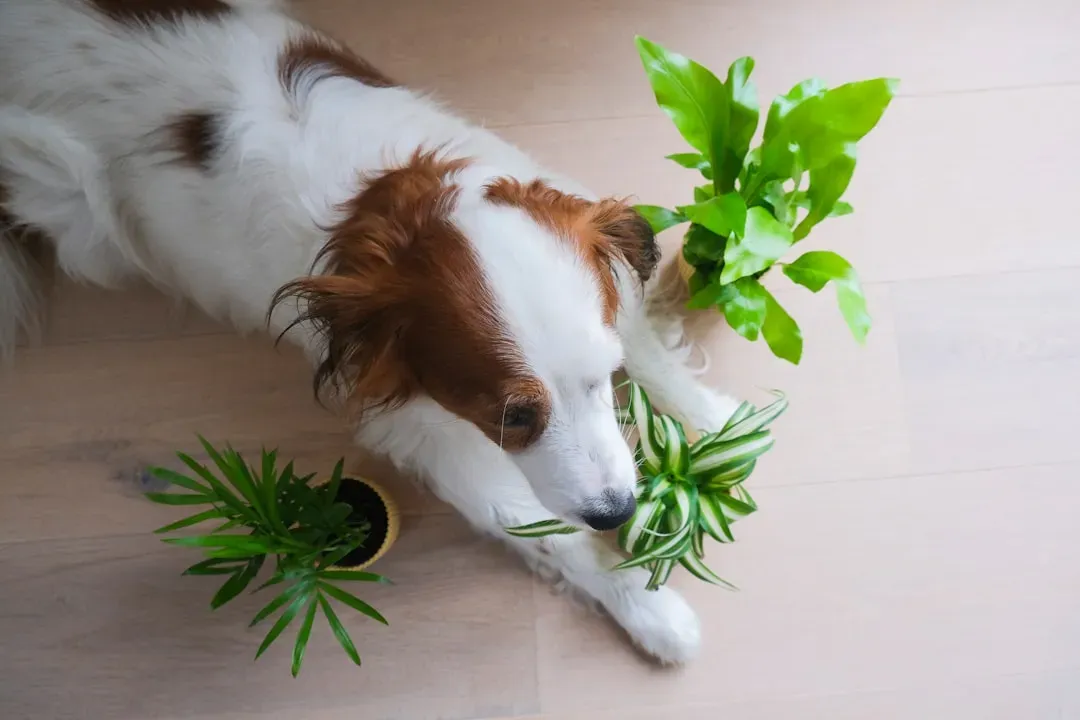
The prognosis for plant toxicity in dogs is generally good with prompt veterinary treatment, and most dogs recover fully when they receive care quickly. Speed is everything here. If you think your dog may have eaten any poisonous plant, don’t wait. Contact your vet or your local emergency vet right away to describe what they’ve eaten and any symptoms they’re experiencing.
Try to identify the plant by taking a sample, a photo, or by collecting any vomit in a plastic bag. This detail could save your dog’s life, because identifying the toxin helps vets choose the right treatment faster. Do not wait for symptoms to appear, and do not induce vomiting unless directed by a veterinarian. If you’re unsure what your dog ate, call the ASPCA’s Animal Poison Control Hotline at 888-426-4435 or the Pet Poison Helpline at 855-764-7661. They’re available 24 hours a day, 365 days a year, and can tell you how toxic the plant is and whether you need to seek veterinary care.
Conclusion: A Safer Home for a Curious Dog

Dogs don’t instinctively know which plants are dangerous. Because every dog reacts differently, even small exposures can have big consequences. Prevention, supervision, and education are your best defenses. You don’t have to give up every plant in your home or rip up your entire garden. You just need to know what’s there and take thoughtful steps to manage access.
Teaching your dog the “leave it” cue helps prevent them from interacting with off-limits items, including plants. Use positive reinforcement when they respond correctly. Audit your indoor and outdoor spaces, research anything unfamiliar, and when in doubt, choose a dog-safe alternative. Preventing exposure to toxic plants is the most effective way to protect your dog.
Loving a dog well means staying curious yourself. The more you know about what’s growing around your home, the better equipped you are to make sure your curious canine gets to keep sniffing safely for many years to come.


