

You step outside, coffee in hand, ready to enjoy a quiet morning in your garden – and then you see it. Craters. Everywhere. Your carefully tended flower bed looks like a moonscape, and your dog is sitting right next to the evidence, tail wagging, looking absolutely delighted with themselves.
Sound familiar? If you share your life with a dog who digs, you’re definitely not alone. Digging is a very common thing that dogs do, and there are many reasons why your dog may dig, ranging from natural tendencies and instincts to underlying behavioral issues. The good news? Once you understand the “why,” the “how to stop it” becomes so much clearer. Let’s dig in.
1. It’s Simply In Their DNA
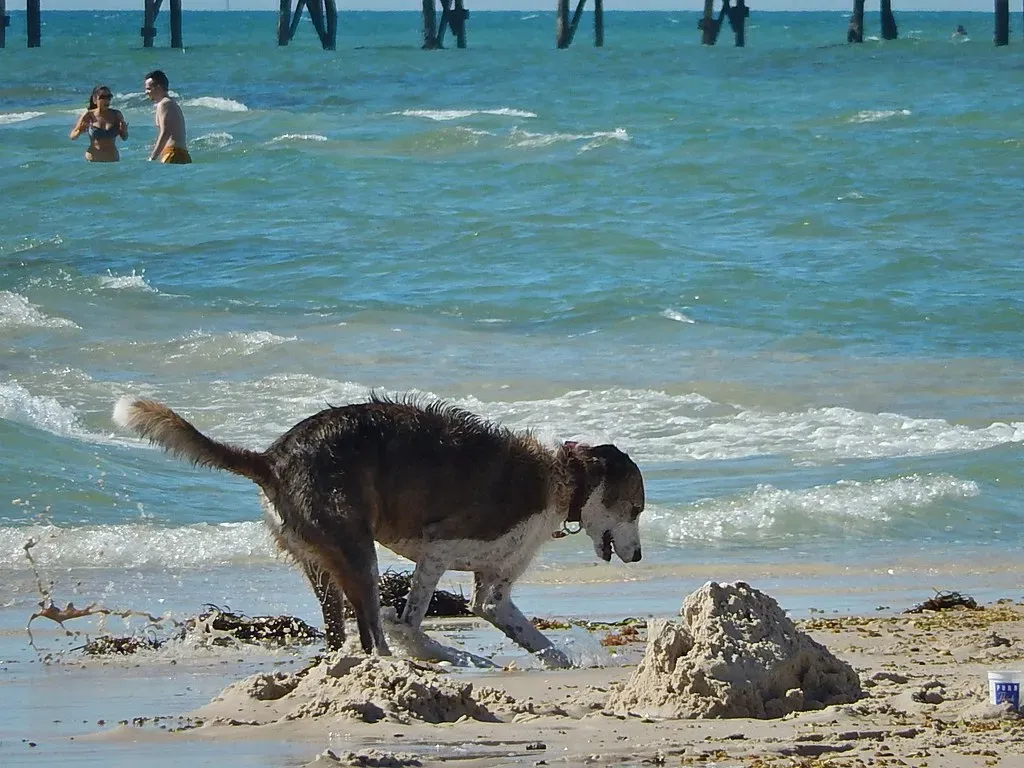
Here’s the thing – before we even talk about stopping the behavior, we need to make peace with one truth: the short answer to why dogs dig is because it’s what dogs do. This instinct traces back to their wolf ancestors and is as natural to dogs as sniffing, chewing, or wagging their tails. Your dog isn’t trying to ruin your garden. They’re just being a dog.
It’s clear that digging is an instinctive canine behavior – after all, dogs even dig in the couch cushions before lying down for a nap. So before you get frustrated, take a breath. This is ancient, wired-in behavior. The goal isn’t to completely eliminate it, but to manage it wisely.
The fix? Create a designated dig pit in your yard to provide an outlet for your dog’s digging needs. This area should be filled with loose soil or pet-safe sand and can be bordered with rocks or wood panels. Encourage your dog to use this area by burying toys or treats for them to discover.
2. Boredom and Too Much Pent-Up Energy
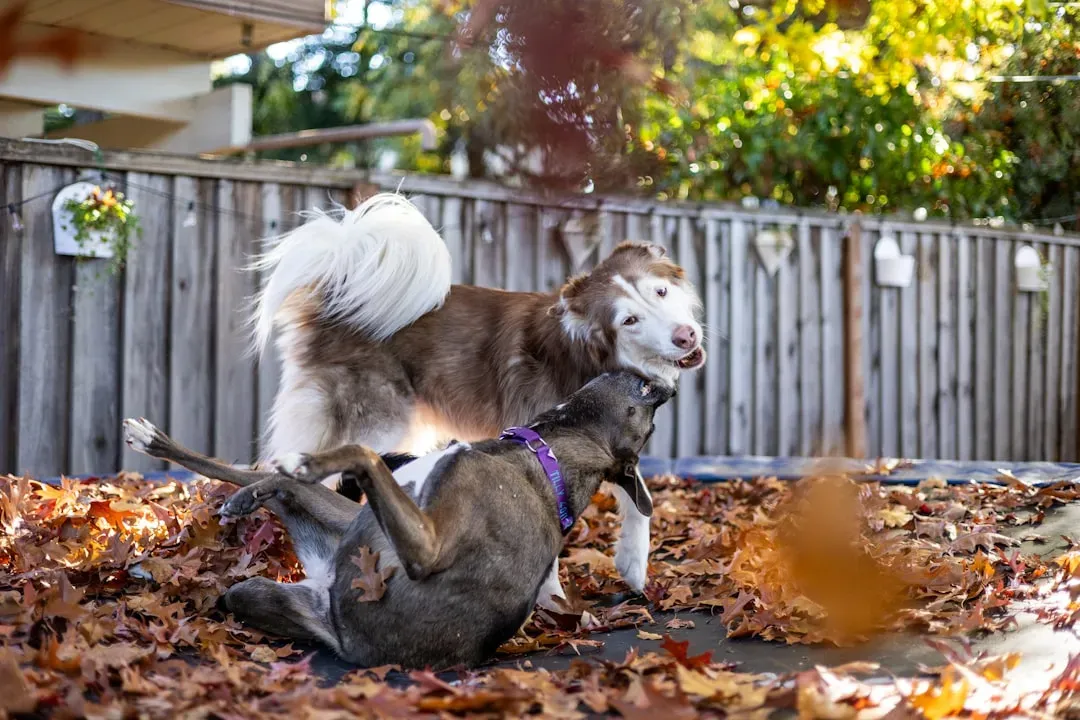
Imagine being stuck home all day with absolutely nothing to do. You’d probably reorganize the furniture, right? Well, your dog reorganizes the yard. Dogs who are left outside for long periods without company, exercise or mental stimulation often resort to digging to relieve boredom and work off excess energy.
Dogs that are bored may dig when alone, especially for long periods. This is an attention-seeking behavior and may be accompanied by other destructive or disruptive behavior such as chewing furniture or barking incessantly. If your dog is doing all three, that’s a pretty strong message.
The fix? Regular physical exercise through walks, runs, or play, as well as mental enrichment through training and puzzle toys, can help redirect energy and reduce digging tendencies. A tired dog, honestly, is a much happier and better-behaved dog.
3. They’re Hunting for Prey Underground
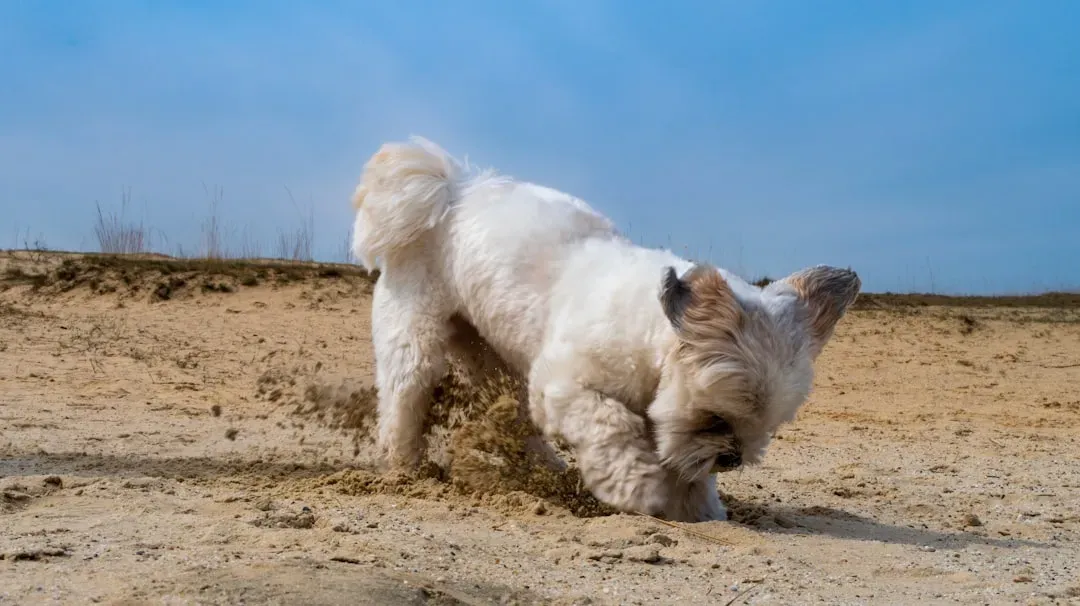
Does your dog go completely frantic in one specific corner of the yard? Nose to the ground, whining, tail going wild? Dogs use their acute senses of hearing and smell to detect underground prey, even including large insects. If you notice your dog always digs in one particular area, appears highly excited, barks or puts their nose into the ground, it’s most likely their digging is for hunting purposes.
Dogs with a high prey drive are likely to dig in order to go after rodents or other small animals they can hear or smell underground. This is especially true of terriers and small hound breeds such as dachshunds, who were bred to hunt rodents. For these dogs, digging isn’t naughty, it’s a career calling.
The fix? If you have moles or other rodents residing in your yard, to stop your dog’s digging, you’ll want to address the rodents. Once you remove the prey, there is no reason to dig in an effort to hunt. Use only pet-safe, humane methods to relocate wildlife.
4. They’re Trying to Beat the Heat
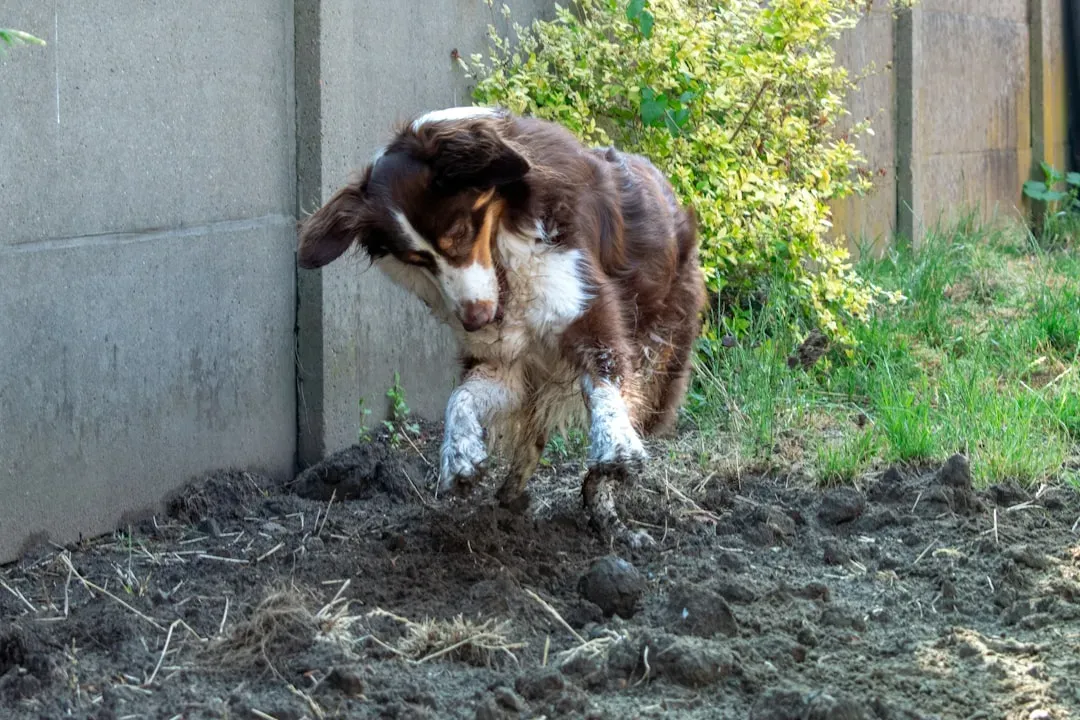
On a blazing summer afternoon, your dog has one very practical goal: find somewhere cooler. Dogs are inventive and resourceful, and they may dig a hole to cool themselves in the soil in hot weather or to seek protection from the cold, wet or wind, especially if they are left outside without adequate shelter. The earth a few inches down is genuinely cooler – it’s like natural air conditioning for dogs.
Dogs may dig a shallow bed in the cool earth to help beat the heat on a warm summer’s day. Thick-coated Northern breeds like the Alaskan Malamute or Siberian Husky may be especially prone to this. It’s not mischief, it’s pure survival instinct at work.
The fix? If you’re wanting to spend time outside on a nice day, create cooling-off opportunities that don’t require any digging. This could be a kiddie pool filled with water, a sprinkler running, or putting out cooling mats. Set up umbrellas or other shade for your dog to rest under.
5. Anxiety and Separation Stress
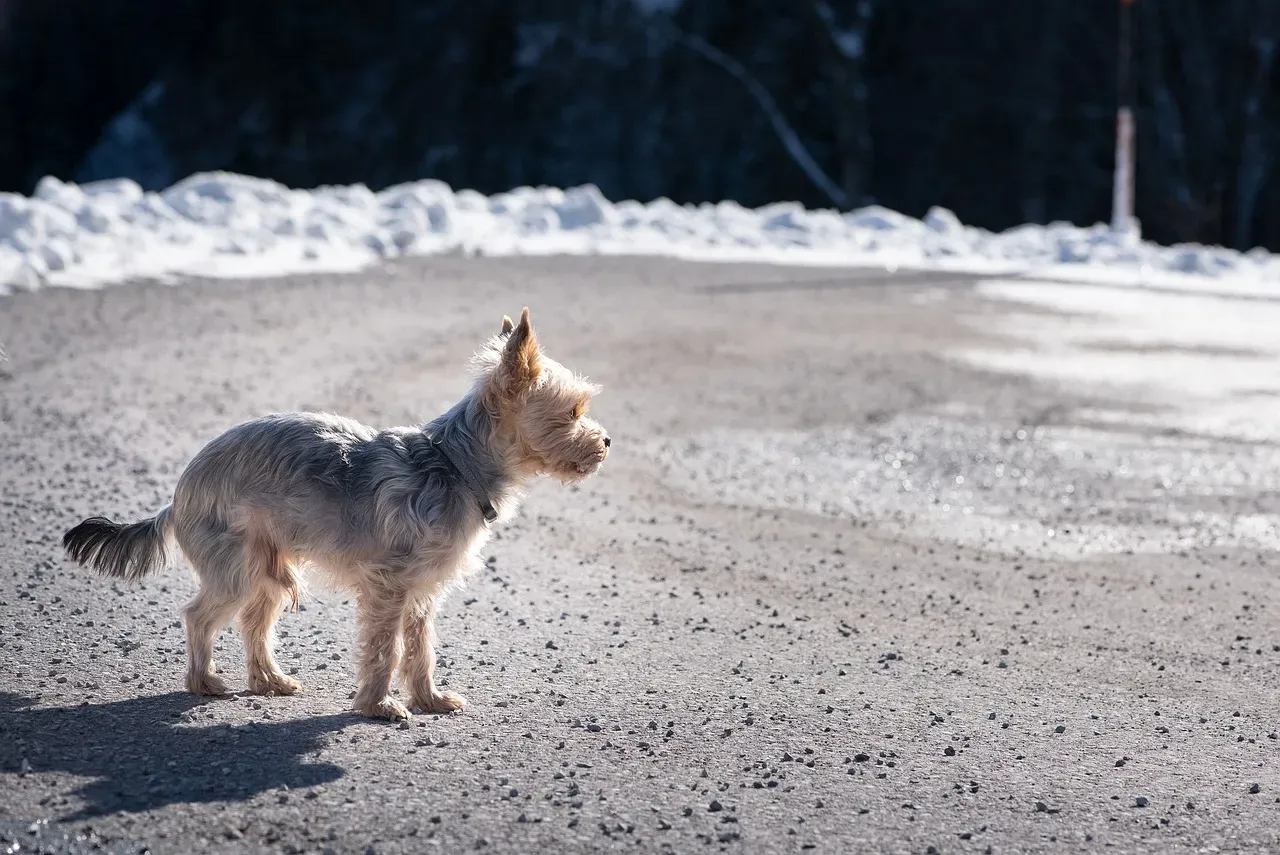
This one hits differently, because it means your dog isn’t just bored – they’re genuinely distressed. Anxiety happens when you are away. Your dog may be anxious when left alone or as you’re getting ready to leave. They may exhibit whining, pacing, and be very excited when you get home, and you may find destruction around windows and doors or other unwanted behaviors.
Digging to escape is often due to separation anxiety when dogs are left alone for long periods, and this may also be accompanied by excessive barking and destructive behavior. Dogs are social animals and are not suited to being left alone for extended periods. Think of digging as their way of trying to find you.
The fix? Ways to avoid this include doggy day care, a dog minder or a dog walker to help break up the long periods you might be away from your furry friend. Gradual desensitization to your departures can also work wonders over time.
6. They’re Trying to Escape the Yard
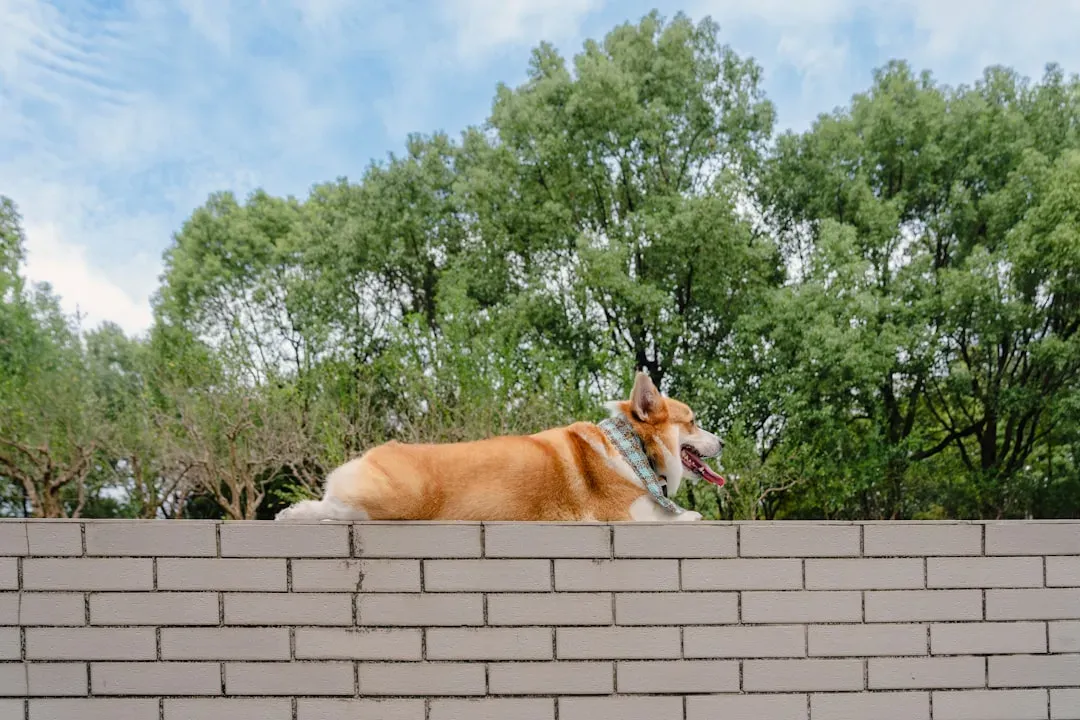
Fence-line digging is one of the most worrying kinds, and not just for your landscaping. Some dogs dig to try to escape their yard. Boredom could play a role, or a dog may hear or smell something on the other side of the fence that they want to explore. It could be a neighbor’s dog, a stray cat, or just the intoxicating smell of the wider world beyond.
The dog may bark and run along the fence line, growl or lunge at a fence toward neighbor dogs, escape out open gates, or wait to bolt at gates when people come in/out. If this sounds like your dog, take it seriously – an escaped dog faces real dangers.
The fix? Place large rocks, partially buried, along the bottom of the fence line, or bury the bottom of the fence one to two feet below the surface. Neutering intact males also helps significantly, as hormonal roaming drives are a major trigger.
7. Burying Their Treasures
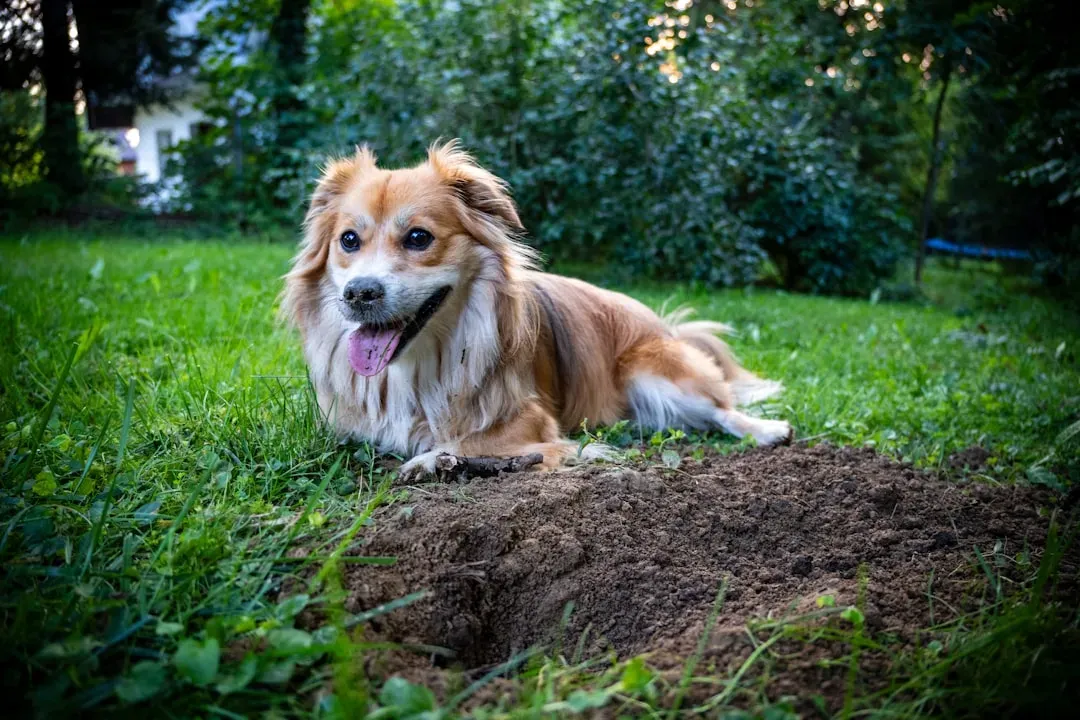
I think this one is actually kind of adorable, if a little inconvenient. In the wild, dogs often bury food to keep it safe for future consumption. Domestic dogs may bury items they consider valuable – a bone, a toy, or your favorite shoe – so they can use it again at a later day, providing they can remember where they hid it.
Some dogs like to bury treasures, such as a treat or a favorite toy, for safekeeping. Unfortunately, they don’t always remember to make a treasure map, which leads to more digging as they search for their hidden cache. The irony of a dog desperately digging to find a bone they themselves buried is genuinely endearing.
The fix? Give the dog treats and toys inside the house only, and perhaps only give treats and toys when they are away from other dogs. Provide them with outdoor-only toys that aren’t worth hoarding. A designated digging zone also gives them an acceptable burial ground.
8. It’s a Breed Thing (And They Can’t Help It)

Let’s be real – if you have a Jack Russell Terrier and they dig, you can’t really be that surprised. Digging is more common in dogs such as terriers or small hound breeds such as Dachshunds, whose digging instincts have been intensified by selective breeding to optimize their ability to hunt rodents or flush out prey from burrows.
A working dog breed like a Border Collie or Australian Shepherd might start digging if they don’t have a job to do. Dogs like this prefer to have a task at hand for most of their day and have very high needs for attention and engagement – if those needs aren’t met, they will resort to digging. It’s less defiance, more unemployed talent.
The fix? Work with your dog’s nature rather than against it. Pinpoint what they were bred to do. For example, tracking breeds like Bloodhounds or Beagles might enjoy scent games instead of digging. Channeling instincts into structured, breed-appropriate activities is pure gold.
9. Nesting and Comfort-Seeking
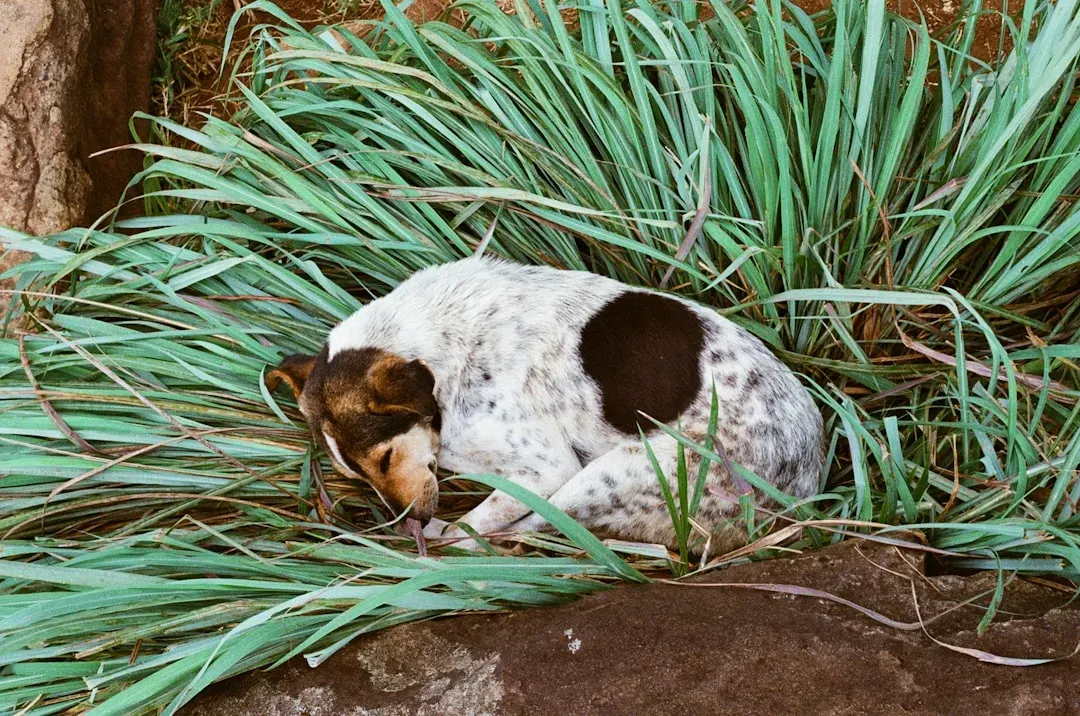
You know how you rearrange your pillows three times before you can fall asleep? Dogs do something remarkably similar. Does your dog dig at blankets or pillows in order to create the perfect napping spot? This behavior is called nesting. Nesting is a way for wild dogs to remove stones or sticks from an area to create a comfy place to sleep.
Pregnant females may also be inclined to dig as part of their denning instinct. It’s an ancient impulse to create a safe, soft, sheltered space – whether for themselves or for expected pups. If the digging seems ongoing, your dog may have a physical ailment that is preventing them from getting comfortable. This could indicate a medical issue such as arthritis or skin allergies, or it could be a sign their bed isn’t comfortable.
The fix? Make sure your dog’s sleeping area is genuinely cozy. Thick, washable dog beds or blankets they can “rearrange” to their liking can satisfy that nesting urge completely, no garden destruction required.
10. They’re Seeking Your Attention

Here’s a twist that many dog parents don’t immediately consider: your reaction to the digging might actually be making things worse. Some dogs will dig in a bid for attention – especially if you tend to react to their digging by saying “no” or “stop.” If they notice it gains your attention and they aren’t getting enough of it, the digging might be a showy effort to get you to look their way.
Think about it from your dog’s perspective. Digging equals you rushing outside, making eye contact, talking directly to them. From their point of view? That’s a win. Dogs who resort to boredom digging probably aren’t getting enough stimulation, so take time to really connect with your dog – and not just on walks.
The fix? Reward calm, quiet behavior generously. Once your dog understands a recall cue, you can use it in the yard when you see them about to dig. Say “leave it” firmly, and when your dog stops or redirects their attention, immediately reward them with praise and a treat. Over time, your pup will learn that stopping the behavior leads to something even better.
A Final Word: Understanding Before Correcting
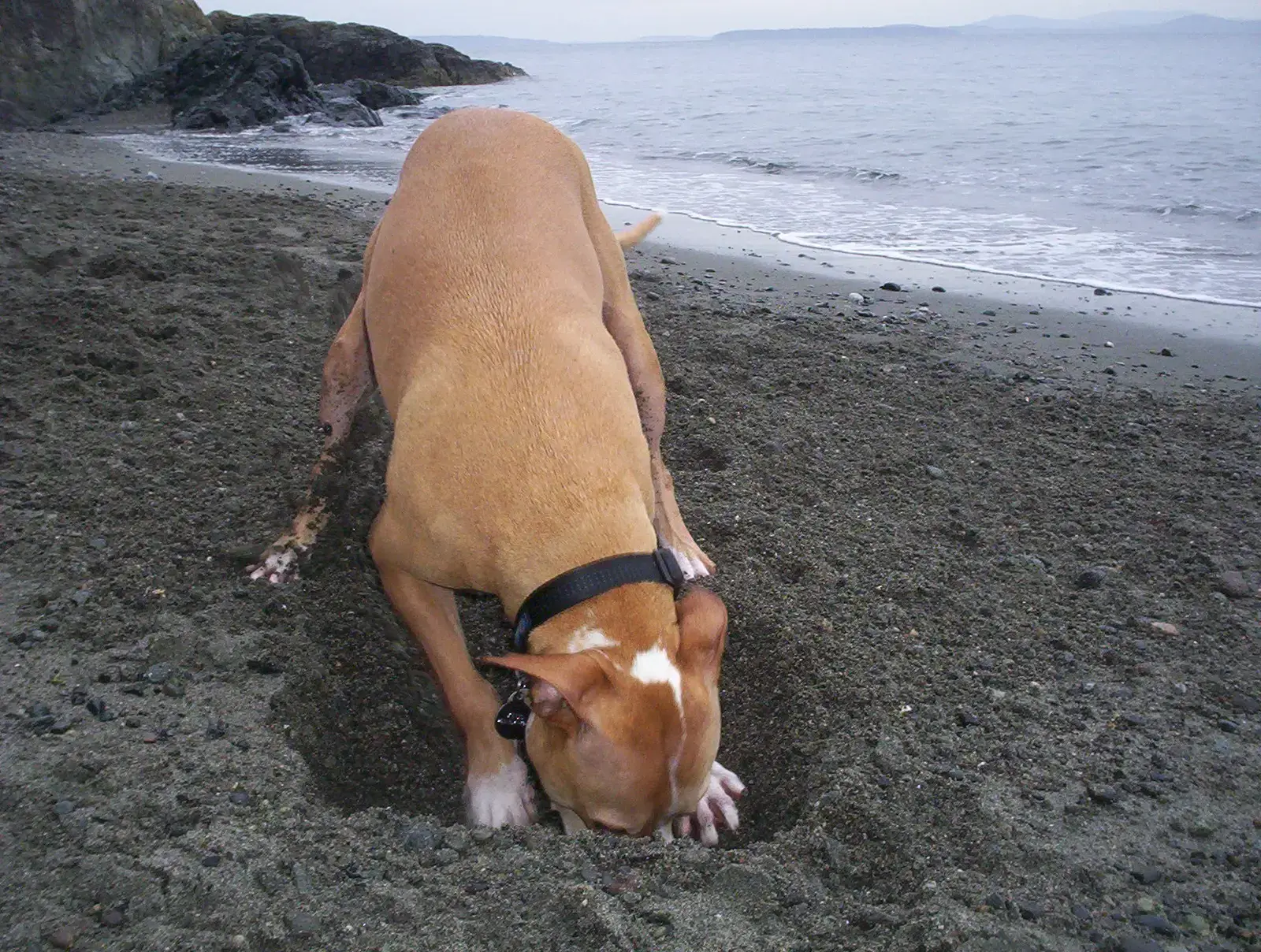
If there’s one thing I want you to take away from all of this, it’s that your dog is not digging to spite you. If your dog is leaving craters all over your yard, it’s important to know your dog isn’t doing it out of spite or a desire to destroy your landscaping – more likely they’re seeking entertainment, attention, comfort, escape, prey or protection. Every hole tells a story.
There is no point in getting angry at your dog or punishing them for digging. Getting angry will only increase your frustration and damage the relationship between you and your dog. It won’t stop the digging. Empathy, patience and smart management are your best tools here.
The journey to a hole-free yard starts with curiosity, not frustration. Watch your dog. Notice when and where they dig. Ask yourself what they might be feeling or chasing. By identifying the cause, you will be more effective at reducing the behavior. You and your dog are a team, and honestly, a little dirt never hurt anyone. What kind of digger do you have on your hands? Drop a comment and tell us – we’d love to hear your story!


