
One moment your dog is cuddled up on the couch with you, and the next they’re growling, snapping, or lunging at someone they’ve known for years. If that sounds familiar, you’re probably feeling a mix of confusion, worry, and maybe even a little heartbreak. Trust me, you’re not alone.
Aggression in dogs is often misunderstood. While some assume it’s a personality flaw or an issue of dominance, the reality is far more complex. Dogs don’t snap for no reason. There’s always something going on beneath the surface, and your job as a loving dog parent is to figure out what that is.
The good news? Most cases of sudden aggression are very explainable once you know what to look for. Let’s dive in.
1. They’re in Pain and Can’t Tell You

Think about how grumpy you get when you have a pounding headache or a pulled muscle. Now imagine not being able to say a single word about it. That’s your dog’s reality. Dogs use aggression to protect themselves from pain, and even the most gentle dog can become aggressive when it’s hurt.
Pain may be the culprit if your dog suddenly growls when touched or snaps when approached. Conditions such as arthritis, dental infections, or even a thorn stuck in their paw can cause discomfort that manifests as anger and aggression. Watch for sudden flinching, limping, or reluctance to be touched in specific areas. Those are your first clues.
An untreated ear infection, joint discomfort, tooth decay, or cancer are among the medical situations that can lead a dog to lash out. Medical problems such as hypothyroidism or a Lyme disease infection can also lead to a dog becoming suddenly aggressive. Always get a full vet check before assuming the issue is purely behavioral.
2. Fear Has Taken Over

Fear is the number one cause of aggressive behavior in dogs. Honestly, this surprises a lot of people. We tend to picture aggression as this bold, dominant behavior, but more often than not, it’s a terrified dog screaming “stay away from me!” in the only language they know.
A fearful dog may become aggressive if cornered or trapped. This is called the flight response. But if escaping isn’t an option, most animals will switch to a fight response. Think of a dog backed into a corner at the vet, or a rescue pup who hasn’t learned to trust yet.
Body language cues to watch for include a lowered or tucked tail, ears pulled back, wide eyes with large pupils, a tense face or body, crouched positioning, or making themselves small. Behaviours that may indicate fear can include tremors, panting, standing still, looking away, or freezing. If you see these signs, give your dog space immediately.
3. Resource Guarding Is Kicking In
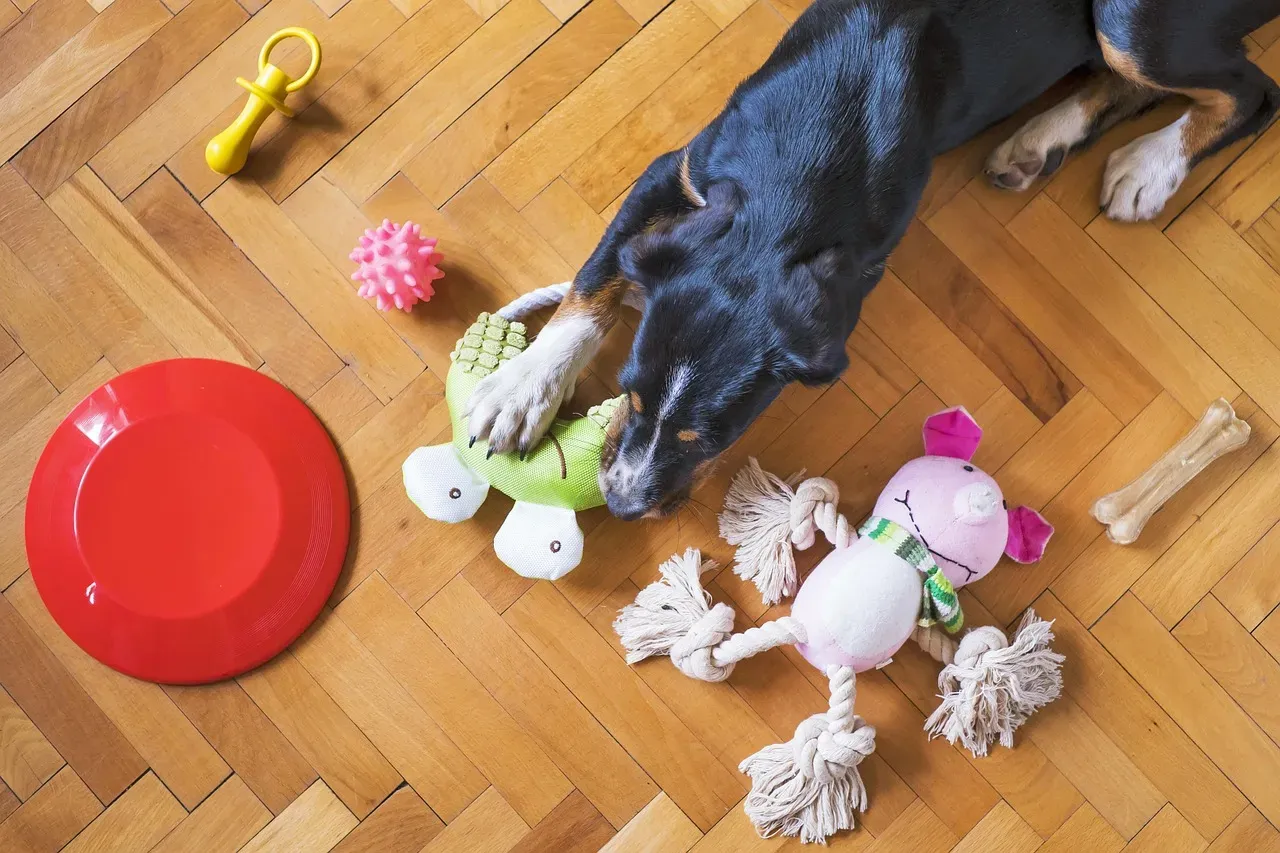
Resource guarding can lead to canine aggression when the dog feels that a cherished or important item is in danger of being taken away. Dogs guard favorite toys, food, bedding or chosen nap spots, and even certain people, and they will respond with aggression if they feel they might lose the item. It sounds dramatic, but to your dog, it makes complete survival-level sense.
Some dogs guard their chew bones or their toys, while others guard their favorite resting spots, their crates or their beds. Teaching the command “leave it” can help a dog learn that it’s okay to give up something that is important to them. Pair that with positive rewards and you’ll be well on your way.
4. Territorial Instincts Are Running Hot

Territorial aggression is similar to resource guarding, but the resource in this case is your dog’s territory, whether that is his dog bed, your house, your yard, or even the neighborhood. They might also become aggressive if they feel their people are in danger. This is especially common in working breeds and guarding breeds, who were literally bred for this trait.
Here’s the thing: a dog who barks and lunges at every delivery person, new visitor, or passing stranger on the street isn’t being “bad.” They’re doing what feels natural to them. The key is consistent training that teaches them those intruders are not threats. Positive reinforcement and behavior modification are the most effective ways to manage territorial aggression. Regular vet check-ups, identifying triggers, and consistent training help prevent and control aggressive behavior before it worsens.
5. Anxiety and Stress Have Hit a Breaking Point

The accumulation of multiple stressors can cause a buildup of internal pressure until the dog finally explodes. Chronic underlying levels of stress keep the dog on edge almost constantly, which sets the stage for overreaction or hypersensitivity to triggers. It’s like a pot slowly coming to a boil. You don’t see it until it’s already overflowing.
One of the main causes of sudden aggression in dogs is reactivity. Reactive dogs respond to certain stimuli such as other dogs on leashes, loud noises, men with beards, or running children in a negative and fear-based way that can lead to aggressive behavior. This fear response can result in growling or even biting. Managing anxiety early with calm environments, desensitization, and sometimes vet-prescribed support makes a world of difference.
6. Hormonal Changes Are Stirring Things Up
Fluctuating hormones during heat cycles in unspayed females can impact aggressive behaviors. Pregnant females, and those who have just given birth, may be prone to aggression due to inherent protective instincts to guard their pups, even before they are born. It’s not a character flaw. It’s biology doing exactly what it was designed to do.
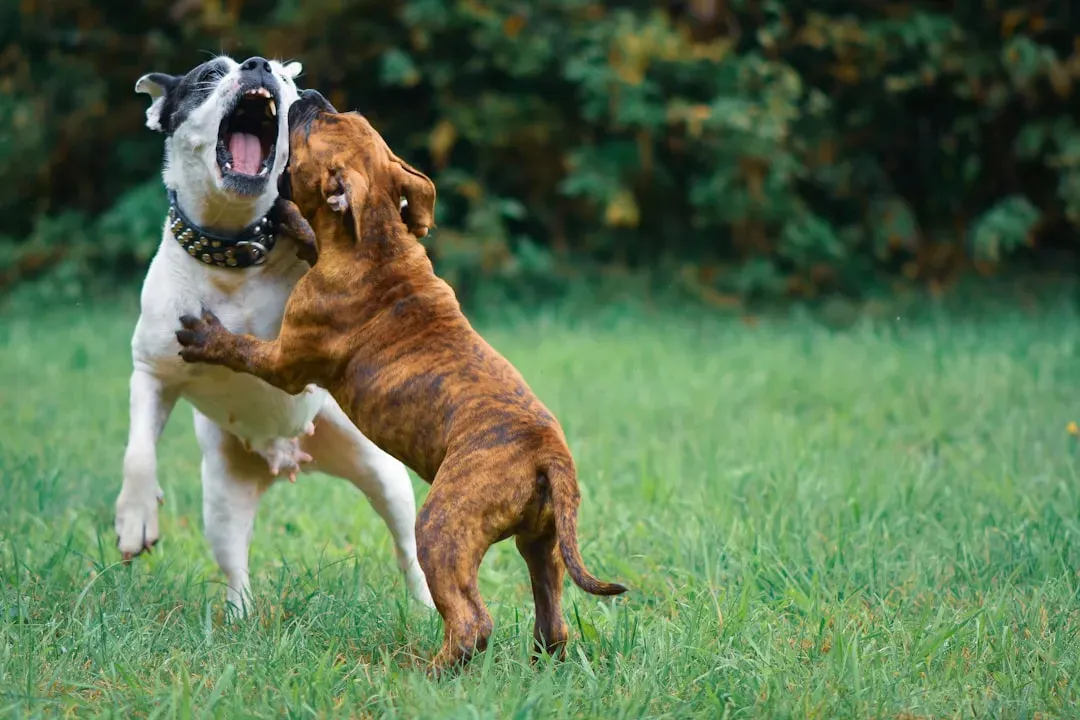
Intact male dogs may become aggressive if they are competing for the attention of a female in heat. Aggression between two male dogs can occur as they strive to dominate access or ownership of resources. This can be exacerbated by increased testosterone levels of intact males. Spaying and neutering remains one of the most effective preventive measures for hormone-driven aggression.
7. A Medical Condition Is Changing Their Brain
Certain medical conditions can alter your dog’s attitude and behavior. Neurological disorders, thyroid imbalances, or cognitive decline in older dogs can increase aggression. Though rare in vaccinated canines, rabies is a well-known illness that causes severe aggression. More commonly, conditions such as brain tumors or canine cognitive dysfunction can make them more irritable and disoriented.
Infectious agents such as rabies, hormonal imbalances such as hypothyroidism, psychomotor epilepsy, hyperkinesis, neoplasia, and a variety of genetic and metabolic disorders can cause or predispose a dog to aggression. I know it sounds scary, but catching these conditions early through routine vet visits can literally be life-changing for your dog.
8. Poor Socialization in Early Life

The most fundamental part of raising a dog is to be sure they have ample opportunities for socialization when they are young. This leads to a confident pup who can enter freely into any situation and not experience the stress that can lead to aggression. A dog who wasn’t exposed to different people, sounds, places, and animals as a puppy is basically walking through the world without a social roadmap.
Lack of proper socialization creates a lack of “social practice,” which makes social situations very stressful for some dogs. Even adult dogs can benefit from gradual, structured desensitization work. It takes time and patience, but a dog learning that the world is safe is one of the most rewarding things you’ll ever witness.
9. Cognitive Decline in Senior Dogs

Cognitive Dysfunction Syndrome is a common age-related disease in dogs that causes deterioration similar to Alzheimer’s disease in humans. Memory, learning, and awareness can all be impacted, sometimes leading to aggression that appears out of the blue. CDS usually begins to appear in dogs after the age of 9. If your older dog suddenly seems confused, startled easily, or snappy in ways they never were before, this could very well be why.
Some dogs may become confused about where they are or who they’re with when they get older. This type of canine dementia may lead to frequent bouts of aggression, especially if your dog is surprised or startled. Unfortunately, there is no known cure for canine dementia. The best solution is to keep your pet as comfortable and content as possible throughout the rest of their life. Soft routines, familiar spaces, and extra patience go a very long way.
10. Boredom and Lack of Mental Stimulation

Although aggression may seem like a strange result of boredom, many bored dogs turn to aggressive tendencies to relieve their pent-up energy. If your dog spends most of their day in their crate or at home without anything to do, they may become aggressive when you finally interact with them at the end of the day. Think of it like a toddler who hasn’t had their nap or playtime. It never ends well.
A bored, underexercised dog can become frustrated, and that frustration might come out as aggression. To combat this problem, enroll your dog in training or work with them yourself so they have something to spend their mental energy on. Make sure you take them on walks and play with them to burn off some physical energy, too. Puzzle feeders, nose work games, and regular exercise are simple but powerful tools.
What to Do When Your Dog Shows Sudden Aggression
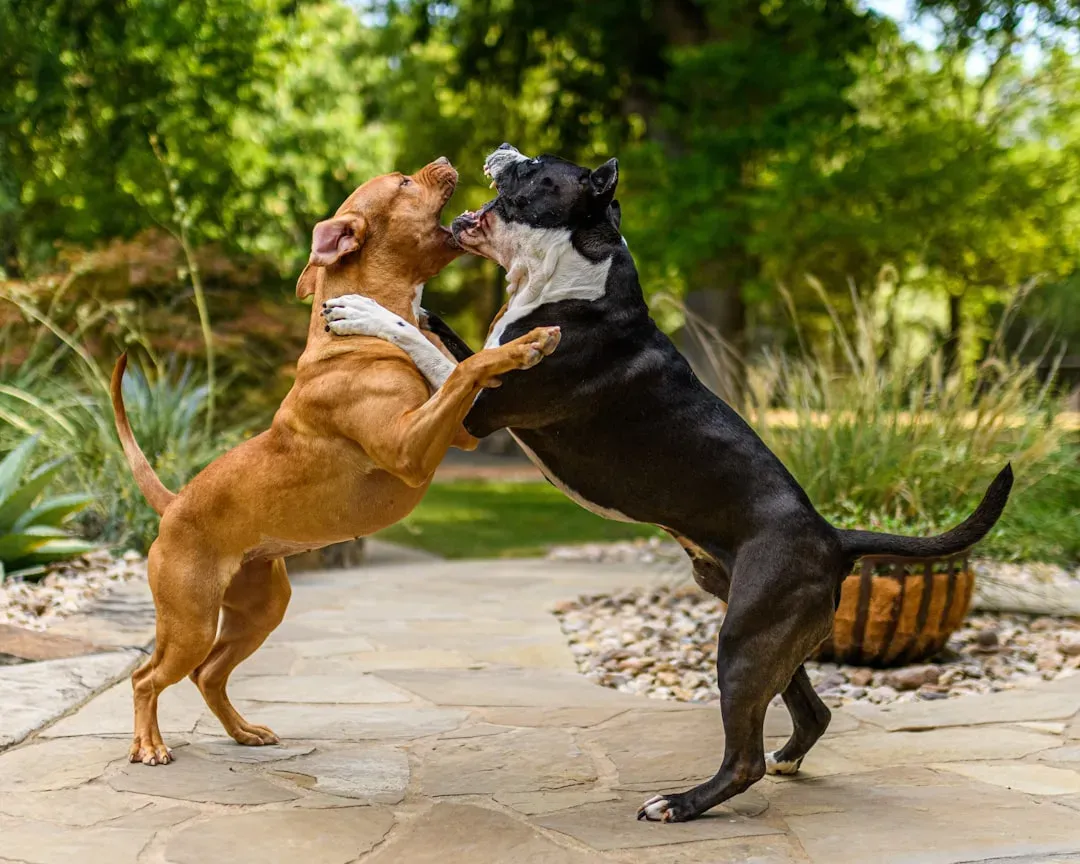
First, don’t panic. Many pet parents don’t recognize the warning signs before a bite, so they perceive their dogs as suddenly flying off the handle. However, that’s rarely the case. It can be just milliseconds between a warning and a bite, but dogs rarely bite without giving some type of warning beforehand.
The most important point to remember when dealing with an aggressive dog is not to meet the behavior with more aggression or punishment. Aggression is a communicative response, and while we might not like the method of communication, we need to understand what dogs are saying in order to address the reason behind the aggression.
Seek the help of a professional at the first sign of aggressive behavior. In fact, most aggression is driven by fear, so intervening early if you have a fearful dog is best. Don’t wait for aggression to escalate to a bite or attack. A veterinary behaviorist, animal behaviorist, certified behavior consultant, or professional dog trainer with experience handling aggression can teach you management techniques, help you identify your dog’s triggers, and develop a treatment plan.
Final Thoughts
Your dog is not broken. They are not bad. They are trying to communicate something important in the only way they know how, and it’s a privilege to be the person who cares enough to listen.
By identifying the trigger and addressing the root cause, which in many cases is a fear or stressor within your control, it is possible to help your pup and to prevent their aggressive behavior. Whether it’s a vet visit, a new training approach, or simply more daily enrichment, every small step counts enormously.
Your dog chose to trust you. Returning that trust by understanding their behavior is one of the most profound things you can do as a pet parent. So tell me, have you noticed any of these signs in your own dog? Share your experience in the comments. You might just help another dog lover feel less alone.


