
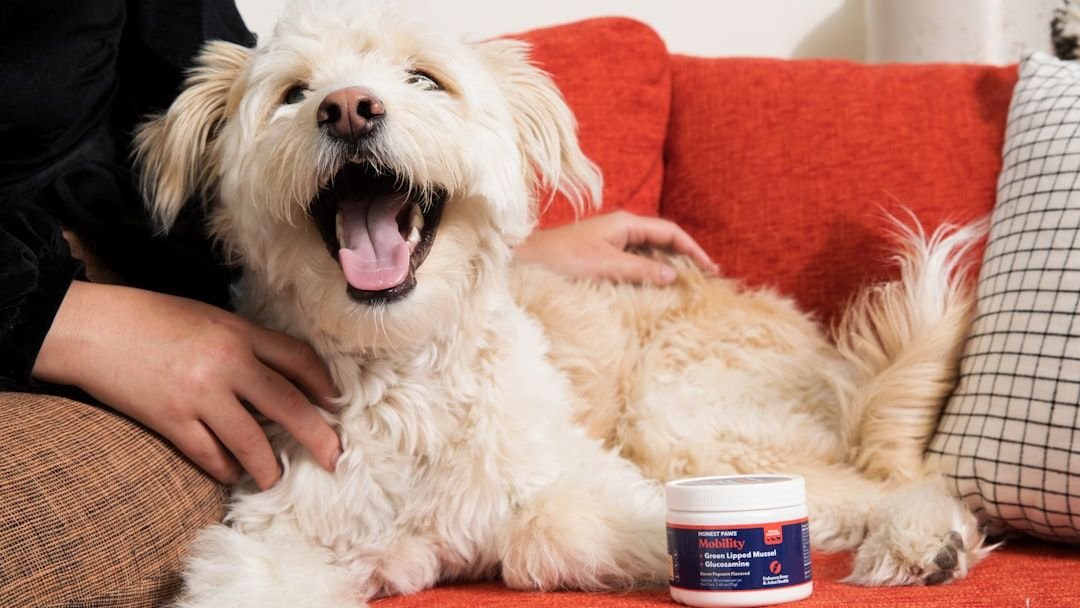
You know that feeling when something’s just off with your pup? One minute they’re their usual food-obsessed selves, practically knocking you over at dinnertime. The next, they’re turning their nose up at their favorite kibble like you’ve just offered them cardboard. It’s unsettling, isn’t it?
Here’s the thing. Dogs live for food. Their enthusiasm at mealtime is legendary. So when that suddenly changes, your gut instinct to worry isn’t wrong. Sometimes it’s nothing serious, just a temporary blip. Other times, it’s your dog’s way of telling you something’s genuinely wrong. Let’s dig into what might be happening and, more importantly, when you need to pick up the phone and call your vet.
1. They’re Actually Feeling Sick

Let’s be real. The most likely reason your dog isn’t eating runs parallel to the main reason humans don’t eat at times: they’re sick. Think about yourself when you’ve had the flu or a stomach bug. Food is the last thing on your mind.
When a dog refuses food, illness is often the first thing pet parents should consider, as a sudden or prolonged loss of interest in food is often the body’s way of signaling that something isn’t right. Maybe they’ve picked up a minor virus, or perhaps they’re battling something in their tummy. Medical conditions that could cause loss of appetite include gastrointestinal disease, organ dysfunction like kidney or liver disease, pancreatitis, or obstruction of the gastrointestinal tract.
If your dog seems lethargic, has a fever, or just isn’t themselves, illness is likely the culprit. Most dogs bounce back after a day or two once they recover.
2. Dental Pain Is Making Eating Uncomfortable
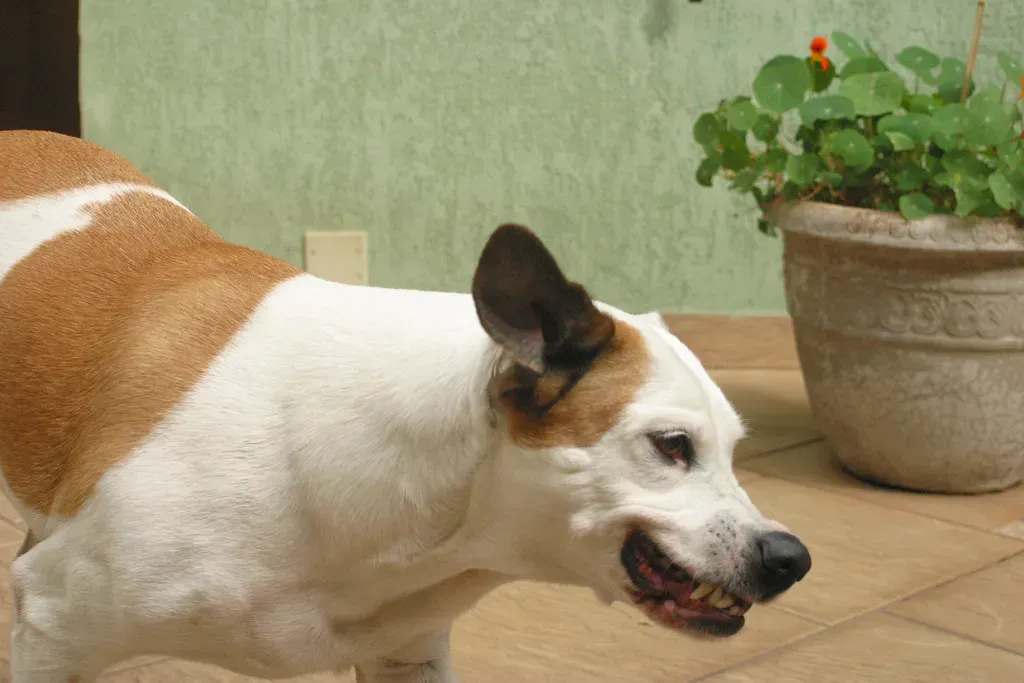
Dental issues can often cause appetite loss, as your pup may not feel much like eating if there’s something amiss with their teeth. Imagine trying to chow down on crunchy kibble when you’ve got a throbbing toothache or swollen gums. Not appealing, right?
Dental disease, which is especially common in senior dogs and small breeds, can make chewing painful. Check inside your dog’s mouth for signs like bad breath, loose teeth, red or bleeding gums, or visible tartar buildup. Sometimes the problem hides below the gum line, like a tooth root abscess that you can’t easily see.
Soft treats might still tempt them because those are easier to manage than hard food. If you suspect dental issues, a vet visit is essential for proper diagnosis and treatment.
3. Stress and Anxiety Are Affecting Their Appetite
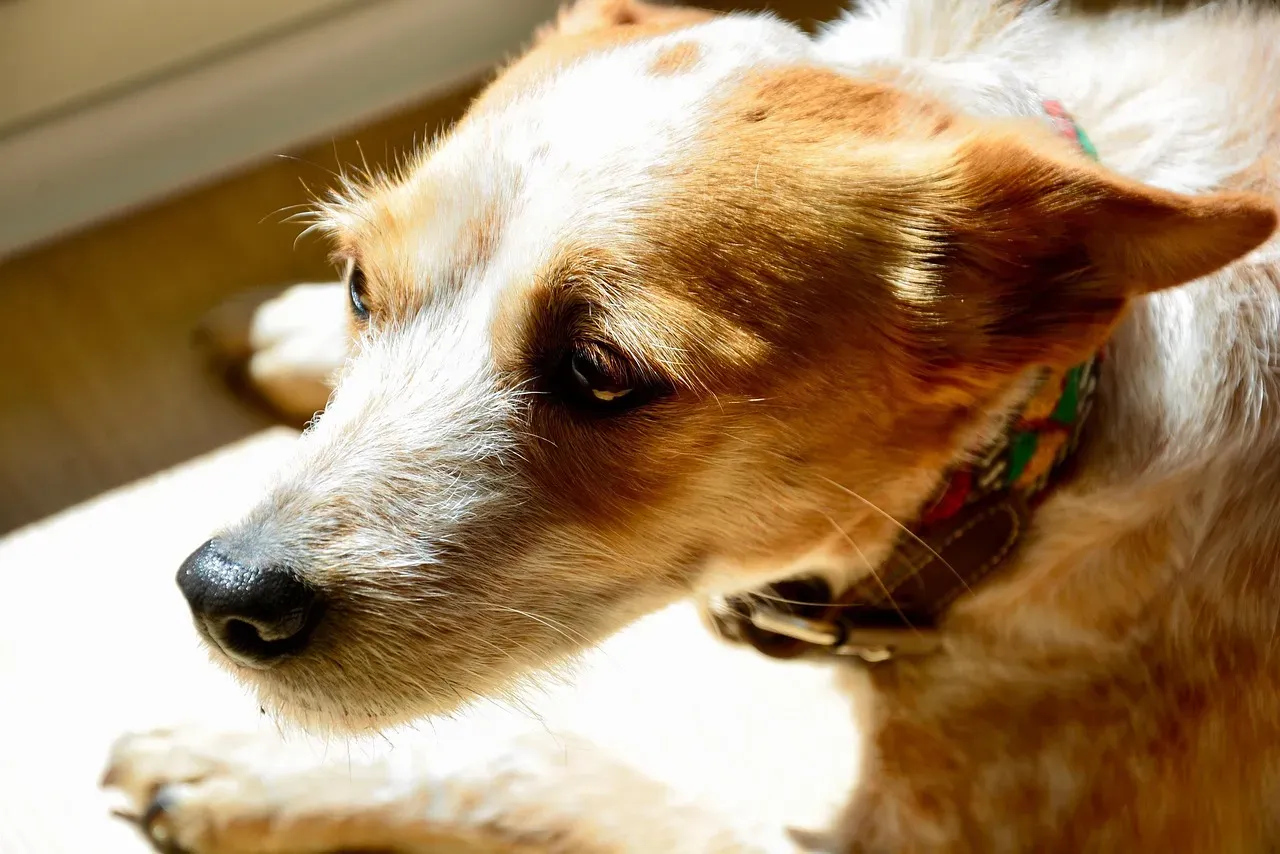
Dogs are emotional creatures, more than we sometimes give them credit for. Just like with humans, stress, anxiety, or fear can cause your dog to lose their appetite. Have you recently moved house? Brought home a new baby or pet? Changed your work schedule?
A change in their environment or routine, like new people or pets in the house, traveling, or loud noises such as thunder, fireworks, or construction can trigger anxiety. Some dogs are so sensitive that even smaller disruptions throw them off balance.
Just as a major life change can affect your appetite, an upheaval in a dog’s life can cause anxiety and affect their hunger as well. Once the stressor passes and they adjust, most dogs return to normal eating. Meanwhile, create a calm feeding environment and offer extra comfort.
4. They’re Being Picky About Their Food
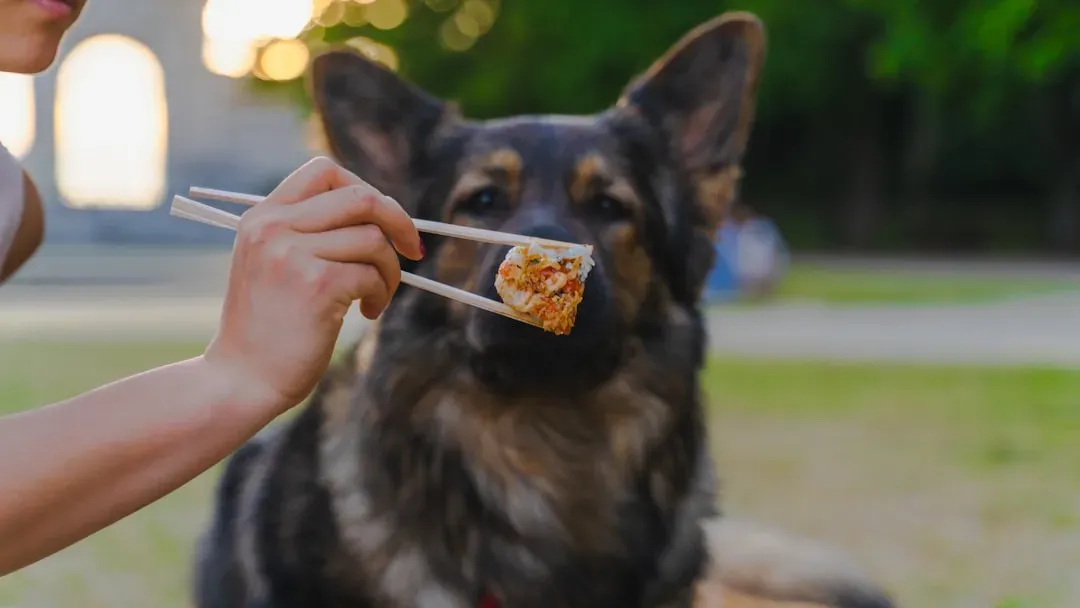
Not every loss of appetite signals a health crisis. Sometimes your dog is just being, well, a bit of a diva. Some dogs have strong food preferences, whether you introduced something new at mealtime or your pet simply decided they don’t like their dry food anymore.
This tends to happen more with dogs who’ve been spoiled with variety or frequent table scraps. If dogs have become accustomed to getting human-food treats on a regular basis, they may turn their nose up at their blander kibble, hoping that something better might come along later.
That said, never assume pickiness without ruling out other possibilities first. Try mixing in a bit of wet food or warming their kibble slightly to enhance the aroma. If that doesn’t work and the refusal continues, it’s time to investigate further.
5. Medication Side Effects Are Dampening Hunger
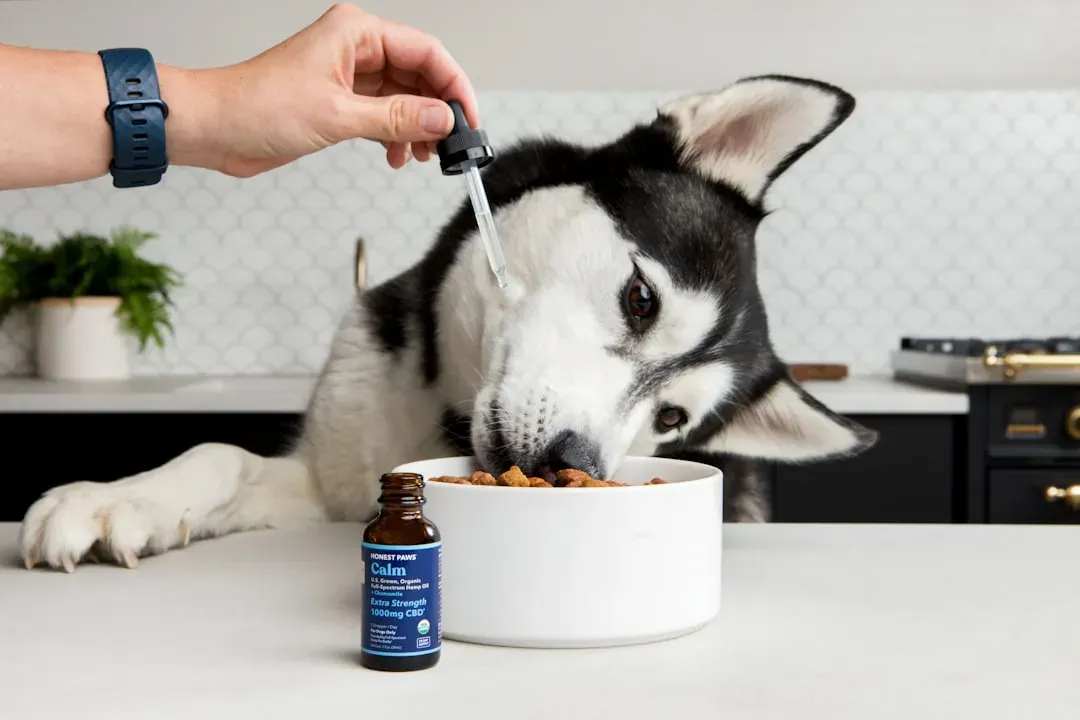
Nausea and decreased appetite are side effects of a variety of medications. If your dog recently started a new prescription, especially antibiotics, pain medications, or anti-inflammatory drugs, that could explain their sudden disinterest in food.
Medications and vaccines can have adverse effects, with NSAIDs, antibiotics, and steroids known to cause digestive upset or temporarily alter gut flora, while some dogs may lose their appetite in the 24 to 72 hours following vaccination.
Talk to your vet if you suspect medication is the problem. They might adjust the dosage, switch to a different drug, or suggest giving the pills with food to ease any stomach upset. Never stop medication without consulting your vet first.
6. Changes in Their Food or Feeding Routine
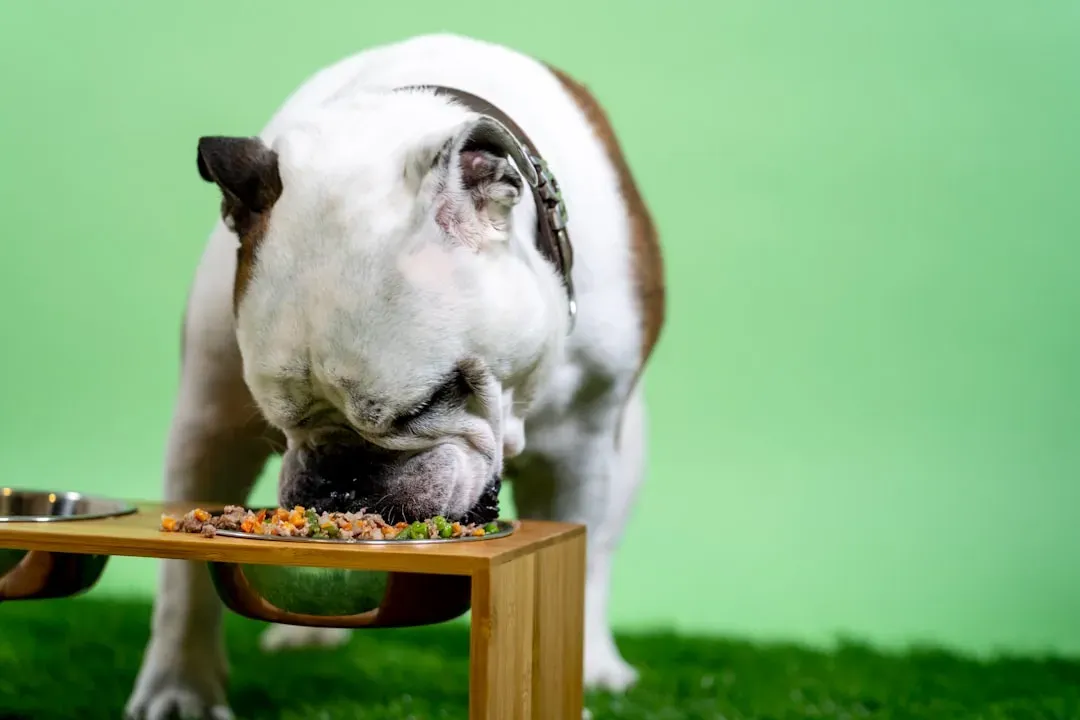
Dogs are creatures of habit. If your dog eats at the same time every day, any changes to its schedule may cause them to stop eating. Even switching food brands or flavors can throw them off.
Your pup’s shift in eating habits might be because the formula of their regular dog food has recently changed, and if you look at the bag and it says ‘new and improved,’ that might not be your dog’s opinion of that food. Manufacturers sometimes tweak recipes, and dogs notice.
If your dog suddenly stops eating the same food they’ve been fed for years, first check to make sure the food isn’t spoiled. Open a fresh bag and see if that makes a difference. When transitioning foods, always do it gradually over several days to avoid stomach upset.
7. Environmental Changes Are Causing Discomfort

Environmental changes play into your pet’s emotional well-being, as significant changes to the home environment can cause stress and anxiety, which in turn affect appetite. This might include anything from a recent trip to unfamiliar surroundings.
If your dog’s appetite was fine until you went on a trip with them or moved to a new location, it may be that your dog won’t eat because of traveling or the unfamiliar surroundings, as some animals may get motion sickness and others become nervous or uncomfortable in new places.
Dogs are also pack animals. Some dogs won’t touch their food while you’re out but will start eating as soon as you walk back in the door, because dogs are pack animals by nature and may feel more comfortable eating when you are home. They want their family around for security.
8. They’re Getting Too Many Treats Throughout the Day
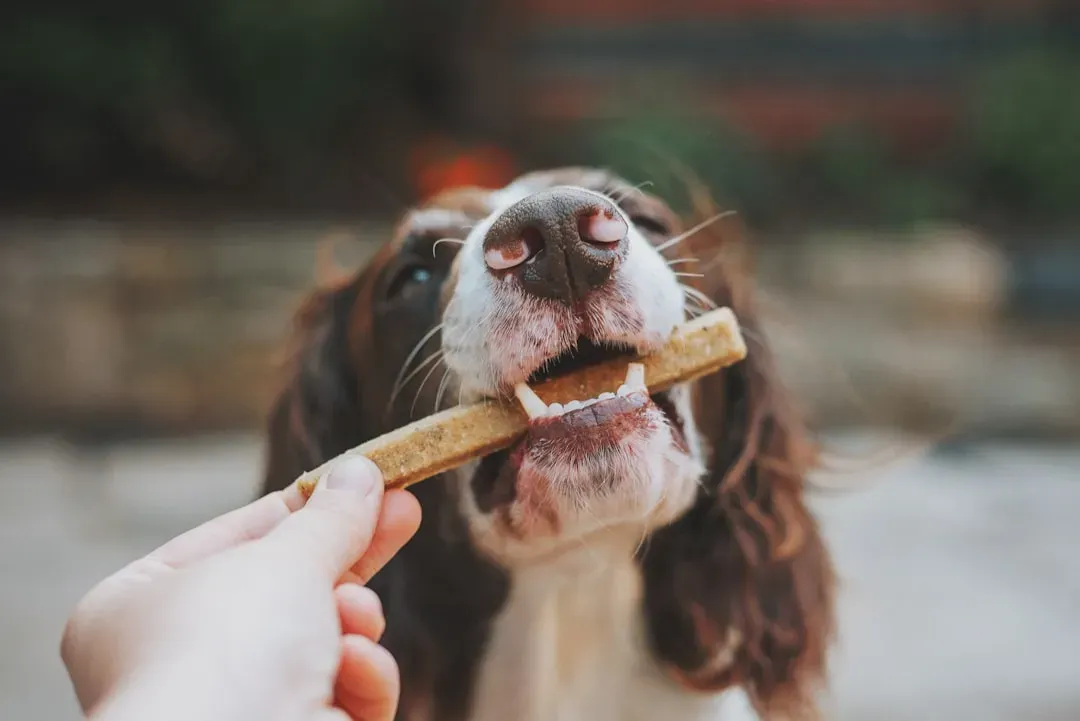
I know it sounds crazy, but your dog might not be eating because they’re simply not hungry. Eating a lot throughout the day may explain your dog’s loss of appetite, as treats can exceed daily caloric needs, resulting in less hunger during meals.
Be sure that your pup isn’t being fed too many treats, which includes human food, as they may hold out on their regular diet or be full by the time meals are given. It’s like a kid who fills up on snacks before dinner.
Keep treats to no more than roughly one tenth of their daily calories. Also double check that nobody else in the household is sneaking extra snacks to your pup. Consistency is key.
9. Age-Related Appetite Changes
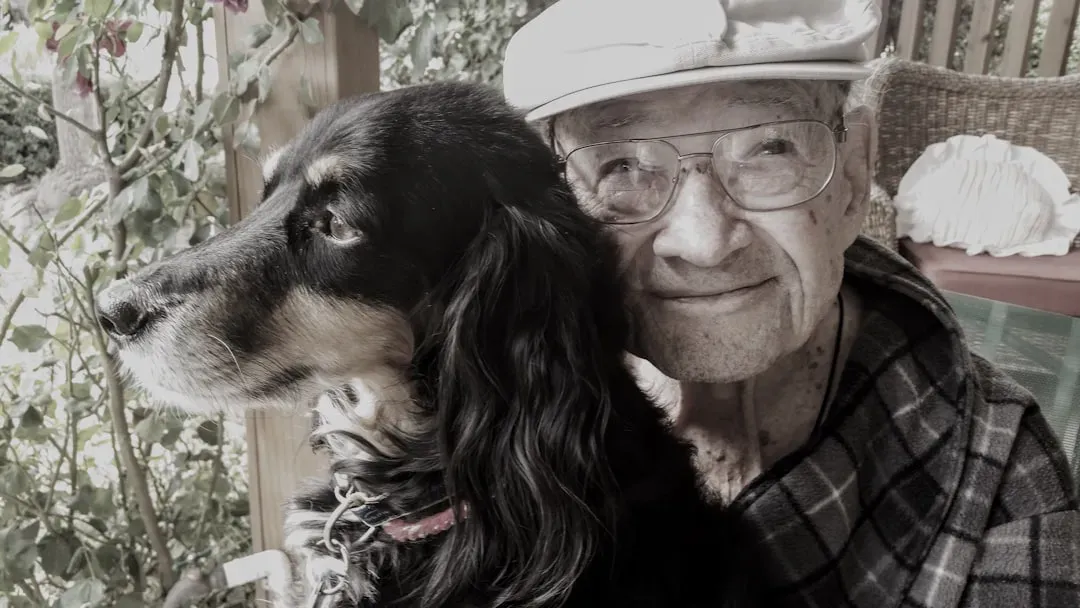
Healthy senior dogs have a lower calorie requirement than younger pups, so you may notice a slight decrease in appetite as your dog gets older. Their metabolism slows down, and they’re not burning energy like they used to.
Older dogs may lose interest in meals or even forget it’s time to eat, and if they have arthritis or muscle weakness, it may be harder for them to eat a whole portion in one sitting. Consider using a raised food bowl if they’re having trouble reaching their dish.
However, age is not a reason for a dog to become completely anorexic, so a significant change in your senior dog’s appetite is a reason to contact your veterinarian. Don’t brush off appetite loss as just part of getting old.
10. Pain Anywhere in Their Body
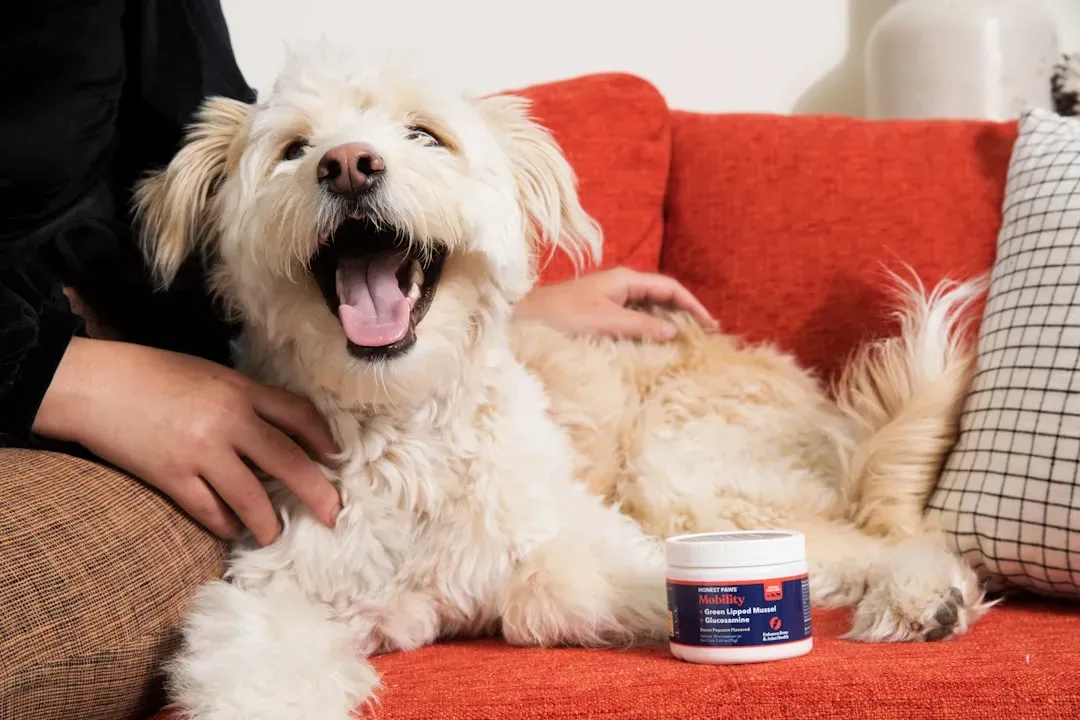
Any painful condition can suppress appetite. It doesn’t have to be pain in their mouth or stomach. A dog can have pain because of an infection or dental issues, but even back pain or arthritis pain can make getting to the food dish challenging.
Pain is often a hidden issue because dogs are remarkably good at masking discomfort. Watch for other behavioral changes like reluctance to move, whimpering, changes in posture, or sensitivity when touched. They might be interested in food but physically unable or unwilling to eat because movement hurts.
If you suspect pain is the issue, don’t wait. Your vet can assess what’s causing it and provide appropriate pain management to get your dog feeling better and eating normally again.
When to Worry and Call Your Vet
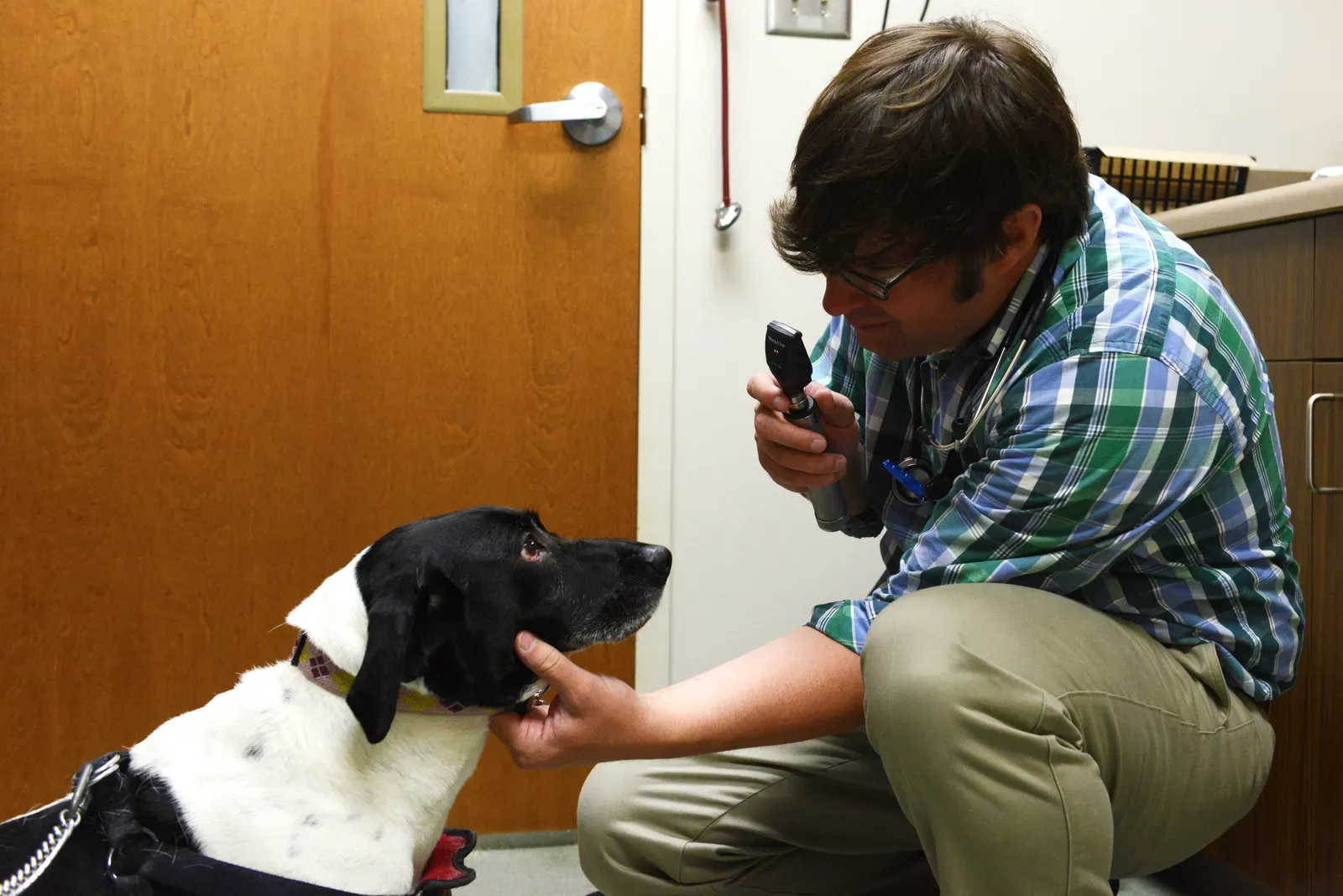
Loss of appetite is one of the most common signs of illness, so if your dog hasn’t eaten for 24 hours, then it’s best to call your vet, especially if there are any other troubling signs, like diarrhea or lethargy. Trust your instincts here.
If your dog is not eating and is either vomiting, having diarrhea, or both, contact your veterinarian within 8 to 12 hours. If your dog isn’t eating and has other accompanying symptoms, like vomiting or diarrhea, for more than 8 hours, you should take them to the vet.
Going without food longer than three days can lead to damaging effects to the gastrointestinal tract and organs, and it’s recommended that your dog be evaluated by a vet much sooner to avoid harmful and potentially irreversible effects, including death. Don’t risk waiting too long. Better safe than sorry when it comes to your furry family member.
Loss of appetite isn’t always an emergency, but it’s never something to ignore completely. Your dog depends on you to notice when something’s off and to get them the help they need. Whether it’s a simple case of stress, a bout of pickiness, or something more serious, understanding these common reasons puts you in a better position to help your beloved companion.
So what do you think? Has your dog ever gone on a food strike, and what turned out to be the reason? Every dog is different, and learning their unique signals is part of the beautiful bond you share.


