
Picture this: your dog gives you those irresistible puppy eyes while you’re eating dinner. You reach over to share a little something from your plate – because honestly, who can resist that face? Most of us have been there. The truth is, some of the foods we love most could be silently dangerous, even deadly, for our four-legged best friends.
Many everyday human foods are toxic to dogs simply because their bodies process ingredients differently than ours do. What feels like an act of love could actually land your pup in an emergency vet visit. The good news? Once you know what to avoid, and what to offer instead, you can treat your dog safely and confidently.
So let’s dive in – because your dog deserves the best, and that starts with knowing what’s on the danger list.
1. Chocolate: The Sweet Treat That’s Secretly Sinister

Here’s something every dog owner needs to hear loud and clear – chocolate is not a harmless indulgence for dogs. Not even a little. Dogs should never eat chocolate because it contains toxic substances called methylxanthines, which are stimulants that stop a dog’s metabolic process. Think of it like pouring sugar into a car’s fuel tank. The engine simply cannot handle it.
Even just a little bit of chocolate, especially dark chocolate, can cause diarrhea and vomiting. A large amount can cause seizures, irregular heart function, and even death. If you notice your dog acting restless, trembling, or vomiting after getting into your candy stash, call your vet immediately. Don’t wait and see.
Safe alternative: Freeze chunks of strawberries, raspberries, apples, or pineapples to give your dog as a sweet, icy treat instead. They’ll go absolutely wild for it, I promise.
2. Grapes and Raisins: Small Size, Enormous Danger
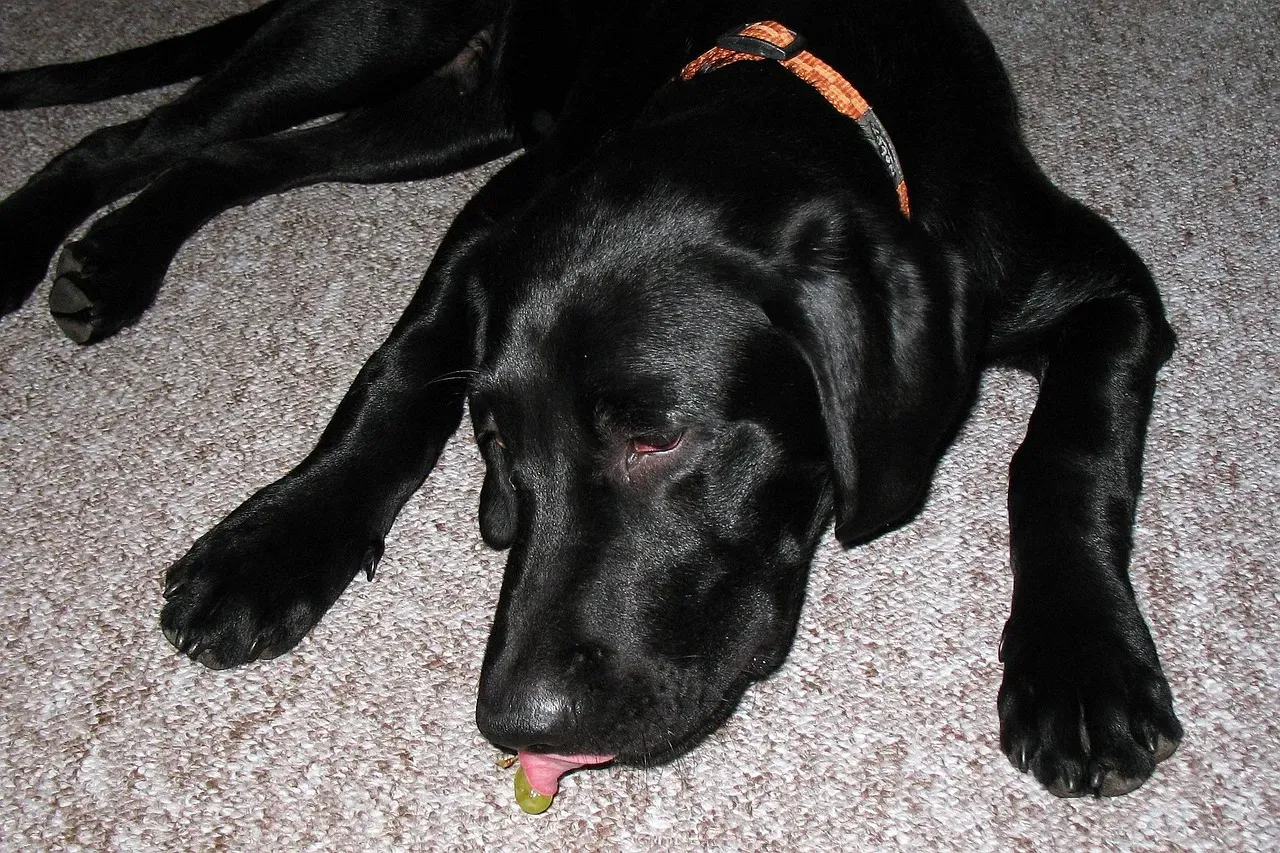
This one surprises a lot of people. Grapes seem so harmless – tiny, natural, practically healthy. Yet they’re one of the most dangerous foods you can give your dog. It takes only a few grapes or raisins to potentially cause sudden kidney failure in your dog. That’s not an exaggeration, and it’s terrifying.
Grapes are capable of causing fatal kidney failure in dogs. The exact root of the toxin has not been found, and some dogs who have safely eaten grapes in the past have been subsequently poisoned. The unpredictability alone should be enough reason to keep them far out of reach. Raisins are found in many foods we love – cakes, biscuits, and cereals – so it’s not just the fruit form we should be concerned with.
Safe alternative: Apples (without seeds), blueberries, strawberries, and bananas are generally safe and make wonderful bite-sized rewards your pup will love.
3. Onions and Garlic: The Kitchen Staples That Can Kill
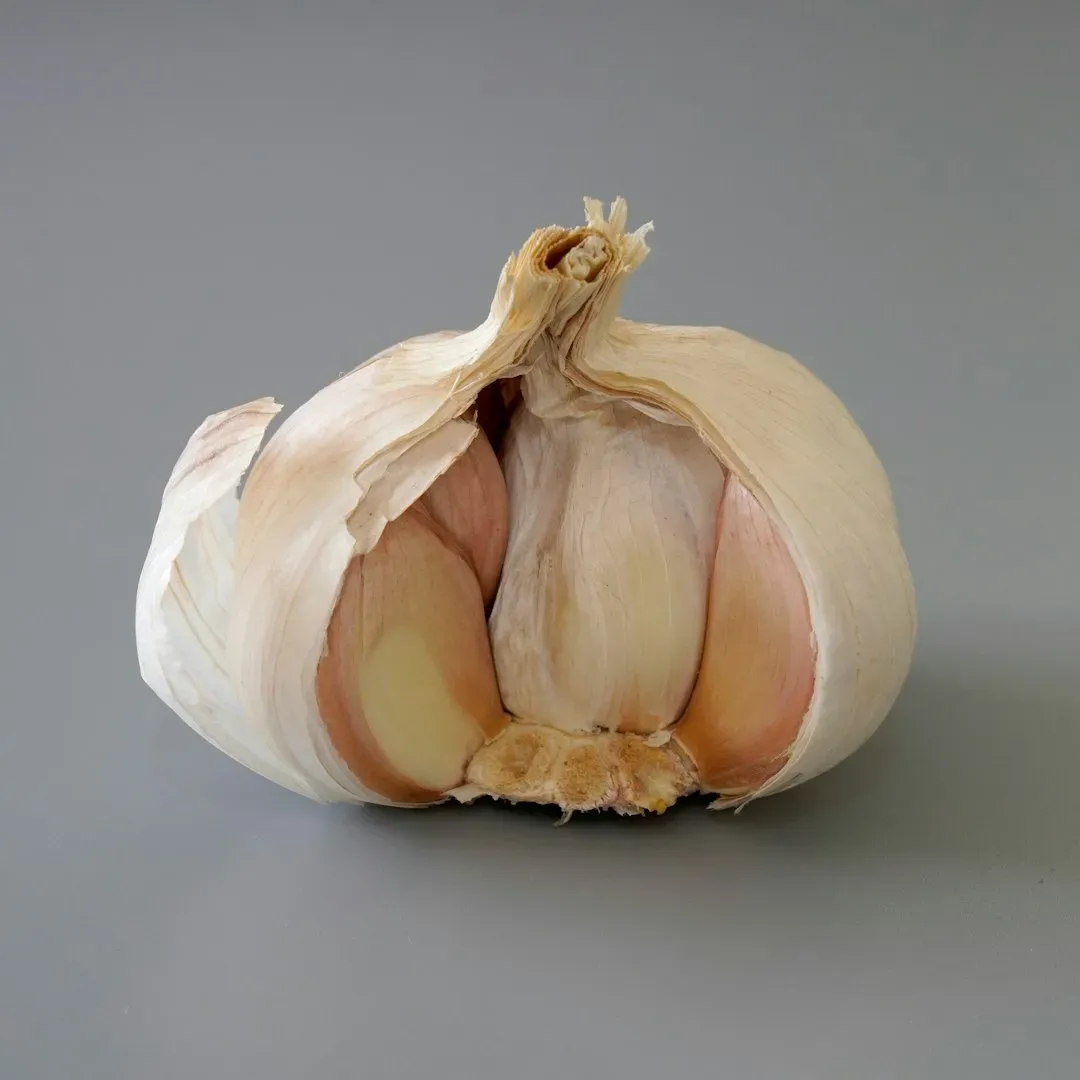
Onions and garlic are in practically everything we cook. Soups, sauces, stir-fries – you name it. That’s exactly what makes them so sneaky. Onions and garlic contain sulfoxides and disulfides, which can damage red blood cells and cause anemia in cats and dogs. Anemia in dogs is no joke. It’s exhausting, painful, and can become life-threatening.
Garlic is part of the Allium family but it’s five times more toxic to dogs than the rest of the Allium plants. It can create anemia in dogs, causing side effects such as pale gums, elevated heart rate, weakness, and collapse. Poisoning from garlic and onions may have delayed symptoms, so if you think your dog may have eaten some, monitor them for a few days, not just right after consumption.
Safe alternative: Your dog can have a healthy veggie snack of carrot sticks, green beans, cucumber slices, or zucchini slices. They’re crunchy, fun, and totally safe.
4. Xylitol: The Hidden Sweetener in Your Pantry
Xylitol is the silent threat lurking in your kitchen cupboards. Most people have never heard of it – but it’s everywhere. Xylitol is used as a sweetener in many products, including gum, candy, baked goods, and toothpaste. It can cause low blood sugar and potentially liver damage depending on the amount ingested. Initial signs of toxicosis include vomiting, lethargy, and loss of coordination, which can progress to seizures.
Read the label carefully to be sure the peanut butter you offer does not contain xylitol, a sugar substitute that can be toxic to dogs. Honestly, this one shocked me when I first found out. That classic peanut butter Kong treat could become dangerous without a quick label check. Always check. Always.
Safe alternative: Peanut butter can be an excellent source of protein for dogs, containing heart-healthy fats, vitamins B and E, and niacin. Raw, unsalted peanut butter is the healthiest option – just make sure it’s xylitol-free first.
5. Macadamia Nuts: Fancy, Delicious, and Deeply Toxic

Macadamia nuts have a certain gourmet reputation among humans. For dogs, they’re anything but luxurious. Macadamia nuts pose a serious health risk to dogs and should never be included in their diet. Though the exact toxin is still unknown, ingestion can lead to severe and potentially life-threatening symptoms.
Macadamia nut toxicity symptoms in dogs usually develop within 3 to 12 hours after ingestion. Affected dogs may experience vomiting, fever, lethargy, muscle tremors, and weakness in their hind legs. Watching your dog unable to stand up properly is distressing. If your pup got into a holiday cookie or trail mix, check the ingredients immediately and call your vet.
Safe alternative: Peanut butter can be an excellent source of protein for dogs. It contains heart-healthy fats, vitamins B and E, and niacin. Raw, unsalted peanut butter is the healthiest option. Unsalted cashews in very small amounts are also fine.
6. Avocado: The Trendy Superfood That’s a Dog Hazard
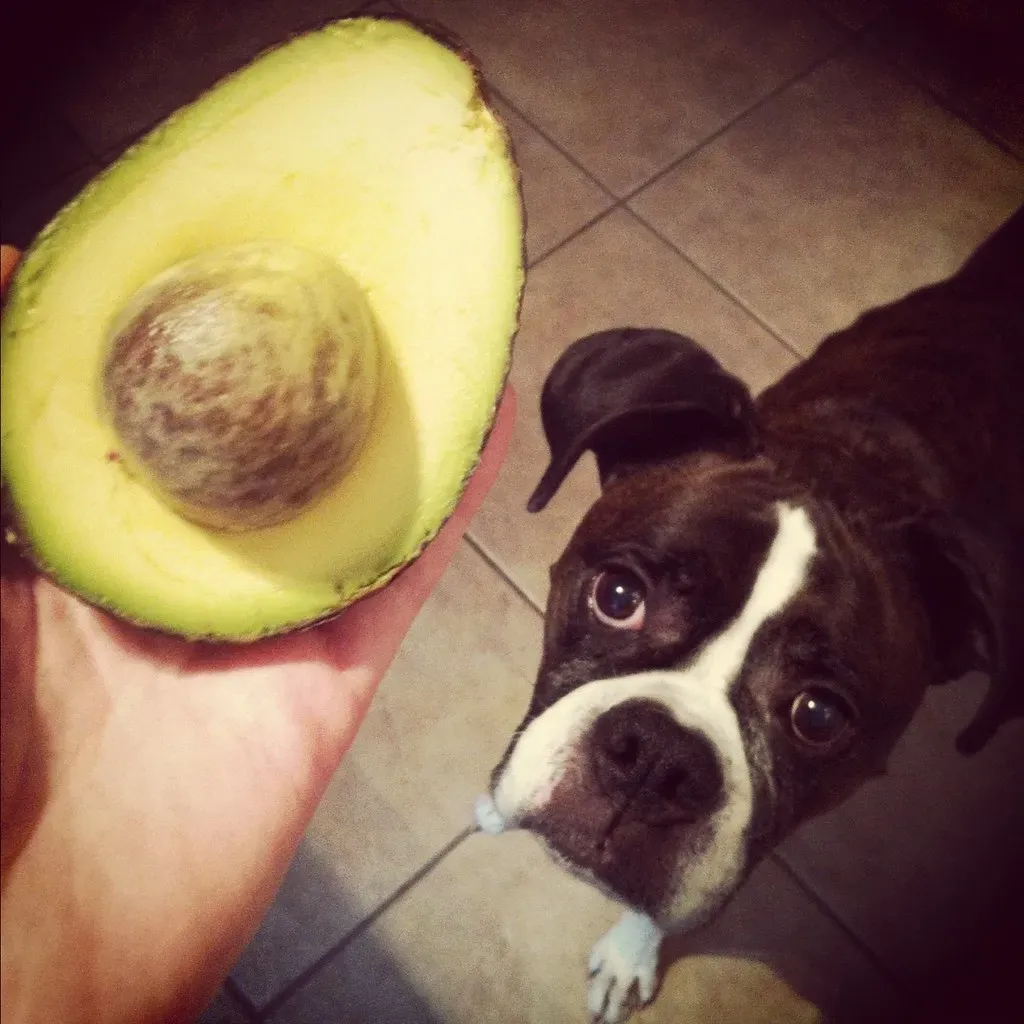
Avocado toast is practically a lifestyle at this point. For humans, it’s a nutritional win. For dogs? It’s a different story entirely. All parts of avocados – the leaves, fruit, seeds, pit, and skin – contain persin, which is a fungicidal toxin. Persin is highly toxic to horses, cattle, goats, and birds and can cause severe health issues or even death. While avocado isn’t as dangerous for dogs and cats in very small quantities, it still poses a risk and is best avoided altogether.
Though avocado is considered a healthy fat for humans, it is too high in fat for dogs, putting them at risk of pancreatitis. Additionally, dogs that eat an intact avocado pit can obstruct their GI tract. Two serious threats in one fruit. It’s just not worth the risk.
Safe alternative: Pumpkin is a fantastic supplement to any dog’s diet. It’s rich in nutritional value and has high soluble fiber content, making it great for your dog’s digestion. Pumpkin is low in calories and can be an excellent addition to your dog’s regular food.
7. Alcohol: Even a Sip Can Be Dangerous
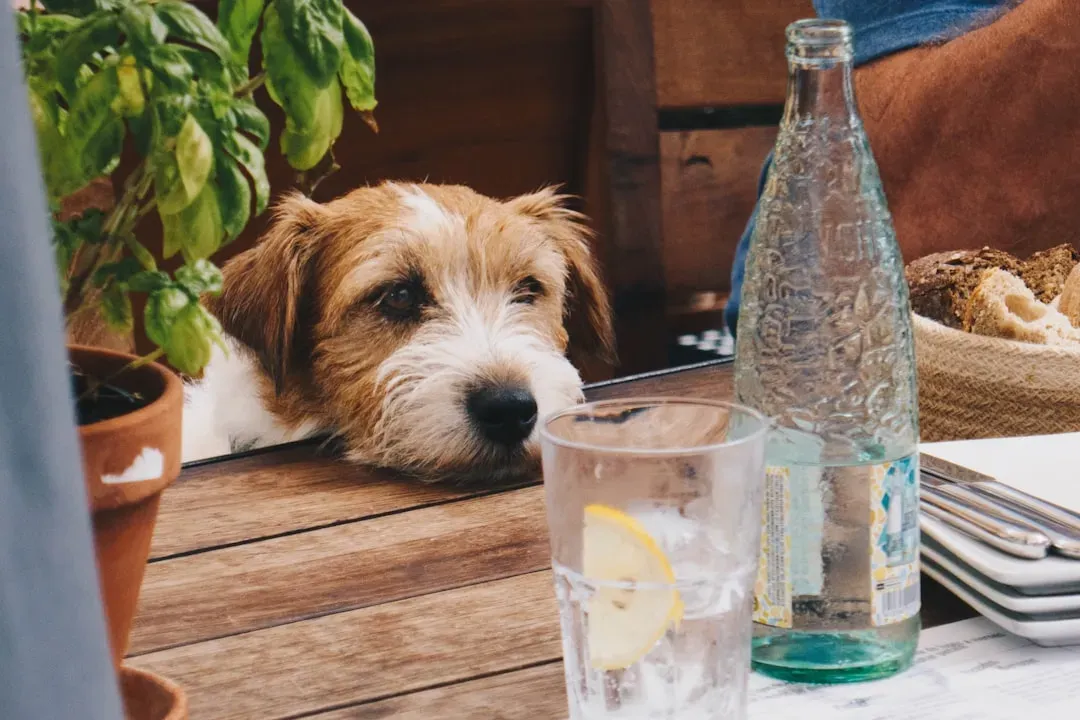
This might seem obvious, but it comes up more than you’d think – especially at parties or gatherings where drinks are left within reach of curious noses. Let’s be real: dogs don’t know the difference between lemonade and a cocktail. Alcoholic beverages and food products containing alcohol can cause vomiting, diarrhea, incoordination, depression, difficulty breathing, tremors, changes in blood pH, coma, and even death. Alcohol is rapidly absorbed after ingestion, so it’s important to take prompt action in seeking veterinary attention.
Alcohol can lurk in places beyond the obvious beer or cocktail – some desserts like rum cake and tiramisu are flavored with alcohol, for example. Fermented fruit, including fermented apples, also can contain it. Alcohol is dangerous for pets because it can cause dehydration, low blood sugar, electrolyte imbalances, and kidney and liver issues. Keep all glasses and desserts out of paw’s reach, especially at holiday celebrations.
Safe alternative: Keep a bowl of fresh, cool water nearby for your dog. Add a few blueberries or a frozen fruit cube as a festive, dog-friendly treat during celebrations.
8. Caffeine: Coffee, Tea, and Colas Are Off-Limits
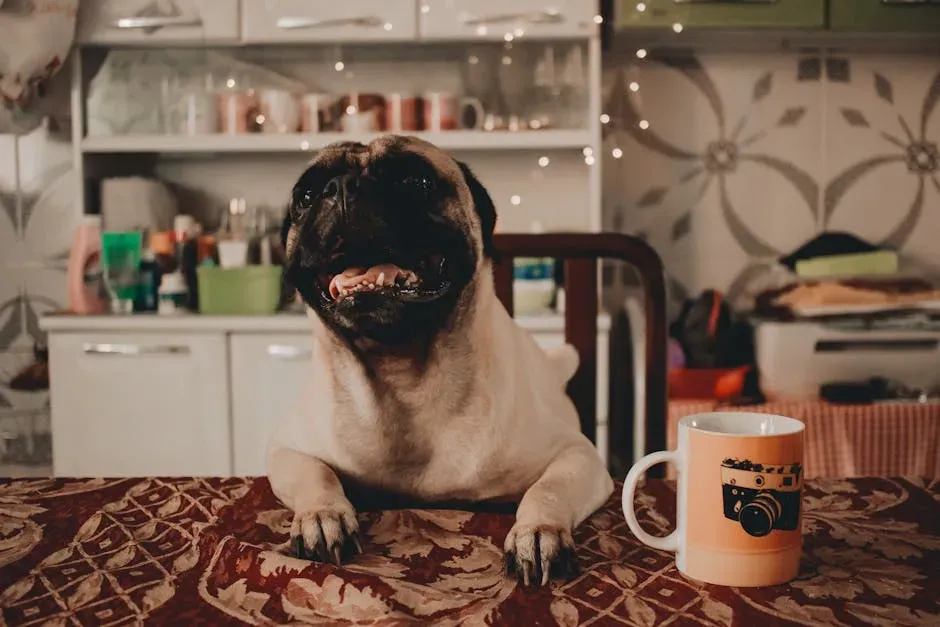
Picture your dog sneaking a lick of your morning coffee when you’re not looking. Adorable in theory, terrifying in reality. Caffeine can be fatal. Watch out for coffee and tea, even the beans and the grounds. Keep your dog away from cocoa, chocolate, colas, and energy drinks. Caffeine is also found in some cold medicines and pain killers.
Caffeine contains methylxanthines. These can cause potentially fatal diarrhea, vomiting, seizures, and irregular heartbeat. In fact, your dog’s heart may race if they accidentally ingest coffee grounds or consume any drink high in caffeine. Signs to watch for include rapid breathing, muscle tremors, and restlessness. Don’t wait – call your vet at the first sign of trouble.
Safe alternative: Dogs can enjoy bone or vegetable broths that have been formulated using a dog-friendly recipe as a warming, comforting drink on cold days. Skip the store-bought version and make a simple, salt-free broth at home.
9. Raw Yeast Dough: The Danger That Grows Inside Them
Baking at home is wonderfully cozy. Leaving raw dough on the counter with a dog in the house? Not so cozy. This one is seriously underestimated by most dog owners. Yeast dough can rise and cause gas to accumulate in your pet’s digestive system. This can be painful and cause the stomach to bloat, and potentially twist, becoming a life-threatening emergency. The yeast also produces alcohol as a by-product in the stomach environment once ingested, so raw bread dough can develop complications of alcohol toxicity as well.
Think of it like a balloon inflating inside your dog’s belly. Bloat in dogs is one of the most urgent emergencies in veterinary medicine, and it can turn fatal within hours. If your dog ever gets into unbaked dough, skip the “wait and see” approach entirely.
Safe alternative: Cooked, plain white rice can be a good option for a dog, especially with an upset stomach. It is easy to digest and helps bind stool. Plain oatmeal is another gentle, belly-friendly option they tend to enjoy.
10. Cooked Bones: A Beloved Treat That’s Actually a Trap
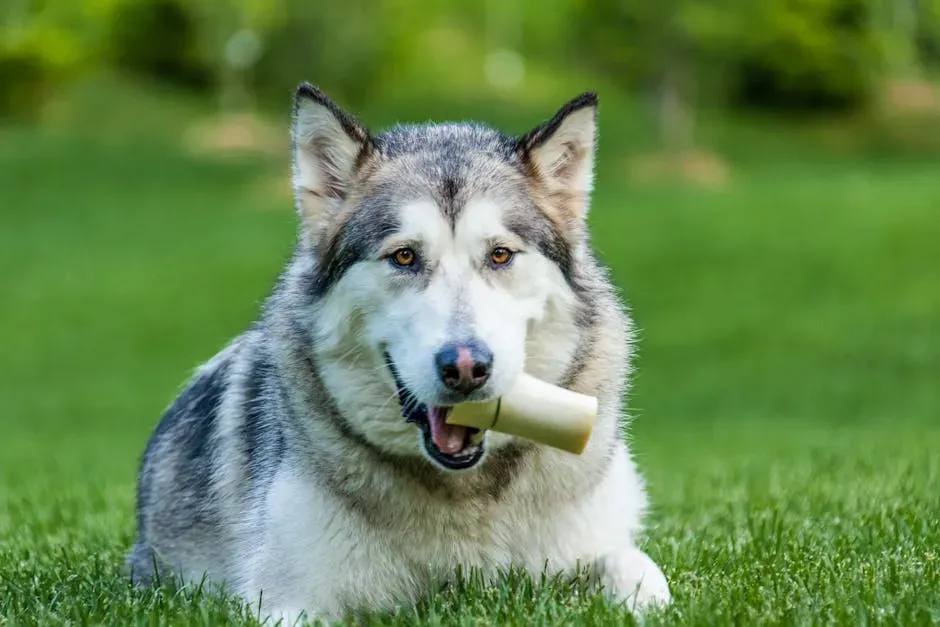
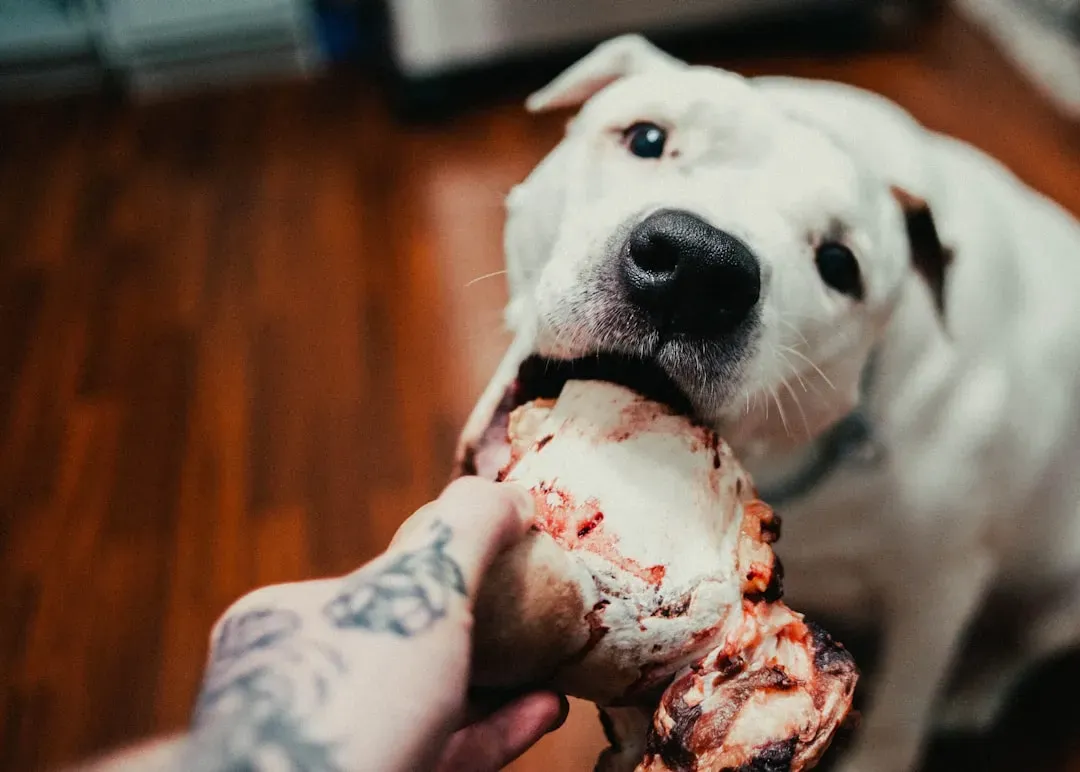
Here’s the big one that surprises almost everyone. Giving your dog a bone feels deeply natural, almost instinctive – like something dogs were born to enjoy. The problem is cooked bones. Cooked bones are especially risky. Cooking bones causes them to become brittle, which makes them more likely to splinter. Those splinters can tear through your dog’s intestines like tiny knives. It’s a painful, costly, and entirely preventable emergency.
Bones from human foods pose a choking hazard, can cause constipation or even a blockage, and can be contaminated with bacteria such as E. coli, Salmonella, and Listeria that can lead to food poisoning. Watch for signs like gagging, pawing at the mouth, excessive drooling, or a suddenly hunched posture – those all signal something may be lodged or tearing inside.
Safe alternative: Carrots are a healthful food for dogs. Chewing on carrots can help remove plaque from their teeth and promote good dental health. Carrots are also a good source of vitamin A, which is beneficial for a dog’s immune system, skin, and coat. A big raw carrot gives your dog that satisfying chew without any of the danger.
Keeping Your Dog Safe: A Final Word From One Dog Lover to Another

Loving your dog well doesn’t mean sharing everything on your plate. It means knowing which boundaries exist, and why they matter. The foods above aren’t dangerous because of some technicality – they can cause real suffering, real emergencies, and real heartbreak. The good news is that there is always a safe, delicious alternative within reach.
If your dog has eaten something toxic, call your vet, an emergency animal clinic, or an animal poison control center right away. Never try to guess whether “a little bit” was okay. Your dog cannot tell you how they feel, which means you have to be their advocate. Food toxicity can also vary by dog size, breed, and health condition, which is why it’s so important to talk to your veterinarian if you have any questions about things your dogs can’t eat.
Your dog trusts you completely. That wide-eyed, tail-wagging loyalty is one of the most beautiful things in the world – and it deserves to be met with the safest, most thoughtful care you can give. Swap the risky scraps for dog-friendly alternatives, keep the danger list on your fridge, and share this article with every dog parent you know. Because honestly, the more of us who know better, the more dogs who get to live longer, healthier, happier lives.
So – did any of these foods surprise you? Drop your thoughts in the comments. Your experience might just save another dog’s life.


