

It’s astonishing how such tiny paws can create such big waves in our hearts—and sometimes in our homes! Small dog breeds, with their sparkling eyes and boundless energy, often steal the show wherever they go. But beneath those adorable exteriors, many dog lovers discover a whole new world of training hurdles. It’s easy to assume that pint-sized pups are easier to handle, but the truth is far more surprising. Training a small dog can be just as complex, if not more so, than working with their larger cousins. For devoted pet parents, the journey can be filled with both laughter and exasperation. Let’s explore the most common training challenges faced by owners of small breeds and discover practical ways to turn those struggles into victories.
Stubbornness: The Tiny Tyrant Syndrome
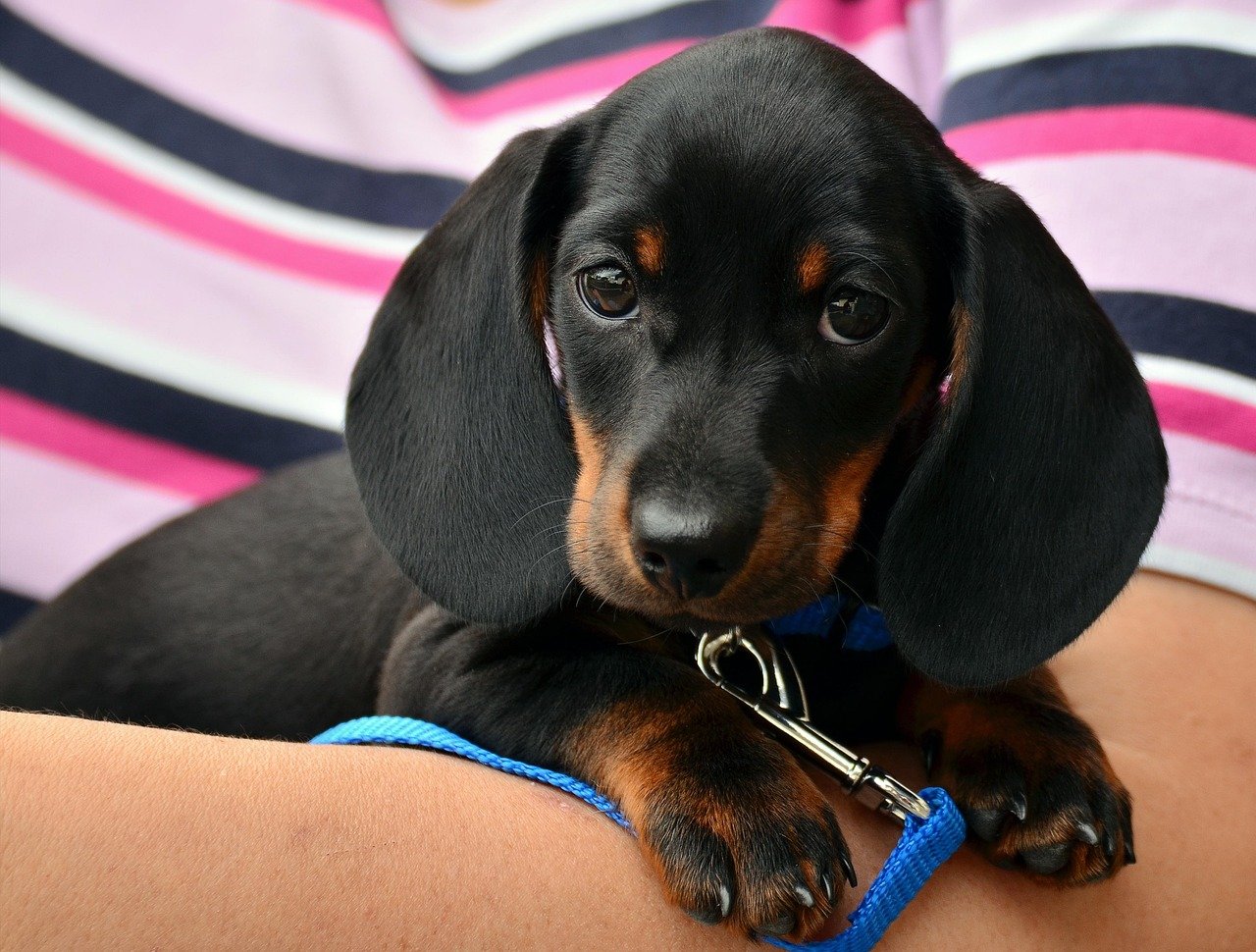
Small dogs often have big personalities. Some breeds, like Dachshunds or Chihuahuas, are known for their stubborn streaks. This can make training sessions feel like a battle of wills. Your pint-sized friend might ignore commands, act aloof, or even throw a dramatic tantrum. It’s easy to get frustrated when your dog seems to have selective hearing, especially when treats are nowhere in sight. To overcome stubbornness, consistency and patience are your best allies. Short, positive training sessions work wonders, as does plenty of praise for even the smallest achievements. Remember, small dogs respond well to gentle guidance, not harsh discipline. Imagine you’re coaxing a shy child into trying something new—gentle encouragement always wins.
Excessive Barking: The Alert System Gone Wild
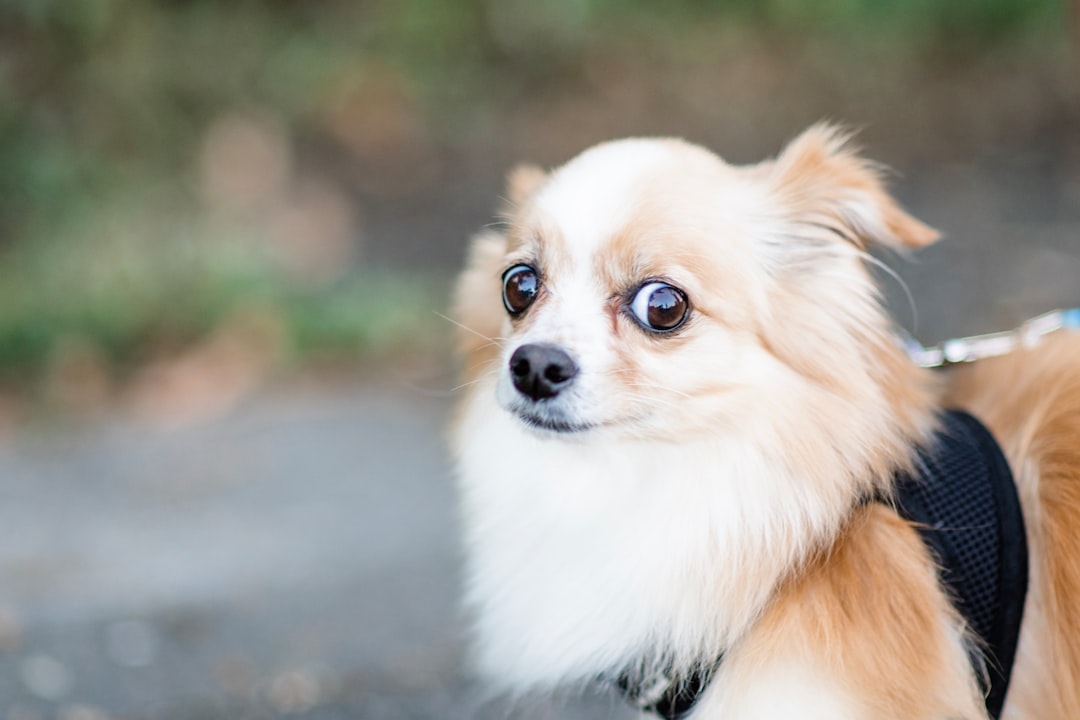
If there’s one thing many small dog owners can agree on, it’s that their furry companions love to use their voices. Whether it’s a knock at the door or a squirrel outside the window, small breeds are quick to sound the alarm. This constant barking can become overwhelming, especially in apartments or close-knit neighborhoods. The key to quieting a noisy pup is to identify the triggers and work on desensitization. Teach your dog a “quiet” command using treats and positive reinforcement. Provide distractions like puzzle toys or chews to keep them occupied. With time, even the yappiest of pups can learn that silence is golden.
Housebreaking Woes: Tiny Bladders, Big Problems

Potty training is a notorious challenge with small breeds thanks to their petite bladders and fast metabolisms. Accidents happen often, sometimes just minutes after coming indoors. This can leave owners feeling defeated and constantly cleaning up messes. Crate training is a powerful tool for housebreaking, as dogs are less likely to soil their sleeping area. Establish a consistent routine for bathroom breaks, especially after meals and naps. Reward successes immediately with treats and praise. Remember, patience is essential—progress may be slow, but with persistence, your small dog will get there.
Overprotectiveness: The Little Guardian Complex
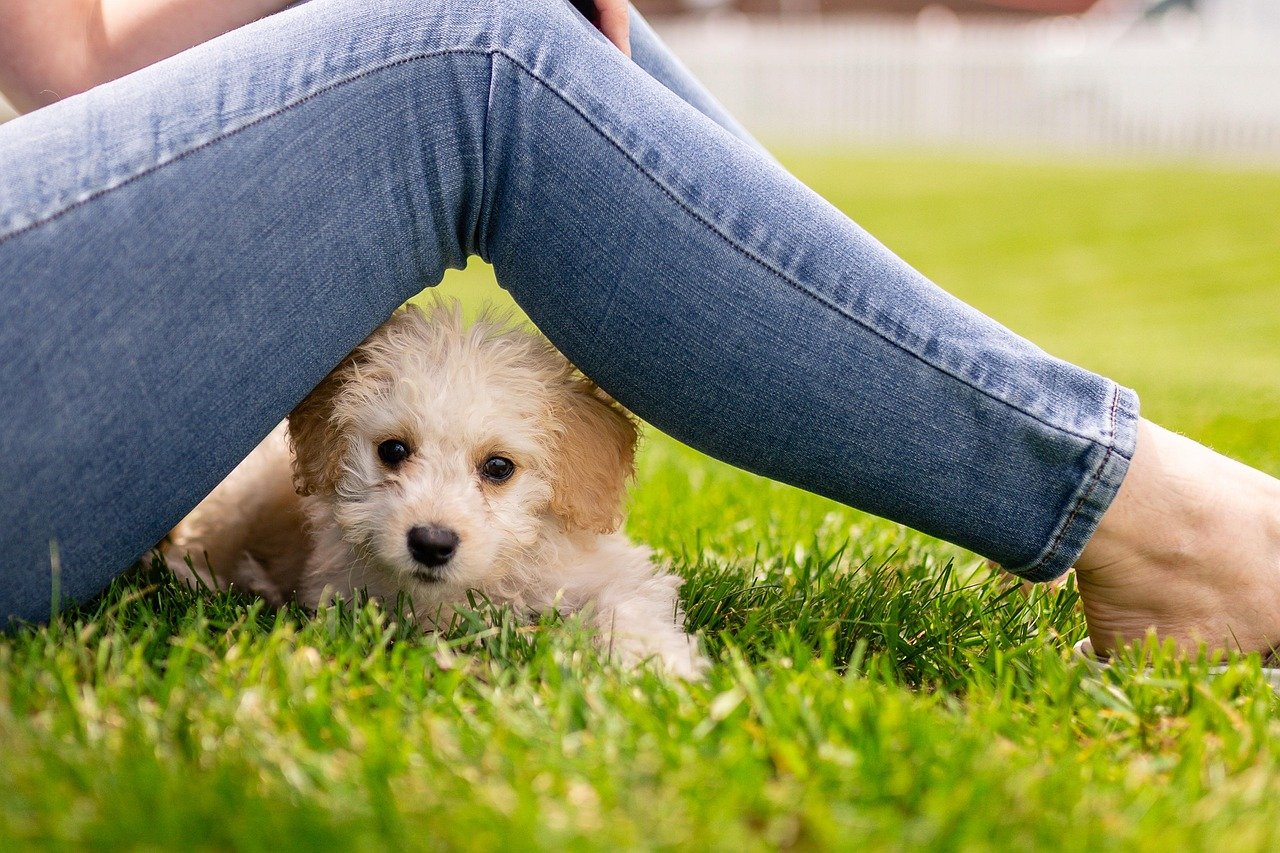
It’s endearing to watch your tiny dog try to protect you from every perceived threat, but this overprotectiveness can turn into a real challenge. Small dogs often develop a “Napoleon complex,” barking or lunging at strangers, bigger dogs, or anything unfamiliar. This behavior can stem from insecurity or previous negative experiences. To help your dog feel more confident, gradually expose them to new people, places, and animals in a controlled, positive way. Reward calm behavior and never force interactions. Over time, your pup will learn that the world isn’t so scary after all.
Jumping and Climbing: The Acrobat’s Dilemma
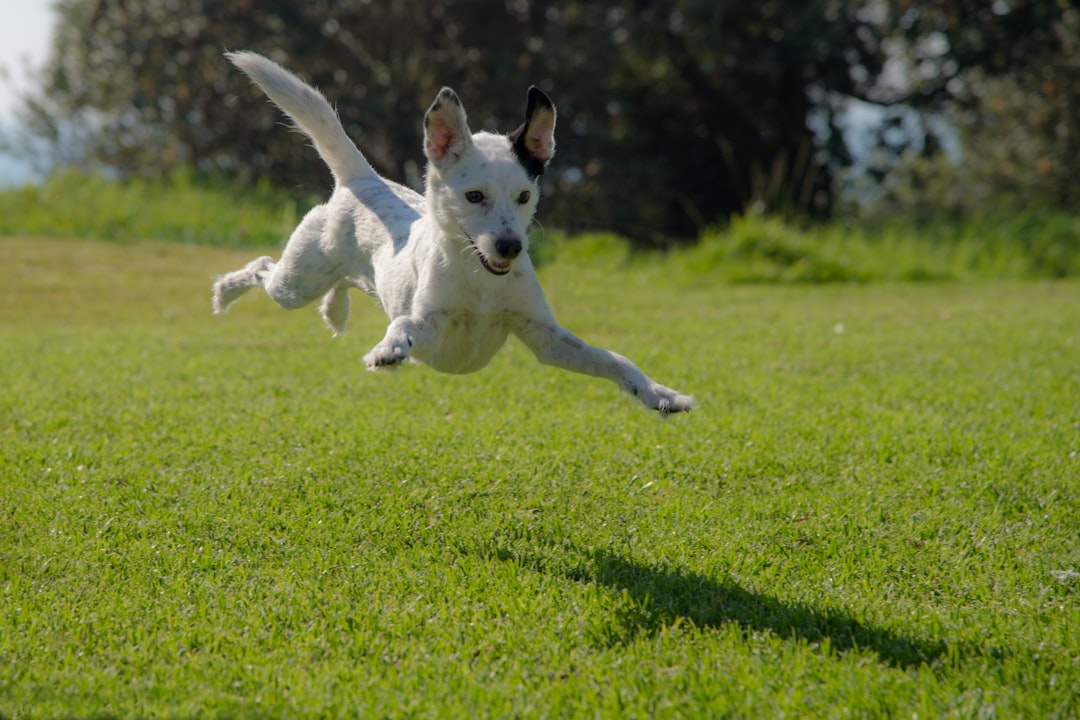
Many small breeds are agile and love to jump on furniture, counters, or even guests. While their antics can be amusing, they can also be dangerous and disruptive. To curb unwanted jumping, teach your dog a solid “off” or “down” command. Use treats to reward all four paws on the floor. If your dog loves climbing onto forbidden places, make those areas less accessible and provide plenty of alternative outlets for their energy, like agility toys or interactive games. Think of it as channeling their inner circus performer into something safe and controlled.
Selective Listening: The Ignored Command

Does your dog seem to conveniently “forget” commands when distracted? Selective listening is a common issue among small breeds, especially those bred for independence. This can be frustrating, particularly in situations where safety is at risk. To improve focus, start training in a quiet environment with minimal distractions. Gradually increase the difficulty by adding new sights and sounds. Keep training sessions short and engaging, using high-value treats to maintain your dog’s interest. Consistency and repetition are vital—eventually, that selective hearing will fade away.
Resource Guarding: Protecting the Precious
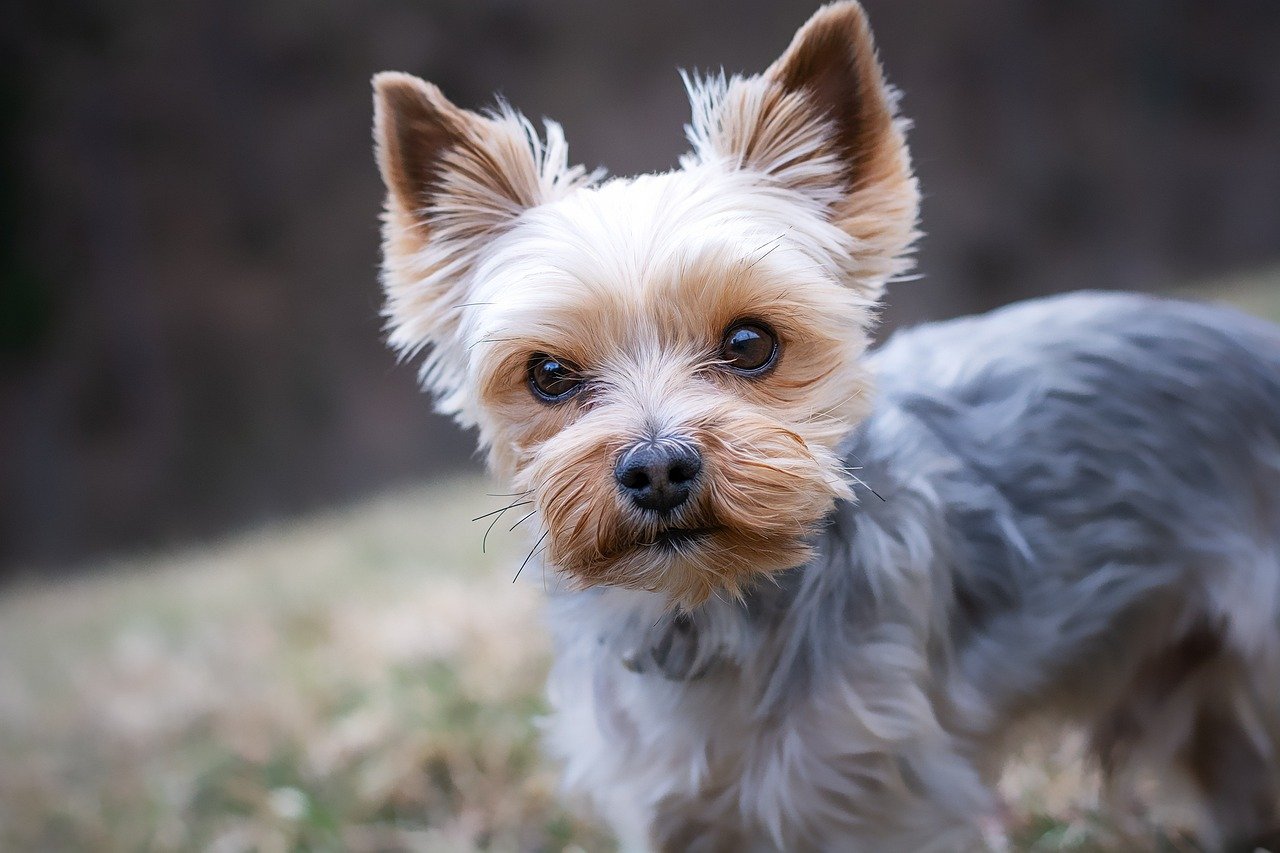
Small dogs sometimes develop a tendency to guard their food, toys, or resting spots. This behavior can lead to growling, snapping, or biting if someone approaches their prized possessions. Resource guarding often stems from insecurity or fear of loss. The best approach is to teach your dog that good things happen when people are near their resources. Practice trading up with treats or offering special rewards when they relinquish an item. Stay calm and never punish guarding behavior, as it can increase anxiety. With trust and positive reinforcement, your dog can learn to share without fear.
Leash Pulling: The Tiny Sled Dog
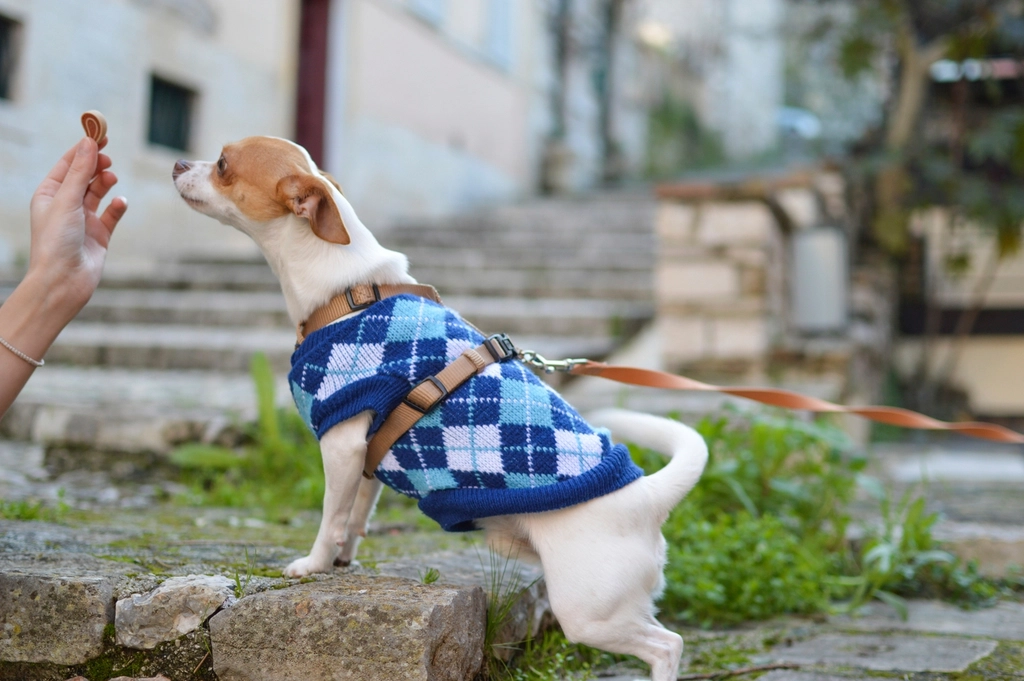
Despite their size, many small dogs act as if they’re leading a sled team, pulling ahead on walks with surprising strength. Leash pulling not only makes walks less enjoyable but can also put strain on your dog’s delicate neck and spine. Teaching loose-leash walking takes time and patience. Use a harness instead of a collar to protect your dog’s neck. Stop walking whenever your dog pulls, and only move forward when the leash is slack. Reward good behavior with treats or praise. Over time, your walks will become a relaxed and pleasant experience for both of you.
Fearfulness: Timid Hearts in Tiny Bodies

Small breeds can be more prone to fear-based behaviors, such as shaking, hiding, or excessive barking. Loud noises, unfamiliar environments, or new people can trigger intense reactions. Building confidence is key. Gradual exposure to new experiences, paired with treats and reassurance, helps your dog feel safe. Avoid coddling fearful behavior, but never force your dog into scary situations. Encourage exploration at their own pace. As your pup builds positive associations, their courage will grow, and those shaky moments will become less frequent.
Socialization Struggles: Making Friends Big and Small
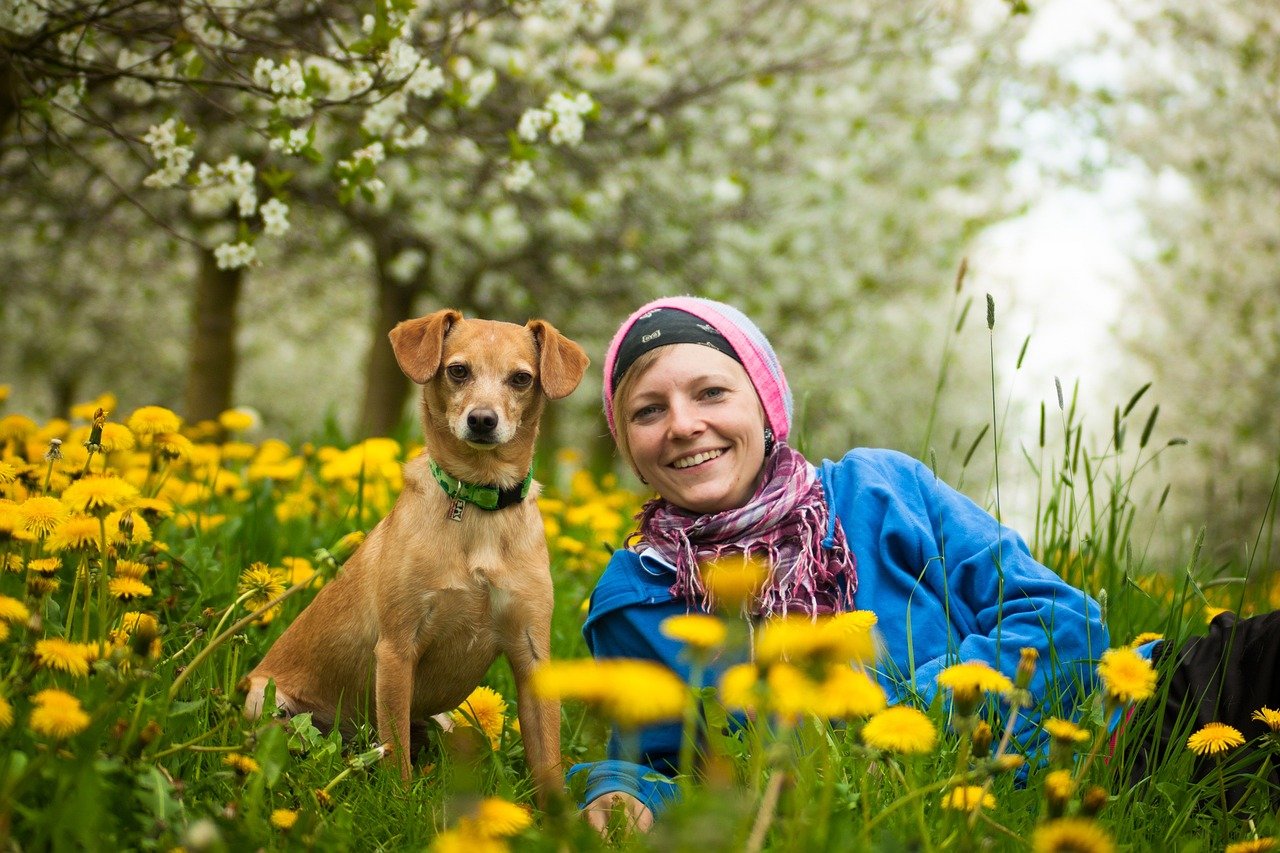
Due to their size, small dogs can feel intimidated around larger dogs or groups. This can lead to shyness or defensive behavior, making socialization a challenge. Early and positive social experiences are essential. Arrange controlled playdates with other friendly dogs and expose your pup to a variety of people, places, and situations. Use treats and praise to reward calm interactions. Socialization isn’t a one-time event—it’s an ongoing process that helps your dog become a well-rounded companion. With patience and encouragement, even the most timid dogs can learn to make new friends and enjoy adventures by your side.
Small dogs might be tiny, but they can pack a punch when it comes to training challenges—think barking, stubbornness, or acting like they’re ten feet tall. The good news? With patience, consistency, and the right techniques, these quirks are totally manageable. Whether you live in a cozy apartment or a spacious home, small dogs can thrive with proper boundaries and plenty of positive reinforcement. So don’t let size fool you—these little pups can become well-behaved, loyal companions with just a bit of guidance and love!


