
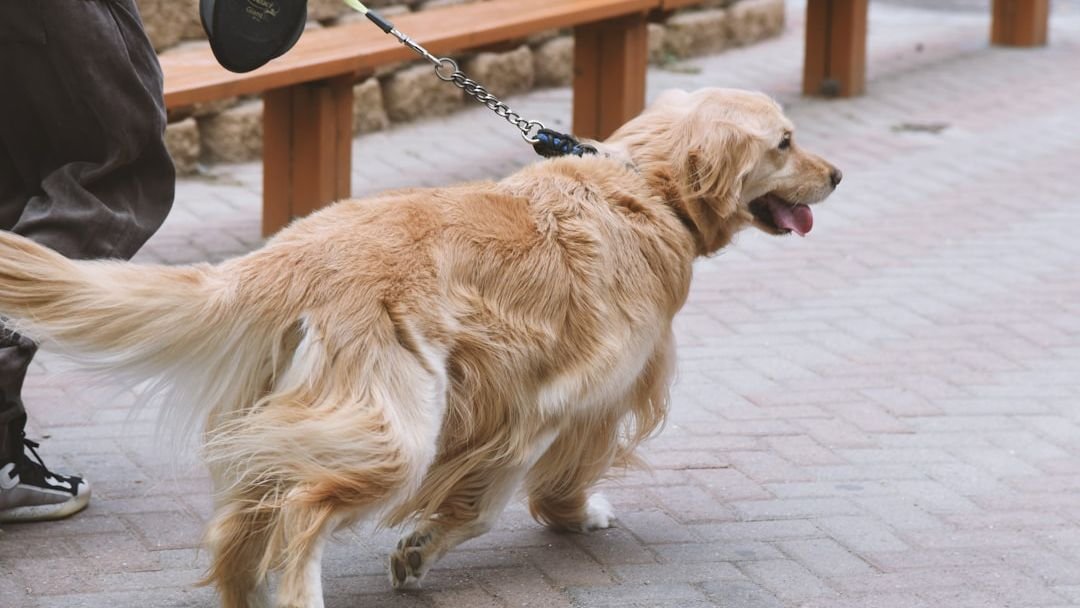
Imagine watching your dog – the one who used to sprint to the door every time you grabbed the leash – now hesitating at the bottom of the stairs. You’d probably assume they’re just getting older, right? Most dog owners do. Honestly, that assumption is one of the most heartbreaking mistakes a pet parent can make.
Often, the symptoms of dog joint pain are misinterpreted by pet parents as nothing more than a sign that their pooch is getting older and “slowing down.” In many cases, a dog’s reluctance to play, jump, or run up and down the stairs is actually a symptom of joint pain rather than just the aging process. And the earlier you catch it, the better chance your dog has at a comfortable, happy life. So let’s talk about the signs – and more importantly, what you can actually do about them.
1. Limping or Favoring One Leg

This is usually the first thing dog owners notice, and it’s hard to miss. Your pup might put noticeably less weight on one limb, or their stride might look a little “off.” Think of it like walking around on a pebble in your shoe – they compensate, they shift, and you can tell something just isn’t right.
In the mild stage of arthritis, symptoms become more noticeable. The dog may limp slightly, especially after exercising, and may show reluctance to engage in physical activities. If the limp appears after a walk but improves with rest, don’t let that fool you into thinking it’s resolved. That pattern is actually a classic early warning sign worth a vet conversation.
2. Stiffness After Rest, Especially in the Morning

Picture this: your dog wakes up from a long nap, tries to stand, and wobbles a little or moves slowly for the first few minutes. That stiffness that fades as they “warm up” is not just old-age grogginess. It’s your dog’s joints telling a story.
In the early and mild stages, the symptoms are subtle and may include slight stiffness, change in gait, and mild swelling in the joints. Morning stiffness is one of the sneakiest signals because it comes and goes. Many owners see their dog trotting fine an hour later and assume everything is fine. Keep watching. Patterns matter more than single moments.
3. Reluctance to Jump, Climb Stairs, or Play
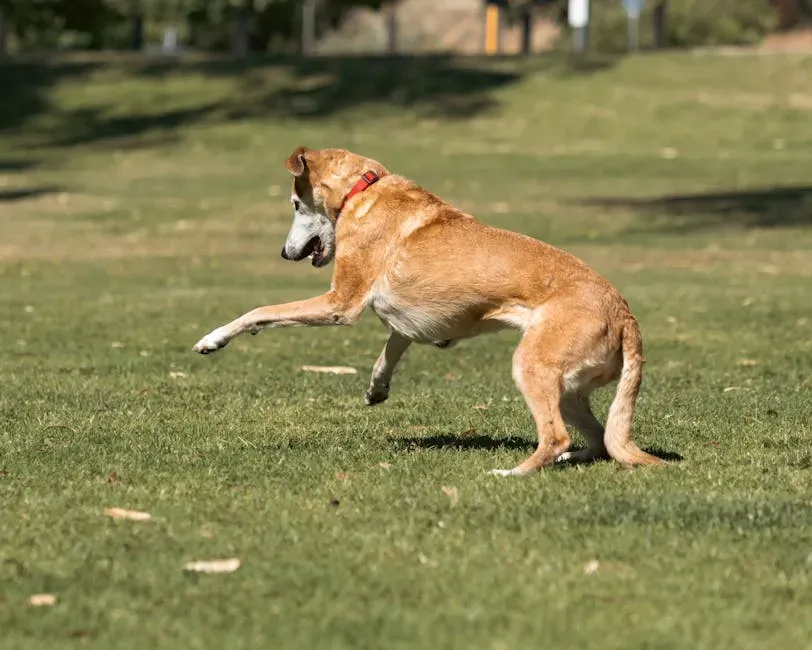
Your dog used to leap onto the couch without a second thought. Now they stand at the edge and look at you. That’s not stubbornness – that’s pain. Dogs are remarkably good at communicating discomfort through avoidance, and this is one of the clearest examples.
The moderate stage of arthritis is characterized by more pronounced symptoms. Your pet may show significant reluctance to move, climb stairs, or jump. Hesitation to climb stairs, jump, or play is a key sign of joint pain to watch for. If your dog has started skipping activities they used to love, take that seriously. It’s a signal worth investigating right away.
4. Difficulty Rising From a Lying Position
There’s something quietly devastating about watching a dog struggle to stand up. It looks like effort where there should be ease. You might see them pause, reposition, and try again – sometimes with a little grunt or groan thrown in.
Struggling to stand up after lying down is one of the recognized signs of joint pain in dogs. This happens because joints that have been still for a while become stiffer and more painful to mobilize. Difficulty or reluctance to stand from a lying position is one of the documented signs of arthritis in dogs. If you’re seeing this daily, it’s time to act – not just watch.
5. Visible Swelling Around a Joint

Run your hands gently along your dog’s legs and around their knees, hips, and elbows occasionally. Feel anything puffy or warm? That’s not something to brush off. Swelling around a joint is your dog’s body sending a very loud signal that inflammation is happening underneath.
Swelling around the joint area is a notable sign of joint pain in dogs. You might also notice swelling in the joints. At this stage, the cartilage continues to deteriorate, and the joint fluid decreases, leading to increased friction and discomfort. Getting comfortable with what your dog’s body normally feels like makes it so much easier to spot abnormalities early. Make a habit of a gentle physical check during cuddle time.
6. Changes in Behavior or Personality

Here’s the thing – a dog in pain doesn’t always whimper. Sometimes, they just become a different dog. The one who was always eager to greet you at the door starts staying on their bed. The one who never growled starts snapping when touched near certain areas. It can be confusing and even hurtful if you don’t understand what’s driving it.
Increased irritability, depression, or aggression are behavioral changes associated with joint pain in dogs. Your dog can’t tell you when something’s wrong, but they can show it. Behavioral changes often signal pain, and catching these signs early can make a big difference. If your sweet dog suddenly seems grumpy or withdrawn, resist the urge to take it personally. Consider pain as a real possibility first.
7. Excessive Licking or Chewing at Joints
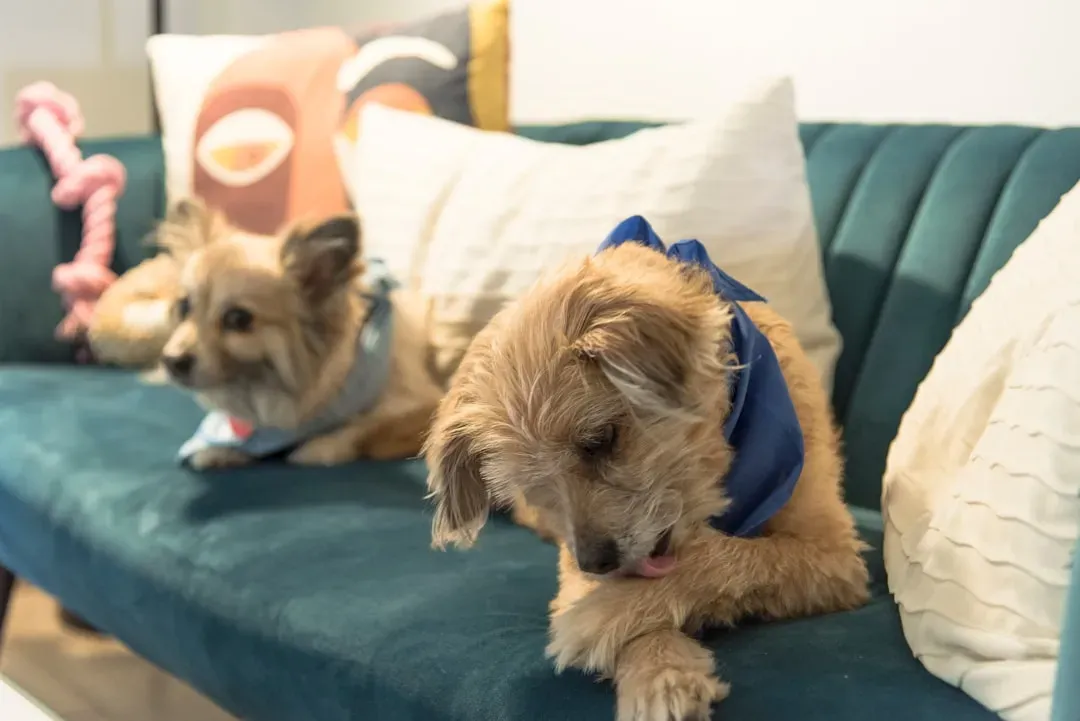
Dogs are resourceful self-soothers. When something hurts, they lick it. It’s instinctive. So if you notice your dog constantly licking at their elbows, wrists, or knees – even when there’s no visible cut or sore – that repetitive focus is meaningful. It’s like they’re trying to tell you exactly where it hurts.
Your dog might be experiencing joint pain if you notice them limping, losing muscle mass, or not being as active. Pair that with targeted licking of a specific joint, and the picture becomes clearer. It’s worth mentioning to your vet – even if it seems minor. What looks like a grooming quirk is often a pain coping behavior in disguise.
8. Muscle Loss or a Change in Body Shape
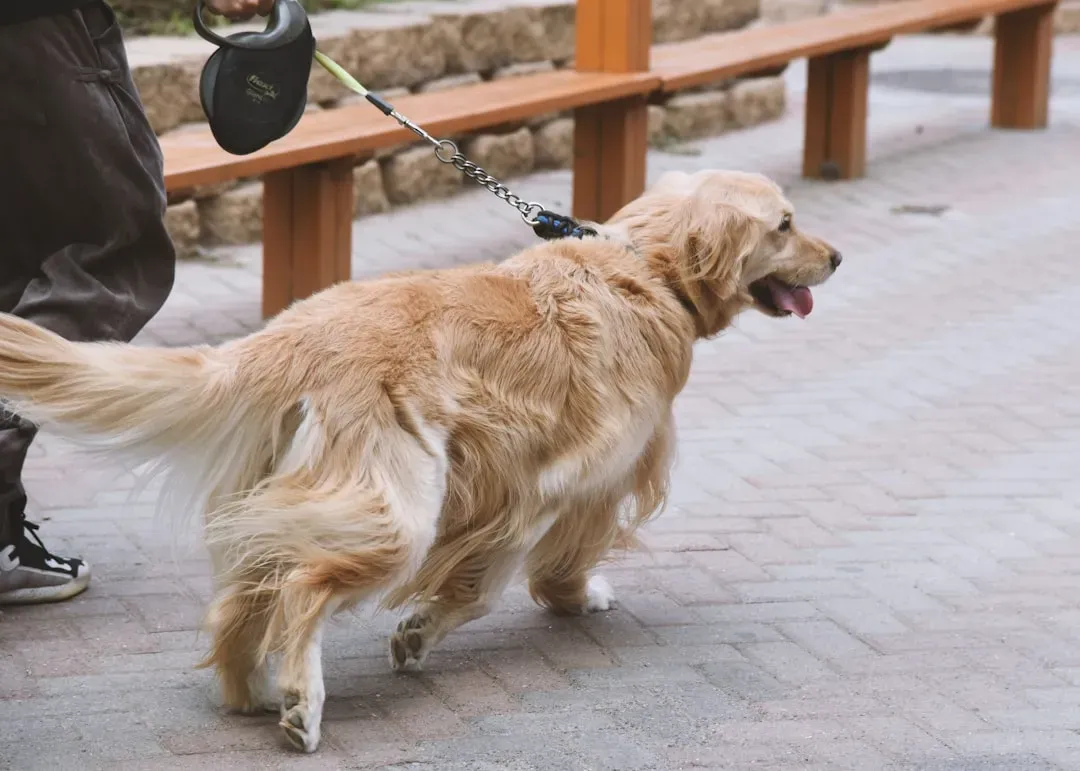
This one surprises a lot of dog owners. You might notice that one of your dog’s legs looks thinner than the other, or that their overall muscle tone has decreased. It’s not just about weight. It’s about the kind of tissue your dog is losing when they stop moving as much.
Dogs may also show signs of muscle atrophy due to decreased activity and exercise at the moderate arthritis stage. Think of it this way – when a dog hurts, they rest more. When they rest more, muscles shrink. It becomes a cycle. The primary goal of treating joint pain is to get your dog back to pain-free mobility and their regular level of activity. Well-developed muscles around your dog’s joints actually help reduce the stress and strain placed on those joints. Keeping your dog gently active is both a treatment and a protection strategy.
9. Audible Signs: Whimpering, Yelping, or Groaning
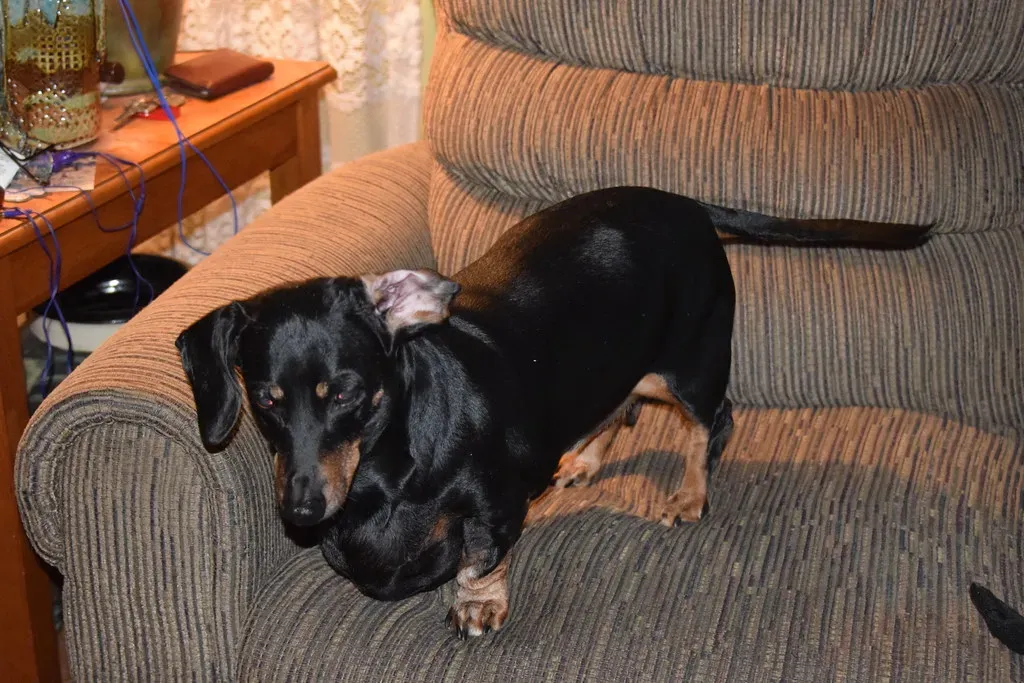
Some dogs are stoic. Others are vocal. If your dog yelps when getting up, whimpers when touched in certain areas, or groans as they settle down, your gut is probably already telling you something is wrong. Trust that instinct. You know your dog’s normal sounds better than anyone.
It may be difficult to tell if your dog is experiencing joint pain. They tend to be somewhat stoic and, especially if they are young, they will continue to enthusiastically participate in activities that may be causing them pain if they enjoy it. So audible pain signals are actually the exception, not the rule. When your dog does vocalize pain, consider it urgent – not something to wait on.
10. Slowing Down on Walks or Lagging Behind

Remember when walks were the highlight of your dog’s day? They’d drag you down the street. Now they shuffle along, stop frequently, or even sit down midway through. This one breaks hearts – and it should also ring alarm bells. A dog who has lost their spark on walks is a dog worth a closer look.
Common symptoms associated with osteoarthritis include lameness, being less active, and less interest in playing, hiking, or walks. Approximately one in five dogs suffers from canine arthritis. If you have an older dog who has started to slow down on walks and has difficulty getting up and down the stairs, your dog may be suffering from arthritis. That statistic alone should make every dog owner pay attention during their next walk together.
What to Do When You Spot These Signs
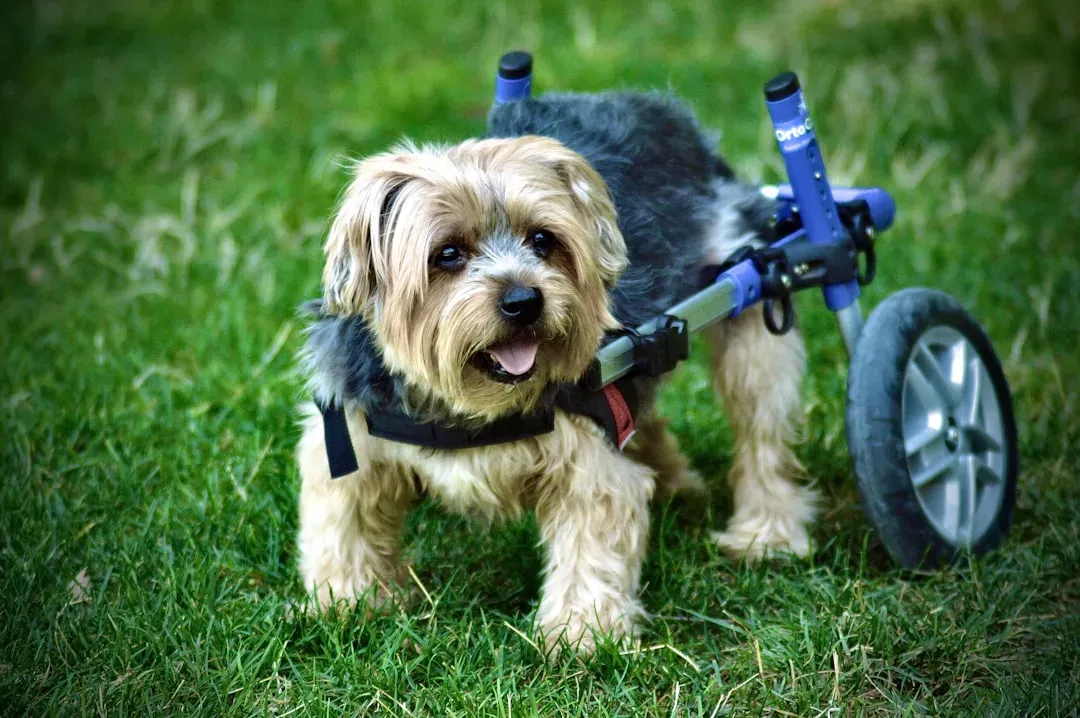
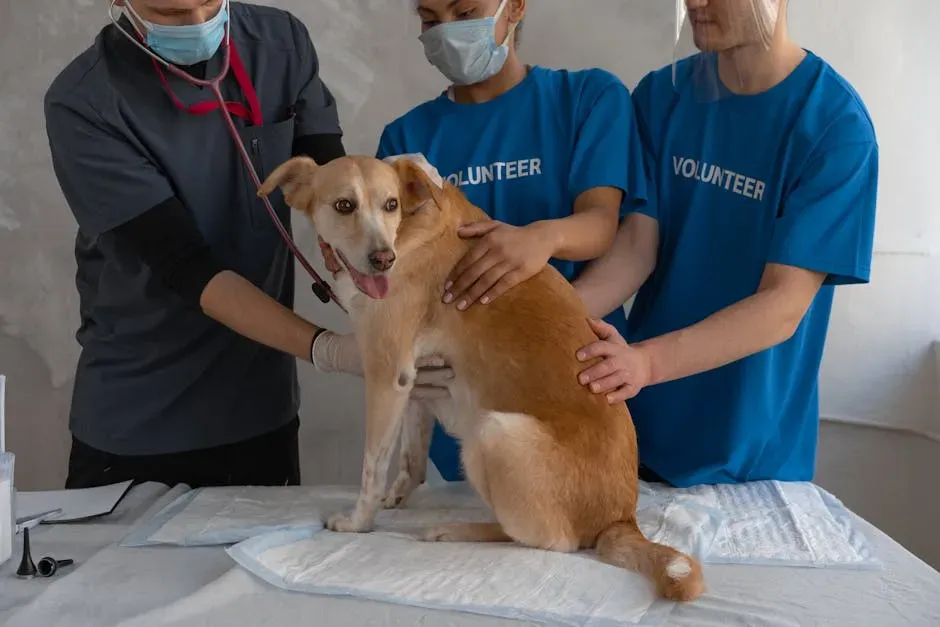
Okay, so you’ve spotted one or more of these signs. First of all, take a breath. Catching it is the first win. Early detection and diagnosis can allow treatment to begin sooner, so that your dog can regain more comfortable movement. The next step is straightforward: get to your vet. Don’t try to diagnose this yourself, and please don’t give your dog human pain medications.
NSAIDs meant for humans, like ibuprofen or naproxen, are toxic to dogs and should never be given to them for pain relief. Your vet will likely recommend a combination of approaches. Many types of joint pain improve with multimodal treatment, which may include medication, surgery, weight management, joint supplements, physical therapy, and alternative therapy methods. There is real, effective help available, and you don’t have to navigate it alone.
Keeping your dog at a healthy weight through a proper diet and regular exercise is one of the most effective ways to prevent joint problems. Supplements like glucosamine, chondroitin, and omega-3 fatty acids have actually been proven to reduce inflammation and protect the cartilage in your dog’s joints. Small daily choices add up to big differences over time. Think of joint health like a savings account – the earlier you invest, the more your dog benefits.
Creating a dog-friendly home with supportive bedding, ramps, and non-slip surfaces can help prevent injuries and reduce joint stress. These adjustments are particularly important for older dogs or those with existing joint conditions. It doesn’t have to be an expensive overhaul. A memory foam mat, a ramp to the couch, a non-slip rug on hardwood floors – these small changes can make a dog’s daily life so much more comfortable.
A Final Thought From One Dog Lover to Another
I know it’s hard to imagine that the dog who still wags their tail every time they see you might be quietly suffering. Dogs are brave that way. They show us joy even when they’re hurting. That’s why it falls on us to be their advocates, their translators, their first line of care.
Joint pain can seriously impact your dog’s quality of life. Knowing the early signs of joint pain in dogs may help you to spot the condition early so that your canine companion can receive treatment before the condition becomes more severe. You don’t need to be a vet to love your dog well. You just need to pay attention, trust your instincts, and act when something feels off. Your dog can’t ask for help. You can give it to them anyway.
So here’s my question for you: how is your dog moving today? Really think about it. What would you have guessed? Drop your thoughts in the comments – your experience might be exactly what another dog parent needs to hear.


