
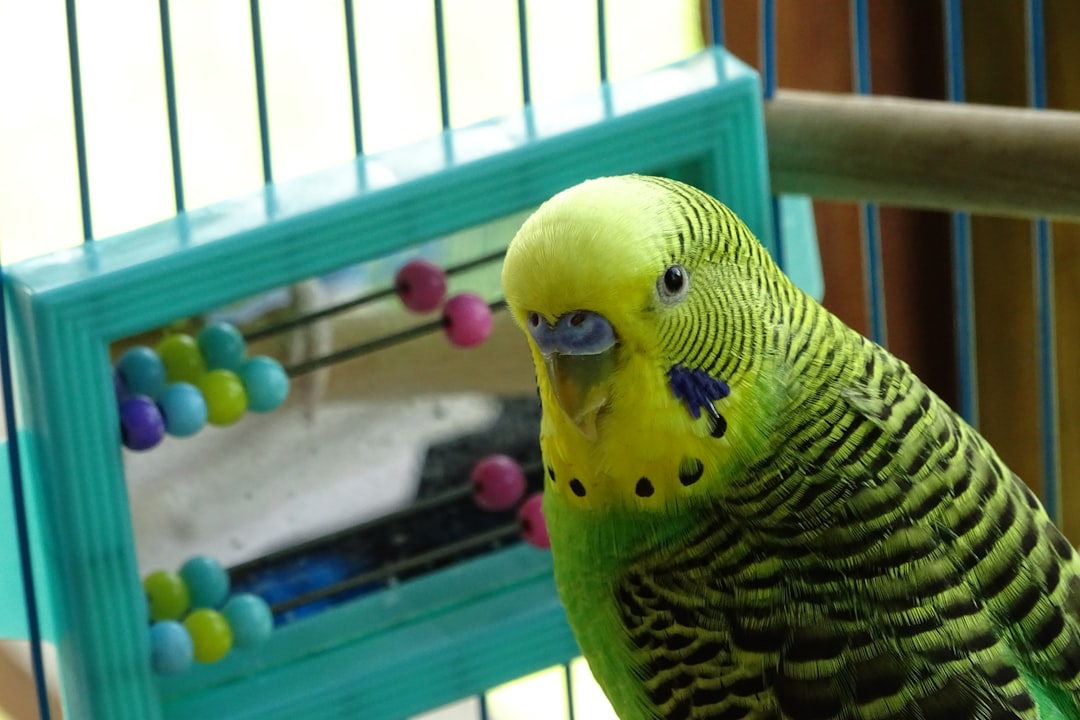

Have you ever seen your pet bird staring off quietly or pacing back and forth in its cage? This could be a silent cry for more mental stimulation. Birds are some of the most intelligent and emotionally sensitive pets on earth. When their days blend into boredom, their mental health can quickly decline, leading to stress, plucking, or even depression. But here’s the exciting news: A few simple daily activities can transform your bird’s world, sparking joy, curiosity, and confidence. If you’re a bird lover, get ready to discover how you can create a happier, more vibrant life for your feathered friend—one fun activity at a time.
Interactive Foraging Games
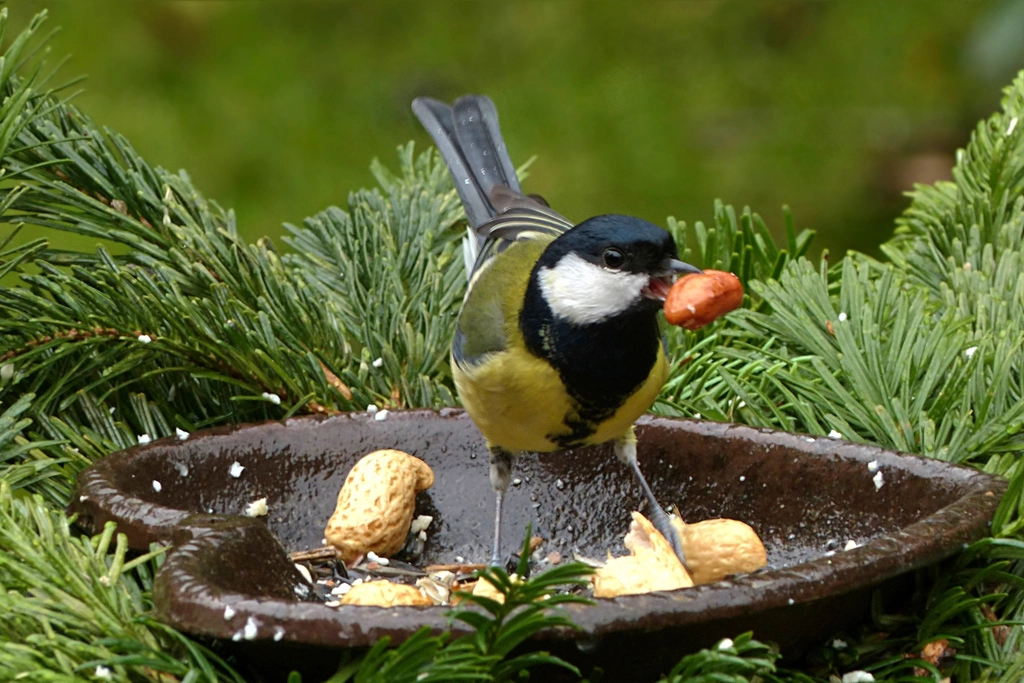
Pet birds are intelligent, curious creatures that thrive on stimulation and interaction. Without enough mental and physical enrichment, they can quickly become bored, stressed, or even develop behavioral issues like feather plucking or excessive vocalizing. Just like dogs need walks and cats need play, birds need daily activities that challenge their minds and keep their spirits high.
Foraging is in every bird’s nature. In the wild, they spend hours searching for food, using their beaks and brains. At home, handing them food in a bowl just isn’t enough. Hide treats in paper cups or wrap them in bird-safe paper. You can even make a little puzzle by tucking snacks inside cardboard rolls. Watching your bird hunt for its meal is not only entertaining but also keeps their mind sharp. Try changing the hiding spots daily to keep things fresh and challenging. This game can be as simple or as intricate as your bird’s skill allows. The sense of accomplishment when they find the treat can make their day—and yours.
Rotate Toys Regularly
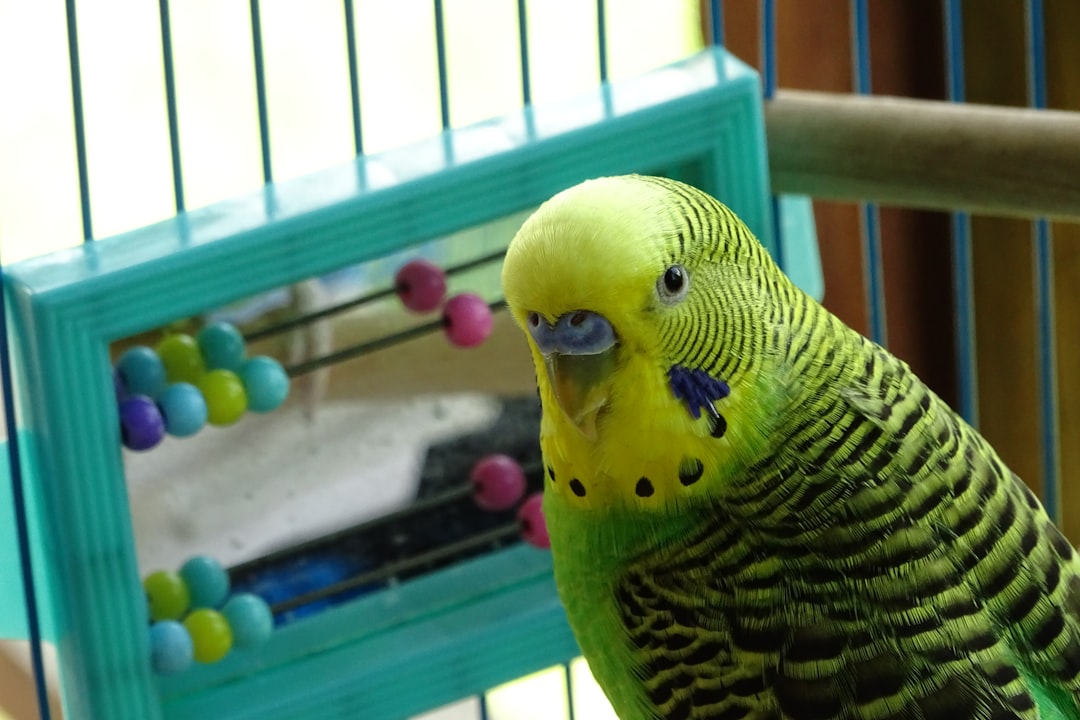
Imagine playing with the same toy every single day. It would get dull pretty quickly! Birds feel the same way. Rotate their toys every few days to keep things interesting. Swap in bells, ropes, ladders, and wooden blocks. New textures, colors, and shapes can reignite their curiosity. Birds love surprises, and something as easy as a shiny mirror or a soft swing can bring a spark to their eyes. When you change up their environment, you give them something new to figure out, which is just what their clever minds crave. Remember, a variety of toys helps prevent boredom and keeps your feathered friend engaged.
Teach Simple Tricks
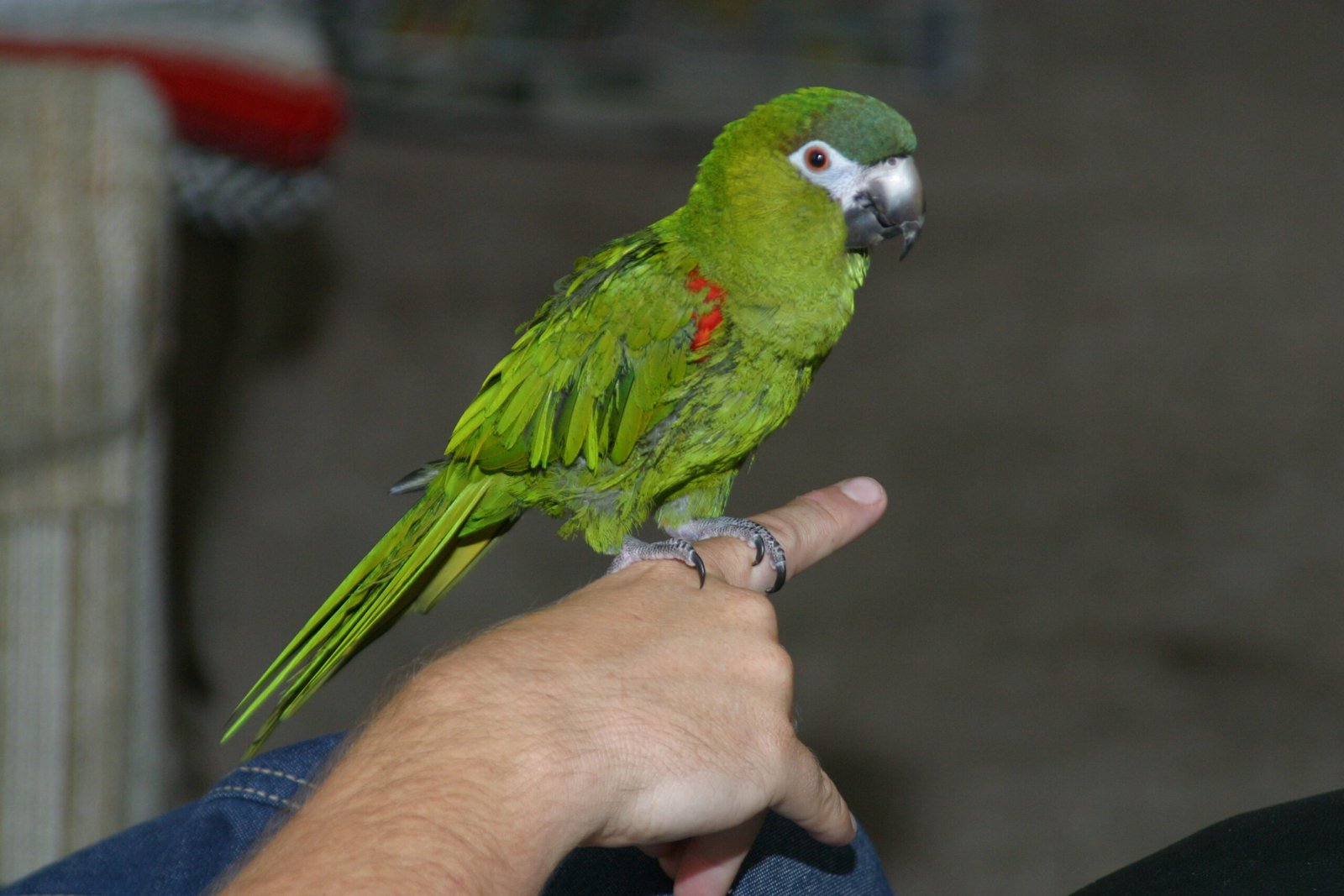
Training sessions aren’t just for dogs! Birds are fast learners and thrive when challenged with new tricks. Start with simple things like “step up” onto your finger or “turn around” for a treat. Use positive reinforcement—lots of praise and a favorite snack. Short, daily training sessions build confidence and trust between you and your pet. Over time, you can teach fun tricks like waving, ringing a bell, or even playing basketball with a tiny ball. These mental workouts help prevent stress and encourage your bird to be more interactive and playful.
Bird-Safe Chewing Materials
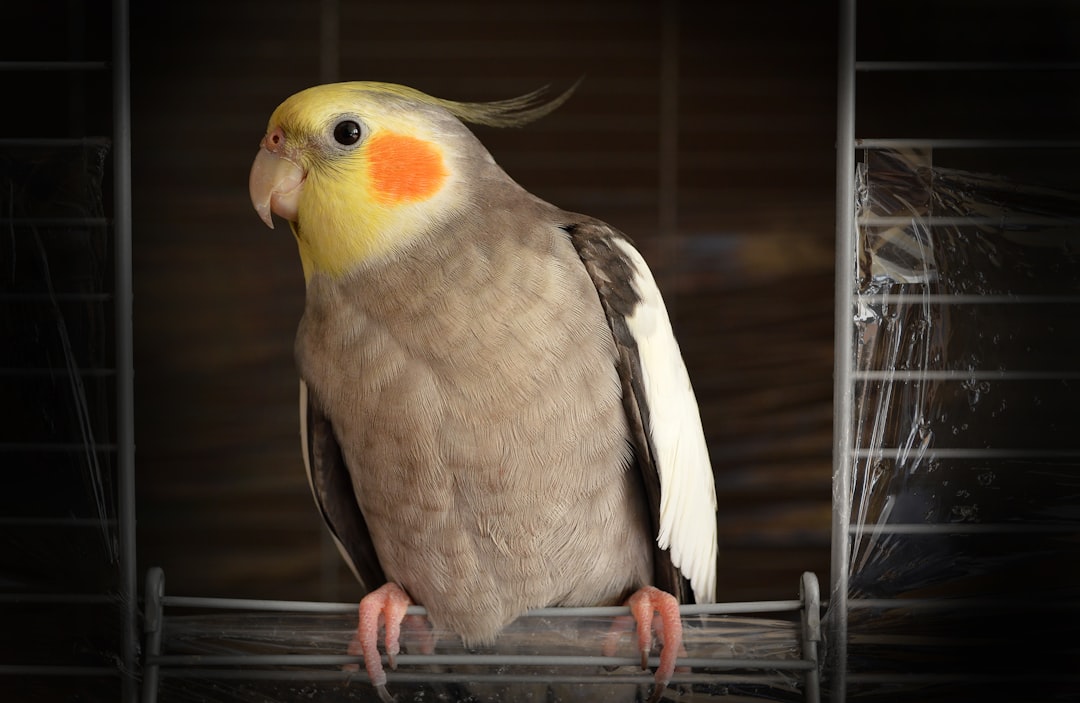
Chewing is a natural behavior for birds, and it’s essential for their beak health and happiness. Offer a selection of bird-safe materials like untreated wood, palm leaves, and natural fiber ropes. You can even give them pieces of vegetable-tanned leather or cardboard. Chewing relieves stress and gives your bird a satisfying task. Make sure to check the materials for any sharp edges or toxic substances before offering them. Mixing up the textures and shapes will keep your bird interested and prevent them from getting bored or destructive.
Daily Flight Time or Exercise
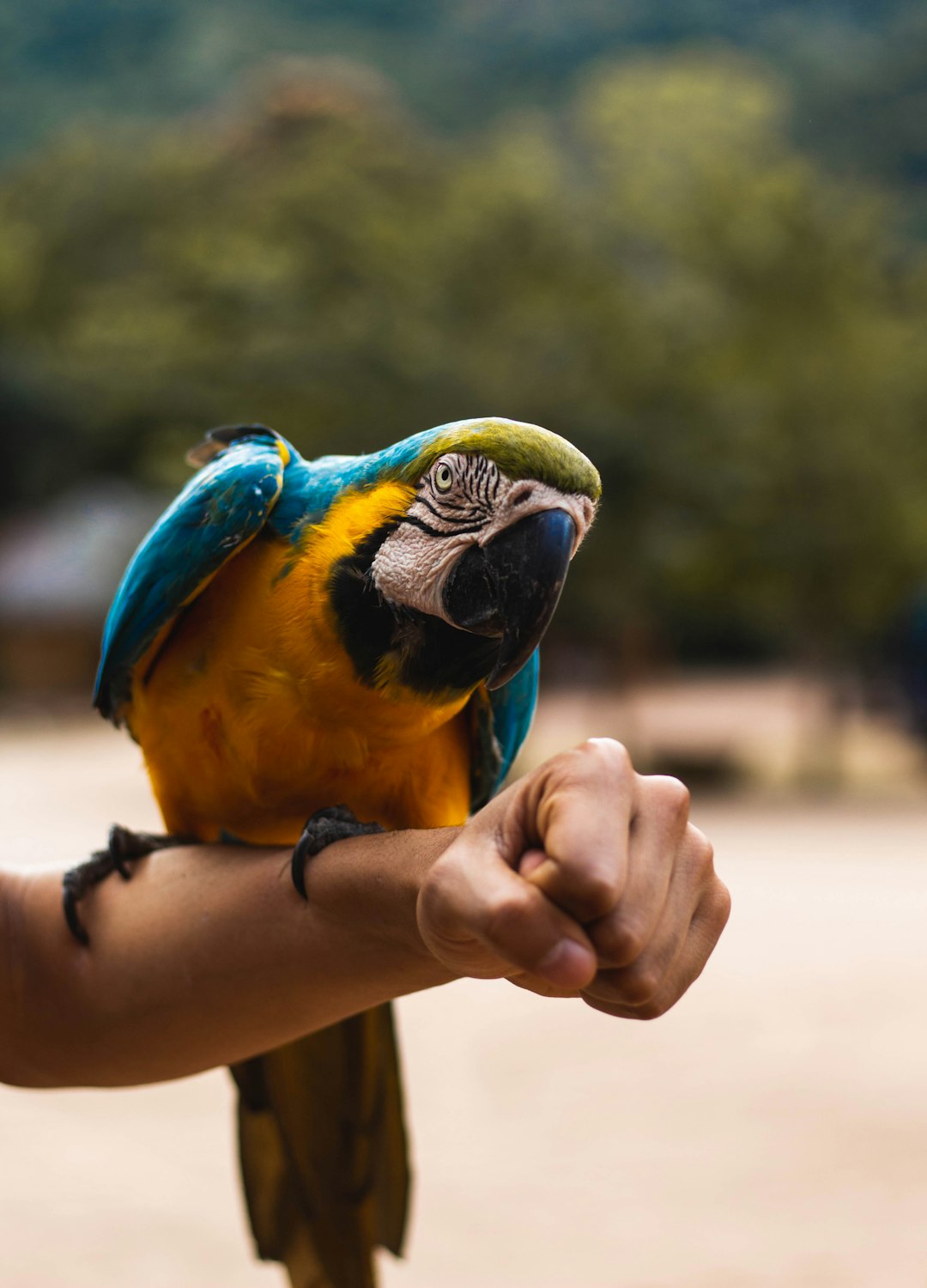
Birds are built to fly, and exercise is crucial for their mental and physical well-being. If possible, allow your bird safe, supervised out-of-cage time each day. Create a bird-proofed room or use a play gym with perches at different heights. Encourage them to flap, hop, and explore. For smaller spaces, fluttering between perches or climbing ladders can also get their heart pumping. Physical activity reduces anxiety and helps burn off excess energy, making your bird calmer and happier. Exercise isn’t just good for their body—it’s a powerful mood booster, too.
Music and Nature Sounds
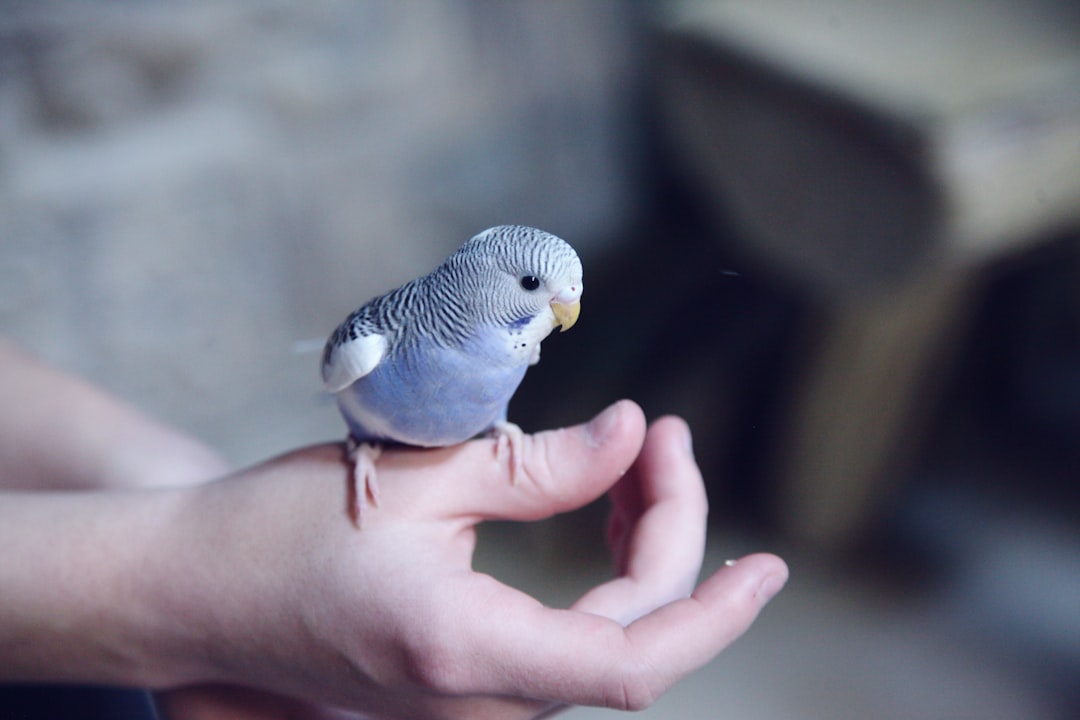
Birds have an incredible response to music and nature sounds. Play gentle tunes or recordings of rainforest sounds to create a calming and stimulating environment. Some birds even love to sing along or dance to the rhythm! Try different genres—classical, soft pop, or even bird calls. Watch how your bird reacts and let them enjoy their favorites. These sounds can help fill the silence, especially if your bird spends time alone during the day. It soothes nerves and provides a sense of company, which is especially comforting for social species.
Mirror Play and Visual Stimulation
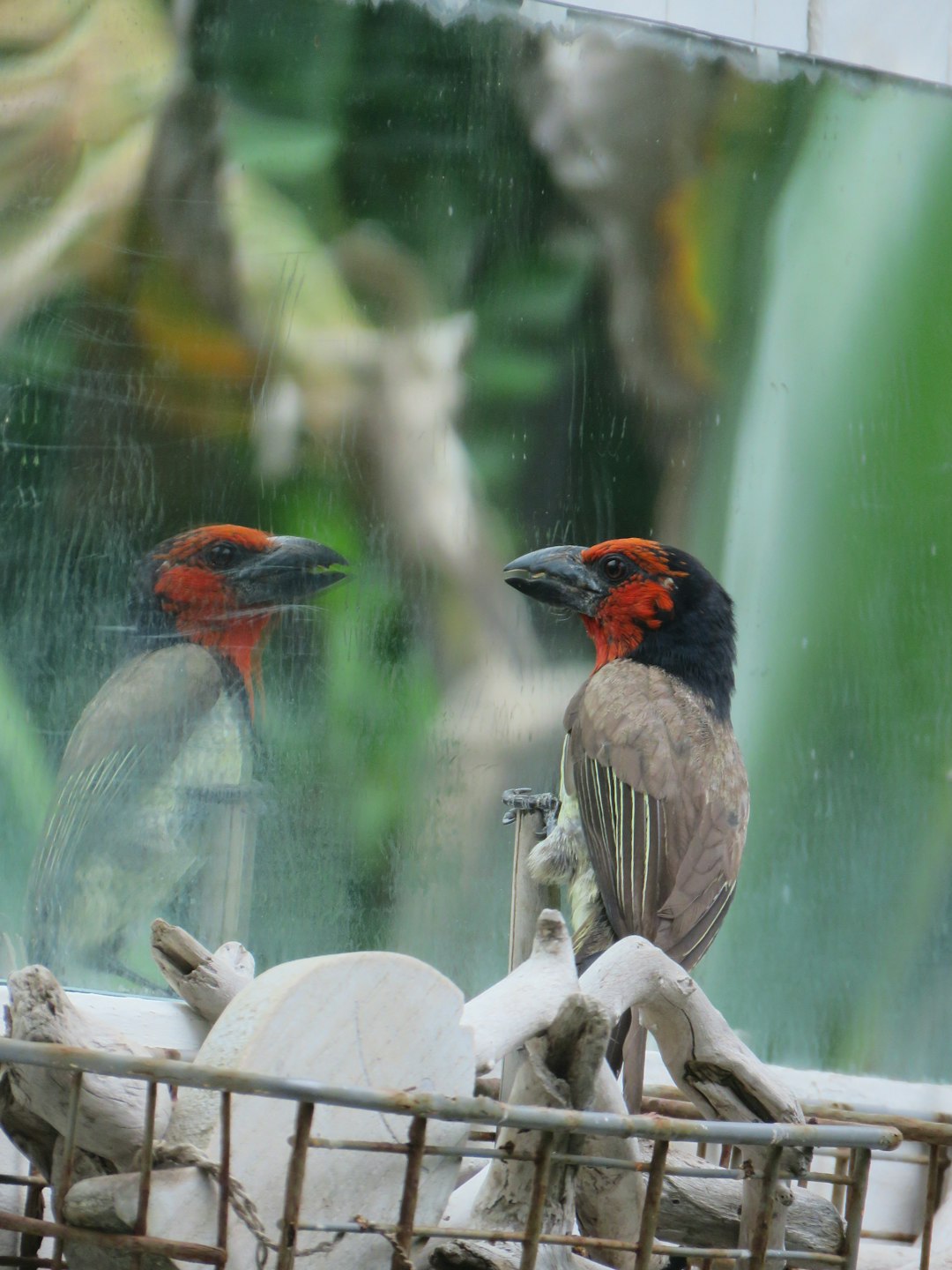
Birds are naturally curious about reflections and movements. Adding a safe mirror or placing your bird’s cage near a window (where they can safely watch the world) gives them something fascinating to observe. Mirrors can encourage playful interactions, though some birds may get possessive or confused—monitor their reactions closely. Simple visual changes, like hanging colorful streamers or moving perches, can also excite their senses. Watching outdoor birds or the rustle of leaves can make their day feel more dynamic and connected to nature, even indoors.
Social Interaction and Talking Time
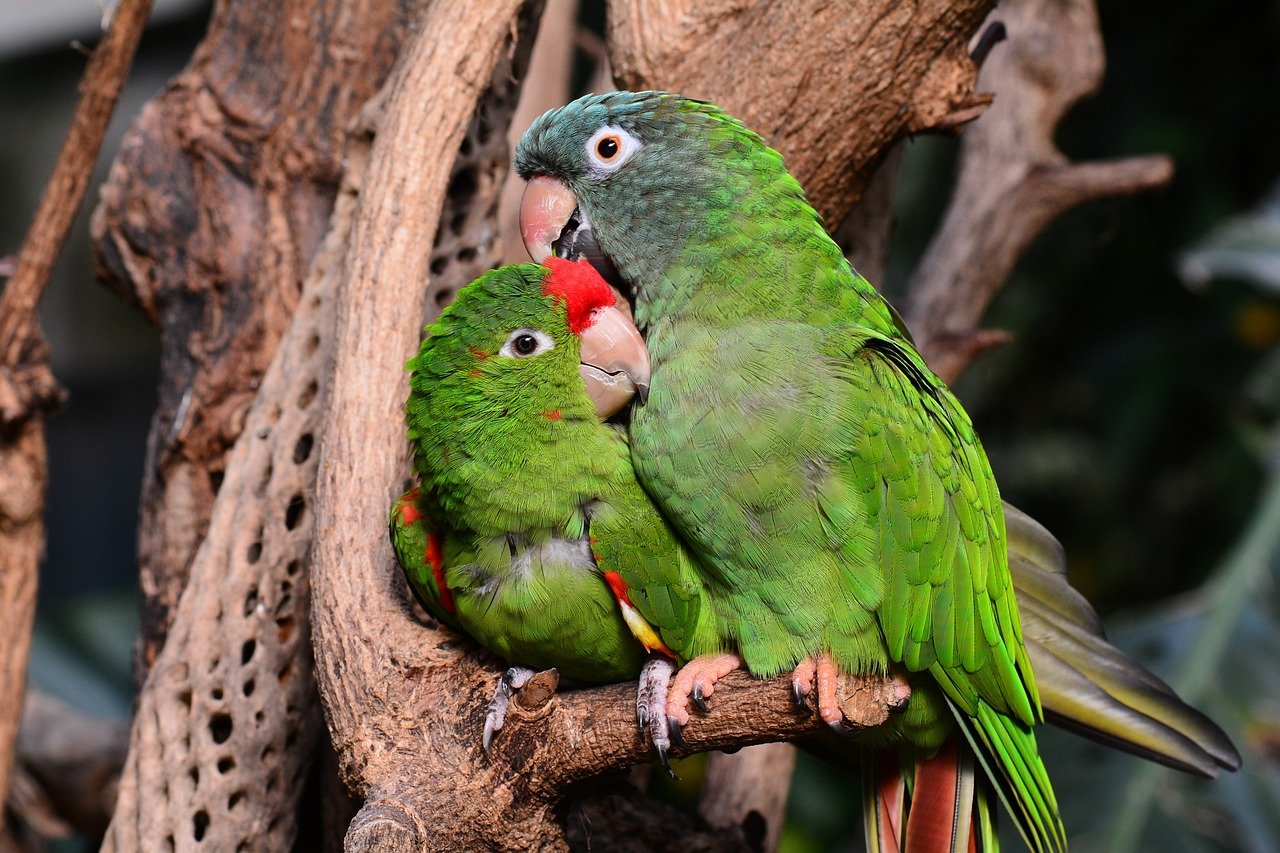
Birds crave social interaction—many species are flock animals and feel lonely without company. Spend a few minutes each day talking to your bird, whistling, or reading aloud. Even if your bird doesn’t talk back, they love the attention and voice. Offer gentle head scratches or just sit quietly by their cage. This daily bonding is essential for their emotional health. Birds that feel loved are more likely to be active, vocal, and less prone to stress behaviors. Making your bird part of your daily routine can be just as rewarding for you as it is for them.
Fresh Foods and Treat Surprises
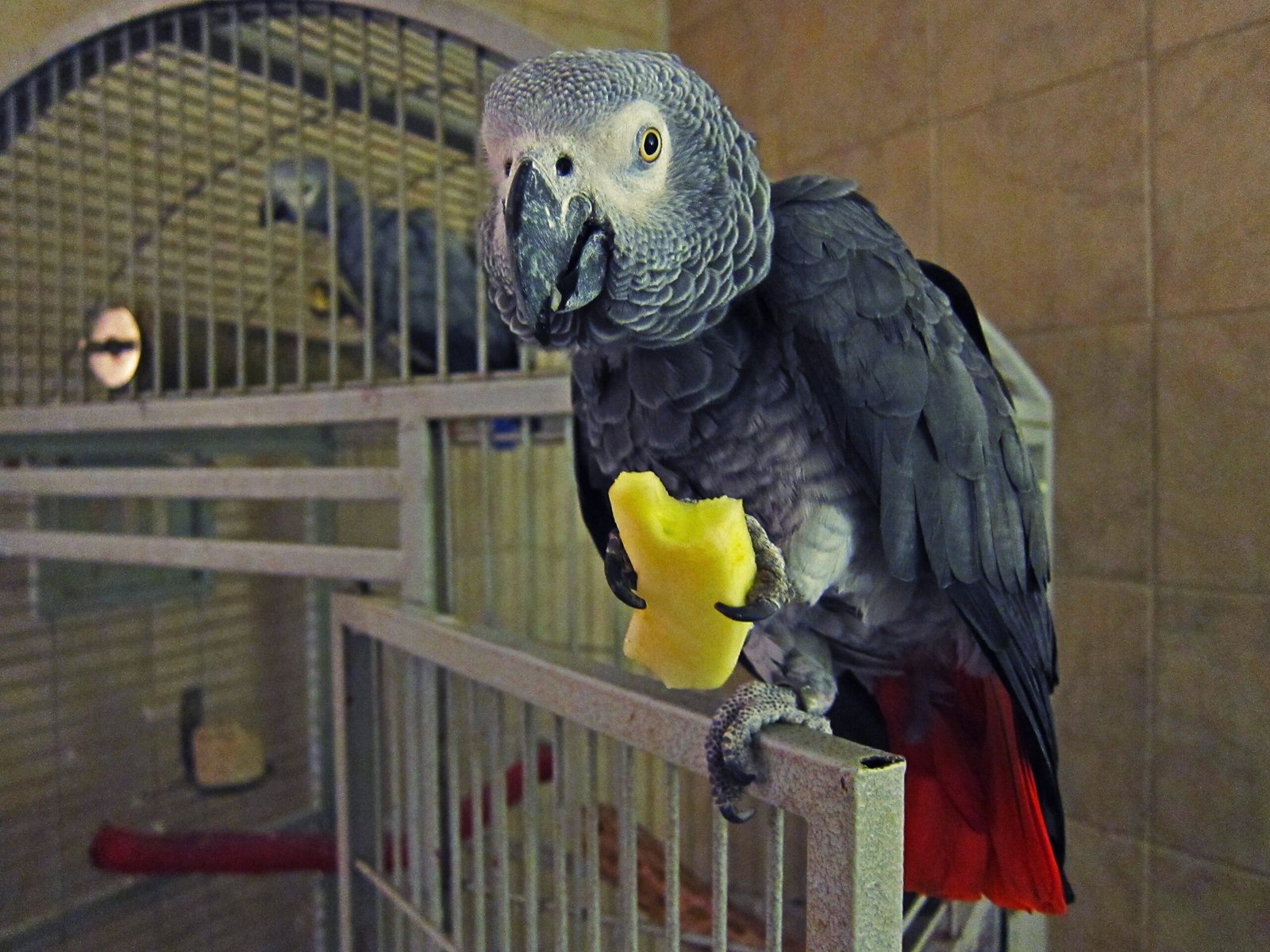
A surprise snack can brighten up your bird’s day! Alongside their regular diet, offer small portions of bird-safe fruits, veggies, or sprigs of fresh herbs. Hide these treats in different places so your bird has to search for them, combining foraging and variety. Try apple slices, carrot shreds, or a bit of basil—just be sure to research what’s safe for your specific bird. Changing up their food not only adds nutrition but keeps their taste buds excited and their minds active. A colorful plate is a feast for the eyes and the soul!
DIY Climbing Structures and Obstacle Courses
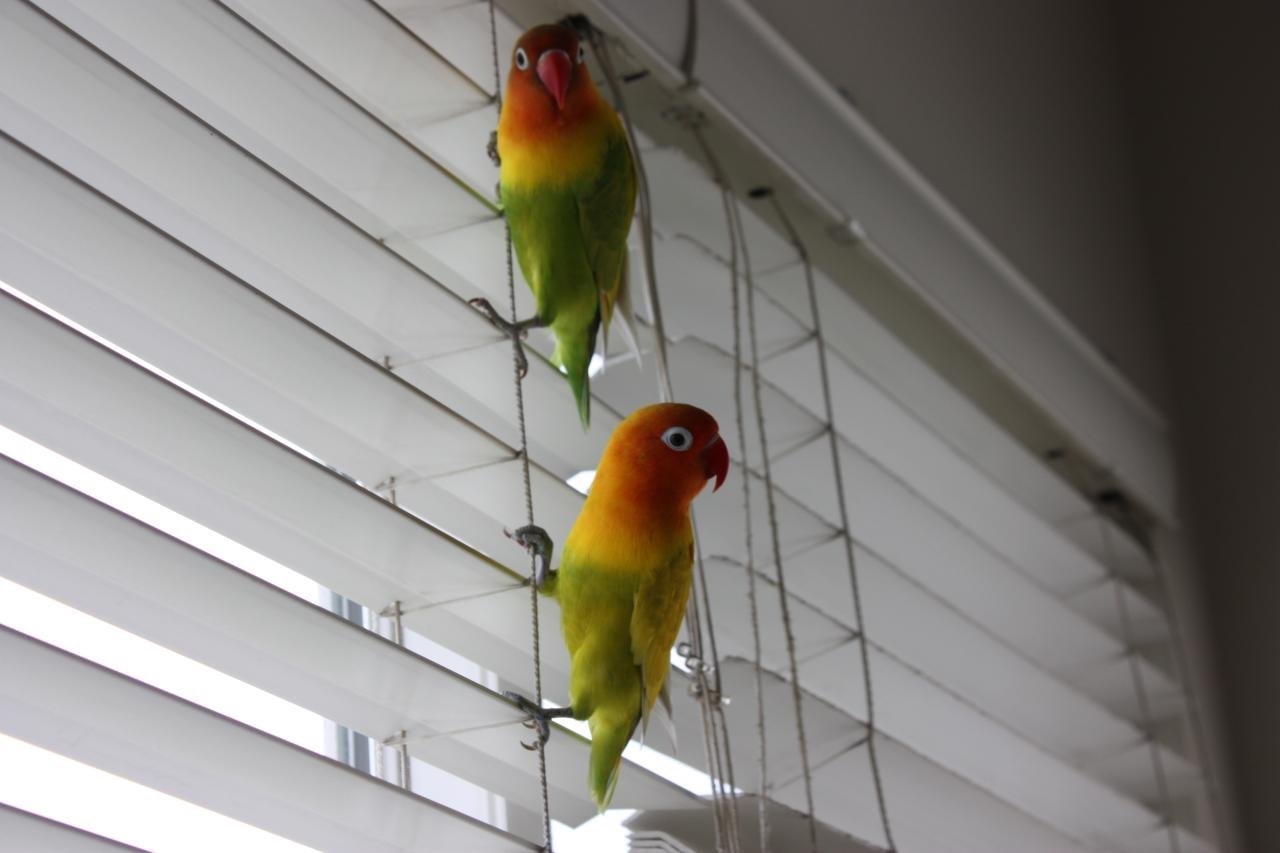
Put on your creative hat and build a mini adventure playground for your bird. Use sturdy branches, ladders, swings, and ropes to create climbing challenges. Rearranging these structures every week gives your bird new paths to explore. You can even make a simple obstacle course, encouraging your bird to walk, hop, or fly from one perch to another. These physical puzzles keep them agile and entertained, much like a playground for a child. Watching your bird conquer new heights is both delightful and a powerful boost for their confidence and mental health.
Keeping your pet bird mentally stimulated isn’t just a bonus — it’s a vital part of their overall well-being. By incorporating a variety of daily enrichment activities, you’ll help prevent boredom, reduce stress, and foster a more trusting and engaging relationship with your feathered companion. Whether it’s puzzle toys, foraging games, or interactive play, a little daily effort goes a long way in creating a happier, healthier life for your bird. After all, a stimulated bird is a thriving bird.
Linnea is a born and bred Swede but spends as much time as possible in Cape Town, South Africa. This is mainly due to Cape Town’s extraordinary scenery, wildlife, and atmosphere (in other words, because Cape Town is heaven on earth.) That being said, Sweden’s majestic forests forever hold a special place in her heart. Linnea spends as much time as she can close to the ocean collecting sea shells or in the park admiring puppies.


