
We’ve all heard the stories. The neighbor who crosses the street when they see a certain dog approaching. The insurance company that refuses coverage based on breed alone. The news headlines that scream danger.
Here’s the thing though. Some of the so-called scariest breeds out there are actually big softies underneath that intimidating exterior. Think about it like judging a book by its cover, except the cover is muscles and sharp teeth, and inside you’ll find loyalty, goofiness, and a serious case of velcro dog syndrome. Let’s challenge what you think you know about these misunderstood pups.
Pit Bulls: America’s Most Misunderstood Companion
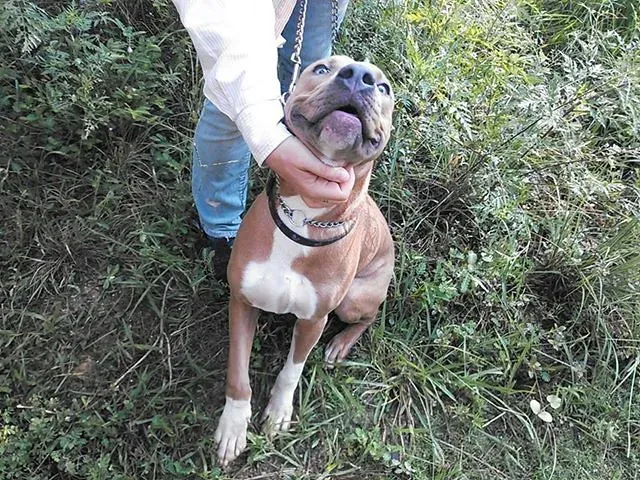
Temperament test average for pitbull-type breeds is 91.3%, compared to the 83.0% average across all breeds. Let that sink in for a moment. The dog everyone’s supposedly afraid of actually scores better than most breeds when tested for stability and friendliness.
Many dogs with short coats, muscular builds, and blocky heads are wrongly labeled as Pitbulls, even when they aren’t. So half the time, people are terrified of a dog that isn’t even a Pit Bull. It’s like being scared of a Golden Retriever because someone told you it was a wolf.
Pit Bulls have an amazing love of people and are remarkably affectionate, craving human attention. These dogs basically invented the term “lap dog,” despite weighing anywhere from fifty to seventy pounds. Pit Bulls are not human aggressive and are gentle and loving dogs. The truth is that responsible owners raise incredible family companions. I’ve personally seen Pit Bulls who are absolute marshmallows with children.
Rottweilers: Gentle Giants With a Guard Dog Past
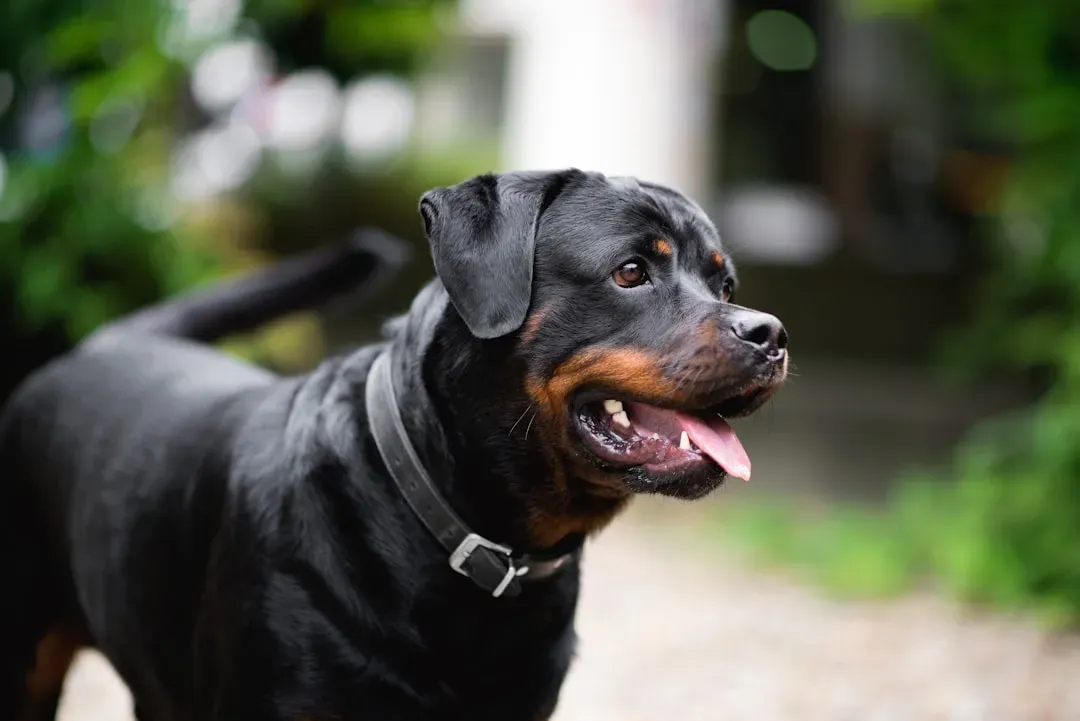
The Rottie observes the outside world with a self-assured aloofness. That intimidating stare? It’s more about confidence than aggression.
People see their massive frame and think “danger,” but with the proper training and socialization from puppyhood, a Rottweiler is an even-tempered, incredibly loyal dog that will protect his family fearlessly. These dogs are ridiculously devoted. Rottweilers are a very sensitive breed, highly intelligent, and they form a very close attachment to their humans.
The trick with Rotties is early socialization. 89% serve as loyal family pets with socialization. That means the vast majority become wonderful companions when raised correctly. Rottweilers are no more prone to aggression than any other breed of dog, and dog breed is not a good predictor of aggression.
Doberman Pinschers: Sleek Protectors With Hearts of Gold
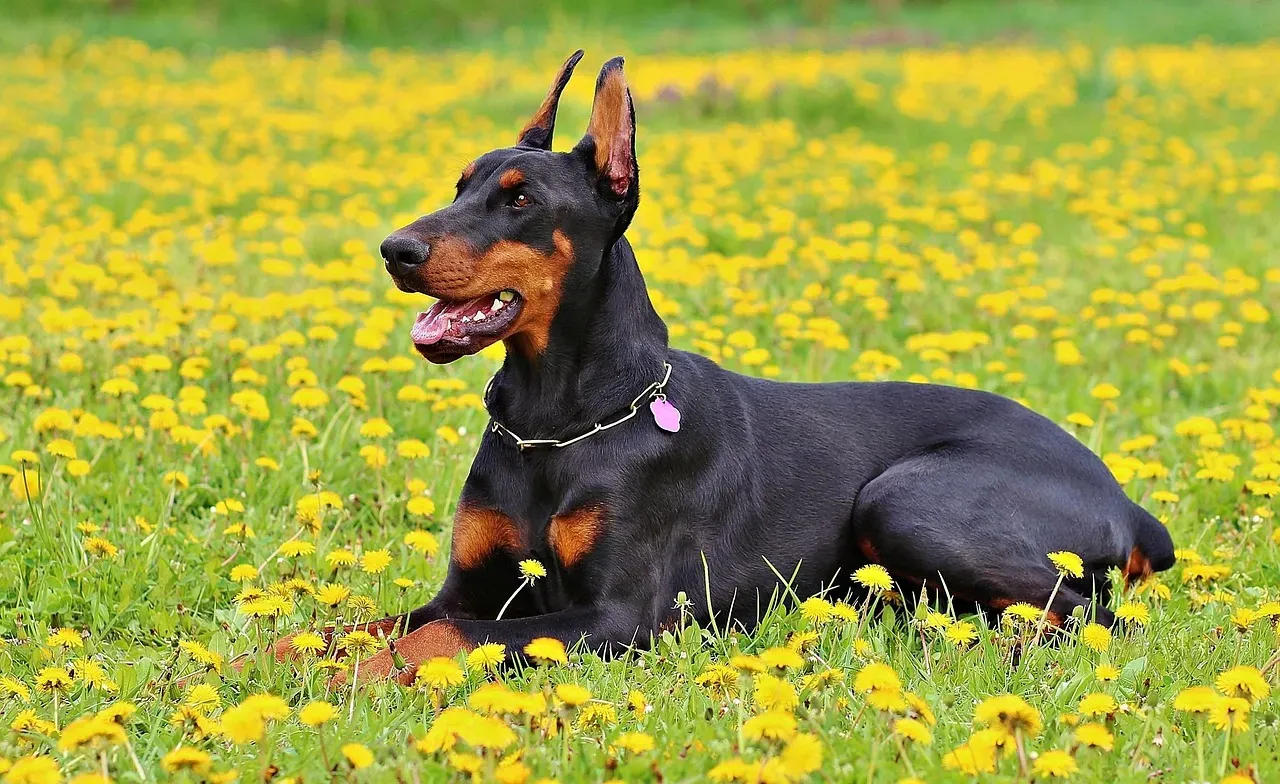
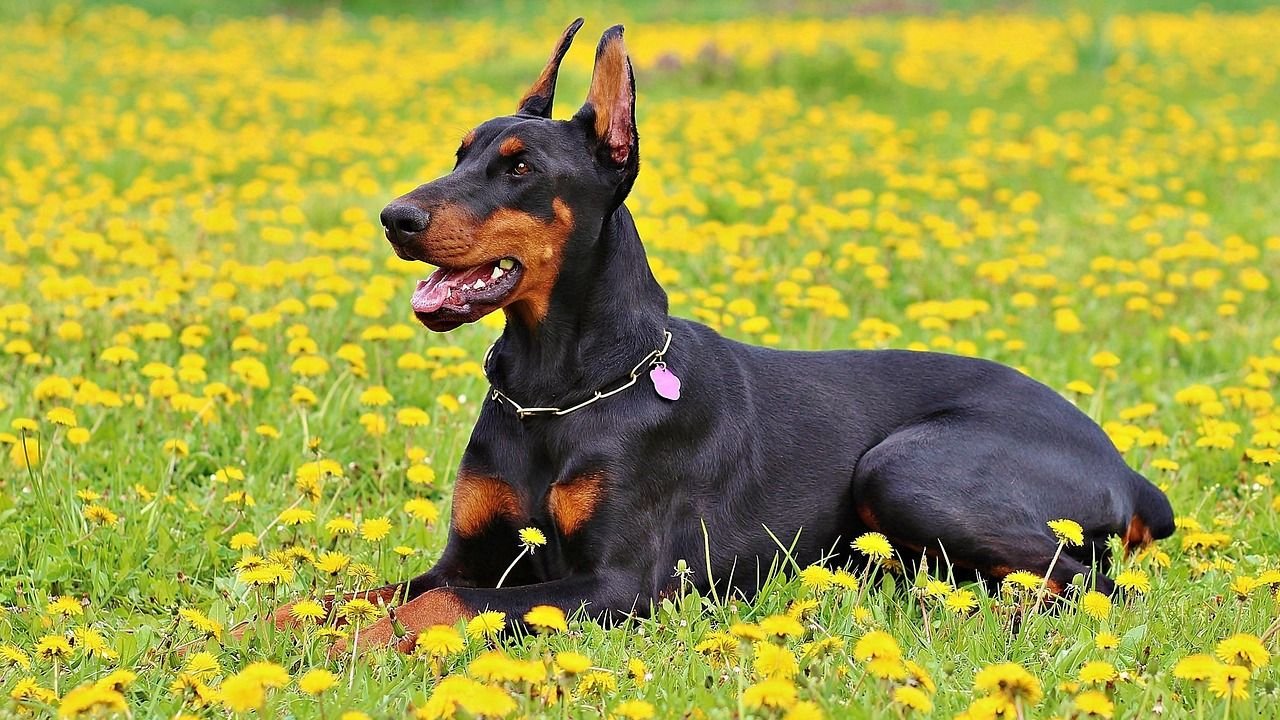
Let’s talk about Dobermans for a second. Despite their fierce reputation, Dobermans are usually gentle, watchful, and loving, and while they are fearless and will protect their family and territory when necessary, they do not seek trouble.
The Doberman Pinscher ranked relatively high on stranger-directed aggression, but extremely low on owner-directed aggression, and looking only at bites and attempted bites, Doberman Pinschers show less aggression than many breeds without a reputation. Translation? They’re suspicious of strangers but absolutely devoted to their families.
The Doberman Pinscher is extremely loyal to their owners and quickly becomes a trusted and important member of the family, and because of their loyalty, a Doberman thrives being in close contact with his loved ones. They basically want to be your shadow. Despite their reputation as guard dogs, Doberman Pinschers are a gentle and loving breed keen to be a companion.
German Shepherds: The Loyal Worker Unfairly Typecast
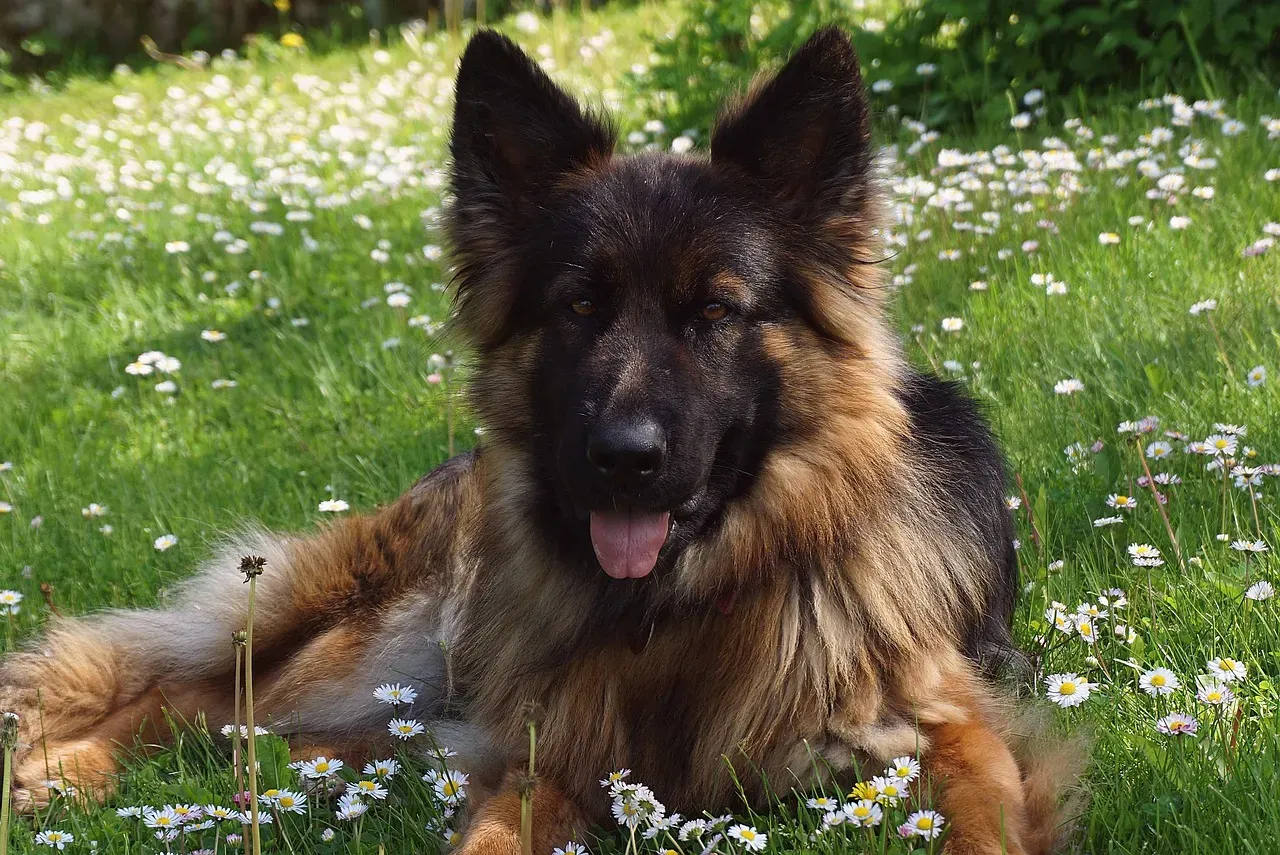
This dog breed has a mainstream reputation of being tough and aggressive – think military dogs, police dogs, and excellent guard dogs. Sure, they’re used in law enforcement, but that’s because they’re smart and trainable, not because they’re naturally vicious.
One of the most common misconceptions about German Shepherds is that the breed is inherently aggressive, but their temperament largely depends on factors such as training, socialization, and upbringing, and properly raised German Shepherds are known for their loyalty and protective instincts, making them excellent family companions.
Here’s what people miss: German Shepherds have a natural instinct to protect their family, territory, and property, and this protective nature can manifest as alertness, watchfulness, and sometimes even suspicion of strangers. That’s protectiveness, not aggression. There’s a difference. 94% coexist safely with kids when trained.
Alaskan Malamutes: Big Fluffy Teddy Bears That Pull Sleds
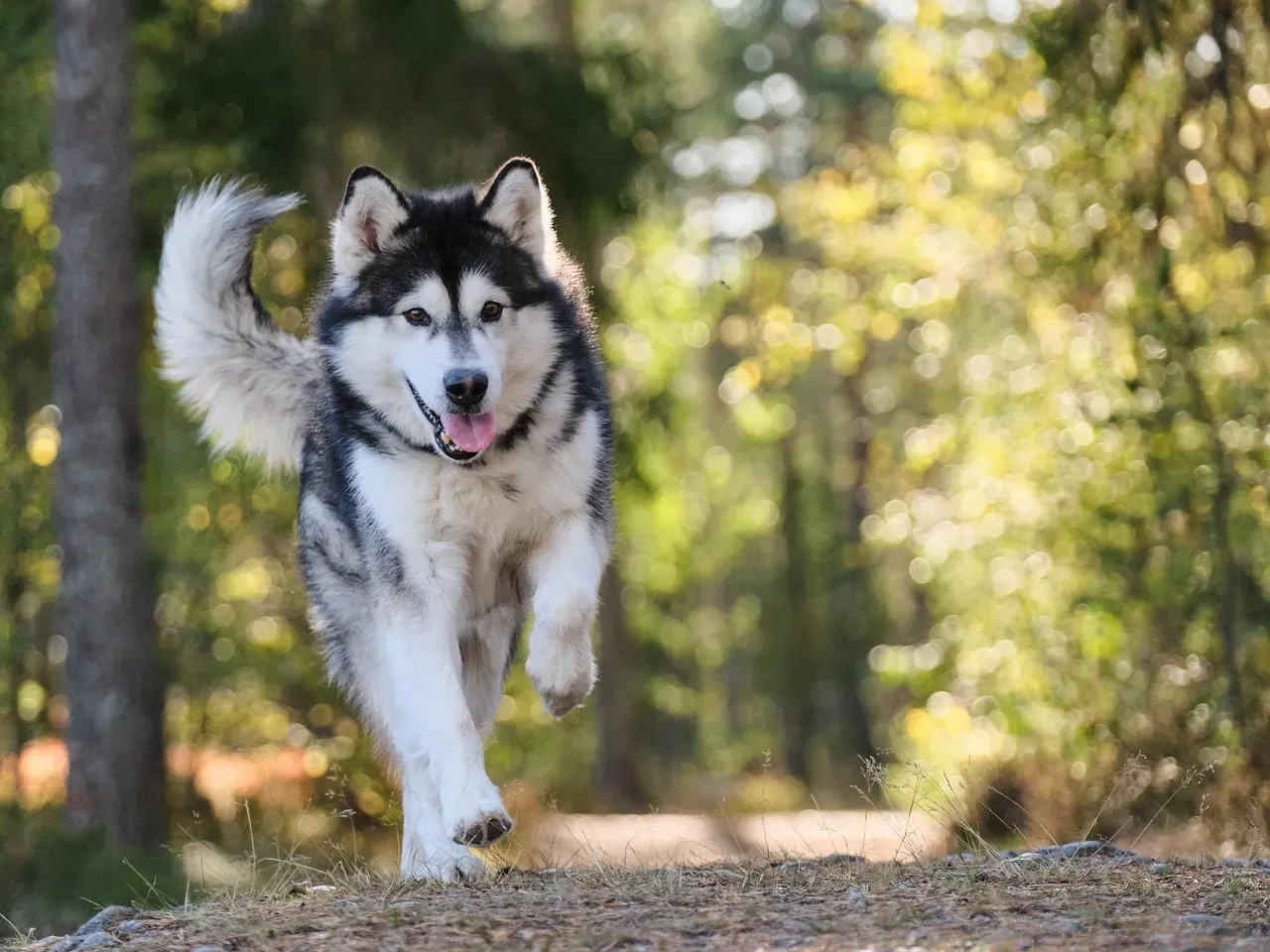
Malamutes look intimidating. They’re massive, wolf-like, and incredibly strong. I get why people might be wary. Yet underneath all that fluff is a dog bred to work alongside humans in brutal conditions.
These dogs were built for hauling heavy loads through Arctic winters, which required cooperation and trust with their human handlers. They needed to be strong-willed but not aggressive. Without proper exercise and mental stimulation, any powerful dog breed can develop issues, but that’s an energy problem, not a temperament issue.
Malamutes are generally friendly, affectionate dogs who love their families. They do have a strong prey drive toward smaller animals, so cat owners beware, but toward humans? They’re typically gentle goofballs who think they’re lap dogs despite weighing upwards of eighty pounds.
Boxers: The Clownish Athletes With Boundless Energy

Boxers have that classic “tough guy” look with their muscular build and strong jaw. They can appear threatening if you don’t know them. Honestly though, they’re more likely to lick you to death than anything else.
These dogs were bred as hunting companions and later as guard dogs, but modern Boxers are known for being patient and protective with children. They’re nicknamed the “Peter Pan” of dog breeds because they maintain puppy-like enthusiasm well into adulthood. That boundless energy needs an outlet, or you’ll have a bored, destructive dog on your hands.
Boxers are intensely loyal and form deep bonds with their families. They’re playful, sometimes goofy, and tend to use their paws more than other breeds, which gives them an almost human-like quality. With proper training and socialization, they make wonderful family companions who’ll defend their loved ones if necessary but won’t go looking for trouble.
Bullmastiffs: Powerful But Remarkably Gentle Guardians

Bullmastiffs are enormous. There’s no getting around that fact. Males can weigh over one hundred and thirty pounds of pure muscle. They were originally bred to guard estates and take down poachers, which sounds terrifying on paper.
The reality? These dogs are incredibly gentle with their families, especially children. They’re known for being patient, devoted, and surprisingly calm indoors. Their guarding instinct is more about deterrence than aggression. They’d rather intimidate an intruder with their sheer size and deep bark than actually bite.
Bullmastiffs are sensitive dogs who don’t respond well to harsh training methods. They thrive on positive reinforcement and gentle guidance. With proper socialization, they’re polite with strangers and other dogs. They just need owners who understand their size and strength and provide appropriate training from puppyhood.
Cane Corsos: Ancient Roman Warriors Turned Family Dogs
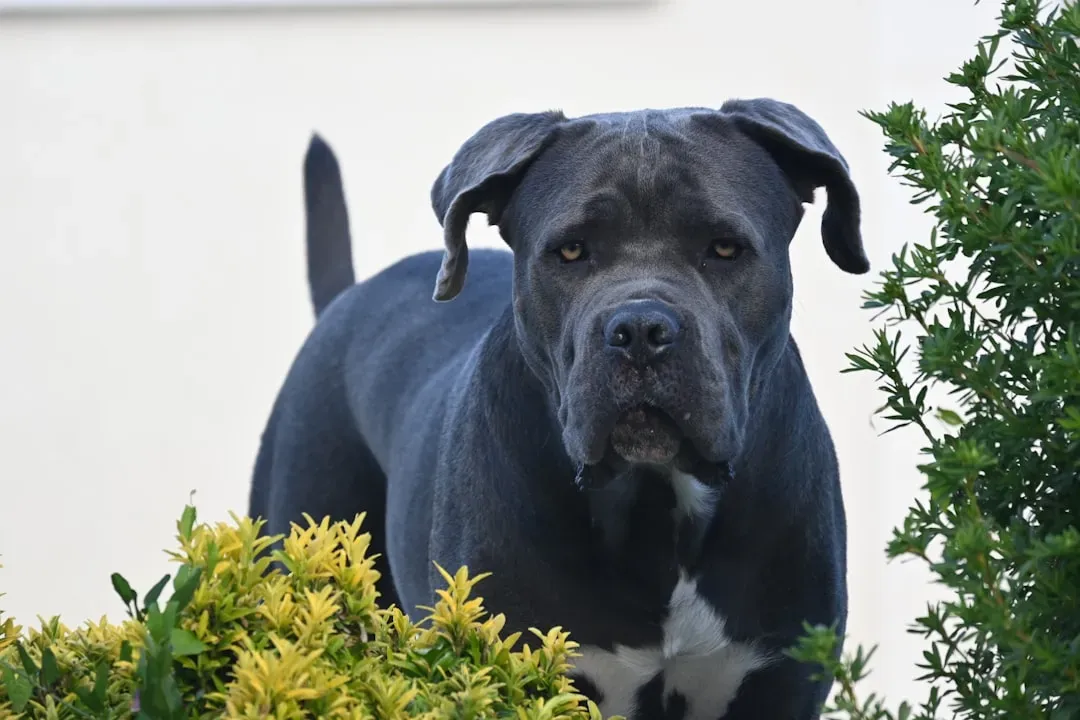
The Cane Corso descends from Roman war dogs. That heritage gives them an imposing presence and natural protective instincts. People see them and think “dangerous,” which is understandable given their muscular build and intense gaze.
These dogs are incredibly intelligent and form deep bonds with their families. They’re not naturally aggressive but they are naturally protective. There’s a crucial difference. A well-socialized Corso is calm, confident, and discerning. They assess situations rather than reacting impulsively.
Cane Corsos need experienced owners who can provide consistent training and socialization from an early age. They’re not recommended for first-time dog owners, not because they’re mean, but because they’re powerful and need confident leadership. In the right hands, they’re devoted companions who’ll lay down their lives for their families.
Huskies: Escape Artists With Hollywood-Inspired Bad Reputations
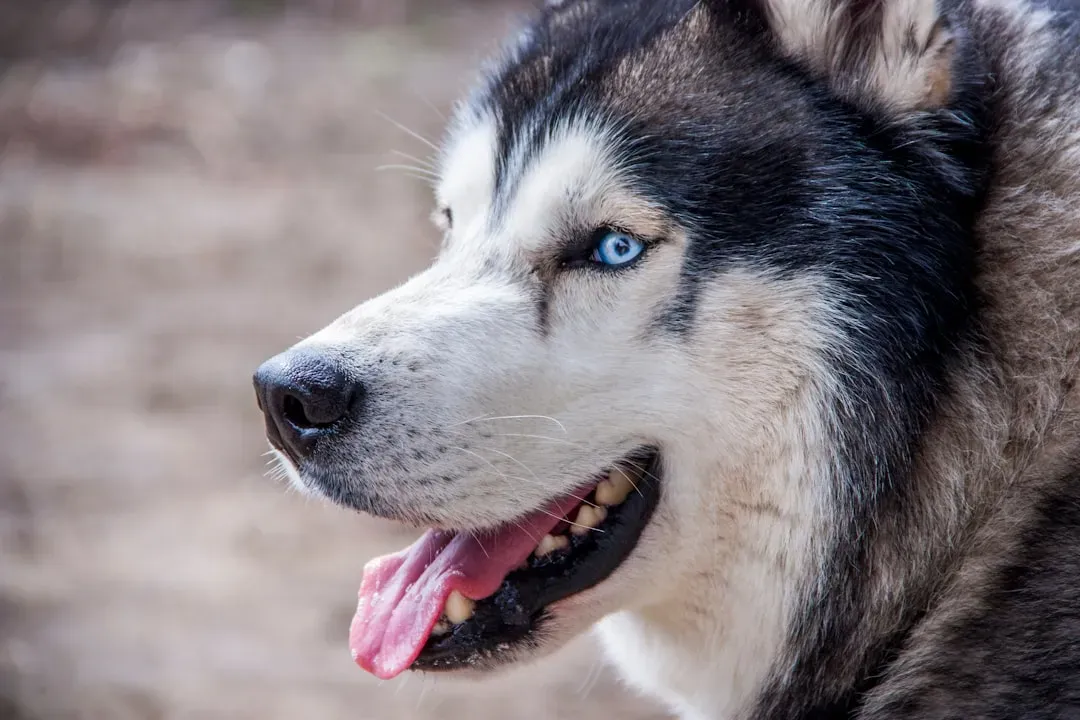
Siberian Huskies look like wolves. That’s the problem right there. People see those piercing blue eyes and thick fur and their brains scream “wild animal!” Nothing could be further from the truth.
Huskies were bred to live and work closely with people in harsh Arctic conditions. They’re pack animals who thrive on companionship. Aggression toward humans was bred out of them because mushers needed dogs they could trust completely. Modern Huskies are generally friendly to everyone, which actually makes them terrible guard dogs.
The real danger with a Husky? They’ll love your neighbors more than they love you if your neighbors give them treats. They’re also escape artists who’ll dig under fences and leap over walls if they get bored. Their prey drive toward small animals can be strong, but toward humans? They’re typically gentle, vocal drama queens who’ll argue with you about everything but rarely bite.
Akitas: Dignified Japanese Guardians With Loyalty Beyond Measure
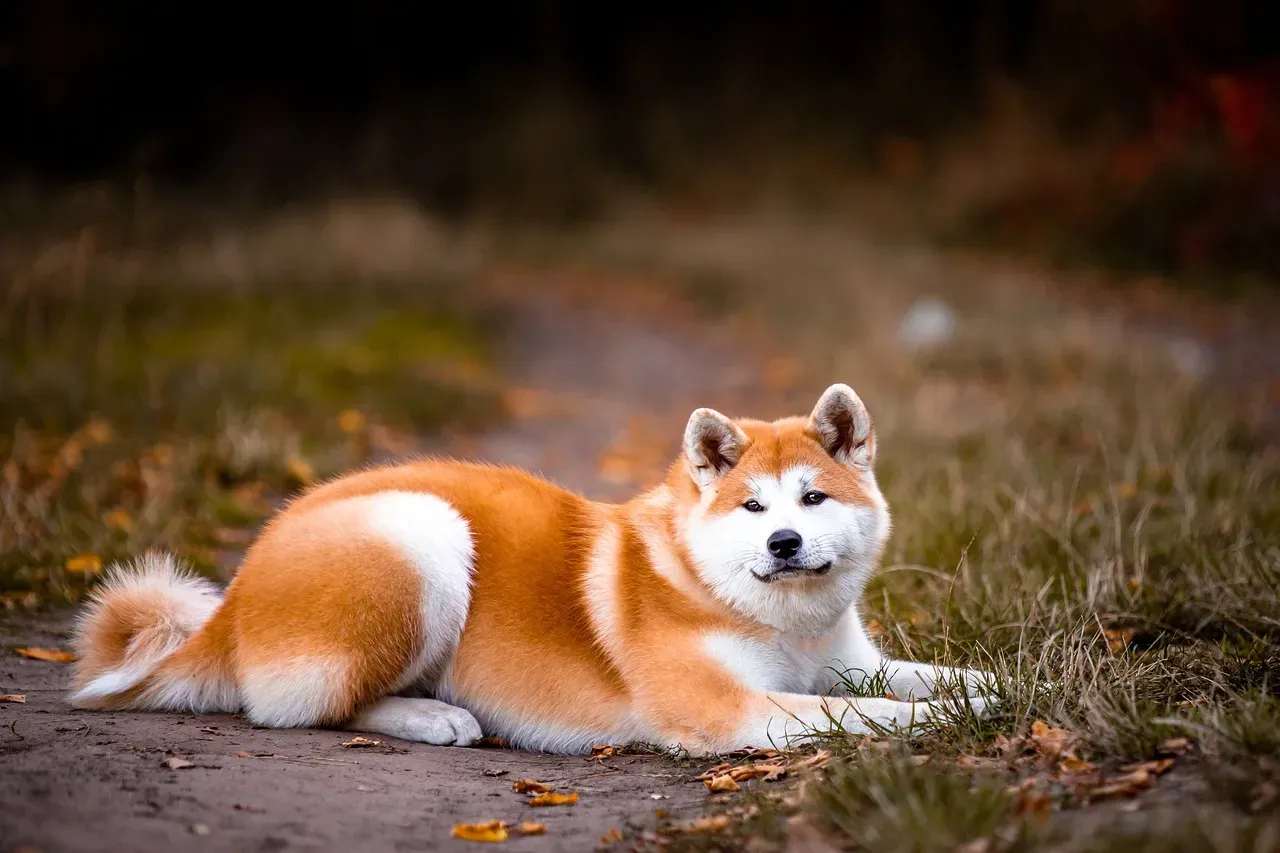
Akitas have a reputation for being aggressive and difficult. They’re large, powerful dogs with strong guarding instincts, which can intimidate people. The breed originated in Japan where they were used for hunting and guarding, so those protective instincts run deep.
What people often miss is the incredible loyalty Akitas show their families. They’re dignified, clean dogs who bond deeply with their people. With proper socialization starting early, they can be wonderful with children in their own family. The key word there is “proper socialization.”
Akitas tend to be aloof with strangers and can be dog-aggressive, particularly with dogs of the same sex. This doesn’t make them bad dogs; it makes them dogs with specific needs. They require experienced owners who understand the breed’s characteristics and provide appropriate training. In the right home, they’re devoted, noble companions who take their role as family protectors seriously.
Conclusion
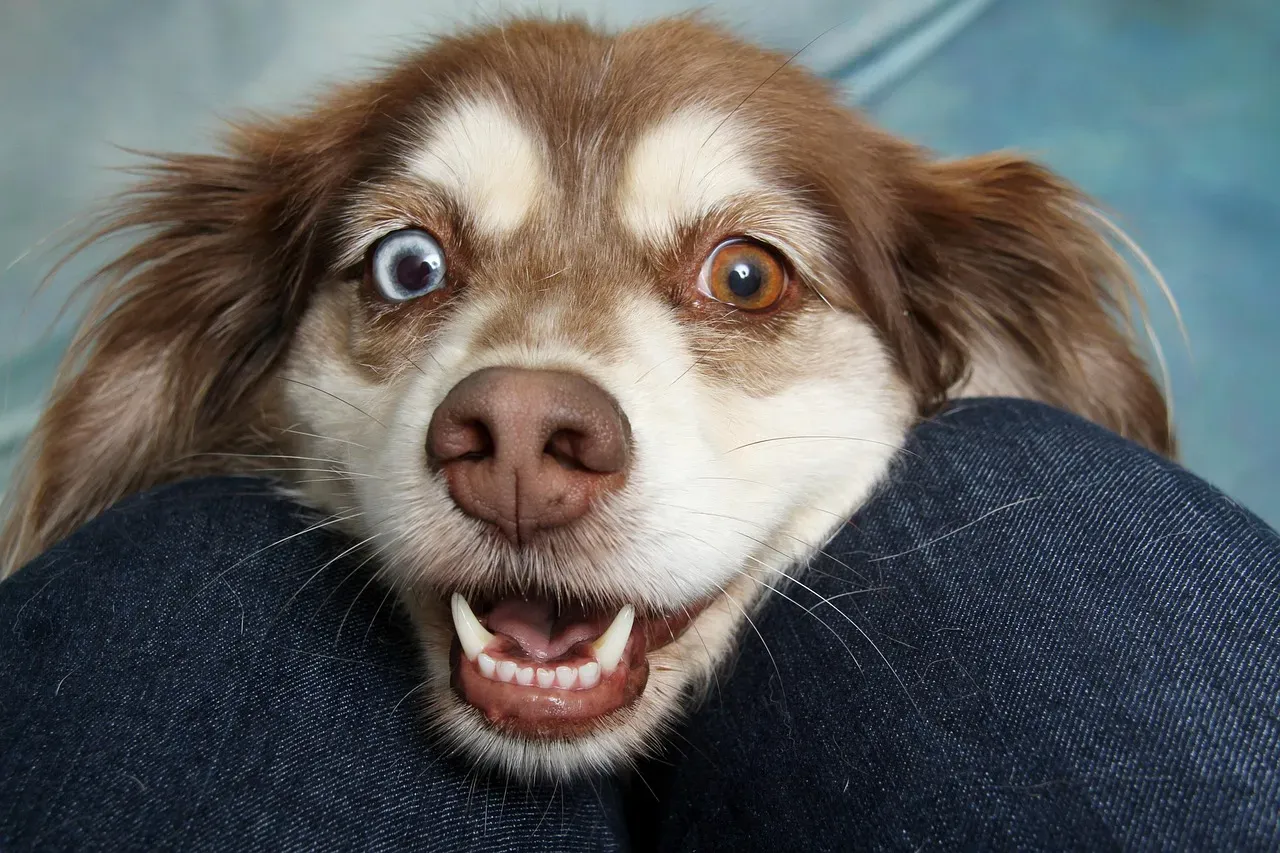
The breeds we’ve explored today share something in common beyond their intimidating reputations. They’re all capable of being incredible companions when raised with love, consistency, and proper training. The problem isn’t the breeds themselves. It’s the human tendency to judge based on appearance and sensational headlines rather than individual temperament.
Every single one of these “dangerous” breeds has served humanity faithfully in various roles throughout history. They’ve been war heroes, search and rescue dogs, therapy animals, and devoted family protectors. Their power and strength were bred into them for specific purposes, not because anyone wanted a vicious animal but because humans needed capable partners.
The truth is that responsible ownership matters infinitely more than breed when it comes to dog behavior. Proper socialization, consistent training, adequate exercise, and genuine care create well-adjusted dogs regardless of breed. What do you think? Has your experience with these so-called dangerous breeds challenged stereotypes?


