

Have you ever caught your dog staring at you with that tilted head and wondered what was really going on behind those soulful eyes? Or maybe you’ve watched your pup circle the same spot ten times before finally plopping down, leaving you totally baffled. Here’s the thing: dogs are talking to us every single day, but we’re not always listening. Their whole bodies are like billboards broadcasting how they feel, what they need, and what they’re thinking about. Learning this language opens up a whole new world of connection with your furry best friend. So let’s dive into what your dog is really trying to tell you.
That Tail Wag Might Not Mean What You Think
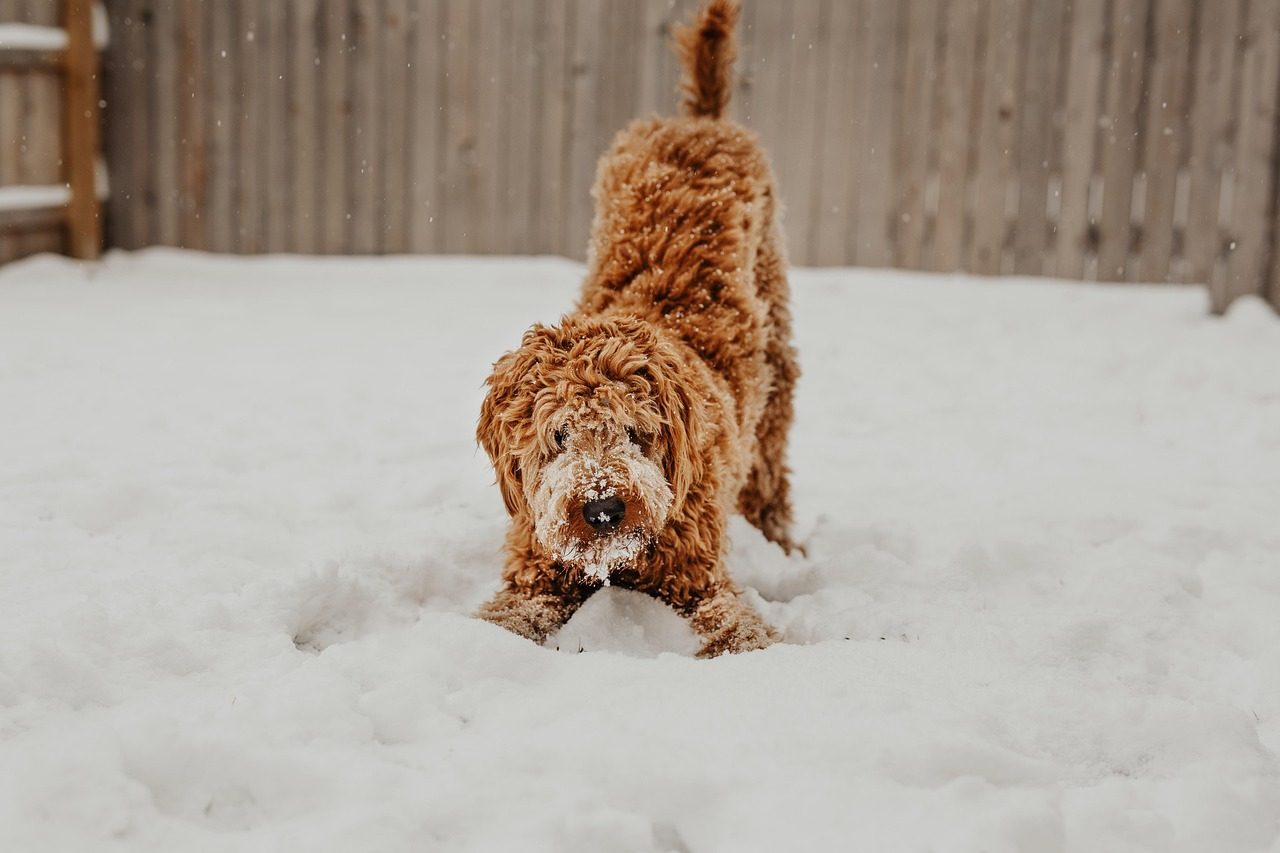
Let’s be real, most of us see a wagging tail and immediately assume happiness. A wagging tail doesn’t always mean your dog is feeling happy, and most dog parents assume a wagging tail means a happy dog, but this motion is more ambiguous than people think. The truth is so much more nuanced.
If the tail is very loose and the dog’s whole body and hind end are moving, the dog feels happy and cheerful, but if their tail wags very stiffly, you may need to step back as this dog could be displaying aggressive body language. Think of it like this: a loose, wide wag means pure joy, whereas a stiff, high wag can signal tension or even aggression. Context matters enormously. If your dog tucks their tail down low to the ground or between their legs, it often indicates they’re worried or scared.
Yawning Isn’t Always About Being Tired
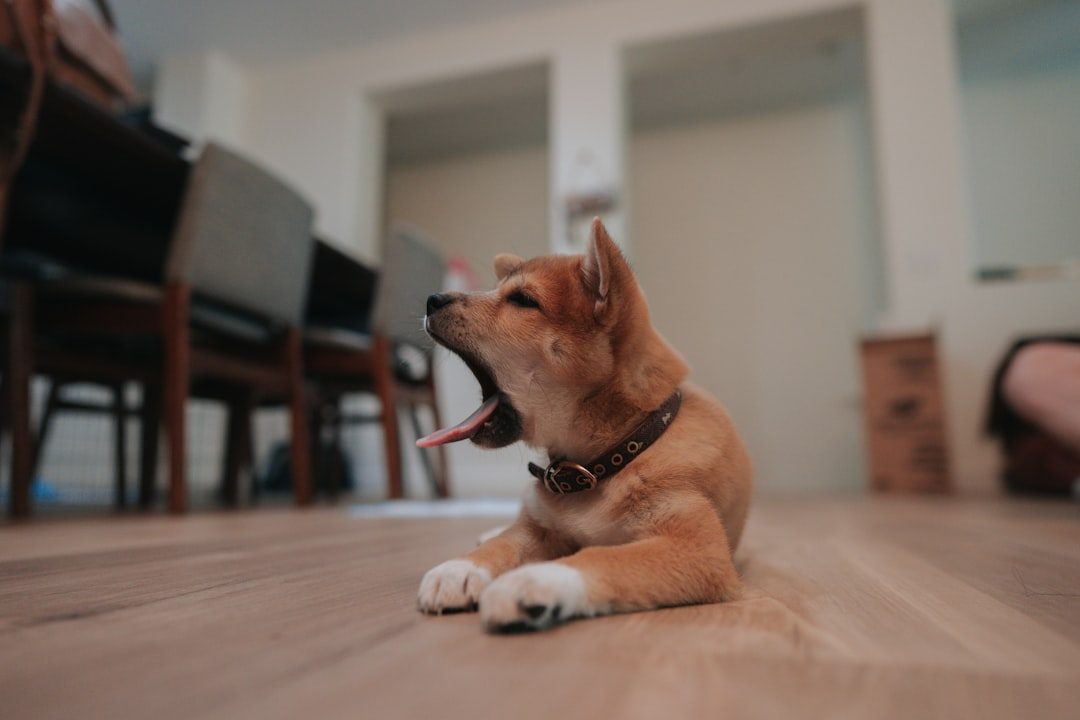
You might notice your dog yawning during a training session or when meeting a new person and think they’re bored or sleepy. Actually, that yawn could be a distress signal. Dogs yawn when they’re stressed, and according to Turid Rugaas, dogs use yawning to calm themselves in tense situations and to calm others, including their owners.
It’s almost like they’re taking a deep breath to reset. I’ve seen this countless times when dogs are at the vet or in unfamiliar environments. They’re essentially saying, “I’m feeling a bit overwhelmed here.” If you spot your dog yawning in a situation that isn’t naptime, take a moment to assess what might be making them uncomfortable. Sometimes all they need is a little space or reassurance.
The Play Bow Is an Invitation You Don’t Want to Miss
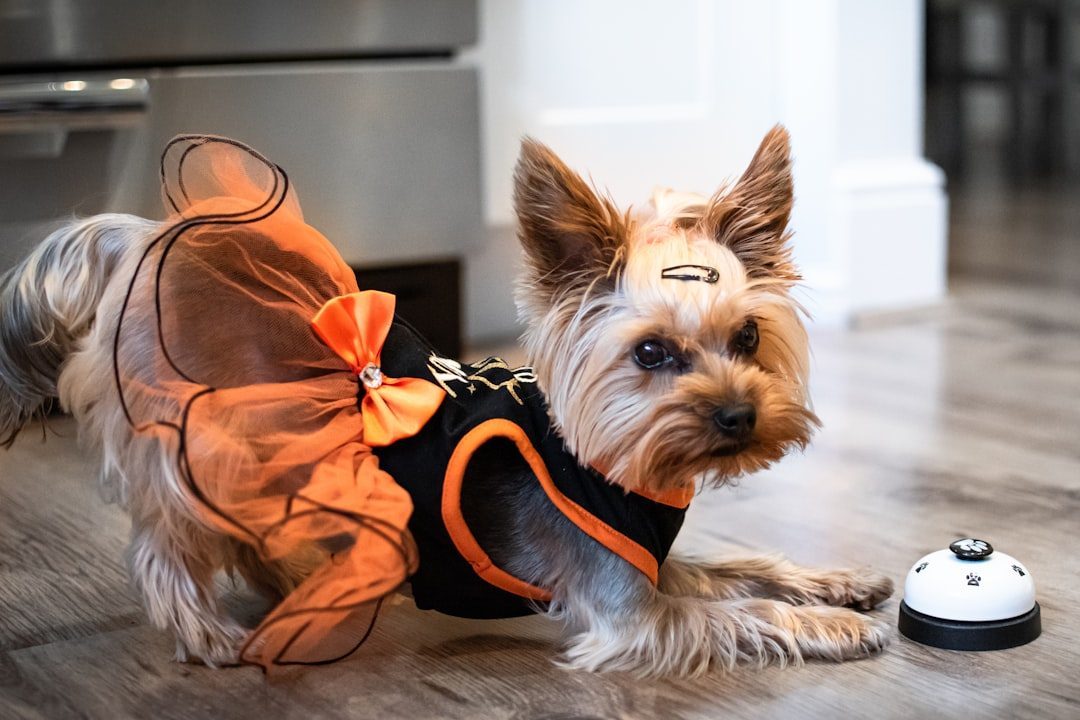
The play bow is when dogs place their chest on the ground with their rump in the air, and as the name implies, it’s used to initiate play with other dogs and even with people. This one’s pretty straightforward and absolutely adorable. When you see this posture, your dog is basically shouting, “Let’s have some fun!”
It’s their way of making sure everyone knows the next moves are all in good spirits, not aggression. Even during rough play, dogs will throw in a play bow to remind their playmate that it’s all just a game. If your dog does this to you, honestly, drop what you’re doing and engage. These moments build trust and joy in your relationship.
Raised Paw Can Signal Uncertainty
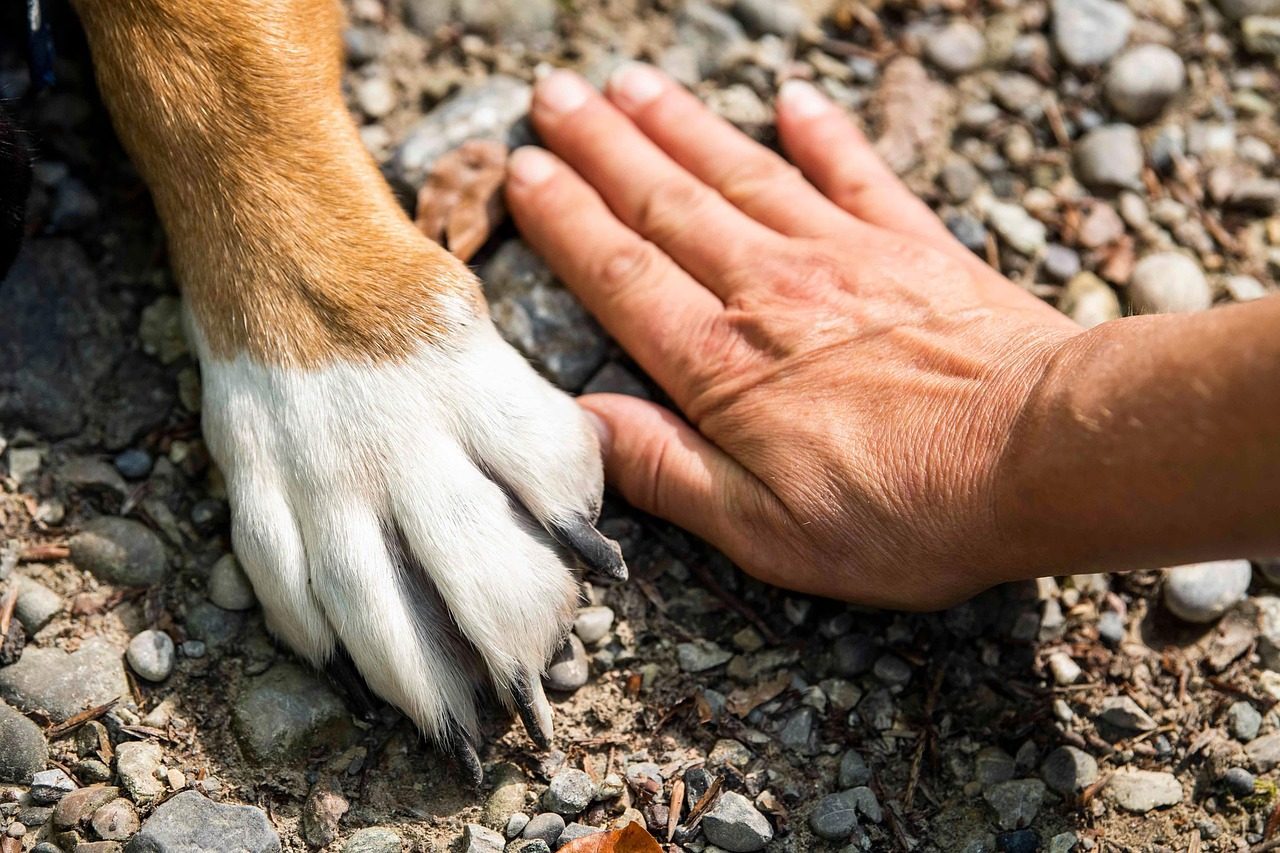
A raised paw often indicates that a dog is uncertain about a situation or perhaps feels a bit insecure. This behavior is super subtle and easy to miss if you’re not paying attention. Your dog might lift one front paw slightly off the ground when they’re unsure about approaching something or someone new.
In pointing breeds, the paw raise has a different function related to hunting, but in most everyday contexts, it’s a sign of hesitation. Think of it as your dog pausing to gather more information before deciding how to proceed. They’re not scared necessarily, just cautious. Give them time and encouragement, and let them approach at their own pace.
Lip Licking and Nose Licking Mean More Than Hunger
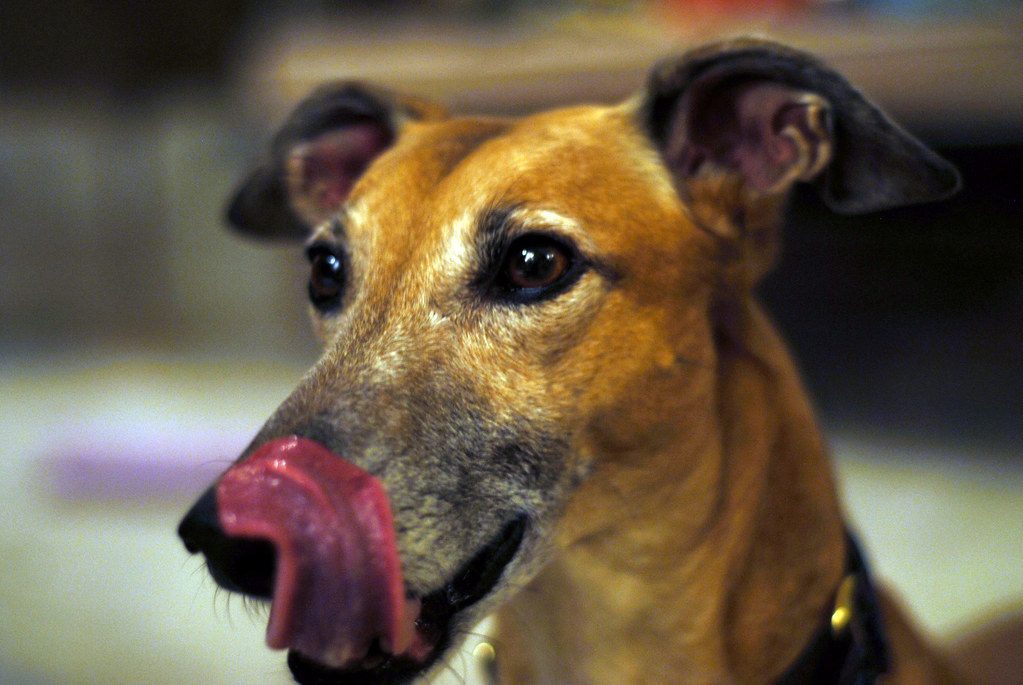
Lip licking or tongue flicking can mean the dog is hungry or has just eaten, but she could also be telling you that she’s nervous. This is one of those behaviors that gets misread constantly. Your dog might lick their lips when they see a treat, sure, but watch for it in other situations too.
Yawning and nose-licking are considered to be ambivalent behaviors, meaning that the dog is cautious, concerned, stressed, anxious, or has the potential to respond with aggression if the situation escalates or persists. It’s a calming signal, a way for dogs to communicate discomfort. I know it sounds crazy, but dogs are incredibly expressive if we just tune in. If you see repeated lip licking during a car ride or when visitors arrive, your pup is likely feeling stressed.
The Whale Eye Is a Warning Sign
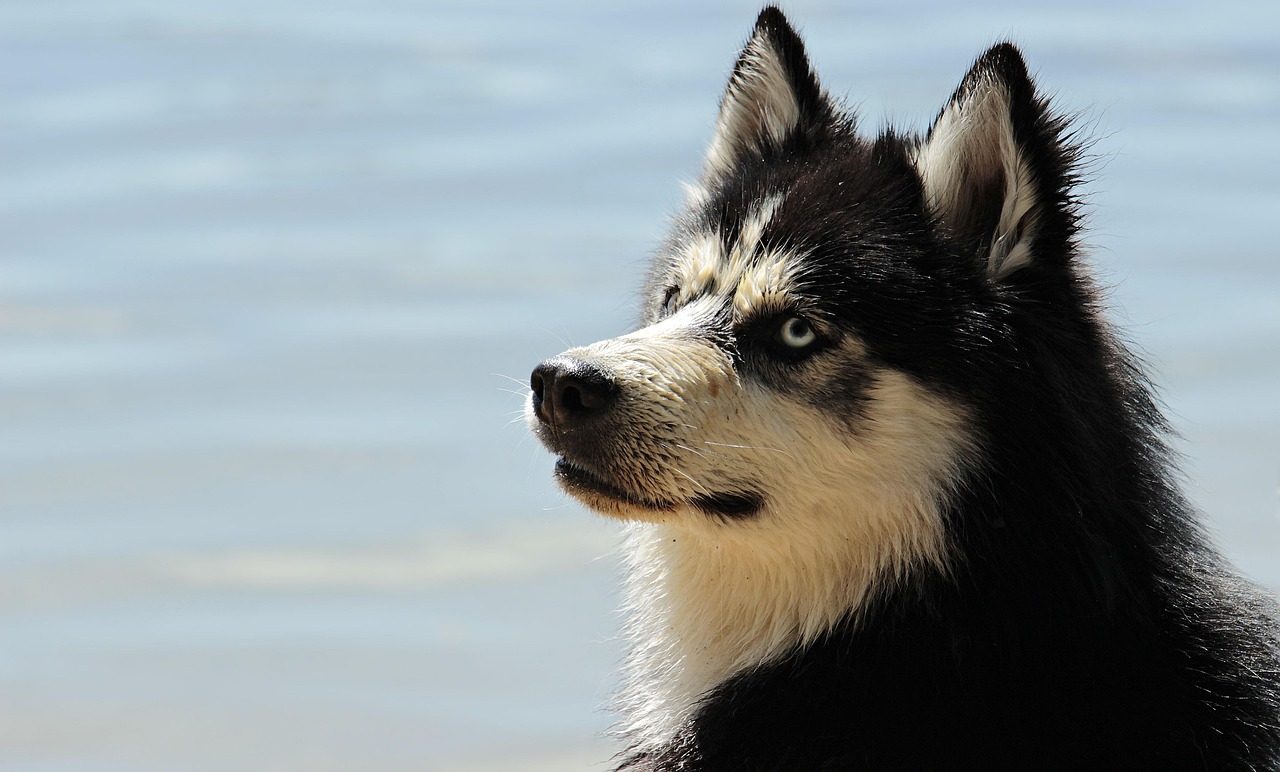
Have you ever noticed your dog looking at something with the whites of their eyes showing? That’s called whale eye, and it’s not a good sign. It usually happens when a dog feels threatened or uncomfortable but doesn’t want to turn their head away completely from whatever is worrying them.
Picture a dog lying down with a toy, and a child approaches. The dog might stiffen, keep their head still, but roll their eyes to watch the child, exposing the white part. This is your dog saying, “I’m not comfortable with this situation.” It’s hard to say for sure, but recognizing whale eye early can prevent a dog from escalating to a growl or snap. Always give your dog an escape route.
Rolling Over Doesn’t Always Mean “Belly Rub Please”
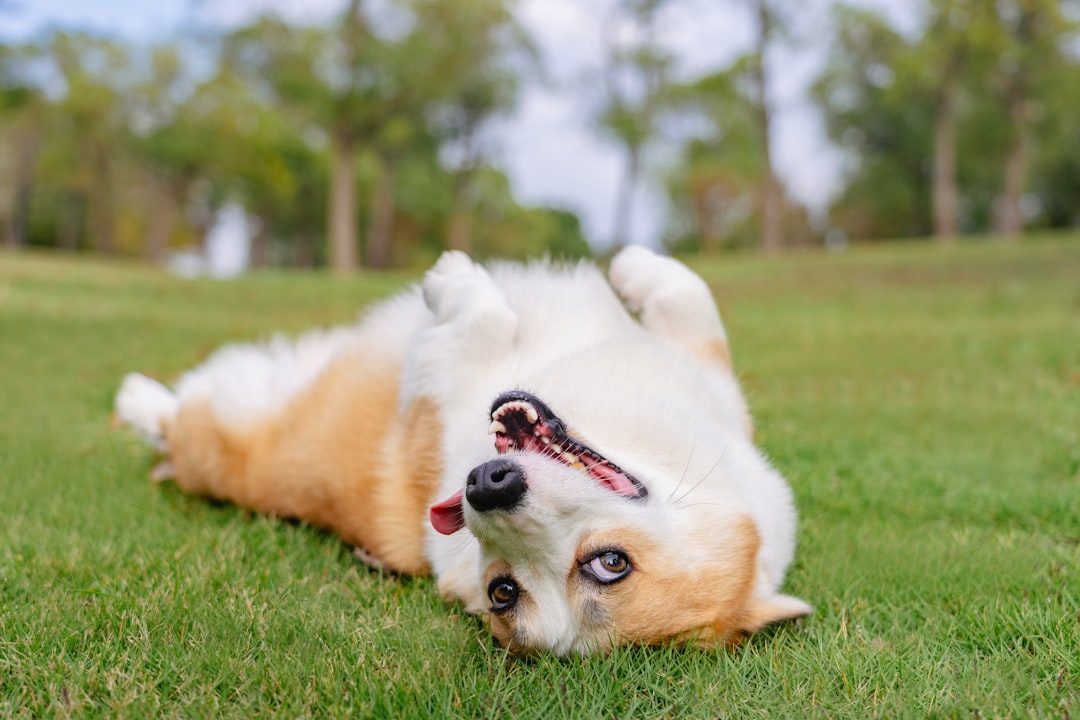
A dog rolling on their back with their belly up can have multiple meanings, and rolling over generally means “I am not a threat,” and if the dog’s tail is gently wagging and their mouth is slightly open, the dog is probably comfortable. Context is everything here. Sometimes it’s pure joy and an invitation for affection.
Other times, especially when a dog is tense or avoiding eye contact, rolling over is actually a sign of appeasement or even fear. Rolling over is often a sign of extreme submission and may involve urination, and submissive rolling can be a sign of fear and/or deference and should not be misinterpreted as stubbornness or solicitation of petting. Read the whole dog, not just the position. If their body looks stiff or they seem anxious, give them space instead of diving in for a tummy rub.
Freezing Is a Serious Red Flag
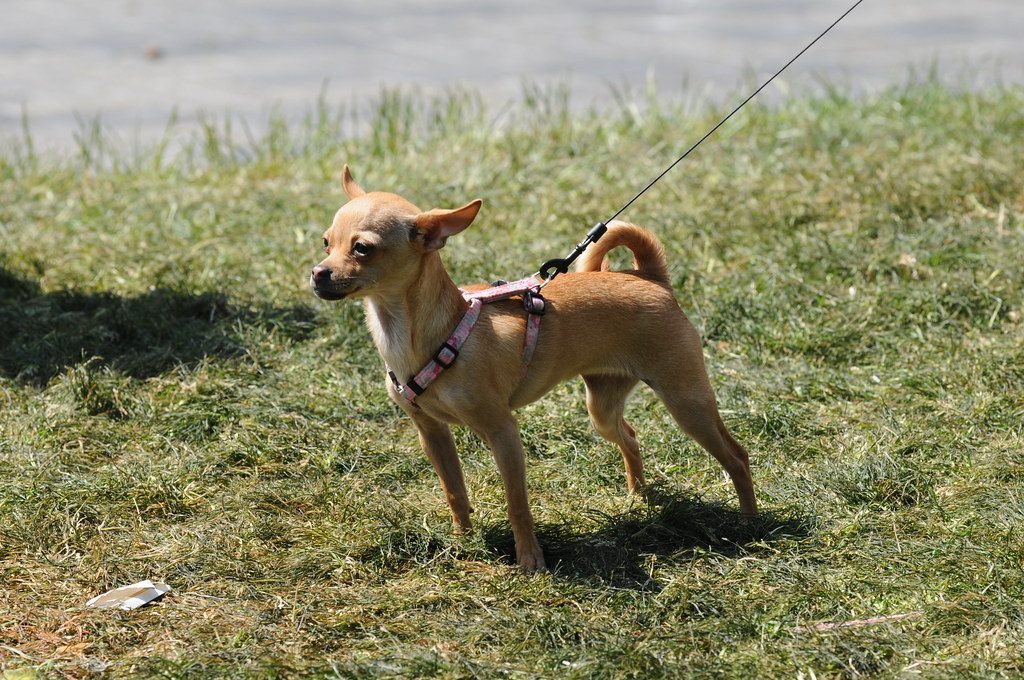
A dog freezes if they’re scared or guarding something, such as food or a toy, or if they feel cornered. This behavior is easy to overlook because a still dog seems calm, right? Wrong. Freezing is often a precursor to more defensive behavior.
This is a low-level warning sign on the ladder of dog aggression, and not respecting this warning can lead to escalation of growling, snapping, and potentially biting. If your dog suddenly goes completely still, eyes fixed, body tense, do not approach. They’re basically putting up a stop sign. Respect it. Remove the stressor if possible, and give your dog time to decompress.
Excessive Panting Can Indicate Stress
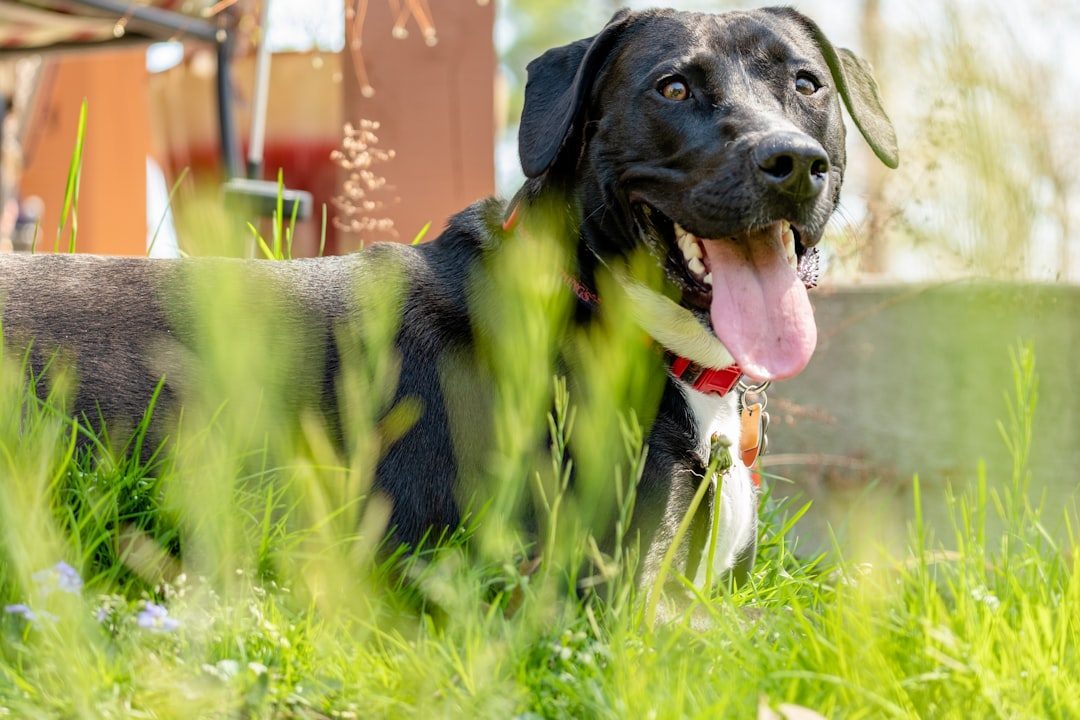
Dogs pant when hot, excited, or stressed, and if your dog is panting even though they have not exercised, they may be experiencing stress. We often associate panting with a dog being warm or after a good run, but stress panting looks a bit different. It tends to be heavier, sometimes with a more curved tongue.
When the dog pants, her tongue is wide at the bottom and curves up at the end or edges, and raspy, dry-sounding panting signals nervousness which reduces saliva production. If you’re at the vet’s office or during a thunderstorm and your dog is panting heavily despite being in a cool environment, they’re likely anxious. Offering comfort and a calm presence can help.
Avoidance and Turning Away Are Communication Tools
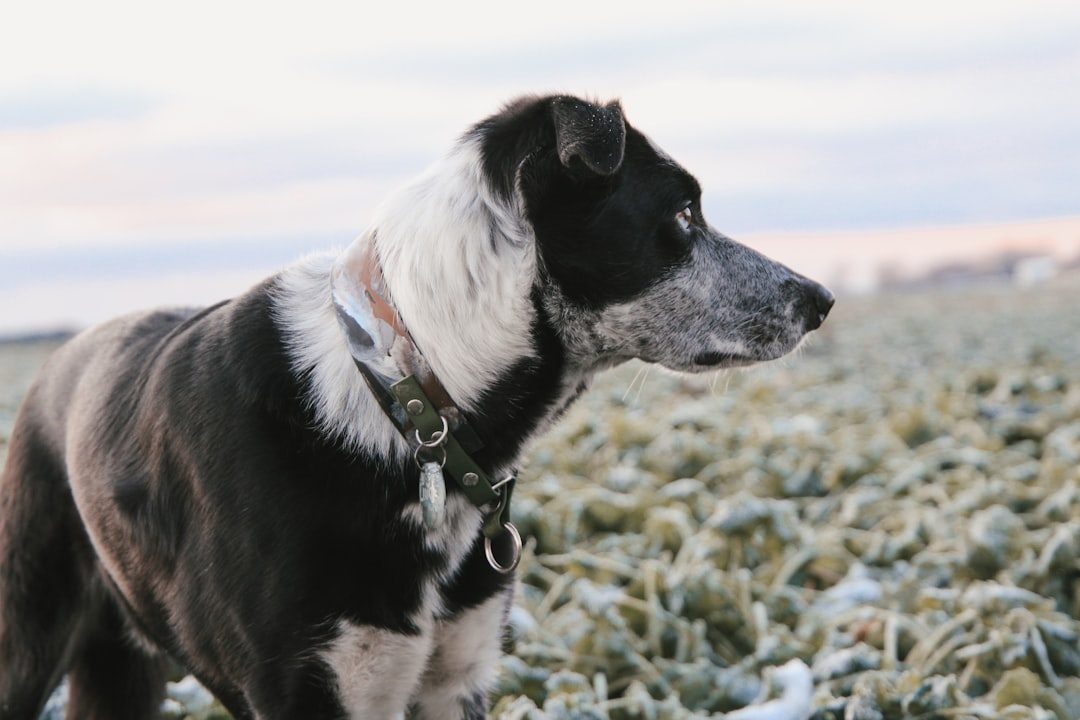
When faced with an unwelcome situation, dogs may “escape” by focusing on something else, and they may sniff or dig the ground, lick their genitals, or simply turn away. This is called displacement behavior, and it’s a coping mechanism. Your dog isn’t being stubborn or rude; they’re trying to manage their discomfort.
The avoidance of direct eye contact is a very significant gesture since the opposite of which, a direct stare, communicates a threat, and it signals that the dog is putting itself at risk by not visually following a circumstance that could change rapidly. If your dog turns their head or body away during an interaction, they’re asking for space. Honestly, we should all be grateful when dogs communicate this clearly instead of resorting to more drastic measures.
Conclusion: Listening With Your Eyes

Understanding what your dog is really saying transforms everything. These behaviors aren’t random quirks; they’re your dog’s voice. When we learn to read these signals, we can respond with empathy and prevent stressful situations before they escalate. We build trust. We strengthen our bond.
Every tail position, every yawn, every turned head is a word in your dog’s vocabulary. The more fluent you become, the better you can meet their needs and keep them feeling safe and loved. Next time your dog does something that makes you pause, take a moment to really observe their whole body. What are they trying to tell you? You might be surprised by what you discover. What behavior from your dog has puzzled you the most? Pay attention, and let them teach you their language.


