
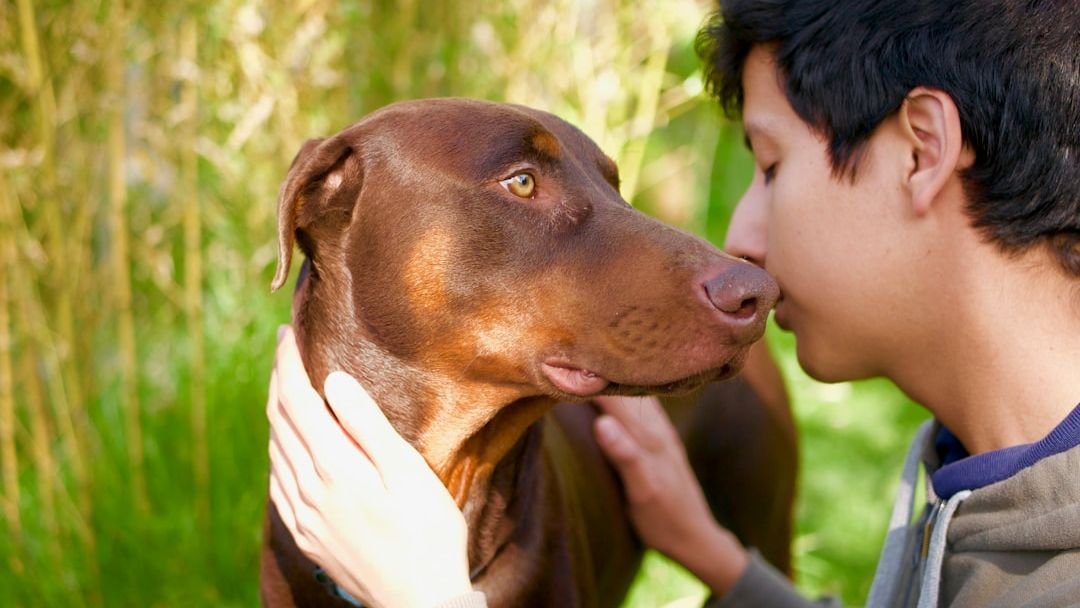
You’re mid-sentence on the phone, talking to a friend, and your dog’s head lifts off the floor the moment you say the word “walk.” You didn’t call their name. You didn’t grab the leash. You just said one word, buried inside a completely unrelated sentence, and somehow they caught it. If you’ve ever experienced this, you already know – on a gut level – that your dog understands far more than they’re given credit for.
For years, the scientific community was cautious about attributing too much language comprehension to dogs. That’s shifting fast. Research from the Universities of Lincoln and Sussex, and Jean Monnet University reveals that dogs may be far better at understanding human speech than previously thought, and that dogs actually “listen in” when we are speaking, even if the speech is not directed at them. These aren’t just anecdotes. They’re measurable, replicable findings. Here are ten behaviors your dog shows that prove it.
1. They Recognize Their Name Even When It’s Hidden in Conversation

Most people assume their dog responds to their name because it sounds different, or because they use an enthusiastic tone. Researchers decided to test that. According to the findings, dogs possess the neurological capacity to passively sift through information and commands relevant to them when humans are talking. That means your dog isn’t just waiting for an excited voice – they’re actually scanning your speech for meaningful content.
In a 2025 study, researchers recorded owners reading passages in a flat, monotone voice. The dog’s name was buried inside a sentence with no emotional cues whatsoever. Researchers found that dogs could absolutely find their name when presented in a monotone way and buried in a stream of irrelevant speech, which researchers describe as a prerequisite for comprehending language. This is not simple conditioning. This is active listening. So the next time you’re talking to your partner and spell out W-A-L-K, don’t be surprised when your dog’s ears perk up before you’ve even finished.
2. They Process Words and Tone in Different Parts of the Brain
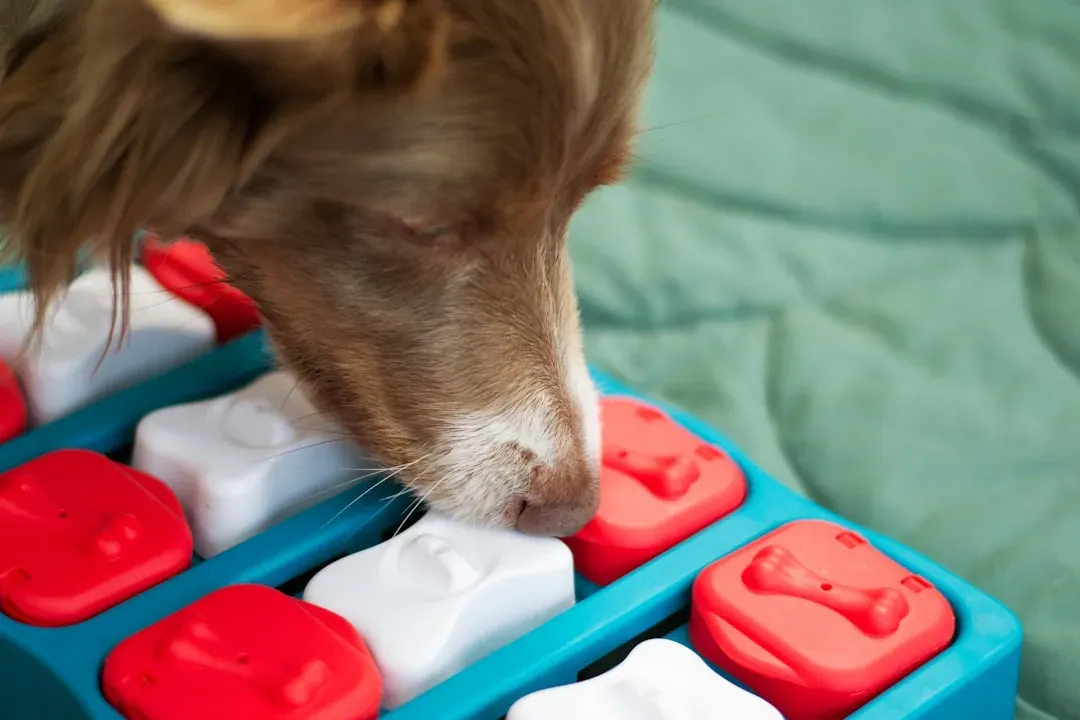
Here’s something that changes how you think about every conversation you’ve ever had with your dog. Dogs have the ability to distinguish words and the intonation of human speech through brain regions similar to those that humans use. The left brain handles word meaning. The right brain processes emotional tone. Sound familiar? That’s almost exactly what happens in a human brain.
Dogs process intonation separately from vocabulary, in auditory regions in the right hemisphere of the brain. The reward regions of the brain showed that dogs responded best when praising words were used in combination with praising intonation. This is why saying “bad dog” in a cheerful, sing-song voice might still get a tail wag – the tone overrides the word. The practical takeaway: be consistent. Use the same words in the same tone. Your dog is reading both signals simultaneously, and mixed messages are genuinely confusing to them.
3. They Understand That Words Stand For Real Things

There’s a difference between a dog that sits when you say “sit” because they’ve been conditioned to, and a dog that actually understands the word “ball” refers to a specific object. This distinction matters enormously – and science has now confirmed the latter is real. Research suggests that dogs are not merely learning a specific behavior to certain words, but they might actually understand the meaning of some individual words as humans do.
Brain recording results showed a different pattern in the brain when the dogs were shown a matching object versus a mismatched one, which is similar to what researchers have seen in humans and is widely accepted as evidence that they understand the words. The researchers also found a greater difference in those patterns for words that dogs knew better, offering further support for their understanding of object words. Think of it this way: when you say “go get your toy,” your dog isn’t just moving on command. They’re mentally accessing a representation of what that word means. That’s referential understanding, and it used to be considered uniquely human.
4. They Listen In on Conversations Not Meant for Them
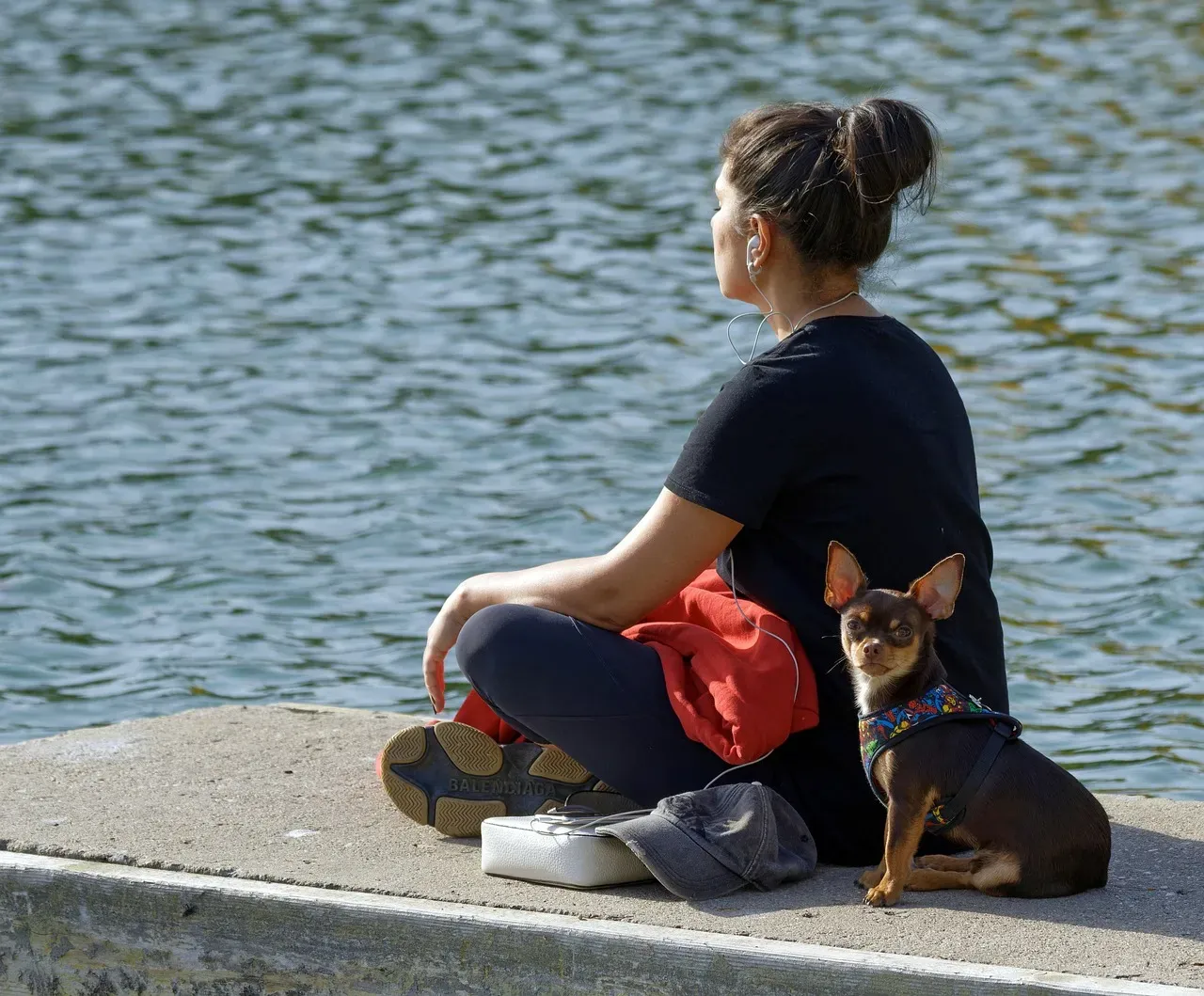
You’ve probably noticed your dog suddenly appear in the kitchen when you mention food to someone else entirely. This isn’t coincidence, and it’s not just a good nose. Research provides convincing evidence that some dogs can learn words from overheard speech, a skill that had previously been found only in bonobos and possibly African grey parrots. Your dog is, in the most genuine sense, eavesdropping.
The behavior is similar to how some 18-month-old children pick up new words, and researchers write that the dogs have “sociocognitive skills” that are “functionally parallel” to human 18-month-olds. This has a real implication for how you communicate at home. Dogs who spend time in a language-rich environment, hearing conversations, daily routines, and repeated words, build larger vocabularies over time. It is also common sense that the more time a dog spends in an active lingual environment, the more it is exposed to human language, and the more opportunities it has to learn word-meaning associations.
5. They Smell Your Emotional State Before You Even Speak
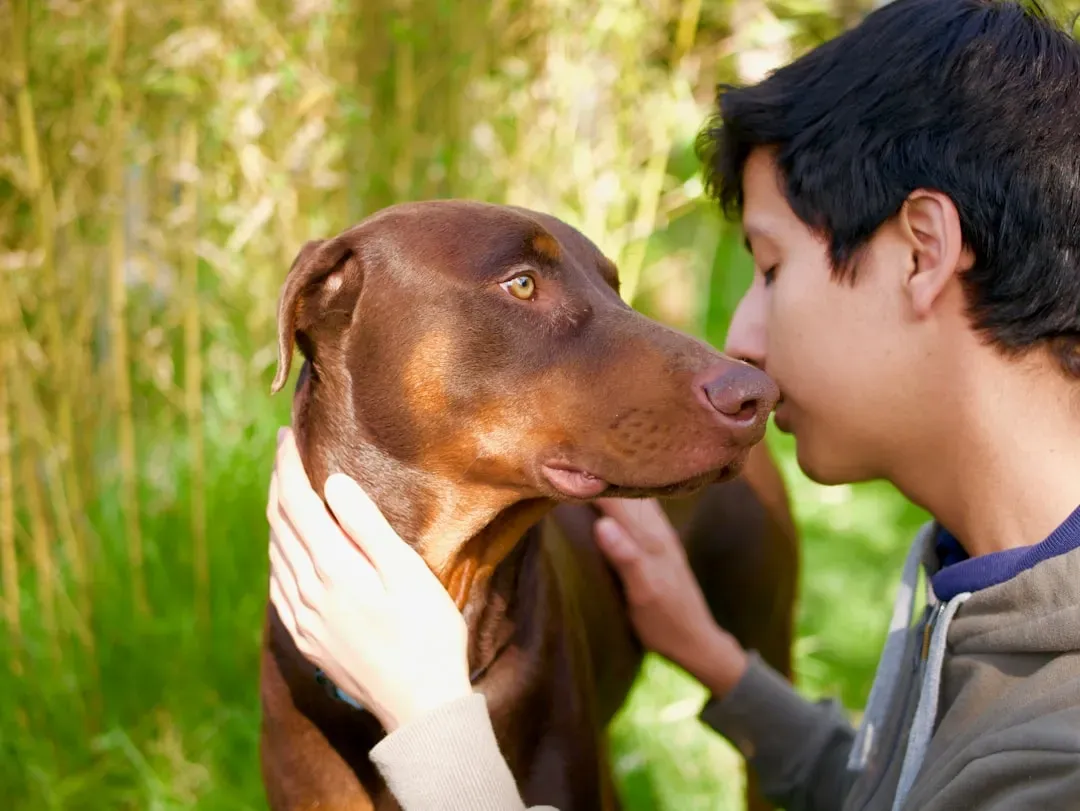
Before you’ve said a word, your dog may already know you’re having a bad day. That might sound like something a doting owner would say, but the science behind it is surprisingly solid. Research published in PLOS One showed that dogs can detect stress from sweat and breath samples alone. When researchers presented the samples to dogs, they could tell the difference between the baseline and stress samples with over 90 percent accuracy.
The results imply that when dogs are around stressed individuals, they’re more pessimistic about uncertain situations. Researchers note that for thousands of years, dogs have learned to live with humans and that both humans and dogs are social animals with a clear emotional contagion between them. What this means practically: your stress doesn’t stay inside you. A Swedish research study found that dog owners’ stress levels can significantly influence their canine companions’ stress levels, and that similar amounts of the stress hormone cortisol were found in dogs and their owners. Your dog is not just your companion. They’re your emotional mirror.
6. They Lock Eyes With You to Communicate and Bond

When your dog gazes up at you, they’re not doing it randomly. That gaze is one of the most sophisticated communication tools in the animal kingdom, and it triggers a real chemical response in both of you. Mutual gazing had a profound effect on both dogs and their owners. Of the pairs that spent the greatest amount of time looking into each other’s eyes, dogs experienced a notable rise in oxytocin levels, and their owners experienced an even more significant increase.
Mutual gazing increased oxytocin levels, and wolves who rarely engage in eye contact with their human handlers seem resistant to this effect. This matters, because it tells us the behavior evolved specifically in dogs as a result of living alongside humans. This eye contact is far more than casual observation; it’s a sophisticated communication tool that dogs have developed specifically for interacting with humans. Unlike their wolf ancestors who interpret direct eye contact as threatening, domesticated dogs have adapted to use this visual connection as a primary way to understand, bond with, and communicate with their human companions. The next time your dog holds your gaze, hold it back. Something real is happening between you.
7. They Read Your Facial Expressions With Startling Accuracy

Your dog knows when you’re happy. They also know when you’re not, and they adjust their behavior accordingly. This isn’t wishful thinking – it’s supported by neurological evidence. There is cumulating evidence that dogs obtain social information from their experiences with humans, specifically from their facial expressions. They can recognize and remember individual humans. They understand to a significant degree what these humans attend to, what they are interested in, and what they intend to do next. They can discriminate, individually learn from, and categorize emotional expressions.
From all non-human animals, dogs are very likely the best decoders of human behavior. In addition to a high sensitivity to human attentive status and to ostensive cues, they are able to distinguish between individual human faces and even between human facial expressions. A useful behavior tip: if your dog seems confused or anxious during training, check your own face first. Dogs are reading your expression for cues about whether something is safe, rewarding, or threatening. A calm, open face communicates more to your dog than you might realize.
8. They Know When You’re Watching and Behave Differently
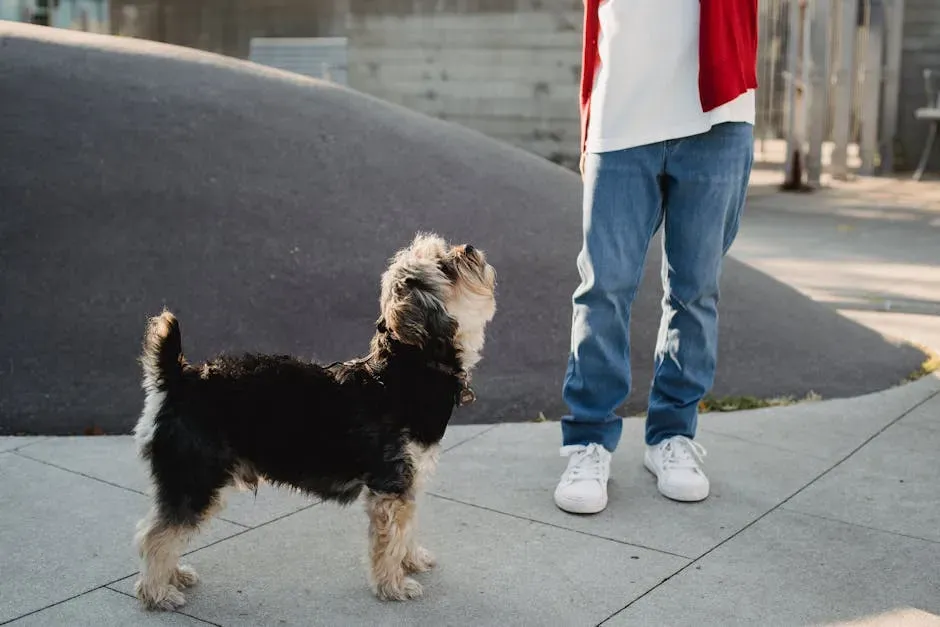
Here’s a behavior that dog owners find both charming and maddening: the dog who steals food the moment you turn away, but sits politely when you’re watching. It turns out this is not simple mischief. It’s evidence of something far more sophisticated. There is ample research on dogs’ capacity to react appropriately to humans’ mental states. Dogs register a human’s attentive state when they decide whether to steal food, to beg for food, or to obey commands. To some degree, they even seem to be able to take a human’s visual perspective.
Research showed that the majority of dogs preferred to steal from a plate that was not visible from the location where the human had been, when they heard a sound indicating the human’s likely location. These findings provide evidence that dogs anticipate the behavior of humans without relying on observable visual cues. In other words, your dog isn’t just reacting to whether you’re watching right now. They’re calculating where you are, what you can likely see, and making decisions based on that. That level of social reasoning is impressive by any standard.
9. They Distinguish Between Intentional and Accidental Human Actions
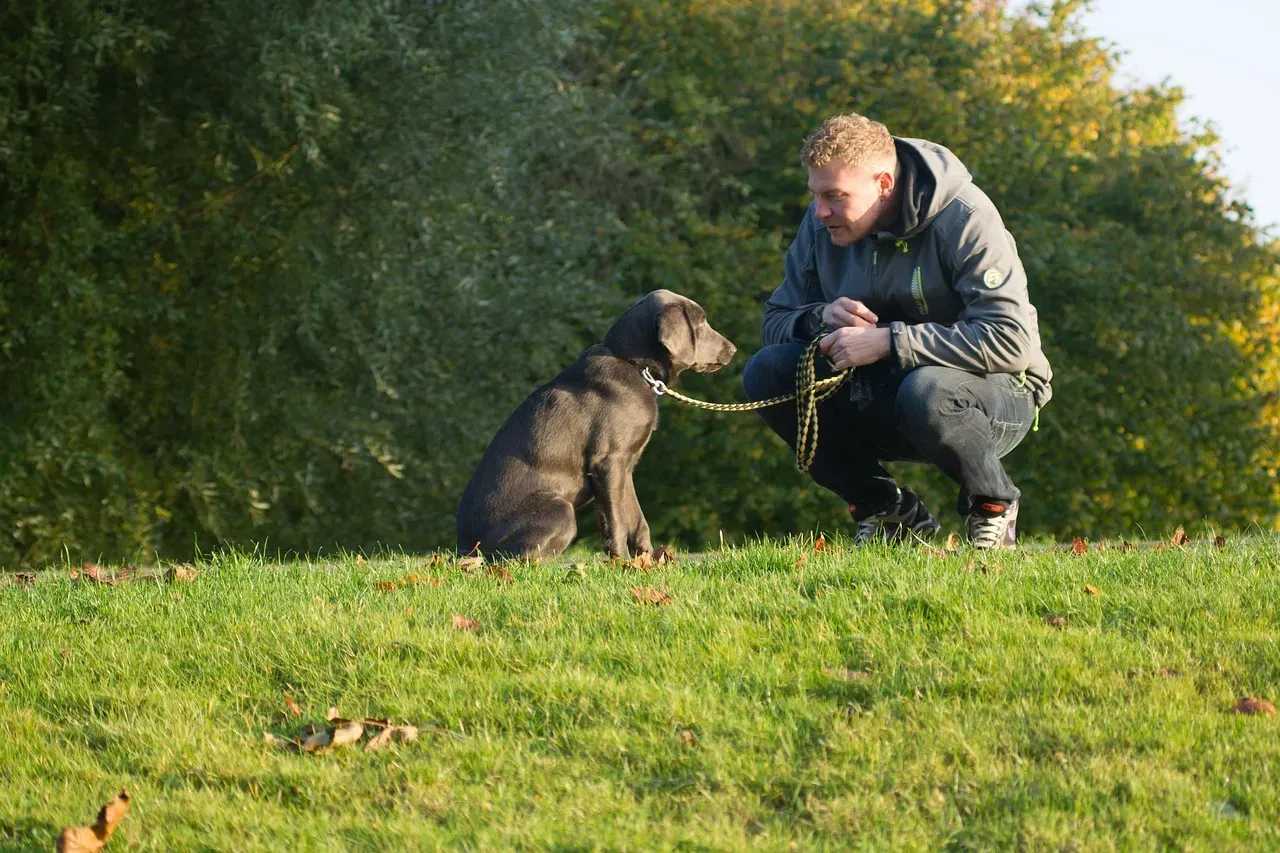
If you accidentally drop food versus deliberately withhold it from your dog, do they react differently? Research says yes, and the distinction they’re drawing is a meaningful one. Dogs outperform even chimpanzees in reacting appropriately to human pointing gestures, and attend to the referential nature of the human’s gaze during social interactions, as well as to the communicative intent of the human. That’s not a small detail – chimpanzees are our closest genetic relatives.
Studies using what’s called the “Unwilling vs. Unable” paradigm show that dogs behave more patiently when a person accidentally fails to give them a reward, compared to when that same person intentionally withholds it. When dogs interact with humans, they often show appropriate reactions to human intentional action. The central question is whether the dogs simply respond to the action outcomes or whether they are able to discriminate between different categories of actions. The research confirms that dogs can distinguish intentional human actions from unintentional ones, even when the action outcomes are the same. This has a direct implication for training: inconsistency from the human side causes genuine confusion and frustration in dogs.
10. They Synchronize Their Mood and Behavior With Yours
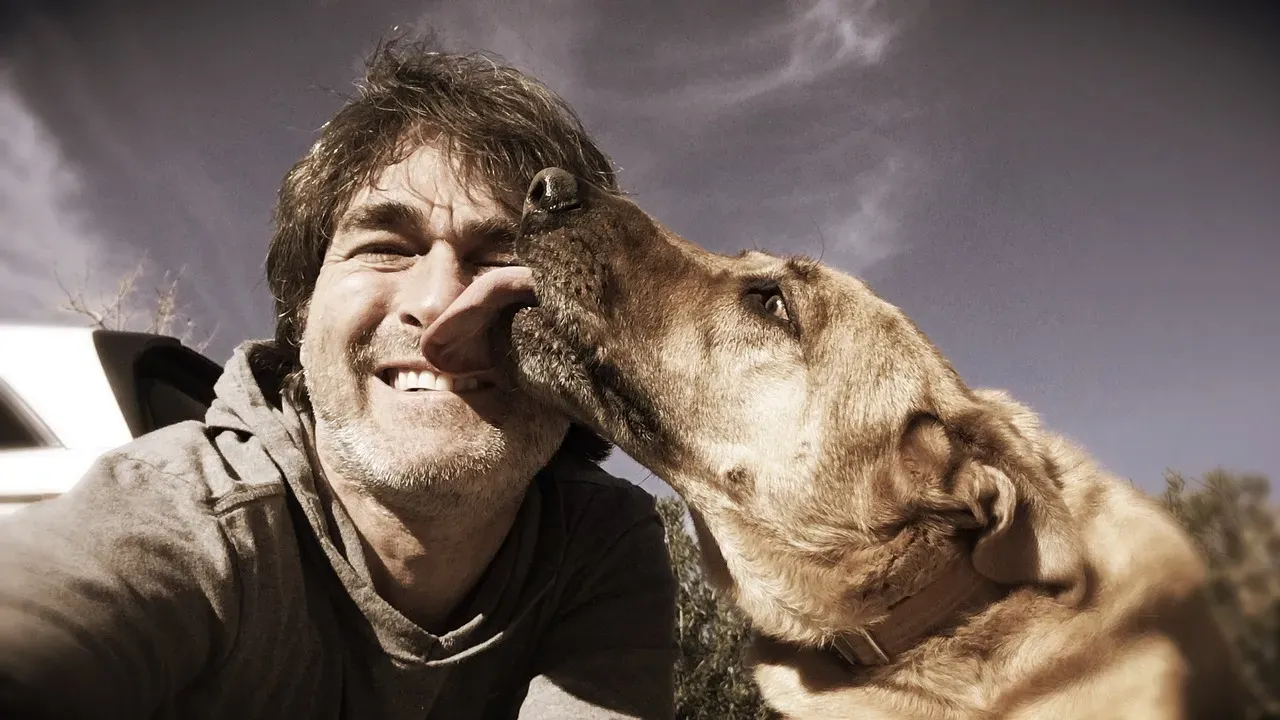
Emotional contagion between dogs and humans runs surprisingly deep. Dogs have a knack for adapting to human behavior and emotions. Research has shown that dogs synchronize their behavior with both children and adults and that they produce significantly more facial movements when a human is paying attention to them. This isn’t performance. It’s a genuine attunement that evolved over thousands of years of shared life.
Research on canine behavior has shown that dogs are capable of feeling a variety of emotions, and they may also be able to empathize with people. If a dog sees that their owner is depressed, they may try to help them feel better by cuddling with them or sitting by their side. The emotional synchrony between a dog and their person is bidirectional. Dogs seem to experience the emotions we are feeling, even if they experience them differently. When we are distressed, dogs become affected by our emotions and feel distressed as well, a phenomenon researchers call emotional contagion. This is the reason therapy dogs work. It’s the reason a dog can pull you out of a spiral just by laying their head on your lap. They feel it too.
Conclusion: Your Dog Has Been Listening All Along

The science keeps catching up to what dog owners have always sensed. Your dog is not simply responding to sounds or waiting for cues. Dog behavior has been shaped by millennia of contact with humans and adaptation to human lifestyles. As a result of this physical and social evolution, dogs have acquired the ability to understand and communicate with humans, and behavioral scientists have uncovered a wide range of social-cognitive abilities in domestic dogs. That understanding runs deeper than most of us give them credit for.
Scientists have observed that dogs respond much like human infants in understanding language. Dogs may have roughly the same cognitive ability as a 6 to 12-month-old human infant. That framing is both humbling and useful. It means your dog has real comprehension, real emotional awareness, and a real need for clear, consistent, patient communication from you. The more you understand how your dog listens, the better you become at being heard, and at truly hearing them back.


