
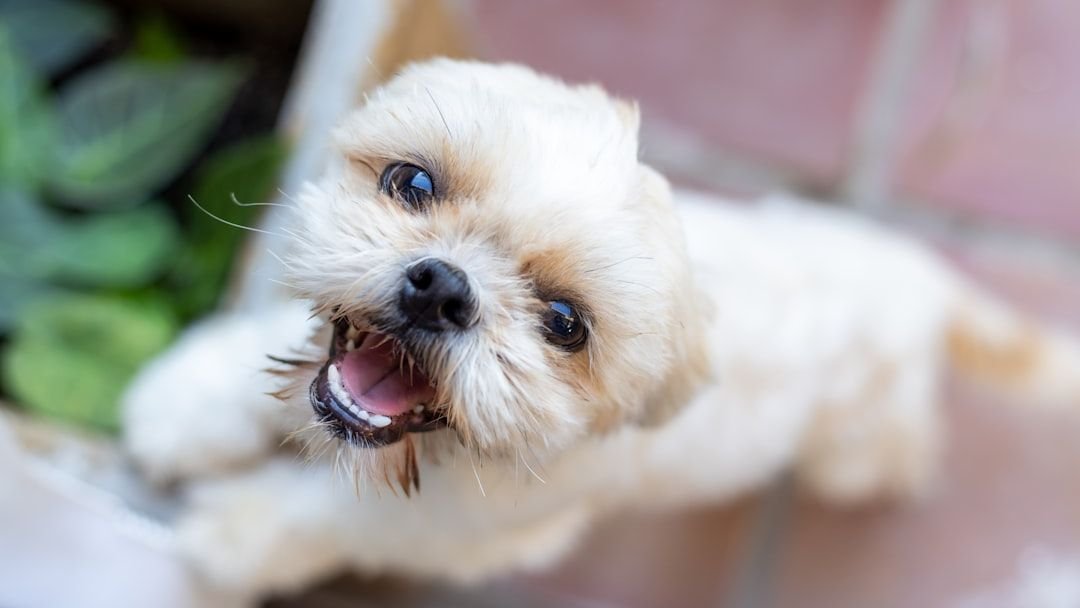
You did everything right. You read the books, watched the YouTube videos, set a strict potty schedule, and stocked up on enzymatic cleaner like it was going out of style. Still, your dog looked you dead in the eyes and went right there on your living room rug. Sound familiar? You are absolutely not alone, and more importantly, you are not failing as a dog parent.
Here’s the thing – this isn’t about intelligence. Many of the hardest dogs to housetrain are actually really smart dogs. The real issue runs much deeper, all the way down to genetics, instinct, and thousands of years of selective breeding. Some dogs were simply never built to eagerly follow your bathroom schedule. Honestly, once you understand why, the whole thing becomes a lot less maddening. Let’s dive in.
1. Dachshund: The Tiny Dog With the Biggest Opinion
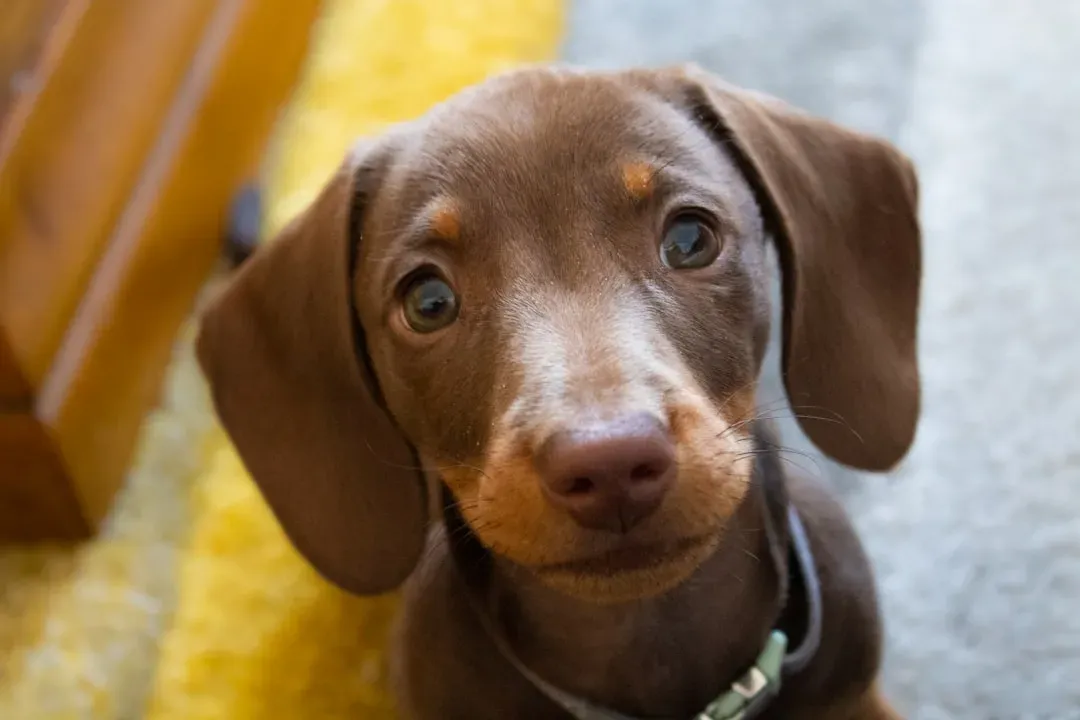
If there were a “Most Stubborn Pup” award, the Dachshund would be a serious front-runner. These adorable little sausage dogs have a mind of their own, and honestly, that is part of their charm. The trouble is, that same iron will that makes them irresistible is exactly what makes housebreaking feel like negotiating a peace treaty.
Originally bred to hunt badgers independently, Dachshunds developed a strong independent streak and real persistence. Combine that with their dislike for rain and a tiny bladder, and you have got a recipe for house-training challenges. Pro tip: invest in a good covered outdoor spot and never skip a scheduled trip outside, no matter the weather.
2. Shih Tzu: The Charmer Who Makes the Rules
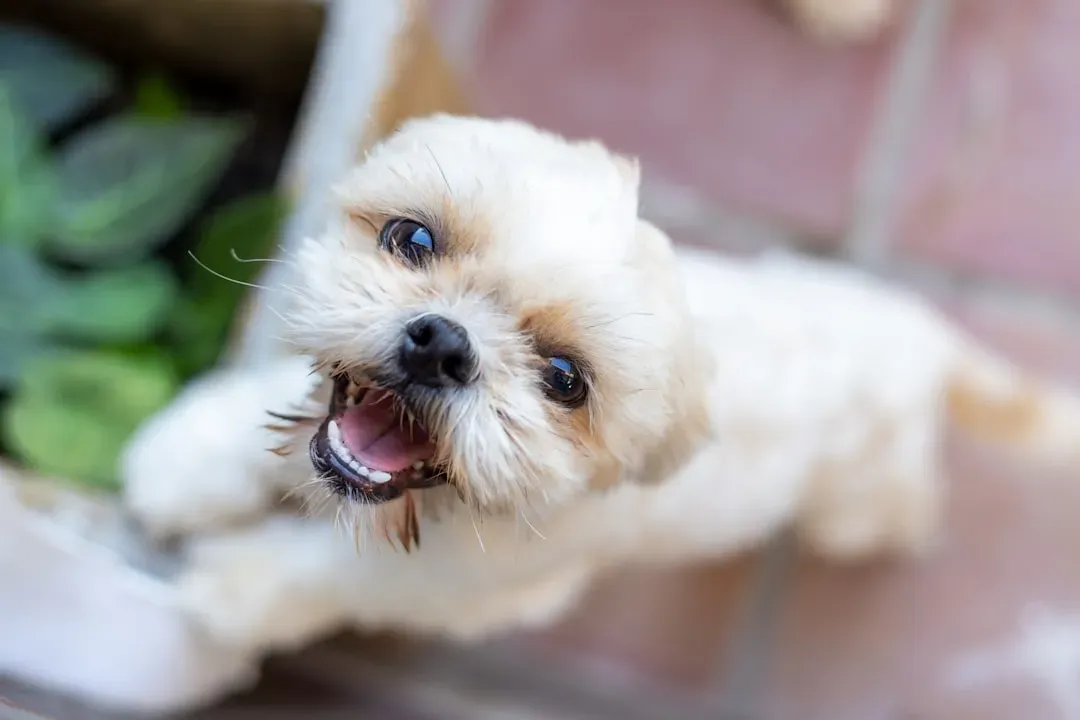
Taking the top spot on many veterinarians’ lists of difficult dogs to potty train is the beloved Shih Tzu. Stubborn and easily distracted, these dogs are among the hardest to housebreak. If you have ever owned one, you already know that look they give you when you try to assert authority. It is simultaneously adorable and deeply unhelpful.
The AKC notes that training a Shih Tzu can be both an amusing and a frustrating experience, as the breed tends to charm its owner into letting it have its own way. The fix? Refuse to be charmed during training sessions. Keep treats high value, sessions short, and boundaries absolutely firm.
3. Bichon Frise: Fluffy, Fabulous, and Frustrating
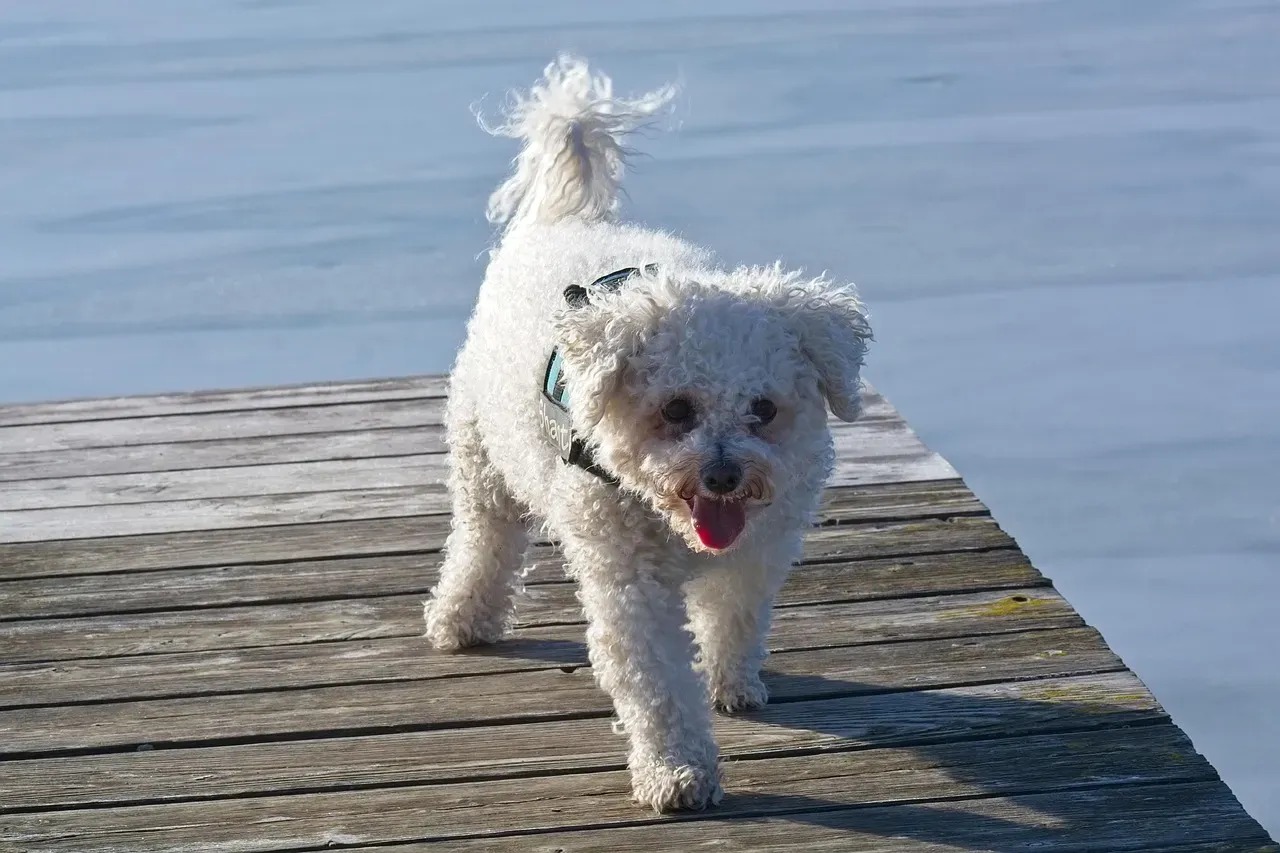
Don’t let that fluffy, adorable appearance fool you. Bichon Frises can be surprisingly stubborn when it comes to house training. The AKC notes they have a reputation for being difficult to housebreak, and they tend to be fiercely independent and picky about going outside when it is rainy or cold. Rain is basically their arch-nemesis.
These tiny dogs have tiny bladders, so they need more frequent potty breaks than bigger breeds. They are also clever and might try to outsmart you. They often don’t listen and prefer to do things on their own terms. Crate training combined with a rigid schedule tends to work best with this breed. Patience is not optional here. It is the whole game.
4. Beagle: The Nose Knows (And That’s the Problem)
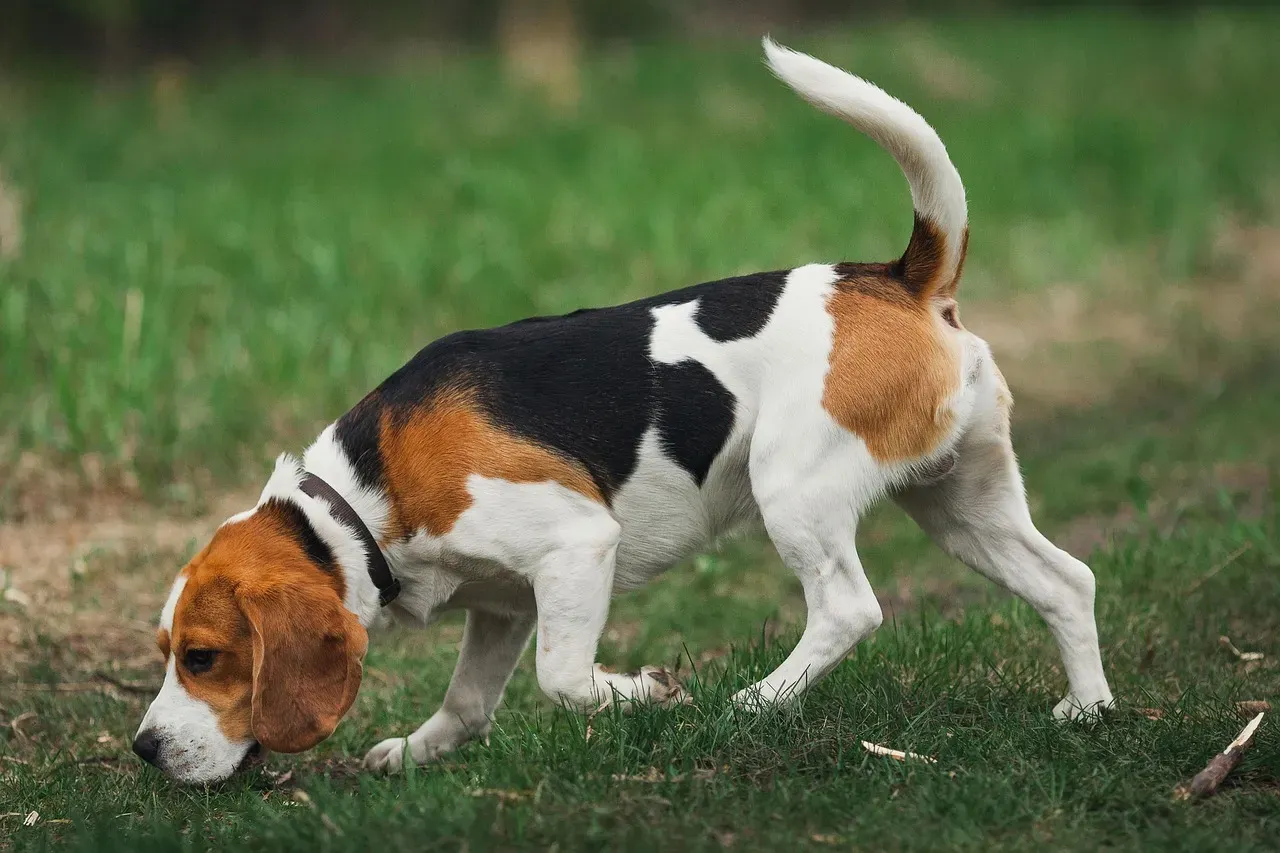
Beagles might look like the perfect family dog, but their nose-first approach to life creates real house training challenges. They can be difficult to housetrain because of their strong hunting instincts and deeply scent-driven nature. Think of taking a Beagle outside for a potty break as sending a detective to the bathroom but watching him get distracted by every clue on the way there.
Their excitable nature, short attention span, and selective memory make it tough for them to focus on the aspects of house training. When a Beagle catches an interesting scent, house training rules go right out the window. Their hunting heritage means they are hardwired to follow their nose, not your schedule. Keeping outdoor potty trips leashed and focused – with zero sniff detours – can make a real difference.
5. Jack Russell Terrier: Small Dog, Enormous Defiance
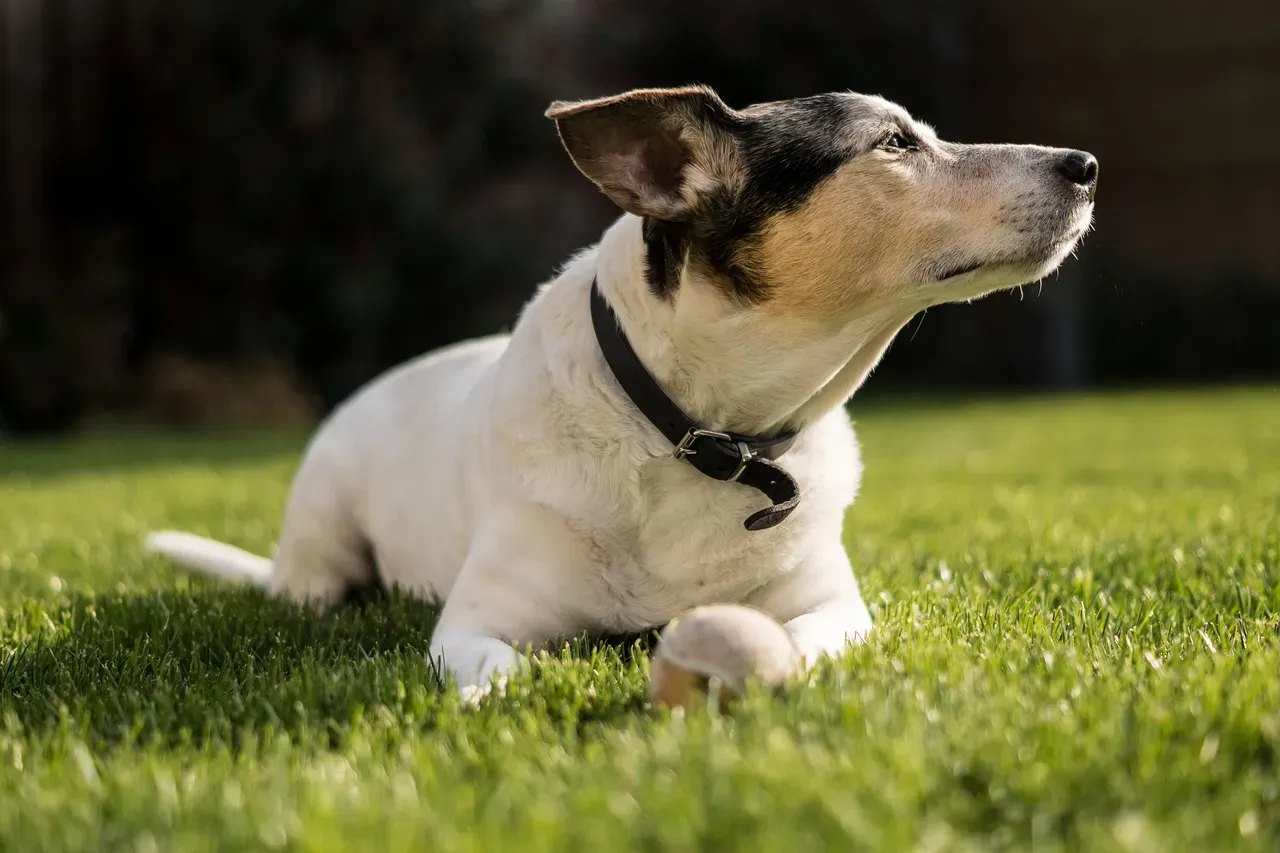
Of all the terrier breeds, the Jack Russell is, hands down, the most difficult to housetrain. Jack Russells can be some of the most stubborn dogs out there. I think what catches people off guard is how confidently this little dog operates. They are not confused. They just genuinely do not prioritize your schedule over their own agenda.
If they are not getting their long daily walkies or time to run, they easily become destructive out of boredom. Since Jack Russells were originally bred as foxhunting dogs, they also tend to have a high prey drive. A tired Jack Russell is a more cooperative Jack Russell. Burn off that energy first, then attempt training.
6. Afghan Hound: Regal, Remote, and Remarkably Uninterested
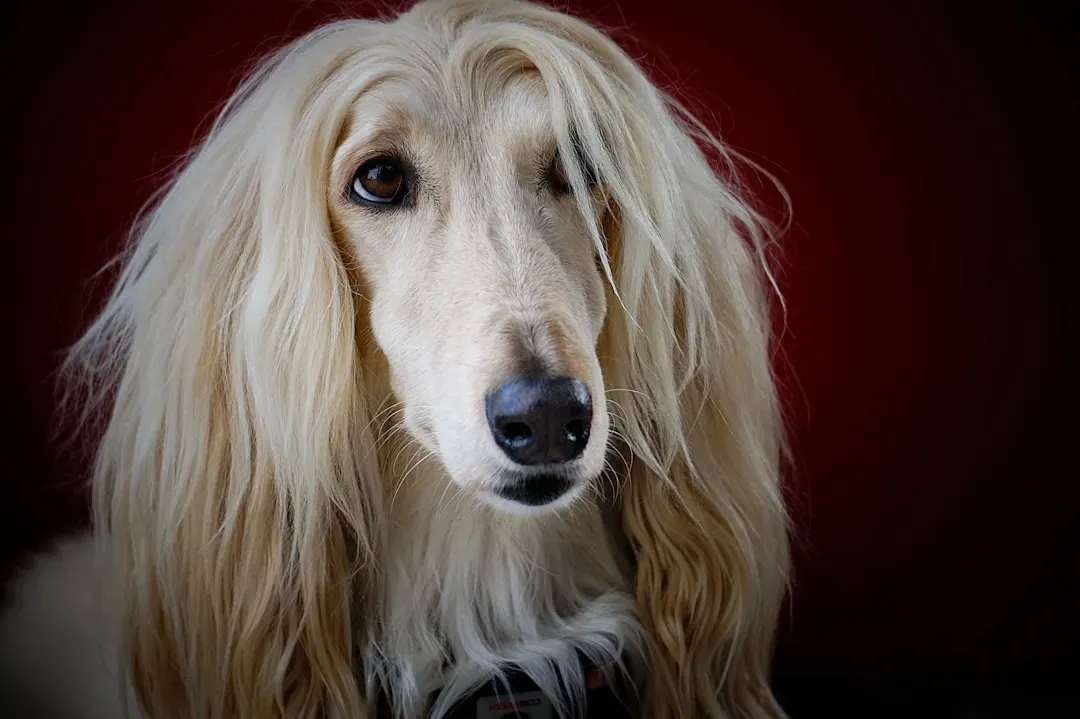
The Afghan Hound’s difficulty in potty training stems from their elegant and aloof nature. Their independence often leads to resistance in traditional training methods. Honestly, trying to housebreak an Afghan Hound can feel like trying to teach a cat calculus. They are capable. They just don’t particularly see why they should bother.
These sensitive and independent dogs don’t respond well to intimidation and may shy away from firm commands. Instead, they thrive on positive reinforcement and rewards to build consistent habits. Slow, gentle, reward-based sessions work far better than frustration and repetition. Keep the mood warm and the treats very, very good.
7. Pomeranian: Cute, Clever, and Completely Convinced They’re the Boss
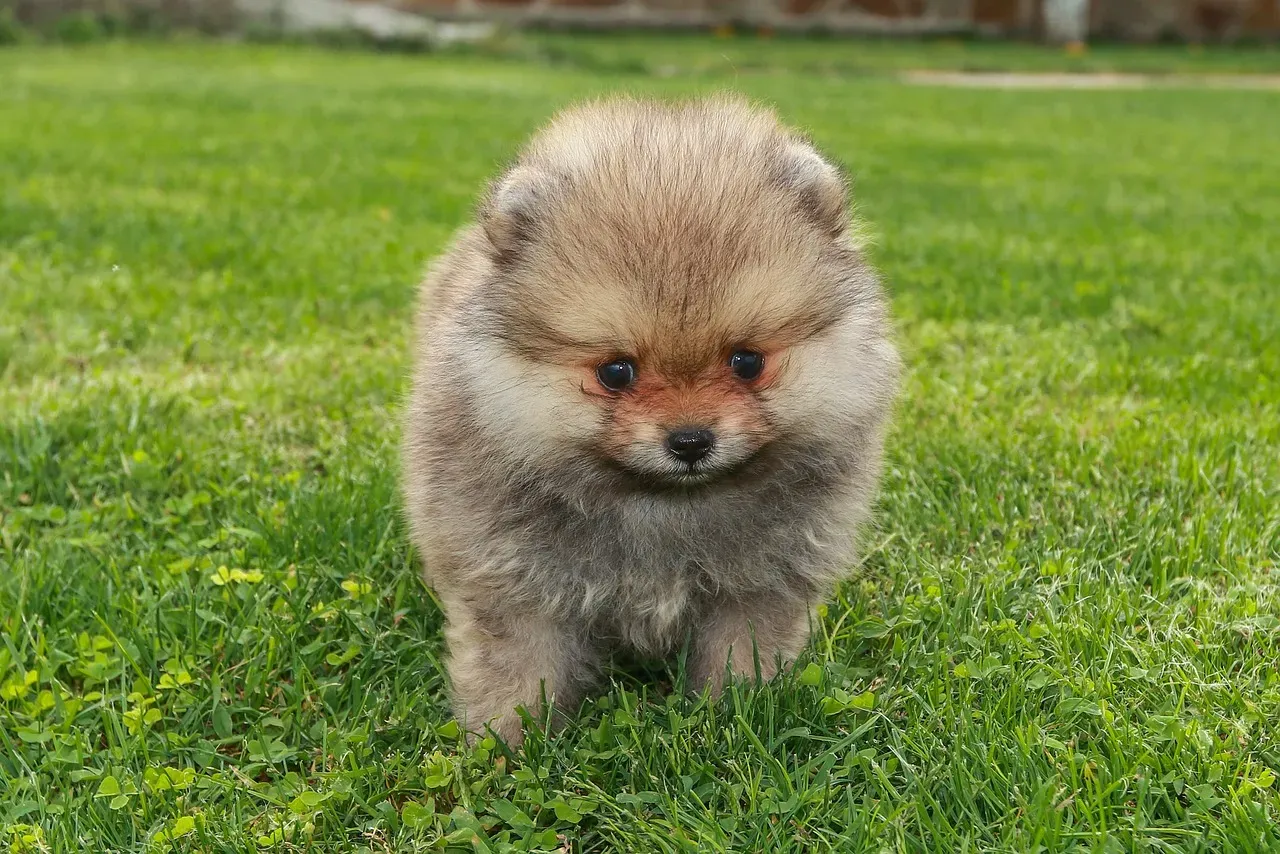
Described as cocky, animated, and lively, Pomeranians are exactly that and then some. You will need to convince them, with plenty of treats, how the potty game is played. The irony is that they genuinely want to please you. They are just also completely certain that they already know better.
The AKC describes Pomeranians as alert and highly intelligent, noting they excel in activities like agility and obedience, but also warns that housebreaking can be a challenge, so consistency and patience are key. Short, upbeat training sessions with enthusiastic praise go a long way. Negativity will set you back significantly with this sensitive, spirited little breed.
8. Pug: Lovable, Lazy, and Largely Unimpressed by Your Rules
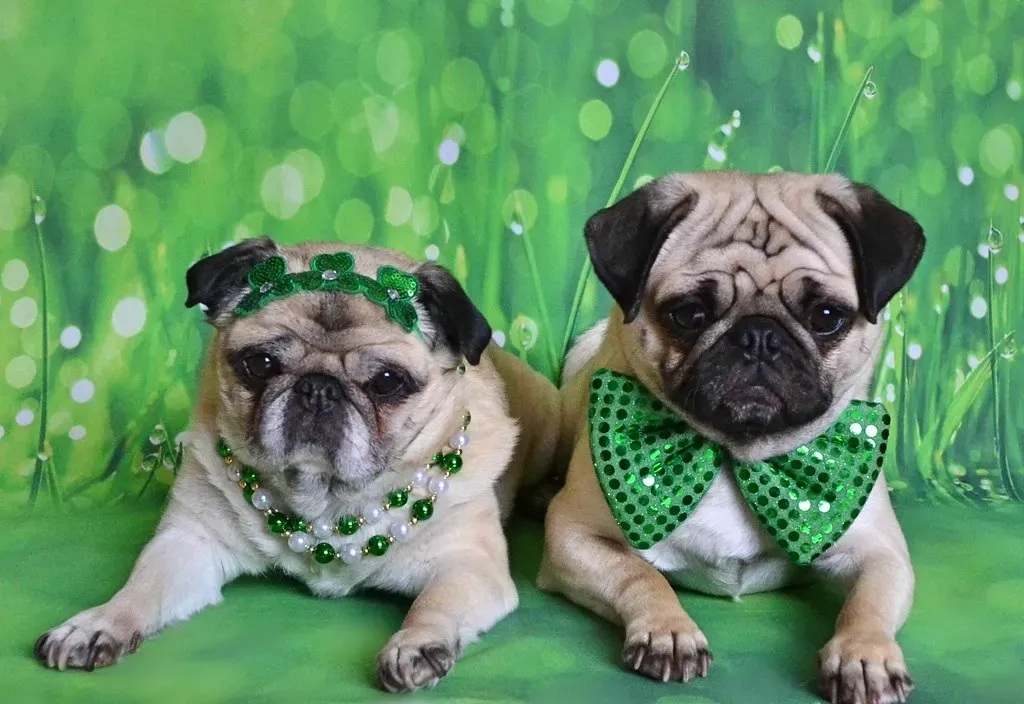
According to DogTime, Pugs can be stubborn and difficult to housebreak, but although these pups have a stubborn side especially when it comes to house training, they are playful, affectionate dogs who get along well even with novice pet parents. That is about the most polite way anyone has ever said “good luck with that.”
Pugs can be hard-headed and stubborn, which makes it even harder to potty train them. It is best to start early, as these dogs can often hold their bladders for about one hour at a time before needing to go outside. Set an hourly alarm if you have to. Consistency wins with Pugs, even when it feels like it isn’t working. It is.
9. Basenji: The Dog Who Learned Commands, Then Decided Not to Use Them
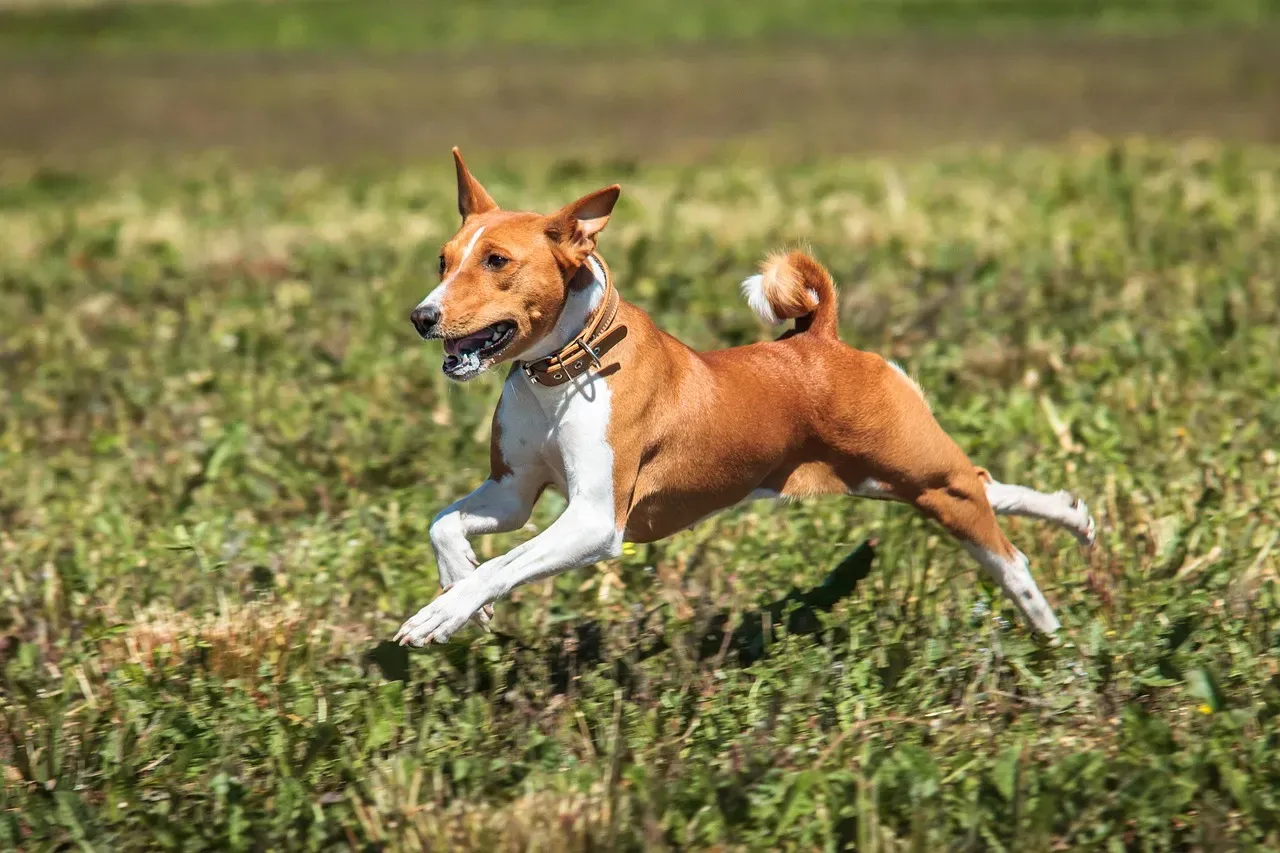
Basenjis are known to learn plenty of commands. It is just a matter of whether they will actually perform them or not. This stubborn breed will usually decide what they feel like doing. They are incredibly intelligent, but they use that intelligence to make their own decisions rather than blindly following human commands. It is genuinely impressive, even when it’s infuriating.
Their cat-like nature means they are selective about when and how they choose to cooperate. The Basenji’s strong-willed personality requires an experienced owner who understands that patience isn’t just helpful – it is absolutely essential. Building trust before demanding compliance is the only real approach that moves the needle with this extraordinary, ancient breed.
10. Siberian Husky: The Explorer Who Lives by No One’s Schedule
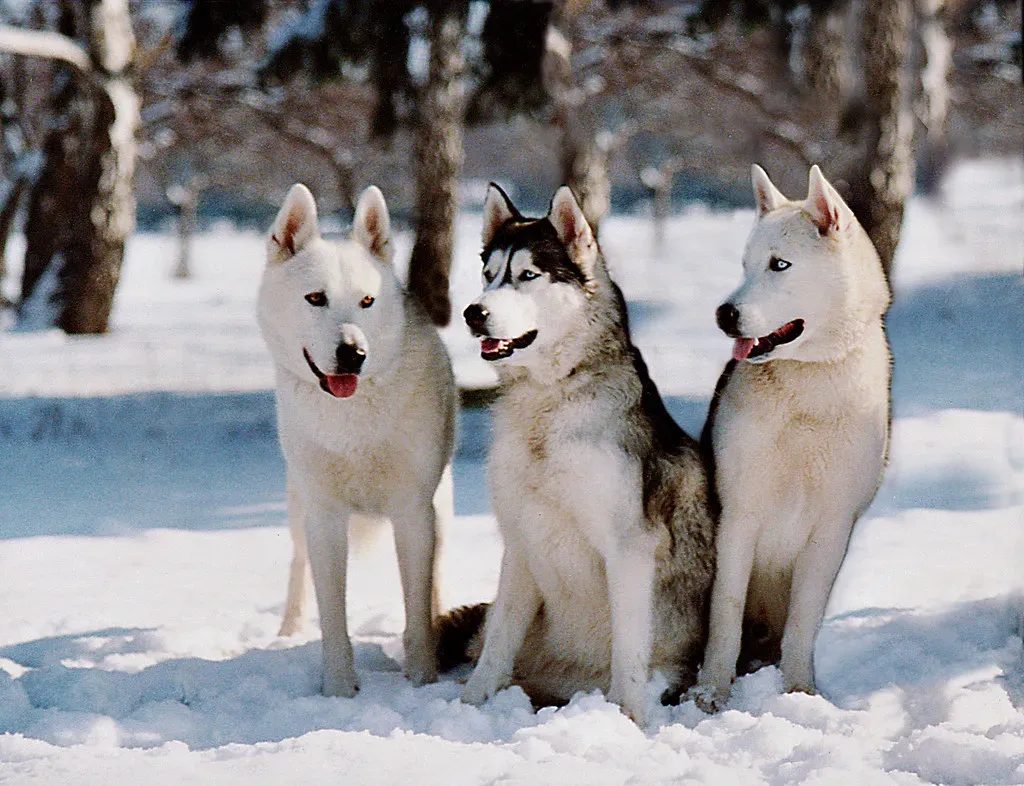
Huskies are known for having a very strong personality, which affects them in all areas of life, including potty training. This breed is determined and knows what it wants, so expecting it to respond well without significant effort from your part simply isn’t going to work. Huskies are wired for freedom. Asking one to conform to a bathroom timetable is like asking a marathon runner to sit still.
When raising a Husky, recall must be one of the first things to focus on because they have the heart of an explorer and the agility of a horse. Structure, exercise, and an incredibly consistent routine are the three pillars of success with this breed. Patience and consistency are fundamental principles in training stubborn dogs. Establishing clear boundaries, maintaining a calm and assertive demeanor, and providing consistent guidance are key components of successful training.
A Note Before You Throw in the Towel
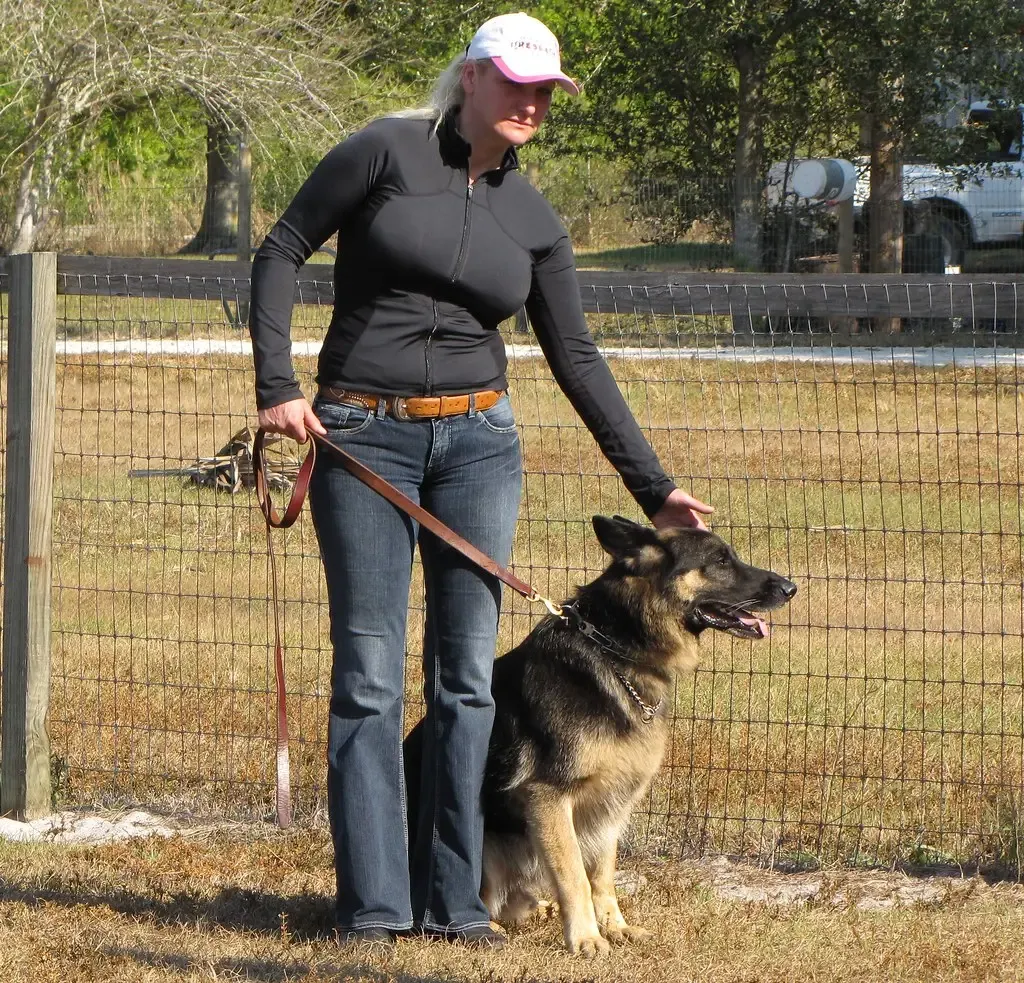
Here is something I want every dog lover reading this to hear clearly: no dog is truly untrainable. Even the most independent or strong-willed pups can learn with time, consistency, and lots of positive reinforcement. The breeds on this list are not broken. They are just wired differently, and that difference deserves understanding, not frustration.
Health issues like urinary tract infections, diabetes, or anxiety disorders can complicate toilet training for any breed. If you have been working consistently with your pup and still seeing accidents after several months, a vet visit should be your first step to rule out medical problems. Always rule out physical causes before doubling down on training tactics.
Every muddy footprint, every soiled rug, every exasperating morning – it is all part of the story you are writing with your dog. The breeds that test you most are often the ones that bond with you deepest once that trust is built. Stay consistent, stay kind, and remember: the fact that you are reading this at all means you are already a better dog parent than you give yourself credit for. What breed are you working with right now? Drop it in the comments – you might just find your people.


