
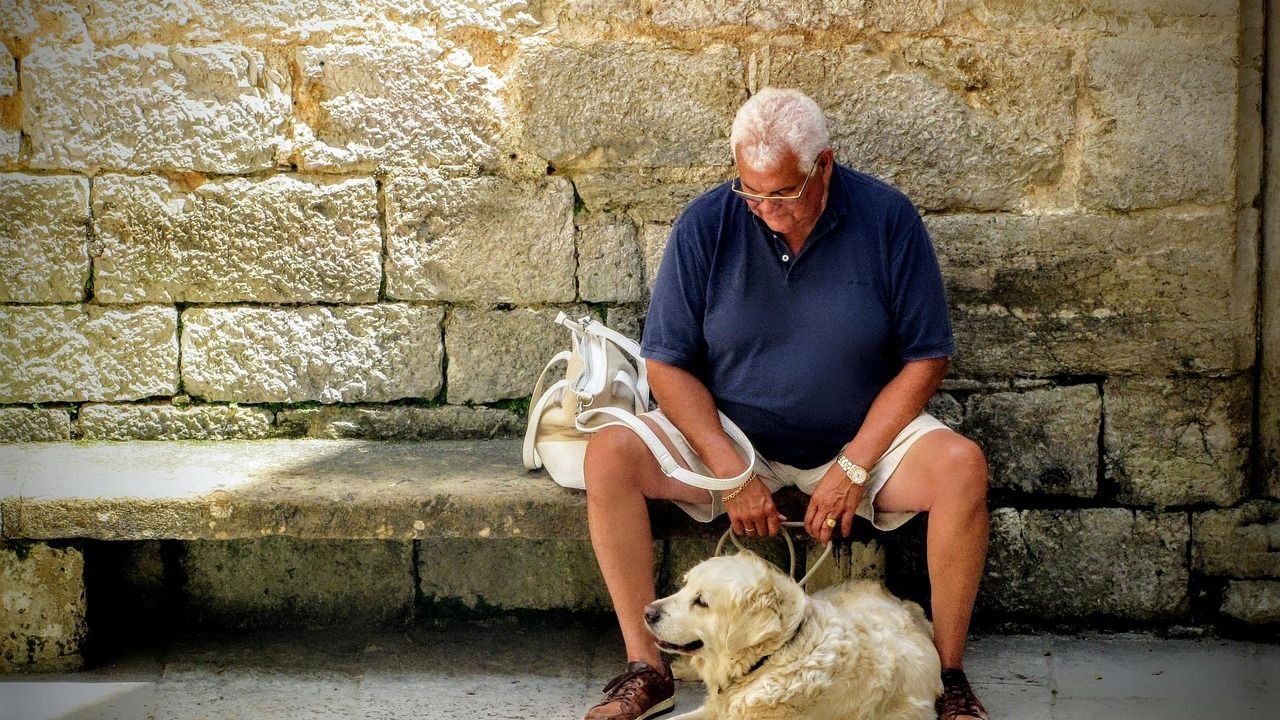
There’s a quiet kind of emptiness that can sneak up on you after retirement. The alarm clock stops, the schedule dissolves, and somewhere between the freedom and the silence, a question appears: what am I needed for today? It’s something nobody warns you about, and honestly, it catches a lot of people off guard.
As we enter retirement and our golden years, most of us have more time on our hands. Without a regular job to go to, we can also start losing our sense of purpose, lose touch with friends, and experience loneliness. That’s where a dog comes in. A dog doesn’t care about your job title or your calendar. They just need you, and that need is powerful. Let’s explore ten incredible breeds, big and small, that can give your golden years a whole new glow.
1. Golden Retriever: The Warmth You’ve Been Waiting For

There’s a reason Golden Retrievers have held a permanent spot in the hearts of families for generations. Warm-hearted, loyal, and full of joy, the Golden Retriever stands out as a truly comforting presence for older adults. Known for their gentle spirit and easygoing temperament, these affectionate dogs bring emotional balance and a sense of calm to any home. Think of them as a living, breathing sunshine – always there, always happy to see you.
Thanks to their intelligence and calm demeanor, they’re simple to train and wonderful to live with. While they do enjoy regular walks or a bit of playtime, they’re equally happy curling up beside you during quiet moments. If you want a dog that will actually motivate you to get outside each morning, a Golden is your answer. Health-wise, do keep an eye on hip and joint health as they age, since larger breeds can be prone to arthritis.
2. Cavalier King Charles Spaniel: Royal Comfort in a Small Package
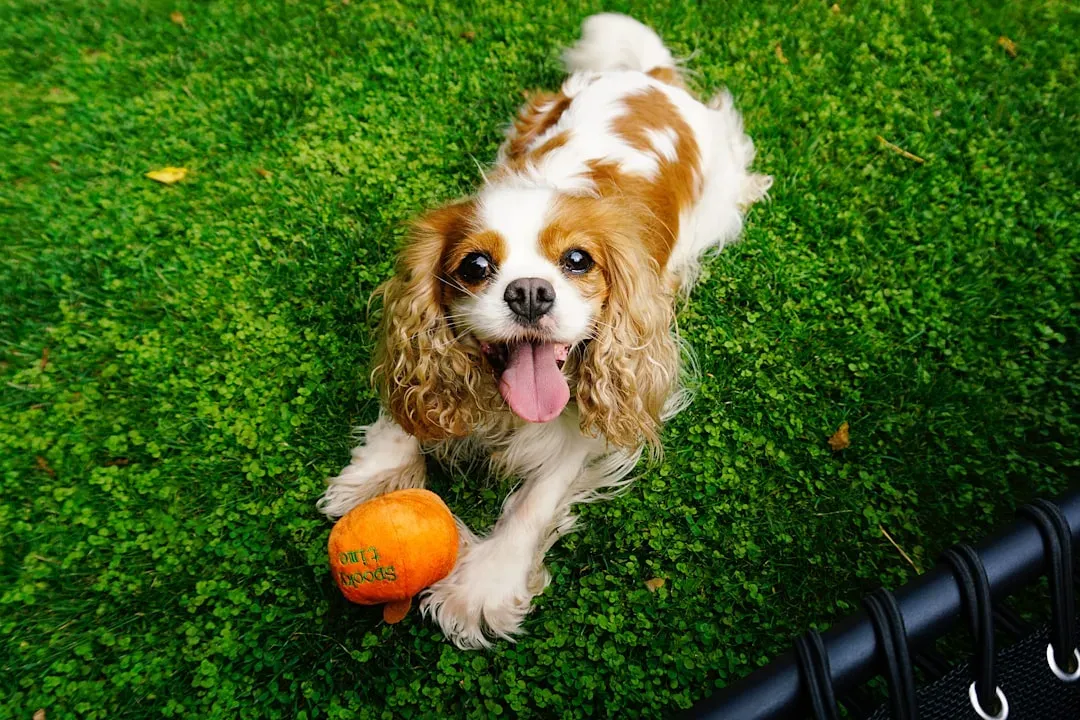
The Cavalier King Charles Spaniel is a gentle and affectionate breed that perfectly complements a senior’s lifestyle. Known for its loving personality and calm disposition, this charming companion thrives on emotional connection and gentle affection. It brings joy, warmth, and companionship to any quiet home. I think it’s safe to say no breed looks at you with more soul-melting devotion than a Cavalier.
These sweethearts can thrive in just about any environment as long as they receive plenty of love and attention. They also have lower exercise needs, which makes them ideal for apartment living or smaller homes. One health note worth knowing: Cavaliers are an incredibly loving and joyful breed, but they do have a predisposition to certain health issues. Knowing what to watch for and being proactive in their care can help them live a happy and long life. Regular vet checkups, especially for heart health, are a must.
3. Labrador Retriever: Your Active Retirement’s Best Friend
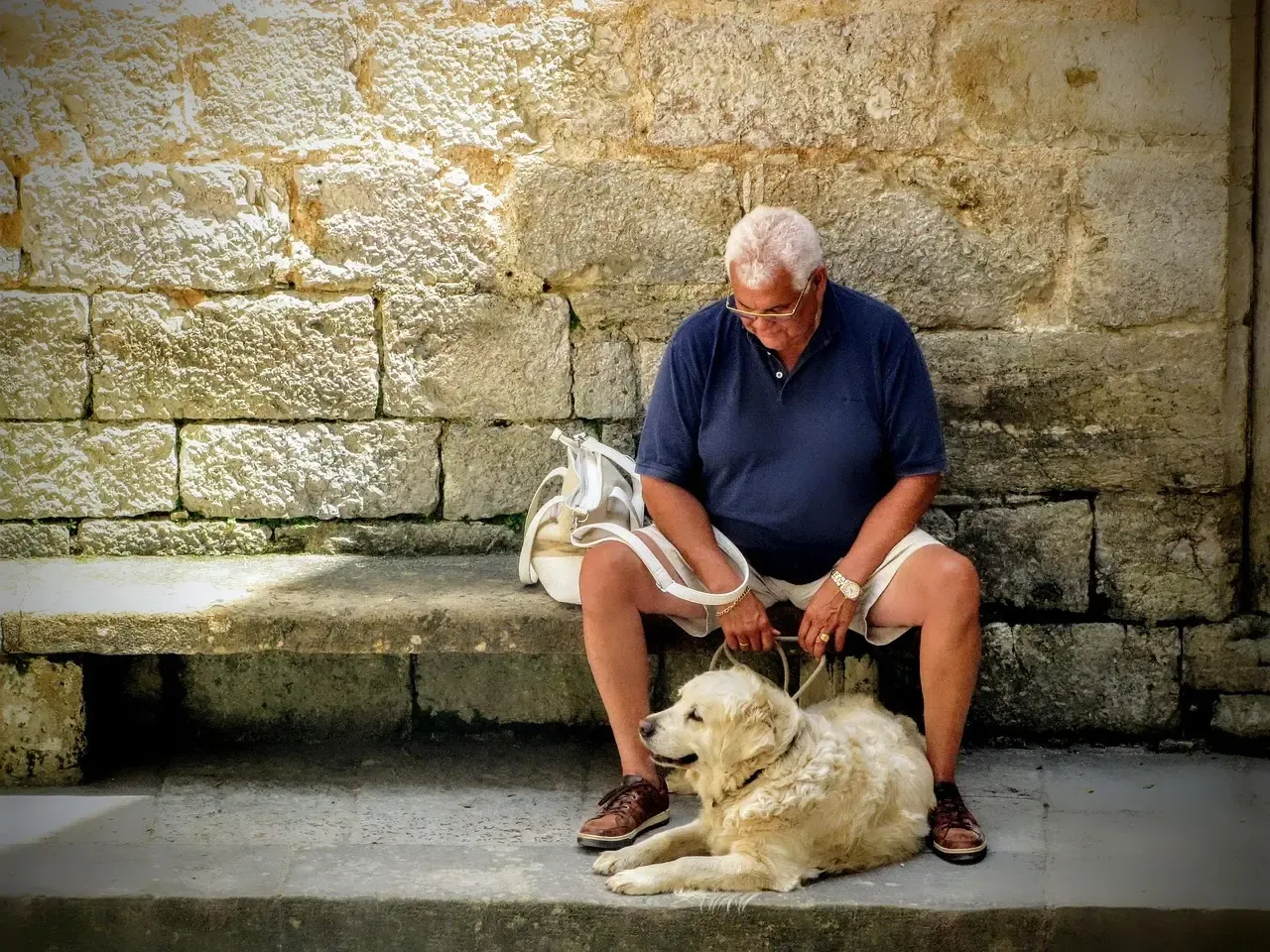
The Labrador Retriever is a symbol of warmth, loyalty, and boundless affection – qualities that make it a wonderful companion for active seniors. These affectionate dogs with cheerful personalities bring light and laughter into daily life, making them one of the most cherished breeds in America. For older adults who enjoy outdoor strolls and staying engaged, a Lab offers the perfect balance of companionship and vitality.
Their friendly demeanor and eagerness to please make them easy to train, while their social temperament ensures harmony with family members and neighbors alike. Labs are dependable, patient, and thrive on human connection, traits that deeply comfort seniors seeking emotional support and activity. A brisk morning walk with a Lab isn’t just good for the dog. Studies show it can be genuinely transformative for your own heart health and mood. With regular daily exercise, Labradors maintain moderate energy levels, making them well-suited for seniors.
4. Bichon Frise: The Little Cloud That Lifts Your Spirits
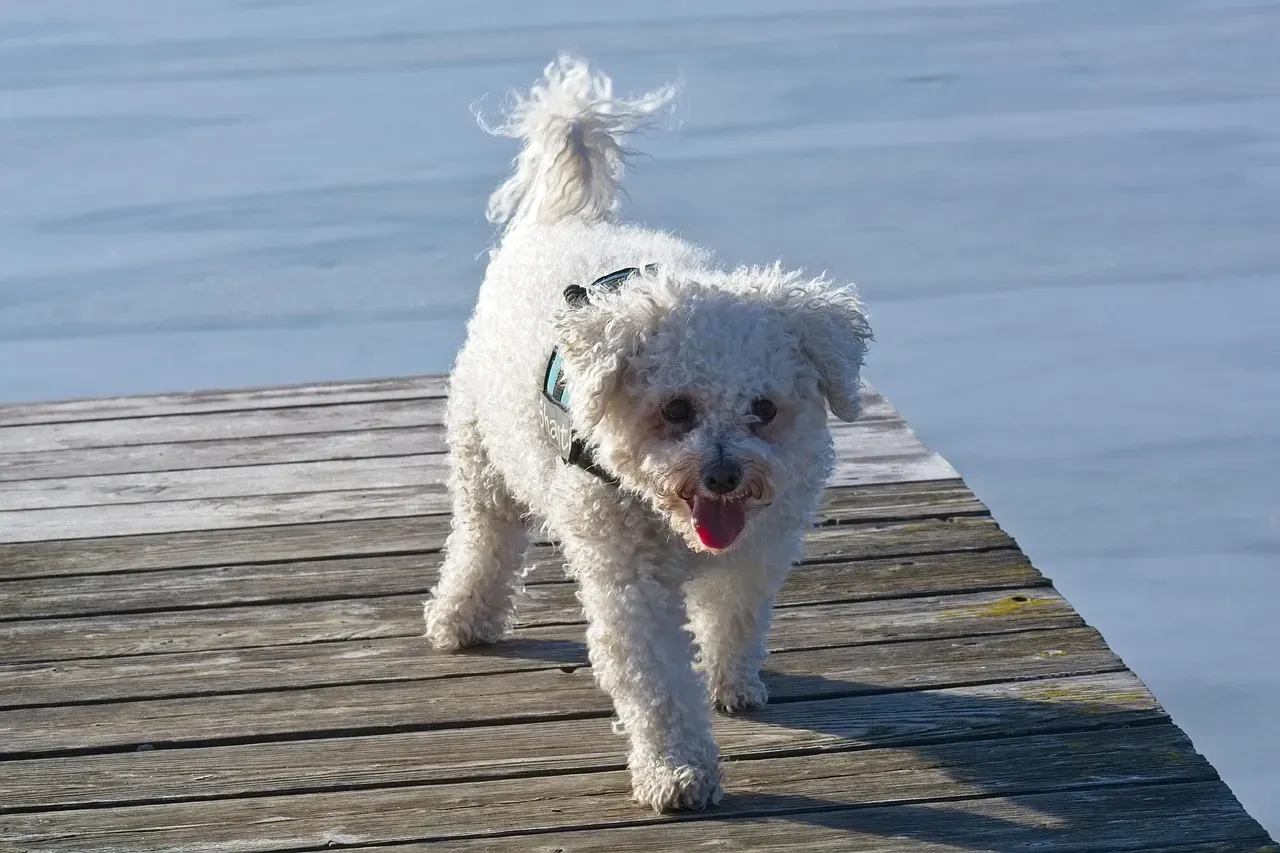
Honestly, if happiness had a breed, it might just be the Bichon Frise. The Bichon Frise is a small, cheerful, and animated dog known for its happy-go-lucky personality. Confident and full of charm, Bichons thrive on praise and affection. Their bubbly nature makes them incredibly lovable companions. They’re the kind of dog that can make even a grey Tuesday feel like a celebration.
They are intelligent, eager to please, and highly trainable – qualities that make training a fun and rewarding bonding experience. While they do require regular grooming, their hypoallergenic coats shed minimally, making them a good choice for allergy sufferers. This breed blossoms in calm, loving homes where human interaction is abundant. Whether lounging on the couch or strolling through the garden, the Bichon remains happy as long as its favorite person is near. That “favorite person” could very well be you.
5. Poodle: The Brainy Companion Who Keeps You Sharp
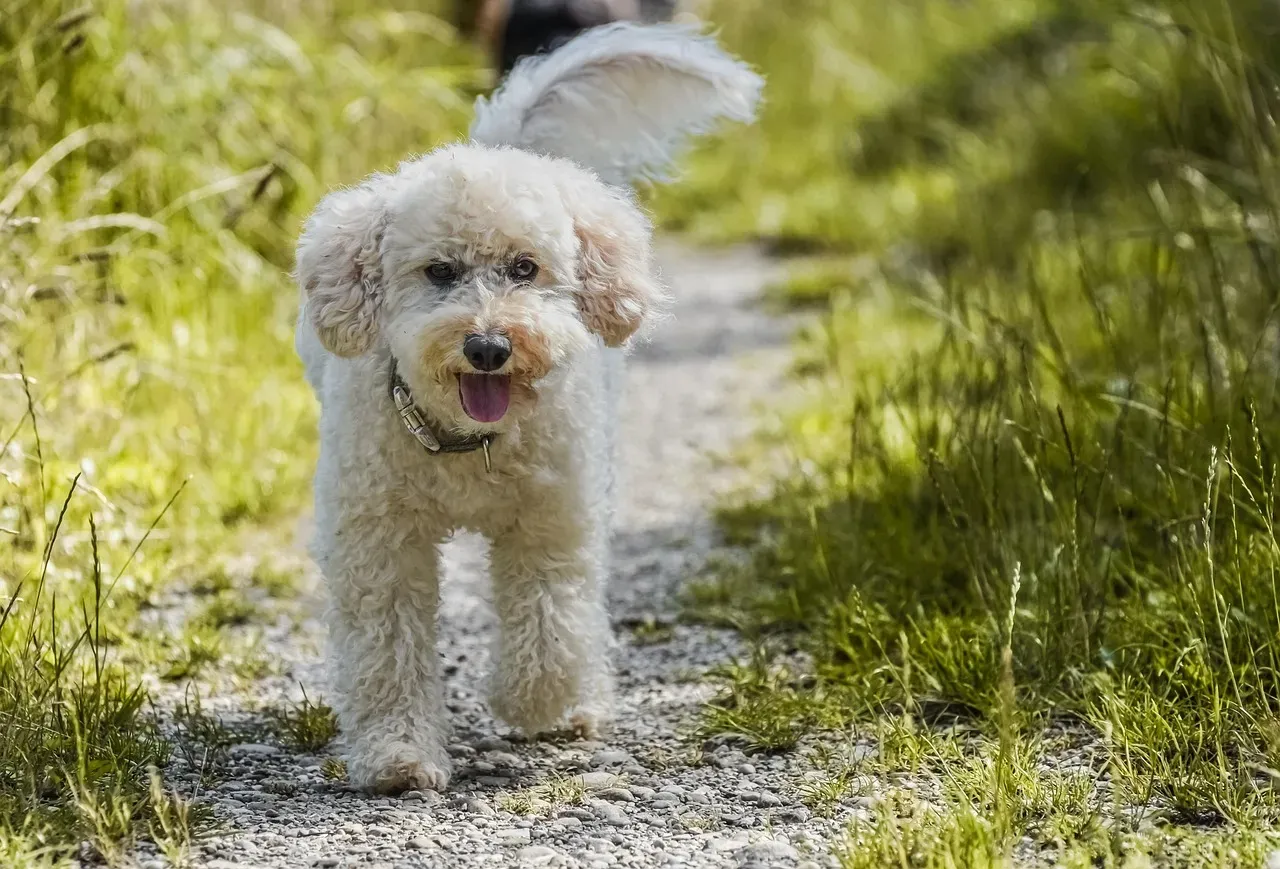
Poodles sometimes get dismissed as “fancy” dogs, but let me tell you, that reputation couldn’t be more off-base. For pet parents seeking an easy-to-train dog, the highly intelligent Poodle is one of the best dogs for older people. Poodles must receive ample exercise so they can release excess energy and maintain their well-mannered demeanor. This breed comes in three sizes – Toy, Miniature, and Standard – to meet anyone’s preference.
The poodle is a remarkably intelligent dog that is easy to train and eager to please. This dog breed doesn’t require a ton of exercise – one solid walk per day is enough. They’re content to lounge and cuddle with family members. Teaching a Poodle new tricks isn’t just fun, it keeps your mind engaged too. Think of it like a daily mental workout for both of you. The Poodle is low-shedding and hypoallergenic, which is a huge bonus for anyone with sensitivities.
6. Shih Tzu: The Devoted Lap Dog With a Lion’s Heart

The elegant Shih Tzu prospers with plenty of love and attention. This outgoing breed is also great with kids, making them a perfect playtime buddy when the grandchildren visit. The Shih Tzu is an affectionate dog who enjoys spending time with their pet parent, whether it’s cuddling or accompanying them throughout the house. Their name actually translates to “little lion” in Mandarin, though they’re about as ferocious as a fluffy pillow.
A solid little dog weighing up to 16 pounds, the Shih Tzu requires minimal exercise and is content living in apartments, so long as you’re there, too. That’s the key thing about Shih Tzus: they want YOU. Shih Tzus are low-shedding, but daily brushing and an occasional professional trim help them look their sweet, perky best. The Shih Tzu is up for a daily walk if its pet parent is, and this lapdog is more than happy to enjoy downtime for the rest of the day. Perfect for a relaxed but fulfilling retirement routine.
7. Miniature Schnauzer: The Spirited Little Watchdog Who Adores You
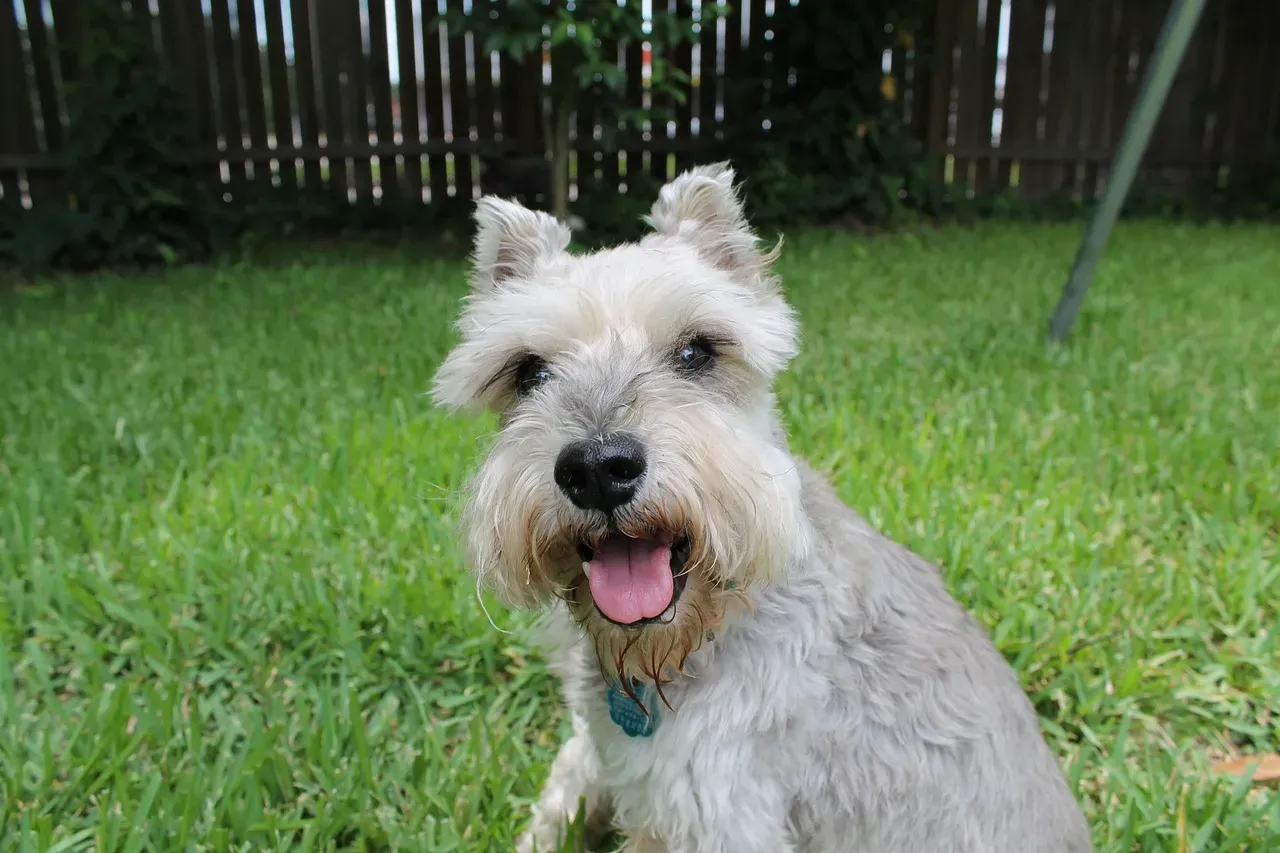
Seniors adore the Miniature Schnauzer for its perfect blend of intelligence, loyalty, and confidence. Known for being alert yet affectionate, this sturdy little companion thrives on companionship and gentle structure. On the senior-friendly scale, it scores high for trainability, moderate activity needs, and emotional connection, making it a great fit for those seeking an engaging but manageable dog.
Family-oriented and protective over the ones they love, Miniature Schnauzers are alert dogs who watch over the house. These furry friends are obedient and quick to learn when it comes to training. Their quirky beard and bushy eyebrows give them a character all their own – you’ll find yourself laughing at them daily. Miniature Schnauzers are a low-shedding, hypoallergenic dog breed, and two short daily walks plus some indoor play will keep them perfectly content.
8. Beagle: The Curious, Cheerful Explorer for Active Retirees
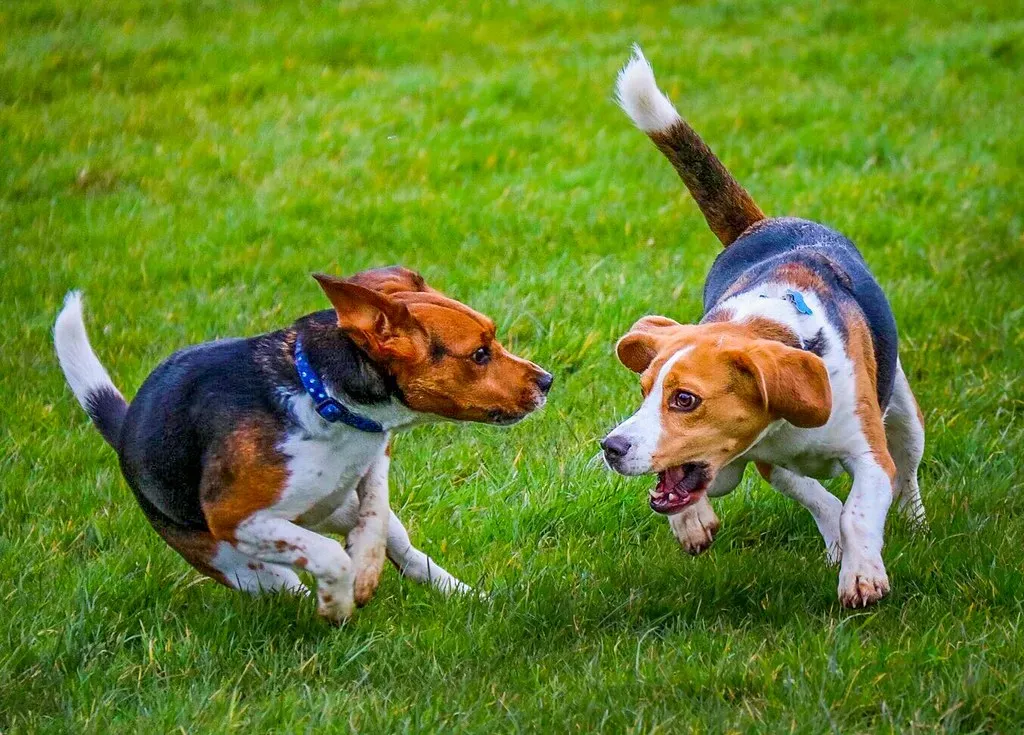
If you’re the type of retiree who loves a good morning walk and isn’t afraid of a little adventure, a Beagle might just be your soul dog. Beagles make excellent companions for seniors. They are relatively small, typically under 25 pounds, making them easy to control and less likely to knock over owners. Beagles were originally bred as scent hounds, so they require a moderate amount of exercise each day. However, short walks or play sessions are sufficient.
They tend to be gentle, mellow, and exceptionally friendly around people. With minimal grooming needs, Beagles are pretty easy keepers. Their patience and laid-back demeanor also make them one of the better breeds for first-time dog owners. One practical tip: always walk a Beagle on a leash. Their nose is legendary, and if an interesting scent catches their attention, they will follow it with zero hesitation. A fenced yard is also a very smart idea.
9. French Bulldog: The Apartment-Friendly Comedian You Didn’t Know You Needed
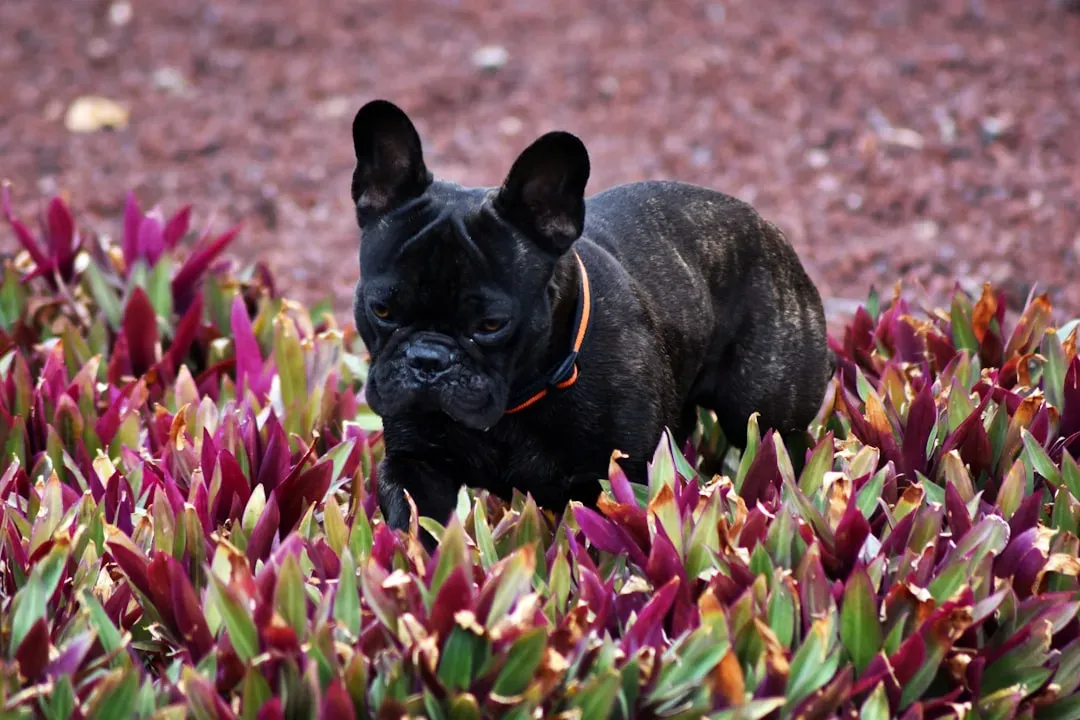
The French Bulldog is the ultimate low-maintenance charmer, adored by seniors for its affectionate, mellow vibe. On the senior-friendly scale, they rank among the easiest breeds for companionship, adaptability, and care needs. These little dogs are genuinely funny – they snort, they strut, and they have more personality per pound than almost any breed alive.
Commonly called Frenchies, this bulldog breed is one of the best dogs for seniors who live in apartments or want a dog with less energy. They are spirited and goofy by nature and love to be with their humans. They’ll climb into your lap and cuddle while you watch the nightly news, or they’ll have you giggling as they run around in the backyard. Do keep their wrinkles clean and avoid overheating in warm climates, as their flat faces make them sensitive to heat. Because of their shortened muzzle, French Bulldogs shouldn’t partake in tiresome outdoor activities. Tagging along with their pet parent as they run errands or short walks around town will do the trick.
10. Pembroke Welsh Corgi: The Herding Dynamo With a Heart of Gold
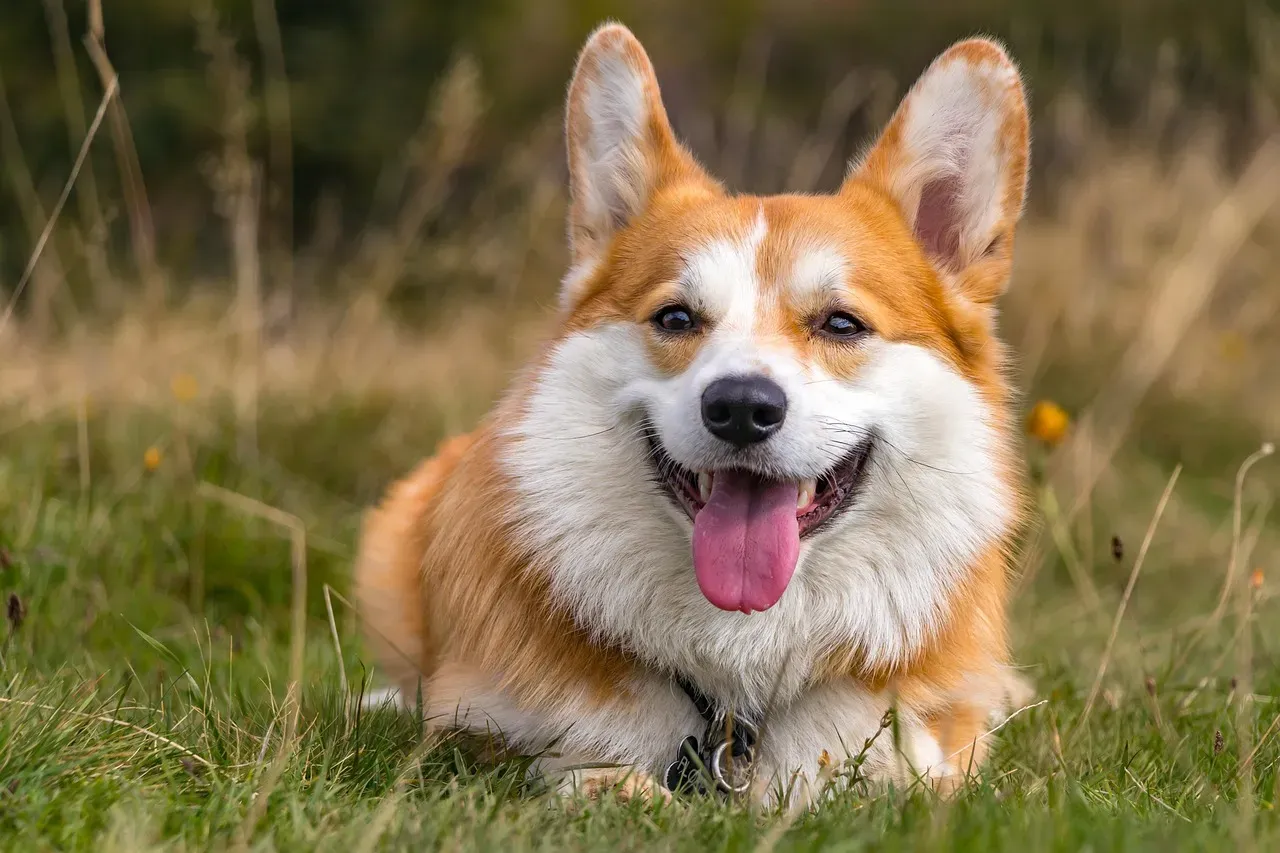
Though Corgis are also ideal for apartment living, you can expect a Corgi to weigh up to 30 pounds. You can identify Pembroke Welsh Corgis by their short legs, low-set body, and pointy ears. They are intelligent and easy to train, making them good companions for seniors. Don’t be fooled by those stumpy little legs. Corgis are fast, smart, and absolutely full of life.
Corgis are protective, devoted to their families, and make excellent watchdogs. This energetic breed is prone to barking when left alone too long or if they don’t receive sufficient exercise. So they work best for retirees who enjoy being active and can commit to daily walks and mental stimulation. They are herding dogs by nature, so you must ensure your Corgi gets adequate exercise. That can be accomplished by taking daily walks, which is healthy for you and your pet. It’s one of those beautiful win-win arrangements that retirement life is made for.
The Real Reason a Dog Changes Everything in Retirement
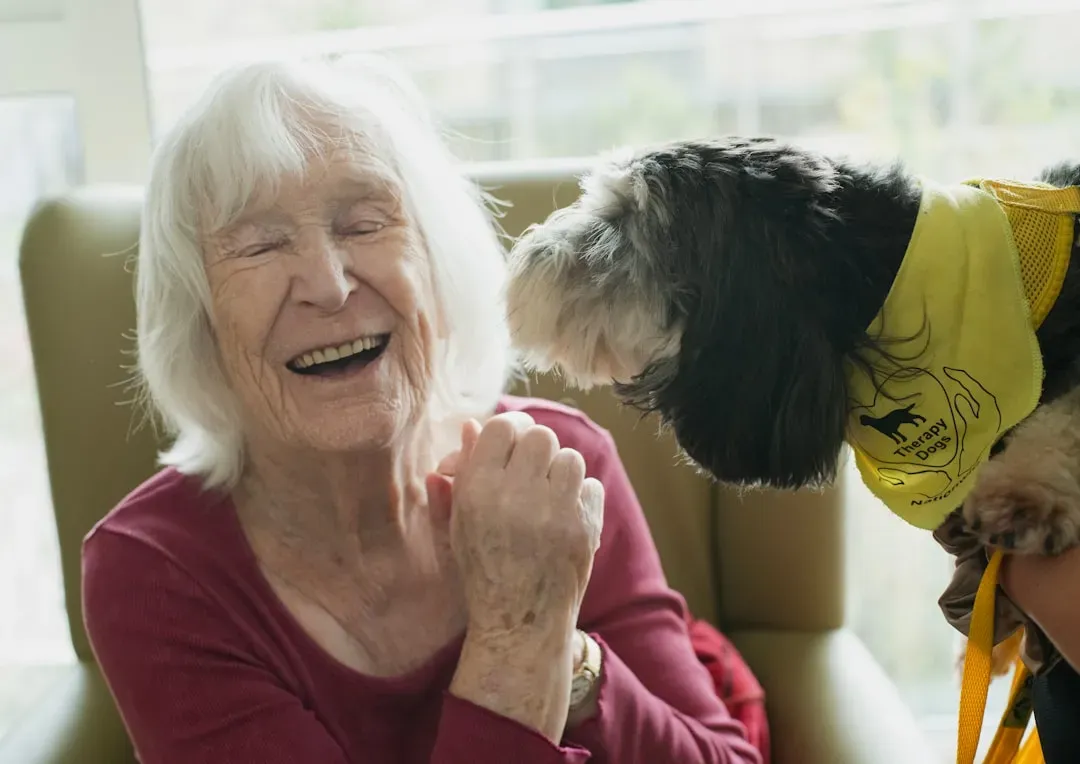
Beyond the individual breeds, there’s something larger happening when a retiree opens their door to a dog. Research suggests that pet ownership may benefit community-dwelling older adults by providing companionship, giving a sense of purpose and meaning, reducing loneliness and increasing socialisation. That’s not fluff. That’s a genuine shift in how your days are shaped and felt.
In a national poll on healthy aging from the University of Michigan, nearly three-quarters of older adults who own a pet said that their pets provide a sense of purpose. The poll, conducted with over 2,000 participants between the ages of 50 and 80 in the US, also found that nearly four in five of them feel less stressed because of their pets. Those are remarkable numbers. A 2023 study published in Preventive Medicine Reports identified that dog owners had a lower risk of dementia compared to non-dog owners. A dog isn’t just a pet. They’re a daily reason to rise, move, connect, and feel alive.
Conclusion: Your New Chapter Deserves a Co-Star
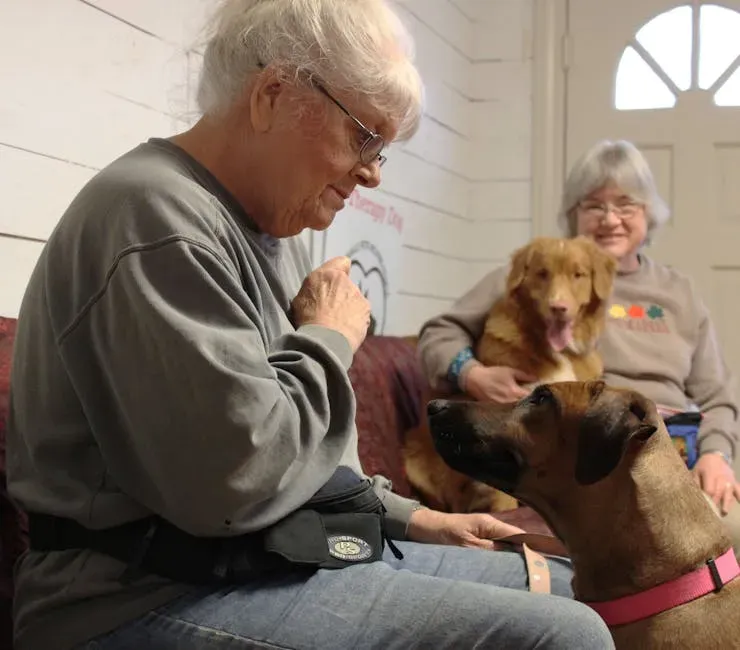
Retirement is not the end of purpose. It’s an invitation to discover a new kind of it. Dogs bring unconditional love, loyalty, and purpose to our lives, which can be especially meaningful during later years. Whether you choose a gentle Cavalier who curls up beside you, or a spirited Corgi who drags you on adventures, there’s a breed on this list that’s the right fit for your pace and your heart.
Choosing the right dog breed goes beyond looks and popularity. Seniors need a pet that is affectionate, easy to train, and relatively low-maintenance. Take your time, visit a shelter, meet the dog before you commit, and trust your instincts. The right dog will feel like they’ve always belonged in your life. And honestly, maybe they have.
So, which of these ten breeds speaks to your heart? We’d love to hear about it in the comments below.


