
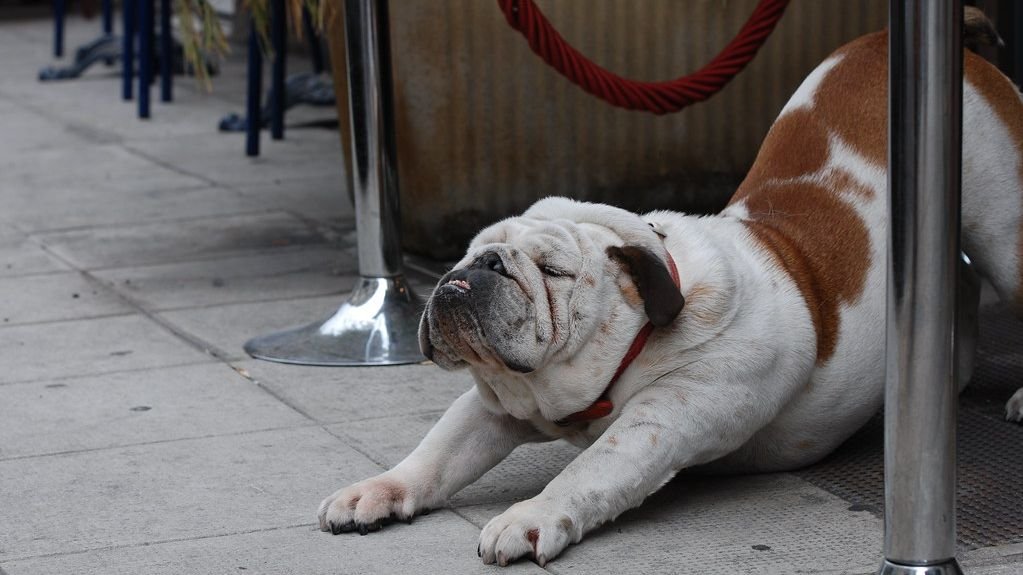
You know that feeling when you bring home a puppy with the best intentions, envisioning perfectly executed commands and seamless walks through the park? Then reality sets in. Your dog looks at you when you say “sit” as if you’ve just suggested something ridiculous. Some dogs simply march to the beat of their own drum.
The most stubborn dog breeds tend to be intelligent, independent, and occasionally infuriating. Here’s the thing though: stubbornness doesn’t equal stupidity. These breeds were often designed for jobs that required them to think independently, not wait around for constant human direction. Let’s explore ten breeds known for testing even the most patient dog lovers.
The Afghan Hound: Elegance Meets Independence
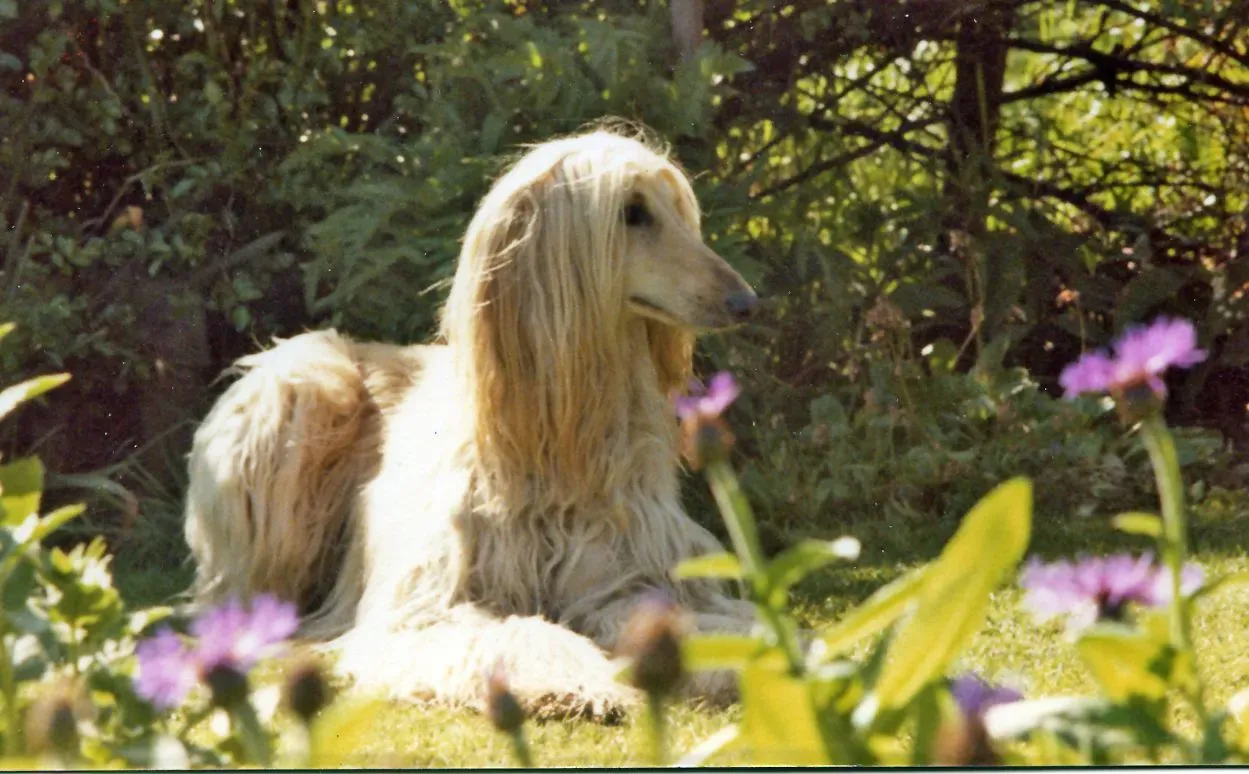
With its elegant appearance and aloof demeanor, the Afghan Hound is a classic stubborn breed originally bred for hunting, with a strong independent streak and aloofness during training sessions. Picture this: you’re in the middle of a training session, and your Afghan Hound catches sight of something across the yard. Good luck getting their attention back.
The striking Afghan hound needs at least 80 repetitions to understand a new command. These sighthounds were designed to chase prey across rugged terrain without needing constant input from hunters. Afghan Hounds can be incredibly aloof, often displaying a cat-like demeanor that leads them to question every command, and they’re also notorious for their short attention spans.
Let’s be real, patience is everything with this breed. Short training sessions with high-value rewards work far better than marathon drills. Their regal beauty comes with a price: a dog who genuinely believes they know best.
The Basenji: The Barkless Independent Thinker
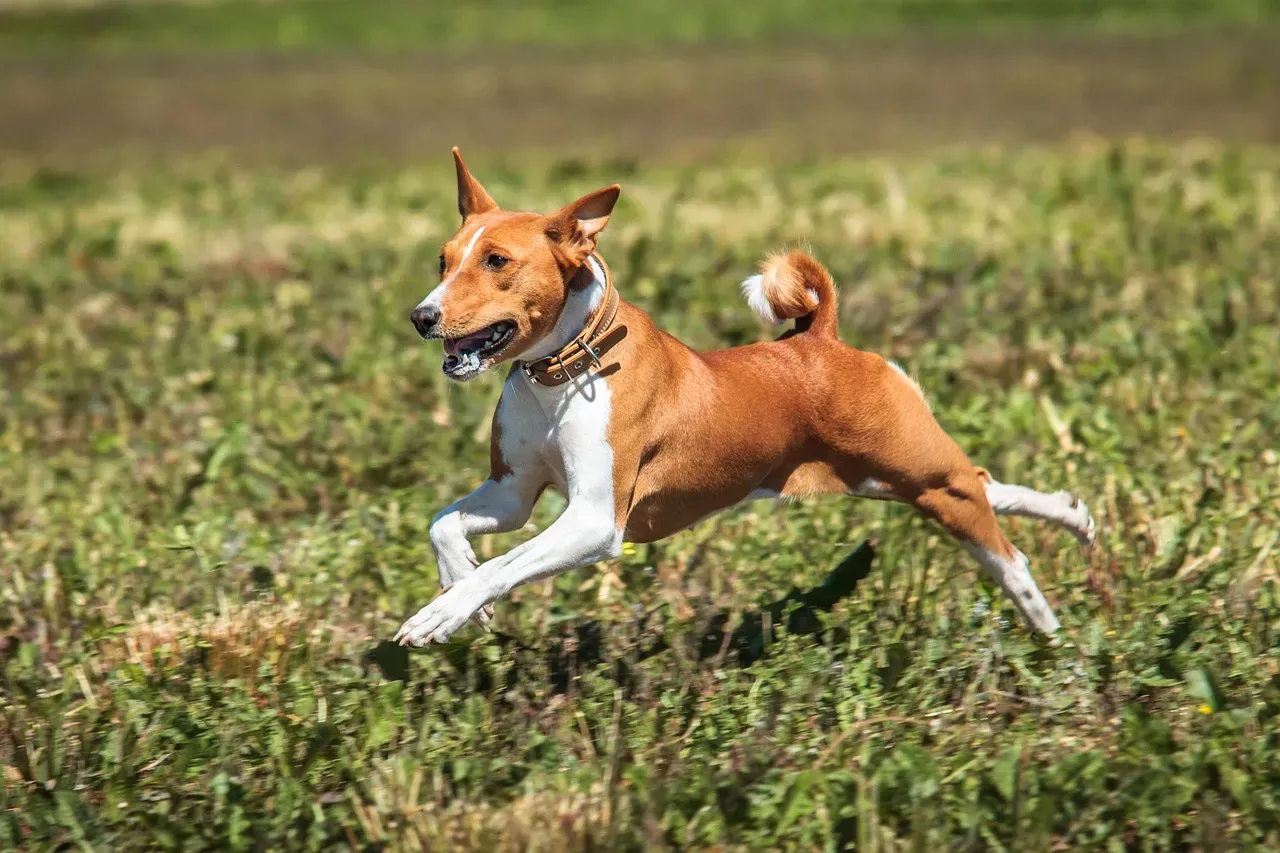
Basenjis are known for their cat-like personalities, being both independent and intelligent, notoriously difficult to train due to their stubborn nature. These African hounds are famous for not barking, instead producing a unique yodel.
The Basenji’s independent nature can clash with conventional training methods, as these dogs thrive on exploration and get bored quickly if they aren’t mentally stimulated. Honestly, training a Basenji feels a bit like negotiating with a very clever toddler who’s always three steps ahead. They groom themselves like cats and show minimal interest in pleasing their humans.
If you’re considering a Basenji, prepare for creative training techniques. Basenjis respond to positive, encouraging training techniques, especially clicker training. Mental stimulation and variety are absolutely essential.
The Beagle: Following Their Nose, Not You
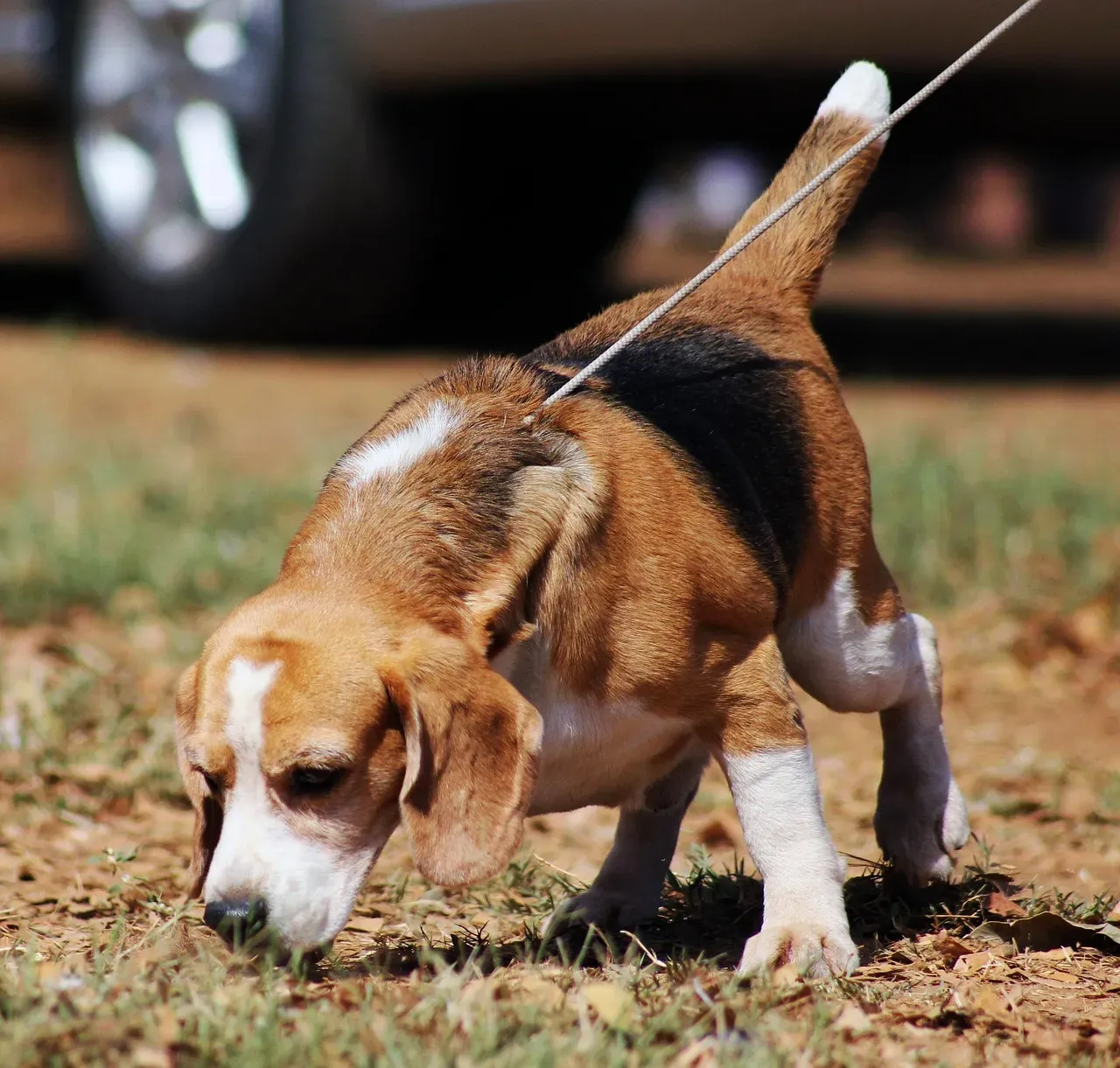
Beagles have a reputation of being incredibly challenging to train, as scent hounds originally bred to track and hunt small game, they get easily distracted during training thanks to their powerful nose. Walk a Beagle through any park and watch them transform into a four-legged vacuum cleaner, sniffing absolutely everything.
Beagles are often guided more by their noses than by their owners’ voices, and their remarkable olfactory skills give them an instinctive urge to follow trails wherever they lead. Once they catch an interesting scent, your voice becomes background noise. Teaching recall can be a nightmare with Beagles, but thankfully they are food-motivated, meaning with plenty of positive reinforcement using treats, you can get them to listen.
The key? High-value treats and lots of patience. These friendly, energetic dogs make wonderful family companions, but obedience competitions might not be their forte.
The English Bulldog: Stubborn Meets Lazy
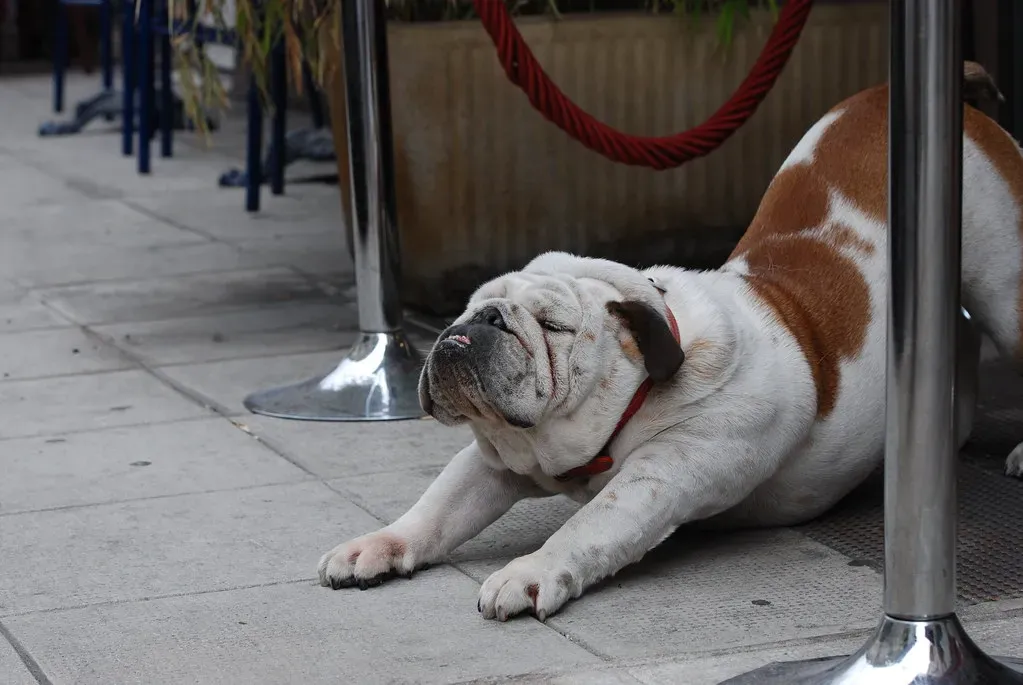
These dogs are known for their super high intelligence, but their strong will and lazy lifestyle mean they would rather just ignore you during training sessions, though they are in fact gentle and loving pups who are loyal to their family. Bulldogs have mastered the art of selective hearing.
Bulldogs tend to do things on their own schedule, and their independent mindset can frustrate even experienced trainers, as they aren’t defiant out of malice but simply have an “I’ll think about it” attitude toward commands. Their stubbornness isn’t really about rebellion. They just prefer napping to pretty much any activity you suggest.
Bulldogs are notorious for their selective hearing and reluctance to engage in activities they find uninteresting, and their stubbornness is less about defiance and more about laziness, with harsh training methods being counterproductive. Gentle encouragement and making training seem worth their effort works best. Keep sessions short and rewarding.
The Chow Chow: Independent and Territorial
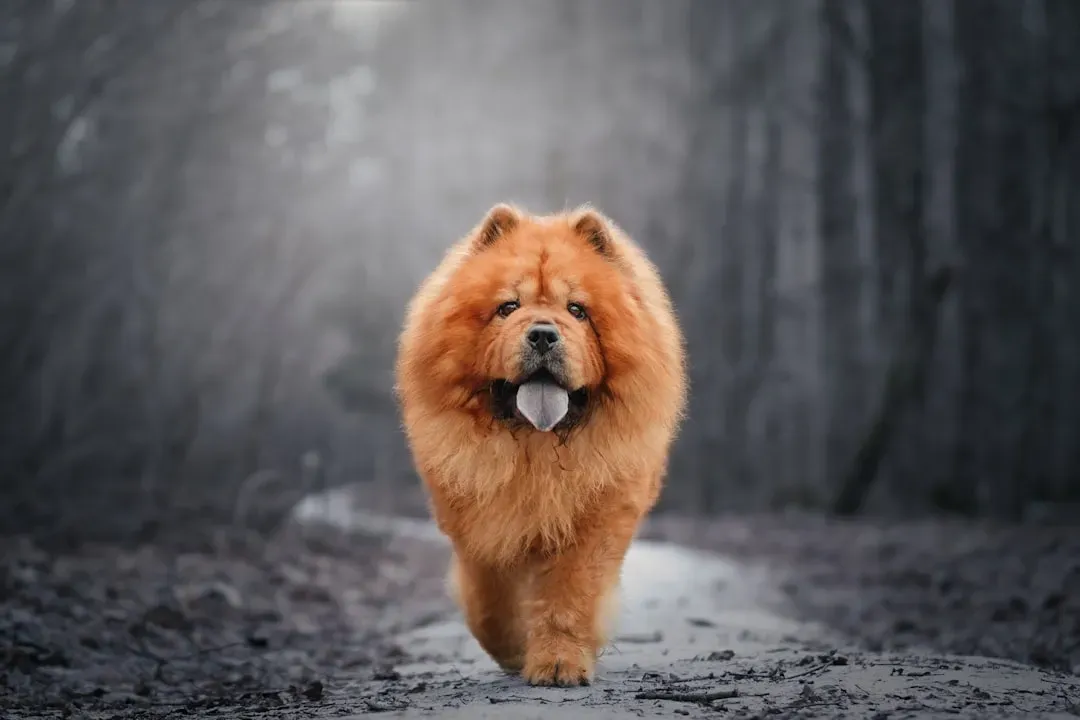
Chow chows are fairly intelligent but they have both an independent and a stubborn streak, so training them can be a challenge, requiring a firm, patient trainer who has plenty of creativity. These fluffy teddy bear lookalikes have personalities that are anything but cuddly when training time arrives.
The Chow Chow is extremely independent, even stubborn, making it difficult to train, and is not particularly playful as an adult, being a fairly low-energy dog. The Chow is a stubborn, independent dog who can easily become overly aggressive to anyone who invades his personal space, but if he does take to you, then he will be a loyal friend for life.
Early socialization is absolutely critical with Chows. Chow Chows are very smart and will exploit any weakness you might show. They require an owner willing to establish firm, consistent boundaries from day one. I know it sounds crazy, but treating a Chow like a roommate who needs clear house rules actually works better than traditional obedience drills.
The Dachshund: Small Dog, Big Attitude

The short wiener dog is well-known for their lively and independent attitude, as well as their intelligence, hunting ability, and stubbornness, and Doxies like to do things their own way. Don’t let their size fool you. Dachshunds pack serious determination into those elongated bodies.
Vivacious, friendly and ever-alert, dachshunds were bred to be an independent hunter of dangerous prey, and their independence is a hallmark of the breed. They were designed to chase badgers into burrows without human guidance. That independent streak translates directly into stubbornness during training.
You’re likely to find your Dachshund digging holes, chewing shoes, or chasing other pets regardless of your commands. Incorporating toys, treats, and keeping training sessions engaging helps channel their intelligence. Consistency matters enormously with this breed.
The Siberian Husky: Beautiful Escape Artists
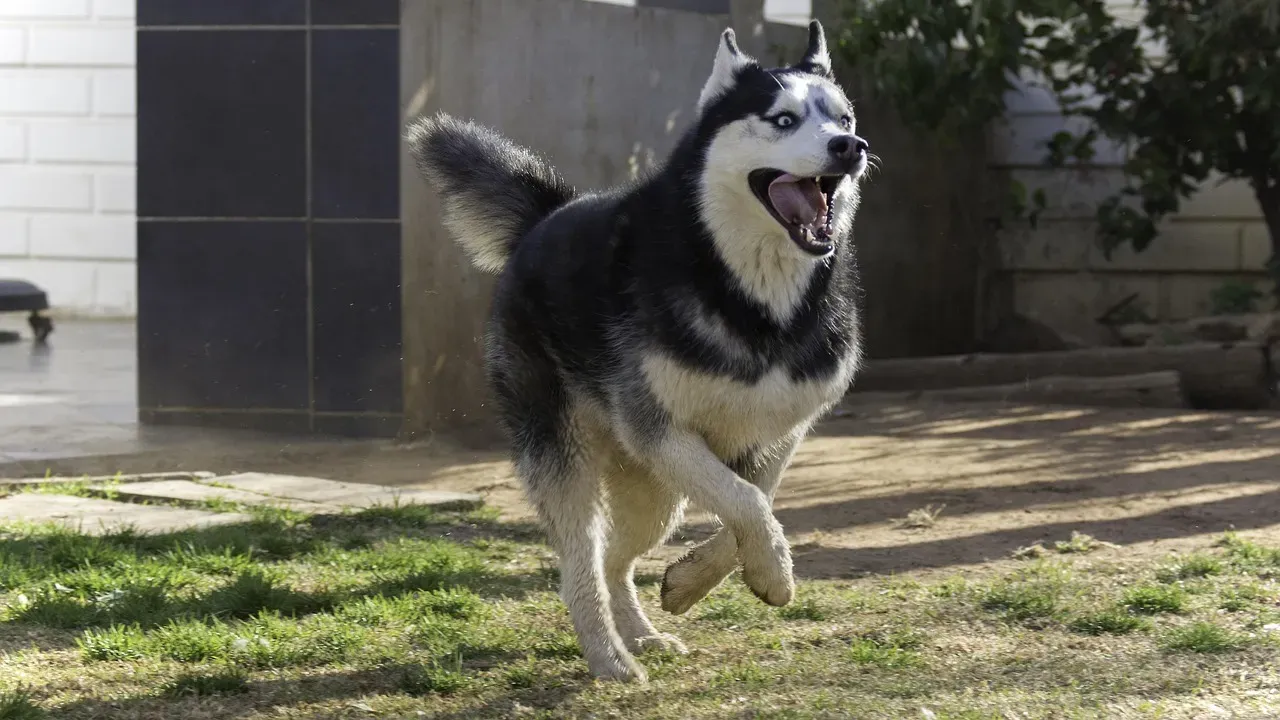
Several studies and experts have confirmed that Huskies are indeed one of the most stubborn dogs in the world, with short attention spans that frequently lead to temper tantrums, and your Husky might need regular exercises and rewards. Huskies are gorgeous, goofy, and mischievous all at once.
Their biggest challenges include being stubborn, high energy, having small prey drive, being escape-artists of the dog world, and very vocal at all hours. Siberian huskies, Alaskan malamutes, cattle dogs, hounds, or livestock guardians like Great Pyrenees are typically the breeds people ask about regarding stubbornness.
These dogs need massive amounts of exercise and mental stimulation. Without it, they’ll find creative ways to entertain themselves, usually involving escape attempts or redecorating your home. Training requires patience, firm boundaries, and accepting that perfection isn’t really in their vocabulary.
The Basset Hound: Droopy-Eyed Rebels

Don’t let those droopy eyes fool you, as Basset Hounds are some of the most stubborn dogs around, and bred for scent tracking, they’ll follow their noses over your voice any day, with their stubbornness combined with a laid-back nature meaning dog owners need lots of patience.
Basset hounds can be stubborn, and since they are pack dogs, they don’t like to be home alone. When it comes to training, Basset Hounds can test even the most patient owners, as their independent streak combined with a nose that seems to have a mind of its own often leads them astray during obedience sessions, and they’re slow learners and notably challenging to housebreak.
Their sensitivity means harsh methods backfire spectacularly. Positive reinforcement with treats works best since they’re highly food-motivated. Early training and unwavering consistency make all the difference with these charming hounds.
The Shiba Inu: Bold and Fiercely Independent
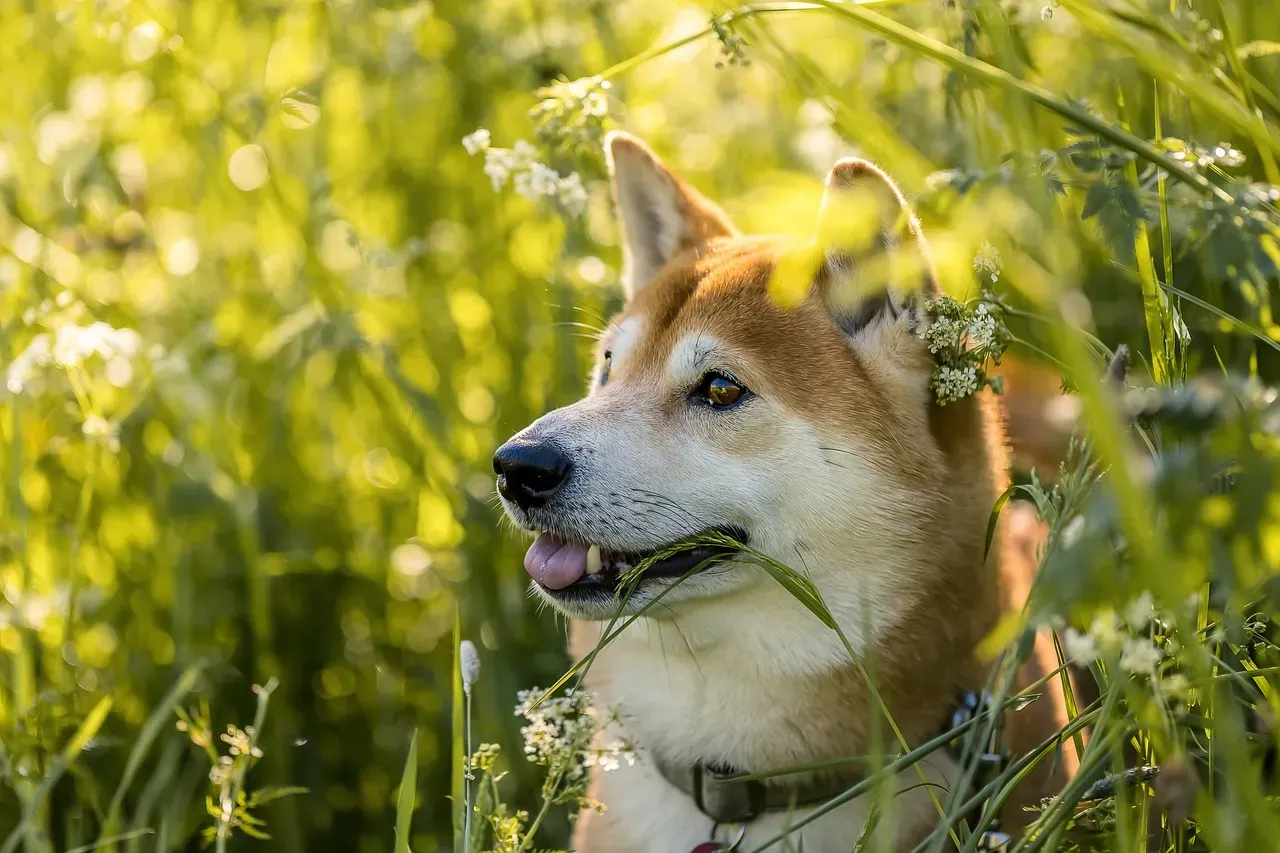
Shiba Inu, a small breed originally from Japan, should be on the list of the most stubborn dog breeds because of its bold and independent personality. The American Kennel Club has said the Shiba is, in many ways, “more like a cat than a dog.”
Accompanied by a stubborn characteristic, this breed is highly disobedient and needs consistent and assertive training techniques. Shibas are intelligent, charming, and absolutely convinced of their own superiority. They require experienced owners with patience and a good sense of humor.
Shibas need an experienced owner full of patience, preferably those who have experience in handling stubborn breeds. Early socialization prevents aggressive tendencies. These dogs respond to gentle encouragement but will shut down completely with harsh methods.
The Jack Russell Terrier: Tiny Tornado of Willfulness
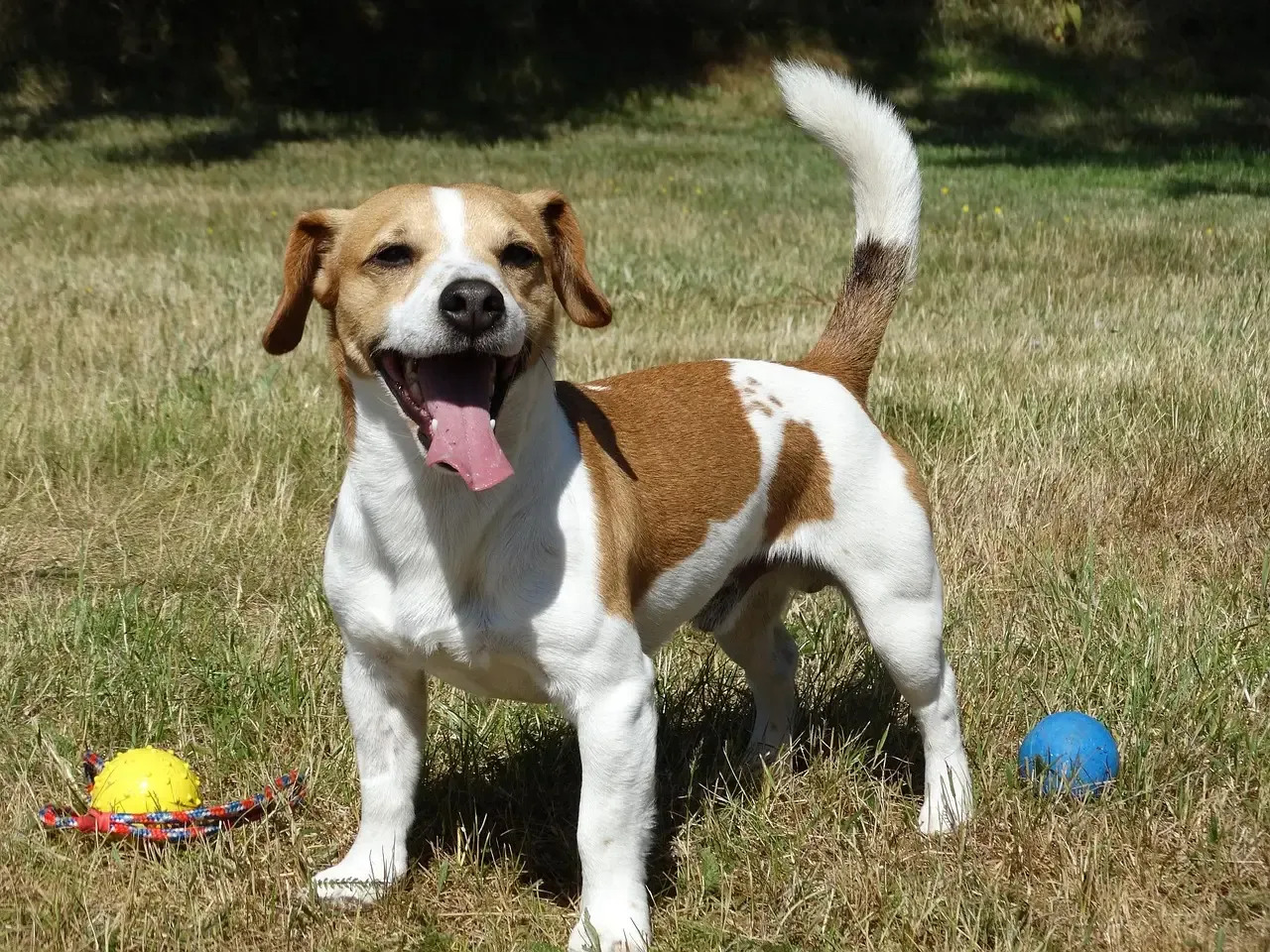
Jack Russell Terriers are as clever as they are stubborn, bred to hunt small prey like foxes, so it’s no surprise they often act like they’re on their own mission, and stubborn pups like these do best with structured routines and plenty of exercise.
The Jack Russell Terrier is a small breed with boundless energy and a willful spirit, and their intelligence is both a blessing and a curse, as they quickly grow bored with repetitive tasks, making them one of the most stubborn dog breeds to train. These terriers are bundles of energy packed into small, determined bodies.
Short, high-energy training sessions that challenge their quick minds work best. They need variety, physical exercise, and mental stimulation in abundance. Without it, they’ll find their own entertainment, which rarely aligns with your household rules. Their stubbornness can turn into impressive cleverness with the right approach.
Conclusion: Embracing the Challenge

While stubborn dogs may be harder to train, they often make fiercely loyal and clever companions when handled with patience. The truth is, these independent breeds aren’t actually being difficult just to spite you. Their genetics designed them for specific jobs requiring self-reliance.
Breed training difficulty is a combination of instinct and heritage where some breeds were designed to think for themselves, motivation levels where certain dogs are less food-driven or praise-oriented, energy and focus where high-energy or easily distracted breeds can struggle with impulse control, and temperament and independence where aloof breeds may not seek approval from humans as eagerly.
Understanding your dog’s specific traits helps tailor your approach. Patience truly becomes your greatest asset. Positive reinforcement, consistency, creative engagement, and celebrating small victories all matter tremendously. These stubborn breeds reward dedicated owners with incredible loyalty and unique personalities.
So did your breed make the list? What challenges have you faced with your independent pup? Share your experiences in the comments below.


