
Your dog just nipped you. Maybe it was a snap during dinner, or a startling bite that came out of nowhere during a hug. And now you’re sitting there, confused, a little hurt, wondering – did I do something wrong? Is my dog dangerous? Will it happen again?
Here’s the honest truth: dog bites are not rare – these are common events that occur in normal family lives, and it is estimated that roughly one in seven dog owners have been bitten by their own dog. That number is probably higher than you’d expect. While some dogs may be prone to aggressive behaviors due to their breed’s history, dogs are very much a product of their environment. Most often, regardless of breed, dogs are aggressive as a reflection of the way they’ve been treated, a lack of training, or fear.
This article isn’t about demonizing any breed. It’s about helping you understand your dog better – the triggers, the warning signs, and what you can actually do about it. Let’s dive in.
1. Pit Bull: Misunderstood, Powerful, and Often Poorly Managed
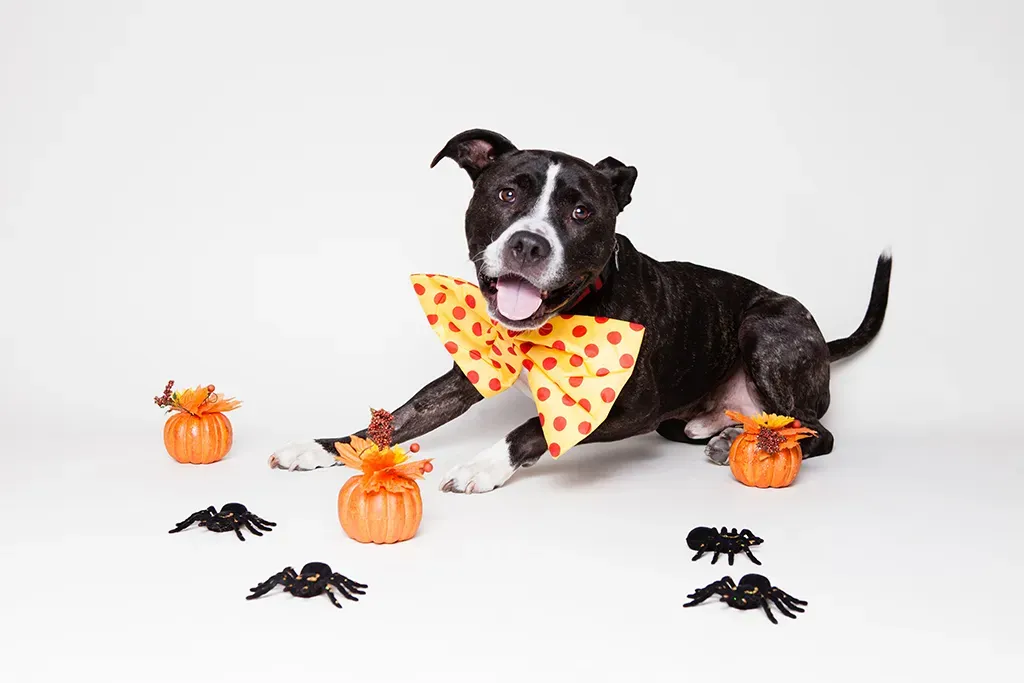
Let’s be real – no dog breed generates more controversy than the Pit Bull. Pit Bull type dogs are the most frequently named group in fatal bite studies and analyses of dog attacks by breed. However, the term “Pit Bull” encompasses several distinct breeds, including the American Pit Bull Terrier, Staffordshire Bull Terrier, American Staffordshire Terrier, and Bull Terrier, along with many mixed breeds that resemble them.
Breeds chosen for guarding, protection, or status may be at higher risk when poorly trained or managed. The more dogs of a particular breed there are, the greater the likelihood of incidents. The sad part? Most Pit Bulls that bite their owners do so because they were failed by those owners, not the other way around.
Dog bite prevention comes down to responsible dog breed ownership. For Pit Bull owners, that means early socialization, consistent positive reinforcement training, and regular exercise to channel that enormous physical and mental energy. A bored, undertrained Pit Bull is a ticking clock – not because the breed is evil, but because the energy has to go somewhere.
2. Rottweiler: The Loyal Guardian With a Hair-Trigger Protectiveness
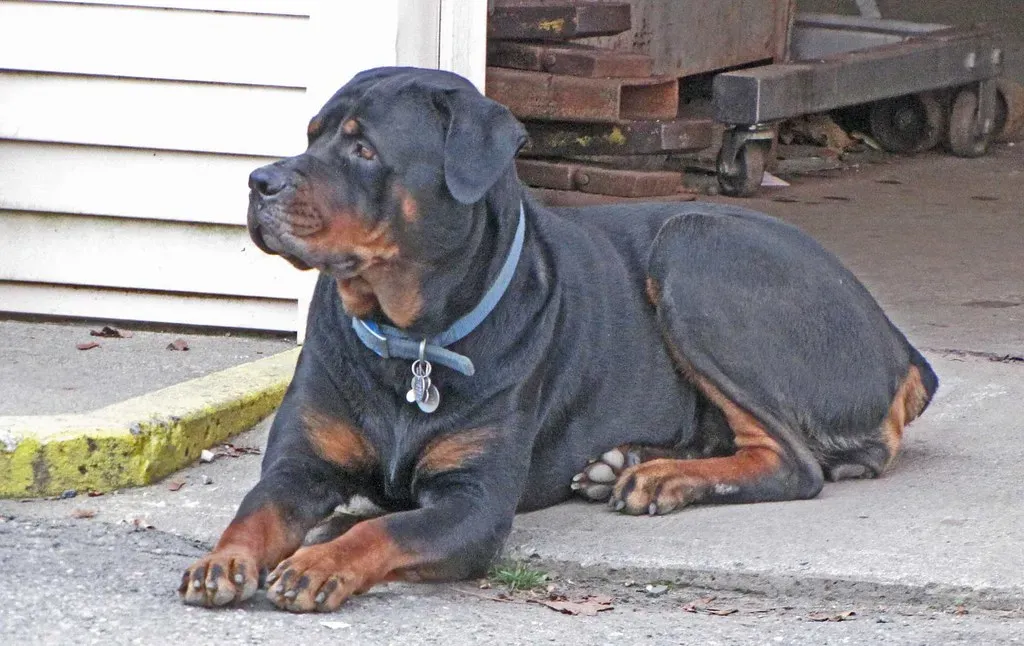
Rottweilers consistently rank just behind pit bulls in fatality data. In the CDC’s 17-year review, 29 fatal cases involved Rottweilers – about seven percent of total dog bite related deaths. That might sound alarming, but context matters enormously here.
Rottweilers are eager to work and please their owners, so dedication to training and stimulation is important to keeping this breed well-behaved. Their devotion and inclination to protect can be positive characteristics, though knowing the potential risk of biting is crucial to protect you, your dog, and others.
Think of a Rottweiler like a brilliant but intense colleague – extraordinary when guided well, but completely overwhelming without structure. Naturally protective and extremely territorial, many owners have taken advantage of those traits, creating guard dogs. With proper dog training, the Rottweiler can be a docile and loving family pet. Boundaries, leadership, and lots of love go a long way with this breed.
3. German Shepherd: Brilliance That Cuts Both Ways
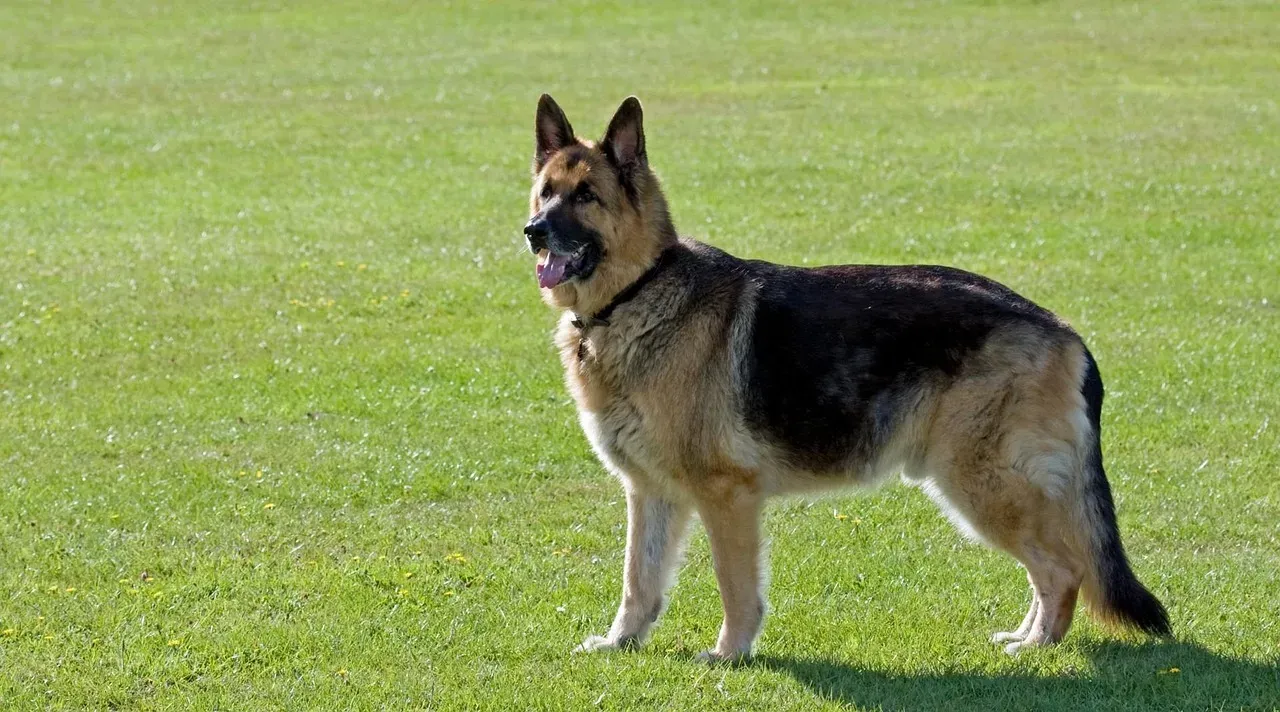
German Shepherds are a popular breed for their beauty, protective instincts, and desire to work. Because they can be aggressive to protect themselves and others, German Shepherds are common choices for police and military roles. Without proper training, a German shepherd’s protective instincts can quickly turn hostile toward strangers.
Here’s the thing – the same qualities that make a German Shepherd extraordinary at search-and-rescue can make them unpredictable in the hands of an inconsistent owner. Loyal, intelligent, and protective, German Shepherds can be led to biting if the dog feels its family is in danger. Poor training or inconsistent handling can also contribute to aggressive behavior. With proper guidance, however, they’re among the most trainable breeds.
Warning signs with this breed often include stiff body posture, hard staring, and low growling. Don’t ignore those signals. They are always communicating before they escalate.
4. Chihuahua: Tiny Dog, Giant Attitude

I know it sounds crazy, but the Chihuahua – that tiny, teacup-sized fluff ball – is one of the most likely breeds to bite its own owner. Smaller dog breeds were found to be the most aggressive against their owner. The Beagle came out on top in one study, but Dachshunds and Chihuahuas were close behind.
Chihuahua aggression often comes down to the fact that many owners of small dogs do not correct problem behavior early. Chihuahua aggression will often go unchecked or even encouraged because owners think it’s “cute.” That’s a recipe for disaster as the dog gets older and the nipping becomes a reliable, practiced behavior.
Chihuahuas are not a good choice for families with small children, as these dogs do not tolerate rough or adventurous behavior. This breed famously bonds with a single family member and will fiercely protect them, even against larger animals. Prevention tip: treat your Chihuahua like a big dog. Training, boundaries, socialization – they need all of it, regardless of size.
5. Dachshund: Don’t Let the Sausage Shape Fool You

According to a University of Pennsylvania study, the top three most aggressive breeds toward their owners, in order, are the Dachshund, Chihuahua, and Jack Russell Terrier. That little wiener dog on your couch is statistically one of the snappiest dogs you can own. Who knew?
Dachshunds were originally bred to kill vermin, especially those dwelling in tunnels. Generations of breeding them to hunt have resulted in a modern-day pup with a very high prey drive. That deep-rooted instinct doesn’t just vanish because they’re now living in your apartment and eating premium kibble.
Research found that one in five Dachshunds had bitten or tried to bite strangers. Resource guarding is especially common – reaching toward their food bowl or their favorite person can trigger a surprisingly fierce response. Consistent boundaries and early socialization are your best tools here.
6. Jack Russell Terrier: The 15-Pound Firecracker
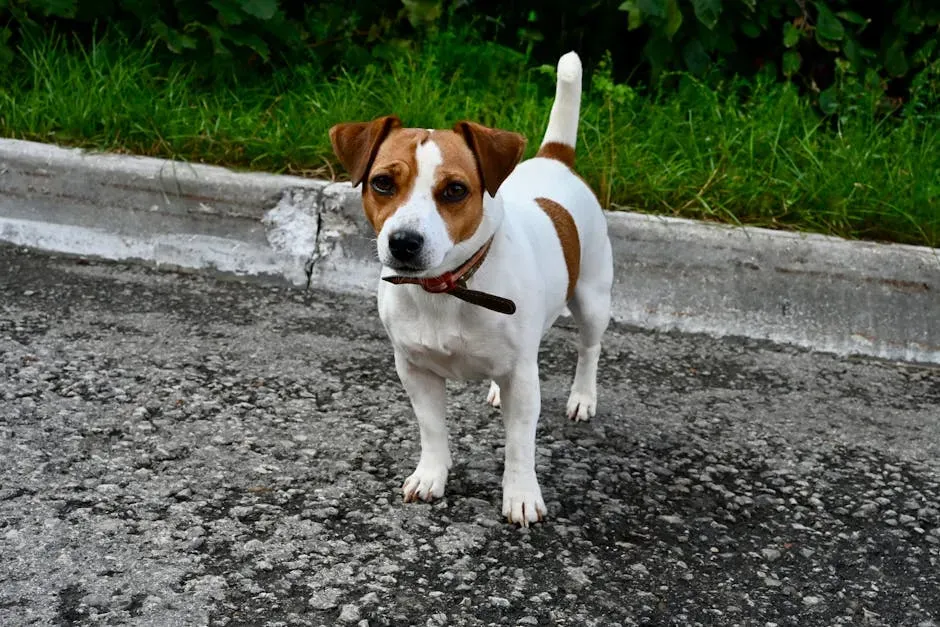
The Jack Russell Terrier is a 15-pound lightning bolt with a short fuse. Originally bred to chase foxes out of their dens, these dogs haven’t lost an ounce of their prey drive or their attitude. Jack Russells are fearless, energetic, and often totally unbothered by size differences when picking a fight.
Jack Russells can be stubborn and may bite out of frustration if they aren’t getting enough mental stimulation or exercise. Think of them like a highly caffeinated toddler who’s never been told “no” – adorable until they aren’t. Smaller breeds, including Dachshunds, Chihuahuas, and Jack Russell Terriers, show high rates of aggression toward owners and strangers.
The fix is surprisingly simple in theory, brutal in practice: exercise them hard, train them consistently, and never let small bad behaviors slide. Channel that fire into agility sports, fetch, or nose work – and you’ll have a loyal, fierce little companion instead of a foot-biting menace.
7. Chow Chow: The Beautiful Breed That Demands Respect
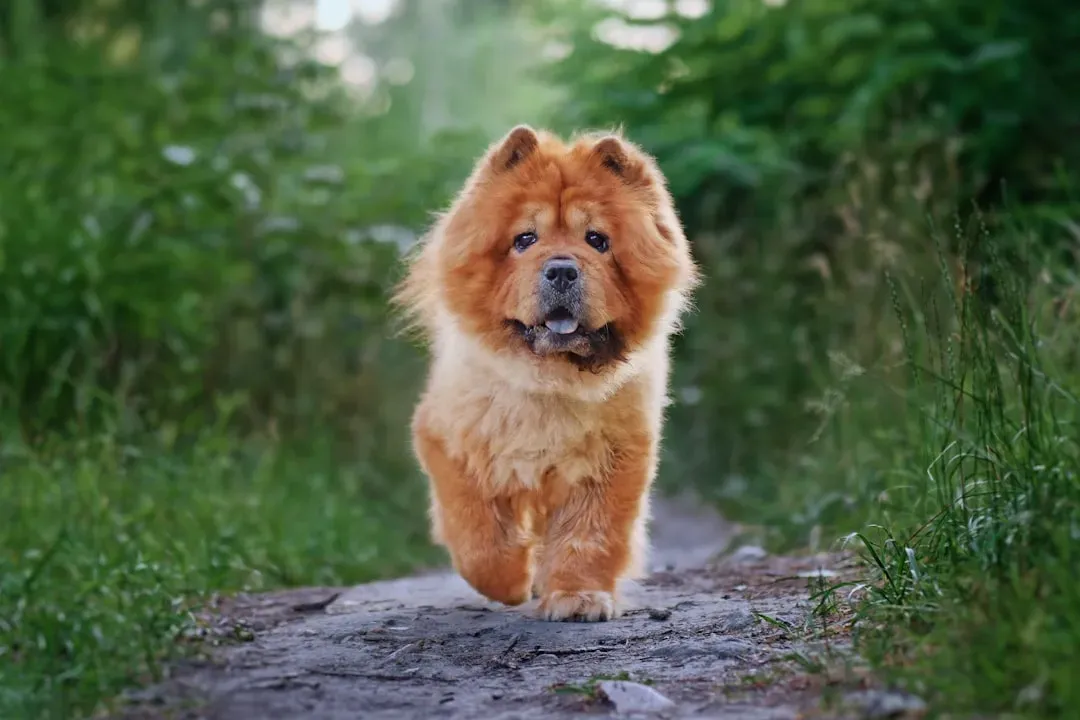
Chow Chows are distinctive dogs with a lion-like mane and an aloof demeanor. They have a notable record in bite statistics, having severely harmed a significant number of people, including many children, over several decades. Their stunning appearance can deceive new owners into underestimating what they’re working with.
Known for their aloof nature, Chow Chows can be very protective and territorial, which can result in biting if they are not properly socialized. Chow Chows become aggressive due to a lack of socialization, training, and overprotectiveness of the owner. They are highly needy, which can result in a bad temperament.
Honestly, Chow Chows are not a beginner’s dog. Chow Chows are extremely territorial. They hunt, herd, guard, and show exceptional devotion to their family. Early socialization and dog training are essential if you want this fluffy pooch as a pet. Otherwise, you may end up with a dog that exhibits unpredictable or problematic behavior.
8. Doberman Pinscher: Intelligence Without Guidance Becomes Dangerous
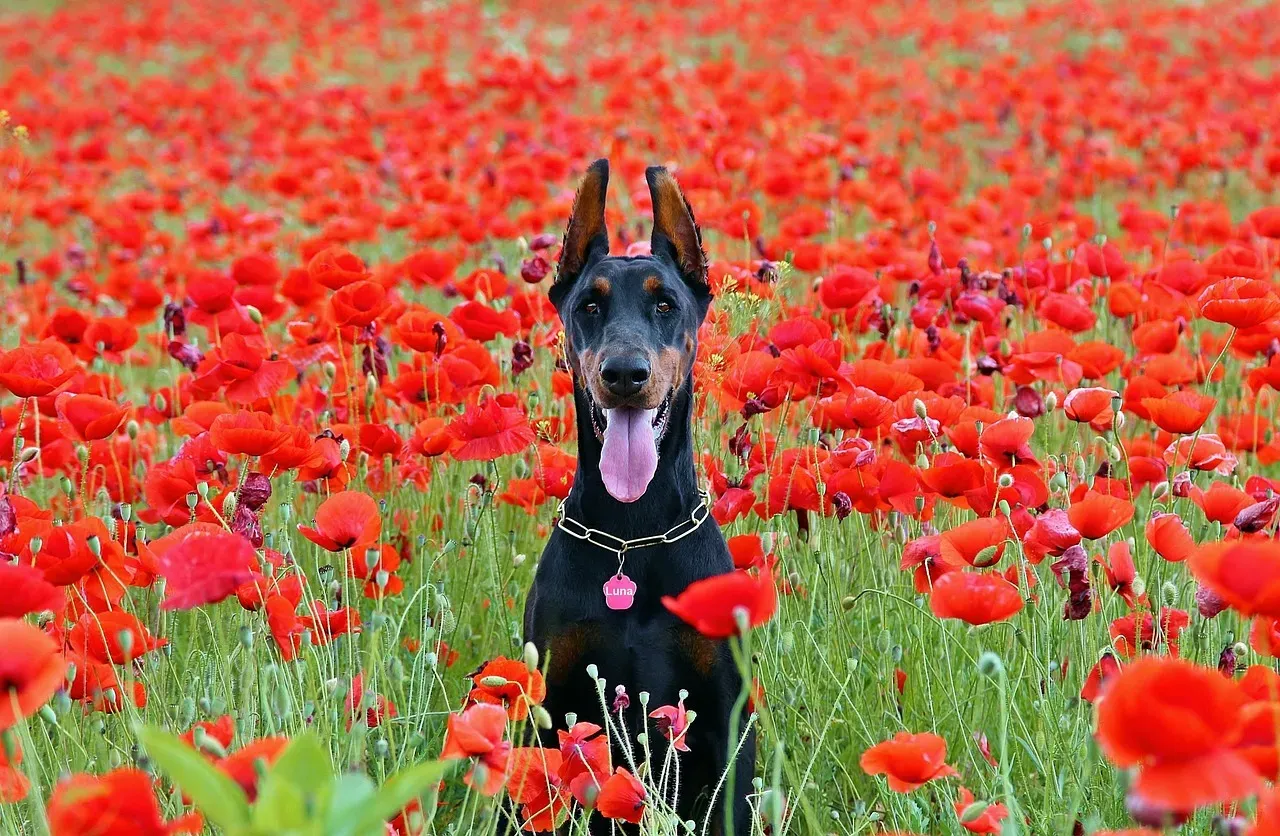
A Doberman’s temperament is typically intelligent, alert, and fiercely loyal to their family. They are courageous and can be highly protective. However, they can also be wary of strangers if not properly socialized from a young age. Dobermans need a strong leader and consistent training to channel their protective instincts positively.
Untrained Dobermans are highly sensitive and suspicious towards strangers. These dogs exhibit natural control and resource-guarding behaviors, which can lead to aggression. This behavior can be managed with proper training.
Resource guarding is one of the most common triggers for owner bites in Dobermans. Behavior where dogs bite to protect something they value is a common reason for dog bites. This resource could be their food, a favorite toy, or their puppies. If your Doberman growls when you approach their bowl – that’s not dominance, that’s a cry for proper boundary training. Address it early and firmly.
9. Akita: A Devoted Breed With a Deep Independent Streak
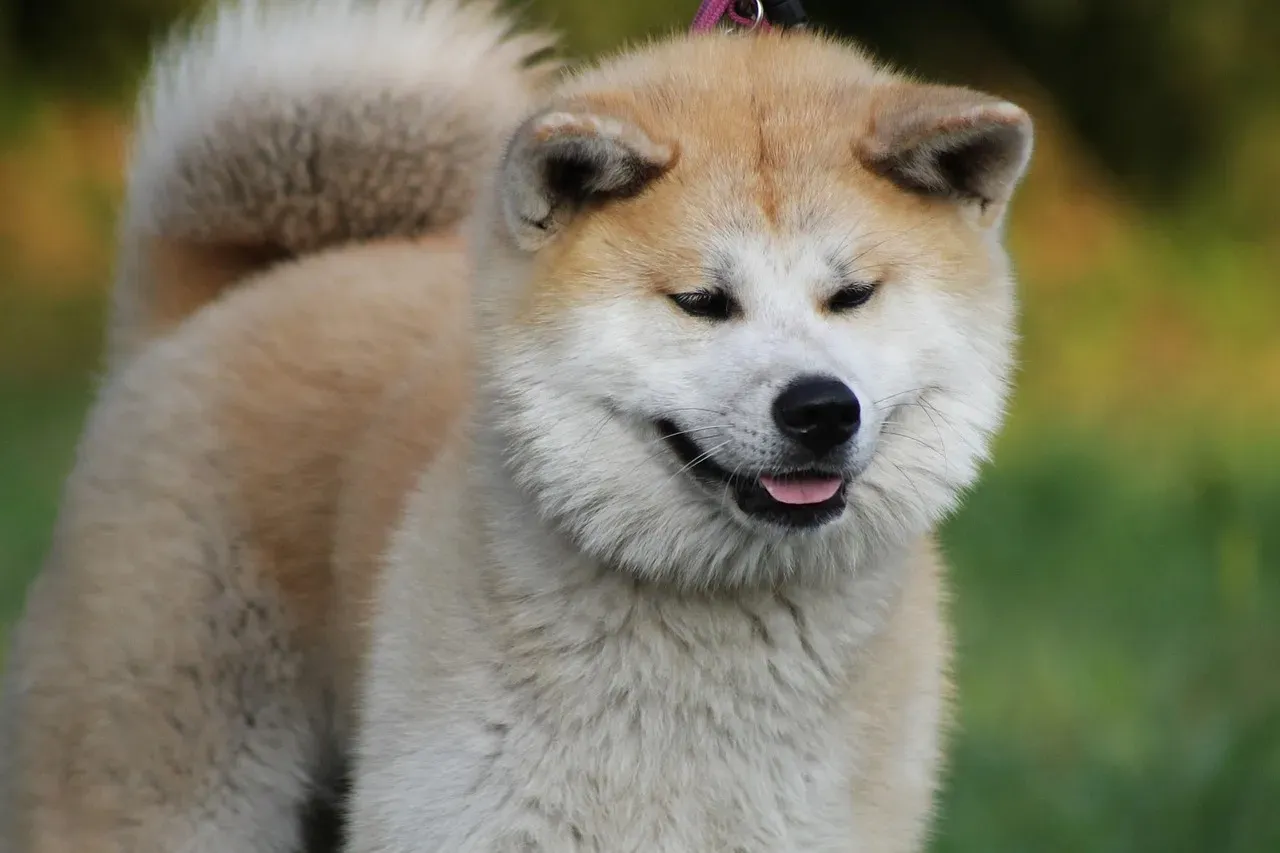
Akitas are powerful, independent dogs originally bred for hunting and guarding. They’re known to be reserved with strangers and can be aggressive toward other animals if not socialized early. Their dominant nature means they’re best suited for experienced dog owners.
Akitas were found to be the most aggressive breed toward other dogs, with nearly three in ten earning the maximum aggression score in one study. That dog-directed aggression can spill over toward humans during high-stress moments – like when you try to break up a fight or approach them unexpectedly.
The key behavioral cue to watch with an Akita is stillness, not noise. Unlike dogs that bark before they bite, an Akita may go quiet and stiff before reacting. A dog that suddenly stiffens its body is signaling intense discomfort or preparation for a defensive action. A direct, focused stare can be a sign of challenge or aggression in dog language. It often precedes a more aggressive action. Learn to read those subtle signals – they could make all the difference.
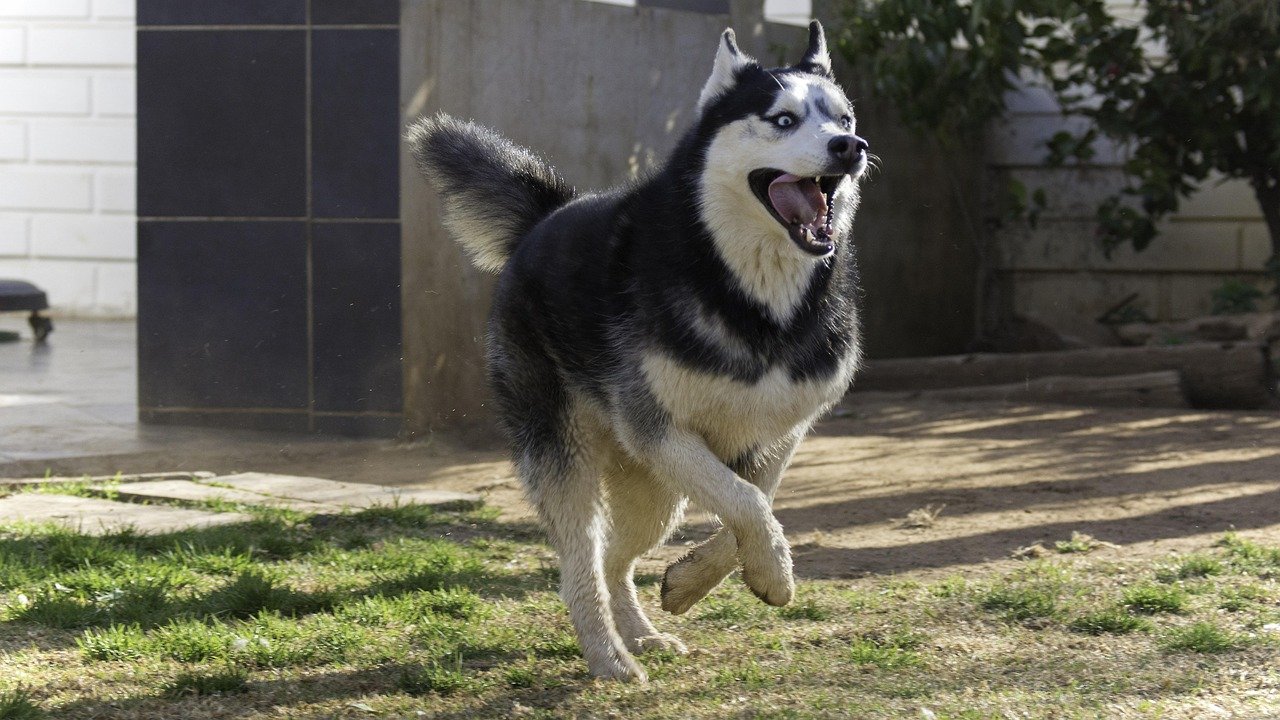
10. Siberian Husky: The Wild Heart in Your Living Room
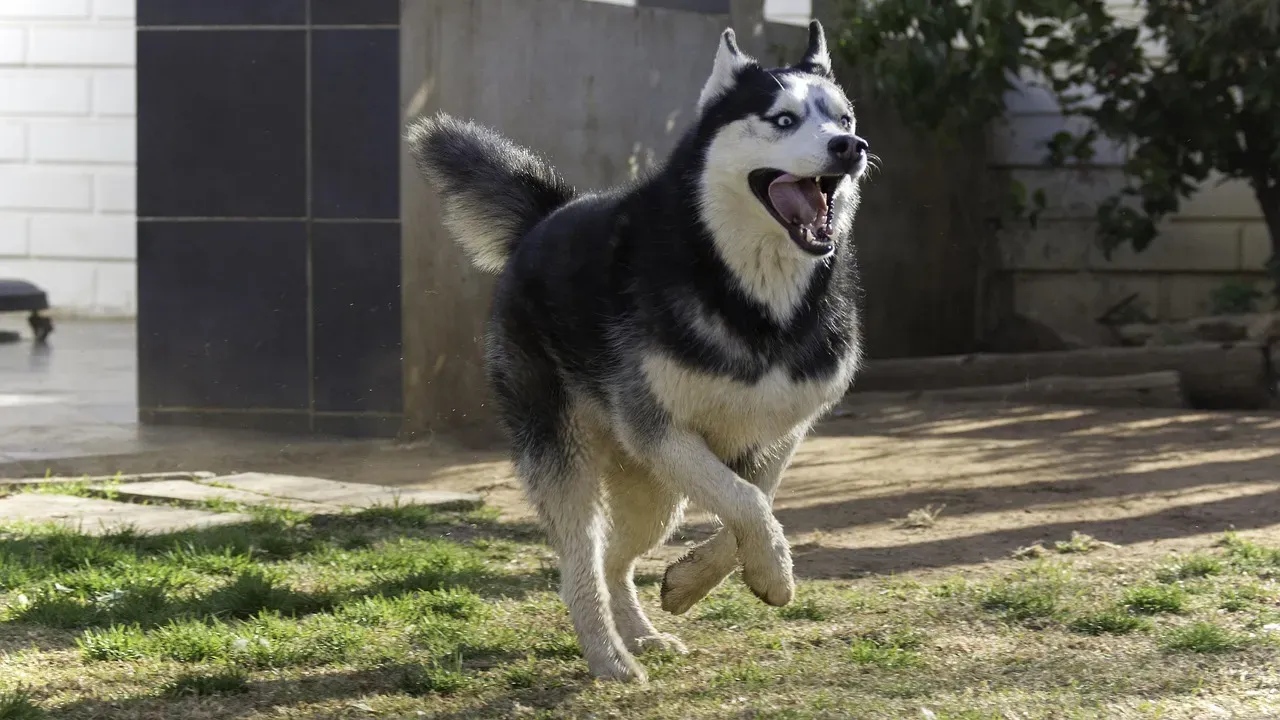
Famous for sled racing, Siberian Huskies have endless energy and brilliant intelligence. They require regular mental and physical stimulation. Lack of either can cause frustration, which leads to aggressive behavior.
These gorgeous dogs are known for their wolf-like appearance and playful personalities – but they can also be a handful. Huskies are independent, high-energy, and sometimes unpredictable. They don’t respond well to harsh discipline and may bite if they feel cornered or confused.
A Husky that doesn’t get two or more hours of vigorous activity daily is essentially a pressure cooker. Siberian Huskies have been responsible for a notable number of fatalities between 2014 and 2020, which often surprises people who think of them as friendly sled dogs. They are friendly – when their needs are fully met. The moment those needs aren’t, a whole different dog can emerge. Daily runs, puzzle toys, and firm but loving leadership are non-negotiable with this breed.
Understanding Why It Happens: The Root Causes Behind Every Bite
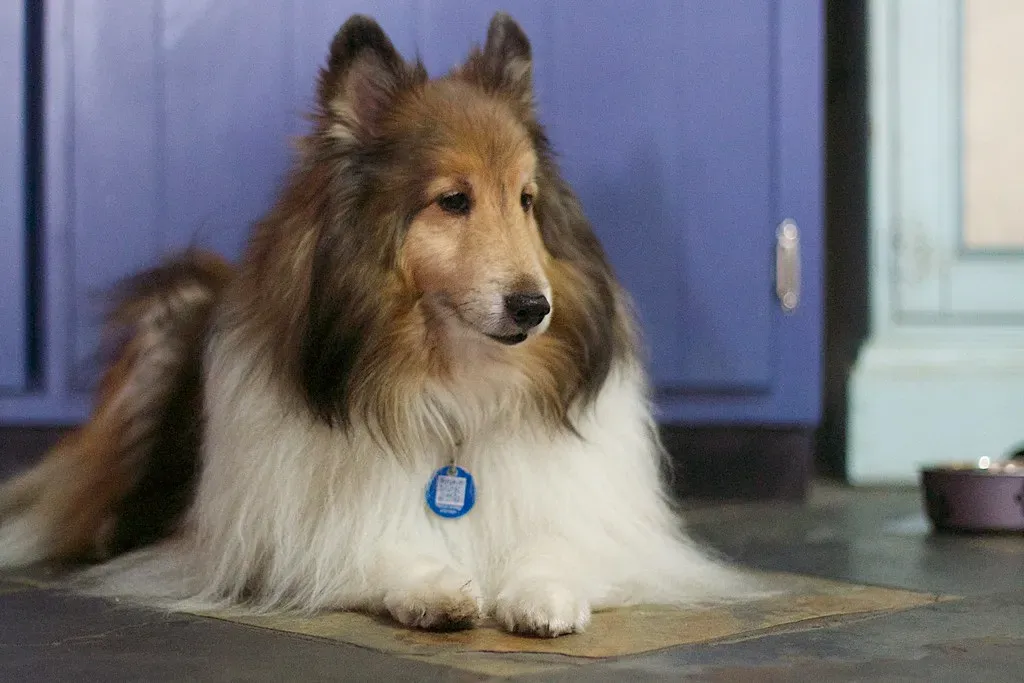
Before you panic or write off your dog, it’s worth stepping back and asking why. There are multiple reasons that a dog may exhibit aggression toward family members. The most common causes include conflict aggression, fear-based or defensive aggression, possessive aggression, food guarding aggression, and redirected aggression.
If a dog feels unwell due to illness or injury, it might bite as a reaction to the discomfort. They might be trying to communicate that they want to be left alone or are in pain. Honestly, this is one of the most overlooked reasons – and a sudden change in your dog’s behavior almost always warrants a vet visit first, before anything else.
Most dogs will try to communicate discomfort prior to biting by barking, growling, or snapping at the air. The problem is that many people, especially children, aren’t tuned in to these signals. When these cues are ignored, it can lead to a bite. Pay attention to those pre-bite warnings – they are your dog’s way of saying “please stop” before they feel forced to escalate.
Conclusion: Every Bite Has a Story – And a Solution
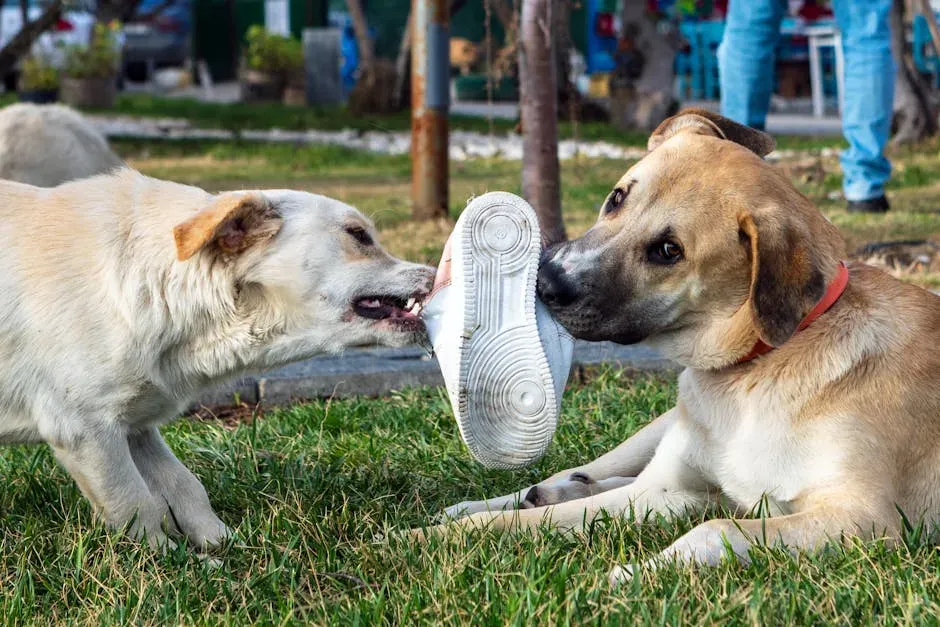
Here’s the most important takeaway from all of this: breed alone does not determine aggression – owner behavior, training, and neglect are the leading factors in most severe and fatal attacks. That puts the power squarely in your hands.
Research shows that pain or an underlying medical issue can cause dogs to show aggression towards people. Any dog who bites their owner must be taken to the vet for a thorough examination. This allows a vet to either identify and treat, or rule out, a medical issue causing or contributing to the onset of aggression. That’s always step one.
After that, regular training from an early age, adequate socialization, maintaining a calm environment, and proper care when the dog is sick are key measures that can significantly reduce the chances of a dog biting its owner. The breeds on this list aren’t villains. They’re dogs with deep instincts, big personalities, and a powerful need to be understood.
Your dog isn’t trying to hurt you. They’re trying to survive in a world they don’t fully understand – and they need you to meet them halfway. Does knowing what drives your dog’s behavior change how you see them? Drop your thoughts in the comments – we’d love to hear your story.


