
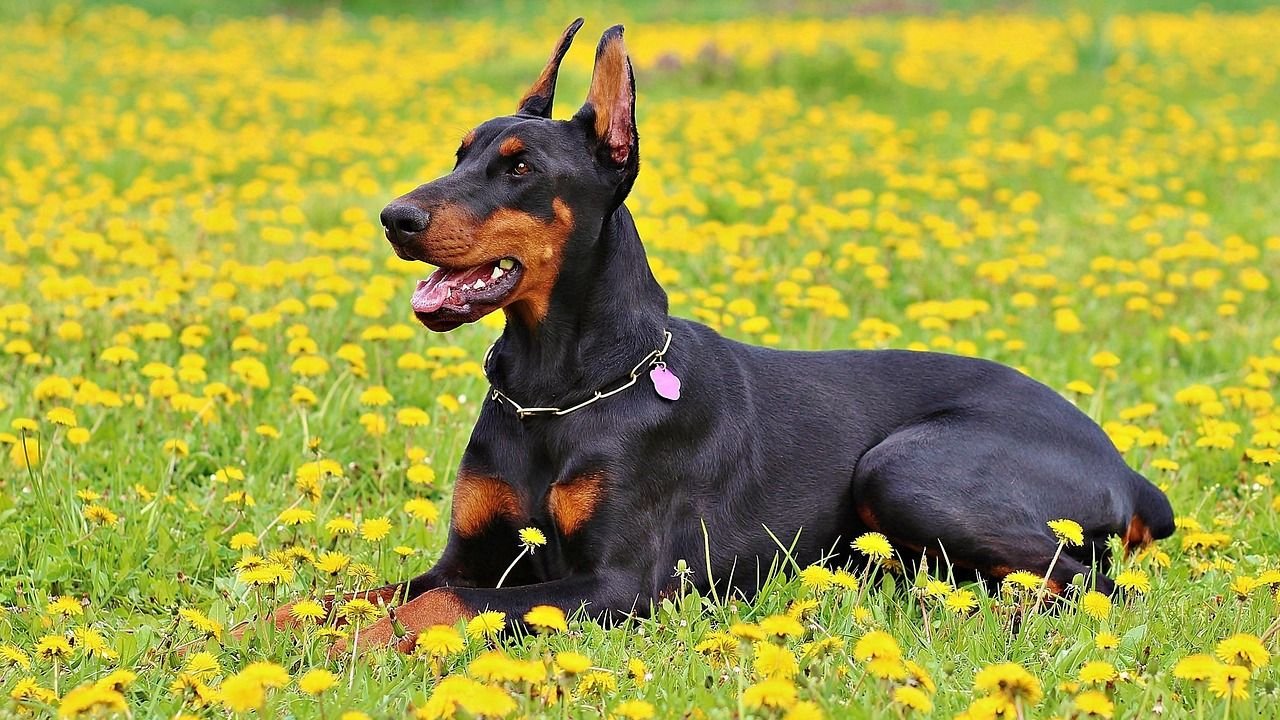
There’s a moment every dog lover dreads. Your dog, the same one who greeted you at the door an hour ago, suddenly stiffens. The tail drops. The eyes go cold. And then, in a flash, the unthinkable happens. It’s a moment that leaves most owners shaken, confused, and asking the same heartbreaking question: “Why?”
Here’s the honest truth. While any dog can bite if provoked or poorly trained, studies and statistics have shown that some breeds tend to be involved in biting incidents more often or inflict more severe injuries than others. That’s not a judgment on any dog or its owner. It’s just something every responsible dog lover deserves to know. Breed alone does not determine aggression. Owner behavior, training, and neglect are the leading factors in most severe and fatal attacks. Still, knowing which breeds carry higher risk helps you prepare, not fear. Let’s dive in.
1. Pit Bull Terrier: The Most Misunderstood Dog in America
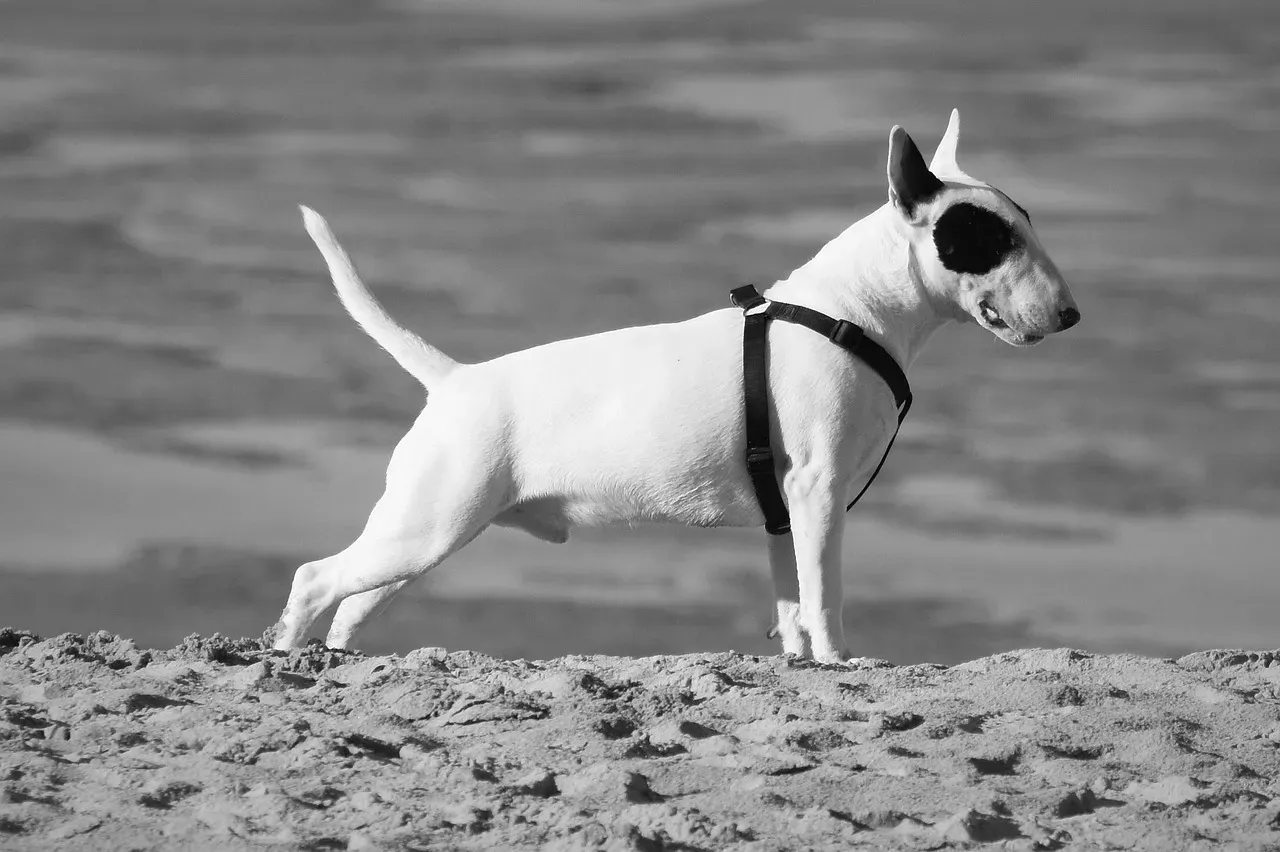
Let’s be real – no breed sparks more debate than the Pit Bull. Probably the most misunderstood and misrepresented dog breed of all, the Pit Bull is still the breed most commonly implicated in human fatalities from dog bites. Does this mean they are inherently aggressive? Many experts don’t think so, but their ability to inflict serious damage cannot be dismissed. That tension between love for the breed and the data is one every Pit Bull owner has to sit with honestly.
There have been 74 documented cases of dogs killing their owners, and Pit Bulls were responsible for roughly 62 percent of them. Pit Bull terriers are also 48 percent more likely to attack without provocation than any other breeds. The key warning signs to watch for include sudden stiffness, a hard, locked gaze, and the absence of the usual warning growl, which some poorly socialized Pit Bulls skip entirely before biting.
Prevention tip: Early socialization before 14 weeks, consistent positive reinforcement training, and never leaving them unsupervised with children are non-negotiable for this breed.
2. Rottweiler: Power and Protectiveness Pushed Too Far

Rottweilers consistently rank just behind Pit Bulls in fatality data. In the CDC’s 17-year review, 29 fatal cases involved Rottweilers, about 7 percent of total dog-bite related deaths. Think of the Rottweiler like a powerful car with no brakes. In the right hands, it’s magnificent. In the wrong ones, it’s a disaster waiting to happen.
The big meaty head and thick muscular neck that make the Rottweiler a recognizable and huggable dog are also the features that can make them dangerous. The huge muscles that power their jaws mean that if they do bite, they do so with significant force and do not let go easily. Watch for resource guarding behaviors, like growling when you approach their food bowl, as one of the earliest red flags. Proper training and socialization are crucial for this breed to avoid dangerous behaviors.
3. German Shepherd: When Loyalty Becomes a Liability
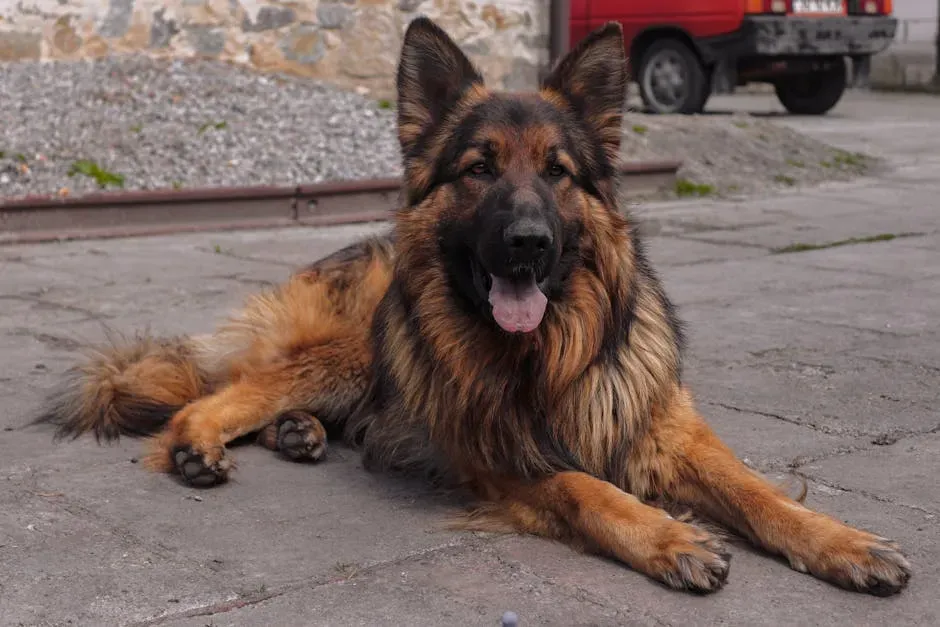
German Shepherds are intelligent, loyal, and protective, which makes them invaluable for police and military work, but those same traits require careful management in a household setting. I think this is the breed most likely to “turn” not out of aggression but out of a fierce, protective instinct that hasn’t been properly channeled. It’s love gone sideways.
In CDC bite-fatality data, German Shepherds ranked third, with 19 reported deaths between 1979 and 1996. Pediatric bite data also place them second only to Pit Bulls for child-related injuries. A study on dog-specific risk factors found German Shepherds and Chow Chows were more likely to bite non-household members, particularly children under 12. The behavior cue to never ignore? Prolonged, intense staring at a visitor combined with a low, barely audible growl. That is your dog telling you it’s already made a decision.
4. Doberman Pinscher: The Alert Guardian Who Never Truly Relaxes
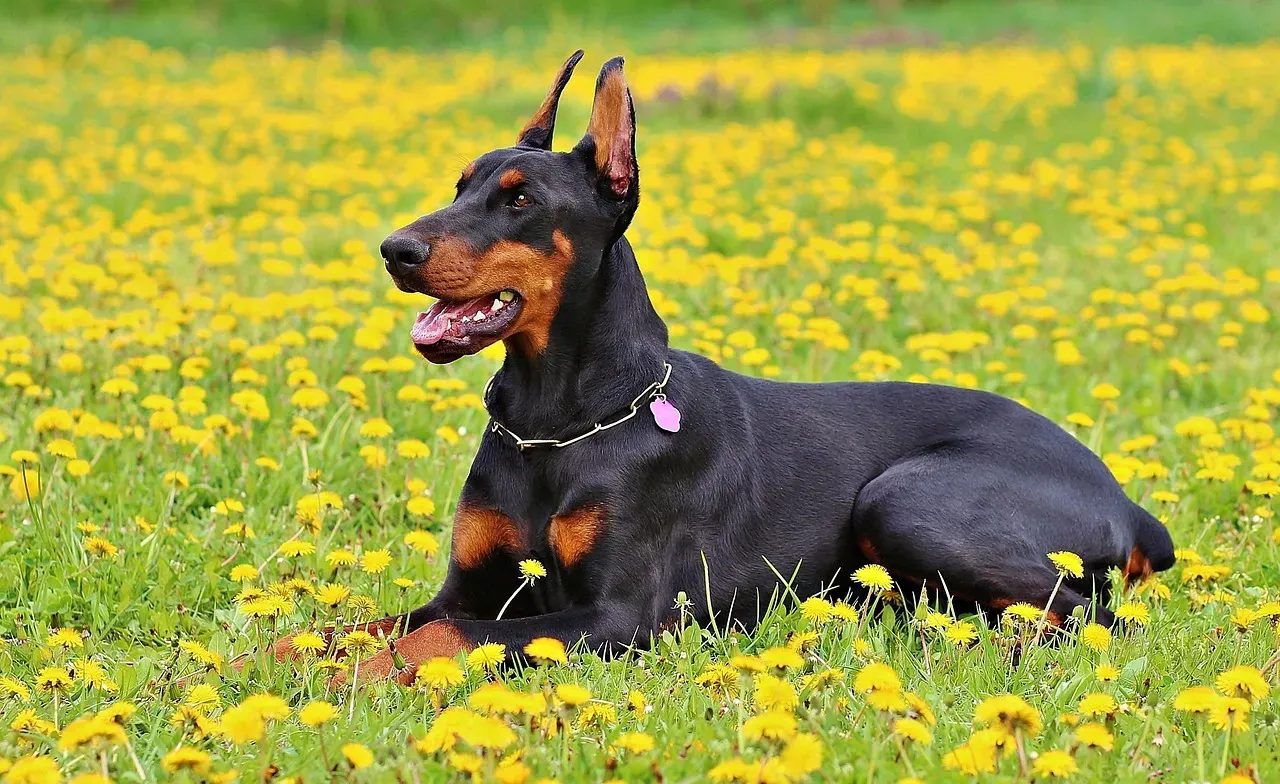
Created in the 1800s in Germany for personal protection, Dobermans combine intelligence, speed, and fearlessness, and rank in bite data for their protective nature with some fatal cases. Lack of mental stimulation or poor breeding amplifies reactivity. They may aggress toward perceived threats without training. It’s honestly like living with a highly trained security operative who never gets to clock off.
When not channeled properly, Dobermans’ protective instincts can lead to aggression, especially toward strangers. Their strong build and sharp reflexes make any dog attack from this breed a serious matter. Health note: Dobermans can suffer from thyroid disorders that affect mood and behavior. If your normally calm Doberman suddenly becomes reactive, a vet check is the first call to make. With positive training methods, they become affectionate, obedient family members. Safety-focused owners should enroll in puppy classes early and provide daily jobs or agility work.
5. Chow Chow: The Fluffy Emperor With Ancient Rules
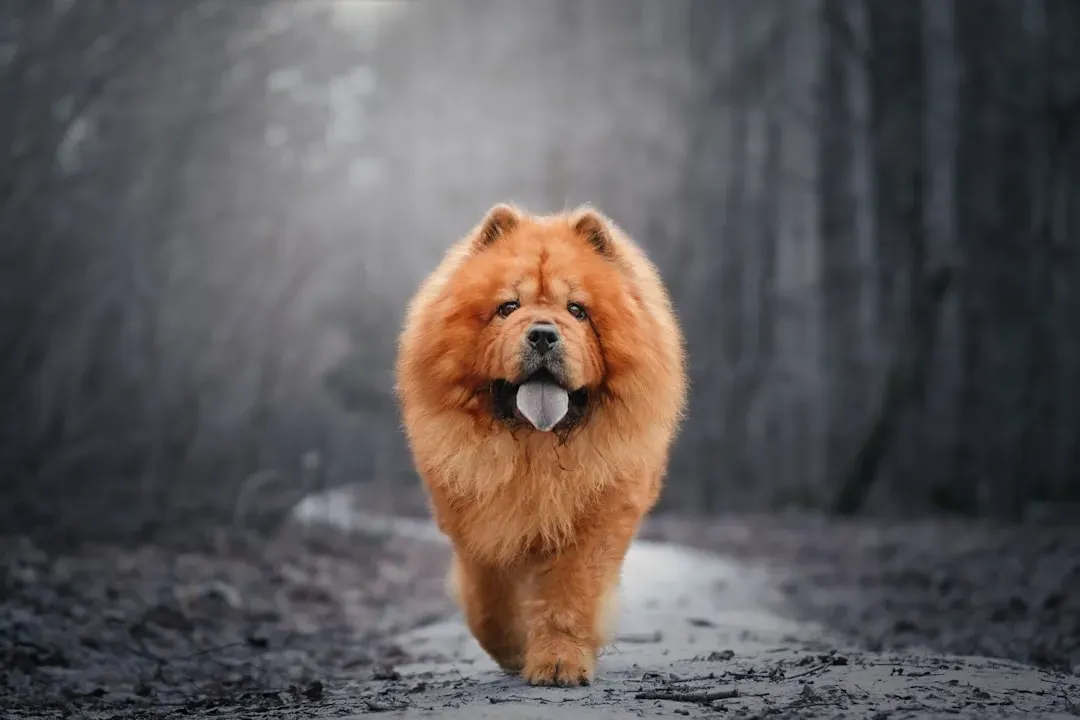
Meet the Chow Chow, the dog that looks like a living stuffed animal but carries the soul of an ancient emperor. Unfortunately, that calm, quiet demeanor can be misunderstood. The Chow Chow appears often in bite injury statistics, not because they’re naturally aggressive, but because strangers tend to mistake their fluff for friendliness. Reaching out to pet a Chow Chow you don’t know is honestly one of the riskiest moves you can make at a dog park.
Chow Chows have a bite force of 220 PSI and are known for their territorial and aggressive behavior. This breed has been involved in multiple fatal and serious non-fatal attacks. Chow Chows usually bond deeply with one person and do best in calm homes with experienced owners. Watch for stiff-legged, slow movement toward an unfamiliar face. That’s not curiosity. That’s assessment. Redirect immediately and don’t let strangers crowd this dog.
6. Akita: Deep Loyalty With a Dangerous Edge
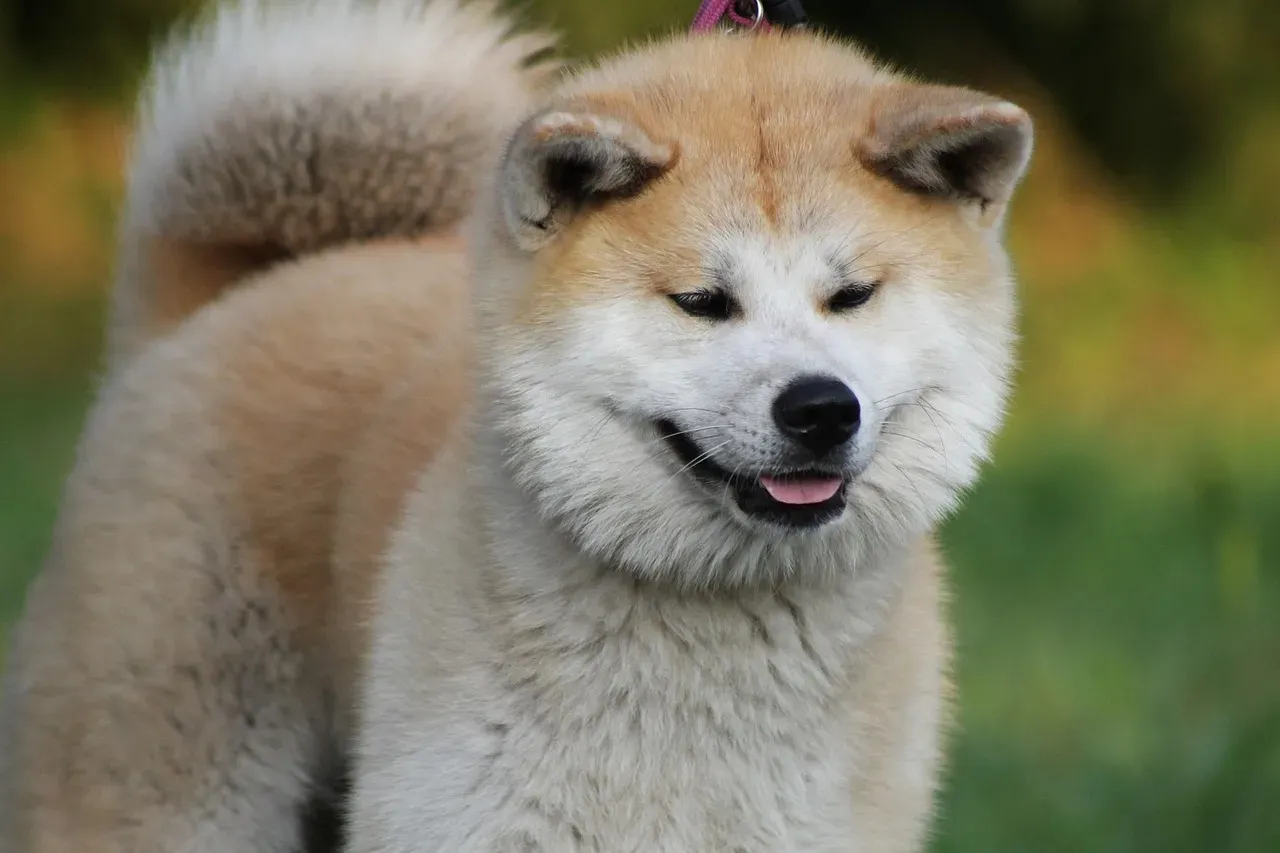
Originating from Japan as hunting and guarding dogs, Akitas are large, independent, and deeply loyal to their family. They often rank high in aggression lists because they are wary of strangers and protective of their space, and their bites can sometimes cause serious injury. They are not ideal for first-time owners or homes with other pets. Honestly, an Akita isn’t a dog, it’s a responsibility the size of a small bear.
Another concern with Akitas is their high prey drive. This breed has a strong instinct to chase and catch smaller animals, which can make them unpredictable around other pets or even children. It is crucial to provide proper training and supervision to ensure that their natural instincts are managed effectively. A key behavior cue: if your Akita stops making eye contact with a visitor and begins circling slowly, separate them immediately. That calm demeanor right before they act is uniquely Akita.
7. Siberian Husky: The Beautiful Free Spirit Who Plays by Its Own Rules
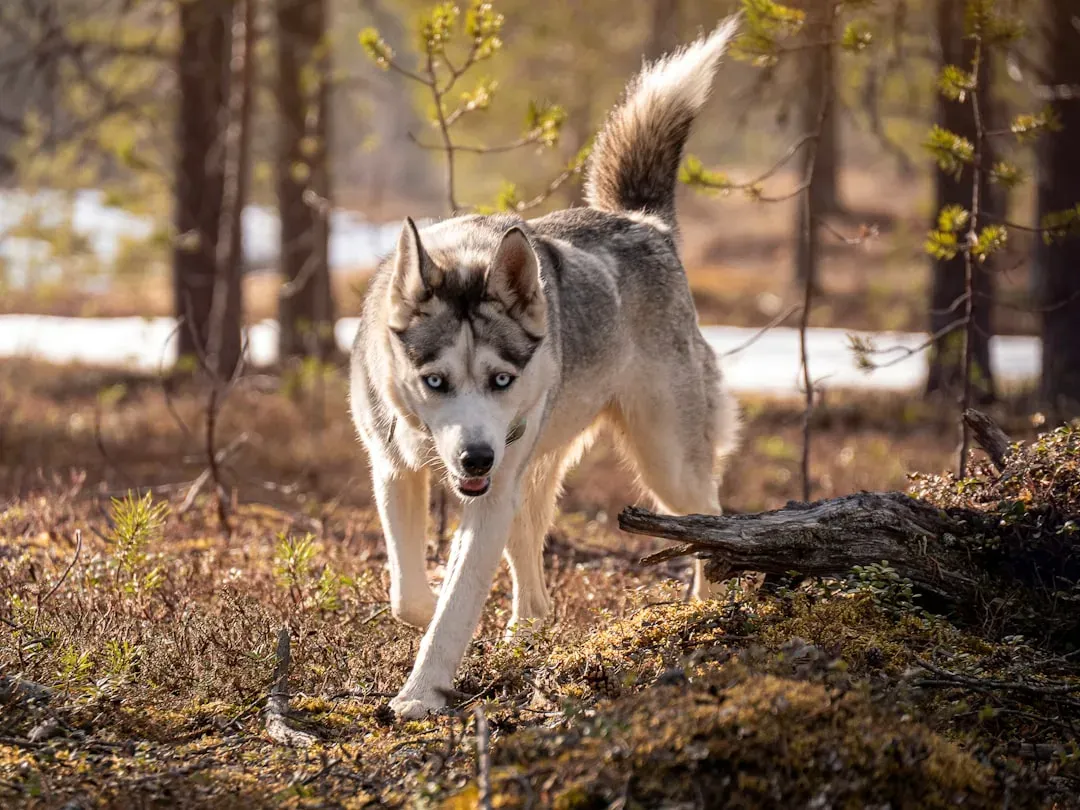
Siberian Huskies are known for their stunning looks, so it’s surprising to learn they were responsible for 26 deaths between 2014 and 2020. This statistic underscores the challenges of owning this unique breed. Bred to pull sleds over vast distances, Huskies are endowed with incredible endurance and independence. This history has shaped a temperament that doesn’t always fit a typical family lifestyle.
They have extremely high energy levels, are independent thinkers, and possess a strong prey drive that can lead them to chase small animals. Huskies are also notorious escape artists, prone to digging under or jumping over fences. Once loose, their independence and prey drive can lead to dangerous situations. If not given sufficient daily exercise, they can develop significant behavioral issues, including aggression. Think of the Husky like a marathon runner locked in a studio apartment. The outcome is never good. Daily vigorous exercise isn’t optional, it’s survival for everyone in the household.
8. Cane Corso: The Roman Warrior You Invited Into Your Living Room
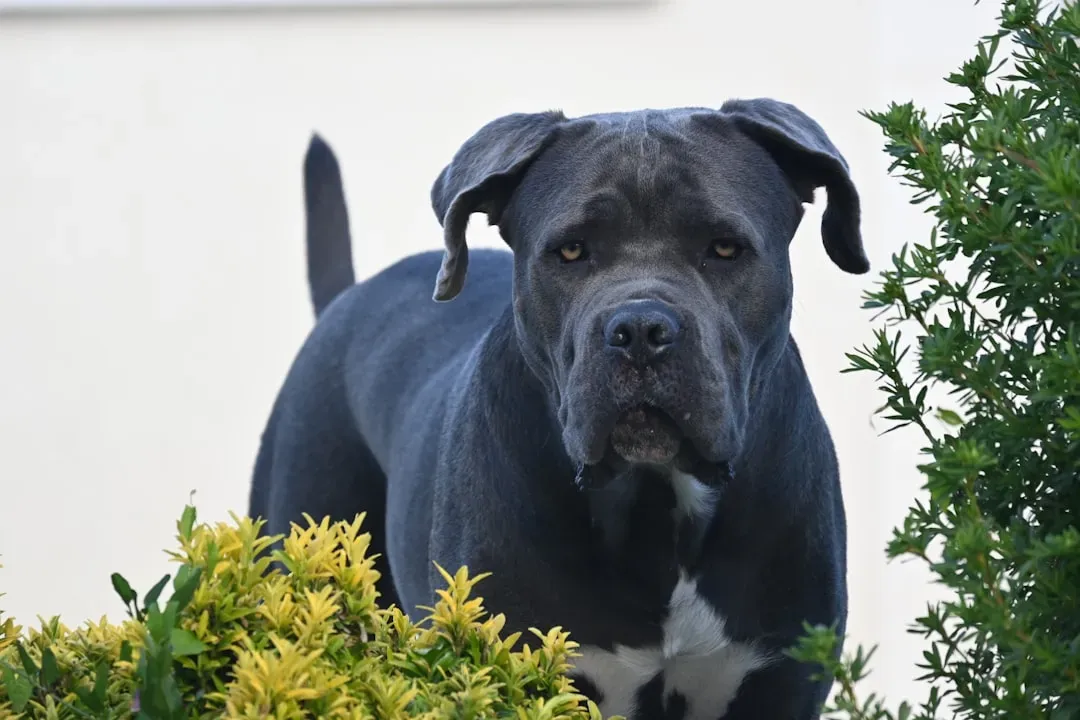
The Cane Corso is what happens when elegance meets intimidation. Picture a Roman gladiator in dog form, massive, muscular, and majestically calm, until you give them a reason not to be. Descended from ancient Roman war dogs, the Cane Corso was bred to guard property, hunt big game, and look fear in the face without flinching. There is no such thing as “casually” owning a Cane Corso.
The Cane Corso has a strong prey drive and a natural instinct to defend what’s theirs. Without proper socialization and consistent training from an early age, that protective nature can turn into territorial aggression, especially toward strangers. They are naturally territorial, quietly alert, and highly aware of their surroundings. While deeply loyal and affectionate with their families, they tend to be reserved and cautious around strangers. Records in the United States have linked them to serious incidents, often tied to their protective responses. Early obedience training with a professional trainer is not a luxury here. It’s essential.
9. Wolf Hybrid: Where Wild Instinct and Domestic Living Collide
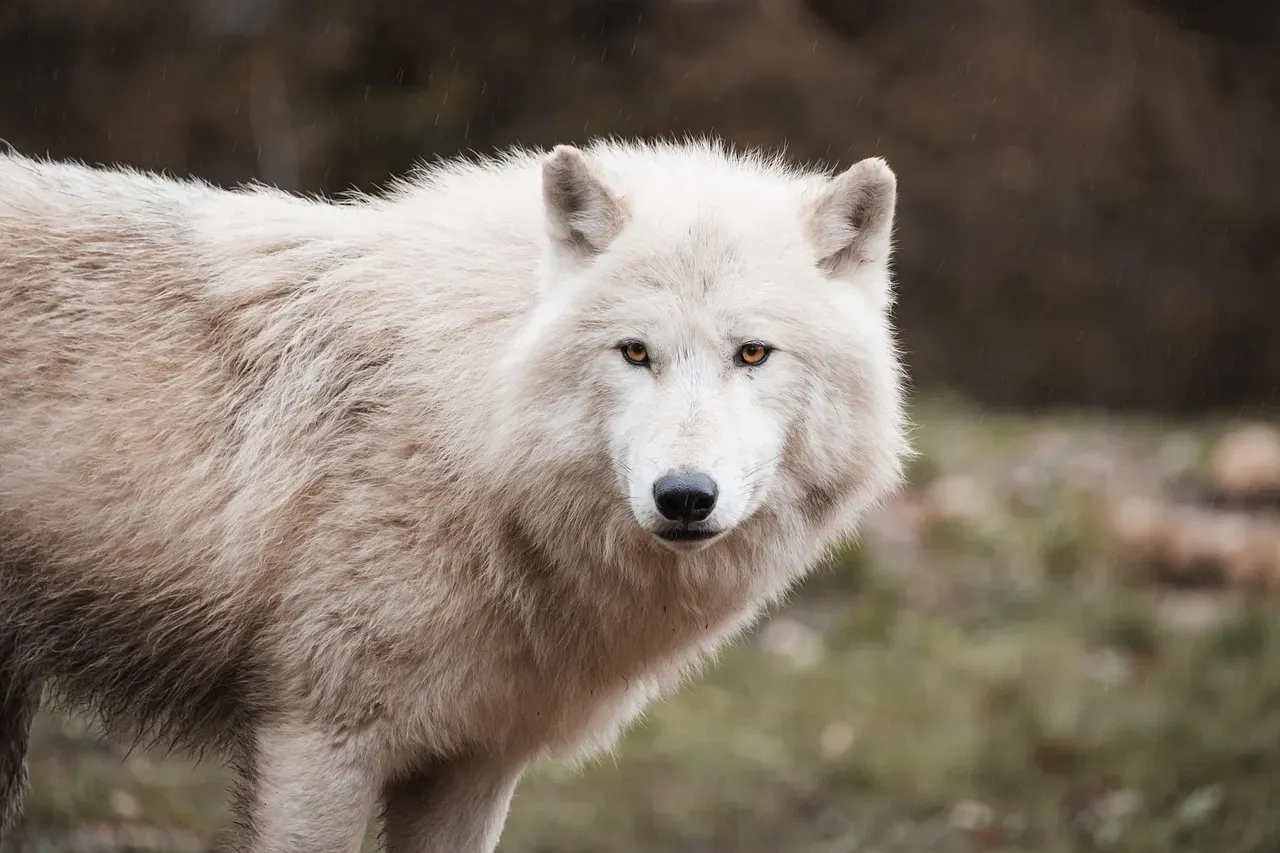
Wolf hybrids are created by crossing domestic dogs with wolves, resulting in animals that carry strong wild instincts alongside canine traits. Their behavior can be highly unpredictable, shaped by intense prey drive, territorial responses, and deep pack loyalty. They may bond closely with one household yet remain wary or defensive toward strangers and other animals. This is essentially like trying to domesticate a thunderstorm.
Wolf Hybrids are a mix between domestic dogs and wild wolves, making them difficult to train and often unpredictable. Their wild instincts contribute to their involvement in several severe attacks. Fatal incidents have been recorded over the years, and ownership is restricted or regulated in many areas. The behavior cue that separates a Wolf Hybrid from other breeds is the silence before action. Unlike domestic dogs, they rarely bark or growl as warning. If you own one, learning to read body posture is literally life-saving knowledge.
10. Dachshund: The Surprising Name on This List

I know, I know. You’re staring at this entry wondering if this is a joke. It’s not. A University of Pennsylvania study of 6,000 dog owners found that small breeds like Dachshunds and Jack Russell Terriers showed higher rates of aggression than many feared breeds. For example, one in five Dachshunds had bitten or tried to bite strangers. That sausage-shaped sweetheart on your couch has the heart of a hunter.
Dachshunds were originally bred in Germany to hunt badgers and other burrowing prey, which shaped their bold, determined temperament. They rank highest in some studies for aggression, including bites to family and strangers. Much of this behavior is linked to fear or feeling physically vulnerable due to their small stature and long bodies. They may react quickly if startled, handled roughly, or approached without warning. The biggest prevention mistake owners make with Dachshunds? Letting bad behavior slide because “they’re small.” That tiny dog biting your ankle today has no idea it isn’t a Rottweiler. Treat their training with the same seriousness you would any large breed.
What Every Dog Owner Needs to Remember
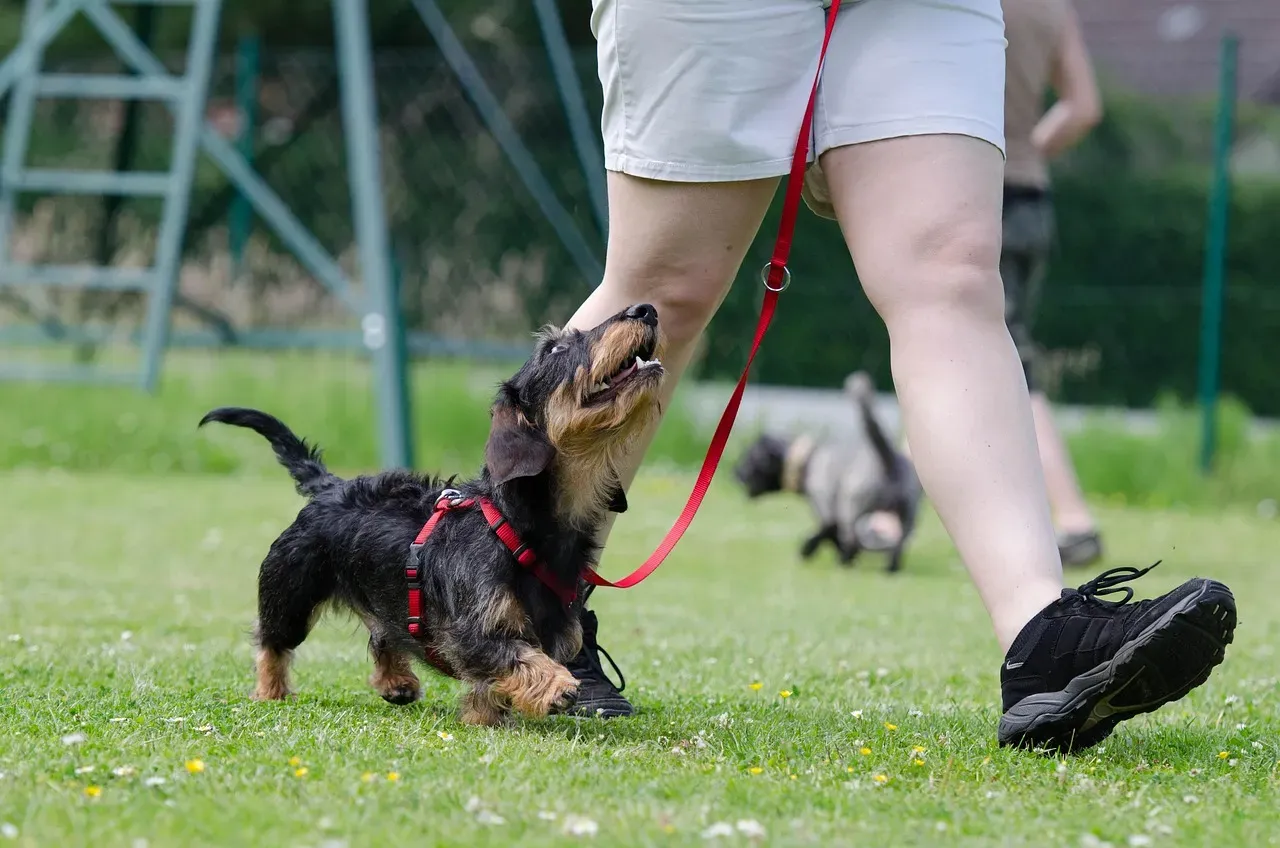
Here’s the thing about this list. It’s not a reason to fear any of these breeds, or to love them any less. Genetics may load the gun, but environment and training pull the trigger. Every single dog on this list has the capacity for deep loyalty, warmth, and companionship when raised with the right guidance.
Breed alone doesn’t define aggression. Owner responsibility, training, socialization, and proper restraint do. The critical socialization window is 3 to 14 weeks of age, but socialization is a lifelong process. Exposing your dog to a wide variety of people, sounds, and environments builds confidence and prevents fear-based aggression. Think of training not as control, but as communication. You’re not suppressing your dog’s nature. You’re giving it a language.
To identify an aggressive or dangerous dog, watch for stiff posture, raised hackles, intense staring, growling, snarling, and other stress signals like yawning or lip-licking. These are your dog’s way of saying “I’m not okay right now.” The owners who listen to those signals, who act calmly and early, are the ones who never end up in a crisis.
You chose to share your life with a dog. That’s one of the most beautiful decisions a person can make. Now the job is to understand them fully, quirks, risks, instincts and all. Because the more clearly you see your dog, the safer and deeper your bond becomes. Which of these breeds surprised you most? Drop your thoughts in the comments below.


